Top 11 Gorges in Rome
Best canyons in Rome include a variety of natural gorges and unique underground features. The city's geological foundation of volcanic tuff allowed ancient Romans to carve out extensive subterranean networks. These include ancient catacombs and archaeological sites that offer deep, carved explorations. Natural gorges are also found in the surrounding Lazio region, providing outdoor experiences.
Best canyons in Rome
- The most popular canyons is Tufo Canyon, a canyon that is a natural canyon carved by water. It is a charming place located near Rome.
- Another must-see spot is Valle del Sorbo, a gorge. This enchanting place is situated between the municipalities of Campagnano and Formello, offering paths for hiking or cycling.
- Visitors also love Montagna Spaccata, a natural monument. This location connects Marcellina to San Polo dei Cavalieri and serves as an entrance to the park.
- Rome is known for natural gorges, underground archaeological sites, and ancient catacombs. These features provide a range of exploration opportunities, from carved rock formations to historical subterranean passages.
- The canyons in Rome are appreciated by the komoot community. There are 69 upvotes and 18 photos from visitors.
Last updated: May 31, 2026
Valle del Sorbo
Highlight • Gorge
Translated by Google •
Tip by

Montagna Spaccata
Highlight • Natural Monument
Translated by Google •
Tip by

Sign up now to discover places like this
Get recommendations on the best single tracks, peaks, & plenty of other exciting outdoor places.
Sign up for free
Tufo Canyon
Highlight • Canyon
Translated by Google •
Tip by

The Gorge
Highlight • Gorge
Translated by Google •
Tip by

Caves Along the Trail
Highlight • Cave
Translated by Google •
Tip by

CAI Trail 207g: Via Romania to Valle del Sorbo
Highlight • Trail
Translated by Google •
Tip by

Maschio d’Ariano Gorge
Highlight • Gorge
Translated by Google •
Tip by

Devil's Descent
Highlight (Segment) • Trail
Translated by Google •
Tip by

Singletrack in the Gorge, Parco Naturale Regionale di Bracciano - Martignano
Highlight (Segment) • Trail
Translated by Google •
Tip by

The Gregorian Bridge and the Tivoli Gorge
Highlight • Bridge
Here's what you can see from the bridge:
The Tivoli Gorge: The Aniene River flowing deep within, part of the evocative Villa Gregoriana Park.
Roman Temples: The acropolis with the Temple of the Sibyl and the Temple of Vesta, symbols of ancient "Tibur."
Historical Panorama: The medieval and historic houses overlooking the chasm, offering a glimpse of old Tivoli.
The Great Waterfall: With the surrounding landscape of the gorge.
The bridge itself, built in the 19th century by Pope Gregory XVI, is an iconic vantage point located at the entrance to the historic center.
WEBSITE: visittivoli.it/sito-turistico/ponte-gregoriano/#:~:text=Today%20rappresenta%20un%20passaggio%20monumentale%20da%20cui,*%20Via%20Ponte%20Gregoriano%2C%2000019%20Tivoli%20RM.9
Translated by Google •
Tip by

Sign up for free to discover even more gorges in Rome.
Sign up for free
Already have an account?
Start today with a free account
Your next adventure awaits.
Login or Signup
Popular around Rome
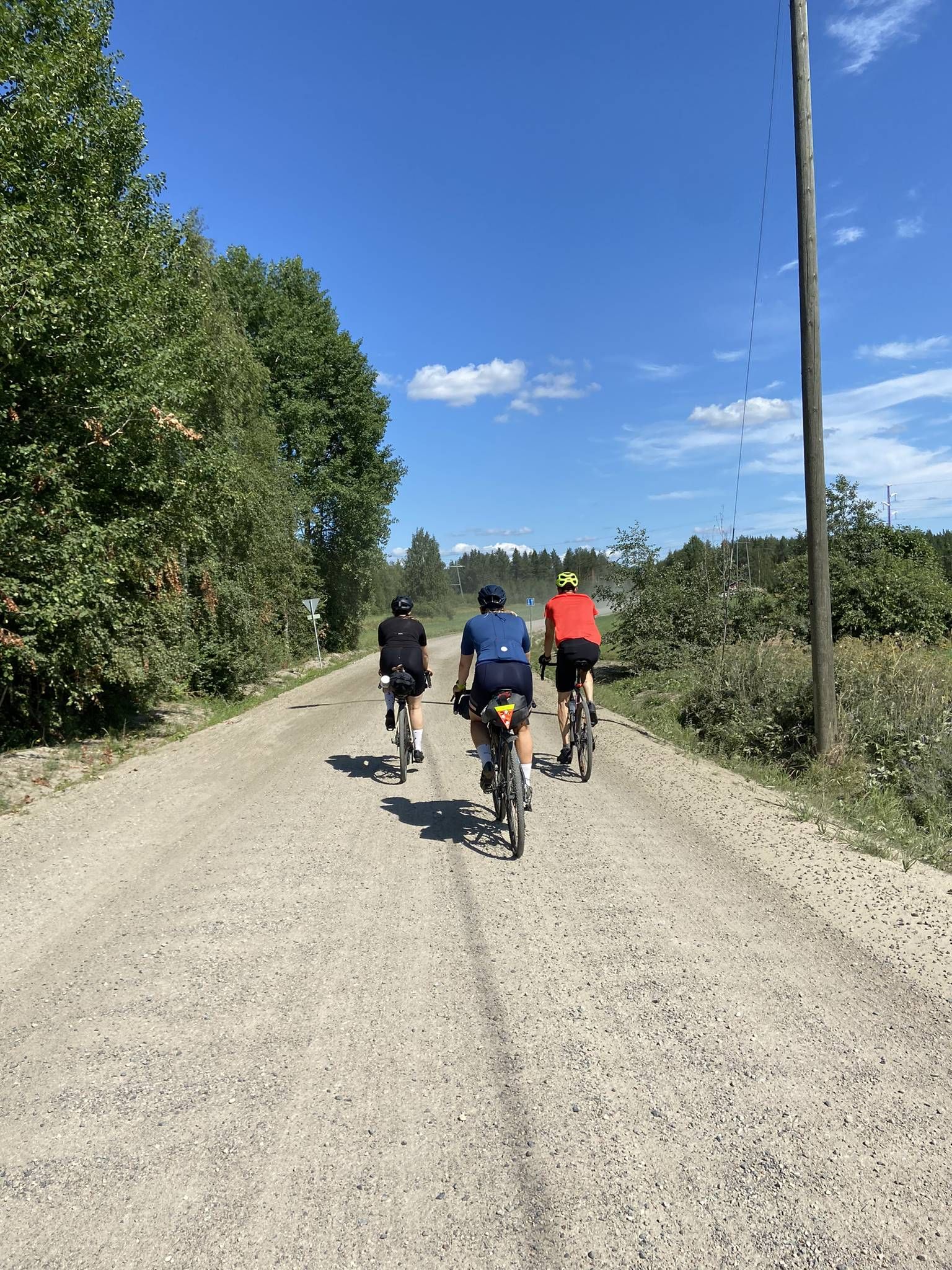
Naples to North Cape — Two friends, one purpose and many scoops of ice-cream
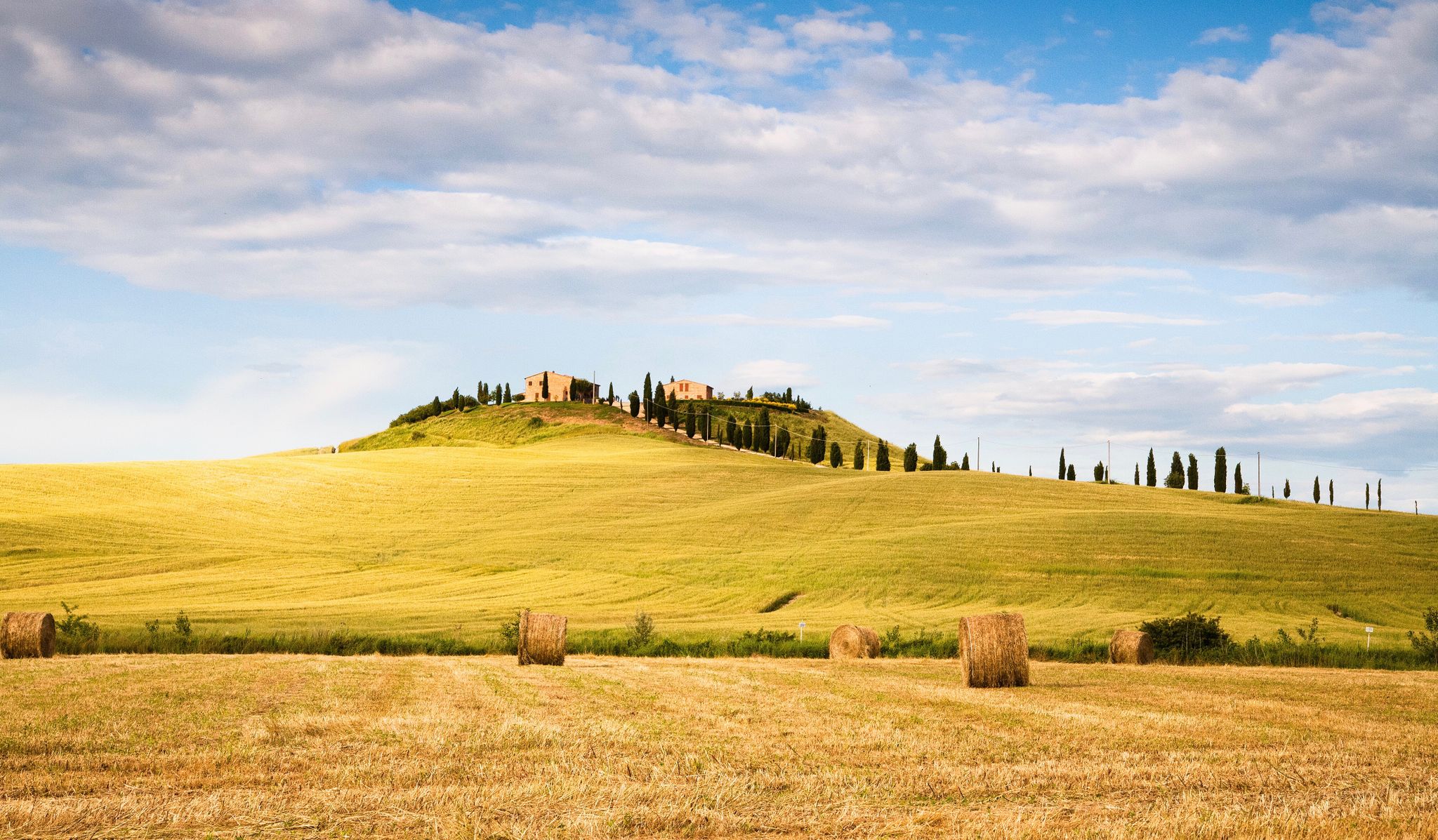
Via Francigena South — Siena to Rome
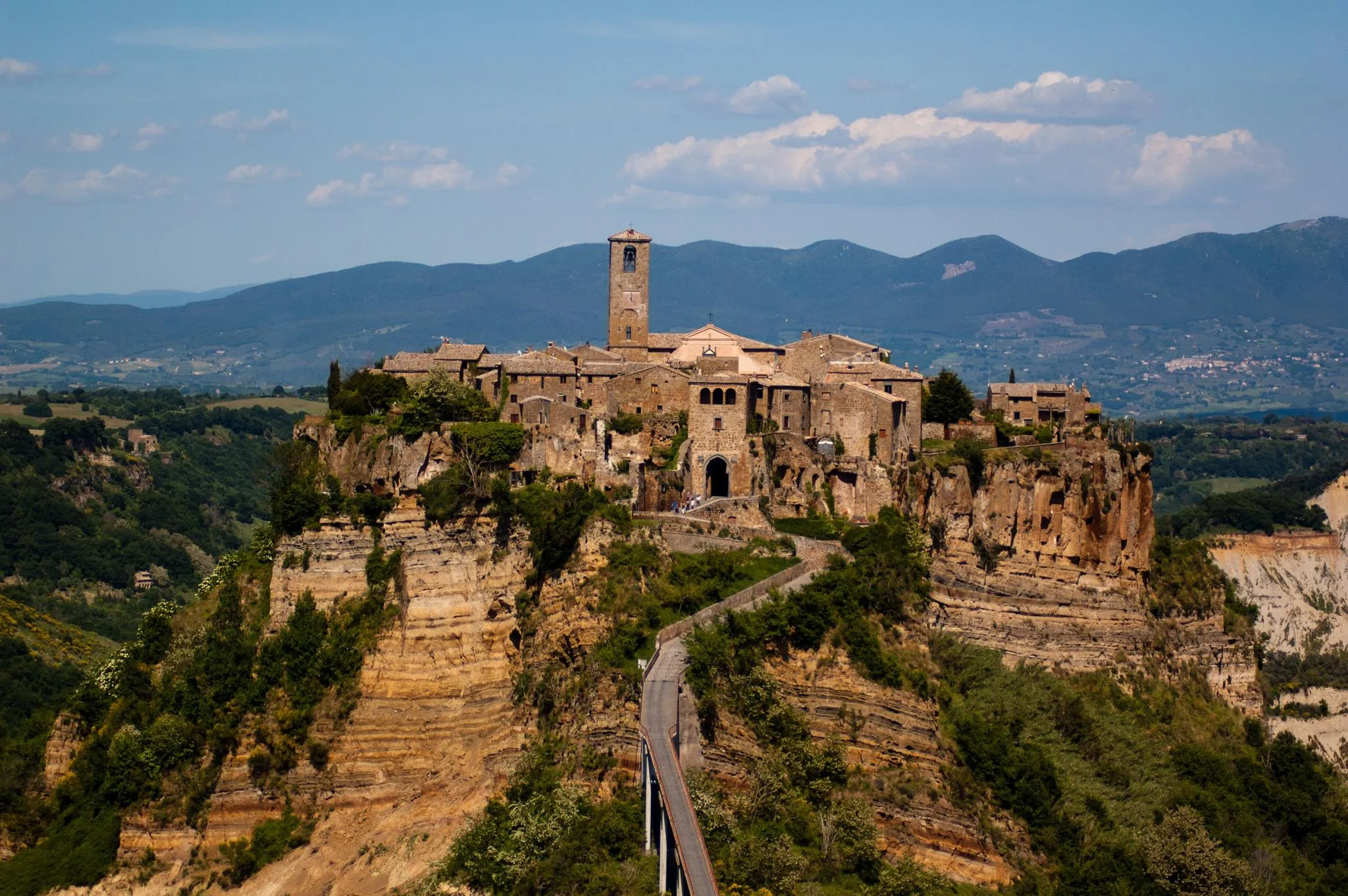
Lazio by bike – suspended villages, turquoise waters and natural parks
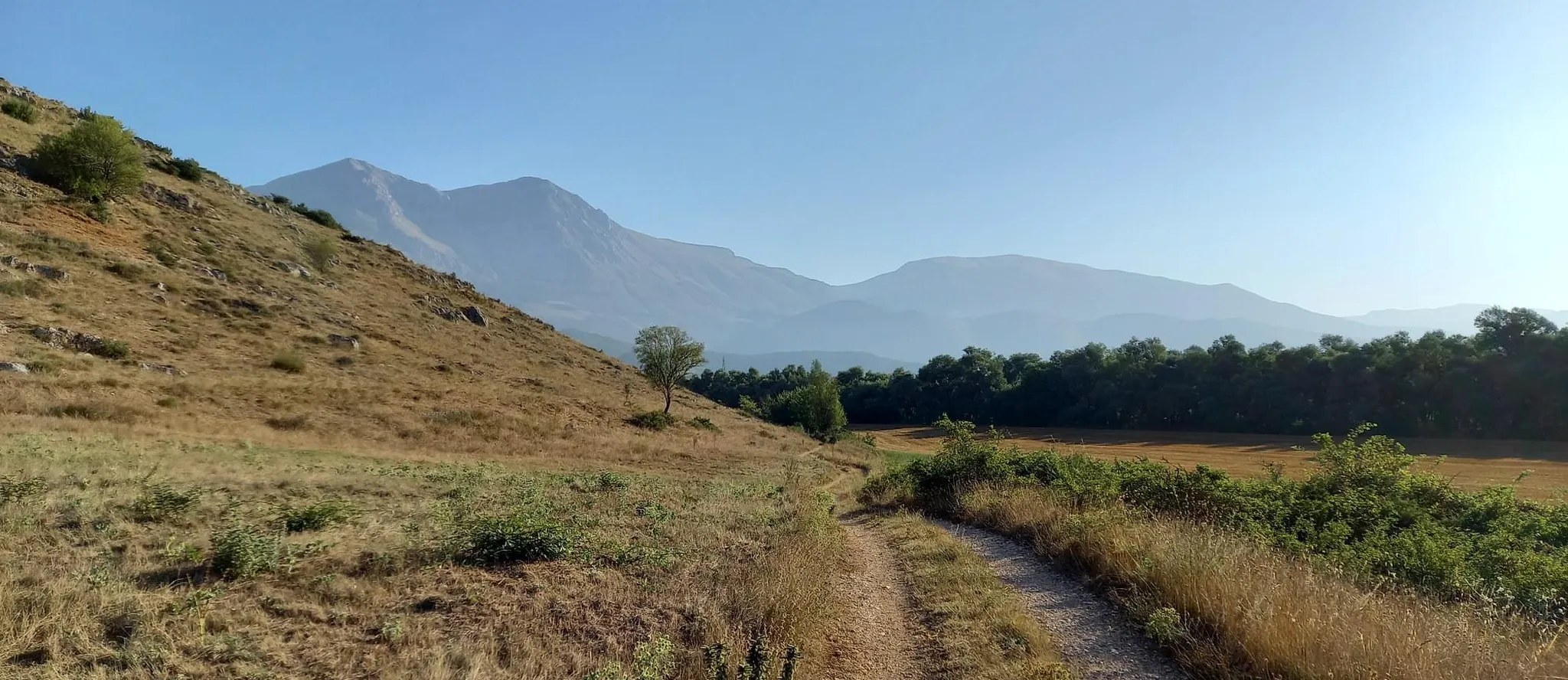
Hike from Rome to the Adriatic Sea – Way of St. Thomas
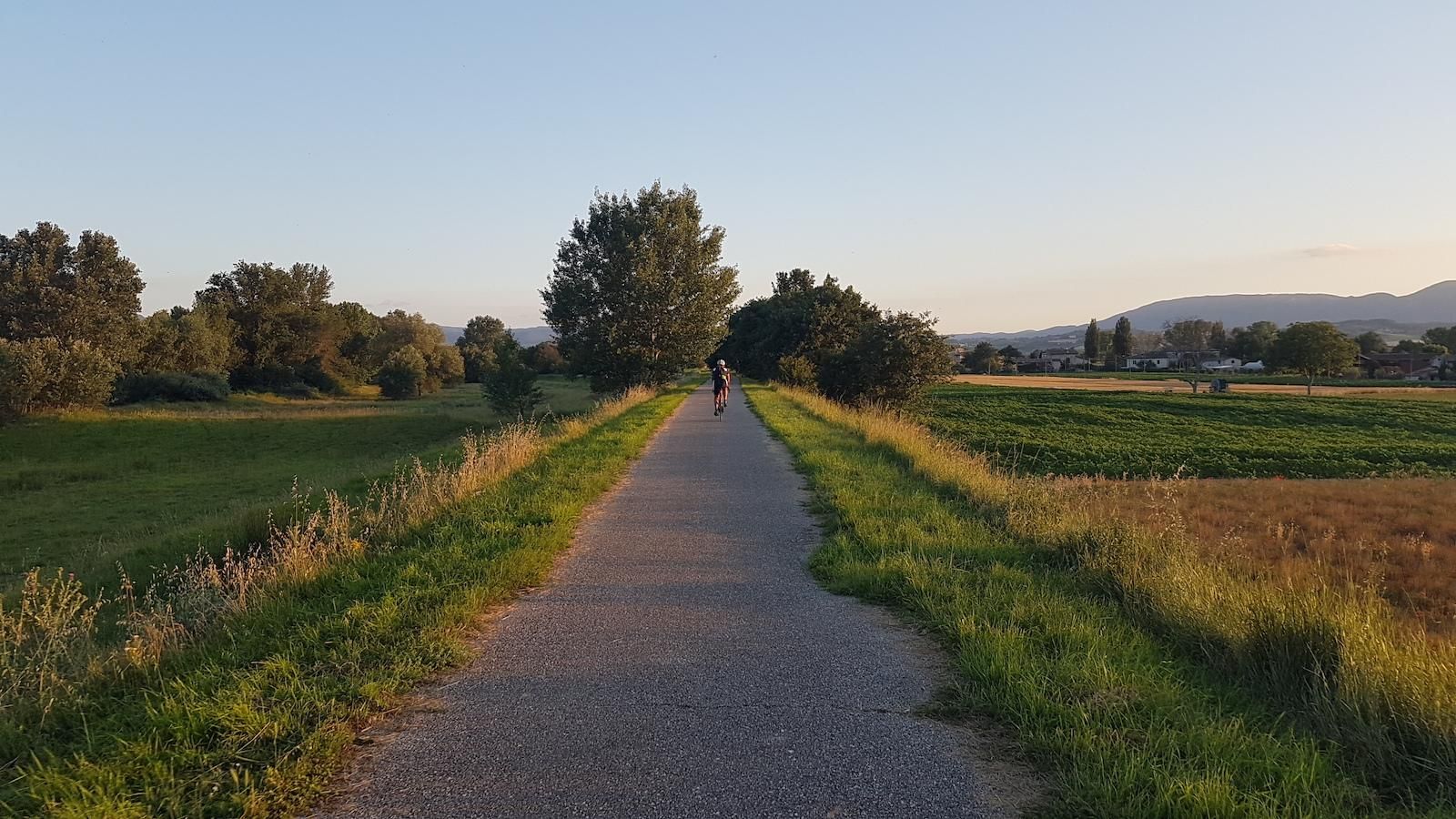
Ride St Francis Way in Italy – Via del Sud pilgrimage
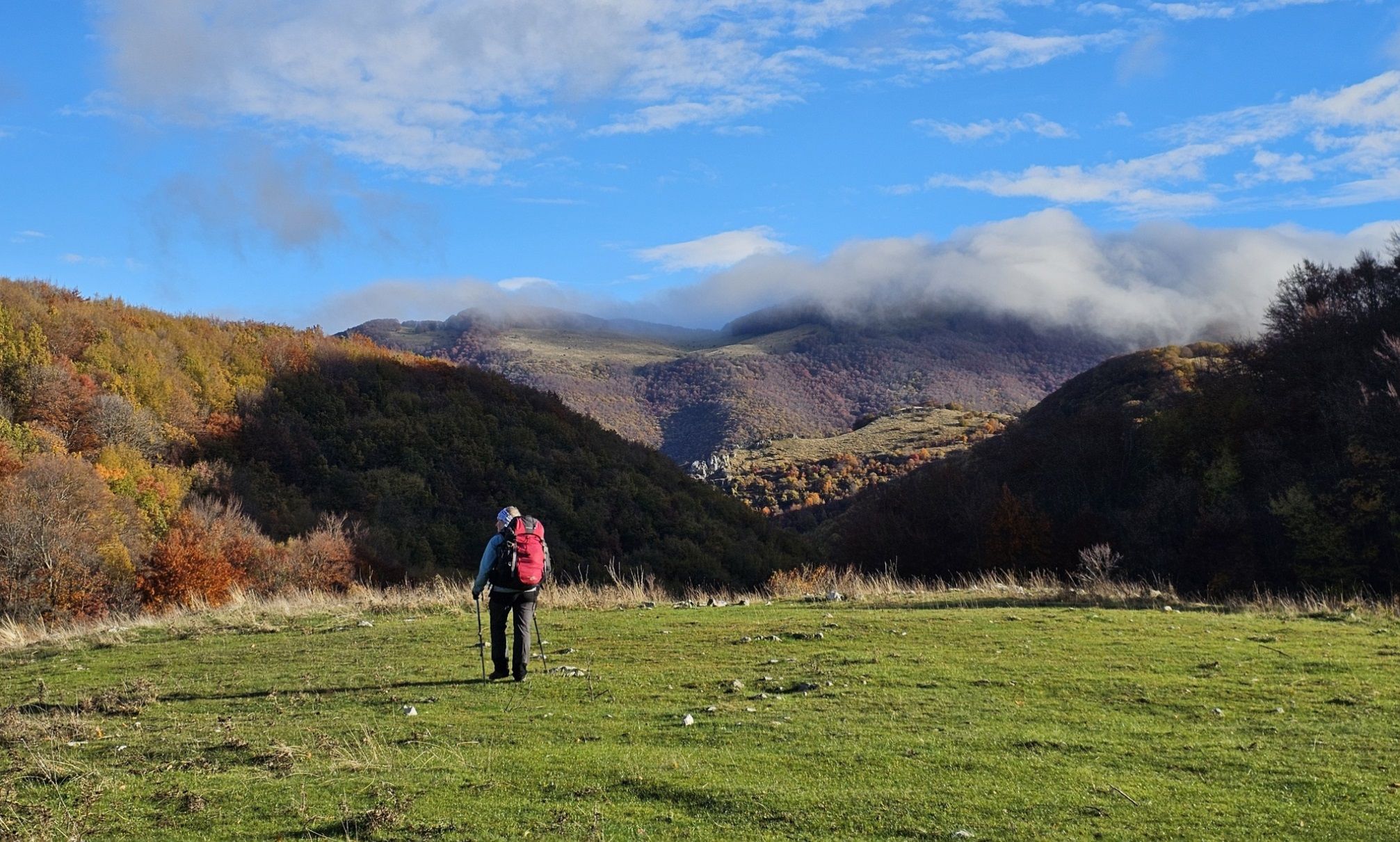
A colourful journey – hike in the Simbruini Mountains
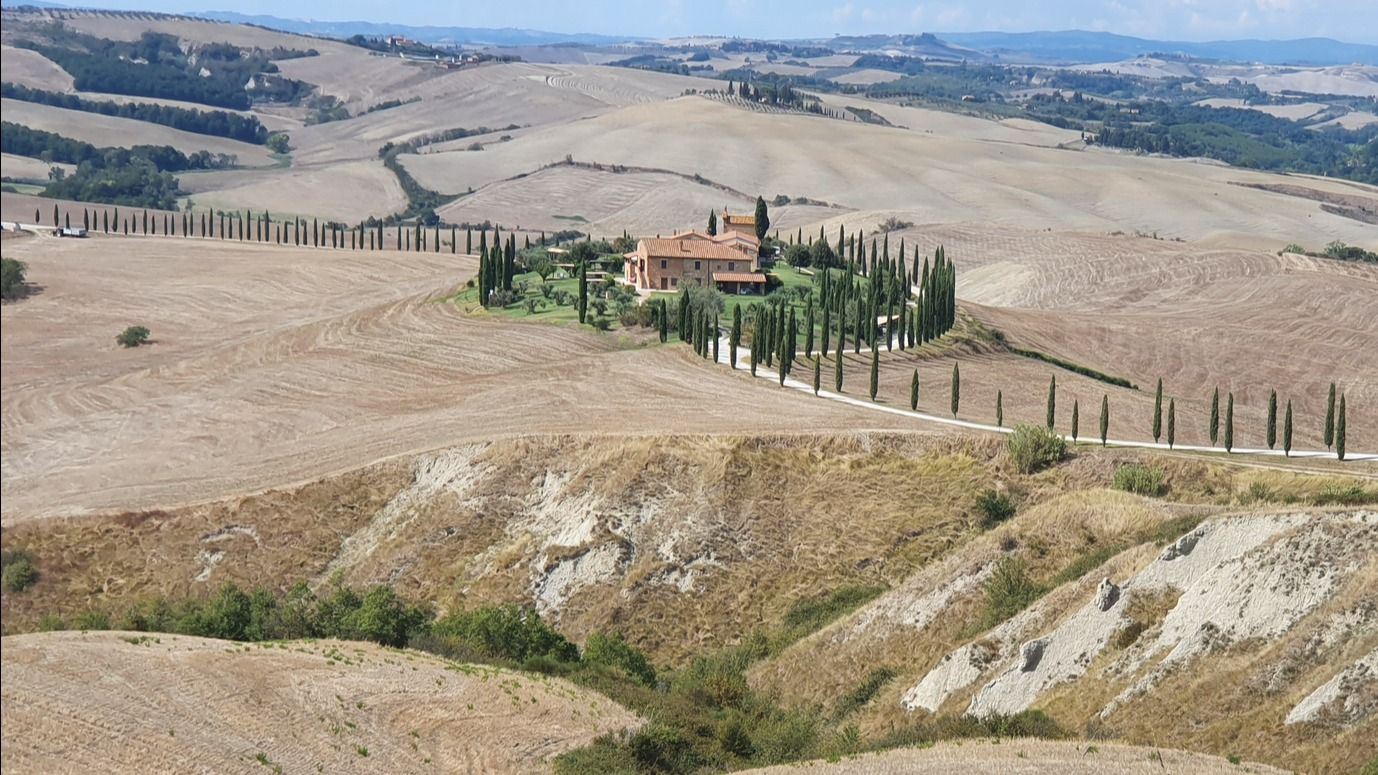
A Grand Tour of Italy – Rome to Milan by bike
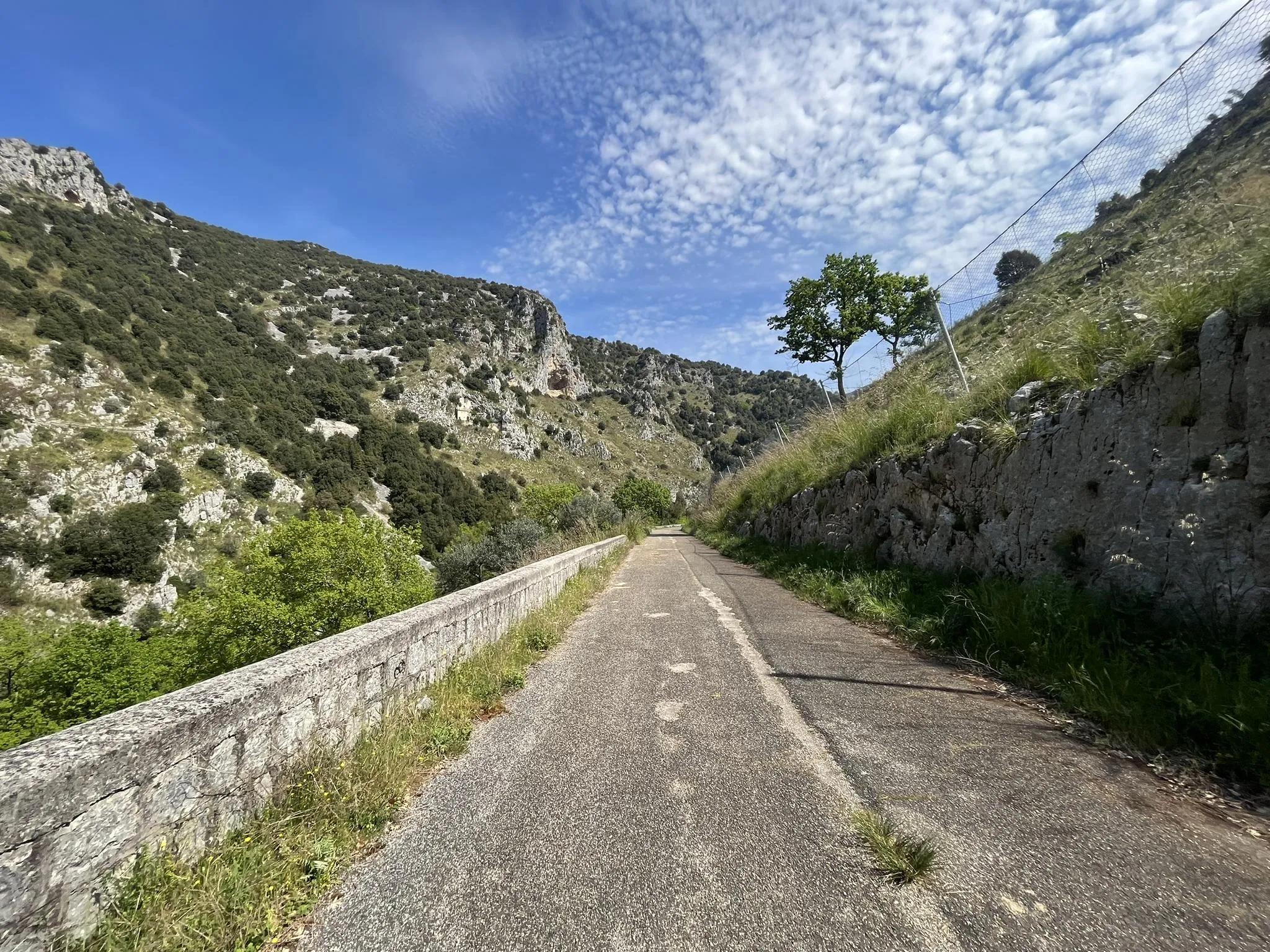
Between abbeys and quiet valleys – Saint Benedict's Way by bike
Cammino Naturale dei Parchi – Part 2 Livata to Corvaro
Ancient paths and necropolises – the Via Clodia by bike
Other adventures in Rome


Tips from the Community

From Tivoli's Gregorian Bridge, you can enjoy a spectacular view of the Aniene Gorge, the natural canyon carved by the river, and the Roman Acropolis with its ancient temples. Looking toward the "old" part, you can admire the houses clinging to the rock and the Temple of the Sibyl, which turns golden at sunset. Here's what you can see from the bridge: The Tivoli Gorge: The Aniene River flowing deep within, part of the evocative Villa Gregoriana Park. Roman Temples: The acropolis with the Temple of the Sibyl and the Temple of Vesta, symbols of ancient "Tibur." Historical Panorama: The medieval and historic houses overlooking the chasm, offering a glimpse of old Tivoli. The Great Waterfall: With the surrounding landscape of the gorge. The bridge itself, built in the 19th century by Pope Gregory XVI, is an iconic vantage point located at the entrance to the historic center. WEBSITE: https://visittivoli.it/sito-turistico/ponte-gregoriano/#:~:text=Today%20rappresenta%20un%20passaggio%20monumentale%20da%20cui,*%20Via%20Ponte%20Gregoriano%2C%2000019%20Tivoli%20RM.9
0
0

A charming place just a stone's throw from Rome. Don't touch the tuff walls as you enter the canyon; they're very delicate. Thank you.
1
0

There's a large tree fallen on the path going down before the sharp bend and the path has collapsed, making it difficult to find the trail now unfortunately...
0
0

The paved road will allow you to reach an acceptable altitude to tackle the Monti Lucertola and challenge Monte Gennaro. The split mountain is the entrance to the park from the San Polo dei Cavalieri side.
0
0
Slightly hidden and covered by bush but still interesting to observe along the way
0
0

It is the CAI 207g trail. Going down from Viale Europa on asphalt and then on a dirt road along Via Romania, a beautiful trail begins in the woods that, with the crossing of two fords of the Cremera stream, allows us to reach the splendid Valle del Sorbo. The trail is easy, slightly downhill coming from Via Romania, and then completely flat along the banks of the stream in a beautiful gorge with a couple of waterfalls. The trail is completely rideable, without rocks or steps. The two fords, if you are on foot, are crossed by walking on stable stones with the help of trekking poles; with a lot of attention you can pass and not get your feet wet. The flow of water should never be excessive as the sources of the Cremera are a couple of km before, near the sanctuary of the Madonna del Sorbo. The three of us, with bikes, did not get wet. To be safe, bring two plastic bags to cover your shoes. The trail is not suitable for families with children in strollers.
0
0

The Valle del Sorbo is an enchanting valley in the Parco di Veio, located just 30 kilometers from the capital Rome. It is a “Site of Community Interest” due to the presence of the characteristic tuff valleys of the Roman countryside. The valley, crossed by the Fosso della Mola (later named Valchetta), extends between Formello and Campagnano di Roma and is populated by livestock kept in the wild. It is one of the most visited places in the park. The valley is also home to the Santuario della Madonna del Sorbo, an important stop on Lazio's Via Francigena.
1
0
Beautiful singletrack that descends into a gorge in the woods. You can do it by MTB but it's easy and it's best to do it in the direction of Oriolo
0
0
Frequently Asked Questions
What kind of "canyons" can I explore in and around Rome?
Rome offers a unique blend of experiences. Within the city, you can explore extensive underground archaeological sites and ancient catacombs that evoke a canyon-like feel due to their deep, carved passages. For traditional natural gorges and ravines, you'll find them in the surrounding Lazio region, perfect for hiking and canyoning.
Where can I find natural gorges for hiking near Rome?
Natural gorges and ravines are primarily found outside the city in the Lazio region. Areas like Vulci Park, the Gorges in Upper Sabina, and the Aniene Valley offer beautiful natural settings with opportunities for trekking and canyoning. You can also explore places like Valle del Sorbo, an enchanting gorge between Campagnano and Formello, or the natural canyon carved by water known as Tufo Canyon.
Are there any specific natural canyons recommended for exploration?
Yes, several natural features are highly regarded. Tufo Canyon is a charming natural canyon carved by water, located near Rome. Another popular spot is Valle del Sorbo, an enchanting gorge with paths for hiking or cycling. Additionally, Montagna Spaccata is a natural monument that serves as an entrance to a park, offering a unique landscape.
What are the difficulty levels for exploring canyons and gorges near Rome?
The difficulty levels vary. Many natural gorges offer trails suitable for intermediate hikers, such as those found around Montagna Spaccata or the Caves Along the Trail. Some areas, like The Gorge or Maschio d’Ariano Gorge, are considered challenging. Always check specific route details for the best fit for your experience level.
What is the best time of year to visit the gorges and underground sites?
For natural gorges and outdoor activities, spring (April-June) and autumn (September-October) are ideal, offering pleasant temperatures for hiking and canyoning. Summers can be hot, but water activities in gorges can be refreshing. Underground sites like catacombs and archaeological excavations are accessible year-round, providing a cool escape during warmer months and a unique experience in winter.
Can I explore historical underground "canyons" in Rome?
Absolutely. Rome is built upon layers of history, offering extensive underground explorations. These include the ancient Roman Catacombs, vast subterranean networks used as burial grounds, and numerous archaeological sites beneath the modern city. These sites provide a profound glimpse into early Christian history, Roman engineering, and daily life.
What are some notable underground historical sites to visit in Rome?
You can explore the sprawling Roman Catacombs, such as those of Callixtus or Domitilla, which feature miles of tunnels and ancient art. Other significant sites include the underground ruins of the Domitian Stadium beneath Piazza Navona, the 'City of Water' (Vicus Caprarius) near the Trevi Fountain, and the multi-layered Basilica of San Clemente, which descends through centuries of history.
Are there family-friendly canyon experiences near Rome?
Yes, some areas offer gentler paths suitable for families. For instance, Valle del Sorbo is described as an enchanting place with many paths for hiking or cycling, making it a good option for families. When planning, look for trails categorized as 'family_friendly' or 'easy' to ensure a suitable experience for all ages.
What outdoor activities can I do near the gorges in the Rome region?
Beyond exploring the gorges themselves, the region around Rome offers diverse outdoor activities. You can find various hiking trails, including waterfall hikes, as detailed in the Waterfall hikes in Rome guide. There are also easy hikes for a more relaxed experience, and for cyclists, numerous gravel biking routes are available, as highlighted in the Gravel biking in Rome guide.
Do I need permits for canyoning in the Lazio region?
For organized canyoning tours, permits are typically handled by the tour operators. If you plan to undertake independent canyoning, especially in protected areas or specific gorges, it's advisable to check with local authorities or park management for any required permits or regulations. Water levels can also be a critical factor, so always prioritize safety and local guidance.
Are there guided tours available for canyoning or exploring underground sites?
Yes, guided tours are widely available, especially for the underground historical sites within Rome like the Catacombs, the Colosseum Underground, and other archaeological excavations. For natural canyoning experiences in the Lazio region, various outdoor adventure companies offer guided tours suitable for different skill levels, often including equipment and instruction.
What do visitors appreciate most about the canyons and gorges in the Rome area?
Visitors often appreciate the unique blend of natural beauty and historical depth. For natural gorges, the 'charming' and 'enchanting' qualities, along with opportunities for hiking and cycling, are frequently mentioned. For the underground 'canyons' of Rome, the profound historical insights, intricate architecture, and the sense of stepping back in time are highly valued.
Most popular routes in Rome
Most popular attractions in Rome

Get inspired with the komoot mobile app


Didn’t find what you were looking for?
Want to see even more gorges? See the best ones in Rome region by region:
Explore more
Already discovered everything in this region? See additional gorges in Rome for your next adventure:
