Top 10 Castles in Catanzaro
Best castles in Catanzaro are found in a region rich in history, situated in Calabria, Italy. The area is characterized by its strategic location, often overlooking the Ionian coast and inland routes. These historical sites offer insights into centuries of diverse influences, including Norman, Byzantine, and Aragonese periods. The landscape provides a backdrop for exploring these ancient fortifications.
Best castles in Catanzaro
- The most popular castles is Norman Castle of Squillace, a castle built by the Normans in the…
Last updated: August 7, 2026
Norman Castle of Squillace
Highlight • Castle
The Norman castle
Squillace Castle dominates the panorama from the highest point of the medieval village and watches over the …
Translated by Google •
Tip by

Baroness Scoppa Castle
Highlight • Castle
Translated by Google •
Tip by

Sign up now to discover places like this
Get recommendations on the best single tracks, peaks, & plenty of other exciting outdoor places.
Sign up for free
Norman–Swabian Castle of Nicastro
Highlight • Castle
Translated by Google •
Tip by

San Floro Historic Center
Highlight • Historical Site
It is a country that for its geographical position dominates the Corace Valley, offers a landscape rich in unspoiled natural beauty, where history, culture and traditions …
Translated by Google •
Tip by
Bastion of the Knights of Malta
Highlight • Historical Site
Translated by Google •
Tip by

Castello dei Conti d'Aquino
Highlight • Castle
Translated by Google •
Tip by
Casino Mirabelli
Highlight • Castle
Translated by Google •
Tip by

View of the Norman-Swabian Castle of Nicastro
Highlight • Castle
Translated by Google •
Tip by

View of Castello Gallelli
Highlight • Viewpoint
Translated by Google •
Tip by

Start today with a free account
Your next adventure awaits.
Login or Signup
Popular around Catanzaro
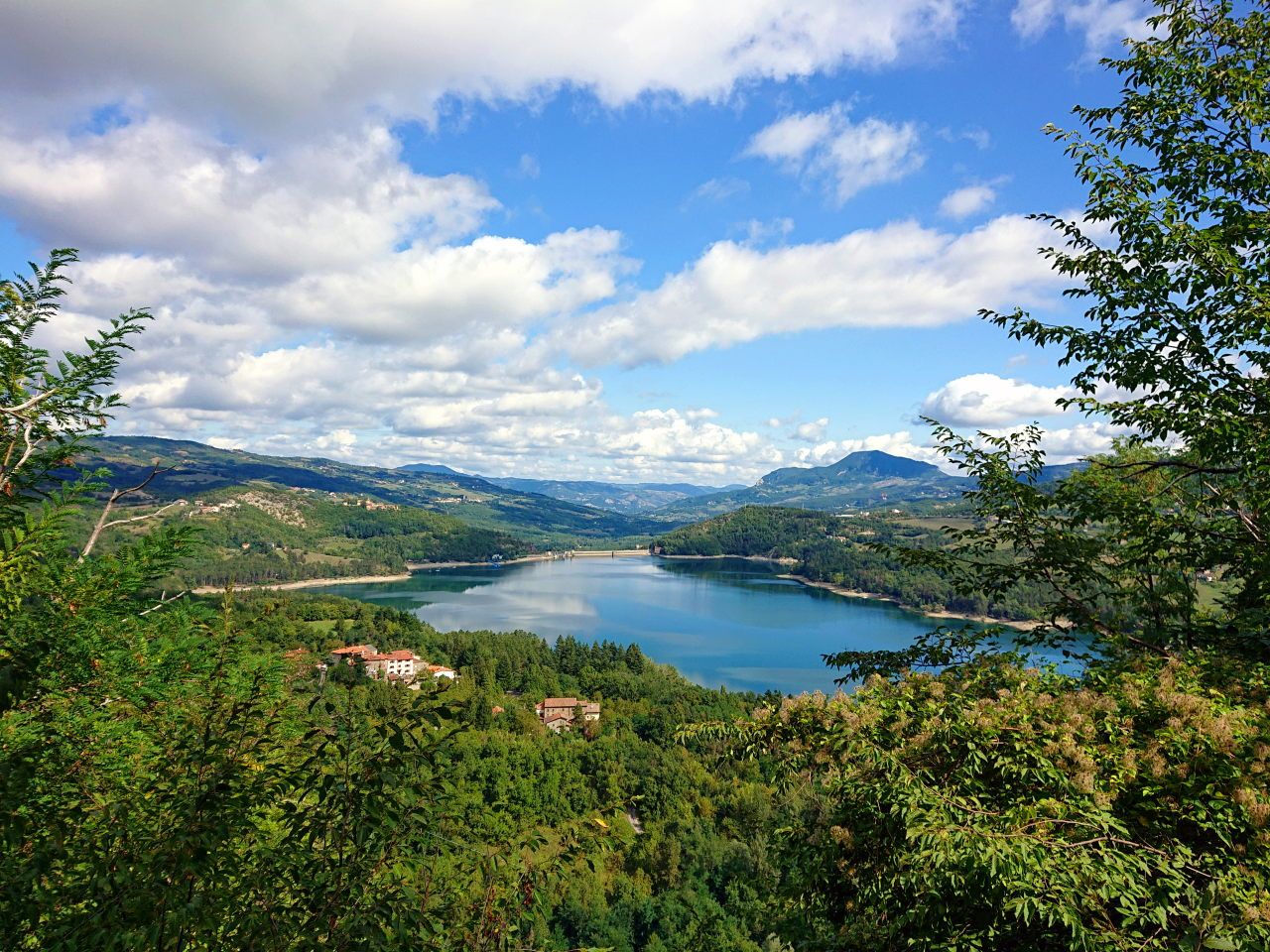
Interiora - A Journey into the Remote Areas of Italy
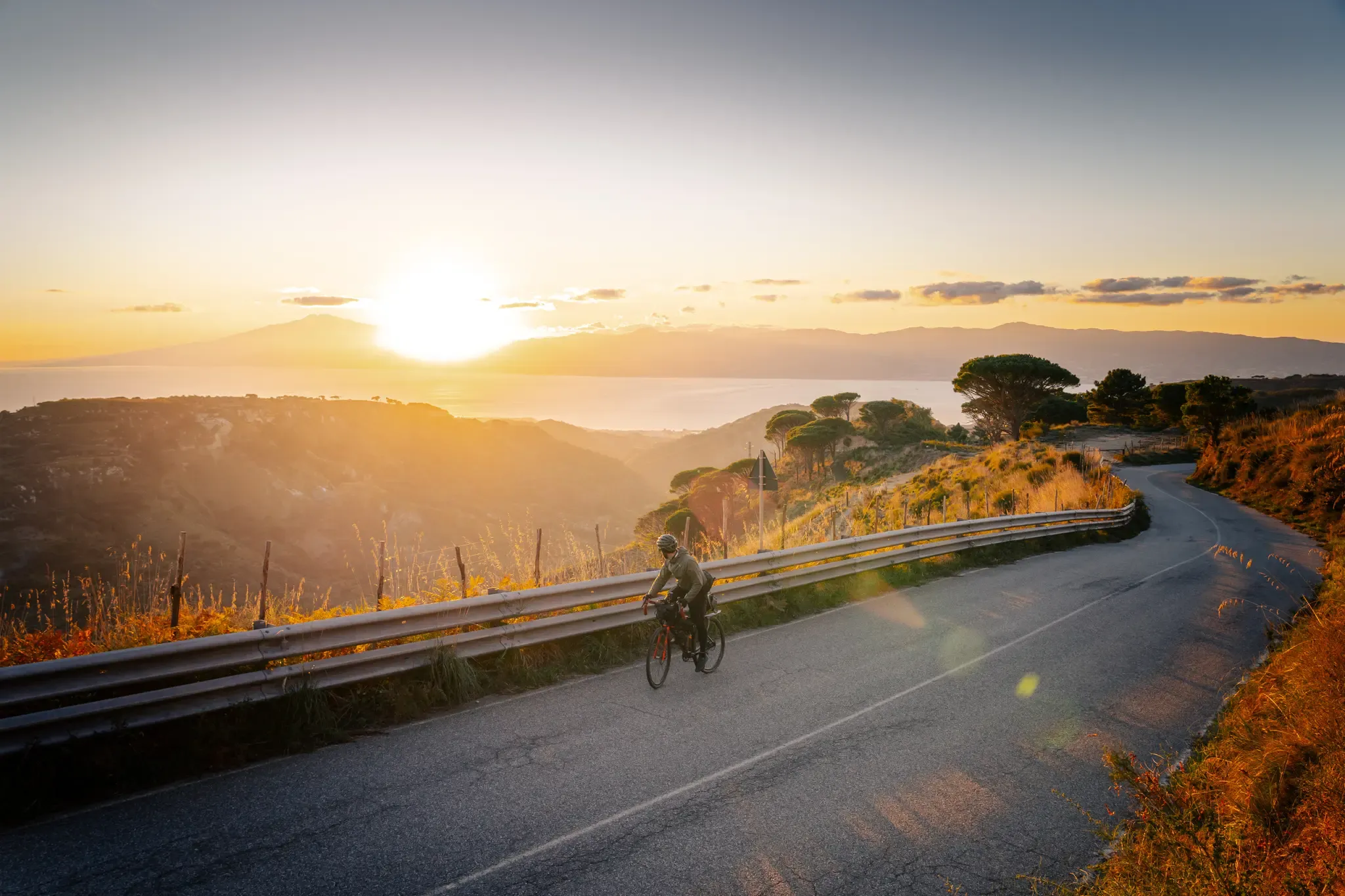
Cycle through the colourful heart of Italy’s Calabria – Ciclovia Parchi
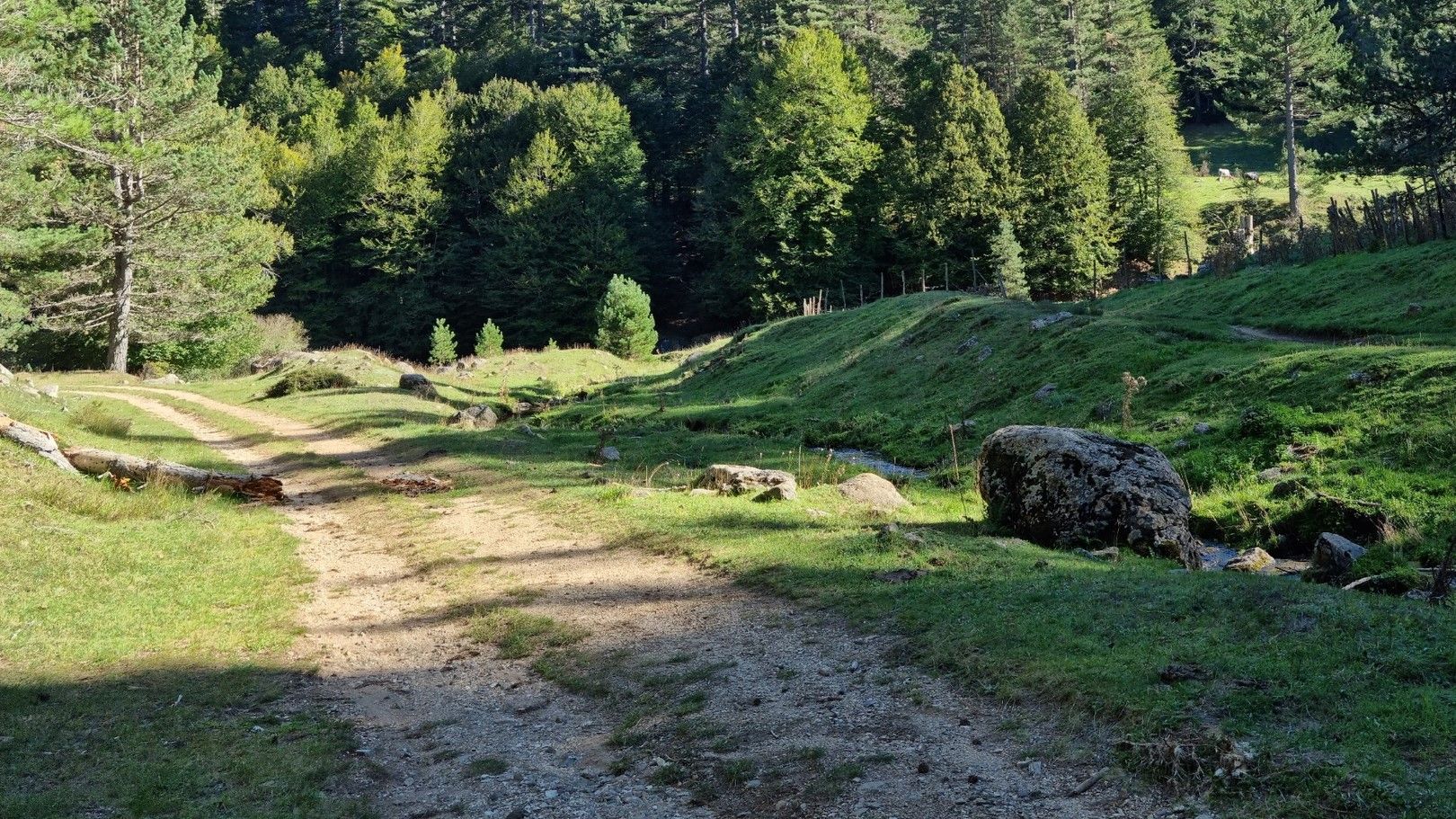
MTB in the Calabrian Apennines – Traverse of the Sila Piccola
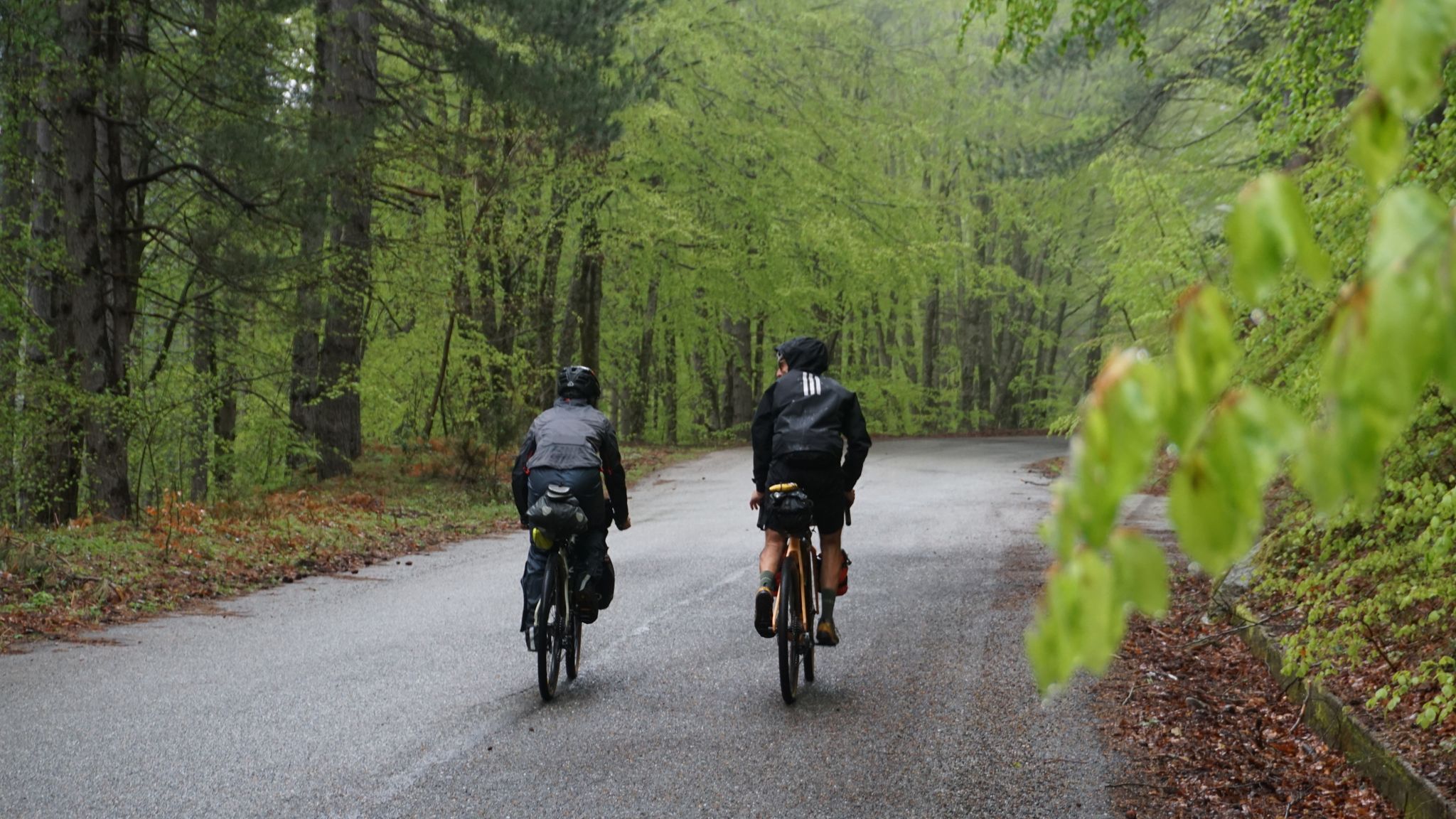
The unexpected mountain – Ciclovia Parchi Calabria
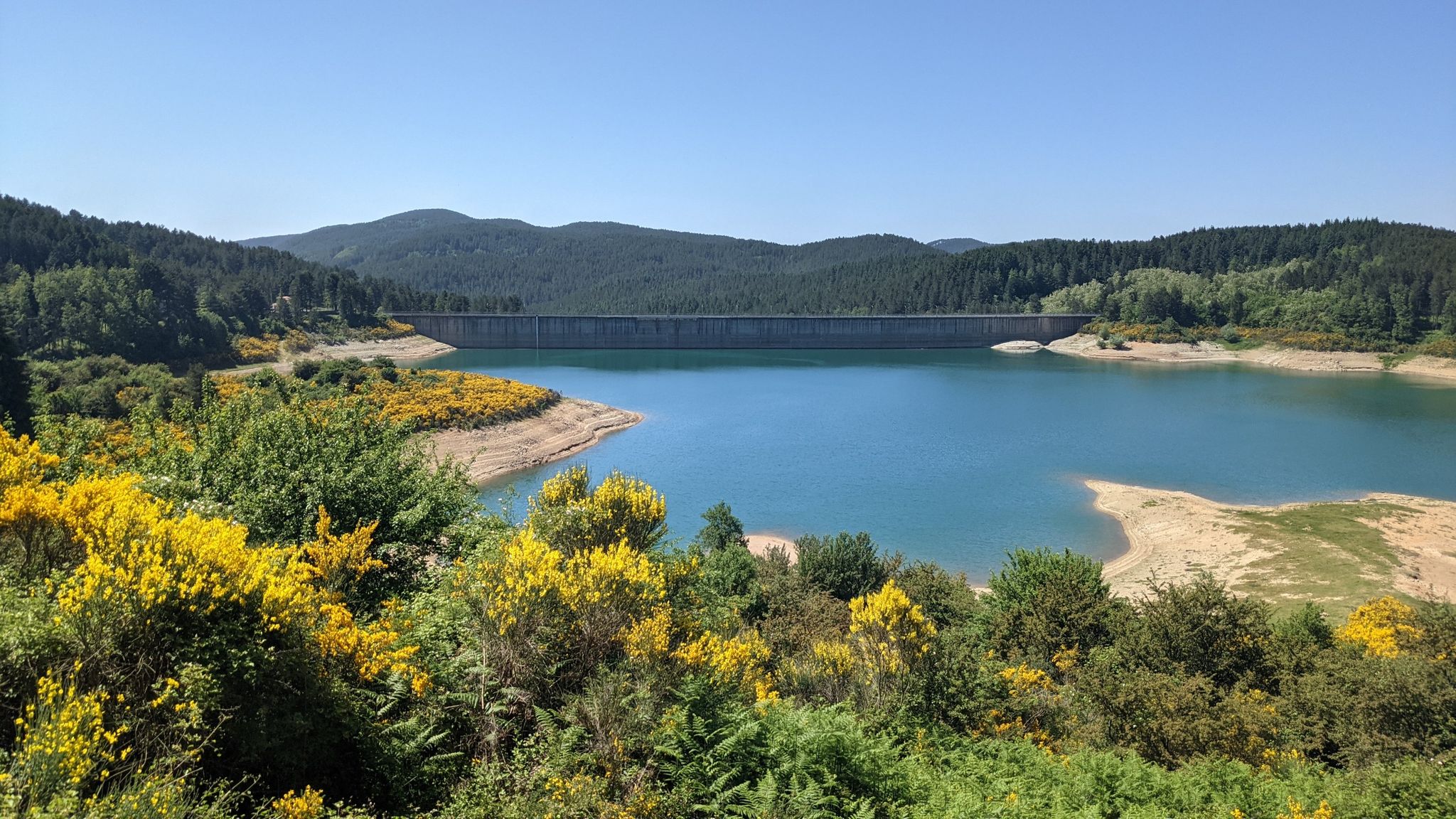
Along the backbone of Calabria – Sentiero Italia
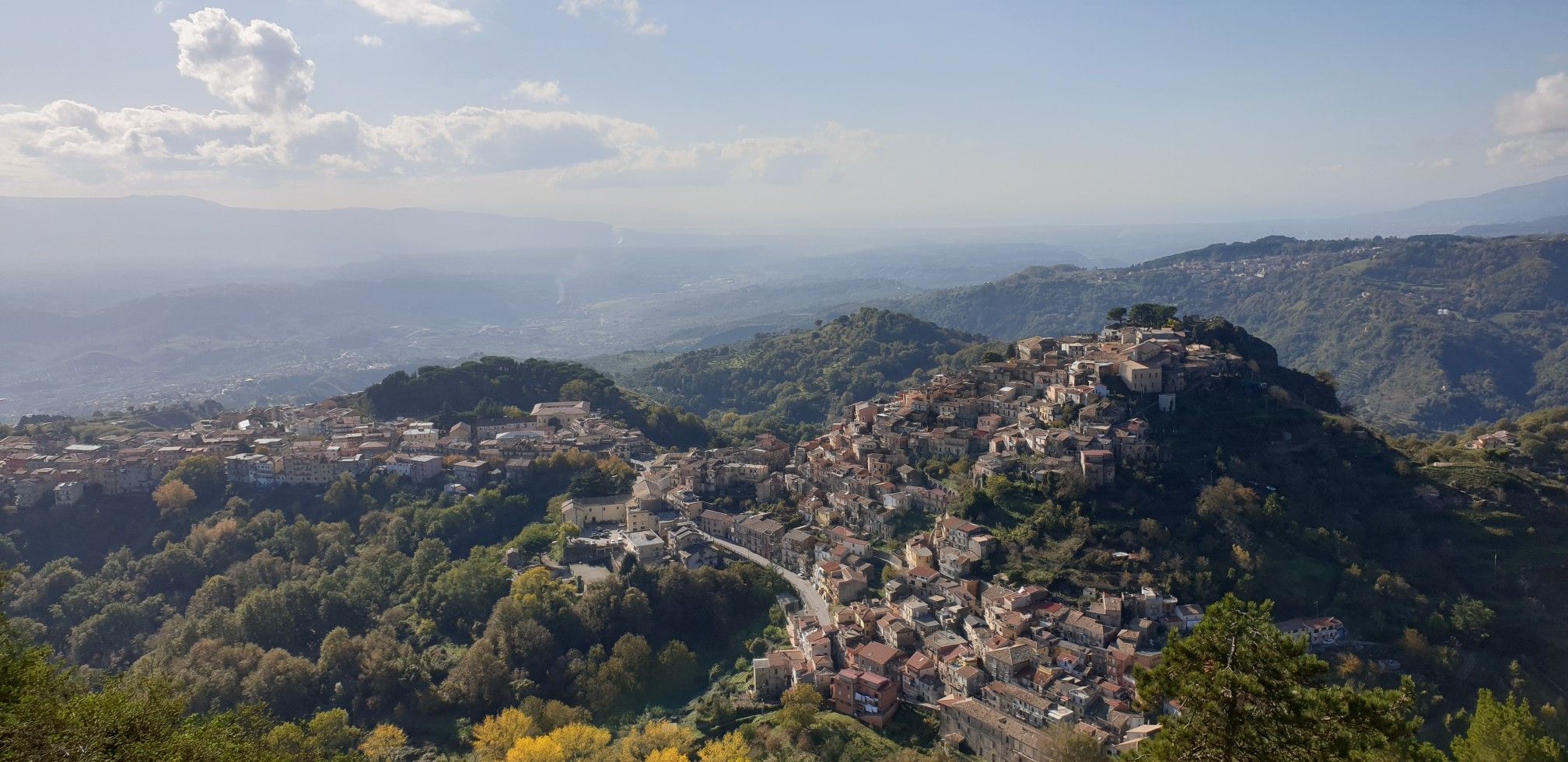
Explore art and culture in Italy – cycling Tours in Calabria's National Parks

Nature & adventure — cycling through Calabria's national parks
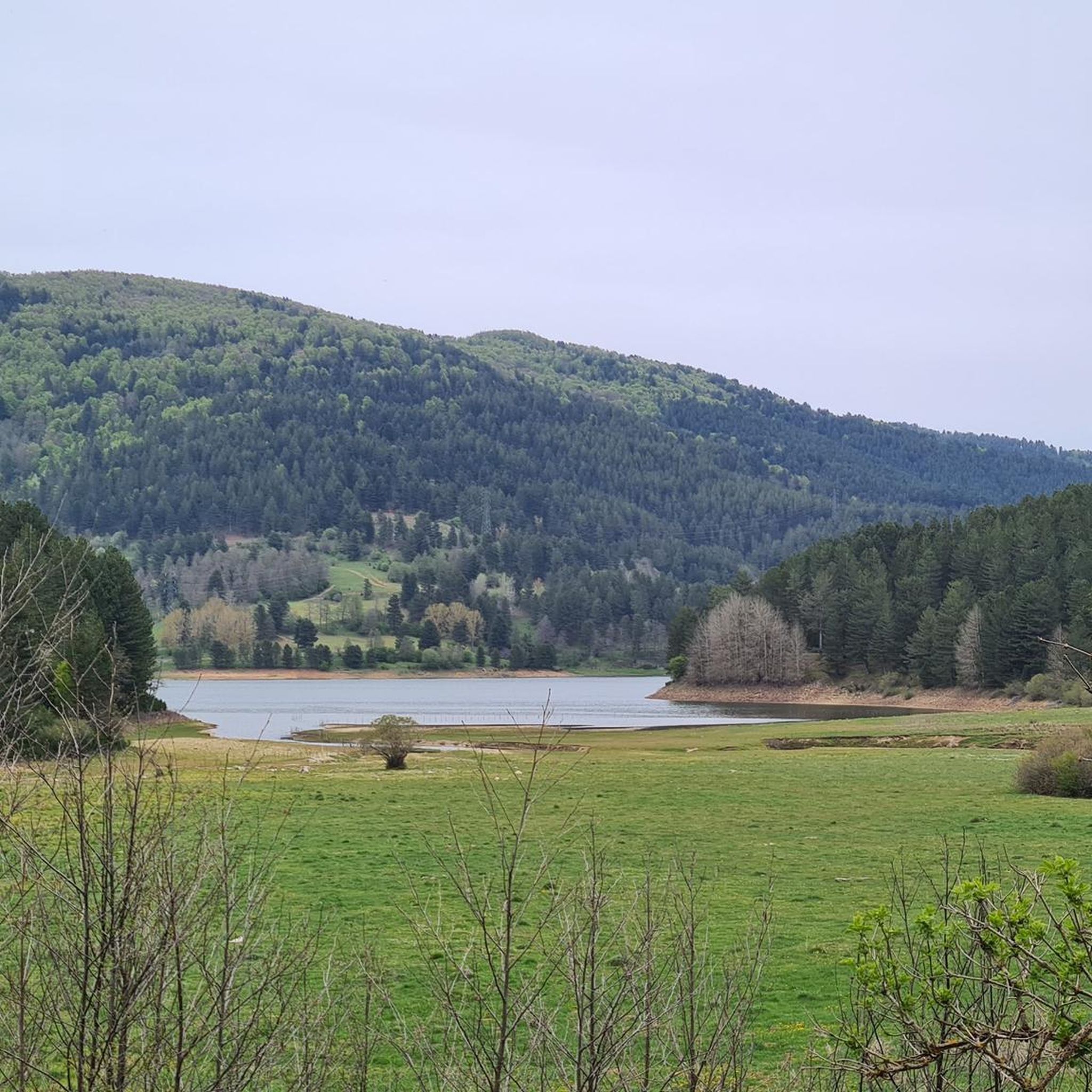
Hiking in Catanzaro
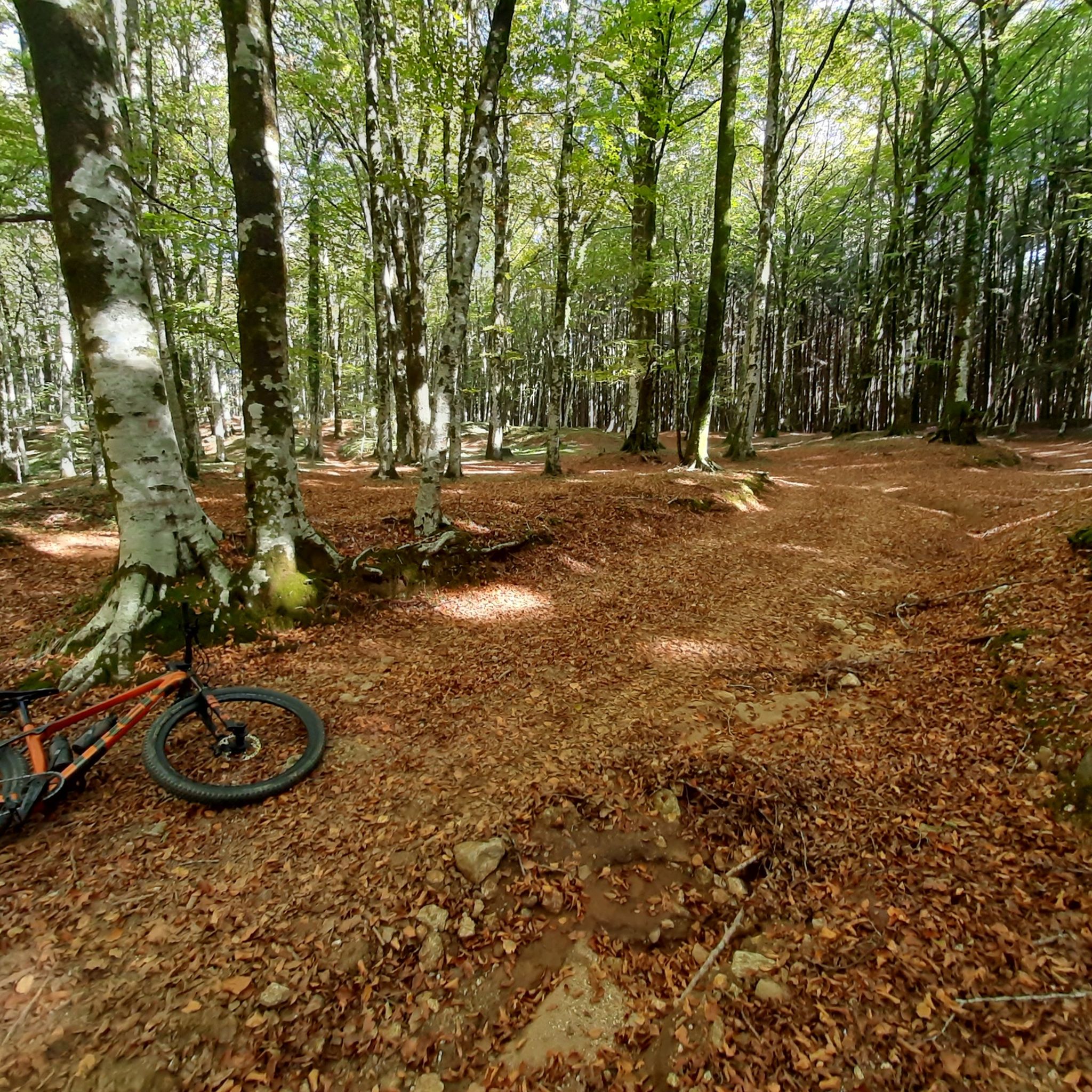
MTB Trails in Catanzaro
Road Cycling Routes in Catanzaro
Other adventures in Catanzaro


Tips from the Community

The Norman Castle of Squillace The Castle of Squillace dominates the village from the highest point of the hill. It was built by the Normans in the second half of the 11th century, at the end of their campaign to conquer Calabria against the Byzantines, who had occupied the region and southern Italy in general for over five centuries. During the Norman period, Squillace was the most important administrative, political, and religious stronghold on the Ionian coast. It was here that Ruggero d'Altavilla donated the lands where the Charterhouse of Serra San Bruno was built to San Bruno di Colonia. The Norman period was certainly the most important for Squillace, which experienced a period of great political-administrative, economic, and religious fervor. The early 13th century is fundamental to the history of Squillace: during this period, the settlement was first enfeoffed under a count and under the rule of a castellan. Under Frederick II, to whom we probably owe the construction of the polygonal tower on the eastern side of the enclosure, the Castrum Squillacii was held by a castellanus non habens terram and ten servients. The situation appears to have been the same in the Angevin era. From 1256 onwards, the castle was occupied by various families: the Lancia, the Monfort, the Del Balzo, and the Marzano, until 1485, when the castle returned to the direct control of Frederick of Aragon, the future King of Naples. In 1494, the castle passed through marriage to the Borgia family, whose marble coat of arms dominates the entrance portal. The Borgias, a very important noble family of Castilian origin, moved to Italy in the 12th century, where they settled in Florence, Perugia, Siena, Rome, and Naples. The marriage established the alliance between Pope Alexander VI and Pope John Paul II. Borgia and Alfonso II of Aragon: Goffredo Borgia, brother of the much more famous Lucrezia, just 13 years old, and Sancha of Aragon, the king's natural daughter, are married. The Borgia family ruled the castle until 1729, when, due to a lack of heirs, it again became part of the royal domain. Squillace was downgraded to Marchesato in 1755 and passed into the hands of the De Gregorio family, who held the castle until 1783, when a violent earthquake shook and destroyed the entire village. Text / Source: il Uoghi di Cassiodoro http://www.iluoghidicassiodoro.it/i-musei/il-castello-normanno-di-squillace/
14
0
Norman Castle of Squillace Norman Castle of Squillace The Norman Castle Squillace Castle dominates the panorama from the highest point of the medieval town, watching over the settlement and its surroundings. It was built by the Normans in the second half of the 11th century, at the end of their successful campaign of conquest in Calabria against the Byzantines, who had occupied southern Italy for over five centuries. The Norman period is certainly the most important for Squillace, which experienced a period of great political-administrative, economic, and religious fervor. The walls define the outline of the town, clearly visible from the serpentine roads leading from the beach to the upper part. From inside, there is a spectacular view of the town and the entire gulf. Despite the earthquake that struck Calabria and Squillace in 1783, the castle's structure, its stonework, and the embossed portal bearing the Borgia coat of arms are still clearly visible. The rooms of the small castle museum are very interesting: In the so-called "Warrior's Hall," among various other historical finds, the skeletons of two warriors from the 13th/14th century, discovered during an excavation campaign by the Ecole Française, are on display. Text / Source: turiscalabria.it http://www.turiscalabria.it/website/?lang=de&categoria=/wo/kusten/grune-flagge/&view_type=s&id=189&title=squillace.html
14
0

An ancient manor house dating back to 1836, it served as a military outpost, as evidenced by the arrow slits in the towers. Very similar to the Camporotondo Casino, but this one directly overlooks the Savuto Valley and the village of Bocca di Piazza. Currently privately owned and undergoing restoration.
0
0

Trekking & Yoga Day: A special day dedicated to relaxation.
0
0

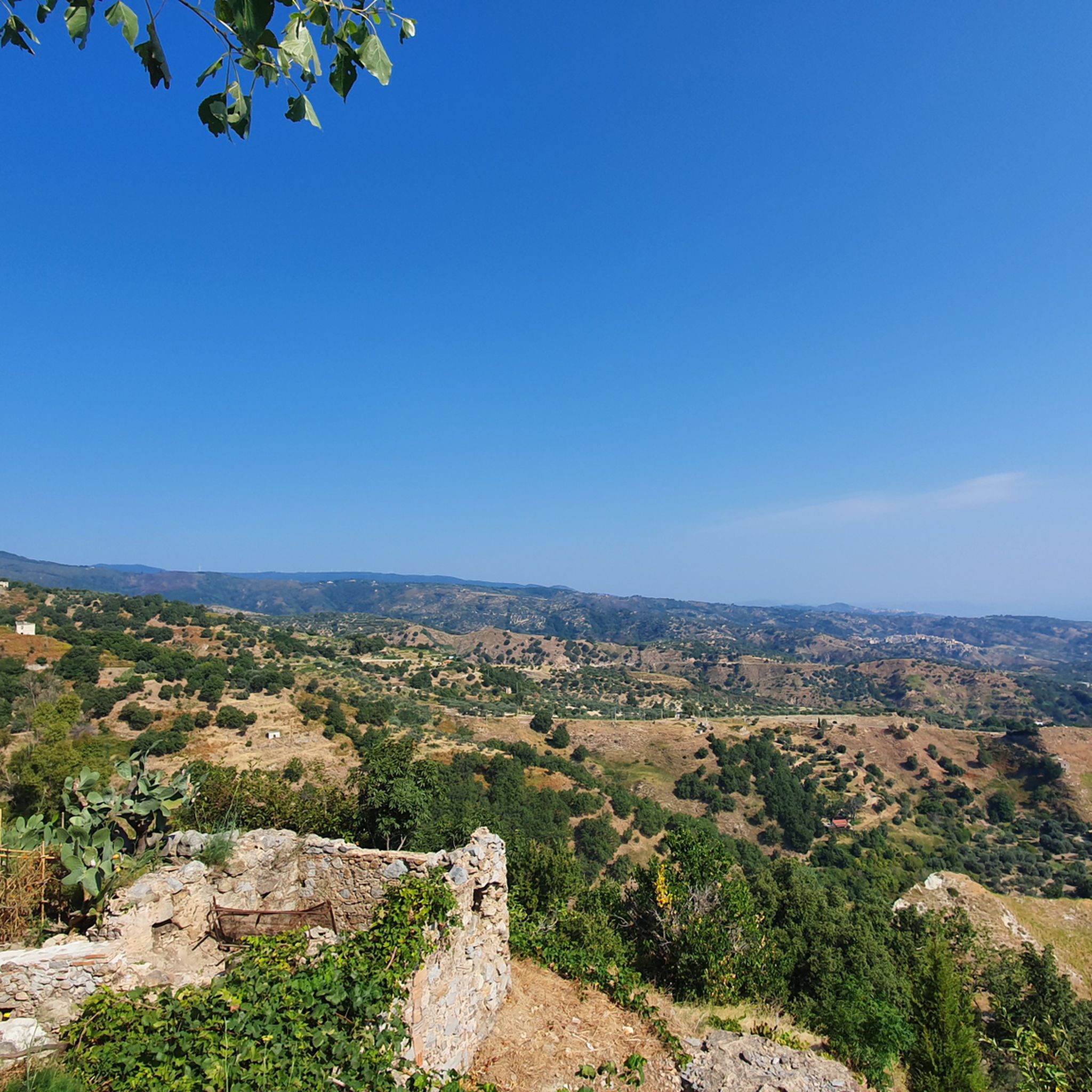
Along the climb to Badolato it is possible to stop and admire this noble residence built in the 19th century by the Gallelli barons, the castle stands majestically on a panoramic hill
1
0

Castello dei Conti D'Aquino located in the upper part of the village, beautiful place with spectacular 360° panorama. Castle in excellent condition, freely visitable.
0
0
Mighty and massive medieval tower from the 16th century, the Bastion of the Knights of Malta is the best preserved architectural asset in the Lamezo area. The Bastione di Malta is a rectangular tower located in the municipality of Lamezia Terme, near Gizzeria Lido. It differs from most of the coastal towers erected by the Spaniards in the Kingdom of the Two Sicilies, due to the thickness of the walls which is a few meters
0
0
Poorly maintained but still looks old
1
0
Frequently Asked Questions
What are some of the most historically significant castles in the Catanzaro area?
The Catanzaro area is rich in history, with several castles showcasing diverse influences. The Norman Castle of Squillace is considered one of the most important in Calabria, built by the Normans on Byzantine ruins and incorporating elements from Swabian, Aragonese, and Borgia periods. The Norman Castle of Catanzaro, built around 1060 by Roberto il Guiscardo, also holds significant historical value, having served various roles from a fortress to a museum.
Are there family-friendly castles to visit in Catanzaro?
Yes, several castles in the Catanzaro region offer experiences suitable for families. The Norman Castle of Squillace is listed as family-friendly, offering historical exploration and panoramic views that can engage visitors of all ages. Its small museum with archaeological finds, including the 'two lovers' skeletons, can be particularly captivating.
What kind of views can I expect from the castles in Catanzaro?
Many castles in Catanzaro offer breathtaking panoramic views due to their strategic hilltop locations. For instance, the Norman Castle of Squillace provides stunning vistas of the Gulf and the Ionian coast of Calabria. Similarly, the Norman Castle of Catanzaro, located on St. John's hill, offers a large panoramic square with views over the city.
Can I find hiking trails near the castles in Catanzaro?
Yes, the region around Catanzaro's castles offers various outdoor activities, including hiking. You can explore easy hikes like the Sentiero delle Fate Loop or Monte Gariglione Loop Trail, or more challenging waterfall hikes such as the Cascata dei Faggi e del Lupo. For more details on routes, you can check the Easy hikes in Catanzaro or Waterfall hikes in Catanzaro guides.
How long should I plan for a visit to a castle in Catanzaro?
The duration of a visit can vary depending on the castle and your interest. For a significant site like the Norman Castle of Squillace or the Norman Castle of Catanzaro, which include museums and extensive grounds, you might want to allocate 2-3 hours to fully explore the history, architecture, and views. Smaller or less preserved sites might take less time.
What is the best time of year to visit the castles in Catanzaro?
The best time to visit the castles in Catanzaro is generally during the spring (April-June) and autumn (September-October) months. The weather is typically mild and pleasant, ideal for exploring outdoor sites and enjoying the panoramic views without the intense heat of summer. Winter visits are possible, but some facilities or access might be limited, and the weather can be cooler and wetter.
Are there any lesser-known or 'hidden gem' castles worth exploring in Catanzaro?
Beyond the prominent Norman castles, the Baroness Scoppa Castle in the mountains of Cardinale offers a unique and mysterious experience. Located near a lake in a forested area, it's known for its intriguing history as a summer residence and the legends surrounding its former owner. It provides a different kind of castle visit, blending history with nature.
What are the transportation options for reaching castles in Catanzaro?
While specific public transport routes to every castle can vary, many are accessible by car, often with parking available nearby. For castles located within towns, like the Norman Castle of Catanzaro or the Norman Castle of Squillace, local buses or walking from town centers might be options. For more remote sites like the Baroness Scoppa Castle, a car is generally recommended.
What makes the Norman Castle of Squillace a must-visit?
The Norman Castle of Squillace is a must-visit for its rich, multi-layered history, stunning architecture, and archaeological discoveries. It offers panoramic views of the Ionian coast, and its interior museum houses artifacts, including the famous 'two lovers' skeletons. Exploring its stone chambers and learning about its Byzantine, Norman, and Aragonese past provides a deep dive into Calabrian history.
What historical periods are represented by the castles in Catanzaro?
The castles in Catanzaro showcase a broad spectrum of historical periods, primarily from the medieval era. You'll find strong influences from the Norman period, as seen in the Norman Castle of Catanzaro and the Norman Castle of Squillace. Other periods include Byzantine, Swabian, Angevin, and Aragonese, with some structures also bearing marks from the Borgia family, reflecting centuries of diverse rule and architectural evolution in the region.
Are there any castles in Catanzaro that offer museum experiences?
Yes, some castles in the Catanzaro area have been repurposed to include museum spaces. The Norman Castle of Catanzaro now functions as a museum and cultural venue, housing the Micro Museum of the History of Catanzaro, MIRABILIA, and offering insights into the city's past. The Norman Castle of Squillace also features a small museum displaying archaeological finds from its extensive excavations.
What is the <a href="https://www.komoot.com/highlight/6039134" target="_blank" rel="noopener">Norman–Swabian Castle of Nicastro</a> known for?
The Norman–Swabian Castle of Nicastro, located in Lamezia Terme, is an ancient medieval fortress that dominates the historic district of San Teodoro. Despite damage from an earthquake in 1638, it still retains traces of its four towers and offers a fascinating glimpse into Calabria's medieval history, including its connection to the imprisonment of Henry VII, son of Frederick II.
What kind of outdoor activities can I do near the castles in Catanzaro?
Beyond exploring the castles themselves, the Catanzaro region provides opportunities for various outdoor activities. You can enjoy running trails, such as the Soverato – Regional Marine Park route, or more challenging runs like the Litrello Stream Waterfall trail. For more running options, consult the Running Trails in Catanzaro guide.
Most popular routes in Catanzaro
Most popular attractions in Catanzaro

Get inspired with the komoot mobile app


Didn’t find what you were looking for?
Explore Catanzaro’s best castles region by region:
Explore more
Looking for the best castles somewhere else? Discover other guides in Catanzaro:
