Top 19 Castles around Donauwörth
Best castles around Donauwörth are found in a region characterized by its location at the confluence of the Danube and Wörnitz rivers. This area, part of the historic Swabia and Franconia, features a landscape of river valleys and rolling hills. The strategic importance of the region historically led to the construction of various defensive structures and noble residences. These historical sites are often situated to offer views over the surrounding countryside.
Best castles around Donauwörth
- The most popular castles is…
Last updated: August 6, 2026
Leitheim Castle
Highlight • Castle
Translated by Google •
Tip by

Wörth Castle Ruins
Highlight • Castle
Not much is left of her. The castle was used, among other things, as a quarry for the construction of …
Translated by Google •
Tip by

Sign up now to discover places like this
Get recommendations on the best single tracks, peaks, & plenty of other exciting outdoor places.
Sign up for free
Graisbach Castle Ruins
Highlight • Castle
Translated by Google •
Tip by

St. Michael's Castle Church
Highlight • Religious Site
Translated by Google •
Tip by

View of Harburg Castle, Harburg's Old Town and the Wörnitz River
Highlight • Viewpoint
Translated by Google •
Tip by

Sign up for free to discover even more castles around Donauwörth.
Sign up for free
Already have an account?
Start today with a free account
Your next adventure awaits.
Login or Signup
Popular around Donauwörth
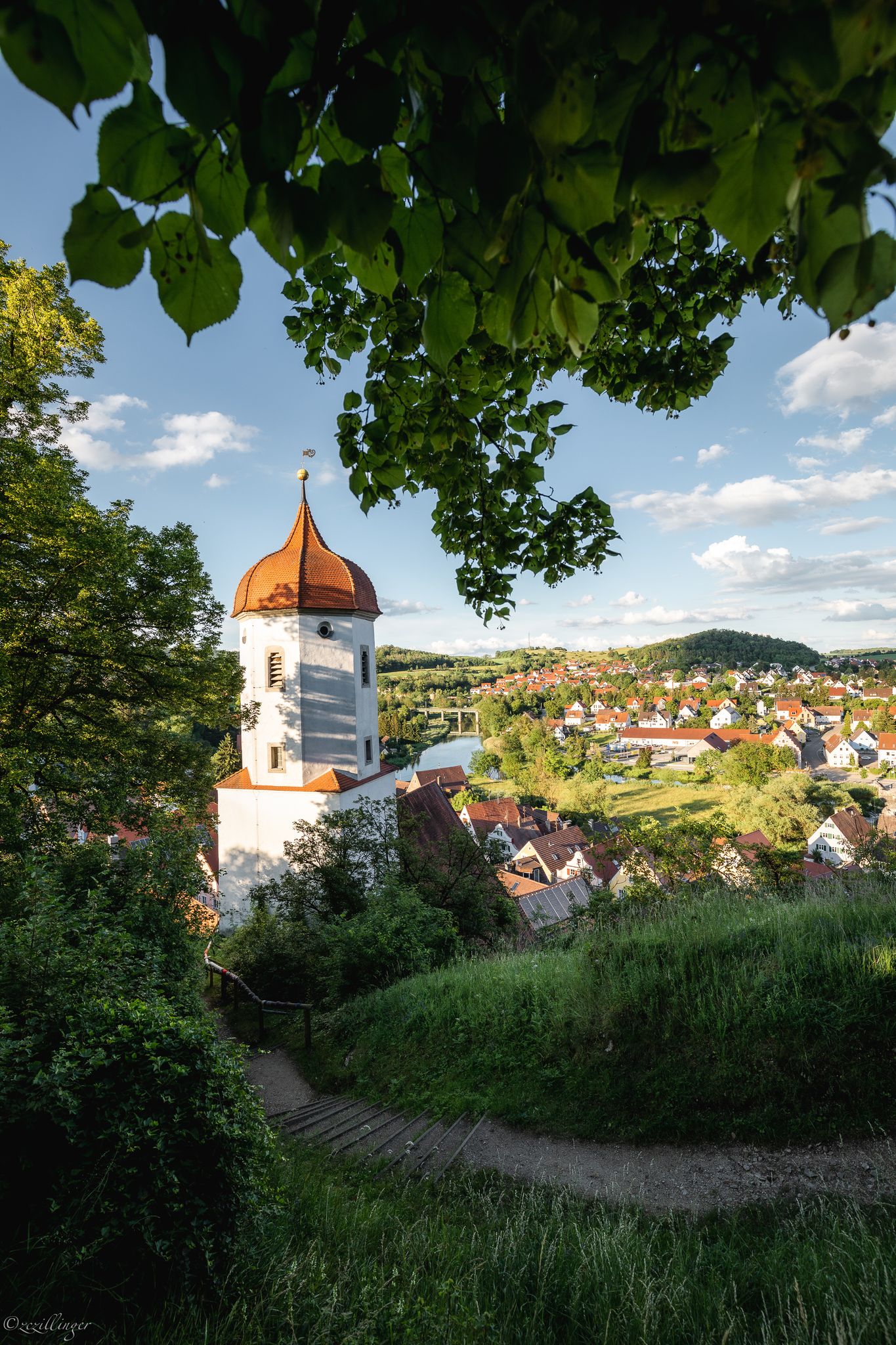
Augsburger Jakobsweg – Through Bavarian-Swabia
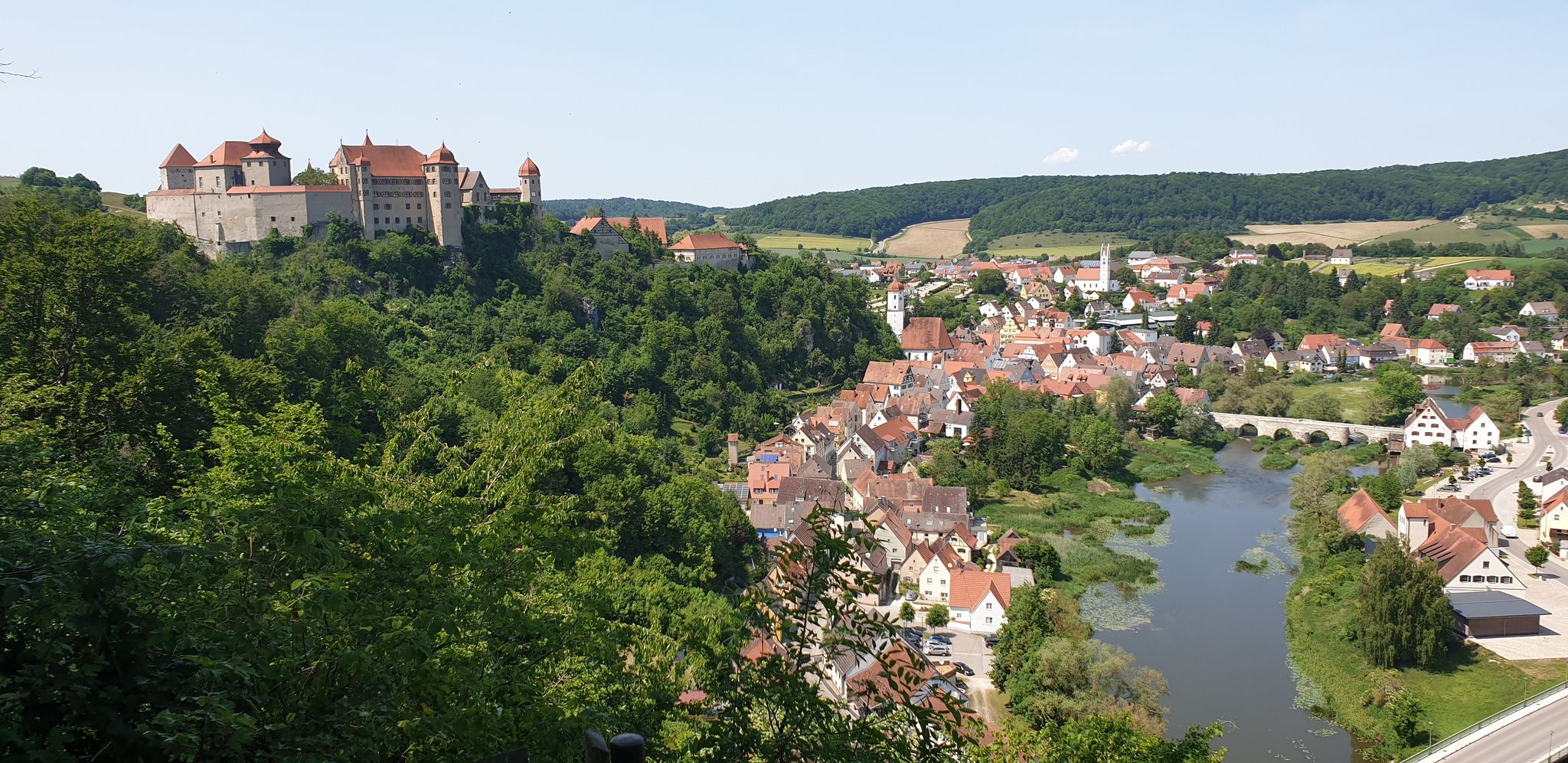
The Romantic Road – To the Pearls of Southern Germany
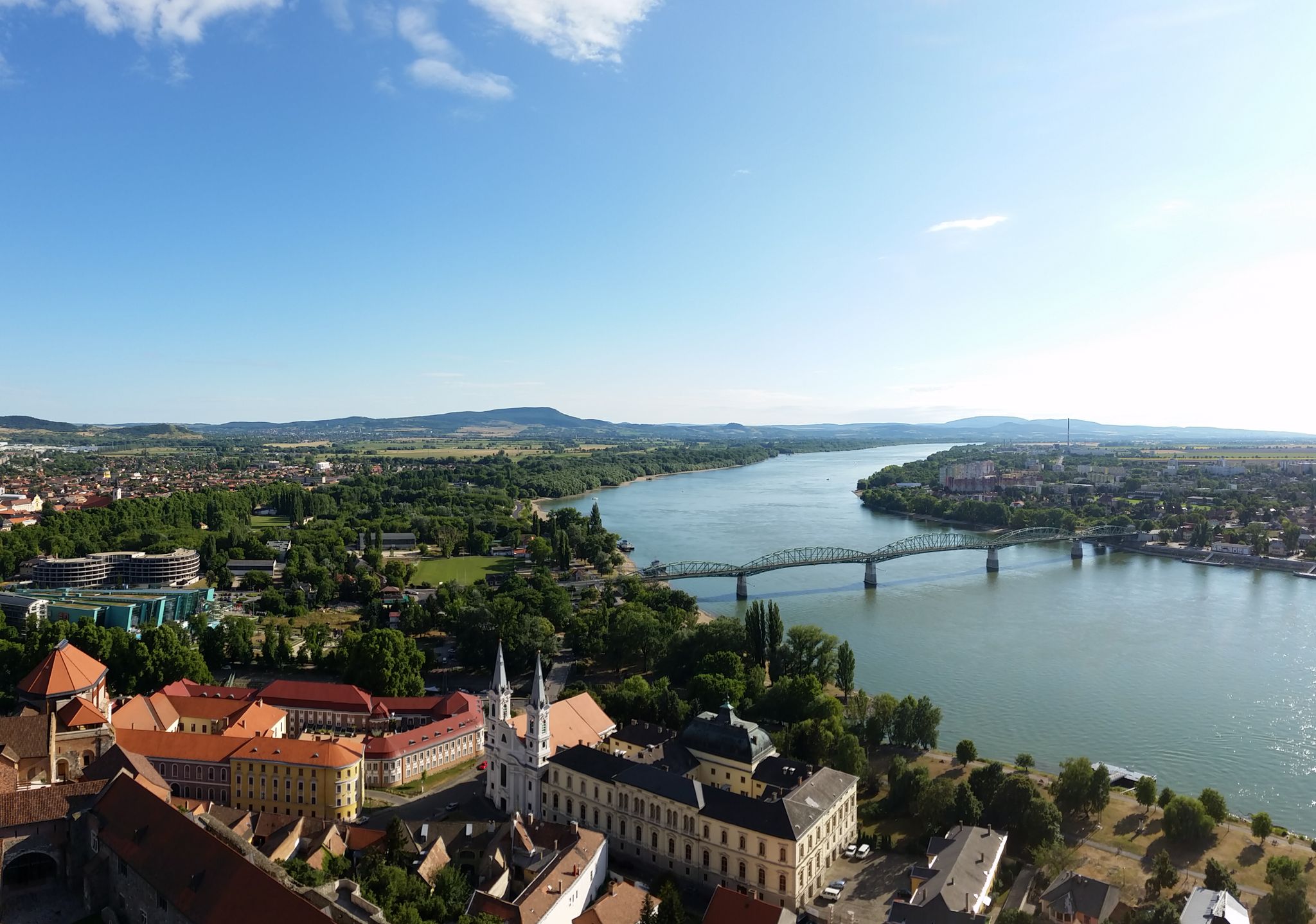
The Danube Cycle Path – From Donaueschingen to Budapest
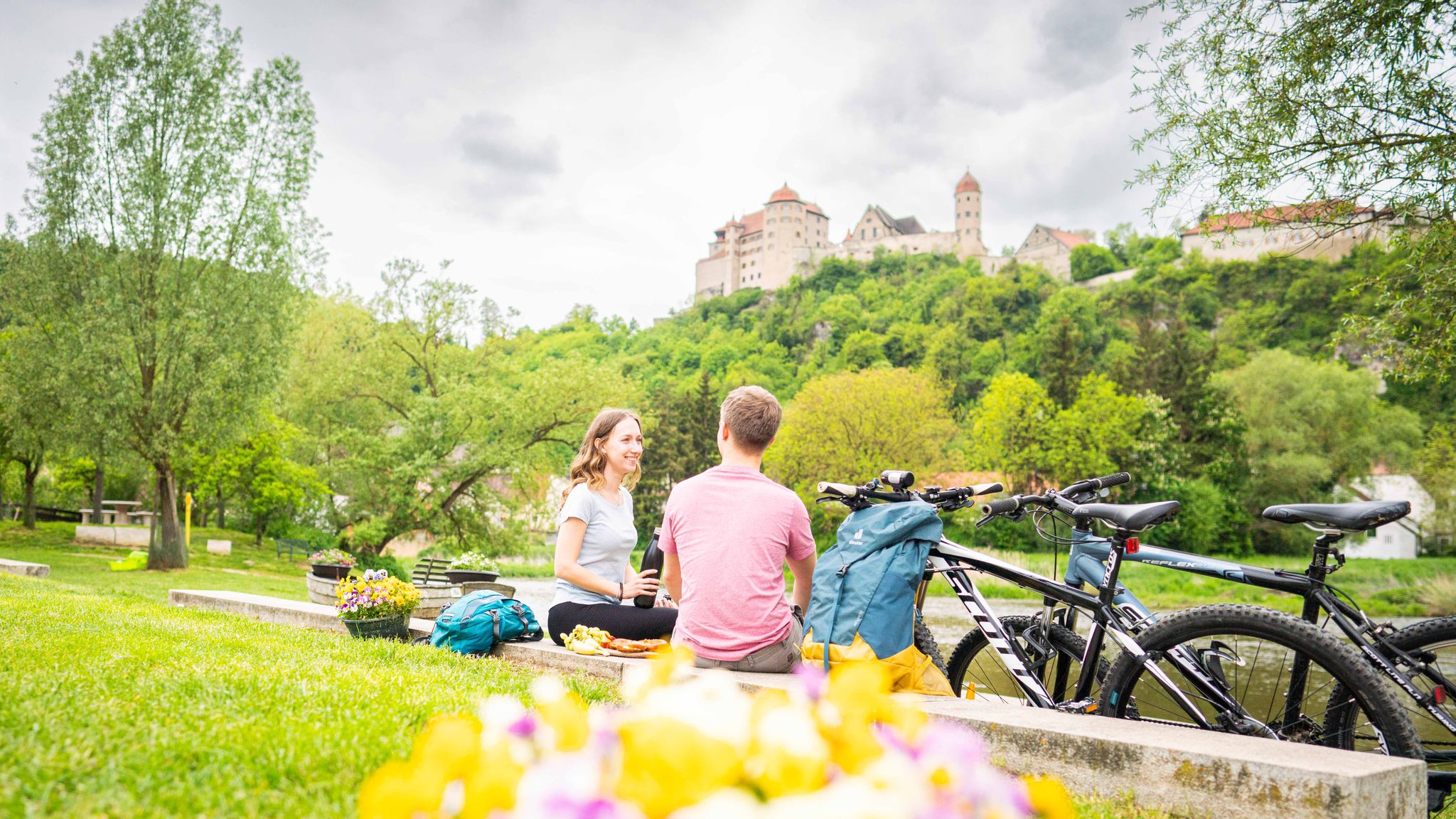
Cycle back in time in the Donau-Ries region
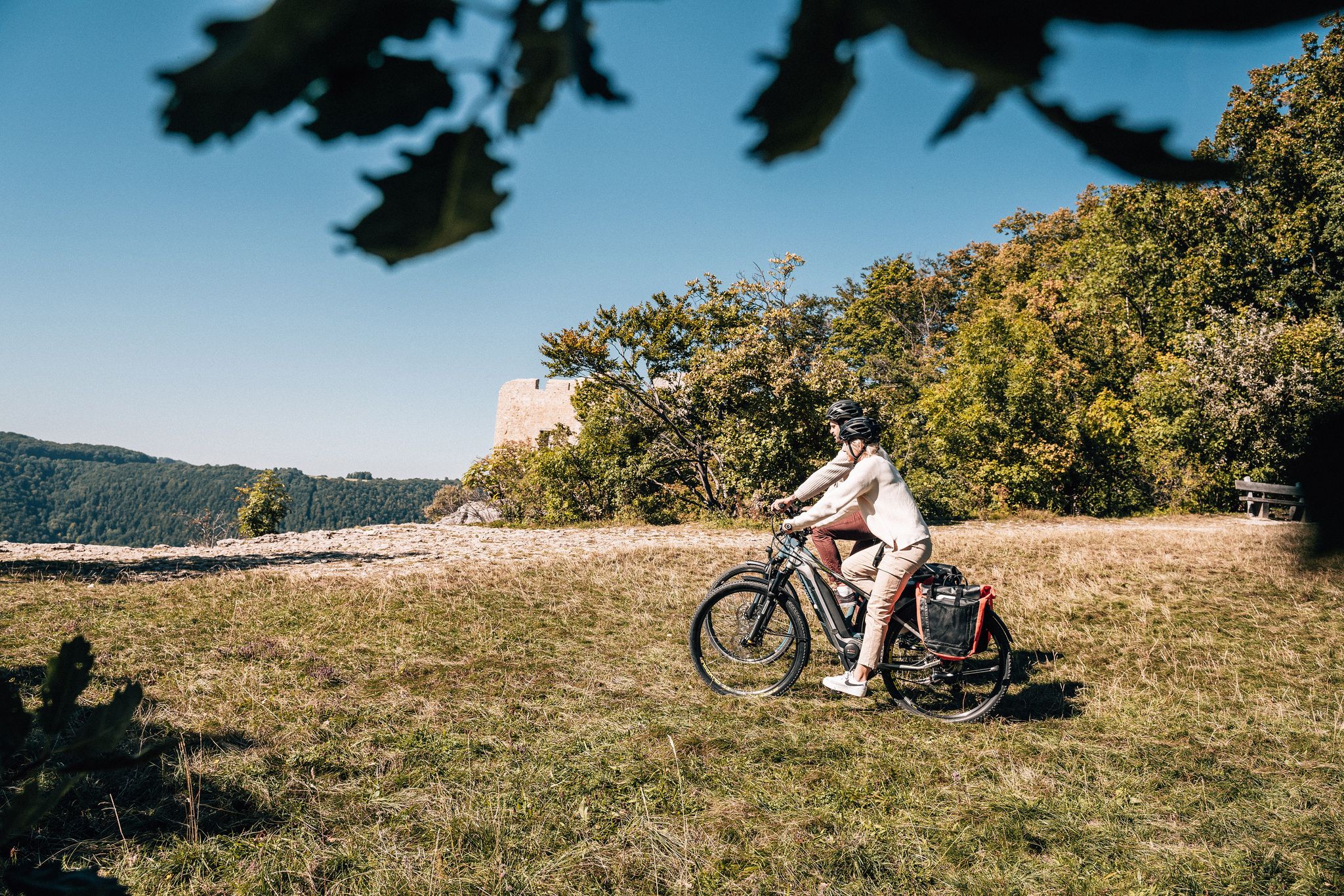
Breathe in the mountain air – long-distance cycle paths in the Swabian Alb

Cycle touring trio in the Swabian Alb
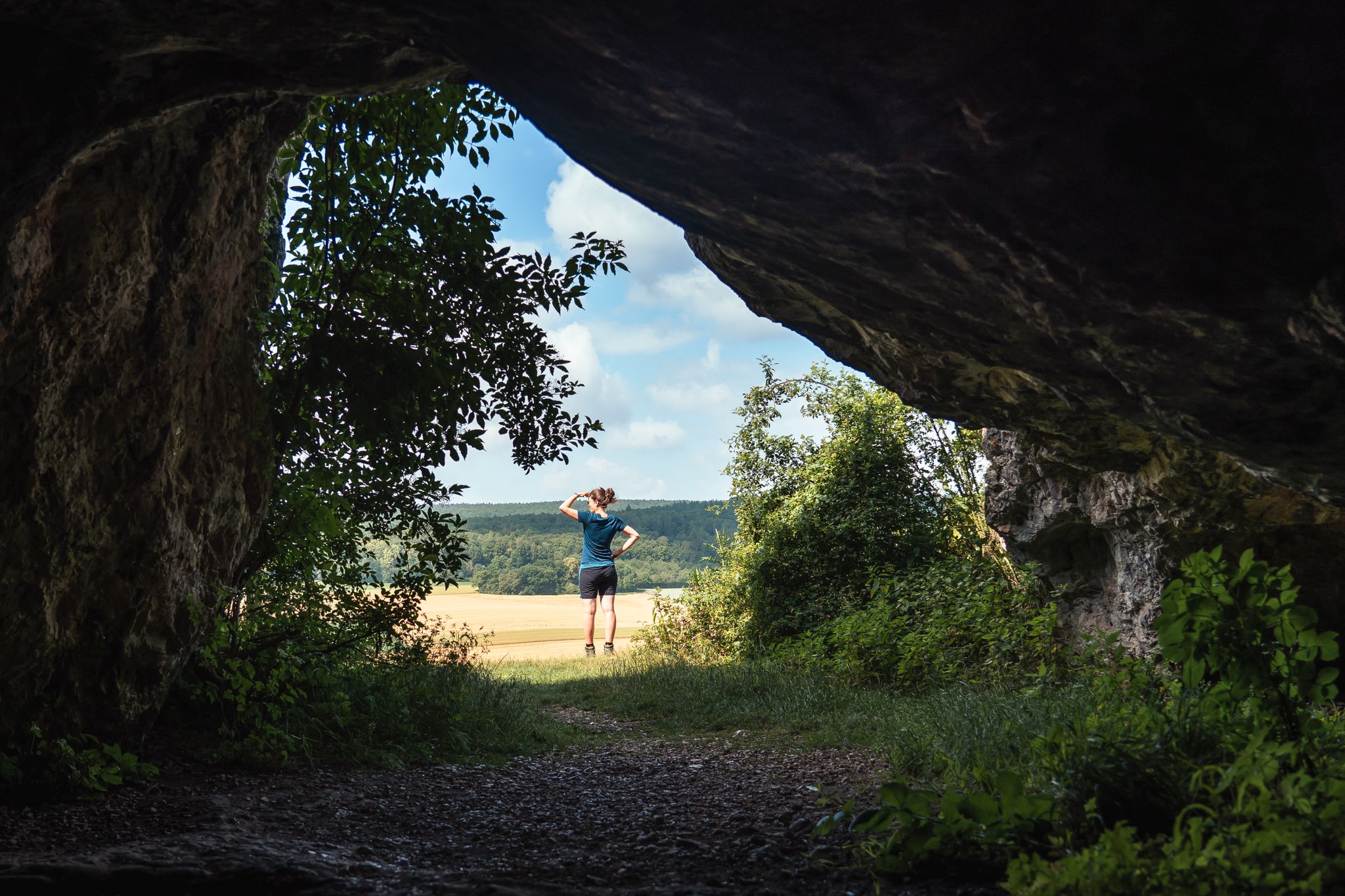
Historic and exciting – hiking in the DONAURIES holiday region

From River to River: Cycling in Bavarian Swabia
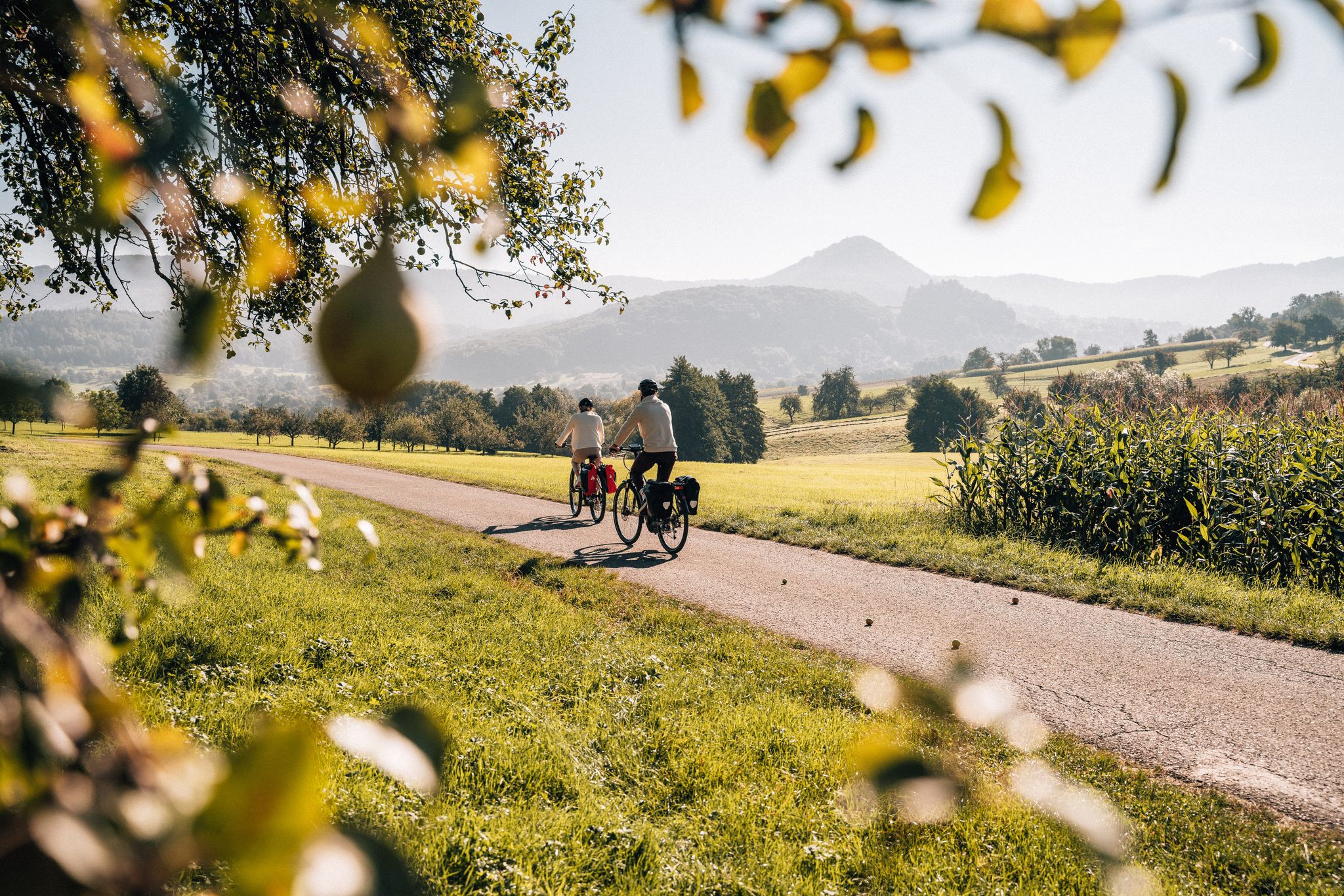
Cycle the Swabian Alb Cycle Path to Lake Constance
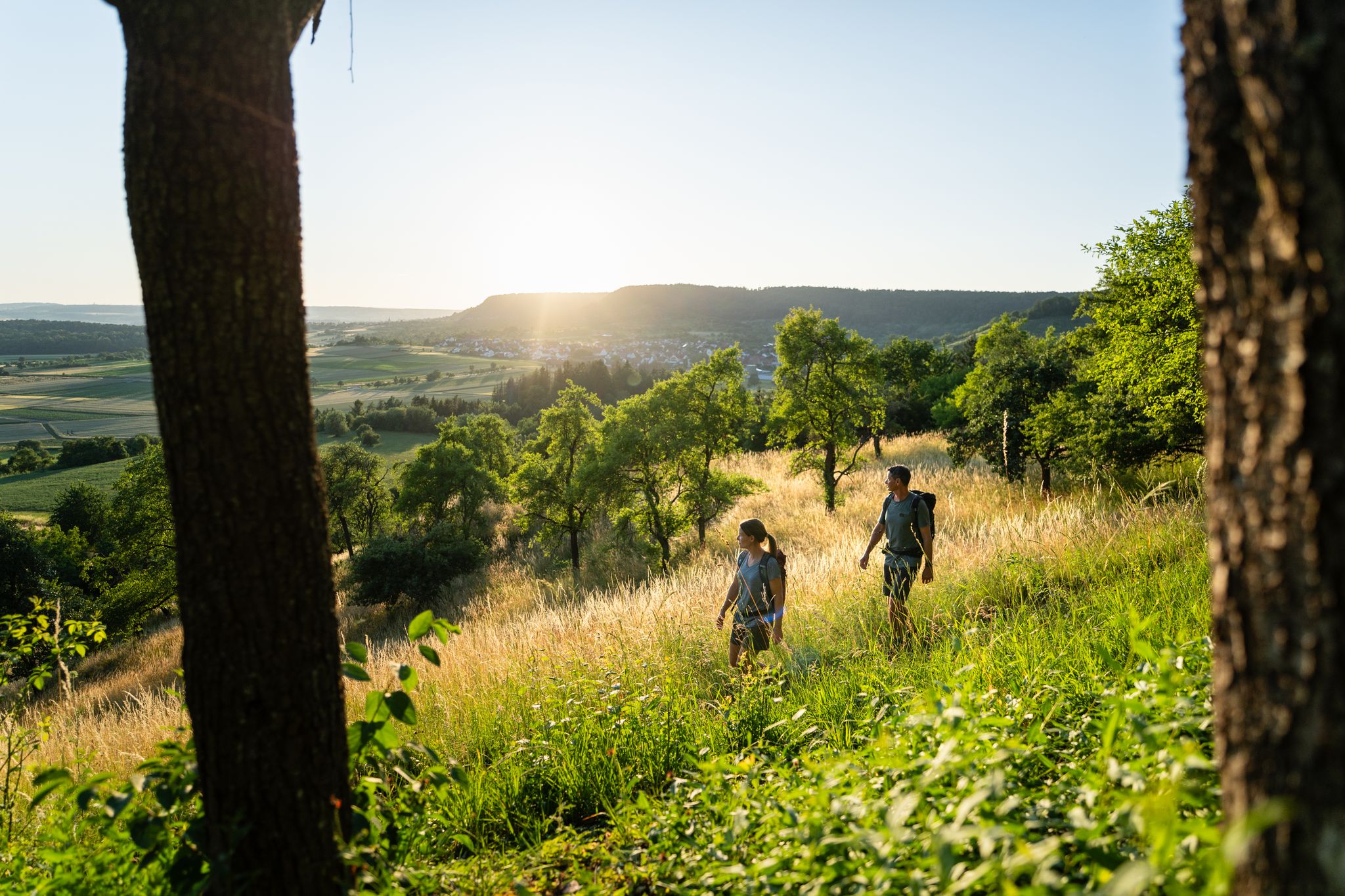
6 Long-Distance Hikes for Your Escape to the Swabian Alb
Other adventures around Donauwörth


Tips from the Community

The Wörth castle ruins are considered the origin of Donauwörth. The medieval castle was probably built in the 11th century and served to secure the Danube crossing and important trade routes. Today, only a few wall remnants remain. However, it is particularly interesting that the ruins are now embedded in the open-air stage at the Mangoldfelsen. As a result, the historical remains of the castle are still used today and form an extraordinary backdrop for theatrical performances and cultural events.
4
0
Nestled within the extensive castle complex, it testifies to the religious and cultural significance that Harburg possessed for centuries as the seat of the Counts and Princes of Oettingen. The church was built as part of the castle's structural development and was given its present form, particularly during the renovations in the 17th and 18th centuries.
6
0

Impressive castle with a beautiful view of the Danube.
6
0

The church looks good.
1
1


"Historic castle ruins on the "Schlossberg" on the northern edge of the village of Graisbach (municipality of Marxheim). The castle was presumably built by the "Edle von Graisbach" as a ministerial castle for the Counts of Lechsgmünd. After the counts' ancestral seat in "Lechsgmünd" was destroyed by Regensburg merchants in 1248, the counts resettled in Graisbach. From then on, they called themselves Counts of Lechsgmünd-Graisbach. The castle was further expanded over the centuries, partially destroyed and rebuilt in the 15th century. In the 18th century, the castle was abandoned and used as a quarry. Stones from the castle were used as building material in the region, for example, for the Danube bridge in Neuburg. Today, only remnants of the castle complex (Pallas, keep, curtain wall, northwest tower, fountain market) can be visited. Of particular note is the well-preserved Romanesque castle chapel of St. Pankratius with its reliefs on the north portal and remnants of the historic wall paintings." Source: https://www.ferienland-donauries.de/sehenswertes/burgruine_graisbach-1780/
1
0

There are different levels here. The family crypt is in the basement and can be visited during special tours. Otherwise, the church is part of the "normal" tour. Old memorial stones of nobles can also be seen here. The church can also be visited without a guide.
2
1

Some pictures say more than words
3
0
Frequently Asked Questions
What types of historical structures can I find around Donauwörth?
The region around Donauwörth offers a diverse range of historical structures. You can explore well-preserved medieval fortresses like Harburg Castle, opulent Baroque rococo palaces such as Leitheim Castle, and atmospheric castle ruins like Graisbach Castle Ruins.
Which castle offers the most authentic medieval experience near Donauwörth?
For an authentic medieval experience, Harburg Castle is highly recommended. It is one of the largest and best-preserved medieval fortresses in Southern Germany, featuring extensive fortifications, a mighty keep, and period interiors that can be explored through guided tours. Its history dates back to the 11th century.
Are there any Baroque palaces to visit near Donauwörth?
Yes, Leitheim Castle is a stunning Baroque rococo palace located about 15 minutes from Donauwörth. It served as the summer residence for the abbots of Kaisheim Monastery and is renowned for its magnificent rococo hall with frescoes by Gottfried Bernhard Göz and stucco work by Anton Landes. You can check its historical significance and architectural beauty via Wikipedia.
Can I visit castle ruins in the Donauwörth area?
Absolutely. The Graisbach Castle Ruins are a notable historical site. You can explore the remains of this hilltop castle situated on a 430-meter-high elevation, surrounded by old lime trees, offering a glimpse into the region's past.
Are there family-friendly castles or activities around Donauwörth?
Many castles in the area offer features suitable for families. For instance, the area around Harburg Castle includes a playground near a viewpoint, allowing children to play while adults enjoy the scenic vistas. Exploring the extensive grounds of medieval fortresses can also be an engaging experience for families.
What kind of views can I expect from the castles?
Many castles and historical sites around Donauwörth are strategically located to offer impressive views. From Harburg Castle, you can enjoy panoramic vistas over the town of Harburg, the Wörnitz River, and the rolling countryside of the Ries region. Leitheim Castle, perched above the Danube, provides beautiful distant views of the Danube-Lech plain.
Are there hiking opportunities near the castles around Donauwörth?
Yes, the region offers various hiking opportunities. You can find trails that lead to or around the castles. For example, a beautiful hiking trail leads to the viewpoint overlooking Harburg Castle. For more hiking options in the wider area, explore the Hiking around Donauwörth guide.
What outdoor activities can I do near these castles?
Beyond exploring the castles themselves, the Donauwörth region provides opportunities for various outdoor activities. You can go hiking, cycling, or running on numerous trails. For detailed routes, check out the Hiking around Donauwörth, Cycling around Donauwörth, and Running Trails around Donauwörth guides.
Is it possible to visit the interior of Harburg Castle?
Yes, the interior of Harburg Castle can be visited, but only as part of a guided tour. These tours typically cover furnished rooms, including a chapel, great halls, and living quarters, and sometimes even a dungeon area, offering a comprehensive look at the castle's history and daily life.
What is the best time of year to visit the castles around Donauwörth?
The castles can be enjoyed throughout the year. Spring and autumn offer pleasant temperatures for exploring the grounds and surrounding nature. Summer allows for longer daylight hours and often includes special events. Winter visits can provide a unique, quieter atmosphere, especially if you enjoy crisp walks around the castle exteriors.
Are there any cafes or restaurants near the castles?
Yes, you can find amenities near some of the castles. Leitheim Castle, for example, operates as an event location and hotel, offering dining options. The charming town of Harburg, situated below Harburg Castle, also has local establishments where you can find refreshments.
What do visitors enjoy most about the castles around Donauwörth?
Visitors frequently appreciate the authenticity and well-preserved nature of sites like Harburg Castle, which offers a genuine glimpse into Germany's medieval past. The stunning architecture of places like Leitheim Castle, with its Rococo art, is also a major draw. The scenic views and the opportunity for outdoor activities in the surrounding landscape are also highly valued.
Most popular routes around Donauwörth
Most popular attractions around Donauwörth

Get inspired with the komoot mobile app


Explore more
Looking for the best castles somewhere else? Discover other guides around Donauwörth:
