The best city hikes and walks around Donauwörth
4.4
(612)
2,892
hikers
19
hikes
Urban hiking trails around Donauwörth offer diverse landscapes at the confluence of the Danube and Wörnitz rivers. The region features accessible waterside paths, gentle hills, and historical elements integrated into its routes. Donauwörth is also a gateway to the Geopark Ries, known for unique geological formations, and the Swabian Jura. The city's historic core, including the Reichsstraße and Rieder Gate, provides a backdrop for many urban walks.
Best urban hiking trails around Donauwörth
- The most popular urban hiking route is…
Last updated: September 28, 2026
7
hikers
3.41km
00:53
20m
20m
Easy hike. Great for any fitness level. Easily-accessible paths. Suitable for all skill levels.
3.0
(1)
6
hikers
7.90km
02:00
10m
10m
Easy hike. Great for any fitness level. Easily-accessible paths. Suitable for all skill levels.

2.0
(1)
12
hikers
Easy hike. Great for any fitness level. Easily-accessible paths. Suitable for all skill levels.
7
hikers
2.72km
00:41
10m
10m
Easy hike. Great for any fitness level. Easily-accessible paths. Suitable for all skill levels.
5.0
(1)
5
hikers
4.02km
01:02
20m
20m
Easy hike. Great for any fitness level. Easily-accessible paths. Suitable for all skill levels.
Get access to more routes and recommendations from other explorers.
Already have an account?
Our route recommendations are based on thousands of hikes, rides, and runs completed by other people on komoot.
Start today with a free account
Your next adventure awaits.
Popular around Donauwörth
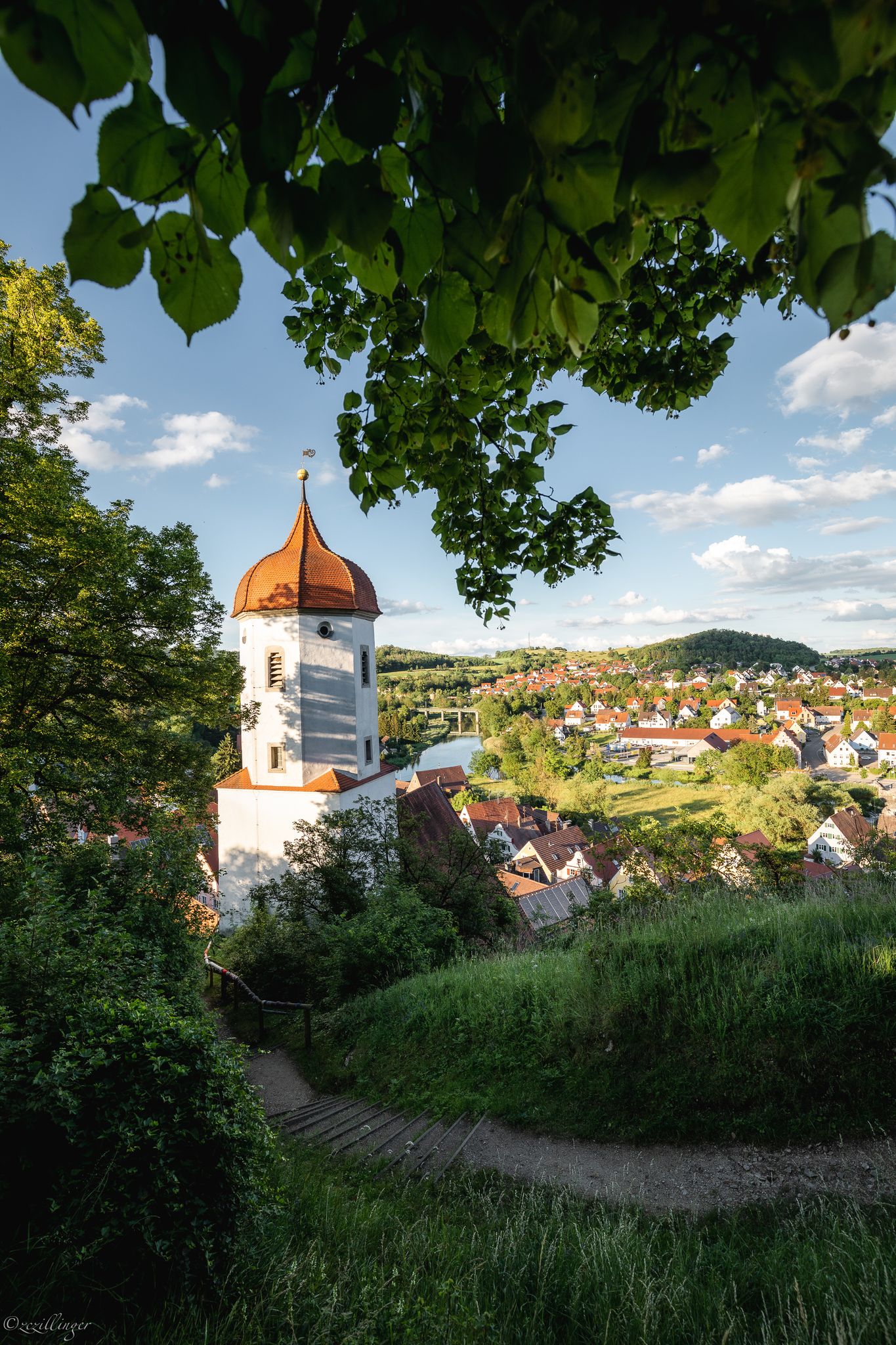
Augsburger Jakobsweg – Through Bavarian-Swabia
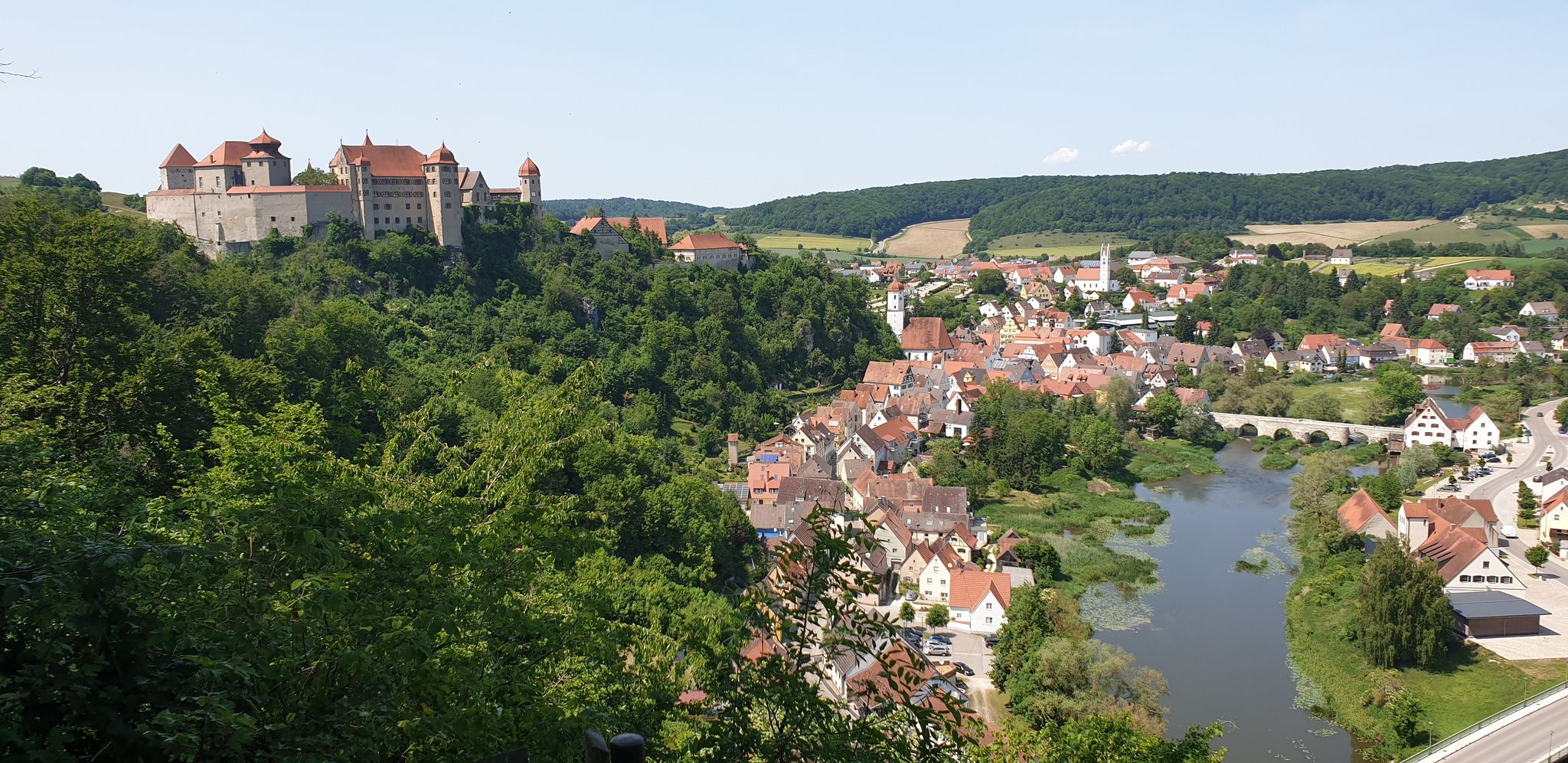
The Romantic Road – To the Pearls of Southern Germany
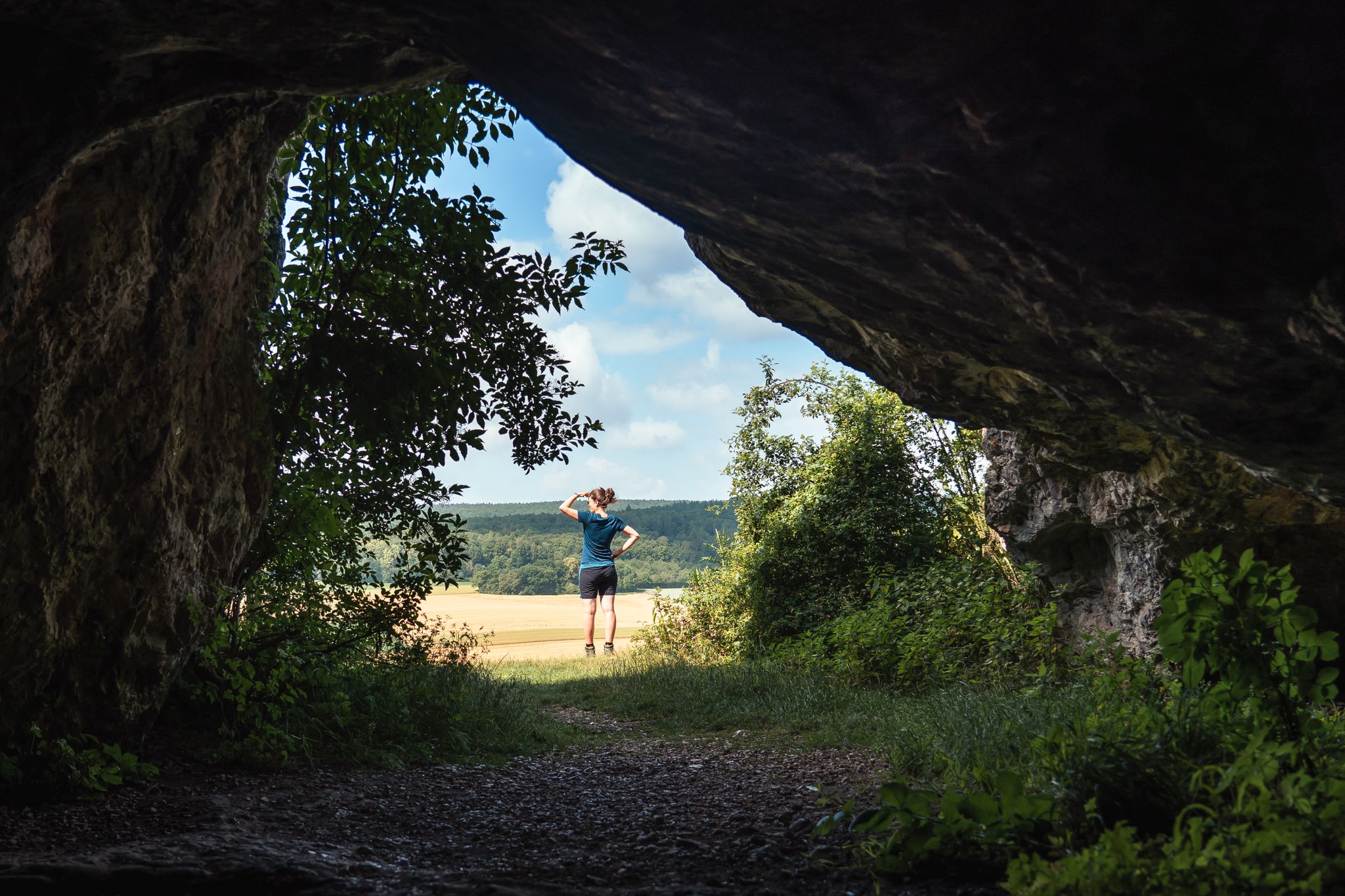
Historic and exciting – hiking in the DONAURIES holiday region
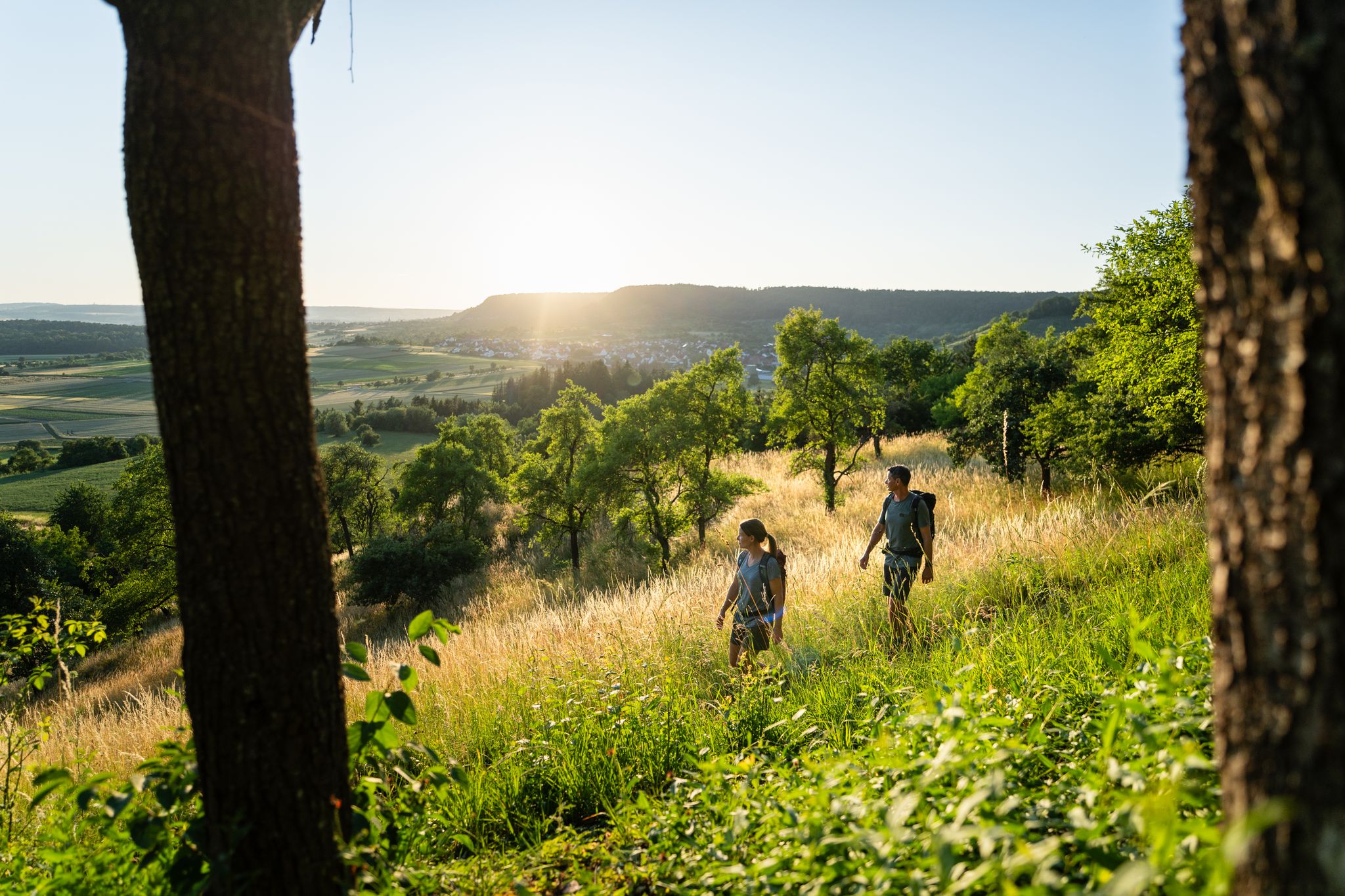
6 Long-Distance Hikes for Your Escape to the Swabian Alb
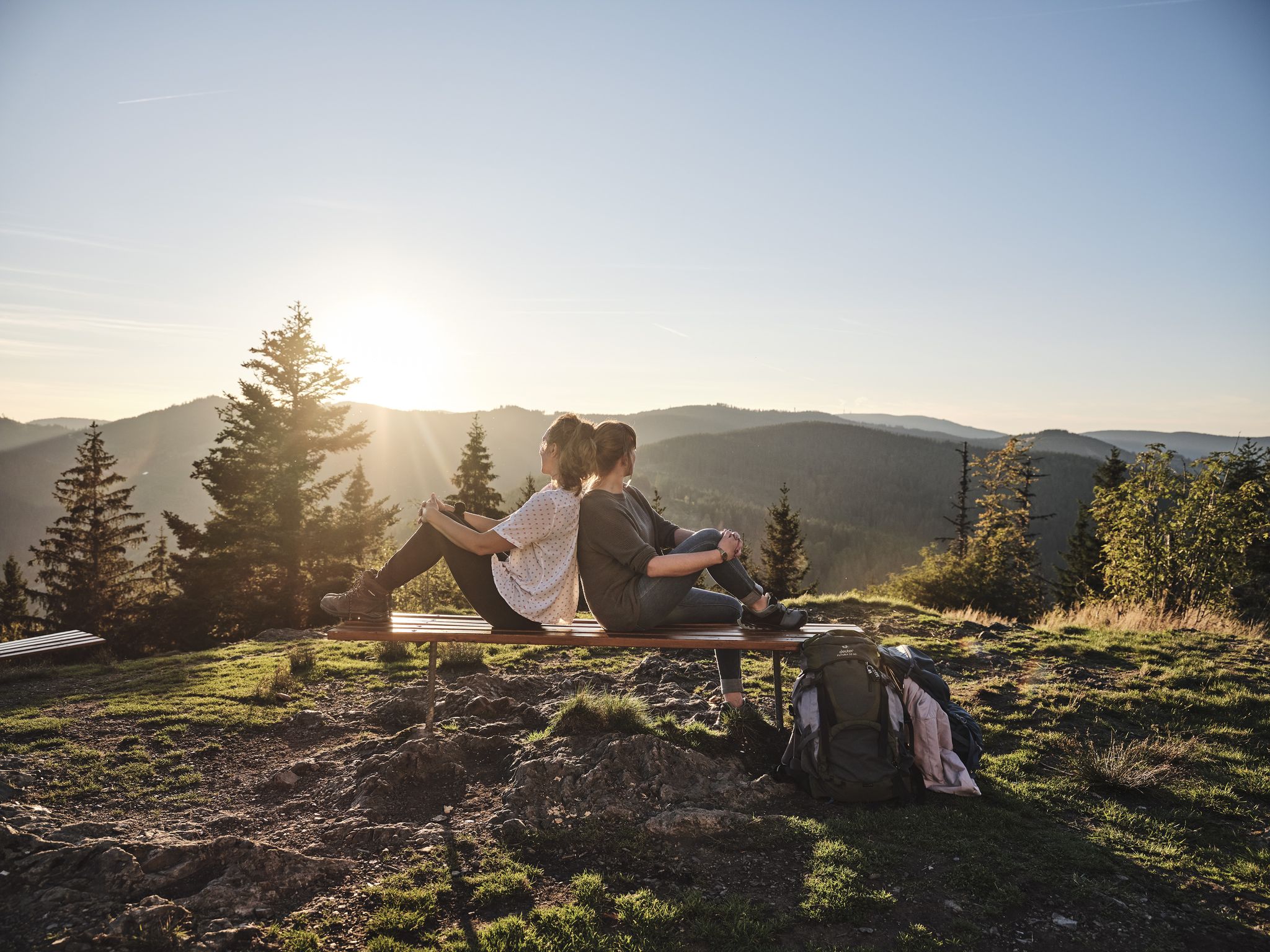
Discover premium and quality long-distance hiking in southern Germany
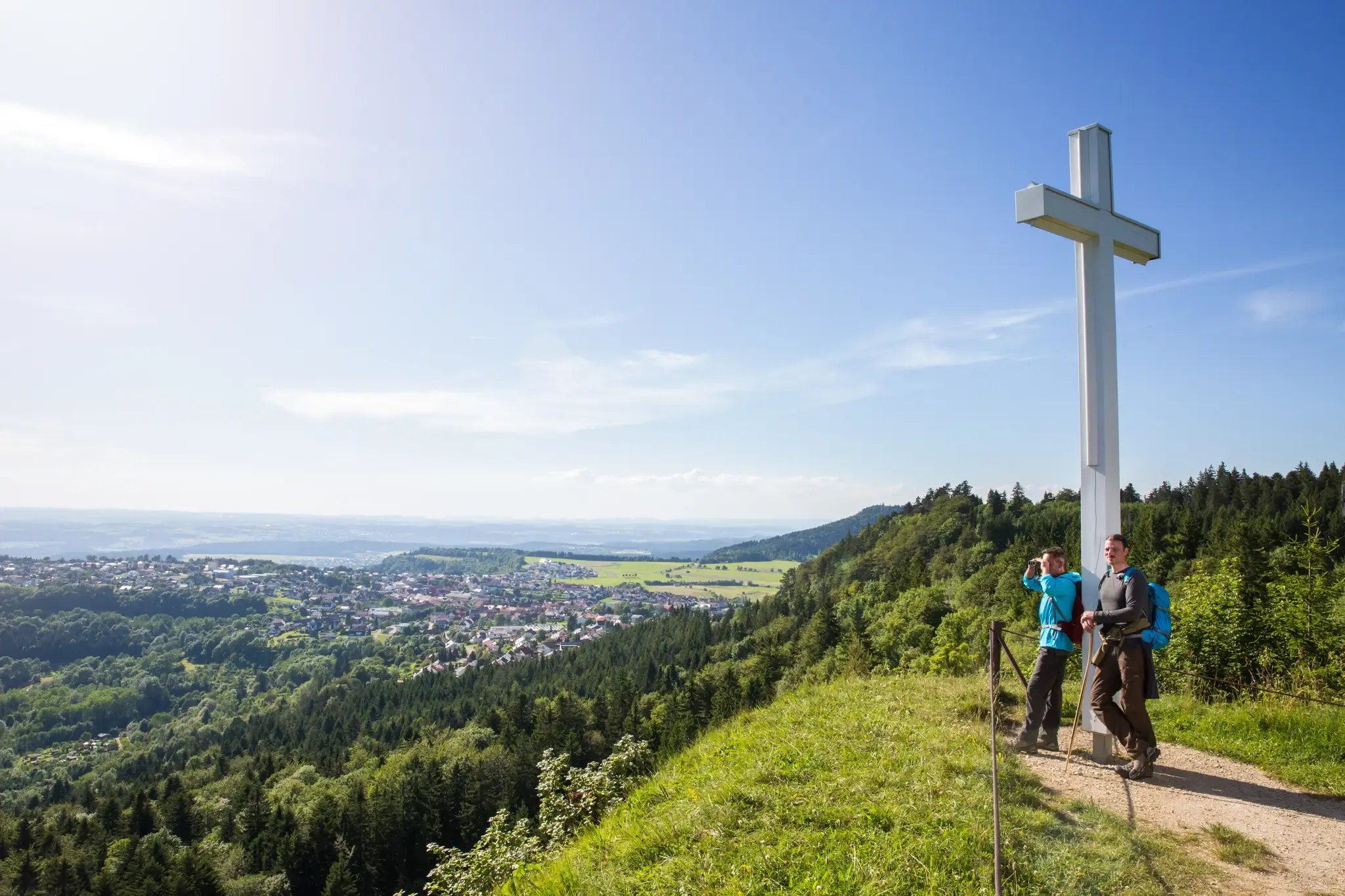
Conquering the Länd on foot – long–distance hiking in Baden–Württemberg
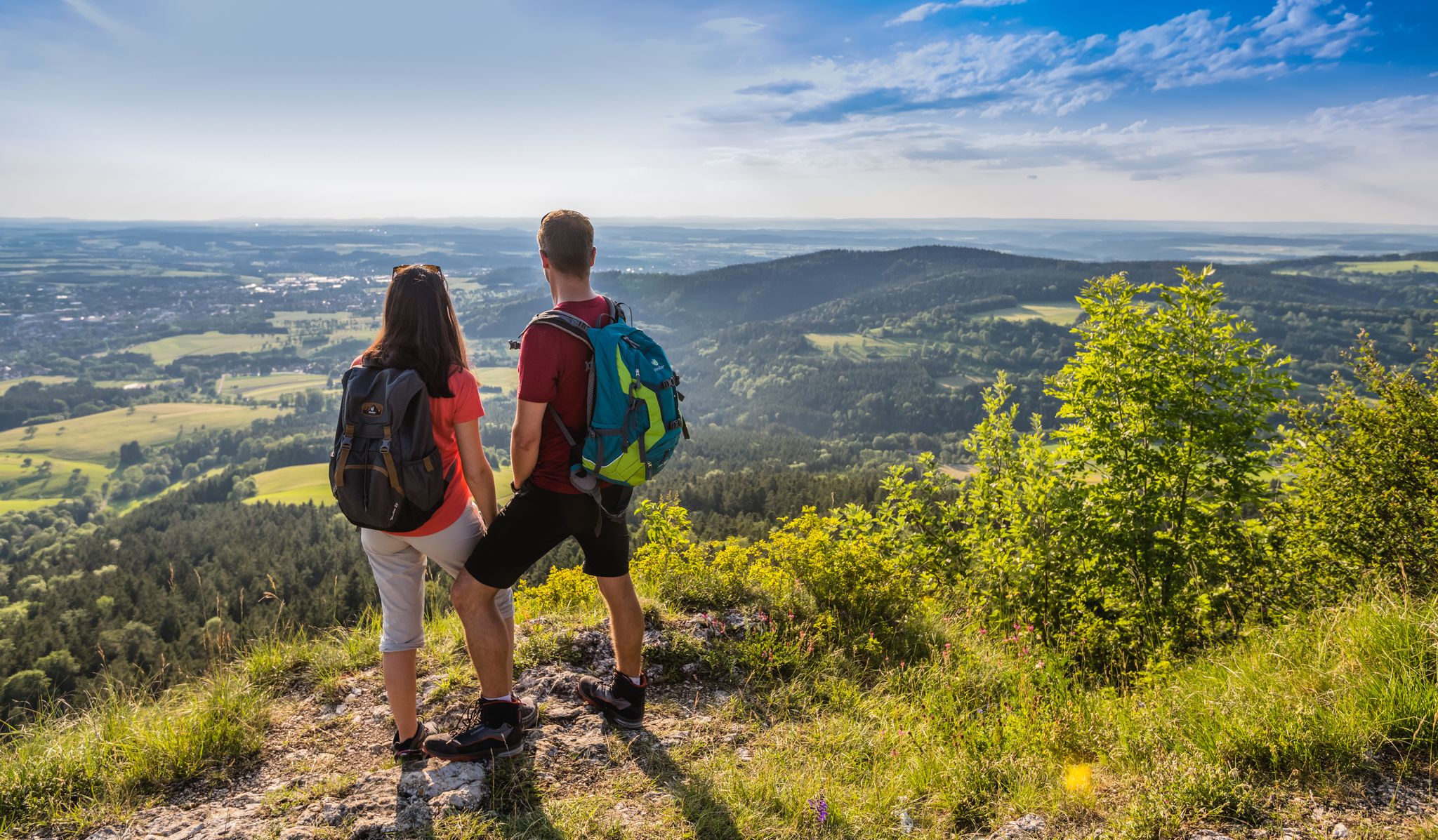
The Swabian Albsteig (HW1) – 16 stages of panoramic views
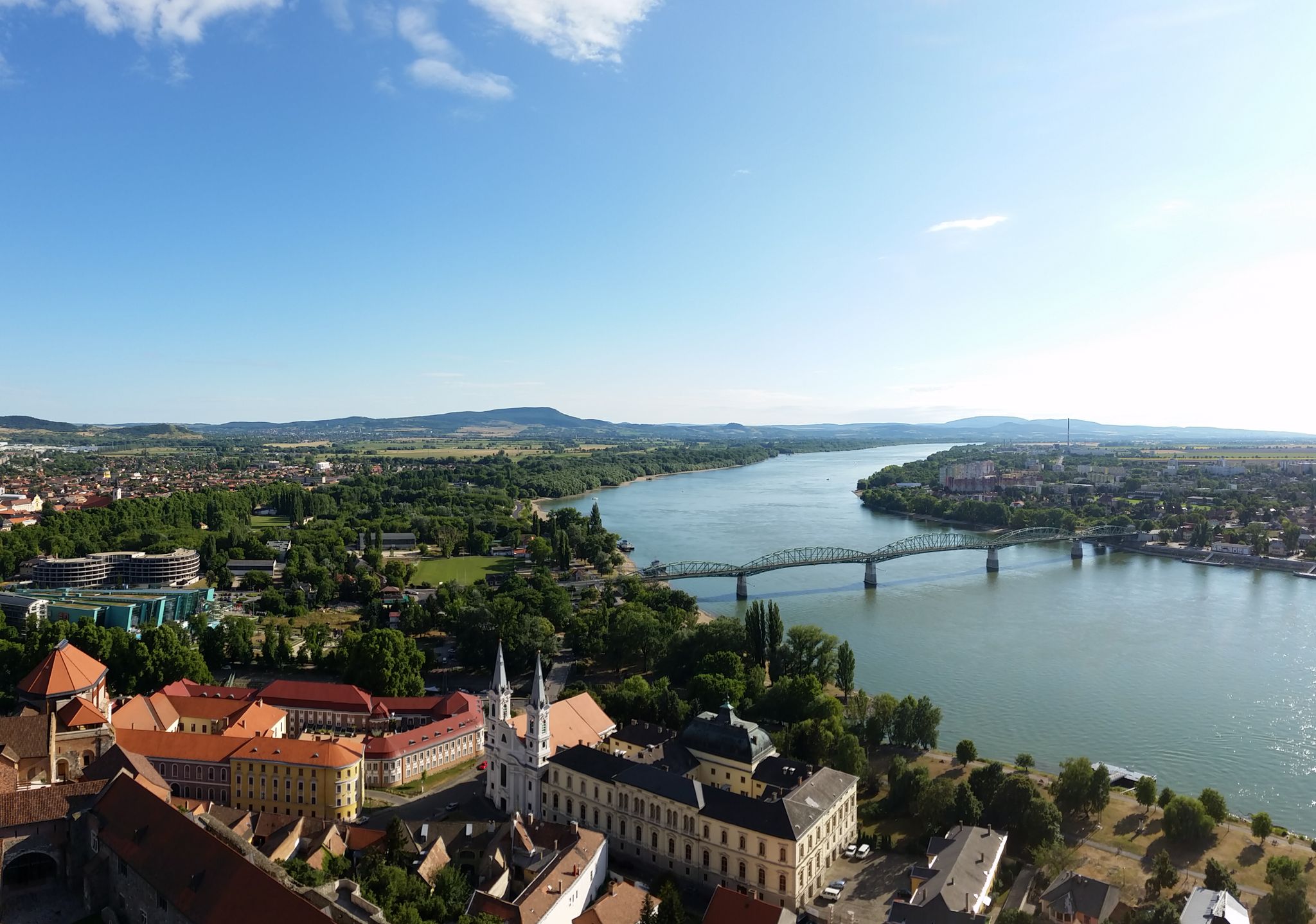
The Danube Cycle Path – From Donaueschingen to Budapest
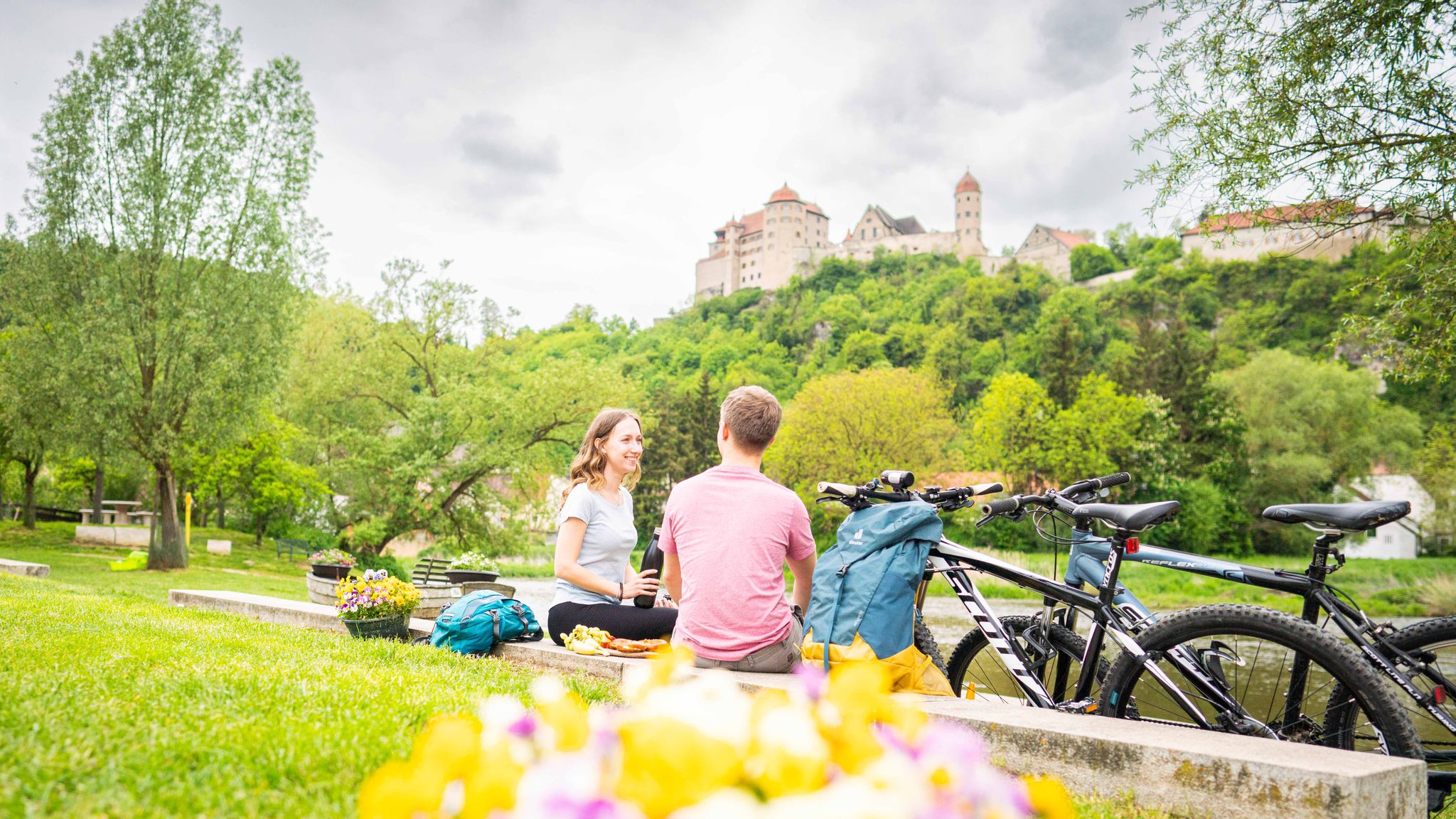
Cycle back in time in the Donau-Ries region
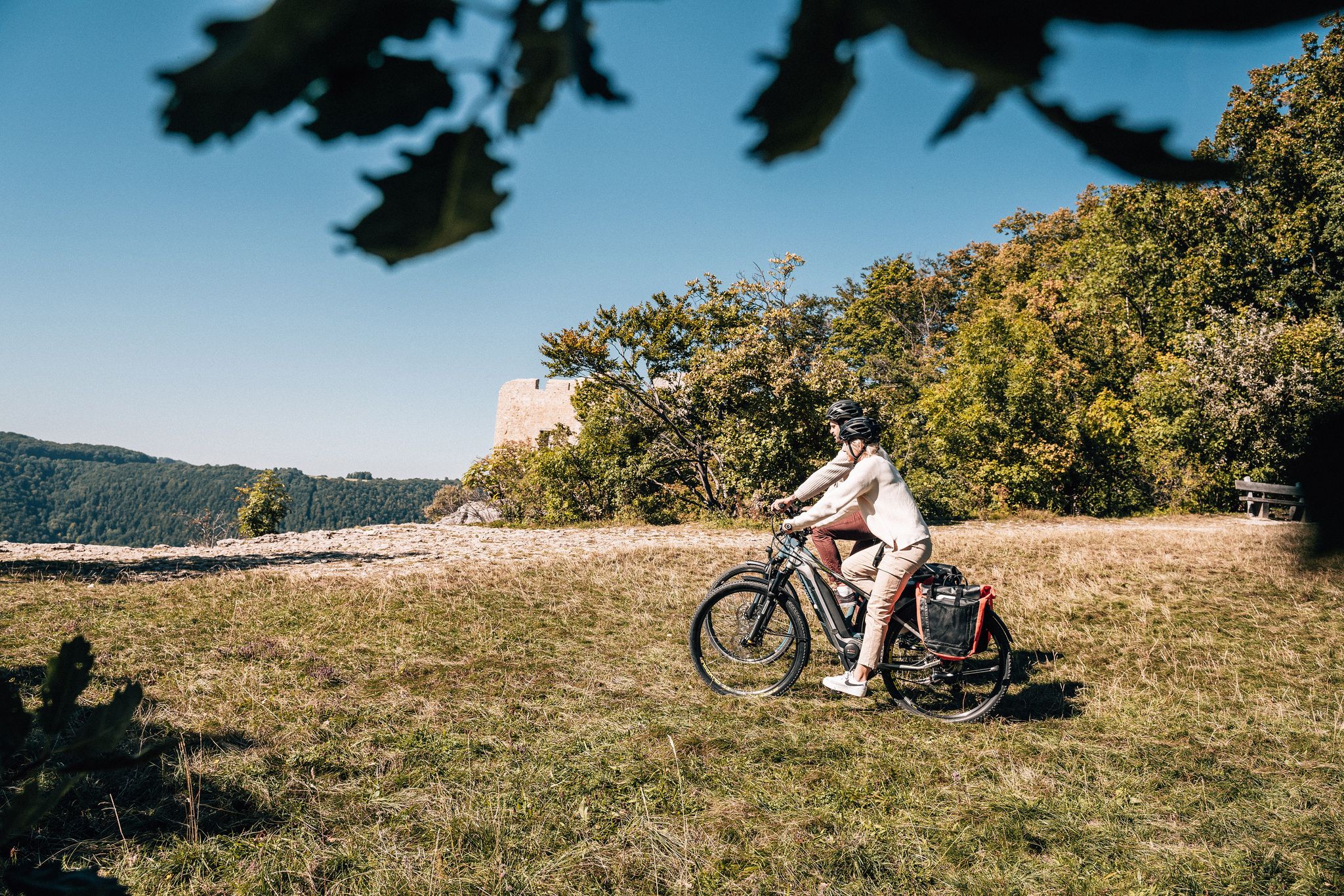
Breathe in the mountain air – long-distance cycle paths in the Swabian Alb
Other adventures around Donauwörth


Tips from the Community

Donauwörth is a very nice little town, where there is a lot to discover.
3
0

From the Fischerbrunnen, you have the most beautiful view of the Riederer Tor.
1
0

The fountain figure shows a fisherman and is reminiscent of the people who shaped life on the river for centuries. Fishing, ferry services, and trade were once essential foundations for the development of the city.
7
0
The Wörnitz shapes the cityscape of Donauwörth in a special way. Shortly before it flows into the Danube, the river flows calmly along the historic old town, creating an idyllic backdrop with plenty of nature and water right on the outskirts of the city. The paths along the bank, in particular, invite you for a relaxing walk or a short hike.
7
0

The local history museum in Donauwörth is located in one of the oldest parts of the town. It is housed in the red house on Ried Island. The Härpfer family, who have been connected to the town's fishing history since 1434, once lived here. The museum displays religious folk art, crafts, and offers deep insights into the town's cultural history.
1
0

Beautiful view of the surrounding area - Donauwörth - Donau-Ries district
1
0
Wörnitz Bridge - Wörnitz Footbridge - Wooden bridge with a view of the Holy Cross Monastery ⛪ - Wörnitz 🌊 - Donauwörth - Donau-Ries district
0
0
Hotel & Restaurant Goldener Hirsch Gourmet Restaurant Be happy and simply enjoy the best days of the year. In these hectic times, it's good to know a place where you can settle down and be pampered with family and friends. In our restaurant in the heart of Donauwörth, you can relax and enjoy the culinary delights of Bavarian-Swabian cuisine without stress. Our chef and his team will spoil you with fresh, regional dishes. The stylishly furnished restaurant, the popular Käthe Kruse Room, and the excellent service will delight you. You can always rely on our warm hospitality.
1
0
Frequently Asked Questions
How many urban hiking trails are available in Donauwörth?
Donauwörth offers a good selection of urban hiking trails, with 17 routes available. All of these are rated as easy, making them accessible for most walkers.
What kind of natural features can I expect to see on urban hikes in Donauwörth?
Urban hikes in Donauwörth frequently feature the picturesque confluence of the Danube and Wörnitz rivers, offering beautiful waterside paths. You can also find routes that pass by lakes such as Prälatenweiher or the Lech Reservoir, providing a refreshing natural escape within or near the city.
Are there any historical landmarks or viewpoints along the urban trails?
Absolutely. Donauwörth's urban trails often weave through its historic old town, allowing you to see landmarks like the Rieder Gate and beautiful buildings along the Reichsstraße. Some routes offer views of the Danube, and you might even catch glimpses of the unique landscape of the nearby Geopark Ries. For panoramic views, consider routes that offer vistas towards the Ries crater from the Bockberg.
What is the best time of year for urban hiking in Donauwörth?
Donauwörth's urban trails are enjoyable throughout the year. Spring and autumn offer pleasant temperatures and vibrant scenery, while summer is ideal for waterside walks. Even in winter, the city's charm and accessible paths make for enjoyable strolls, especially if you combine them with a visit to local cafes.
Are the urban hiking trails in Donauwörth suitable for families with children?
Yes, the urban hiking trails in Donauwörth are generally very family-friendly. All 17 available routes are rated as easy, with gentle elevation changes and manageable distances. A good option for a shorter family outing is the Riedlinger Quarry Lake – Bridge Over the Kessel loop from Donauwörth, which is just over 3 kilometers long.
Can I bring my dog on the urban hiking routes?
Most urban hiking routes in Donauwörth are dog-friendly, allowing you to explore with your canine companion. It's always recommended to keep dogs on a leash, especially in busier city areas or near wildlife. The paths along the Wörnitz River, for example, offer pleasant walks for both you and your dog.
Are there any circular urban walks available?
Yes, many of Donauwörth's urban trails are designed as circular routes, making them convenient for exploration. For instance, the Liebfrauen Minster, Donauwörth – Donauwörth on the Wörnitz River loop from Riedlingen offers a pleasant circular experience, allowing you to start and end at the same point.
Where can I find parking for urban hikes in Donauwörth?
Donauwörth offers various parking options within the city center and near popular starting points for urban hikes. Many routes, such as the Donauwörth Station loop from Donauwörth, are easily accessible from central locations where parking facilities are typically available.
How can I access the urban hiking trails using public transport?
Donauwörth is well-connected by public transport, making it easy to reach the starting points of many urban hikes. The Donauwörth train station serves as a central hub, and several routes, like the Donauwörth Station loop from Donauwörth, begin directly from there, offering convenient access for those using trains or buses.
What do other hikers enjoy most about urban hiking in Donauwörth?
The komoot community highly rates urban hiking in Donauwörth, with an average score of 4.4 stars from over 500 reviews. Hikers frequently praise the blend of historic cityscapes with beautiful riverine scenery, the ease of access, and the well-maintained, gentle paths suitable for all fitness levels. The opportunity to explore the town's charm while enjoying nature is a common highlight.
Are there any longer urban walks for a more extended experience?
While all urban routes are easy, some offer a more extended walking experience. The View of the Danube – Bridge Over the Kessel loop from Donauwörth, for example, covers nearly 8 kilometers, providing a longer stroll through the urban landscape and along the river.
Most popular routes around Donauwörth
Most popular attractions around Donauwörth

Get inspired with the komoot mobile app


Explore more
Browse the best Hikes in other regions.
