Top 9 Caves in South Korea
Caves in South Korea offer a diverse range of geological features and historical insights. The region is home to ancient limestone formations, extensive lava tubes, and repurposed mines. These sites provide opportunities to explore natural wonders and learn about the country's past. The varied cave environments present unique experiences for visitors.
Best caves in South Korea
- The most popular caves is Gyejoam Hermitage and Grotto, a religious building that features spherical sounds from an installed CD system in its meditation room. It offers a unique blend of religious significance and natural setting.
- Another must-see spot is View of Cheonbuldong Valley from Geumganggul Cave, a viewpoint. This location provides a space for meditation and features a temple built into the rock. The entrance to Geumganggul Cave offers expansive views of the Cheonbuldong Valley and surrounding mountains.
- Visitors also love The Third Tunnel of Aggression (DMZ), a historical site. This tunnel, accessible via a mini-bullet train, provides information about historical attempts to attack Seoul. This tunnel, 73 meters below the surface, offers insights into historical events and engineering.
- South Korea is known for limestone formations, impressive lava tubes, and repurposed mines. These include natural geological wonders and sites transformed from industrial use into visitor attractions.
- The caves in South Korea are appreciated by the komoot community, with 8 upvotes and 16 photos shared by users.
Last updated: July 23, 2026
Gyejoam Hermitage and Grotto
Highlight • Religious Site
Translated by Google •
Tip by

View of Cheonbuldong Valley from Geumganggul Cave
Highlight • Viewpoint
Tip by

Sign up now to discover places like this
Get recommendations on the best single tracks, peaks, & plenty of other exciting outdoor places.
Sign up for free
Gungsan Underground Tunnel
Highlight • Historical Site
The underground tunnel was discovered in 2008 following multiple reports by local residents. During construction to establish an experience-based exhibition hall, massive rockslides occurred in parts of the tunnel, which led to the installation of safety apparatus that prevented public entry. It was maintained as a closed tunnel until an exhibition hall was established in 2018 lo view the interior of the tunnel from the entranco. In 2022, it was selected as a Seoul Future Heritage in recognition of its historic and cultural value.
Tip by

Old hermitage under the rocks
Highlight • Cave
Tip by

Manjanggul Lava Tube
Highlight • Cave
Tip by

Sacred cave
Highlight • Cave
Translated by Google •
Tip by
Access to the third peak is through a tunnel under the rocks.
Highlight • Cave
Translated by Google •
Tip by
Cheonwanggul Cave
Highlight • Cave
Translated by Google •
Tip by

Start today with a free account
Your next adventure awaits.
Login or Signup

Tips from the Community

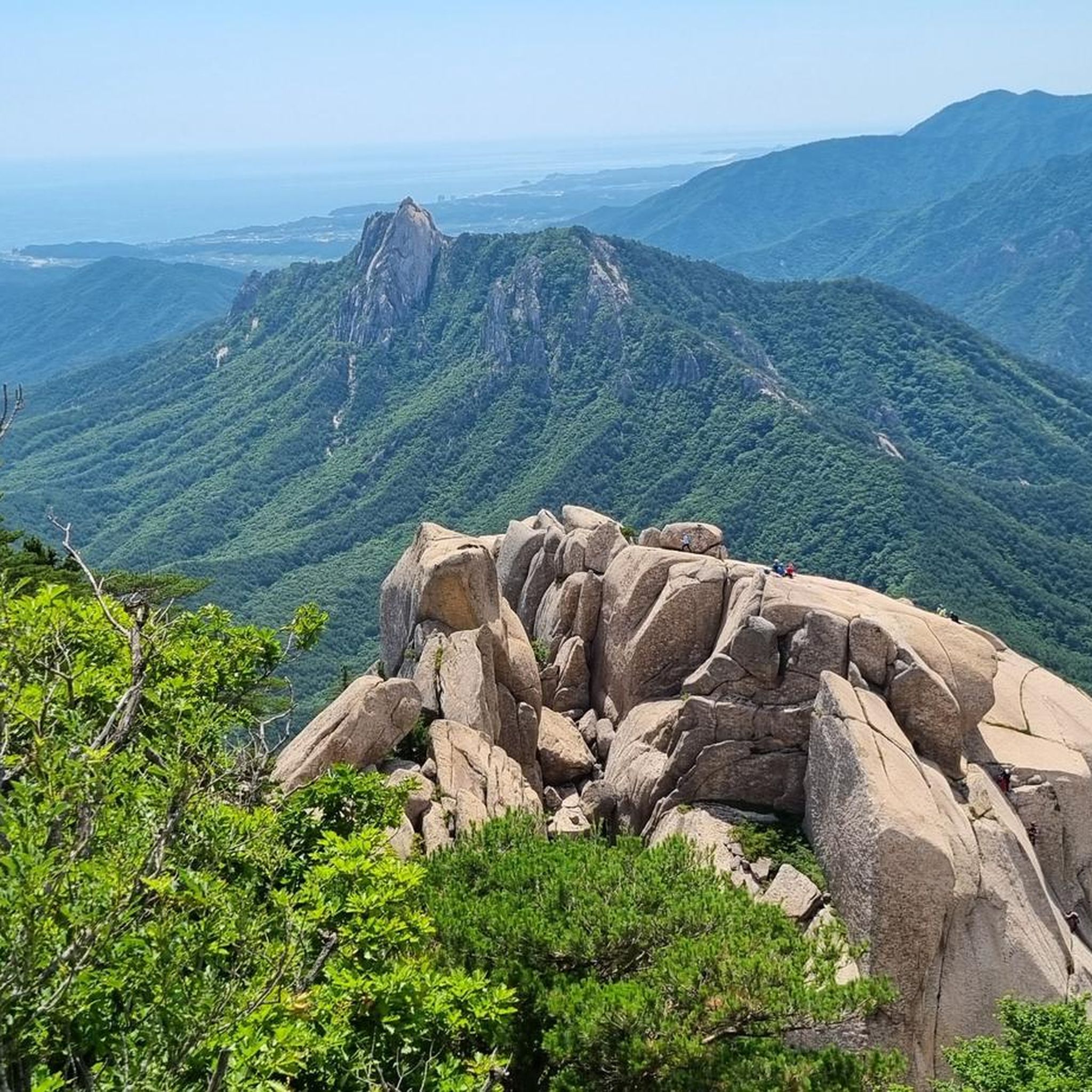
The summit stone of Cheonwangbong Peak, along with the statue of the Virgin Mary of Anrae, is believed to be the location of Jirisan's Cheonwangdae, but this has not been confirmed. Collecting the water dripping from the rocks within Cheonwanggul Cave could likely provide enough drinking water for one person's ascetic training.
0
0

Take a small detour to visit the cave, on the way up go to the right of the hermitage and follow the path.
0
0

Beyond the 1275 peak, below the Noinbong peak, a small stream flows... spring water
0
0
Although it is a short section, it is highly difficult as you have to climb steep iron stairs to get to Geungganggul Cave. However, the entrance to Geumganggul Cave is a viewpoint where you can see the Cheonbuldong Valley and the surrounding mountains at a glance.
0
0

Towards the end of the Pacific War, during the Japanese pecupation of Korea, the Gungsan Tunnel was excavated by the "National Protection Corps," which comprised of forcibly mobilized nearby local residents. It was used to store war supplies such as weapons and ammunition, monitor the Gimpo Airfield, and as military headquarters during air strikes. The underground tunnel was discovered in 2008 following multiple reports by local residents. During construction to establish an experience-based exhibition hall, massive rockslides occurred in parts of the tunnel, which led to the installation of safety apparatus that prevented public entry. It was maintained as a closed tunnel until an exhibition hall was established in 2018 lo view the interior of the tunnel from the entranco. In 2022, it was selected as a Seoul Future Heritage in recognition of its historic and cultural value.
0
0
Could you believe that in the old times, a monk was living in the cave below those rocks ? Ensuring deep connection with nature for sure…
1
0
We access this third summit by passing under a cavity and rocks and climbing on the other side, very original!
0
0

A small restaurant, a convenience store and the tourist office.
0
0
Frequently Asked Questions
What types of caves can I explore in South Korea?
South Korea offers a diverse range of caves, including ancient limestone formations, extensive lava tubes, and repurposed mines. You can find natural geological wonders like Manjanggul Lava Tube on Jeju Island, known for its volcanic formations, or historical sites like The Third Tunnel of Aggression (DMZ), a former military tunnel.
Are there any family-friendly caves in South Korea?
Yes, several caves are suitable for families. Manjanggul Lava Tube is considered family-friendly, offering well-maintained paths. Gosu Cave in Danyang also features well-maintained walkways and lighting, making it accessible for families to explore its intricate beauty. Gwangmyeong Cave, a repurposed mine, offers a themed park experience with various attractions that appeal to all ages.
What unique geological features can I expect to see in South Korean caves?
You can observe a wide array of geological formations. Manjanggul Lava Tube showcases lava stalactites, stalagmites, columns, and flowstones. Limestone caves like Hwanseongul and Gosu Cave feature vast chambers, stalactites, stalagmites, stone pillars, underground rivers, and even cave pearls. Seongryugul Cave is notable for its twisted columns and submerged stalagmites.
Which caves offer historical or cultural insights?
Many caves in South Korea have significant historical or cultural value. The Third Tunnel of Aggression (DMZ) provides insights into historical military events. Gwangmyeong Cave, once a gold mine, has been transformed into a themed park showcasing industrial heritage. Hwaamdonggul Cave also combines gold mining history with natural formations. Additionally, Gyejoam Hermitage and Grotto and View of Cheonbuldong Valley from Geumganggul Cave are religious sites built into rock formations.
What is the best time of year to visit caves in South Korea?
Caves in South Korea generally maintain a consistent cool temperature year-round, typically between 10-15°C. This makes them a refreshing escape, especially during the warmer summer months. Visiting during spring or autumn can also be pleasant, as the weather outside is mild, complementing the cool cave environment.
What should I wear when visiting caves in Korea?
Given the cool and often damp conditions inside caves, it's advisable to wear comfortable walking shoes with good grip and bring a light jacket or sweater, even in summer. Some caves may have wet or uneven surfaces, so appropriate footwear is important for safety and comfort.
Are there any caves near Seoul that are easily accessible?
Gwangmyeong Cave is a popular and easily accessible option near Seoul. It's a repurposed mine that has been transformed into a large themed cave park, offering a unique blend of history, culture, and art installations, including a wine cave.
Can I find unique wildlife in South Korean caves?
Yes, some caves are known for their unique ecosystems. Hwanseongul Cave is home to 47 recorded species of wildlife, with four unique to the cave. Cheongok Golden Bat Cave in Donghae is an important habitat for endangered golden bats, offering a chance to observe ancient geological formations and protected wildlife.
What kind of activities can I do near the caves in South Korea?
The diverse landscapes around South Korea's caves offer various outdoor activities. You can find numerous MTB trails, cycling routes, and running trails throughout the region. For example, you can explore routes like the 'Route C Autumn Foliage Trail' or 'Mt. Udam – Baegun Lake loop' for mountain biking, or enjoy cycling along the Han River.
Which cave is known for its sheer size and impressive formations?
Hwanseongul Cave in Gangwon Province is the longest known limestone cave in Korea, with vast chambers reaching 100 meters tall. It features numerous stalactites, stalagmites, stone pillars, underground rivers, and waterfalls, offering an awe-inspiring experience due to its scale and variety of formations.
Are there any caves with religious significance?
Yes, several caves hold religious importance. Gyejoam Hermitage and Grotto is a religious building featuring spherical sounds in its meditation room. View of Cheonbuldong Valley from Geumganggul Cave houses a small temple built into the rock, providing a space for meditation with grandiose views.
What makes Manjanggul Lava Tube a significant site?
Manjanggul Lava Tube on Jeju Island is a UNESCO World Heritage site and one of the world's longest lava tubes. It is significant for its incredibly well-preserved volcanic formations and offers a unique opportunity to explore a major geological marvel and learn about Jeju Island's volcanic origins.
Most popular routes in South Korea
Most popular attractions in South Korea

Get inspired with the komoot mobile app


Explore more
Extend your search for the best caves by checking out these guides of the top ones in South Korea:
