The best walks and hikes in South Korea
4.5
(4948)
37,988
hikers
1,472
hikes
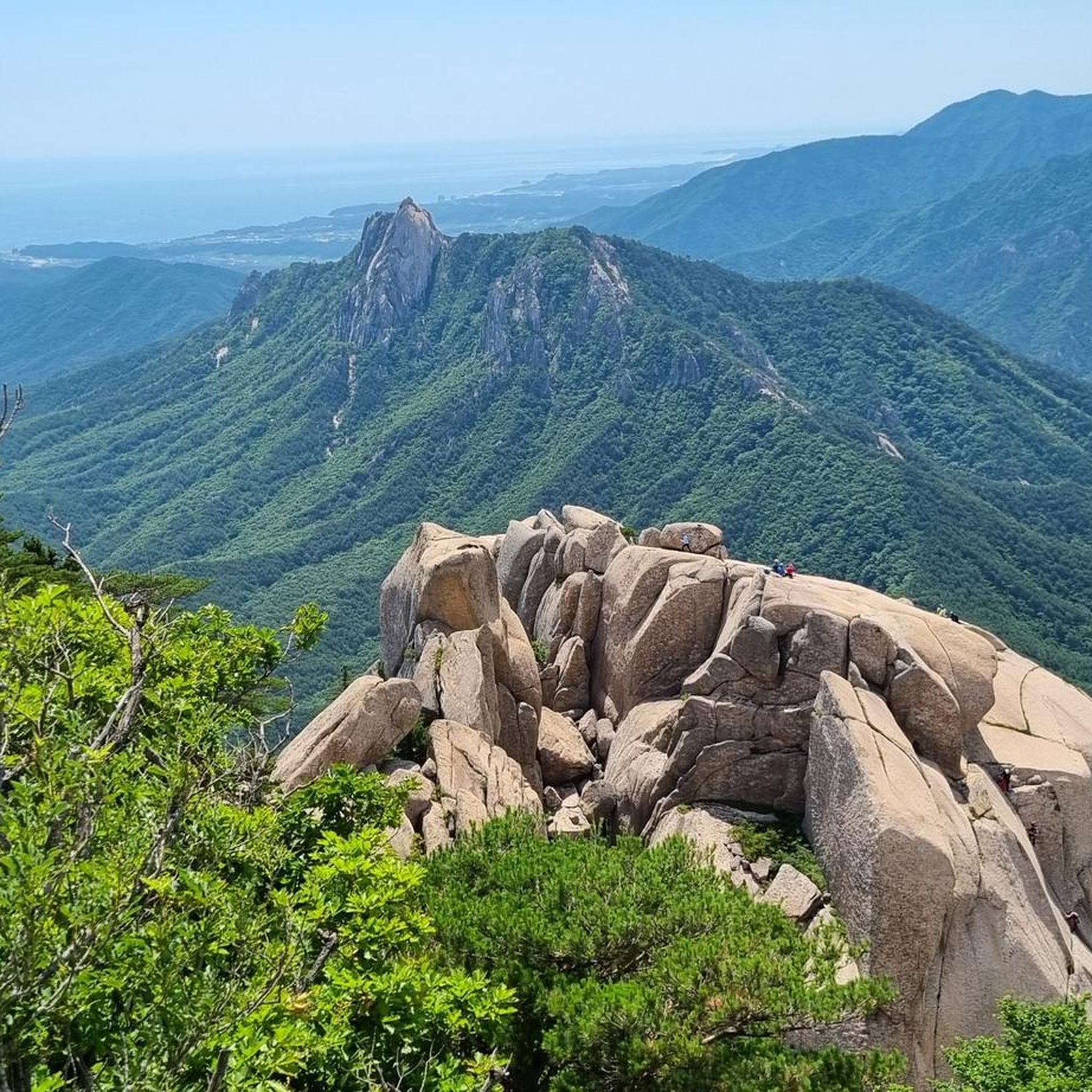
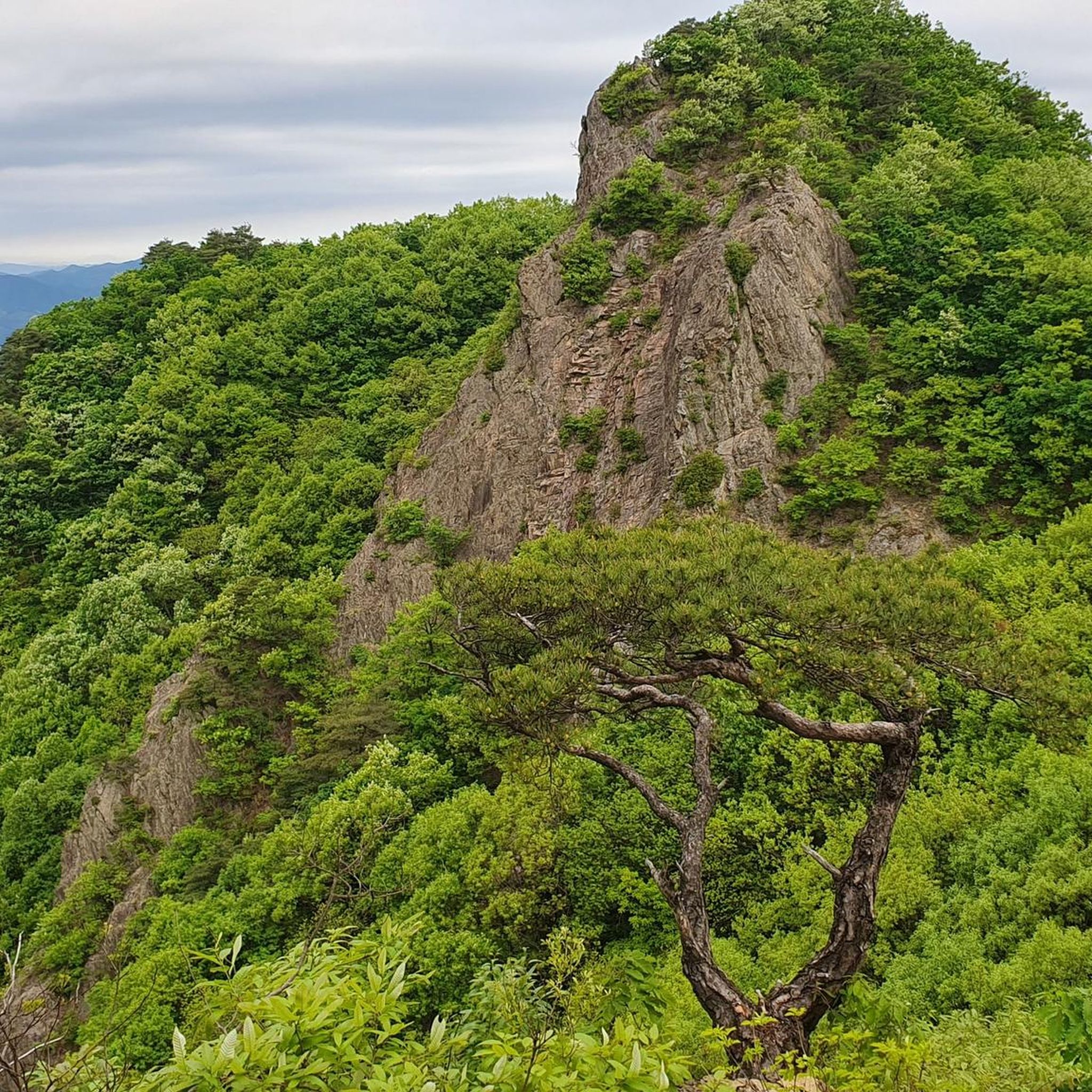
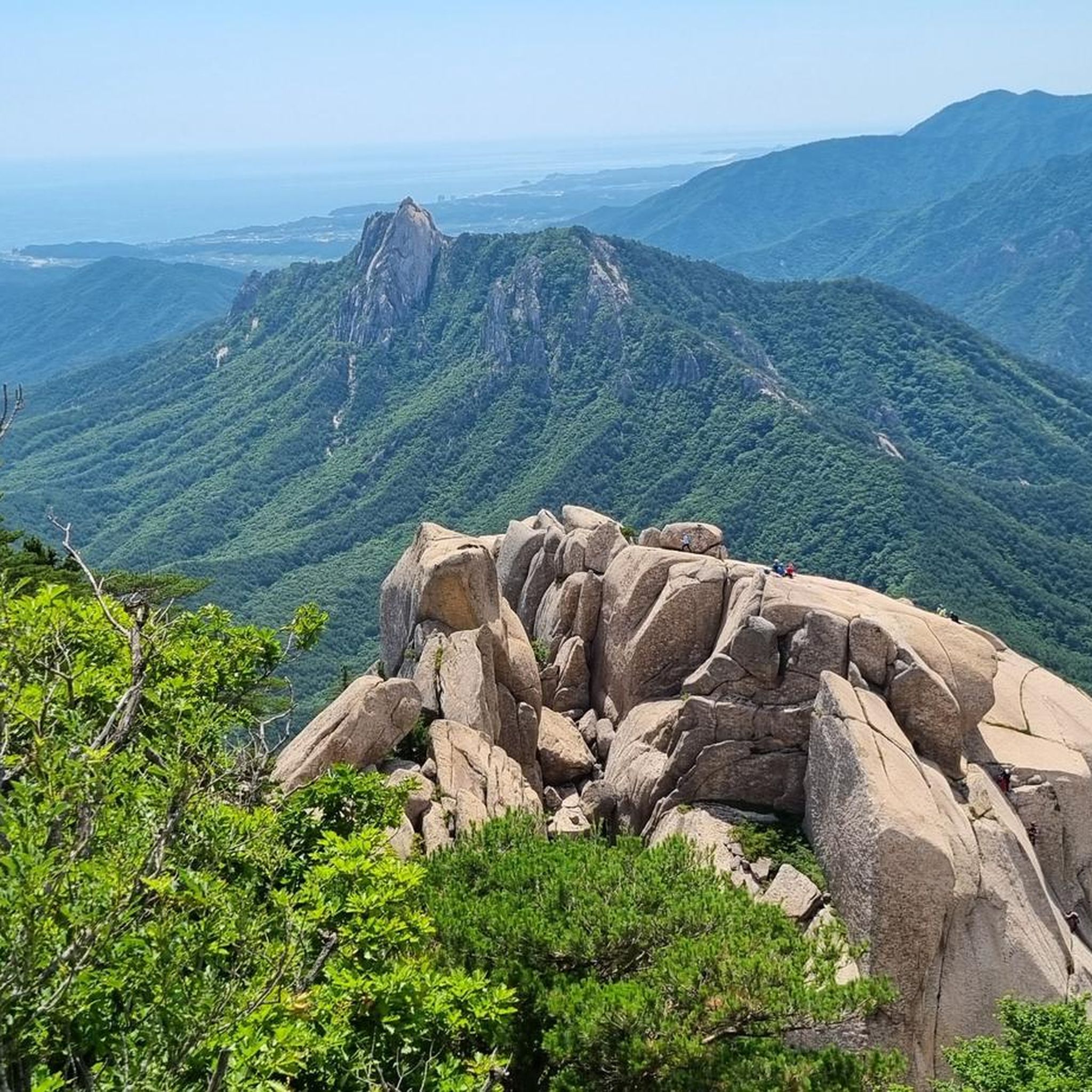
Hiking in South Korea offers access to a predominantly mountainous landscape, with approximately 70% of the country covered by peaks and ranges. This terrain provides a vast network of trails that traverse diverse natural features, including volcanic formations, granite peaks, and dense forests. The country's geology features prominent national parks like Hallasan, Seoraksan, and Bukhansan, which are characterized by their rugged elevations and varied ecosystems. These regions present a range of hiking environments, from coastal paths to high-altitude mountain trails.
Best hiking trails in South Korea
- The most popular hiking route is View of Insubong Peak loop from 북한산우이, a 5.6 miles (8.9 km) trail that takes 3 hours 41 minutes to complete, offering views of the iconic Insubong Peak within Bukhansan National Park.
- Another top favourite among local hikers is Sokbat Shelter – Baengnokdam Crater Lake loop from Mul-Oreum, a difficult 12.2 miles (19.6 km) path. This route ascends to the crater lake of Hallasan, South Korea's highest peak, showcasing volcanic landscapes.
- Local hikers also love the Great Buddha of Sinheungsa – Seoraksan National Park loop from Seoraksan National Park, a 7.5 miles (12.1 km) trail leading through dramatic rock formations and ancient temples, often completed in about 4 hours 3 minutes.
- Hiking in South Korea is defined by mountainous terrain, volcanic landscapes, and dense forests. The extensive network of routes offers options for various ability levels, from easy walks to challenging multi-day treks.
- The routes in South Korea are highly rated by the komoot community with an average score of 4.5 stars from over 3,900 reviews. More than 31,000 hikers have used komoot to explore South Korea's varied terrain.
Last updated: August 7, 2026
4.8
(82)
542
hikers
8.95km
03:42
690m
690m
Hard hike. Good fitness required. Sure-footedness, sturdy shoes and alpine experience required.
4.4
(65)
592
hikers
19.7km
08:41
1,170m
1,170m
Hard hike. Very good fitness required. Sure-footedness, sturdy shoes and alpine experience required.

Sign up for free
4.8
(58)
382
hikers
Moderate hike. Good fitness required. Easily-accessible paths. Suitable for all skill levels.
4.8
(36)
352
hikers
8.77km
04:21
710m
710m
Hard hike. Good fitness required. Sure-footedness, sturdy shoes and alpine experience required.
4.8
(66)
394
hikers
7.31km
03:08
630m
630m
Moderate hike. Good fitness required. Easily-accessible paths. Suitable for all skill levels.
4.8
(70)
417
hikers
5.95km
01:57
240m
240m
Easy hike. Great for any fitness level. Easily-accessible paths. Suitable for all skill levels.
4.9
(58)
349
hikers
10.5km
04:34
710m
710m
Hard hike. Good fitness required. Sure-footedness, sturdy shoes and alpine experience required.
4.5
(30)
266
hikers
20.7km
06:54
780m
780m
Hard hike. Very good fitness required. Mostly accessible paths. Sure-footedness required.
4.5
(30)
248
hikers
20.4km
06:49
770m
770m
Hard hike. Very good fitness required. Mostly accessible paths. Sure-footedness required.
4.1
(47)
382
hikers
6.32km
02:35
490m
490m
Moderate hike. Good fitness required. Easily-accessible paths. Suitable for all skill levels.
Get access to more routes and recommendations from other explorers.
Sign up for free
Already have an account?
Our route recommendations are based on thousands of hikes, rides, and runs completed by other people on komoot.
Start today with a free account
Your next adventure awaits.
Login or Signup

Tips from the Community

After the elevator, take the stairs down one floor, as there is less going on there on busy days, at the bistro as well as at the tables by the window.
2
0

It is an essential item for repelling mosquitoes in the summer.
0
0
It's not as good as before, but it's good.
0
0

Hiking boots are highly recommended. A jacket and sweater for the summit, even if it's still 15 degrees Celsius in the valley.
0
0

Beautiful views up there. Easy to reach, just take bus 7 or 7-1 from Sokcho and disembark on the very last stop. The route does not require any special equipment as it's mostly gravel and stairs (with handrail). Leave your poles at home, even sturdy mountain shoes are not particularly necessary. The last part is quite steep, so bring decent fitness. I did this trail in summer which can be very warm. We came early (the first bus from Sokcho runs at ~6.30) and the ascent was in the shadow mostly. Would not recommend to come later in the day as the sun will roast you. As everywhere in Korea, there's an abundance of toilets, the last one before the ascent is clearly marked as such.
0
0

Overall, the Wall Trail is highly recommended.
0
0
Great views. In warmer weather, head out early before it gets warm.
0
0
There is a stamp at the information point for the Wall Trail.
1
0
Frequently Asked Questions
How many hiking trails are available in South Korea?
South Korea offers a vast network of trails for hikers. On komoot, you can find over 1,500 hiking routes, ranging from easy strolls to challenging multi-day treks, catering to all experience levels.
What is the best time of year for hiking in South Korea?
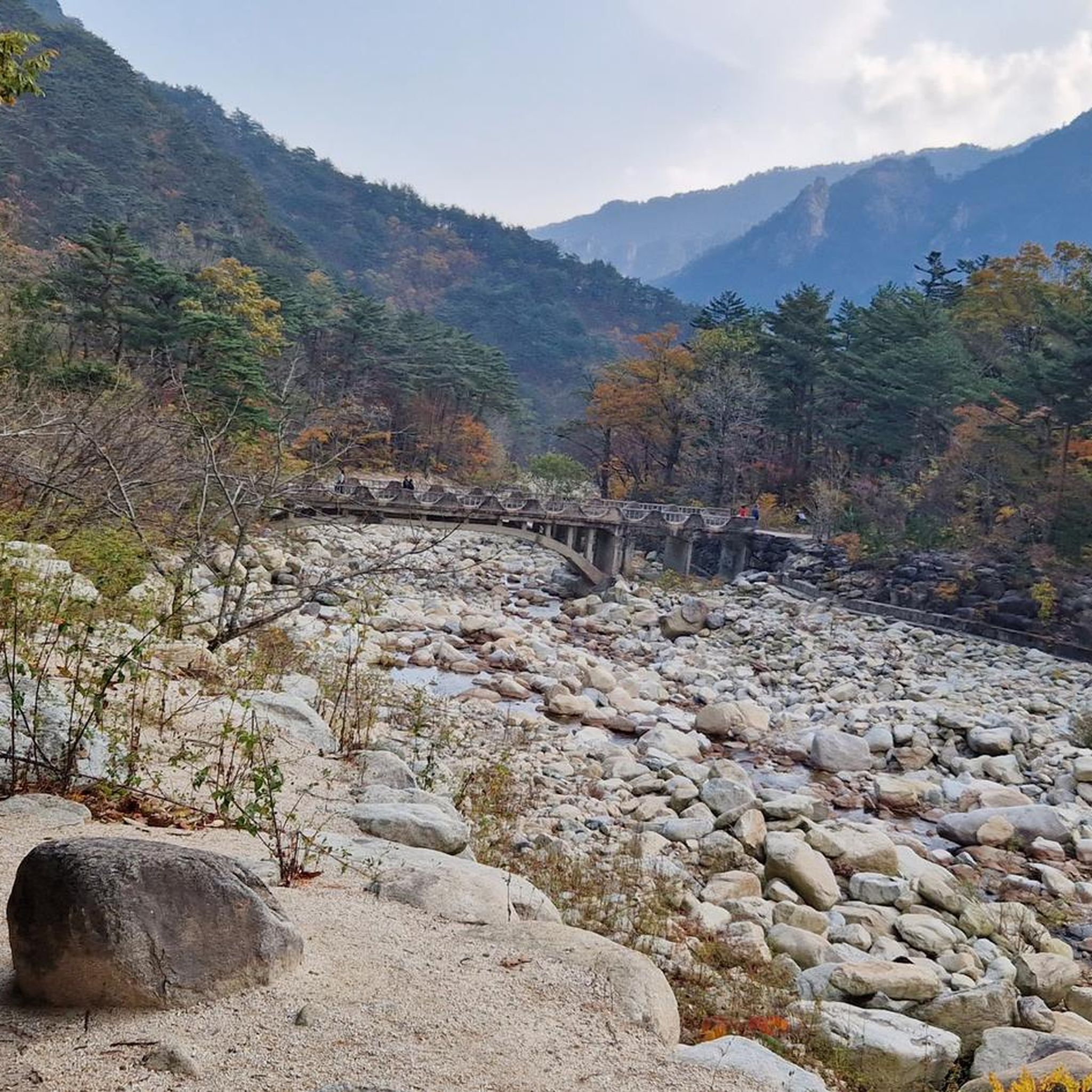
The best seasons for hiking in South Korea are generally spring (April-May) and autumn (September-November). Autumn is particularly renowned for its spectacular foliage, especially in parks like Seoraksan and Naejangsan, where the mountains transform into vibrant displays of red, orange, and yellow. Spring offers pleasant temperatures and blooming flora.
Are there any family-friendly hiking options in South Korea?
Yes, South Korea has many trails suitable for families. While specific family-friendly routes aren't detailed here, many national parks offer easier paths. For example, within Seoraksan National Park, the Seoraksan National Park – Biryong Falls loop is an easy 3.7-mile (5.9 km) trail that leads to the picturesque Biryong Falls, offering a rewarding experience for various ages.
What are some notable national parks for hiking in South Korea?
South Korea is home to numerous stunning national parks. Key parks include **Hallasan National Park** on Jeju Island, featuring the country's highest peak and a crater lake; **Seoraksan National Park**, known for its rugged peaks, dramatic rock formations, and vibrant autumn colors; and **Bukhansan National Park**, an accessible escape from Seoul with panoramic city views and ancient fortress walls. Other notable parks include Jirisan, Naejangsan, and Songnisan.
Can I find challenging multi-day hikes in South Korea?
Yes, for experienced hikers seeking a challenge, South Korea offers several difficult routes. An example is the Sokbat Shelter – Baengnokdam Crater Lake loop from Mul-Oreum, a difficult 12.2-mile (19.6 km) path that ascends to the crater lake of Hallasan, South Korea's highest peak, showcasing volcanic landscapes. Many national parks also offer longer, more strenuous trails.
What kind of scenic viewpoints can I expect on South Korean trails?
South Korean trails are rich with scenic viewpoints. You can expect panoramic vistas from mountain summits like Baegundae Peak in Bukhansan National Park, stunning crater lakes such as Baengnokdam Crater on Hallasan, and dramatic rock formations in areas like Seoraksan. Many routes also offer views of ancient temples, lush valleys, and vibrant autumn foliage.
Are there hiking trails with waterfalls in South Korea?
Absolutely. South Korea's mountainous terrain features many beautiful waterfalls. For instance, the Seoraksan National Park – Biryong Falls loop takes you to Biryong Falls. Other notable waterfalls in the country include Cheonjiyeon Waterfall and Jeongbang Waterfall on Jeju Island, and the impressive Towangseong Falls in Seoraksan National Park.
What do other hikers say about the trails in South Korea?
The hiking trails in South Korea are highly regarded by the komoot community, with an impressive average rating of 4.5 stars from over 3,900 reviews. Hikers frequently praise the well-maintained paths, the stunning natural beauty, and the diverse landscapes, from volcanic peaks to dense forests and ancient cultural sites.
Are there any circular hiking routes in South Korea?
Yes, many trails in South Korea are designed as circular routes, offering varied scenery without retracing your steps. Examples include the View of Insubong Peak loop from 북한산우이 in Bukhansan National Park and the Great Buddha of Sinheungsa – Seoraksan National Park loop, which takes you through dramatic rock formations and ancient temples.
Can I reach hiking trails in South Korea using public transport?
Many popular hiking areas and national parks in South Korea are well-connected by public transport, especially from major cities. For example, Bukhansan National Park is easily accessible from Seoul via subway and bus. It's advisable to check local transport options for specific trailheads, but generally, public transport is a viable way to reach many hiking destinations.
Are there any unique cultural or historical sites along the hiking trails?
South Korea's hiking trails often blend natural beauty with rich cultural heritage. Many national parks, such as Seoraksan, Jirisan, and Songnisan, feature ancient Buddhist temples, hermitages, and stone carvings directly along or near the trails. Bukhansan National Park also includes sections of the historic Bukhansanseong Fortress wall, offering a glimpse into the country's past while you hike.
What are some hidden gem hiking spots in South Korea?
Beyond the well-known national parks, South Korea offers several lesser-known but equally captivating hiking destinations. **Juwangsan National Park** is a hidden gem featuring unique rock formations, caves, and waterfalls. **Gyeryongsan National Park** is distinctive for its ridgeline said to resemble a dragon, offering a serene experience away from the crowds. For a tranquil forest walk, consider the **Bamboo Forest Walk in Juknokwon** in Damyang.
Most popular routes in South Korea
Most popular attractions in South Korea

Get inspired with the komoot mobile app


Didn’t find what you were looking for?
Check out more Hikes throughout South Korea below and find the perfect route in your destination.
Explore more
Browse the best Hikes in other regions.
