Top 20 Castles in Japan
Best castles in Japan offer a glimpse into the country's feudal past and architectural heritage. Many structures are either original or meticulously preserved, showcasing samurai ingenuity. These historical sites are often surrounded by extensive grounds, providing spaces for exploration and views of the surrounding regions. The castles are situated across various prefectures, reflecting diverse construction styles and historical significance.
Best castles in Japan
- The most popular castles is Osaka Castle, a castle built on the orders of General Toyotomi…
Last updated: August 19, 2026
Osaka Castle
Highlight • Castle
Ōsaka Castle (Japanese: 大阪城, Ōsaka-jō) is located in the city of Osaka in Osaka Prefecture, Japan. It is one of Japan's most famous castles and …
Showing Translation
Tip by

At the Imperial Palace
Highlight • Historical Site
Garden strolls, art treasures, and grounds tours of an imperial castle
The Imperial Palace is the home of the Emperor of Japan, built on the former site …
Showing Translation
Tip by
Sign up now to discover places like this
Get recommendations on the best single tracks, peaks, & plenty of other exciting outdoor places.
Sign up for free
Himeji Castle
Highlight • Castle
Himeji Castle (Japanese: 姫路城, Himeji-jō) is located in the city of Himeji in the Japanese prefecture of Hyōgo.
It is one of the oldest surviving structures …
Showing Translation
Tip by
Otemon Main Gate (Himeji Castle)
Highlight • Monument
Himeji Castle (Japanese 姫路城, Himeji-jō) is located in the city of Himeji in the Japanese prefecture of Hyōgo.
It is one of the oldest surviving structures …
Showing Translation
Tip by
Hiroshima Castle
Highlight • Castle
Translated by Google •
Tip by

Nijo Castle
Highlight • Castle
Translated by Google •
Tip by

Nagoya Castle
Highlight • Castle
Translated by Google •
Tip by
Fukuoka Castle Ruins
Highlight • Castle
Translated by Google •
Tip by

Tokyo Imperial Palace
Highlight • Historical Site
Translated by Google •
Tip by
Kumamoto Castle
Highlight • Castle
The castle was badly damaged in the earthquakes in April 2016. Foundations were damaged, walls collapsed and …
Translated by Google •
Tip by

Sign up for free to discover even more castles in Japan.
Sign up for free
Already have an account?
Start today with a free account
Your next adventure awaits.
Login or Signup
Popular around Japan
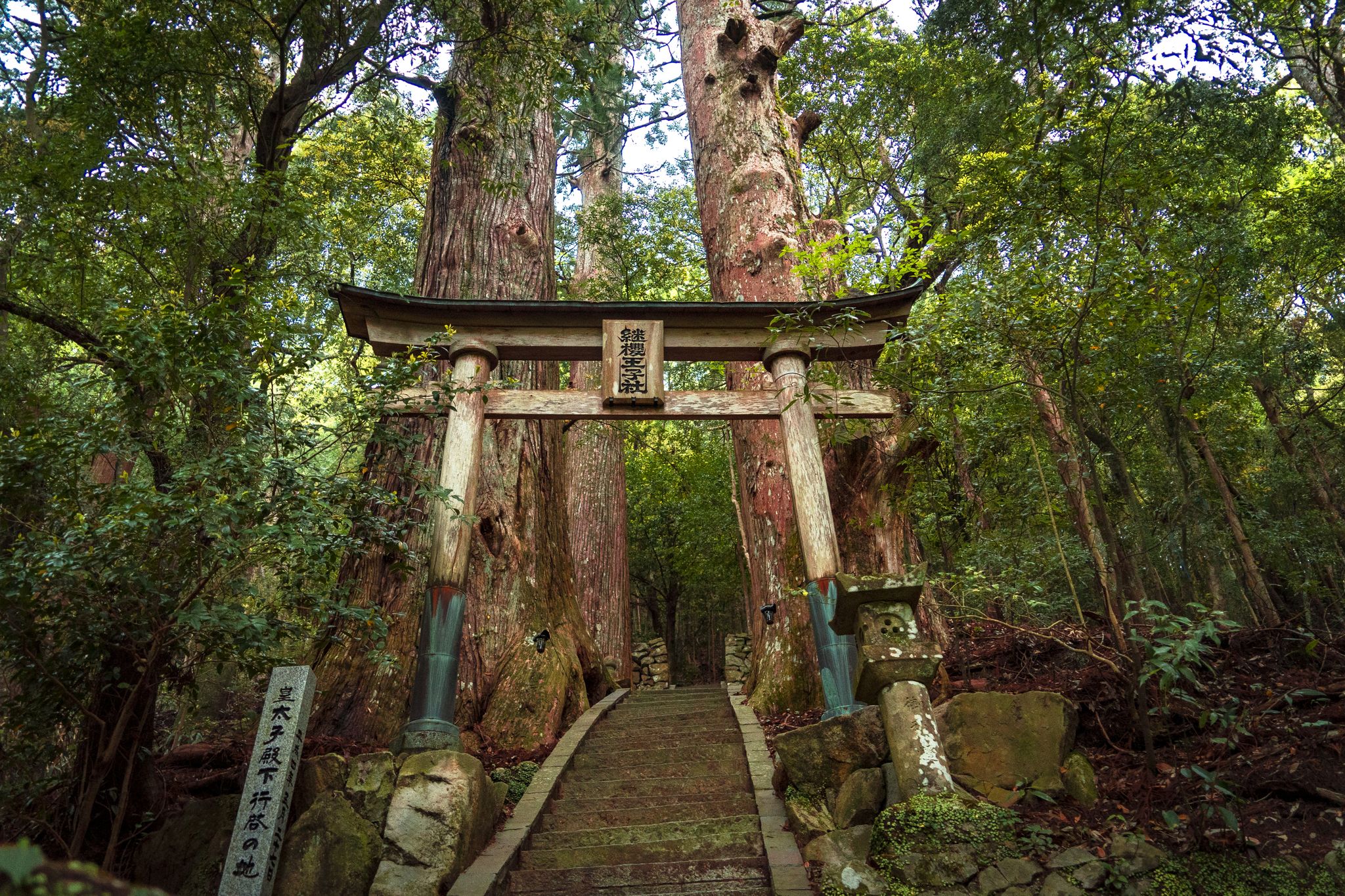
Kumano Kodo – a pilgrimage in the sacred forests of Japan
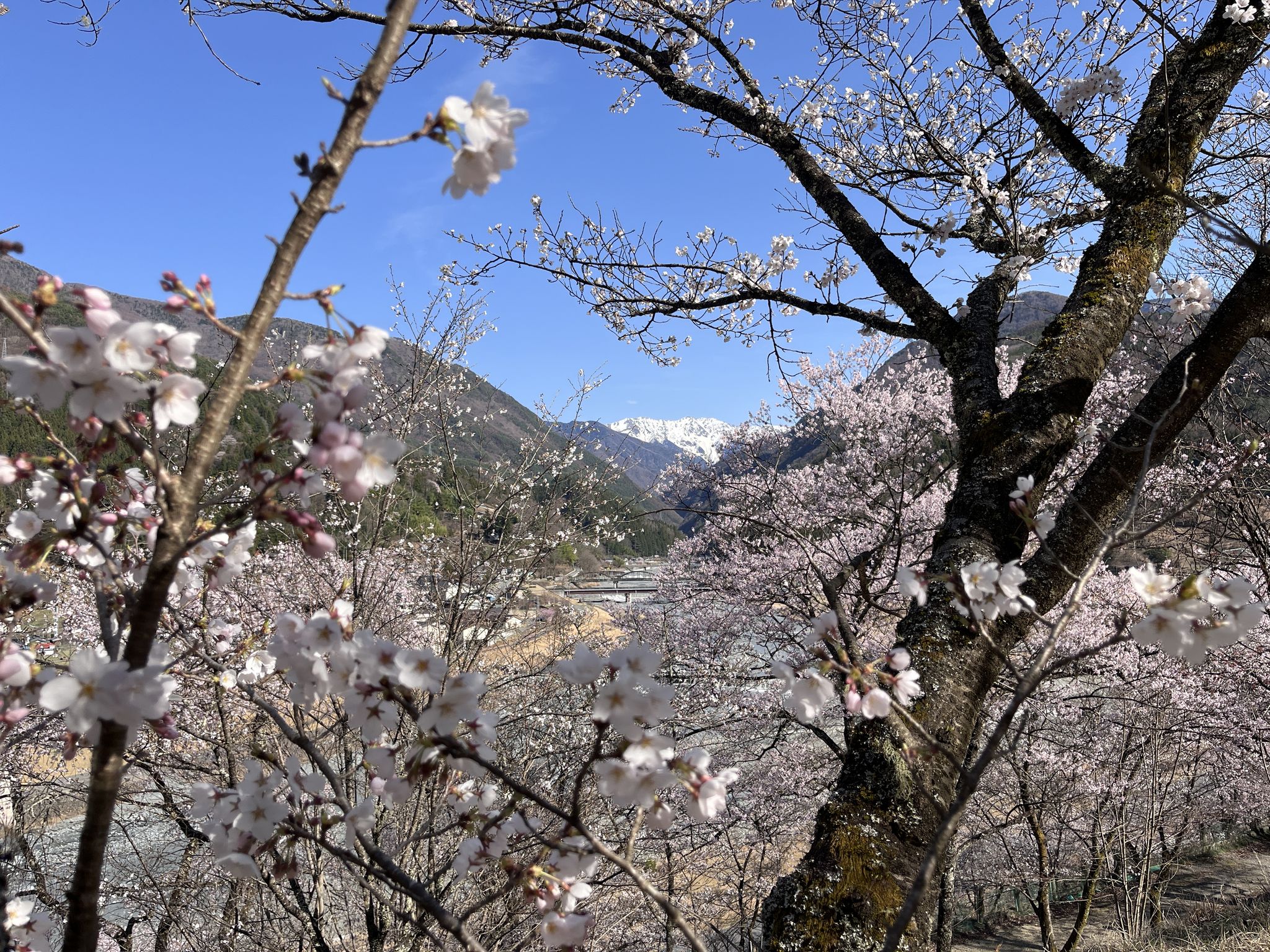
Oshika Akiha Kodo Hanami Tours
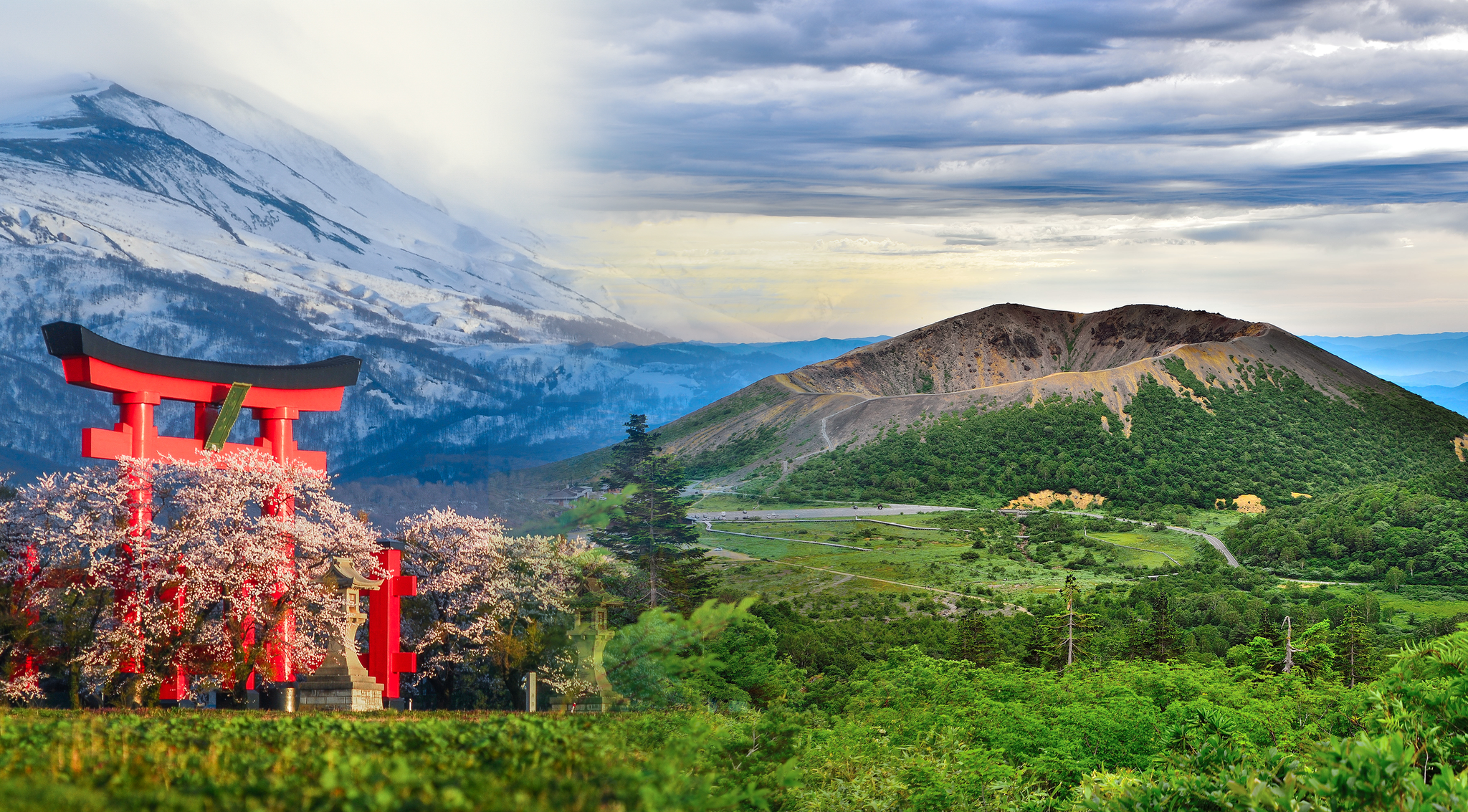
Spiritual peaks — hiking Bandai Asahi National Park’s Volcano Trail
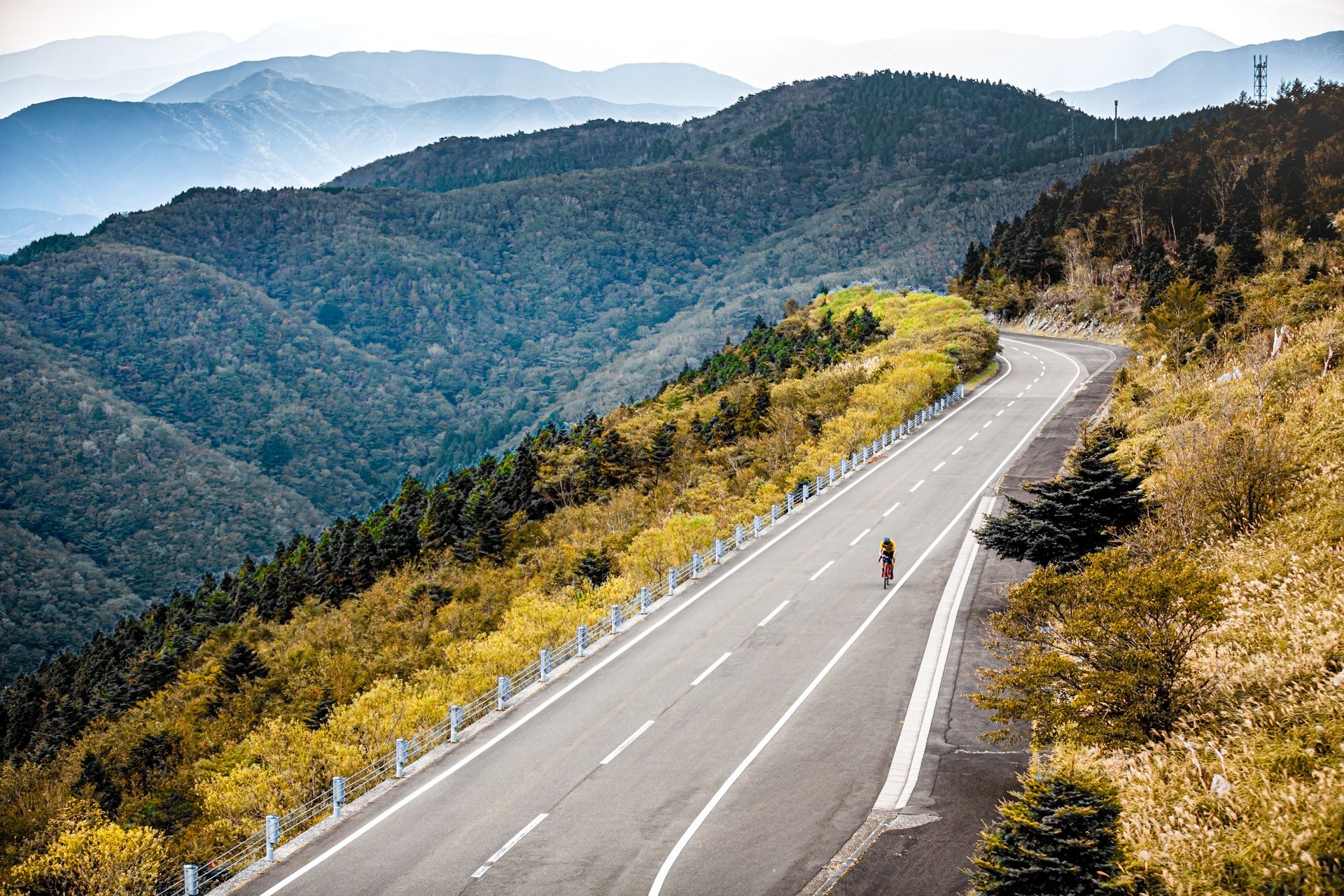
The Japanese Odyssey — 1,600km of volcanic islands to Tokyo
Hiking in Japan
Running Trails in Japan
Cycling in Japan
Road Cycling Routes in Japan
Mountain Hikes in Japan
MTB Trails in Japan
Other adventures in Japan


Tips from the Community

Imperial Palace Tokyo 皇居 The Imperial Palace Tokyo 皇居, Kōkyo, "Imperial Residence" is the residence of the Tennō, the Japanese Emperor. The imperial residence is located on the former grounds of Edo Castle in the present-day Chiyoda district of the district of the same name in the center of Tokyo. After the Meiji Restoration and the overthrow of the shogun, the imperial court was moved from Kyoto to Edo, which was renamed Tōkyō, and at that time also Tōkei ("eastern capital"). The city's castle, until then the seat of the Tokugawa shoguns, was visited by the emperor on November 26, 1868, and renamed Tōkei-jō (東京城, Ger. "Castle of the Eastern Capital"). On May 9, 1869, he made the residence used by the last shogun in the western district (Nishi-no-maru) his permanent seat and renamed it Kōjō (皇城, Ger. "Imperial Castle").[1] On May 5, 1873, this residence burned down. Until the completion of the new residence in the same location in a Japanese-Western mixed style in 1888, called Kyūjō (宮城, Ger. "Palace Castle"), the imperial family used the Akasaka Imperial Residence for 15 years. In World War II, the buildings were destroyed by bombs. The palace got its current name in 1948. Until 1968, the complex was rebuilt in a modern style. The architect was Yoshimura Junzō. Text / Source : wikipedia.org https://de.wikipedia.org/wiki/Kaiserpalast_Tokio
13
0
Imperial Palace 皇居エリア Garden strolls, art treasures, and grounds tours of an imperial castle The Imperial Palace is the home of the Emperor of Japan, built on the former site of Edo Castle, where the shogun lived before 1868. Protected by wide moats and thick walls, and surrounded by carefully tended gardens, the grounds offer a peaceful, green contrast to the steel and glass of Tokyo's modern downtown office buildings. Runners, cyclists, and strollers, couples, and families visit the outer palace grounds. There are also guided tours of the grounds, and you can view the Imperial Collection of Art for free. Text / Source: Japan.travel/en https://www.japan.travel/en/spot/2121/
14
0
Burg Himeji 姫路城 Himeji-jō Himeji Castle (Japanese 姫路城, Himeji-jō) is located in the city of Himeji in the Japanese prefecture of Hyōgo. It is one of the oldest surviving structures from 17th-century Japan. The castle complex, consisting of 83 individual buildings, is considered the most beautiful example of Japanese castle architecture and is nicknamed Shirasagijō (白鷺城, Ger. "White Heron Castle"), a reference to its white exterior walls and roofs. Despite its architectural beauty, such as its spiral floor plan, its defensive structures (nawabari) are highly developed, so the castle was considered practically impregnable. Himeji Castle is one of Japan's national cultural treasures, was declared a Special Historic Site (tokubetsu shiseki) in 1956, and was recognized as a UNESCO World Heritage Site in 1993. The first buildings of the castle were constructed at the beginning of the Muromachi period in 1346. The architect is considered to be Akamatsu Sadanori, who had previously built the Shomyoji Temple at the foot of Mount Himeji, on whose site the castle complex now arose. Text / Source : wikipedia.org https://de.wikipedia.org/wiki/Burg_Himeji
12
0
Himeji Castle 姫路城 Himeji-jō Himeji Castle (Japanese: 姫路城, Himeji-jō) is located in the city of Himeji in the Japanese prefecture of Hyōgo. It is one of the oldest surviving structures from 17th-century Japan. The castle complex, consisting of 83 individual buildings, is considered the most beautiful example of Japanese castle architecture and has the nickname Shirasagijō (白鷺城, lit. "White Heron Castle"), an allusion to its white exterior walls and roofs. Despite its architectural beauty, such as its spiral floor plan, its defensive structures (nawabari) are highly developed, so the castle was considered practically impregnable. Himeji Castle is one of Japan's national cultural treasures, was declared a Special Historic Site (tokubetsu shiseki) in 1956, and was recognized as a UNESCO World Heritage Site in 1993. The first buildings of the castle were constructed at the beginning of the Muromachi period in 1346. The architect is considered to be Akamatsu Sadanori, who had previously built the Shomyoji Temple at the foot of Mount Himeji, on whose site the castle complex now stands. Text / Source: wikipedia.org https://de.wikipedia.org/wiki/Burg_Himeji
12
0
Burg Ōsaka 大阪城, Osaka 大阪市 Ōsaka Castle (Japanese: 大阪城, Ōsaka-jō) is located in the city of Osaka in Osaka Prefecture, Japan. It is one of Japan's most famous castles and played an important role in the unification of Japan in the 16th century. Tenshu (Main Tower) The reconstruction by the Tokugawa began in 1620 and lasted for 10 years. After being struck by lightning, the main tower burned down completely in 1665, yet the castle continued to play an important role in the Tokugawa shoguns' control of western Japan. It wasn't until 1843, almost 200 years later, that the castle was partially rebuilt with donations. But already in 1868, the castle was destroyed again during the wars of the Meiji Restoration. The remains of the castle were converted into a barracks by the Meiji government in the following years. In 1928, the castle's main tower was rebuilt again after a very successful fundraising campaign by the mayor. After the main tower was heavily damaged by bombing raids in World War II in 1945, it took several decades again until the castle was rebuilt in 1997 after three years of construction work. In 1953, the original castle complex was declared a Special Historic Site (tokubetsu shiseki). Text / Source: wikipedia.org https://de.wikipedia.org/wiki/Burg_%C5%8Csaka
12
0

Be careful because it's very crowded, so you have to factor in huge queues.
0
0

The castle, which was rebuilt and then destroyed several times, was last reconstructed in 1997. In 1953, the castle complex was declared a special historical site. Today, it houses a museum. Visitors must remove their shoes at the entrance before climbing the eight floors.
2
0

Today the castle closed at 4:30 p.m. Admission is 500 yen.
2
0
Frequently Asked Questions
Which castles offer the most authentic historical experience in Japan?
For an unparalleled sense of authenticity, Himeji Castle, a UNESCO World Heritage site, is considered the best-preserved feudal castle in the country. Another excellent choice is Matsumoto Castle, known for its original wooden structures and the oldest five-story castle tower in Japan.
Are there family-friendly castles to visit in Japan?
Yes, many castles in Japan are suitable for families. Osaka Castle, Himeji Castle, Hiroshima Castle, Nijo Castle, and Nagoya Castle are all listed as family-friendly. Their expansive grounds and historical exhibits often appeal to all ages.
What kind of outdoor activities can I do near Japanese castles?
Many castles are surrounded by parks and natural areas perfect for outdoor activities. You can find various cycling routes, including mountain biking and road cycling, throughout Japan. For example, you can explore MTB Trails in Japan or enjoy Cycling in Japan near many historical sites.
Which castles are known for their beautiful gardens?
Several castles boast stunning gardens. Himeji Castle is complemented by the traditional Koko-en Garden. Nijo Castle features the beautiful Ninomaru Garden and Seiryuen Garden. Osaka Castle is set within a vast park with serene ponds and the Nishinomaru Garden, known for its cherry trees.
What is the best time of year to visit Japanese castles?
The cherry blossom season (typically late March to early April) and autumn foliage season (October to November) are particularly popular times to visit, as the castle grounds and surrounding gardens are exceptionally beautiful. However, each season offers a unique charm, with snowy winters providing a striking backdrop for castles like Matsumoto Castle.
Are there any castles that showcase unique defensive architecture?
Absolutely. Kumamoto Castle is renowned for its formidable 'musha-gaeshi' (warrior-repelling) stone walls, designed to prevent enemies from climbing. Himeji Castle's labyrinthine paths were also strategically designed to confuse attackers, showcasing advanced feudal military strategies.
Can I visit the Tokyo Imperial Palace, which was formerly Edo Castle?
While the Imperial Palace itself is not generally open to the public, the surrounding historical grounds, including the impressive fortress walls and gates, are accessible. You can explore the area of the former Edo Castle, which is a large park in the center of Tokyo. The Tokyo Imperial Palace offers an interesting contrast between modernity and history.
What should I expect regarding walking and accessibility at Japanese castles?
Visiting castles often involves a fair amount of walking, including steep staircases inside the keeps. For example, Himeji Castle involves significant walking through its complex. While many castle grounds are accessible, the interiors of older, original keeps may have limited accessibility due to their historical design. It's advisable to check specific castle websites for detailed accessibility information.
Which castle is known for its 'nightingale floors'?
Nijo Castle in Kyoto is famous for its 'nightingale floors' in the Ninomaru Palace. These floors were ingeniously designed to chirp like birds when walked upon, serving as an alarm system against intruders during the shogun's era.
Are there any castles that have been rebuilt after significant damage?
Yes, several castles have undergone extensive rebuilding. Hiroshima Castle was rebuilt after being destroyed in 1945. Osaka Castle's current main tower is a modern reconstruction that replicates its Edo-period exterior. Kumamoto Castle is also undergoing extensive restoration following damage from the 2016 earthquakes, with parts open to visitors to witness the recovery process.
What makes Matsumoto Castle unique among Japanese castles?
Matsumoto Castle, known as the 'Crow Castle' due to its distinctive black exterior, is unique for its flatland construction, unlike many castles built on hills. It features the oldest five-story castle tower in Japan and a triple moat for protection, offering a striking aesthetic against the backdrop of the Japanese Alps.
Where can I find more detailed visitor information for Himeji Castle?
For detailed information on visiting Himeji Castle, including tips on how to enjoy your visit and its amazing history, you can refer to visit-himeji.com.
Most popular routes in Japan
Most popular attractions in Japan

Get inspired with the komoot mobile app


Didn’t find what you were looking for?
Explore Japan’s best castles region by region:
Explore more
Looking for the best castles somewhere else? Discover other guides in Japan:
