Top 20 Caves in Friuli Venezia Giulia
Best caves in Friuli Venezia Giulia offers a diverse underground landscape in northeastern Italy. This region is characterized by its karst topography, which has led to the formation of numerous caves, sinkholes, and underground river systems. These geological features provide opportunities for exploration and insight into natural processes. The area's caves are notable for their varied formations and historical significance.
Best caves in Friuli Venezia Giulia
- The most popular caves is Bus de la Lum Sinkhole, a cave that was formed by karst, or by the dissolution of the rock by water. According to legend, it is inhabited by the Anguane, very ugly fairies, with nails instead of hair, and long fangs instead of teeth.
- Another must-see spot is Grotta Nera, a cave next to the path. The surrounding forest botanical garden offers a good overview of the tree species planted in the forest and the natural vegetation on the ground.
- Visitors also love Grotte di Pradis, a series of karst caves offering a unique underground exploration experience. These caves are adorned with a variety of stalactites, stalagmites, columns, and other intricate karst structures.
- Friuli Venezia Giulia is known for karst caves, sinkholes, and underground river systems. The region offers a variety of caves to see and explore, from immense show caves to archaeologically significant sites.
- The caves in Friuli Venezia Giulia are appreciated by the komoot community. With 52 highlights and 104 photos, the area provides many documented experiences for outdoor enthusiasts.
Last updated: July 9, 2026
Gorgazzo Spring
Highlight • Natural
Translated by Google •
Tip by

Rosandra Valley
Highlight • Gorge
Translated by Google •
Tip by

Sign up now to discover places like this
Get recommendations on the best single tracks, peaks, & plenty of other exciting outdoor places.
Sign up for free
Bus de la Lum Sinkhole
Highlight • Cave
During the Second World War, the cesspool was used by partisans (the resistance was particularly active in the Cansiglio area) to dump the bodies of several soldiers of the Italian Social Republic and German soldiers, as well as civilians. Burial in natural caves has led some sources to compare this event to the Venezia Giulia (the Foibe) massacres.
According to the association Silentes Loquimur, created specifically to commemorate the victims of the Bus de La Lum, a 1949 report by the Carabinieri of Vittorio Veneto counted over 300 victims, while the speleologists of the Italian Cave Rescue Center were working on theirs Investigations in the 1960s assumed up to 500 victims (200 German soldiers, 100 RSI soldiers, 200 civilians). The same association reports that in the early 1950s the remains of 26 people were recovered, while a search carried out in 1992 turned up another 68 people who were later buried in the Caneva cemetery. No further surgeries have been performed since then due to the high economic cost.
According to Umberto Lorenzoni, president of the Treviso ANPI, "no more than a dozen skeletons were recovered" from the Bus de la Lum; and when, in the early 1990s, the president of the ANPI of Pordenone, Bruno Giust, asked for further investigations to be opened, "we were told by the president of the Victims' Association that it was not appropriate to proceed. Obviously because, in our opinion, there was nothing else to be found gave". He concluded that the Bus de La Lum was used as an improvised burial ground in the final months of the war, at a time "when nothing else could be made available".
Translated by Google •
Tip by

Grotta Nera
Highlight • Cave
Translated by Google •
Tip by

Fontanone di Goriuda
Highlight • Waterfall
Translated by Google •
Tip by
Grotta Priamo
Highlight • Cave
In recent years the cavity, located a few meters from a wide path that was passable by vehicles, was used as a landfill. It was cleaned by the San Giusto Speleological Group of Trieste, which made it possible to visit it. This cavity is the first stop of Park 97, a Great War route inaugurated in the summer of 2017 in the Bosco Fornace di Prosecco.
Translated by Google •
Tip by

Grotte di Pradis
Highlight • Cave
More information at: grottedipradis.it
Translated by Google •
Tip by

Resiutta Ice Cellar Tunnel
Highlight • Historical Site
Tip by

Osoppo Fortress and San Rocco Hill
Highlight • Historical Site
The route follows CAI trail marker 720. Starting from the southern entrance of Rivellino Park, you cross it to the northern entrance. Crossing the park, you can already see the summit of Osoppo Hill with the flag flying on the lookout. The climb to the hill begins here, on the northern slope, and at the top of the trail, take the paved road on the left that leads to the fort. After passing the gate, on the right, there is a wide view of the Tagliamento River. On Osoppo Hill, there are many ruins worth visiting, given the strategic importance of the site since Celtic times. These include the roofless church of San Pietro, protected by a semi-cylindrical metal roof, the Savoy powder magazines, the tombs of the Savorgnans, the foundations of a Napoleonic barracks, and even the fossilized footprints of a Hipparion, the ancestor of the horse. The visit continues to the southern edge of the hill, to the Piazzale delle Cupole, where the remains of the artillery batteries are located, which can also be visited inside (a flashlight is recommended). A small path leads to the southern terrace, where the view opens up. Retracing our steps, we reach the square in front of the fort, with a small lake and the Casa del Tamburo (Drum House). On the right, there's another expansive view, this time towards Gemona. From this side of the fortress, we reach the lookout, where the Italian flag flies, the highest point on the hill, offering a 360-degree panorama. To descend from the hill, we retrace our steps and, after recrossing the gate, we leave the comfortable paved road to return to the left, taking trail 720 that descends towards the village. Once we reach the level ground, we keep right to head towards Parco delle Colonie. Here, we haven't found any sign of the trail marker, but by keeping to the south side of the soccer field and easily crossing a two-meter embankment, we reach the dirt road that leads to Colle di S. Rocco. After a right bend, on the left is the access to the steps leading up to the Colle. At a viewpoint overlooking the Tagliamento River, we also find the CAI notebook to sign our visit. Following the trail, keeping right at the first fork and then left at a second, we follow the entire crest of the Colle to the little church of San Rocco, opposite which lies the final few meters of descent. Once we reach the flat again, we keep left to return, through the village, to the starting point.
13-06-2020
Translated by Google •
Tip by

Grotta Landri Scur
Highlight • Cave
Translated by Google •
Tip by

Sign up for free to discover even more caves in Friuli Venezia Giulia.
Sign up for free
Already have an account?
Start today with a free account
Your next adventure awaits.
Login or Signup
Popular around Friuli Venezia Giulia
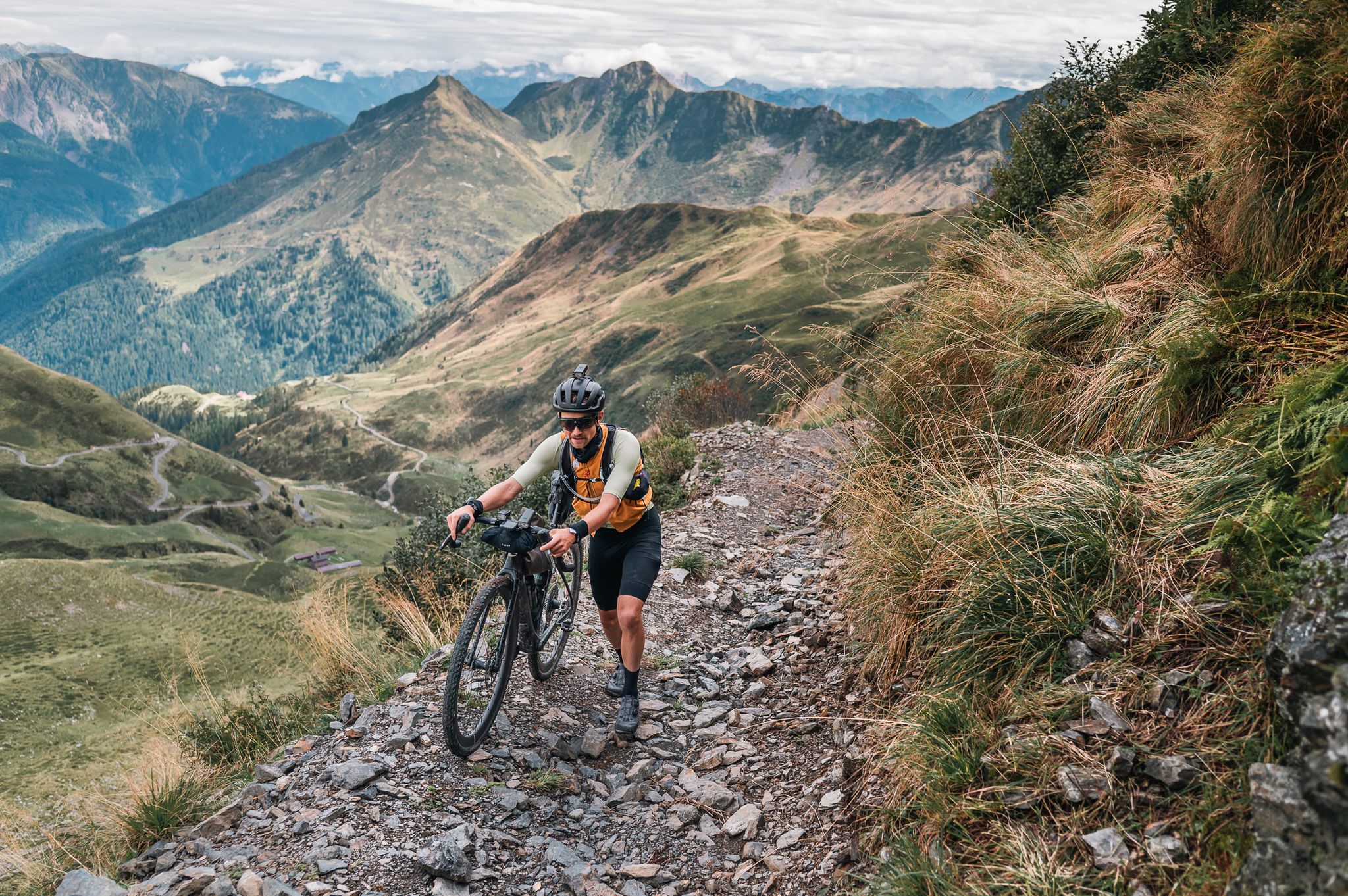
Sneak Peaks ADVENTURE 🥇
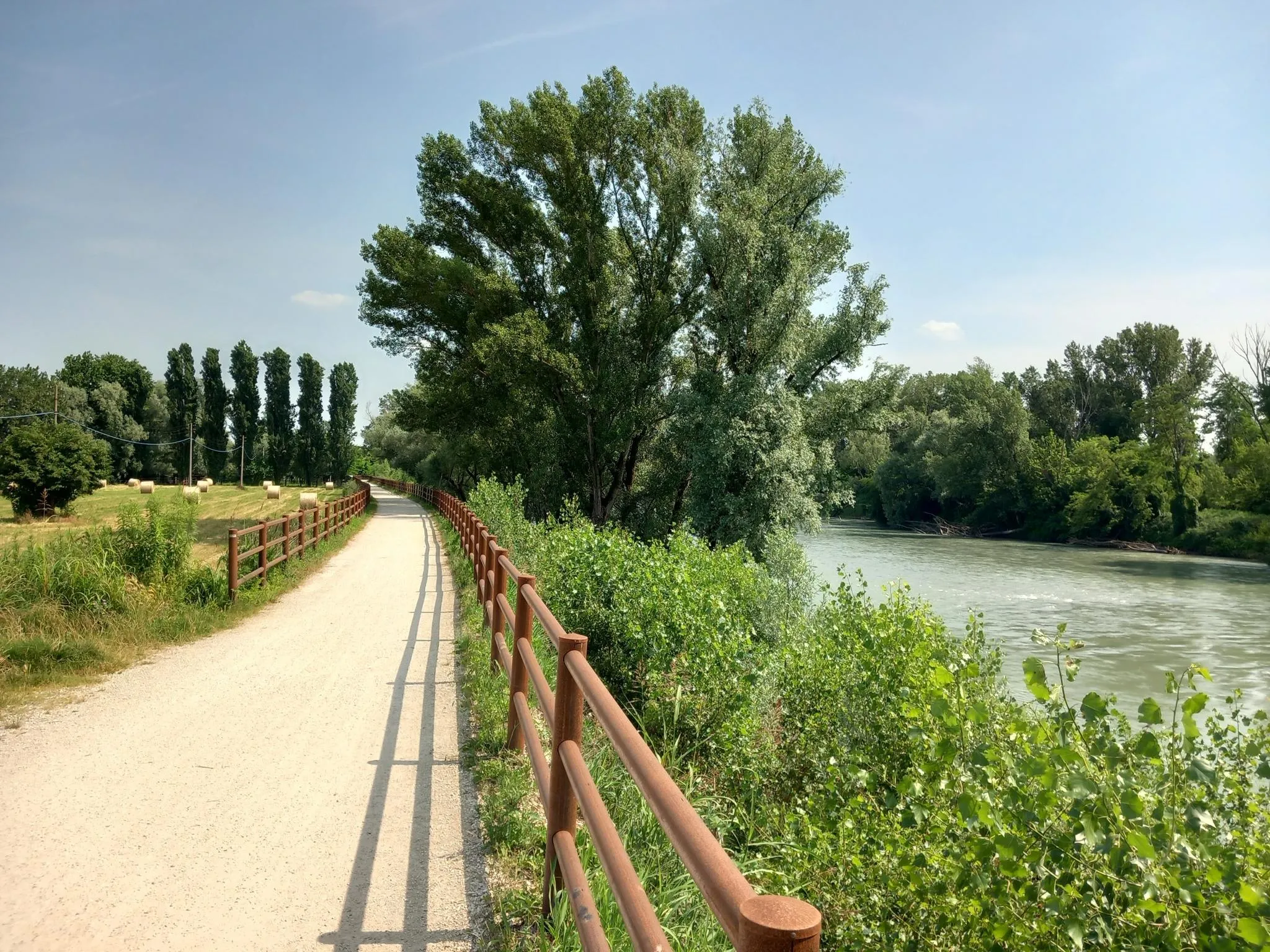
Via Postumia – Hike between the Tyrrhenian and Adriatic seas
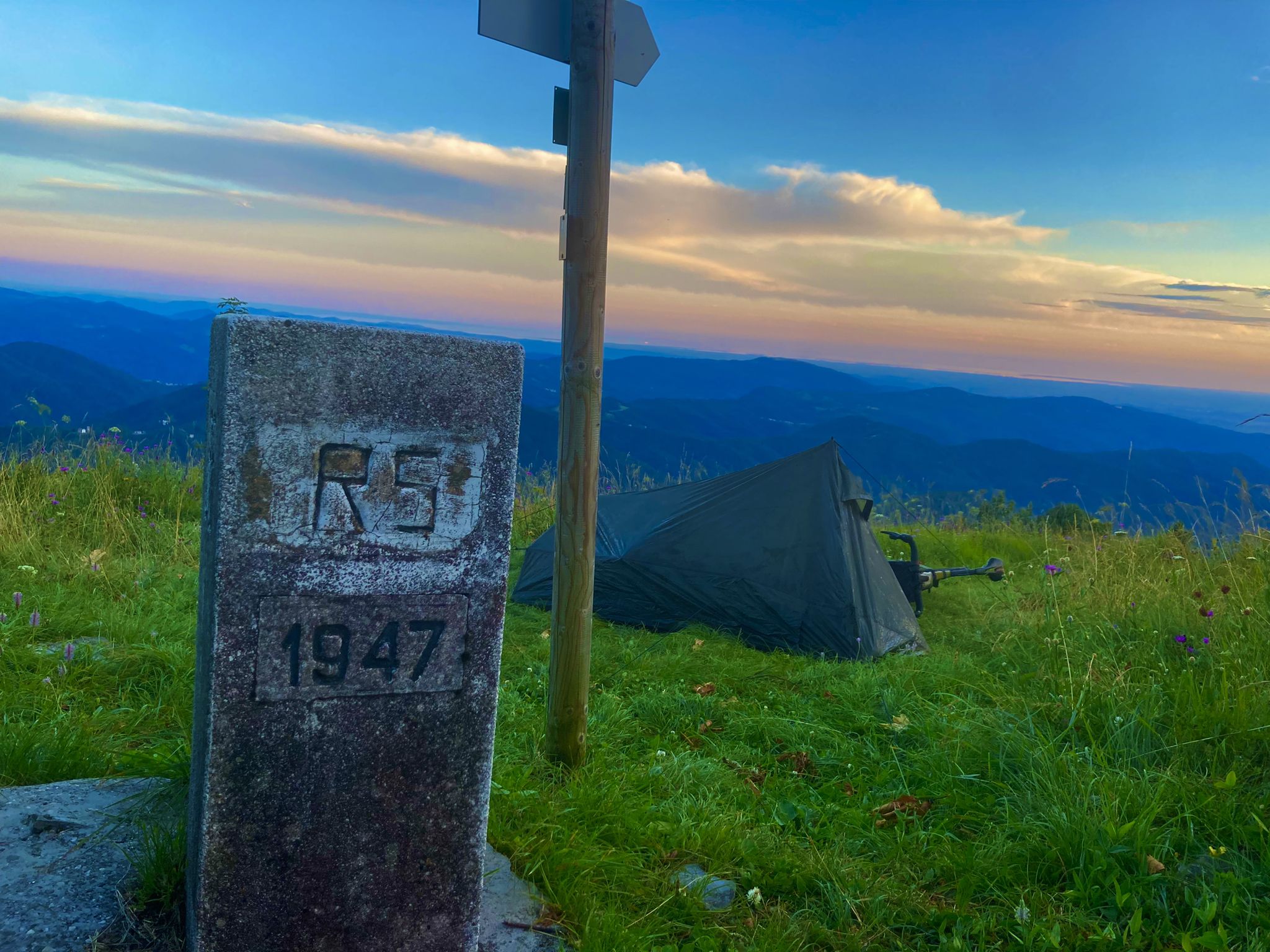
From Bavaria to the Adriatic - My Bikepacking Adventure to Croatia 2023
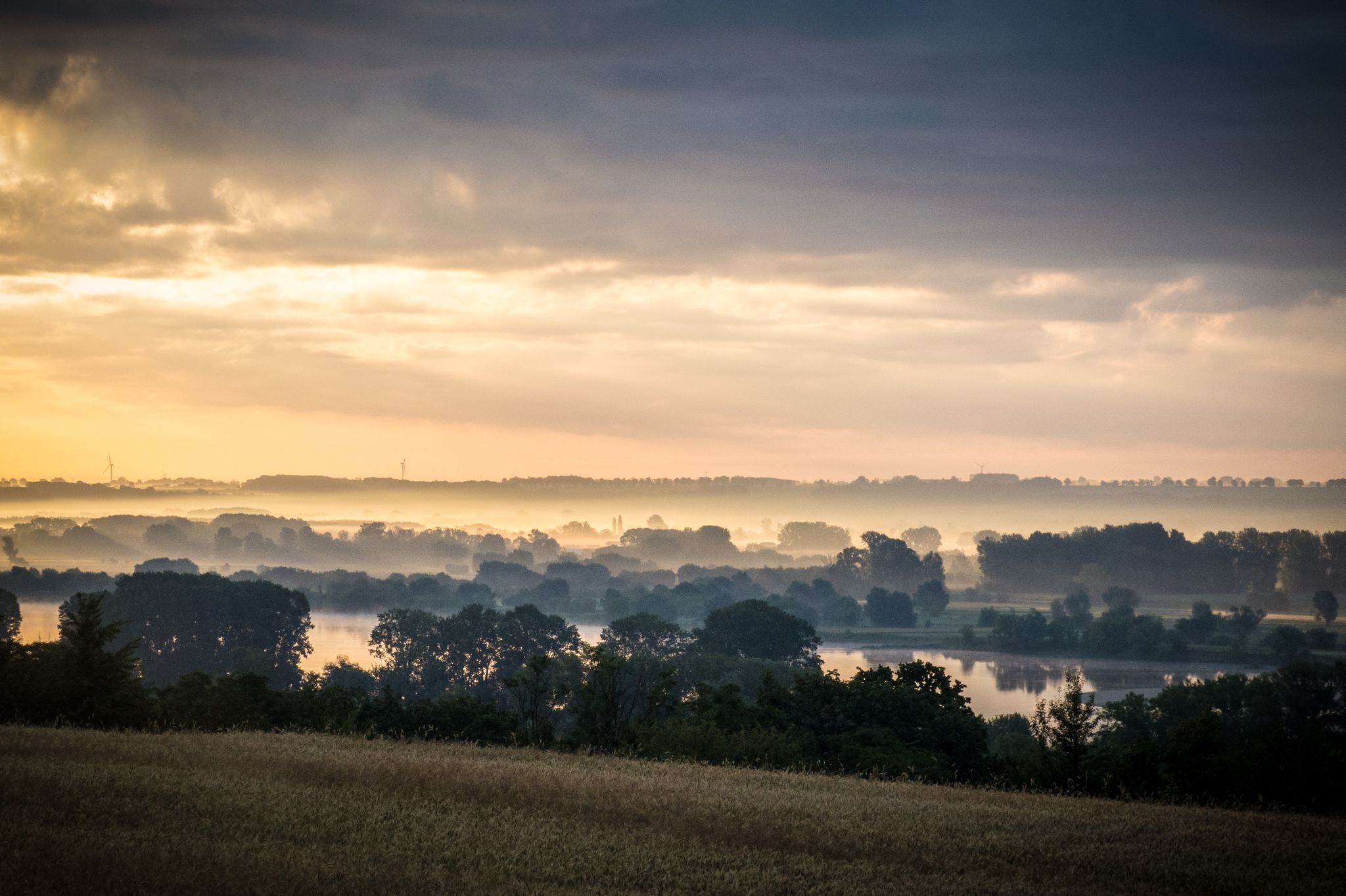
EuroVelo 9 – The Amber Route from the Baltic to Adriatic Sea
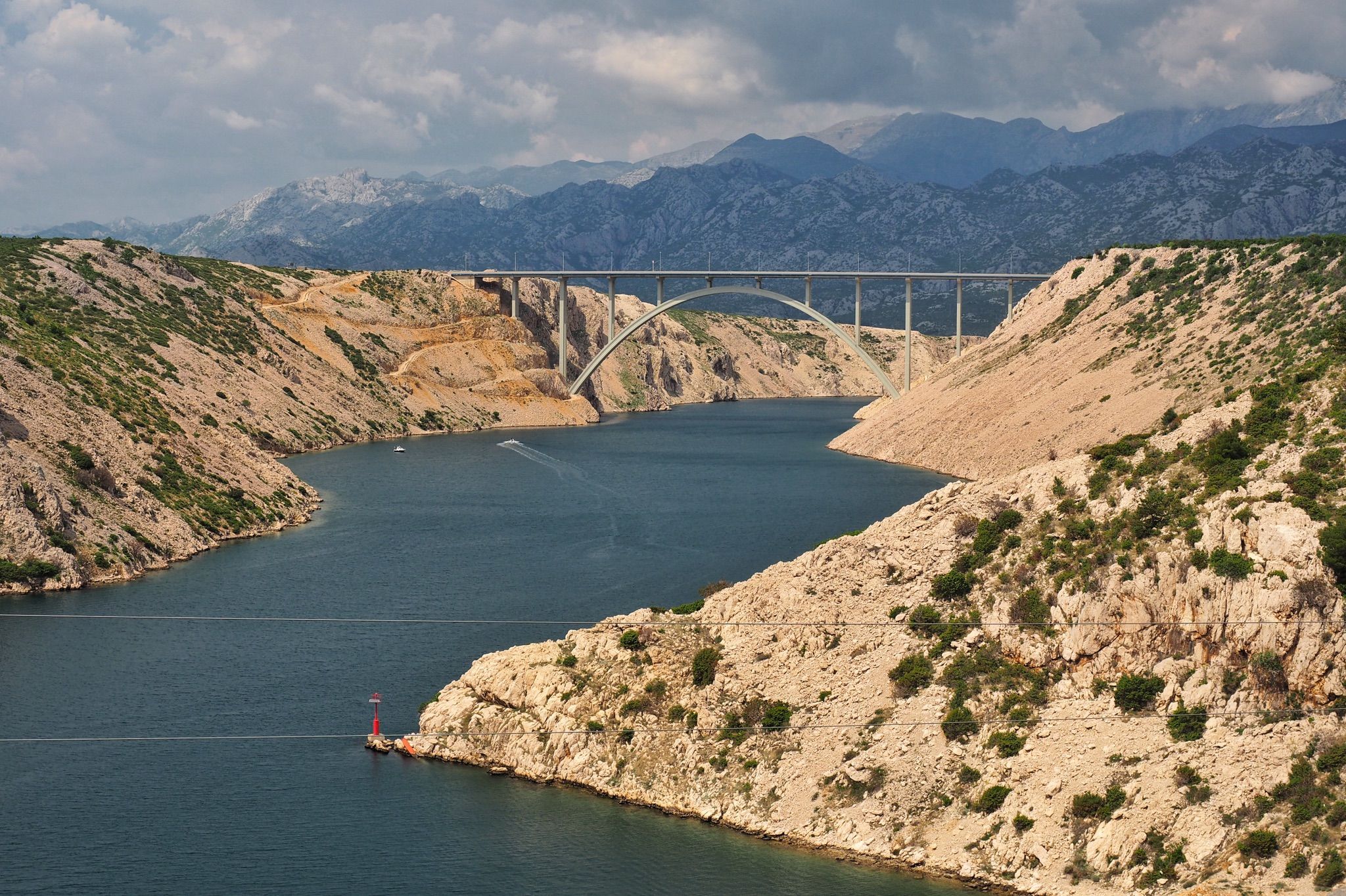
The Dinaric Alps – explore the Adriatic Sea in a different way
Southern Alpine Trail – Styrian vineyards and the Carnic Alps in Austria
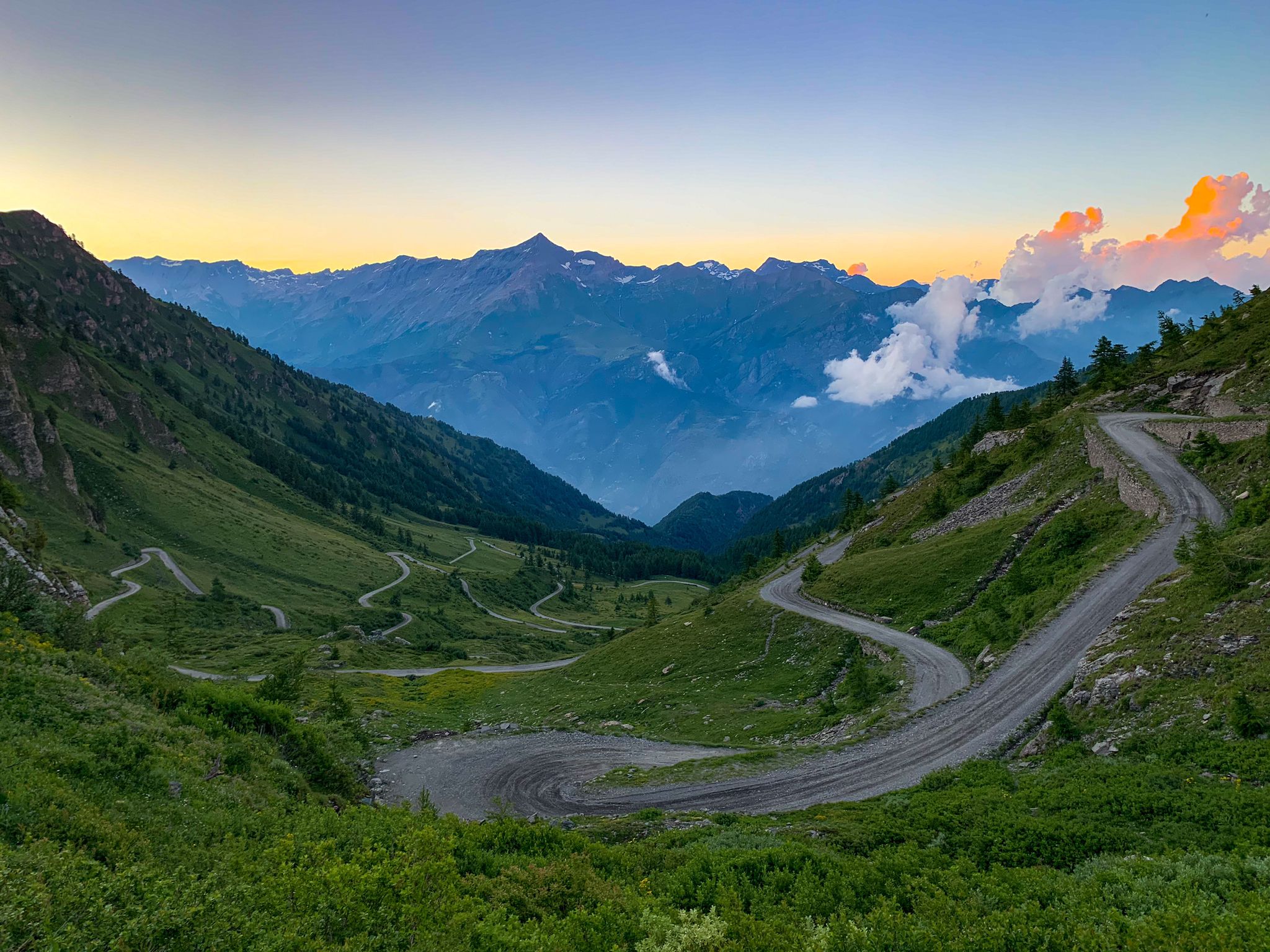
Chasing the sun across the Alps — unsupported solo
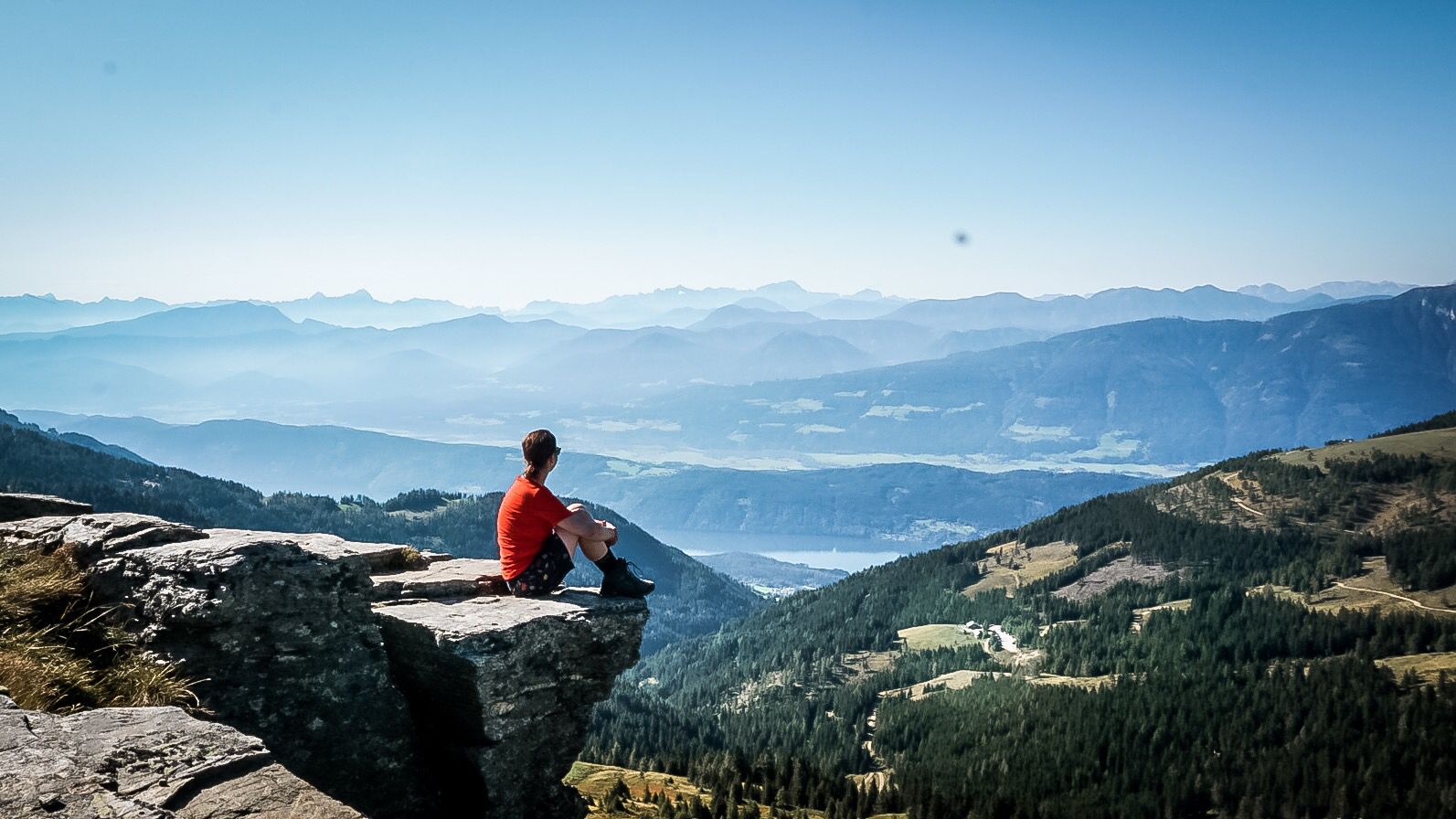
Alpe-Adria-Trail: My long-distance hike from the glacier to the sea
Alpe Adria – MTB Transalp through Slovenia to the Mediterranean Sea
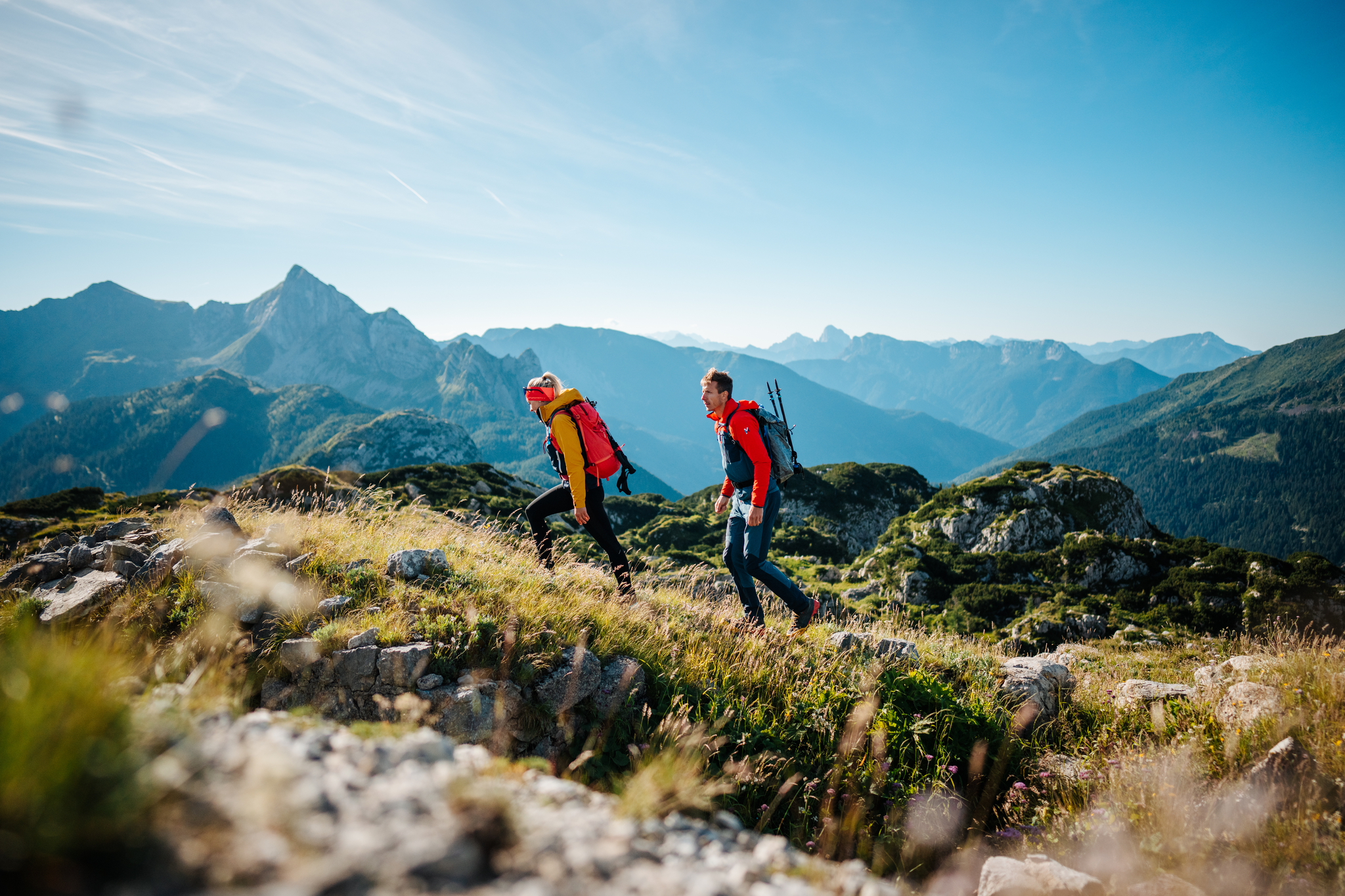
The Milky Way on the Carnic High Route – hiking the alpine cheese dairies
Other adventures in Friuli Venezia Giulia


Tips from the Community

Located behind Trieste, Val Rosandra is a unique nature reserve where the homonymous stream has carved the only deeply incised valley of the Trieste Karst. The landscape is dominated by rugged limestone cliffs, white scree slopes, and vegetation that blends Mediterranean and continental species. Famous for its 36-meter-high waterfall, the valley is a sanctuary of biodiversity and history: it hosts the remains of a 1st-century AD Roman aqueduct and the ancient church of Santa Maria in Siaris. A prime location for Trieste's mountaineering, its cliffs were the school of Emilio Comici. Between arduous trails and views of the Gulf, Val Rosandra represents a concentration of wild nature and millennia-old testimonies, suspended between the Karst plateau and the Adriatic Sea.
0
0


Hello! And welcome to the Julian Prealps Natural Park. To enjoy your experience to the fullest and with respect, we invite you to follow a few simple rules—they're our way of saying "thank you" to this extraordinary environment: - Bring home memories, not flowers: take all the photos you want, but leave plants, fossils, and any natural artifacts intact. - Dogs are welcome, but always on a leash: this way you protect the wildlife and themselves. - No wild camping: nature rests here at night, just like you! - Silence, the mountains speak: no loud music, shouting, or bright lights—let the sounds of the forest be your soundtrack. - Stay on the trail: walking off-trail damages delicate habitats. - Hunting is prohibited: animals live peacefully here, as they should everywhere. - Watch out for ticks: ticks are present throughout the Friuli Venezia Giulia region, so it's important to learn about prevention and protection techniques! Don't throw away your trash: everything you bring with you (snacks, bottles, tissues, etc.), take it home. The mountain is not a trash can. Nature thanks you! And if you need information, write to us at info@parcoprealpigiulie.it
0
0


The Gorgazzo springs have the characteristic of collecting rainwater which, infiltrating the karst structure of the Cansiglio plateau, emerges at the base of the mountain with an already considerable flow rate.
0
0

A pleasant journey back in time: "Mostra Miniera del Resartico" (Resiutta Mining Exhibition). In 1844, Carinthian entrepreneurs began producing beer in Resiutta, which was then part of the Habsburg Monarchy, using the excellent water of the Resia River. A tunnel was dug for this purpose, which served as a storage and cooling room for the beer. By 1900, the resources of the icehouse were no longer used, and the icehouse remained empty. In recent years, the tunnel was rediscovered. Restoration and research work now allow visitors to retrace the course of history and visit this special place. The tunnel itself features information panels that illustrate the history of this place and beer brewing in Resiutta.
0
0
A pleasant journey back in time: "Mostra Miniera del Resartico" (Resiutta Mining Exhibition). In 1844, Carinthian entrepreneurs began producing beer in Resiutta, which was then part of the Habsburg Monarchy, using the excellent water of the Resia River. A tunnel was dug for this purpose, which served as a storage and cooling room for the beer. By 1900, the resources of the icehouse were no longer used, and the icehouse remained empty. In recent years, the tunnel was rediscovered. Restoration and research work now allow visitors to retrace the course of history and visit this special place. The tunnel itself features information panels that illustrate the history of this place and beer brewing in Resiutta.
0
0
A pleasant journey back in time: "Mostra Miniera del Resartico" (Resia Mining Exhibition). In 1844, Carinthian entrepreneurs began producing beer in Resiutta, which was then part of the Habsburg Monarchy, using the excellent water of the Resia River. A tunnel was dug for this purpose, which served as a storage and cooling room for the beer. By 1900, the resources of the icehouse were no longer used, and the icehouse remained empty. In recent years, the tunnel was rediscovered. Restoration and research work now allow visitors to retrace the course of history and visit this special place. The tunnel itself features information panels that illustrate the history of this place and beer brewing in Resiutta. Source: https://discoveralpigiulie.eu/de/natura/parco/galleria-ghiacciaia-di-riesutta/#null
0
0
Frequently Asked Questions
What are some of the most impressive caves to visit in Friuli Venezia Giulia?
Friuli Venezia Giulia offers several remarkable caves. The Grotta Gigante near Trieste is one of the largest accessible caves in the world, known for its immense main chamber and geological formations. The Grotte di Pradis in Clauzetto feature fascinating karst structures and archaeological significance. Another unique option is the Grotta Nuova di Villanova, notable for its 'contact' cave formation and extensive underground stream system.
Are there any family-friendly caves in the region?
Yes, several caves and related natural sites are suitable for families. The Grotte di Pradis are considered family-friendly, offering an engaging underground exploration. The Fontanone di Goriuda, while a waterfall, also has cave elements and is easily accessible for a family outing. The Resiutta Ice Cellar Tunnel is another family-friendly historical site with cave features.
What kind of geological formations can I expect to see in Friuli Venezia Giulia's caves?
The caves in Friuli Venezia Giulia are primarily karst formations, meaning you'll encounter a rich variety of speleothems. These include impressive stalactites, stalagmites, columns, and calcite flows. The Grotta Nuova di Villanova, for example, boasts beautiful stalactites, stalagmites, and eccentric formations, while the Grotta Gigante is famous for its towering structures within its colossal main chamber.
Are there any caves with historical or archaeological significance?
Absolutely. The Grotte di Pradis are renowned archaeological sites, with evidence of prehistoric human habitation and cave bear remains. The Bus de la Lum Sinkhole also holds significant historical context, having been used as a burial site during WWII. Additionally, the Grotta Priamo is recognized as both a natural monument and a historical site.
What is the accessibility like for the Grotta Gigante?
The Grotta Gigante is designed for visitors, featuring a well-lit path with approximately 500 steps. Guided tours are available to provide information about its formation and history. While accessible to many, the steps might be challenging for those with mobility issues.
What is the best time of year to visit the caves in Friuli Venezia Giulia?
Many caves, like the Grotta Gigante, maintain a constant cool temperature of around 11°C (52°F) year-round. This makes them a refreshing escape during hot summer months and a unique destination during cooler seasons. Always check specific cave opening hours, as some may have seasonal variations.
What outdoor activities can I do near the caves in Friuli Venezia Giulia?
The region surrounding the caves offers diverse outdoor activities. You can find numerous running trails, mountain biking routes, and cycling paths. For example, you can explore running trails like the Monte Zaiavor loop in the Prealpi Giulie Natural Park, or tackle MTB trails such as the Val Alba loop. For road cycling, consider routes like the Alpe Adria Cycle Route.
Are there any caves that are currently closed or have limited access?
Yes, for example, Grotta Nera is currently closed indefinitely due to major damage. While the cave itself is inaccessible, the surrounding forest botanical garden is still worth visiting. Always check the latest information before planning your trip to any specific cave.
What makes the Grotta Nuova di Villanova unique?
The Grotta Nuova di Villanova is unique because it's a 'contact' cavity, formed between two different rock types (flysch and calcareous conglomerate). This geological characteristic creates distinctive trapezoidal galleries. It also features an extensive underground stream system, with over 9 kilometers of tunnels, a significant portion of which is illuminated and explorable.
What should I wear when visiting the caves?
Given that caves like the Grotta Gigante maintain a constant cool temperature of around 11°C (52°F), even in summer, it's advisable to wear layers and bring a light jacket or sweater. Comfortable, non-slip walking shoes are also recommended due to potentially damp or uneven surfaces.
Are there any natural parks or valleys in Friuli Venezia Giulia known for their caves?
Yes, the Rosandra Valley is a wonderful natural park known for its wild landscape, cliffs, and a large number of caves. It's a popular destination for caving exploration and studying karst phenomena, offering panoramic views and a dramatic gorge carved by a stream.
Most popular routes in Friuli Venezia Giulia
Most popular attractions in Friuli Venezia Giulia

Get inspired with the komoot mobile app


Didn’t find what you were looking for?
Discover more caves in Friuli Venezia Giulia region by region:
Explore more
Extend your search for the best caves by checking out these guides of the top ones in Friuli Venezia Giulia:
