Top 20 Caves in the Dinaric Alps Mountains
Best caves in the Dinaric Alps Mountains are found within a rugged mountain range known for its extensive karst topography. This geological feature has created a wealth of subterranean wonders across the western Balkan Peninsula. The region's landscape is characterized by Mesozoic limestone and dolomite, which groundwater has eroded over millennia to form vast underground labyrinths. These caves offer diverse experiences, from unique natural formations to significant biodiversity.
Best caves in the Dinaric Alps Mountains
- The most popular caves is Zelške Caves, a cave system through which the Rak River flows. This 3 km long cave system is mainly fed from Lake Cerkniško jezero.
- Another must-see spot is Predjama Castle, a castle built into a rock face that incorporates a cave system. Visitors can tour the castle, which features restored living quarters and dungeons.
- Visitors also love Little Natural Bridge (Mali naravni most), Rakov Škocjan, a natural monument formed by the erosion of water through old karst caves. This area features passage caves and natural bridges rising above the Rak River.
- The Dinaric Alps Mountains is known for its show caves, water-bearing caves, and cave systems integrated with historical sites. Visitors can explore a variety of subterranean environments, from large accessible caverns to geological formations.
- The caves in the Dinaric Alps Mountains are appreciated by the komoot community, with more than 315 upvotes and 149 photos shared by users.
Last updated: May 3, 2026
Šupljara Cave
Highlight • Cave
Translated by Google •
Tip by

Škocjan Caves Entrance
Highlight • Cave
Translated by Google •
Tip by

Sign up now to discover places like this
Get recommendations on the best single tracks, peaks, & plenty of other exciting outdoor places.
Sign up for free
Great Skocjan Valley Park
Highlight • Gorge
Translated by Google •
Tip by

Zelške Caves
Highlight • Cave
The entrance to the water caves from which the Rak River springs is under the small natural bridge in the Rakov Škocjan Karst Reserve. The water that seeps into the western part of Lake Cerkniško jezero continues its path right through this 3 km long cave system. The cave used to be even longer, but after the cave ceiling collapsed, the Rakov Škocjan gorge was formed and only the small and large natural bridges remain from the former ceiling.
Definitely worth seeing!
Translated by Google •
Tip by

Little Natural Bridge (Mali naravni most), Rakov Škocjan
Highlight • Natural Monument
Rakov Škocjan is a picturesque karst canyon that was formed when the cave ceiling collapsed. This is proven by the mighty natural bridges that rise 40 m above the river Rak. On a walk from the small to the large natural bridge, in the shade of hundred-year-old trees, you will witness geological processes that have been taking place for millions of years. The fact that the Rakov Škocjan area was declared the first Slovenian landscape park in 1949 proves that this 2.5 km long gorge is indeed something special.
You can discover 2 natural bridges, passage caves (temporarily water-bearing) and an incredibly beautiful nature. The route is very interesting and varied. Sturdy shoes are recommended.
notranjska.com/en/sights/natural-sights/karst-reserve-rakov-skocjan
There are no parking fees and no entrance fee.
Translated by Google •
Tip by
Postojna Cave
Highlight • Cave
Recommended. Book in bundle with the cave castle Predjama. Also megatoll and about 7 km away.
Translated by Google •
Tip by
Sabotin Peace Park Bunkers and Caves
Highlight • Historical Site
More info: sabotin-parkmiru.si/?option=com_content&view=article&layout=edit&id=5
The view in front of the hut takes us from the Dolomites, Carniola and Julian Alps to Goriška Brda and the Italian plain all the way to the Adriatic Sea.
Translated by Google •
Tip by

Predjama Castle
Highlight • Castle
Translated by Google •
Tip by

Rosandra Valley
Highlight • Gorge
Translated by Google •
Tip by

Manita Peć Cave
Highlight • Cave
Translated by Google •
Tip by

Sign up for free to discover even more caves in the Dinaric Alps Mountains.
Sign up for free
Already have an account?
Start today with a free account
Your next adventure awaits.
Login or Signup
Popular around Dinaric Alps Mountains

Triathlon 360 – my journey around the world
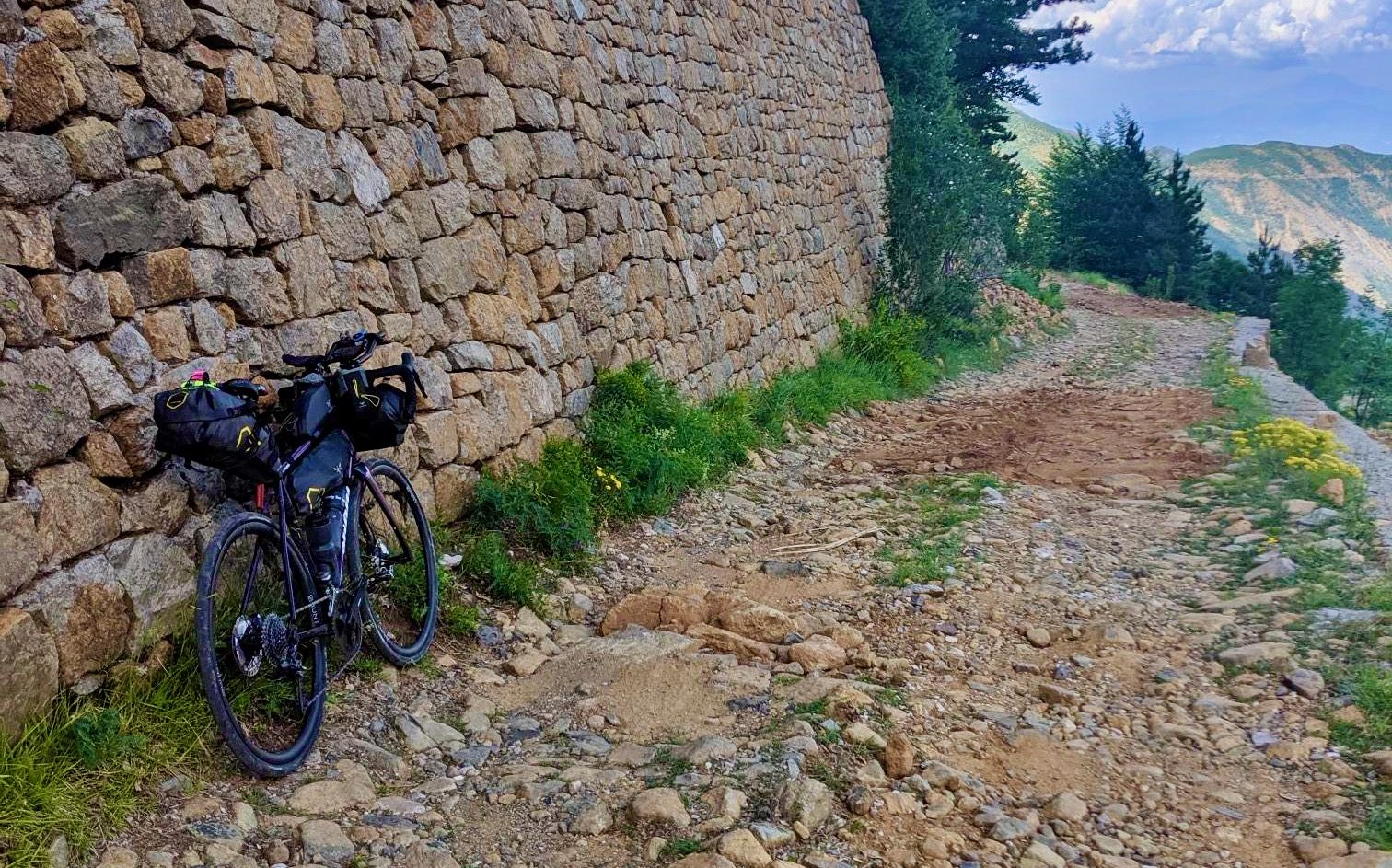
Traversing the Dinaric Alps — bikepacking from the mountains to the sea
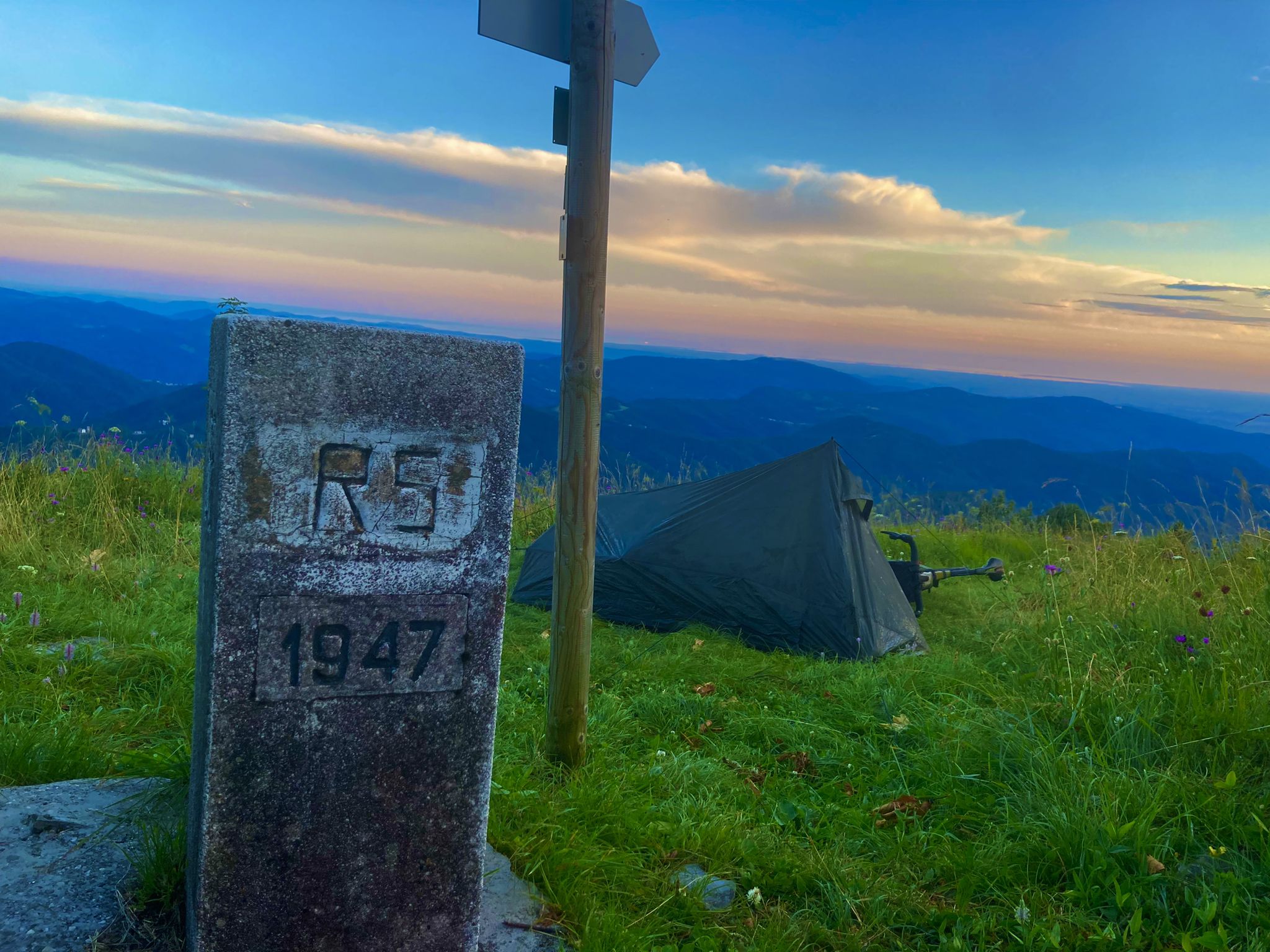
From Bavaria to the Adriatic - My Bikepacking Adventure to Croatia 2023
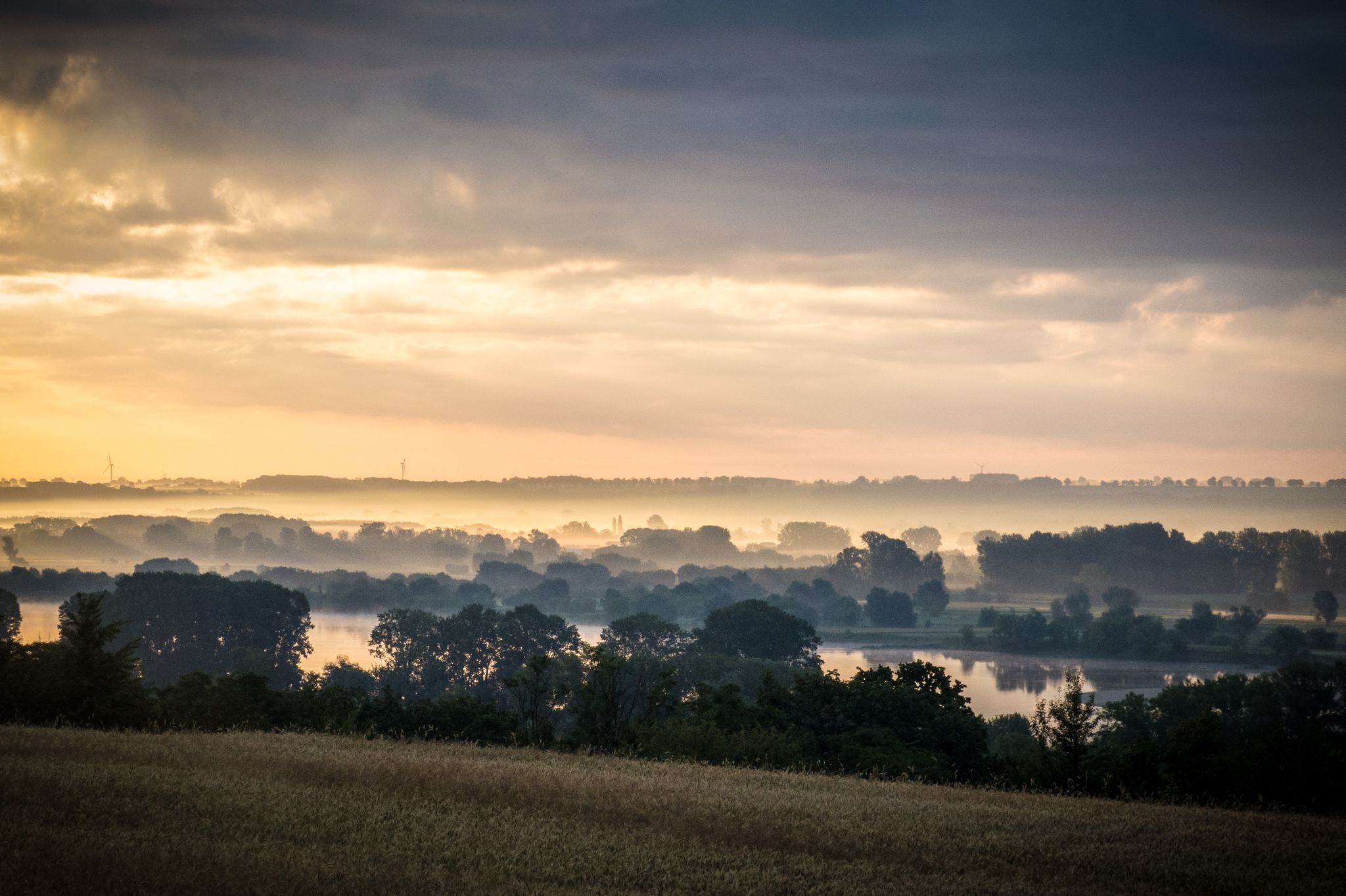
EuroVelo 9 – The Amber Route from the Baltic to Adriatic Sea
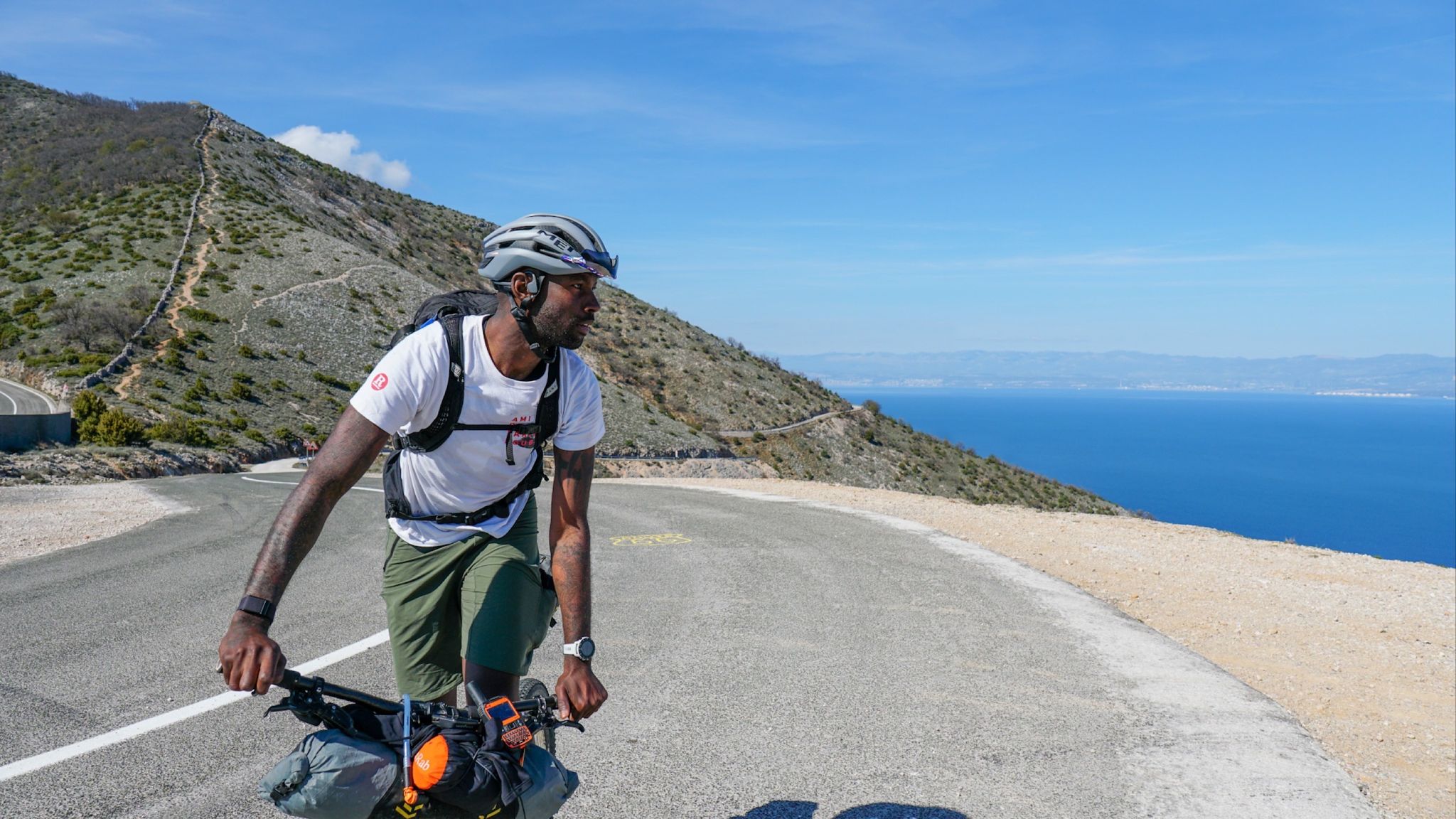
Slovenian mountains to island hopping around the Adriatic Crest
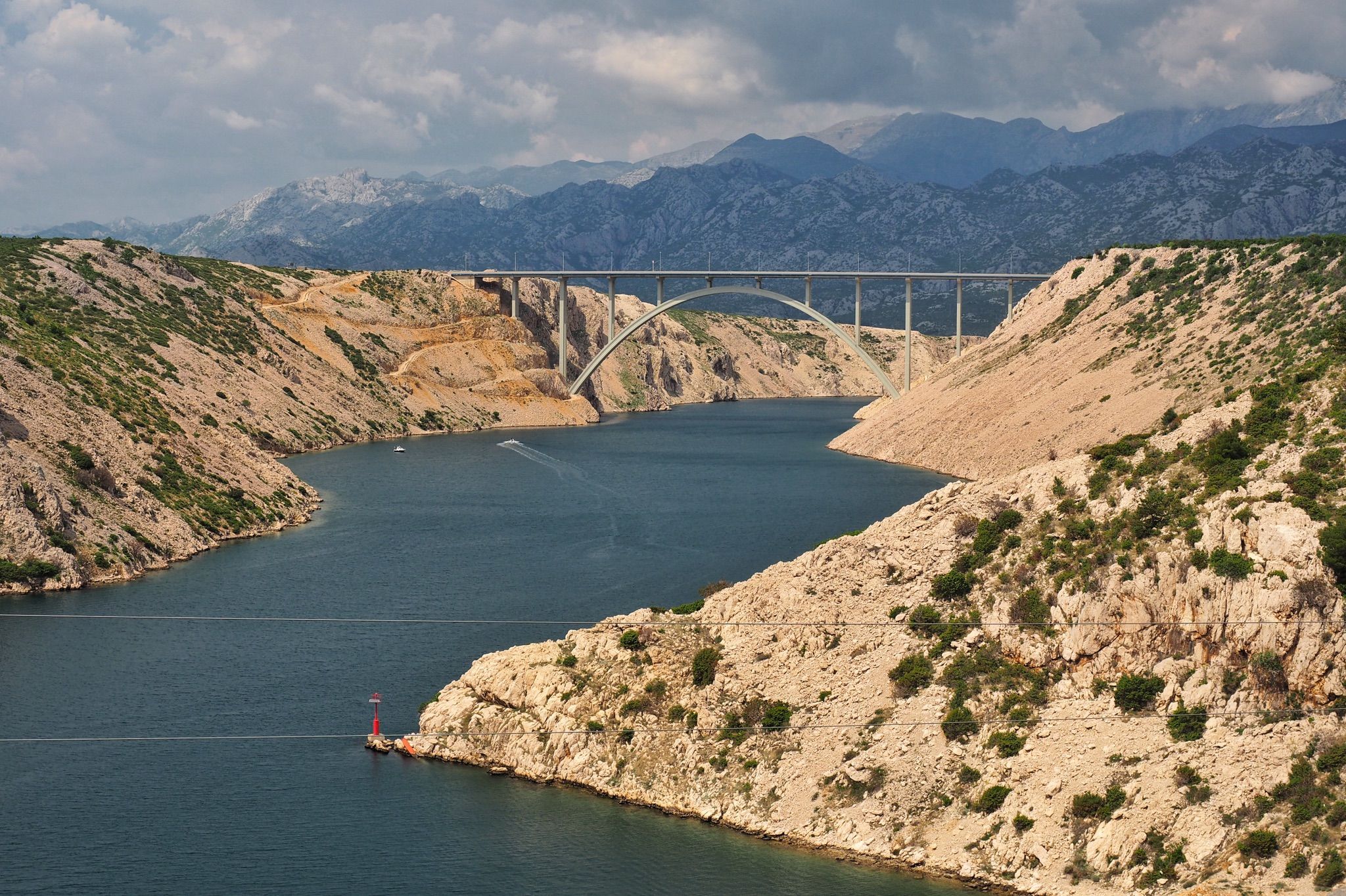
The Dinaric Alps – explore the Adriatic Sea in a different way
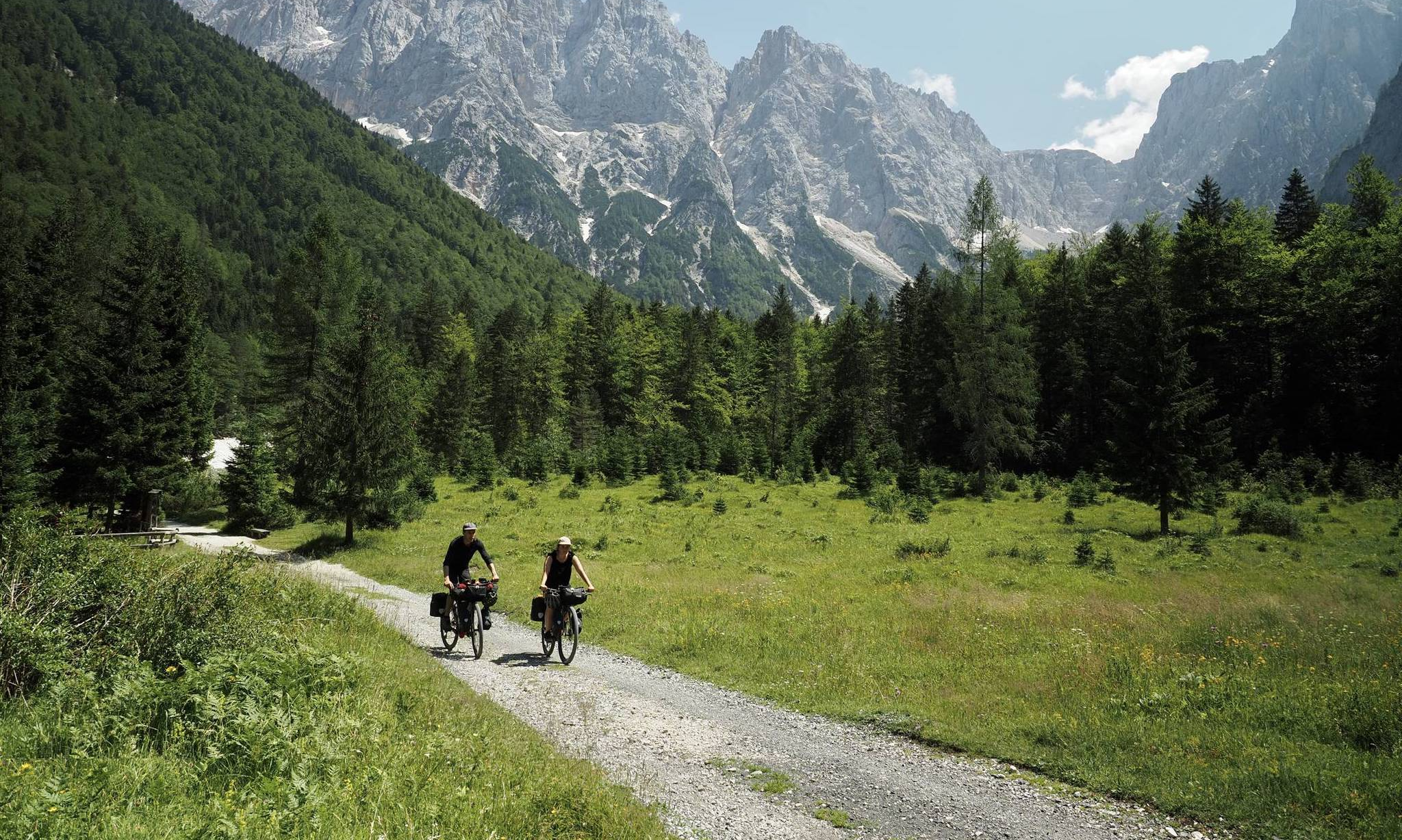
Slovenia West Loop (Soča Variation) – Bikepacking
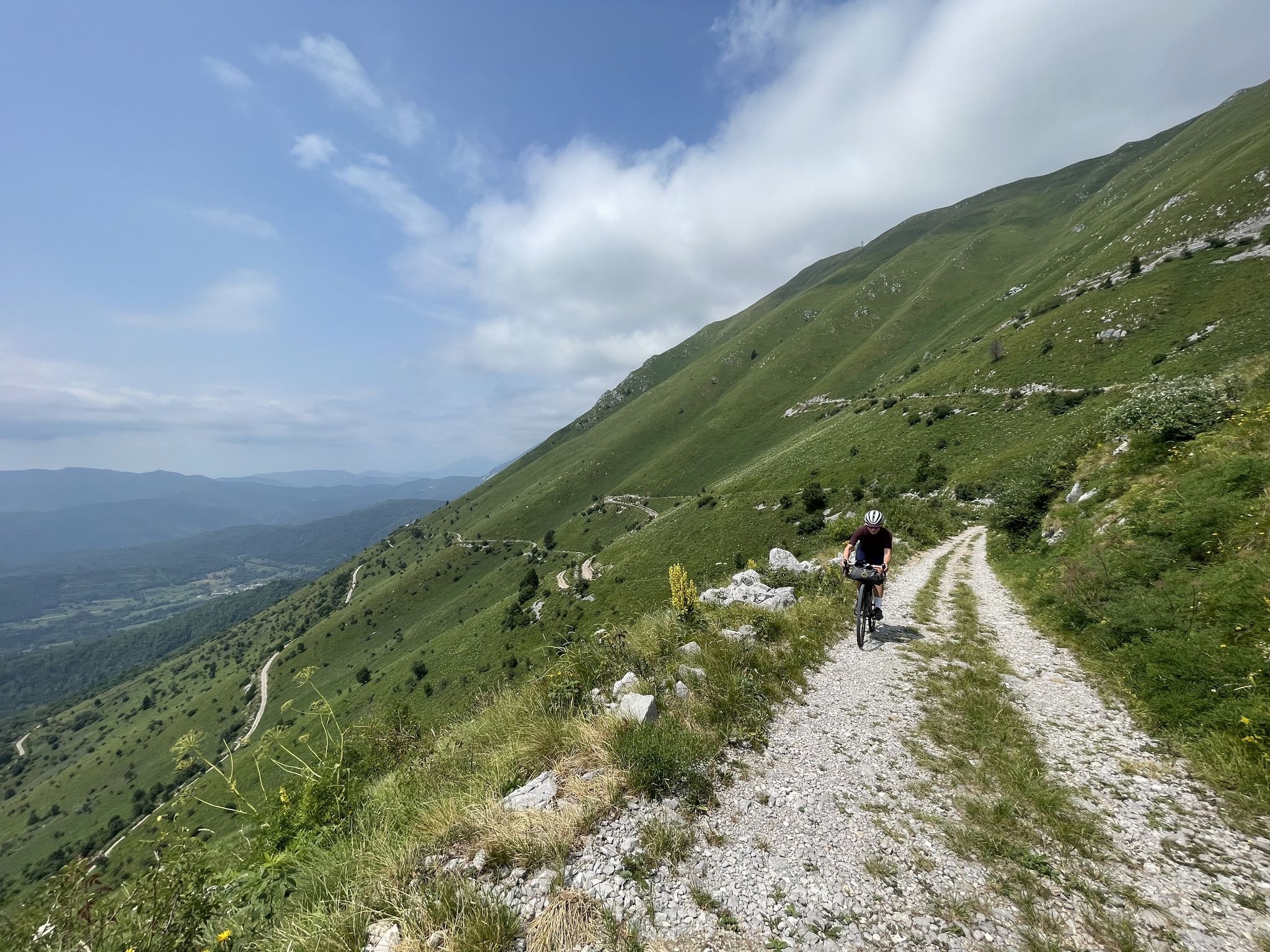
The West Loop — Bikepacking Slovenia in five days
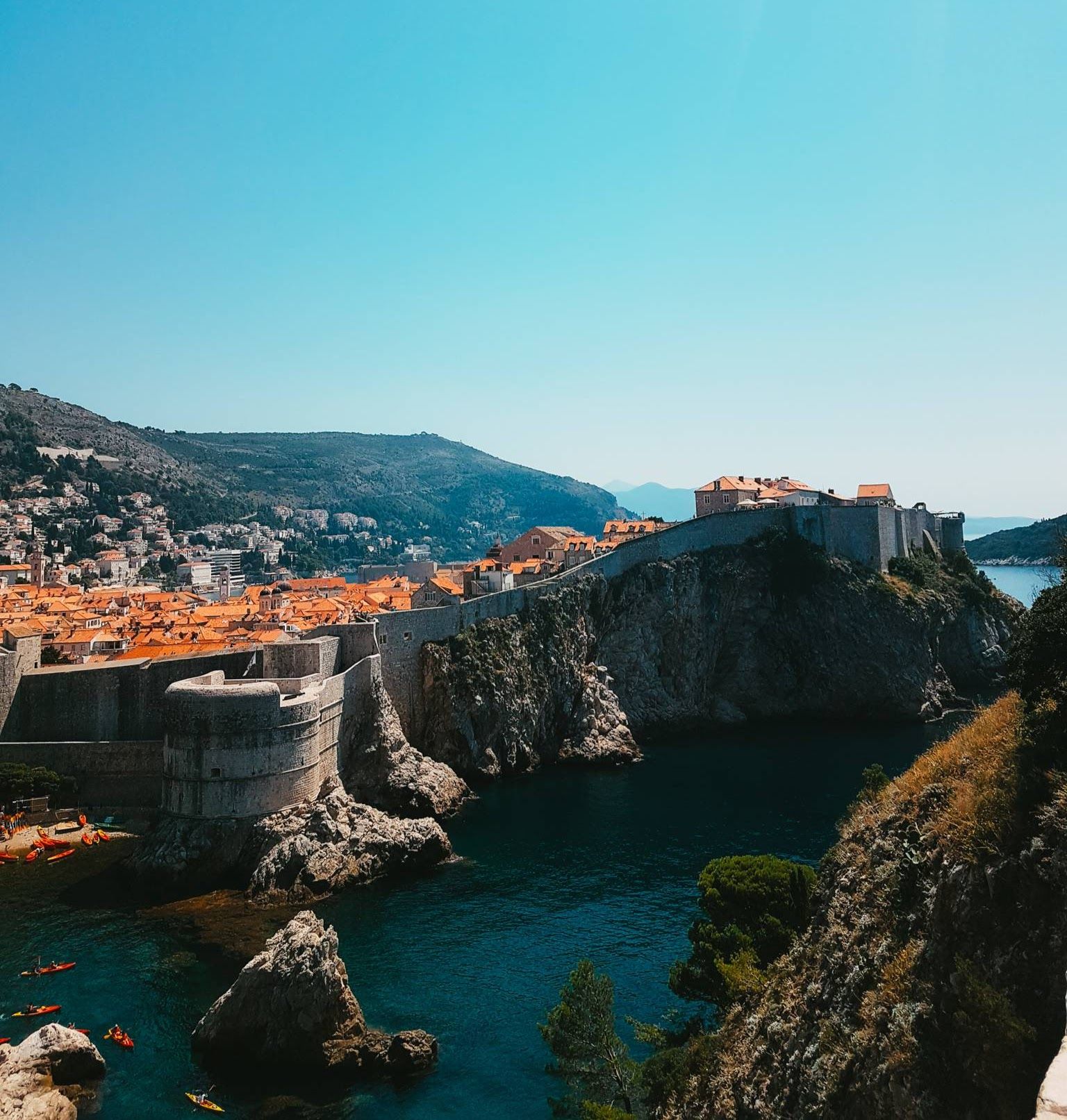
The Ciro Trail — Along the railtrail from Mostar to Dubrovnik
Alpe-Adria-Trail: My long-distance hike from the glacier to the sea
Other adventures in the Dinaric Alps Mountains


Tips from the Community

Located behind Trieste, Val Rosandra is a unique nature reserve where the homonymous stream has carved the only deeply incised valley of the Trieste Karst. The landscape is dominated by rugged limestone cliffs, white scree slopes, and vegetation that blends Mediterranean and continental species. Famous for its 36-meter-high waterfall, the valley is a sanctuary of biodiversity and history: it hosts the remains of a 1st-century AD Roman aqueduct and the ancient church of Santa Maria in Siaris. A prime location for Trieste's mountaineering, its cliffs were the school of Emilio Comici. Between arduous trails and views of the Gulf, Val Rosandra represents a concentration of wild nature and millennia-old testimonies, suspended between the Karst plateau and the Adriatic Sea.
0
0

A great cave. The entrance fee is €5, but there's only a limited viewing window, from 10:00 AM to 1:00 PM on opening days. You should inquire at the national park entrance before climbing.
9
0

A historic peak (World War I) accessible from two sides via paved and gravel roads and forest trails. Presumably a "must-see" for historians. On Monte Sabatino is a cross-border open-air museum of Italy and Slovenia. The starting point is a former barracks, which now serves as an information center and restaurant. Due to its strategic position, the mountain was one of the key battlegrounds during the Battles of the Isonzo in World War I. The museum offers a tour of the second Austro-Hungarian defensive line, which was breached by the Italian Second Army on August 6, 1916, during the Sixth Battle of the Isonzo. Visitors can also see bunkers, fortifications, trenches, a complex tunnel system, caves, and relics of wartime equipment. Source: https://www.turismofvg.it/de/grandeguerra-gorz-isontinischer-karst-und-collio/parco-della-pace-del-monte-sabotino-park-des-friedens?LangSetCMS=de
1
0
A historic peak (World War I), accessible from two sides via paved and gravel roads and forest paths. A must-see for historians. Monte Sabatino is home to a cross-border open-air museum, Italy/Slovenia. The starting point is a former barracks, which now serves as an information center and restaurant. Due to its position, the mountain was one of the strategic factors during the Battles of the Isonzo in World War I. The museum offers a tour of the second Austro-Hungarian defensive line, which was defeated by the 2nd Italian Army on August 6, 1916, during the 6th Battle of the Isonzo. Also on display are bunkers, emplacements, trenches, a complex tunnel system, caves, and relics of war material.
0
0

At the Kosirica junction, there's a beautiful viewpoint. If you walk around the rocks, you can sit and enjoy the view.
1
0

One of the most popular places for trekking enthusiasts in Trieste. It offers numerous routes to reach the waterfall of over 40 m, the heart of the valley, of different lengths and difficulties, from the "Sentiero dell'Amicizia" to the more complex "Via delle Acque"
0
0

…an impressive natural spectacle and rightly a UNESCO World Heritage Site 👀
3
0
...an impressive cave system worth seeing! 👀
4
0
Frequently Asked Questions
What are some of the most notable caves to visit in the Dinaric Alps Mountains?
The Dinaric Alps are home to many impressive caves. Among the most popular are Zelške Caves, known for the Rak River flowing through its system, and Postojna Cave, one of Europe's largest show caves with an electric train. The Škocjan Caves Entrance leads to a UNESCO World Heritage site featuring an immense underground canyon.
Are there any family-friendly cave experiences in the Dinaric Alps Mountains?
Yes, several caves offer experiences suitable for families. Postojna Cave is particularly family-friendly, with an electric train ride and well-developed paths. Visitors have noted that even those with limited mobility can enjoy parts of the tour. The Barać Caves in Croatia also provide an accessible and educational experience for all ages.
What unique natural features can I expect to see in the Dinaric Alps caves?
The Dinaric Alps caves showcase a variety of unique natural features due to their karst geology. You can find impressive stalactites and stalagmites, underground rivers like the Rak River in Zelške Caves, and even endemic species such as the olm in Postojna Cave. The Škocjan Caves feature massive underground chambers and waterfalls, while the Blue Grotto in Croatia is famous for its ethereal blue light phenomenon.
Are there historical sites integrated with caves in this region?
Absolutely. A prominent example is Predjama Castle, a 13th-century castle built directly into a rock face, incorporating a cave system. Visitors can explore its restored living quarters and dungeons. Additionally, the Sabotin Peace Park Bunkers and Caves offer a glimpse into historical military fortifications within a cave setting.
What kind of geological formations are typical in the Dinaric Alps caves?
The Dinaric Alps are characterized by extensive karst topography, meaning the caves are formed in Mesozoic limestone and dolomite. This results in classic formations like stalactites, stalagmites, columns, and flowstones. You'll also encounter underground rivers, sinkholes (dolines), and natural bridges, such as the Little Natural Bridge (Mali naravni most) in Rakov Škocjan, which are remnants of collapsed cave ceilings.
What do visitors enjoy most about the caves in the Dinaric Alps Mountains?
Visitors frequently praise the sheer scale and beauty of the cave systems. Many are captivated by the unique experiences, such as the electric train ride in Postojna Cave and the mystical atmosphere of places like the Little Natural Bridge. The well-arranged tours, selective lighting, and multilingual audio guides also contribute to a highly recommended experience, offering deep insights into geological processes.
Can I find less crowded cave experiences in the Dinaric Alps?
While major show caves like Postojna can be popular, the Dinaric Alps region has many other caves. For a less crowded experience, consider exploring areas like the Zelške Caves, where guided groups have limited annual visitor numbers due to the cave's sensitivity. The caves within Plitvice Lakes National Park also offer exploration amidst a broader natural landscape, potentially spreading out visitors.
Are there opportunities for more advanced caving expeditions in the Dinaric Alps?
Yes, while many caves offer accessible tours, the Dinaric Alps are a hotspot for speleology, with many deeper and largely unexplored caves. Parts of the Zelške Caves, beyond the accessible sections, are only open to cavers due to cave and water barriers. These require specialized equipment and expertise, catering to those seeking advanced underground adventures.
What outdoor activities can I do near the caves in the Dinaric Alps Mountains?
The Dinaric Alps offer a wide range of outdoor activities. You can find numerous running trails, road cycling routes, and waterfall hikes nearby. For running, explore options like the Nature Reserve Val Rosandra. Road cyclists can enjoy routes from Opicina to Borgo San Mauro. If you prefer hiking, there are many waterfall hikes, such as those near Plitvička Jezera. You can find more details on these activities in the Running Trails, Road Cycling Routes, and Waterfall hikes in the Dinaric Alps Mountains guides.
What is the best time to visit the caves in the Dinaric Alps Mountains?
Many of the major show caves, like Postojna Cave and Škocjan Caves, maintain a constant cool temperature year-round, making them suitable for visiting in any season. However, for caves that involve outdoor exploration or are part of larger natural parks, spring and autumn generally offer the most pleasant weather for combining cave visits with other activities like hiking.
Are there any sea caves in the Dinaric Alps region?
Yes, within the broader Dinaric karst region, you can find sea caves. The most famous is the Blue Grotto (Modra špilja) near Biševo Island in Croatia. It's renowned for a unique natural light phenomenon where sunlight enters through an underwater opening, illuminating the cave with a mesmerizing silver-blue glow around midday.
What should I pack for a cave exploration in the Dinaric Alps?
Even in summer, cave temperatures are consistently cool, so it's advisable to bring a jacket or warm layer. Comfortable, sturdy shoes with good grip are essential, as paths can sometimes be wet or uneven. For some outdoor cave areas, like Rakov Škocjan, paths are unpaved and can be slippery when wet, so sure-footedness is an advantage.
Most popular routes in the Dinaric Alps Mountains
Most popular attractions in the Dinaric Alps Mountains

Get inspired with the komoot mobile app


Explore more
Extend your search for the best caves by checking out these guides of the top ones in the Dinaric Alps Mountains:
