The 20 Most Amazing Peaks in the Dinaric Alps Mountains
Best mountain peaks in the Dinaric Alps Mountains stretch across the Western Balkan Peninsula, characterized by rugged karst topography and diverse natural landscapes. This extensive range features high summits, deep canyons, and significant biodiversity, making it a notable destination for outdoor activities. The Dinaric Alps are known for their geological formations, including sinkholes and caves, alongside areas of dense forests. The region offers a variety of mountain trails for exploration.
Best mountain peaks in the Dinaric Alps Mountains
- The most…
Last updated: May 9, 2026
Vojak Lookout Tower
Highlight • Summit
Tip by

Maglić Peak
Highlight • Summit
Translated by Google •
Tip by

Sign up now to discover places like this
Get recommendations on the best single tracks, peaks, & plenty of other exciting outdoor places.
Sign up for free
Dinara Peak (Sinjal, 1,831 m)
Highlight • Summit
Tip by

Fortica Fortress, Omiš
Highlight • Castle
Translated by Google •
Tip by

Slavnik (Taiano)
Highlight • Summit
Translated by Google •
Tip by

Vojak Summit and Stone Labyrinth, Učka Nature Park
Highlight • Summit
Translated by Google •
Tip by

Njegoš Mausoleum on Mount Lovćen
Highlight • Monument
Translated by Google •
Tip by

National Shrine of Mary, Mother and Queen of Monte Grisa
Highlight • Religious Site
Translated by Google •
Tip by

Saint Ilija Summit
Highlight • Summit
Tip by

Great Risnjak Summit
Highlight • Summit
Tip by

Sign up for free to discover even more peaks in the Dinaric Alps Mountains.
Sign up for free
Already have an account?
Start today with a free account
Your next adventure awaits.
Login or Signup
Popular around Dinaric Alps Mountains

Triathlon 360 – my journey around the world
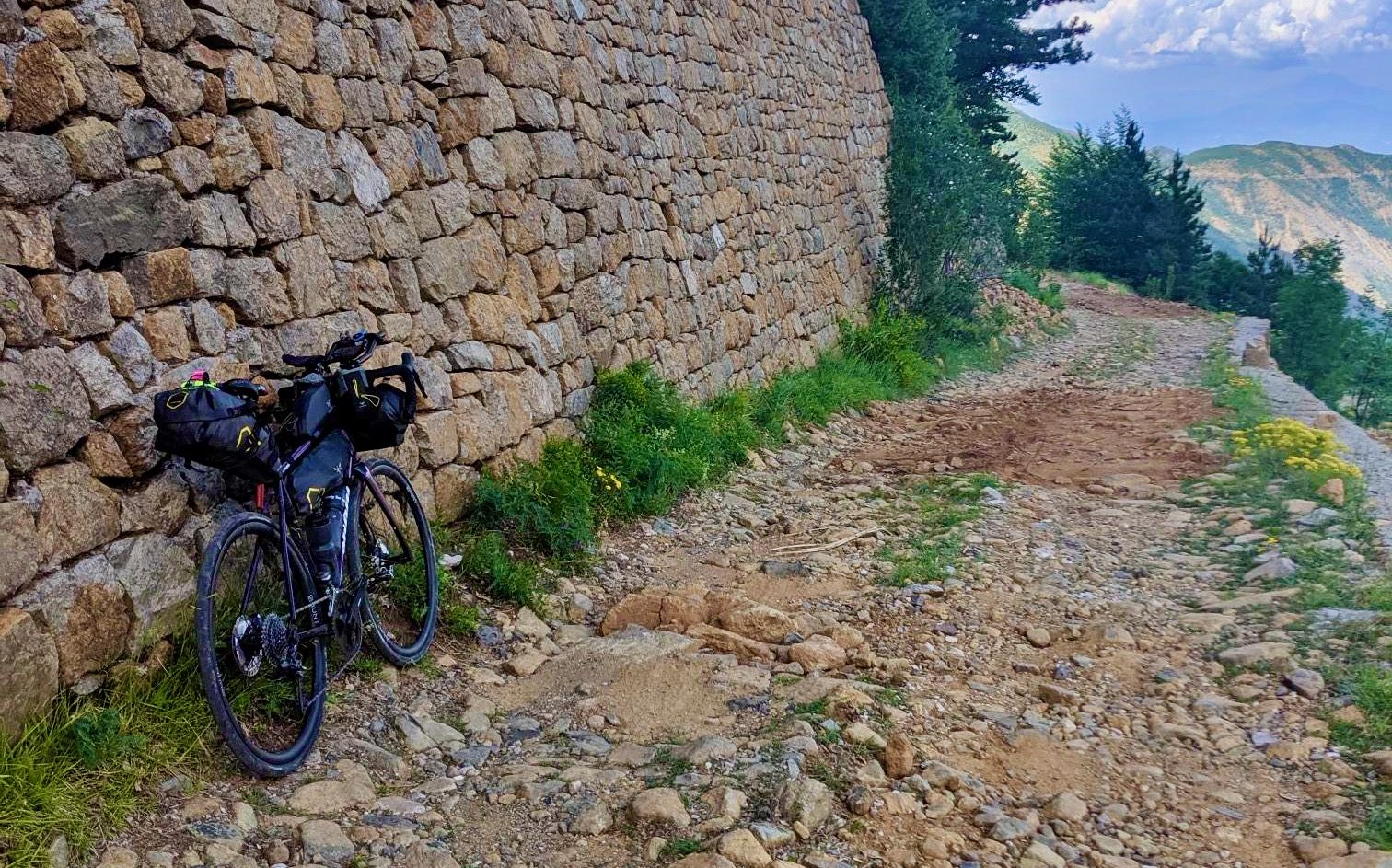
Traversing the Dinaric Alps — bikepacking from the mountains to the sea
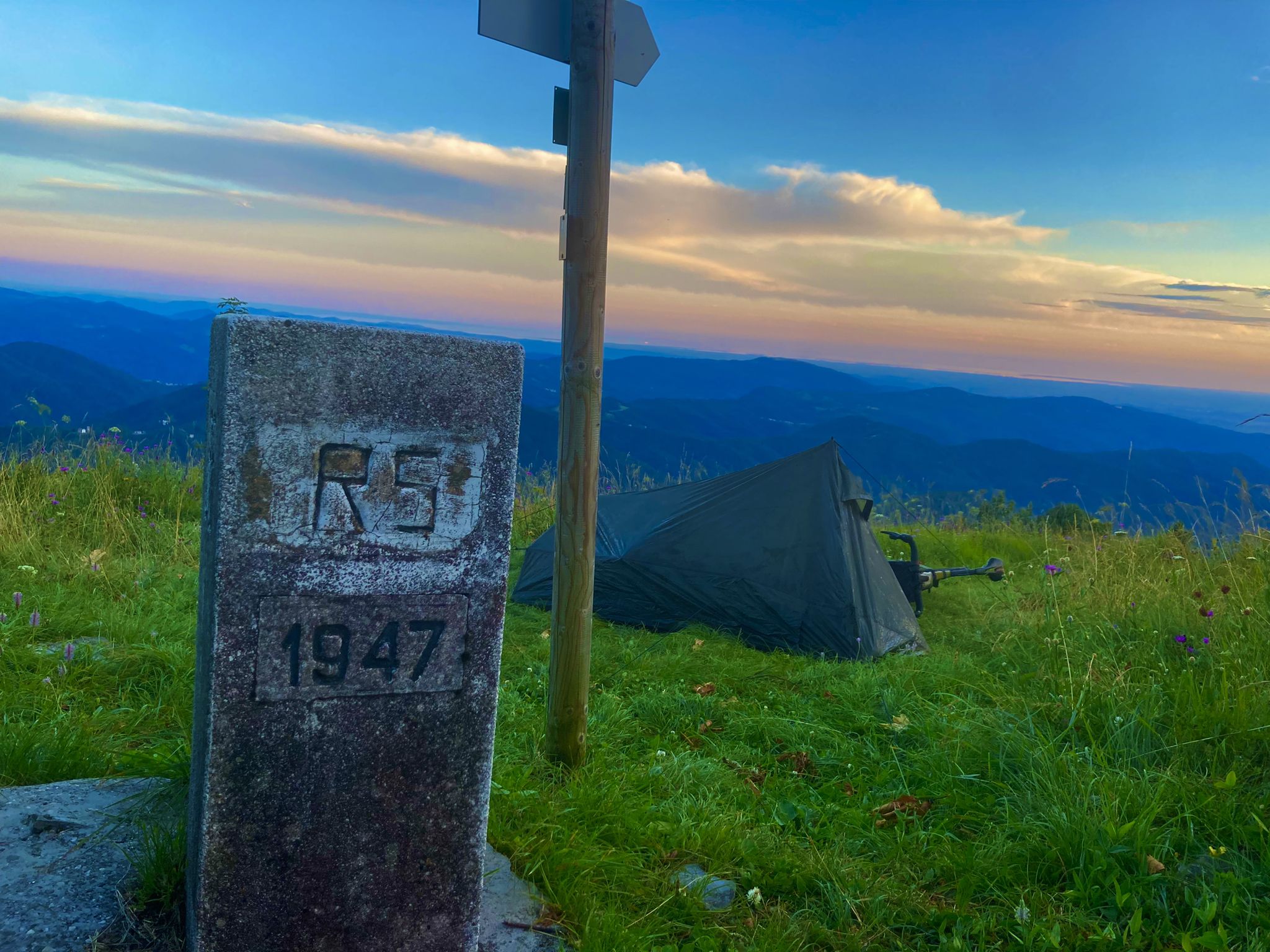
From Bavaria to the Adriatic - My Bikepacking Adventure to Croatia 2023

EuroVelo 9 – The Amber Route from the Baltic to Adriatic Sea
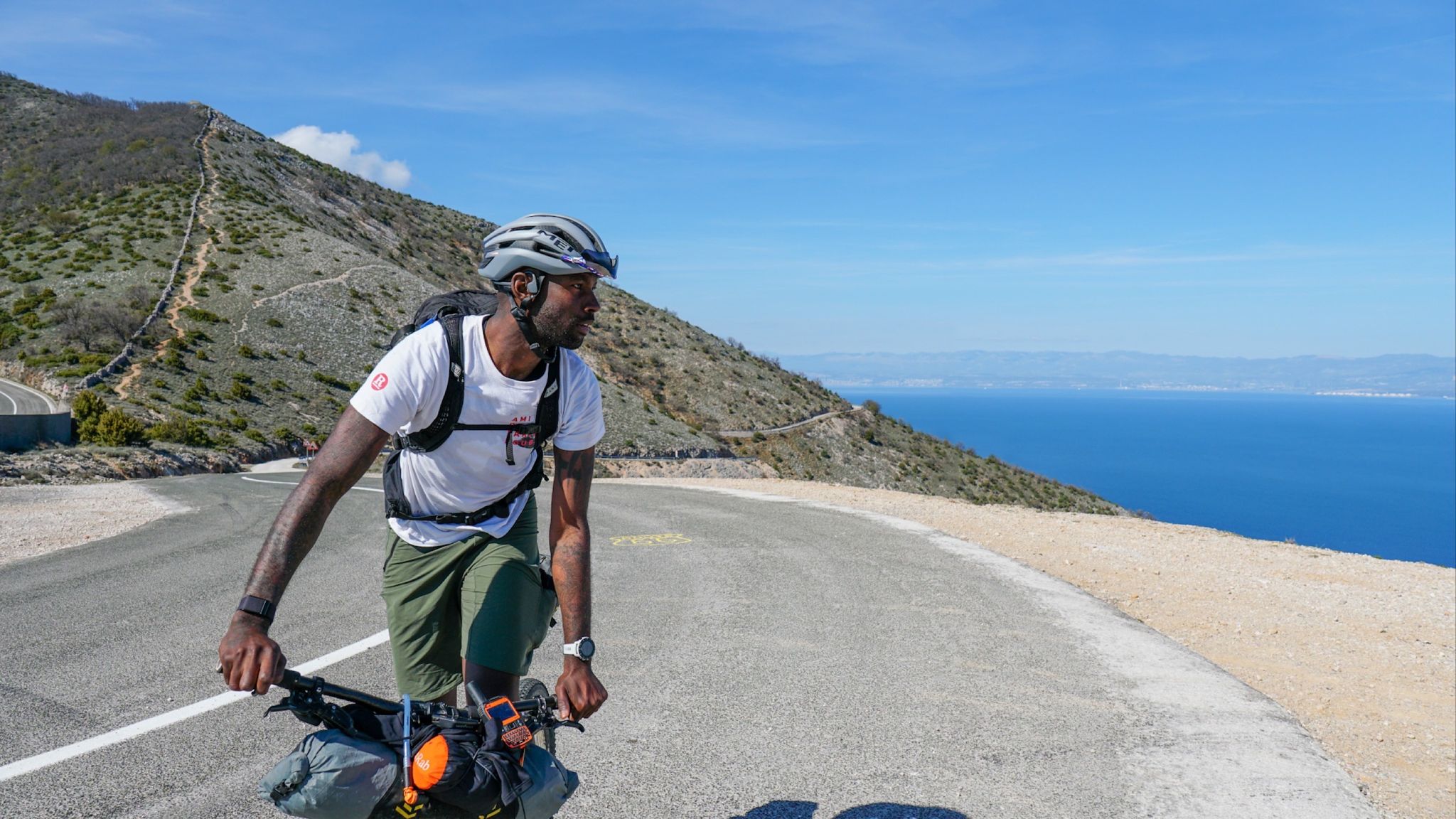
Slovenian mountains to island hopping around the Adriatic Crest
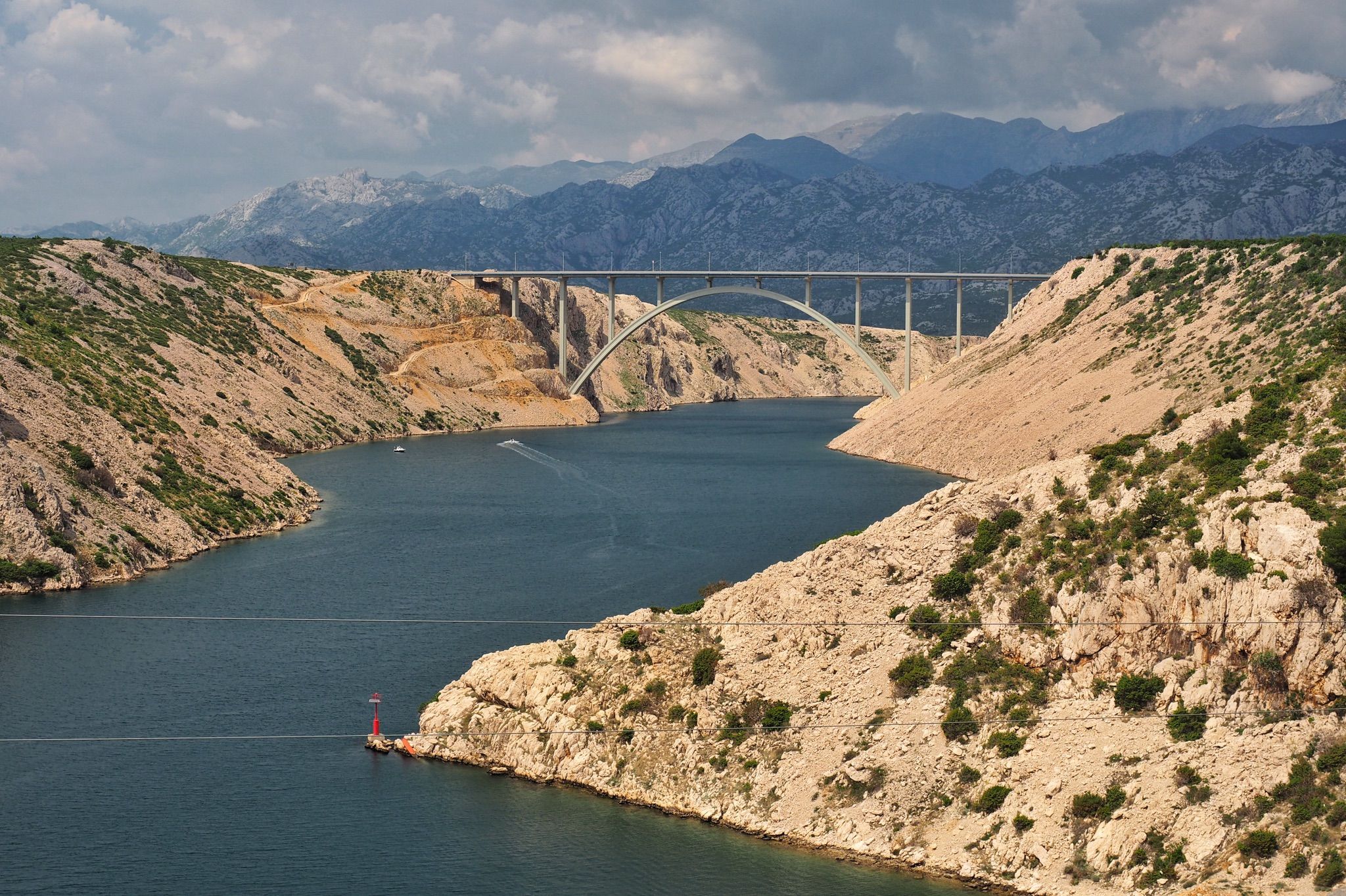
The Dinaric Alps – explore the Adriatic Sea in a different way
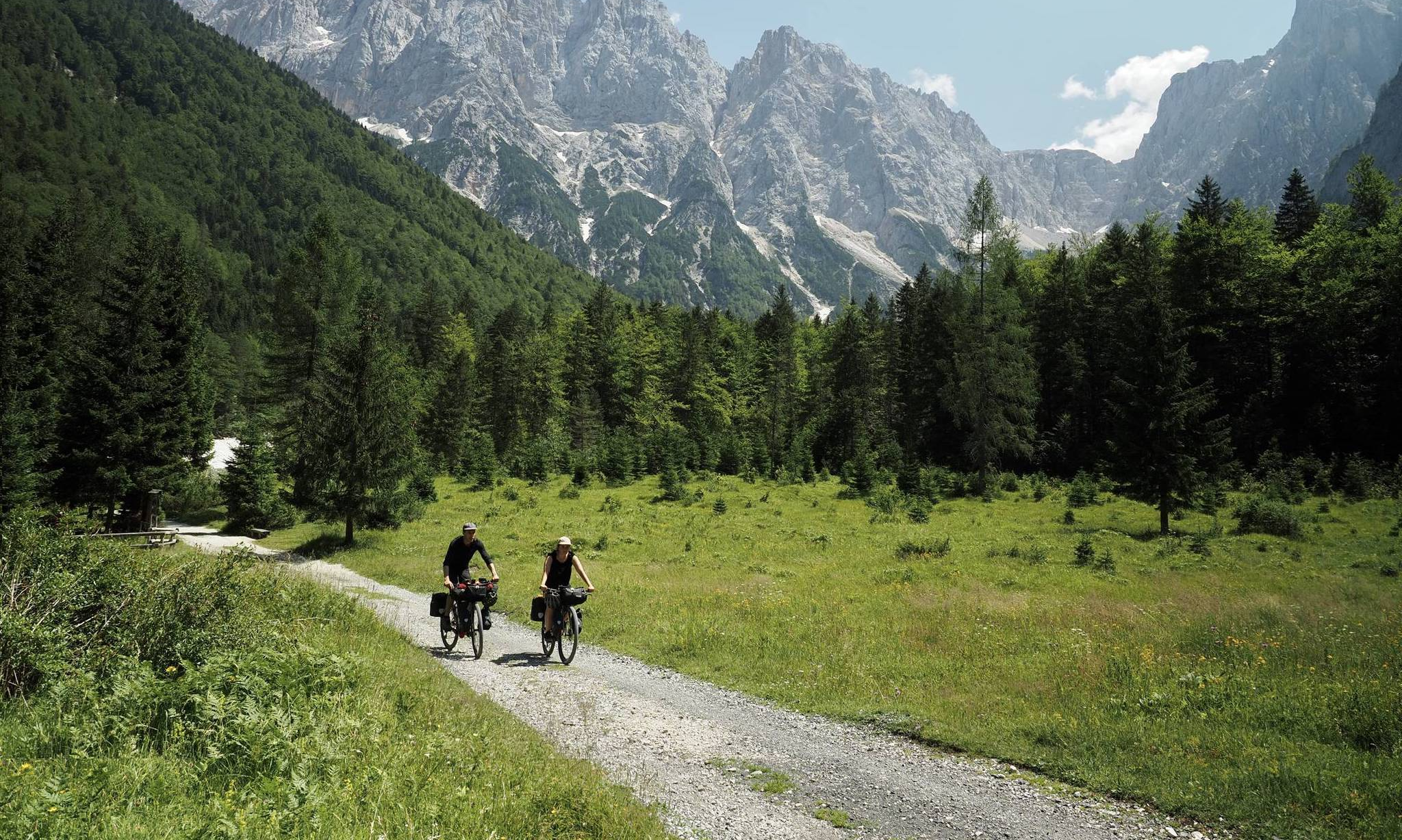
Slovenia West Loop (Soča Variation) – Bikepacking
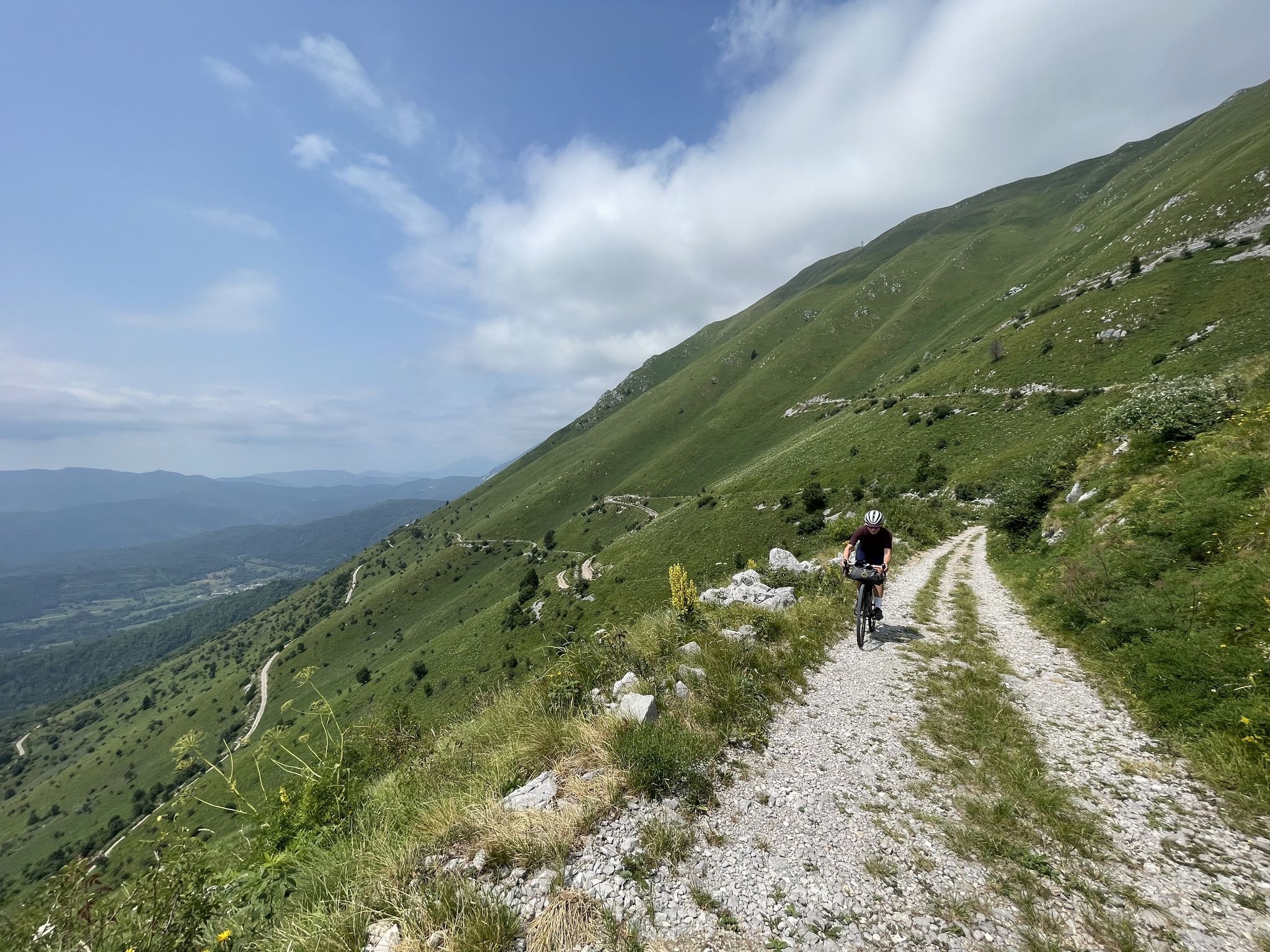
The West Loop — Bikepacking Slovenia in five days
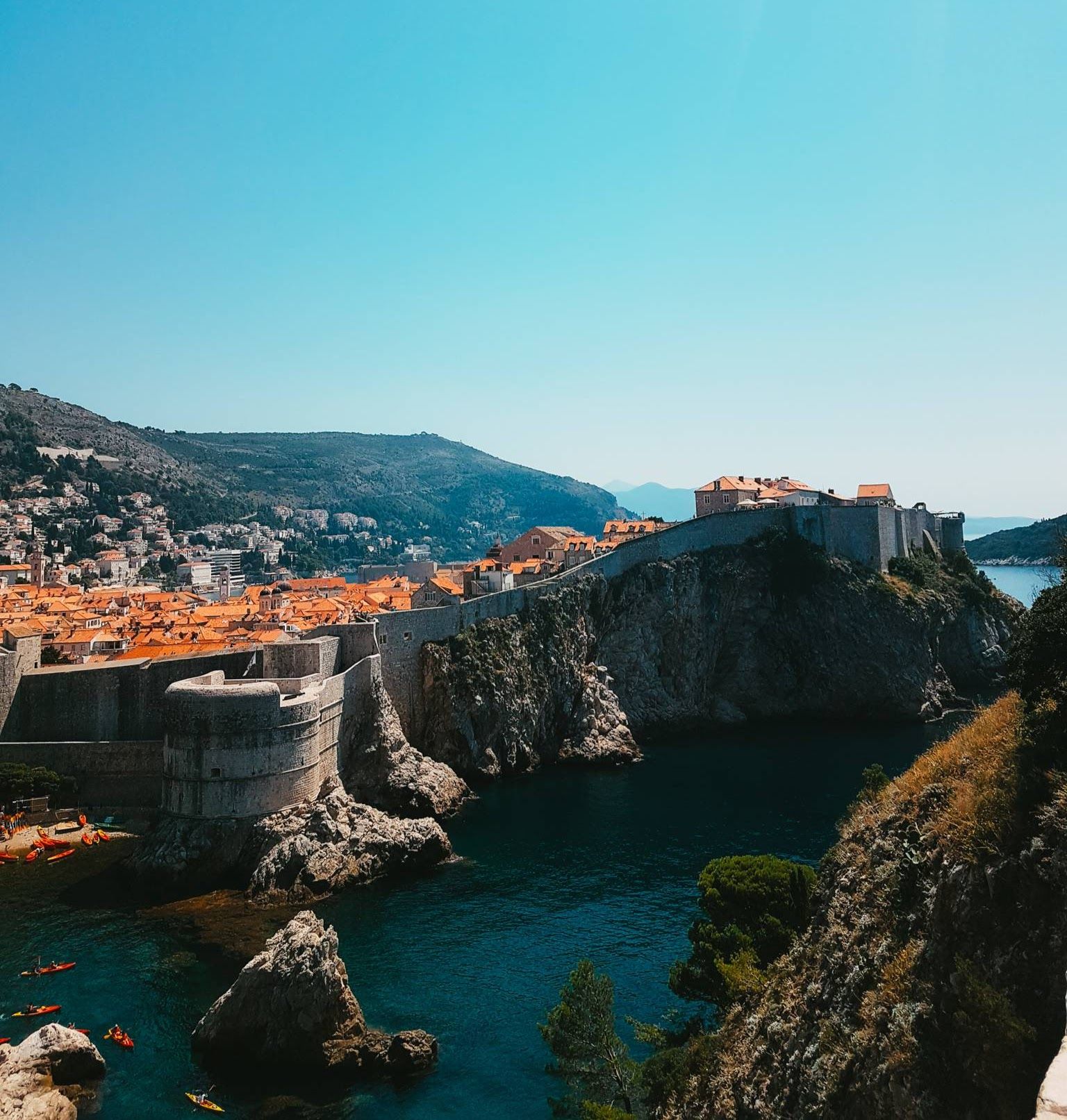
The Ciro Trail — Along the railtrail from Mostar to Dubrovnik
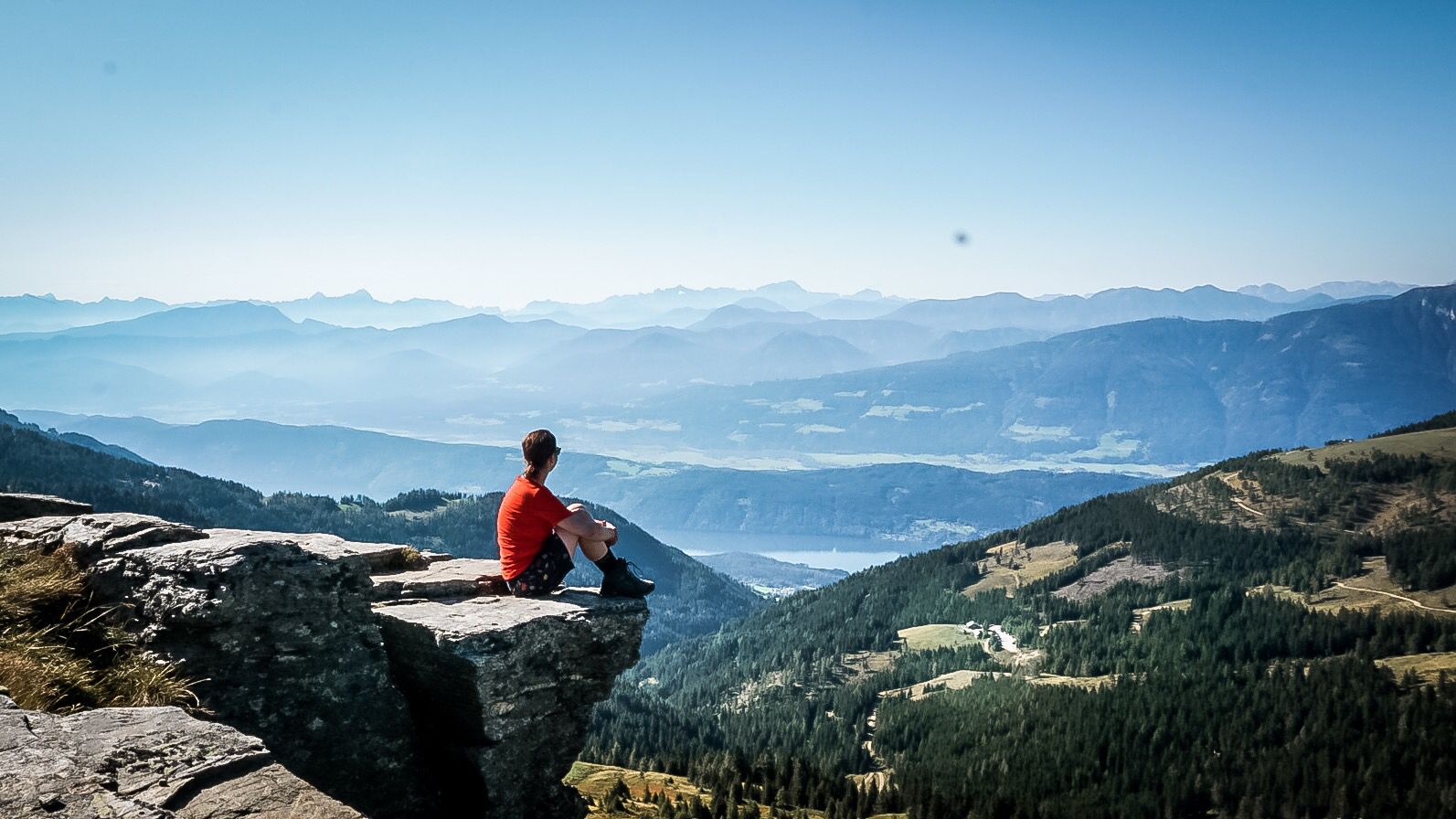
Alpe-Adria-Trail: My long-distance hike from the glacier to the sea
Other adventures in the Dinaric Alps Mountains


Tips from the Community

360-degree view of the entire peninsula. Path accessible from the west
0
0


The peak of Dinara, at 1831 meters high, is the highest mountain peak in the Republic of Croatia. The peak itself consists of two equally high peaks, about fifty meters apart. One of them is marked by a geodetic pole, and on the other there is a five-meter-high metal cross. There is also a simple metal shelter on the first peak.
0
0

…a church worth seeing 👀
2
0
…an impressive church with unusual architecture 👀
1
0

Frequently Asked Questions
What are some of the most popular mountain peaks in the Dinaric Alps Mountains?
Among the most popular peaks in the Dinaric Alps, visitors frequently highlight Vojak Lookout Tower for its expansive views, especially on clear days. Another favorite is Slavnik (Taiano), a popular excursion destination offering panoramic views of the Adriatic Sea and parts of the Julian Alps. Dinara Peak (Sinjal, 1,831 m), Croatia's highest mountain, also offers rewarding hiking experiences through scenic Dalmatian hinterland.
Which mountain peaks in the Dinaric Alps offer challenging ascents for experienced hikers?
For experienced mountaineers seeking a challenge, Maja Jezercë in Albania, often cited as the highest peak within the Dinaric Alps proper, offers a remote and pristine wilderness experience. Maglić Peak, the highest mountain in Bosnia and Herzegovina, provides a challenging ascent through diverse ecosystems. Additionally, Bobotov Kuk in Montenegro's Durmitor National Park is known for its prominent peak and breathtaking panoramic views, requiring a demanding climb.
Are there any family-friendly mountain peaks or viewpoints in the Dinaric Alps?
Yes, several spots are suitable for families. Slavnik (Taiano) in Slovenia is a popular excursion destination with relatively accessible hiking and panoramic rewards. The National Shrine of Mary, Mother and Queen of Monte Grisa also offers family-friendly access and great views.
What kind of natural features can I expect to see when visiting the Dinaric Alps peaks?
The Dinaric Alps are renowned for their dramatic karst topography, featuring unique geological formations like sinkholes, caves, and underground rivers. You can also find stunning glacial lakes, such as those around Bobotov Kuk in Durmitor National Park, and deep canyons like the Tara River Canyon. Areas like Sutjeska National Park, near Maglić, host one of Europe's last remaining old-growth forests, Perućica, showcasing rich biodiversity.
What is the best time of year to visit the Dinaric Alps for hiking?
The Dinaric Alps are generally best visited during the summer months, from June to September, when the weather is most favorable for hiking and exploring. Peaks like Dinara Peak (Sinjal, 1,831 m) are specifically recommended for summer visits. During this period, you can expect clear weather, making it ideal for enjoying panoramic views and accessing higher elevations.
What historical or cultural sites can be found near the Dinaric Alps peaks?
Near the Dinaric Alps peaks, you can explore several historical and cultural sites. The Sutjeska National Park, close to Maglić, is home to the historical Tjentište Memorial Complex. In Croatia, the Fortica Fortress, Omiš, offers a glimpse into the region's past with a wonderful view. Montenegro features the Njegoš Mausoleum on Mount Lovćen, a significant cultural landmark.
Are there opportunities for wildlife spotting around the Dinaric Alps peaks?
Yes, the Dinaric Alps are rich in biodiversity, offering opportunities for wildlife spotting. Risnjak National Park, home to Great Risnjak Summit, is particularly known for its dense forests and rich wildlife, including the lynx (ris in Croatian, after which the mountain is named). The remote and pristine nature of areas like Prokletije National Park also supports diverse flora and fauna.
What outdoor activities, besides peak bagging, can I do near the Dinaric Alps mountains?
Beyond summiting peaks, the Dinaric Alps offer a wide range of outdoor activities. You can explore extensive hiking trails, from easy walks to difficult multi-day treks. For more details on routes, check out the Hiking in the Dinaric Alps Mountains guide. The region also features mountaineering opportunities, with specific routes like the Bobotov Kuk loop in Montenegro. You can find more challenging routes in the Mountain Hikes in the Dinaric Alps Mountains guide.
Are there any easy hiking trails suitable for beginners near the Dinaric Alps peaks?
Yes, there are several easy hiking trails available for beginners. For example, the 'The second lake – Stunning view loop from Žabljak' and 'Kotor Old Town – Kotor City Walls loop from Kotor' are both rated as easy. You can find more options and details in the Easy hikes in the Dinaric Alps Mountains guide.
What are the Velebit Mountains known for in the Dinaric Alps?
The Velebit Mountains, stretching along the Adriatic coast in Croatia, are renowned for their spectacular coastal ridges and dramatic views. This range is part of a nature park and includes Paklenica National Park, an internationally popular climbing area known for its traditional climbing routes and the impressive Tulove Grede massif. Its diverse landscapes make it ideal for hiking, climbing, and exploring unique ecosystems.
What makes Biokovo a notable mountain range in the Dinaric Alps?
Biokovo is a striking mountain range near the Adriatic coast in Croatia, offering spectacular scenery. Its highest peak, Sveti Jure, stands at 1,762 meters (5,781 feet) and is the third highest in Croatia. The Biokovo Ridge is part of the 'blue' Via Dinarica trail, highlighting its scenic beauty and hiking potential. It's a popular destination for those seeking a combination of mountain adventure and coastal views, with the sea visible from its high plateaus.
What is the Via Dinarica and how does it relate to the Dinaric Alps peaks?
The Via Dinarica is a long-distance hiking trail that connects the tallest peaks across seven countries within the Dinaric Alps. It offers an immersive way to experience the region's natural and cultural diversity, traversing its extensive karst landscapes, deep canyons, and diverse ecosystems. It's an excellent option for those looking for multi-day treks and a comprehensive exploration of the range.
Most popular routes in the Dinaric Alps Mountains
Most popular attractions in the Dinaric Alps Mountains

Get inspired with the komoot mobile app


Explore more
See even more amazing summits in the Dinaric Alps Mountains with these guides:
