Top 20 Lakes in the Olympic Mountains
Best lakes in the Olympic Mountains are found within a diverse landscape of glacially carved valleys, temperate rainforests, and alpine environments. The region, largely encompassed by Olympic National Park, features numerous lakes ranging from large, deep bodies of water to smaller, high-elevation tarns. These aquatic features are often surrounded by dense forests and towering peaks, contributing to the area's natural character. The Olympic Mountains offer a variety of lake experiences for visitors.
Best lakes in the Olympic Mountains
- The most…
Last updated: July 20, 2026
Lake Crescent Beach and Lodge
Highlight • Lake
Tip by

Sequim Bay State Park
Highlight • Forest
Tip by

Sign up now to discover places like this
Get recommendations on the best single tracks, peaks, & plenty of other exciting outdoor places.
Sign up for free
Grand Lake & Camp
Highlight • Lake
Tip by
Deer Lake
Highlight • Lake
Tip by
Trailhead for Marymere Falls & Mount Storm King
Highlight • Trail
Tip by

Spruce Railroad Trail (Lake Crescent)
Highlight (Segment) • Trail
Tip by

Lake Angeles Trail
Highlight (Segment) • Trail
Tip by
Heart Lake & Camp
Highlight • Lake
Tip by
Lake Angeles
Highlight • Lake
Tip by
Gladys Lake & Camp
Highlight • Lake
Tip by
Sign up for free to discover even more lakes in the Olympic Mountains.
Sign up for free
Already have an account?
Start today with a free account
Your next adventure awaits.
Login or Signup
Popular around Olympic Mountains
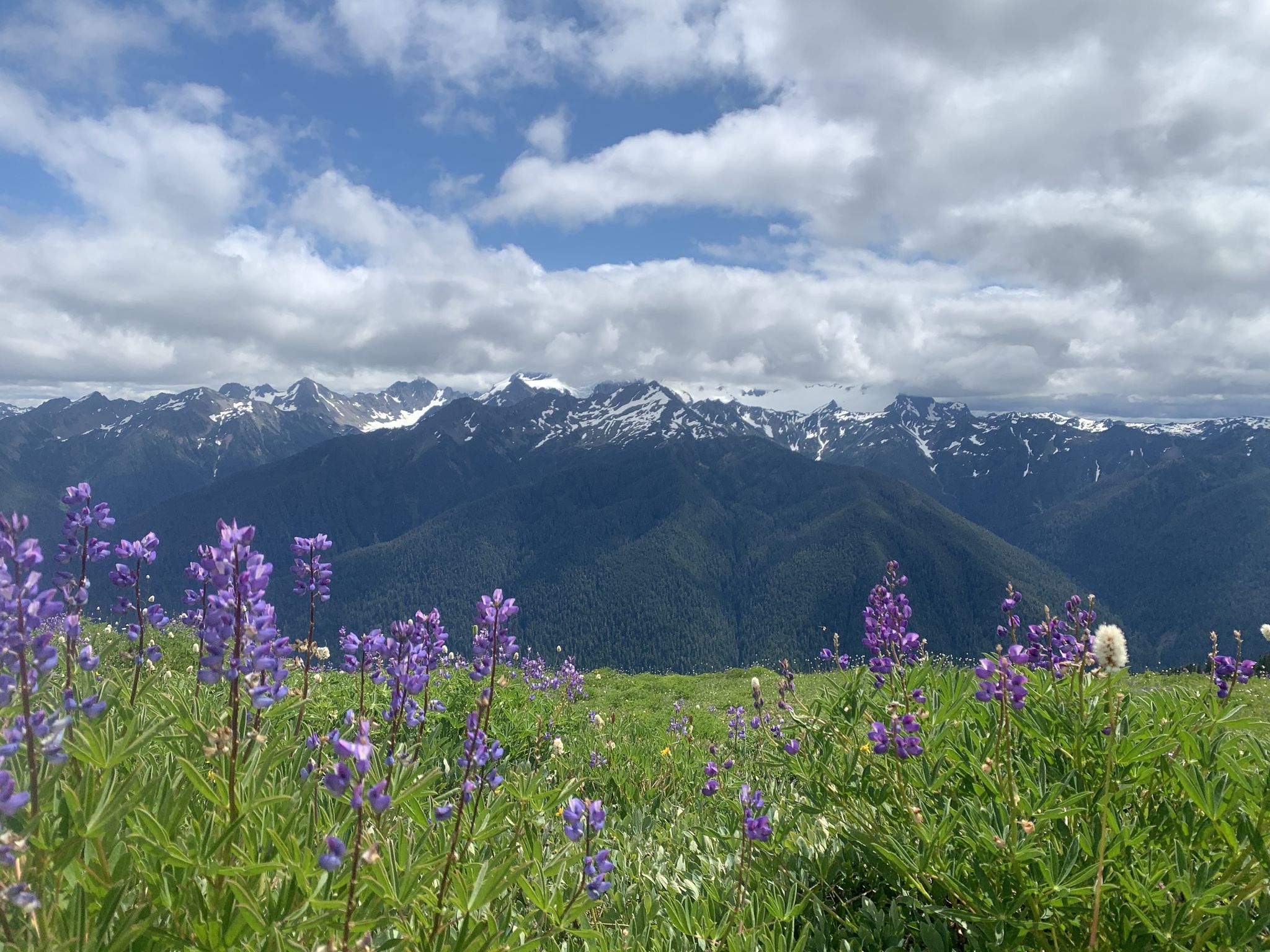
Pacific Northwest National Scenic Trail — From Alpine to Alava through the untamed Northwest
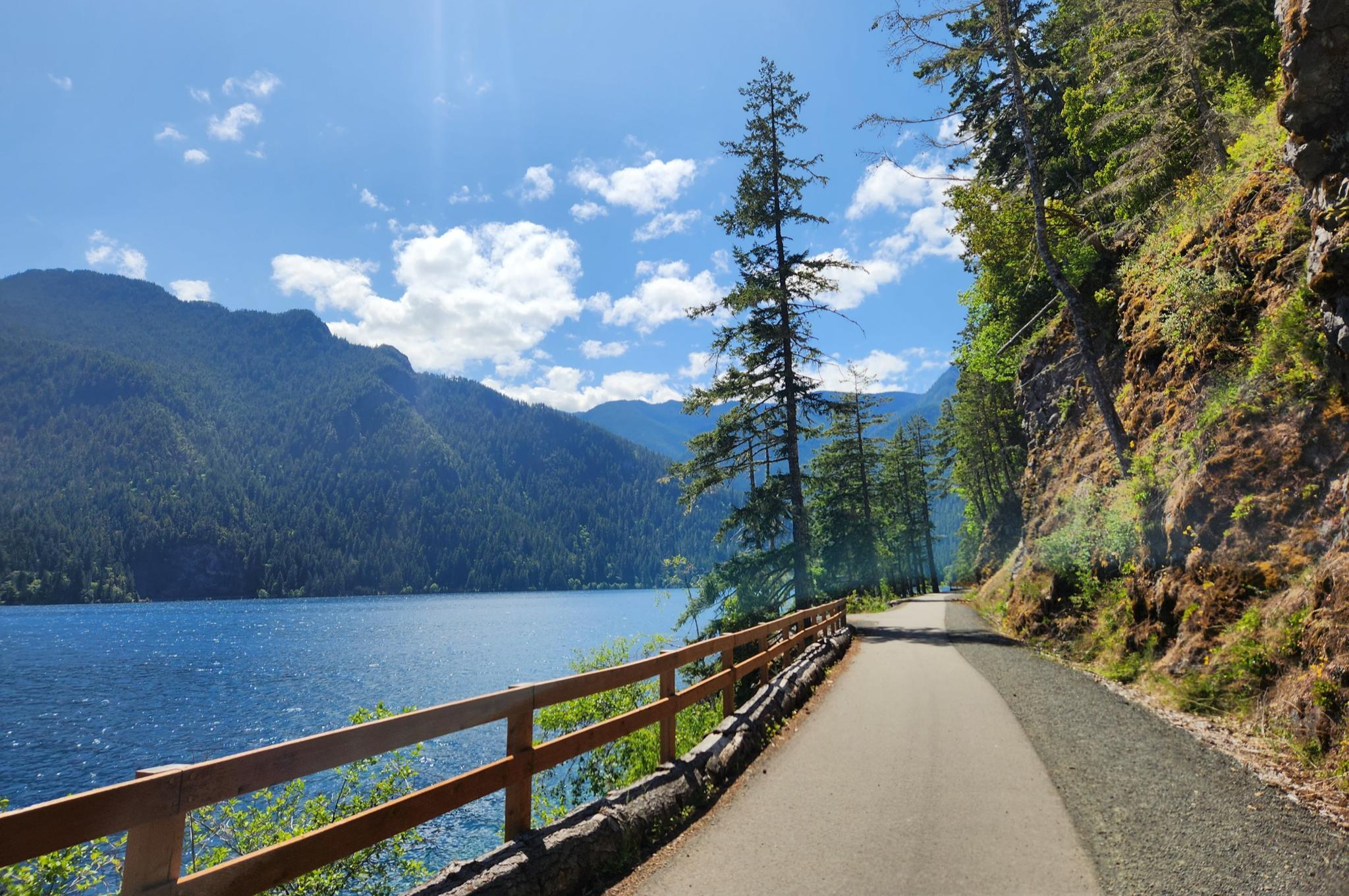
Olympic Discovery Trail — A True Northwest Adventure
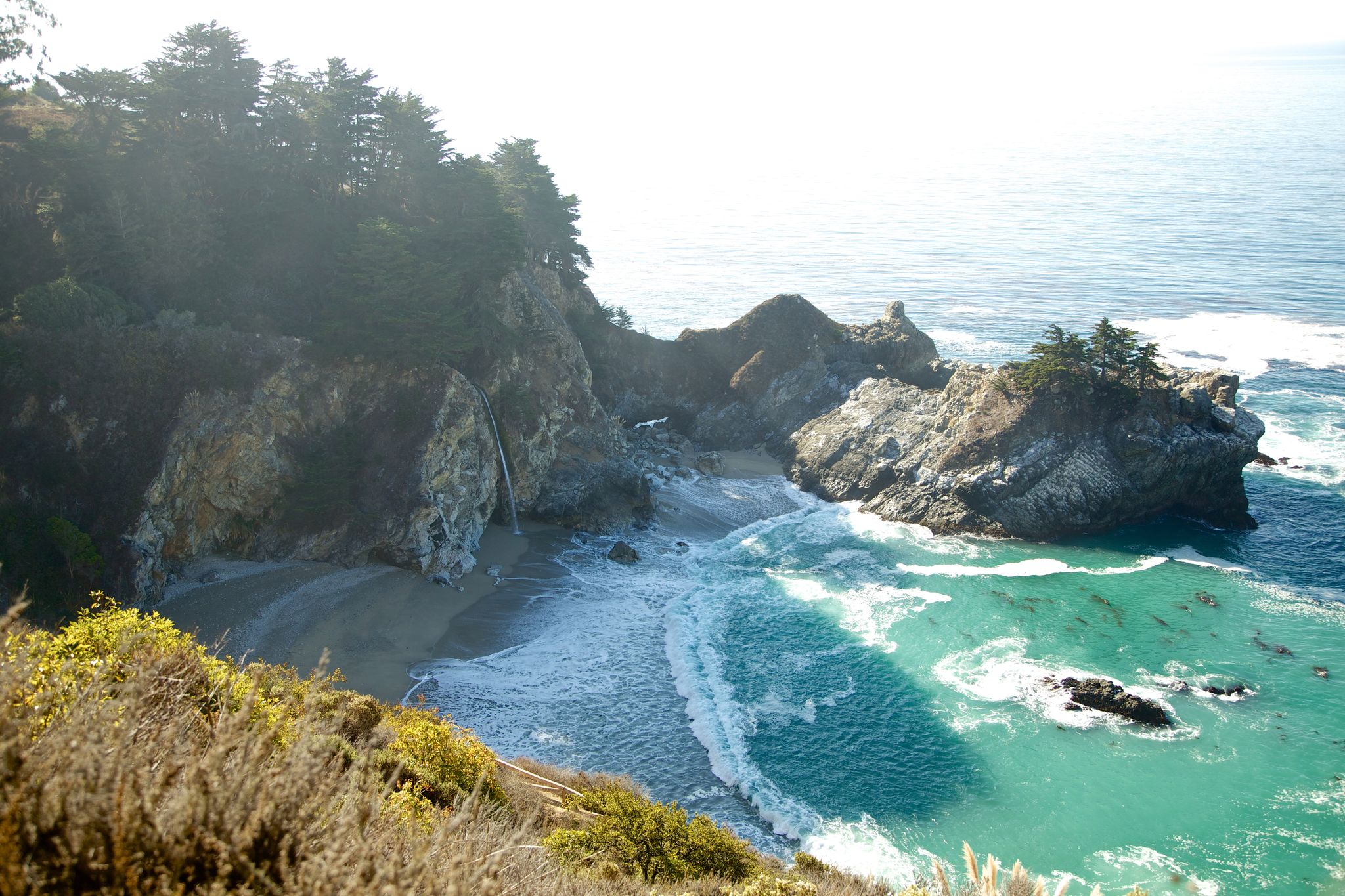
The tour of your life – music trails on the Pacific coast
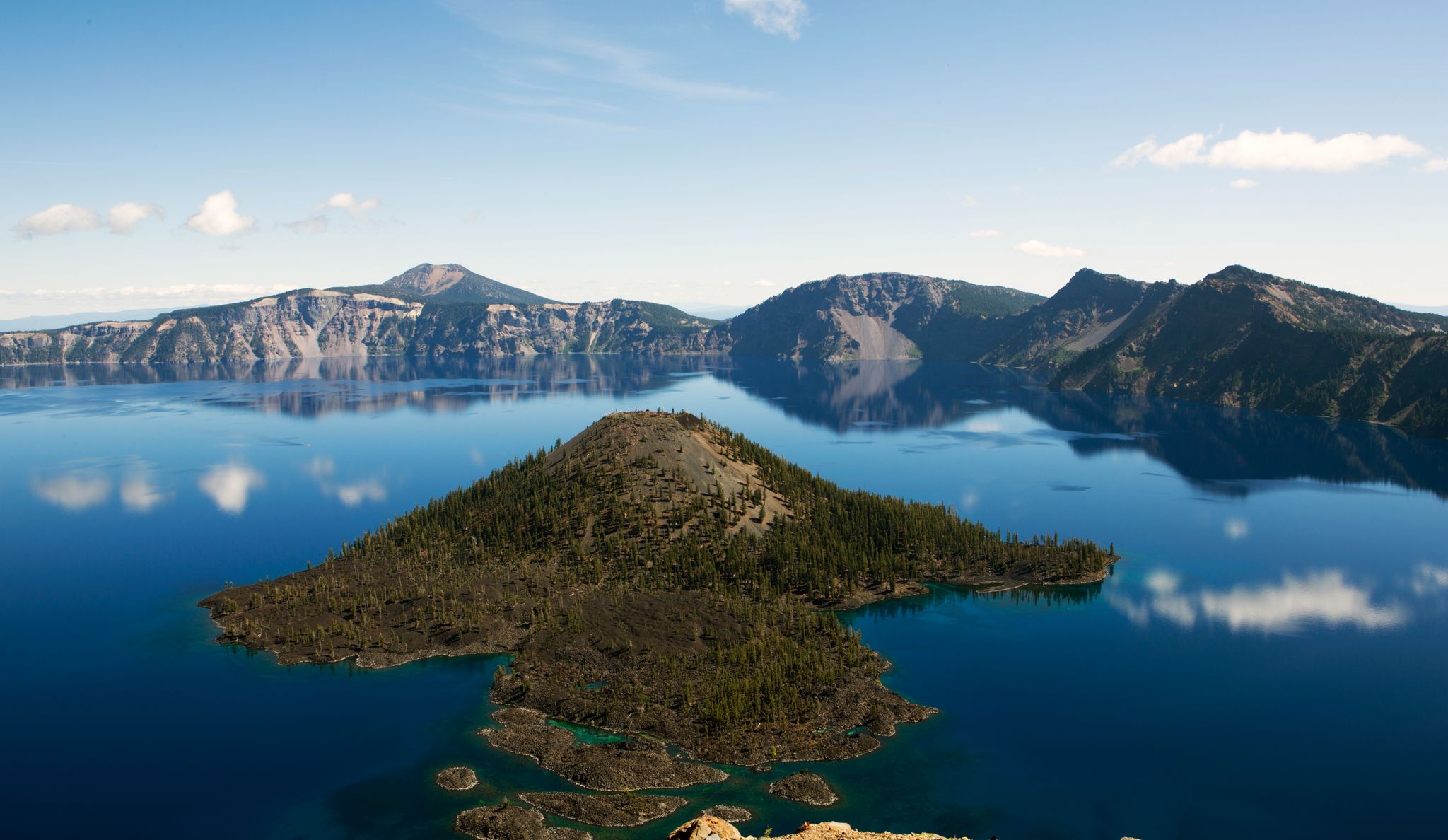
Volcanic peaks and glistening shores – discover Oregon and Washington
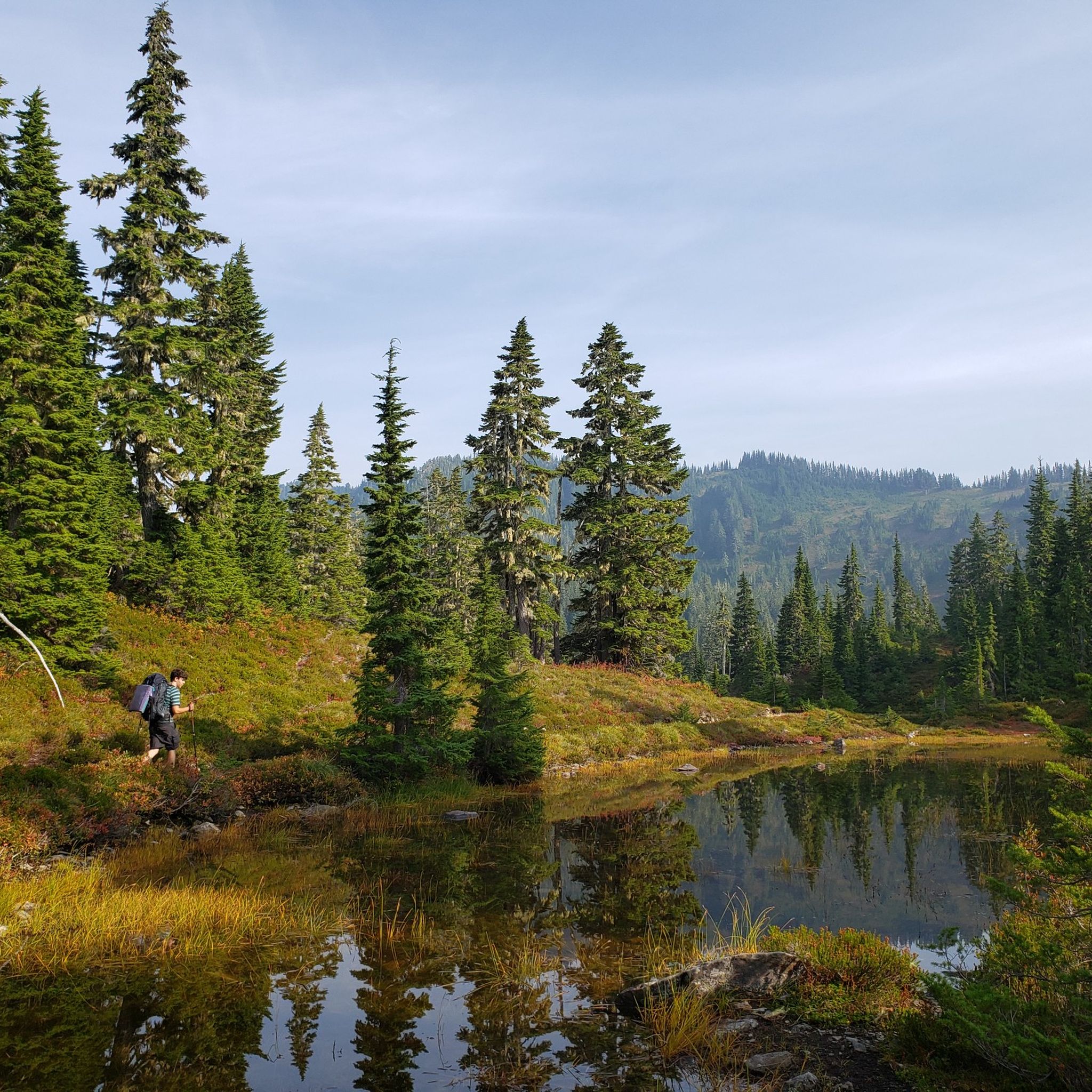
Hiking in the Olympic Mountains
Road Cycling Routes in the Olympic Mountains
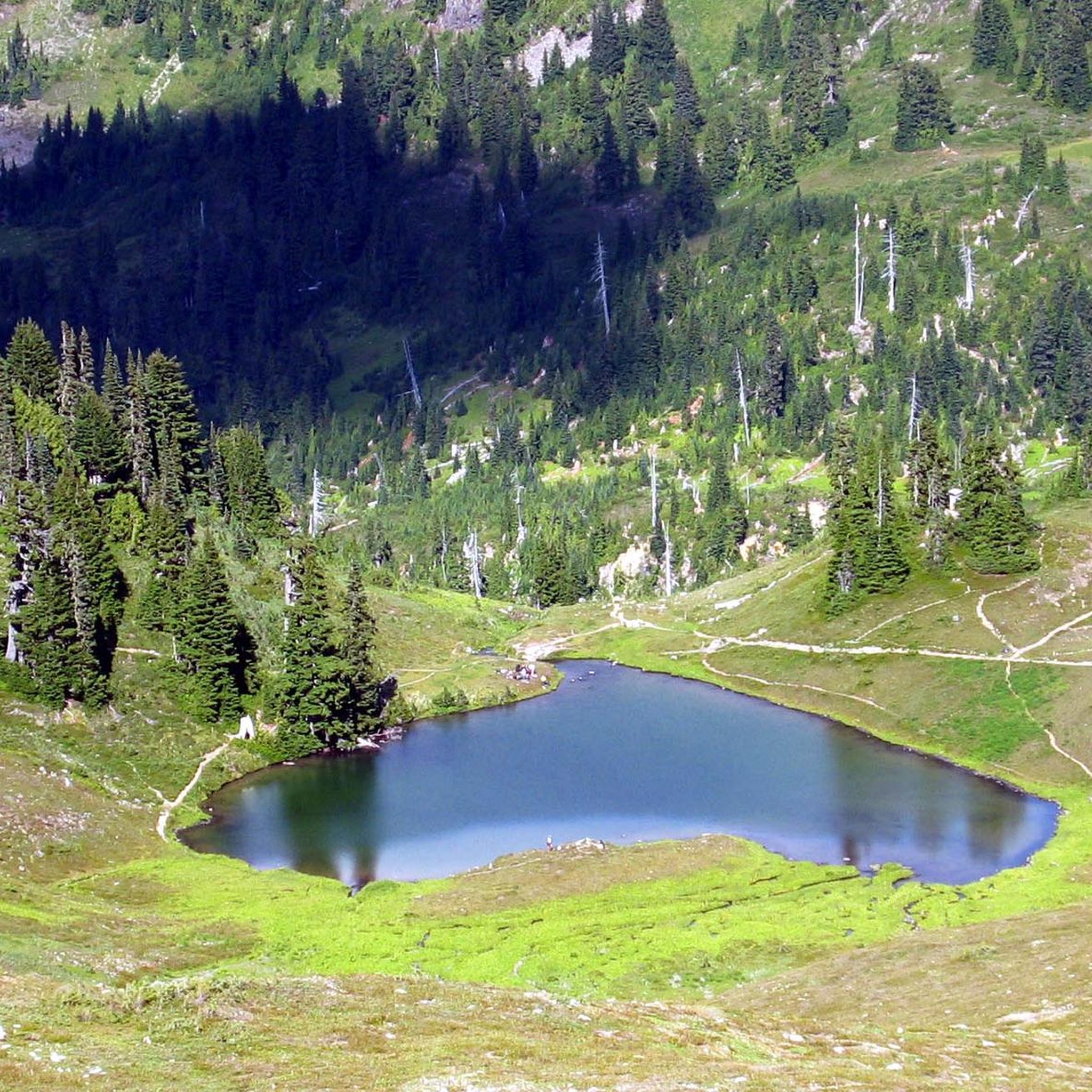
Running Trails in the Olympic Mountains
MTB Trails in the Olympic Mountains
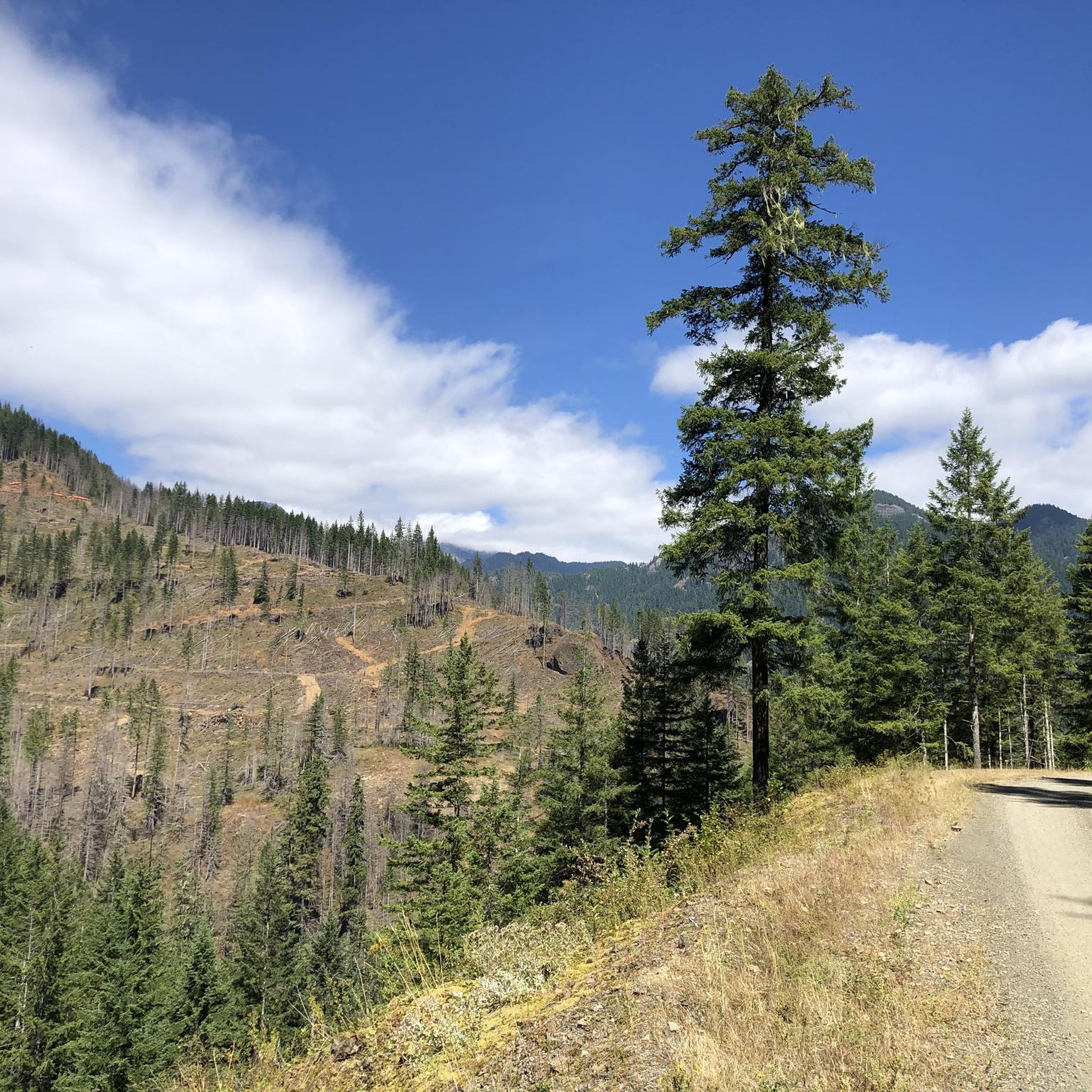
Cycling in the Olympic Mountains

Gravel biking in the Olympic Mountains
Other adventures in the Olympic Mountains


Tips from the Community

A quiet place in September
0
0

Just off the shores of Lake Crescent, this is the shared trailhead for Marymere Falls Nature Trail (a relatively short, easy hike) and Mount Storm King, a stiffer climb that even has fixed ropes to help you on some sections.
0
0

Sequim Bay State Park offers a year-round respite for the weary. Along with a beautiful stretch of coastline the park also has a number of hiker-biker campsites designated for those that walk or ride in.
1
0

A beautiful alpine lake with abundant small trout rising.
1
0

Gladys Lake is situated just past Grand and Moose Lakes on the Grand Pass Trail. Set in a serene alpine meadow surrounded by mountains, this lake is worth the 3,000ft elevation gain roundtrip! Note that the majority of the ascent is saved for the end of the run - good training for multi-peak runs or ultras!
0
0
A breathtaking subalpine lake surrounded by mountains and forest, this one is worth the run! Located 12km from Sol Duc River Trailhead, Heart Lake is a great trail running destination if you're looking for an epic run and to feel small in the massive nature surrounding you. Follow Sol Duc River Trail all the way to the lake.
0
0
Only 5.5km from the Sol Duc River Valley parking area, Deer Lake is technically two lakes nestled in the trees of Olympic National Park. This is a beautiful spot to take a quick rest before carrying on to Round Lake or heading back!
0
0

Sequim Bay State Park offers year-round camping on 92 acres of saltwater coastline. It's located in the Sequim "rain shadow," known for its low rainfall. Great place to stop for a break!
0
0
Frequently Asked Questions
What are some popular hiking trails around the lakes in the Olympic Mountains?
Many lakes in the Olympic Mountains offer excellent hiking opportunities. For a scenic and relatively easy walk, consider the Spruce Railroad Trail along Lake Crescent, which provides stunning views of the lake and rugged cliffs. Another popular option is the Marymere Falls Trail, accessible from the Trailhead for Marymere Falls & Mount Storm King, leading to a beautiful waterfall. For a more challenging hike with rewarding views, the Lake Angeles Trail ascends through woods to the alpine Lake Angeles.
Are there family-friendly activities or lakes suitable for families in the Olympic Mountains?
Yes, several lakes in the Olympic Mountains are great for families. Lake Crescent is particularly family-friendly, offering activities like kayaking, paddleboarding, and swimming in its clear waters. The easy Marymere Falls Trail is also a good option for families. Additionally, the Spruce Railroad Trail along Lake Crescent is a scenic and accessible path suitable for all ages.
What kind of natural features can I expect to see around the lakes?
The lakes in the Olympic Mountains are set within diverse natural landscapes. You'll find crystal-clear, glacially carved waters surrounded by dense old-growth forests, towering peaks, and rugged shorelines. Areas like Lake Quinault are nestled within a temperate rainforest, home to record-setting giant trees. Alpine lakes such as Lake Angeles, Deer Lake, and Heart Lake offer pristine, high-elevation wilderness scenery.
What outdoor activities can I do near the lakes in the Olympic Mountains?
Beyond hiking, the lakes offer a variety of outdoor activities. At Lake Crescent, you can enjoy kayaking, paddleboarding, swimming, and fishing for unique trout species. The region also provides opportunities for wildlife watching, photography, and stargazing. For cycling enthusiasts, there are numerous routes, including the Port Angeles to Lake Crescent loop for road cycling or the Lake Crescent – Daley Rankin Tunnel loop for gravel biking.
Are there any historic landmarks near the lakes?
Yes, the Olympic Mountains region features some notable historic landmarks. The Lake Crescent Lodge, built in 1916, is a historic structure offering accommodation and a glimpse into the early days of the national park movement. The Spruce Railroad Trail, now a scenic path, was originally built in 1918 to harvest spruce for biplanes, adding a historical layer to your visit.
What is the best time to visit the lakes in the Olympic Mountains?
The best time to visit largely depends on the activities you plan. Summer (June to September) offers the warmest weather, making it ideal for swimming, boating, and hiking to higher elevation lakes. Spring brings lush greenery and flowing waterfalls, while fall showcases vibrant foliage. Some alpine lakes may require wilderness permits, especially for overnight stays, so checking seasonal conditions and permit requirements beforehand is advisable.
Are there opportunities for backpacking to remote lakes?
Absolutely. The Olympic Mountains are renowned for their remote alpine lakes, perfect for backpacking. The Seven Lakes Basin, accessible via the High Divide Trail, is a prime example, offering stunning views and access to lakes like Deer Lake and Heart Lake. These areas often require wilderness permits for camping, so plan ahead and secure your permits.
Where can I find information about permits for visiting lakes in Olympic National Park?
For specific information regarding wilderness permits, especially for backpacking and overnight stays at remote alpine lakes within Olympic National Park, it is best to consult the official National Park Service website. You can find detailed planning resources for visiting Lake Crescent and other areas at nps.gov.
What kind of wildlife can be spotted around the lakes?
The diverse ecosystems around the Olympic Mountains lakes support a variety of wildlife. Visitors often spot Roosevelt elk, especially in areas like the Quinault Rainforest. Bears are also common in more secluded wilderness areas. Birdwatching is popular, and the unique Beardslee rainbow trout and Crescenti cutthroats can be found in Lake Crescent.
Are there any easy hikes to lakes in the Olympic Mountains?
Yes, there are several easy hikes that lead to or offer views of lakes. The Marymere Falls Nature Trail, near Lake Crescent, is a relatively short and easy hike. The Spruce Railroad Trail is another accessible option, providing flat terrain along the north shore of Lake Crescent. For a rainforest experience, the Quinault Rainforest Nature Trail near Lake Quinault is also considered easy.
What are some notable viewpoints around the lakes?
The Olympic Mountains offer numerous stunning viewpoints. Lake Crescent itself provides picturesque views with its clear waters and mountainous backdrop. The Mount Storm King Trail, though challenging, rewards hikers with breathtaking panoramic views of Lake Crescent. Alpine lakes like Lake Angeles, Grand Lake, and Heart Lake, reached via trails, also offer spectacular high-elevation vistas.
Can I go wild swimming in the lakes?
Wild swimming is possible in some of the lakes, particularly in Lake Crescent, known for its cold, clear waters. Always exercise caution, be aware of water temperatures, and check for any local regulations or advisories before swimming in any natural body of water.
Most popular routes in the Olympic Mountains
Most popular attractions in the Olympic Mountains

Get inspired with the komoot mobile app


Explore more
Still not found your perfect lake in the Olympic Mountains? Check out the guides of these regions to see even more beautiful places.
