The best traffic-free bike rides in the Olympic Mountains
5.0
(2)
96
riders
15
rides
No traffic gravel bike trails in the Olympic Mountains offer a diverse landscape for cycling, characterized by glacier-capped peaks, extensive temperate rainforests, and a network of forest service roads. The region's geology features uplifted marine sedimentary and basaltic rocks, creating varied terrain from lush western slopes to drier eastern areas. Gravel bikers can navigate through old-growth forests, managed timberland, and glacier-carved valleys. This environment provides a sense of solitude and remote riding experiences.
Best no traffic gravel bike trails in…
Last updated: May 31, 2026
5.0
(1)
15
riders
51.8km
03:30
960m
960m
Hard gravel ride. Very good fitness required. Mostly paved surfaces. Suitable for all skill levels.
12
riders
64.2km
05:20
1,000m
1,010m
Hard gravel ride. Very good fitness required. Mostly paved surfaces. Suitable for all skill levels.

Sign up for free
16
riders
79.9km
06:15
1,740m
1,740m
Hard gravel ride. Very good fitness required. Mostly paved surfaces. Suitable for all skill levels.
9
riders
92.7km
06:41
1,330m
1,330m
Hard gravel ride. Very good fitness required. Mostly paved surfaces. Suitable for all skill levels.
7
riders
62.1km
04:04
860m
860m
Hard gravel ride. Very good fitness required. Mostly paved surfaces. Suitable for all skill levels.
Get access to more routes and recommendations from other explorers.
Sign up for free
Already have an account?
Our route recommendations are based on thousands of hikes, rides, and runs completed by other people on komoot.
Start today with a free account
Your next adventure awaits.
Login or Signup
Popular around Olympic Mountains
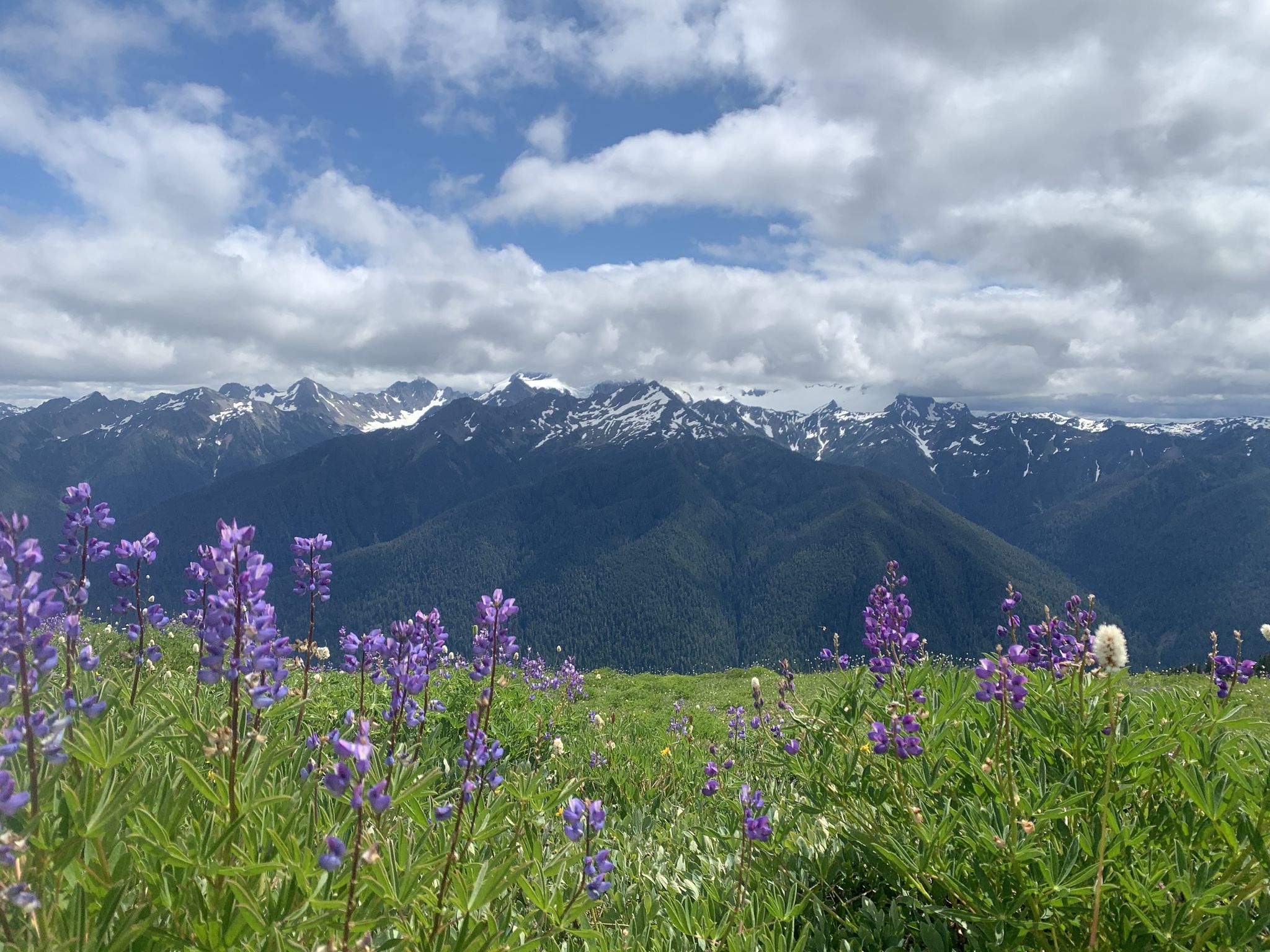
Pacific Northwest National Scenic Trail — From Alpine to Alava through the untamed Northwest
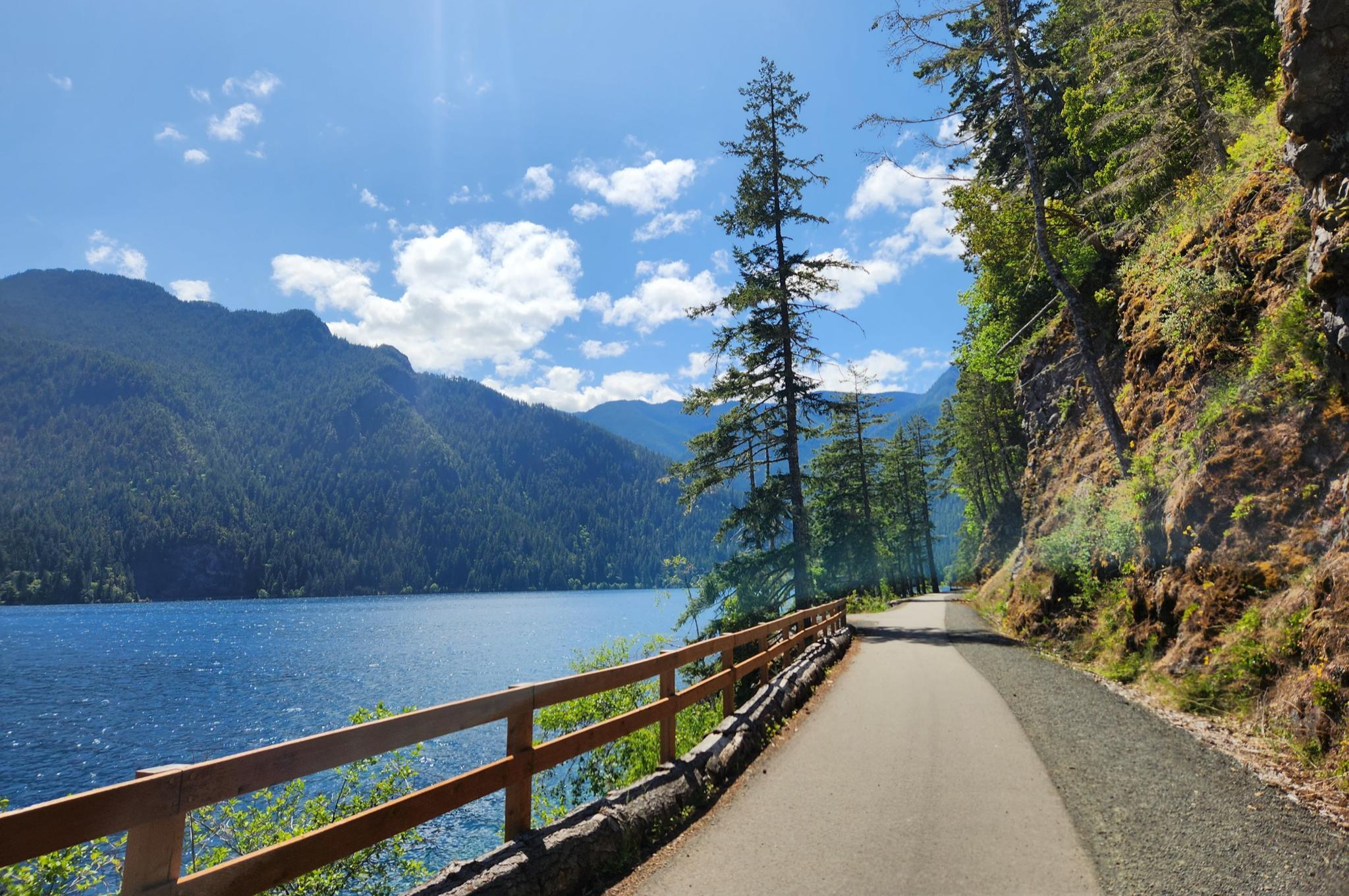
Olympic Discovery Trail — A True Northwest Adventure
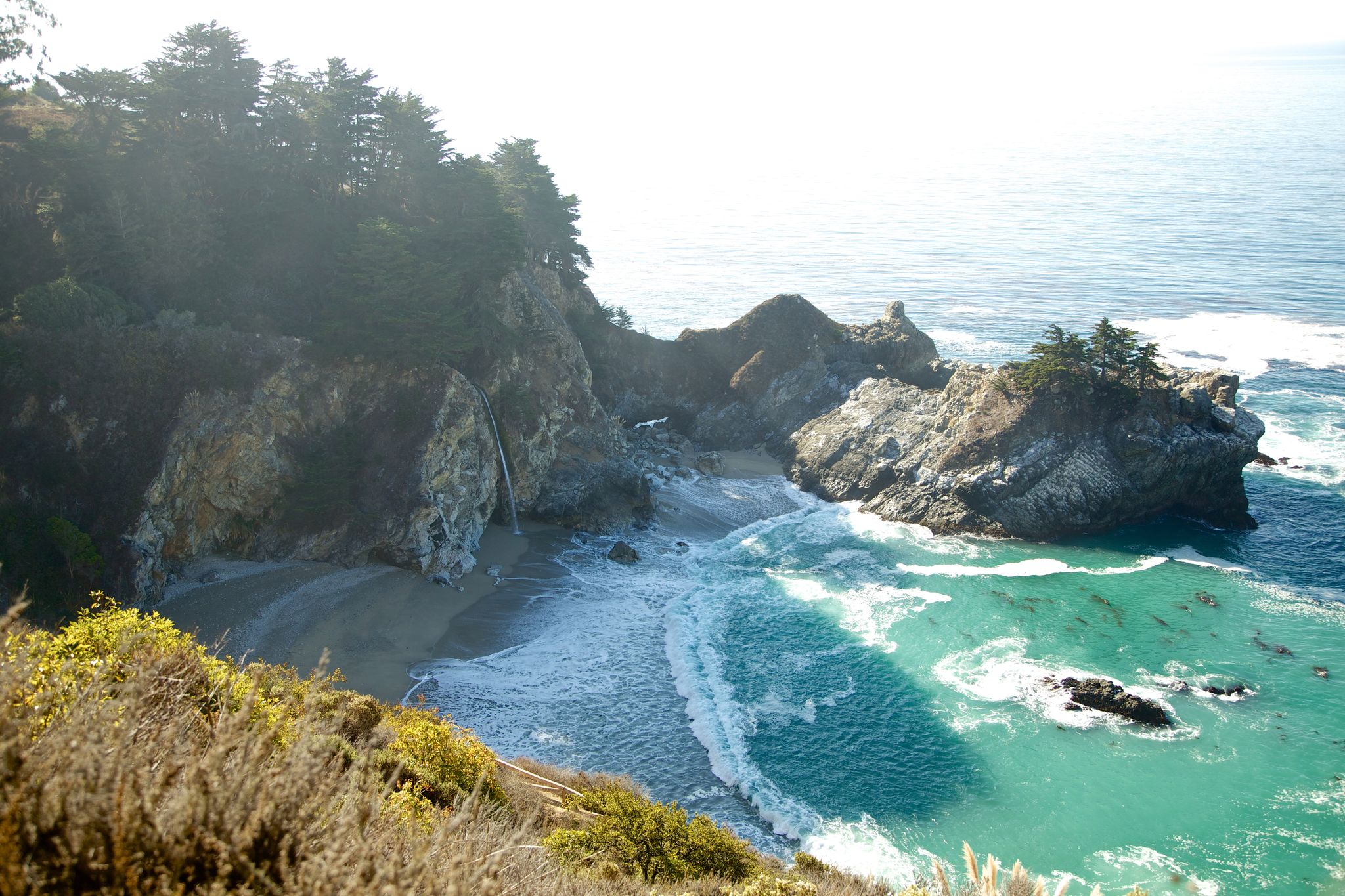
The tour of your life – music trails on the Pacific coast
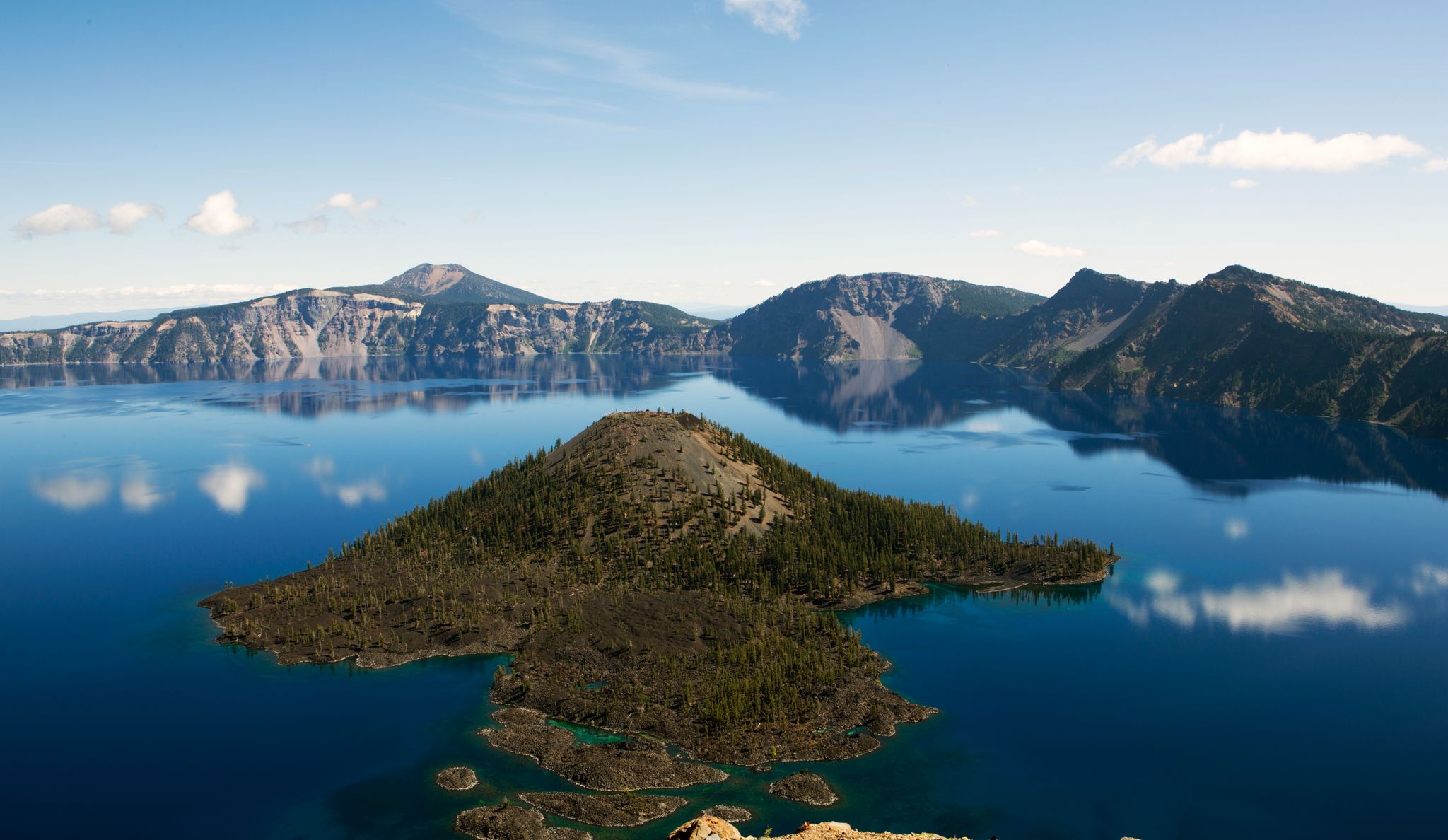
Volcanic peaks and glistening shores – discover Oregon and Washington

Traffic-free bike rides in the Olympic Mountains
Traffic-free bike rides in the Olympic Mountains
Other adventures in the Olympic Mountains


Tips from the Community


Port Angeles, situated along a port of the same name, is a picturesque town that serves as the gateway to Olympic National Park. For those riding the ODT it serves as a great place to rest and refuel as there are a number of great restaurants, accommodations, and grocery stores.
1
0

Amazing trail. Can do on a gravel bike or MTB. Great for first time bike packers.
1
0

Located in the northern foothills of the Olympic Mountains, Lake Crescent, approximately 18 miles west of Port Angeles, offers a tranquil escape into nature. Its pristine, glacially carved waters make it a perfect destination for those seeking natural beauty. Interestingly, the lake's unique history, including a massive landslide 7,000 years ago, has led to distinct populations of Crescenti and Beardslee trout, adapted through genetic isolation.
0
0

If you want to escape the business of nearby Wynoochee Lake then this is the place to go. A short walk to the falls from the main road will afford you wonderful waterfall views and a body of water perfect for cooling off.
0
0
Wynoochee Lake reveals a breathtaking scenery defined by steep, rugged peaks adorned with lush conifer forest that rise above a glistening crystal clear body of water. At this end of the lake there is a picnic area and dam which makes a nice short out and back route. And if you're feeling more adventurous, you can embark on the 12-16 mile loop that encircles the entire lake (distance may vary depending on the safety of the Wynoochee River ford)
2
0

Daley Rankin Tunnel is a nice tunnel carved inside a huge rock along Lake Crescent. Spruce Railroad Trail leads through the tunnel and offers great views from the wooden path right before it.
0
0
Once you reach the end of the trail at East Beach Road, you can walk down to the river to see the spot where Lyre River flows into Lake Crescent. Enjoy the beautiful natural surrounding.
0
0
Frequently Asked Questions
How many no-traffic gravel bike trails are available in the Olympic Mountains?
Our guide features 16 carefully selected no-traffic gravel bike routes in the Olympic Mountains, offering a range of distances and elevations for an undisturbed riding experience.
What is the best time of year for gravel biking in the Olympic Mountains?
The optimal time for gravel biking in the Olympic Mountains is typically from June through October. July and August offer the most consistently clear weather, while September and October provide stunning autumn colors, especially on the eastern slopes. Be prepared for varied conditions, as the western slopes are known for their significant rainfall.
Are there any family-friendly no-traffic gravel trails in the Olympic Mountains?
While many routes in this guide are rated as difficult, the Olympic Mountains do offer sections suitable for families, particularly on flatter, well-maintained forest service roads. For specific family-friendly options, it's best to check individual route descriptions for terrain and elevation profiles. The Olympic Discovery Trail also has gentler gravel sections, though it's not explicitly covered in this guide.
What kind of wildlife might I encounter on these trails?
The Olympic Mountains are rich in wildlife. You might spot Roosevelt elk, black bears, deer, and a variety of bird species. The region's diverse ecosystems, from temperate rainforests to subalpine meadows, support a wide array of fauna. Always maintain a safe distance and never feed wild animals.
Are there any loop gravel bike routes in the Olympic Mountains?
Yes, there are several excellent loop routes for gravel biking. For example, the Gravel loop from Camp Govey offers a challenging ride, and the Lake Crescent – Daley Rankin Tunnel loop from Lake Sutherland provides a scenic journey around Lake Crescent.
What attractions can I see along the no-traffic gravel bike trails?
Many gravel routes offer access to the region's stunning natural beauty. You might find yourself near iconic spots like Marymere Falls or Sol Duc Falls, both picturesque waterfalls. The routes also traverse areas close to the lush Hoh Rain Forest and offer views of glacier-capped peaks and pristine lakes like Lake Crescent.
Are there options for advanced gravel bikers seeking a challenge?
Absolutely. The Olympic Mountains are known for their challenging terrain. Many routes in this guide, such as the Sleepy Hollow Trailhead – Mt. Zion Trailhead loop from Quilcene National Fish Hatchery, feature significant elevation gains and long distances, providing a demanding experience for advanced riders. The Olympic Gravel Circumnavigation (OGC) is another well-known, extensive bikepacking route for those seeking multi-day adventures.
Where can I find parking for these no-traffic gravel trails?
Parking availability varies by trailhead. Many forest service roads and trailheads within the Olympic National Forest offer designated parking areas. For specific routes, it's advisable to check the tour details on komoot, as they often include information about starting points and parking facilities. Popular areas like Lake Crescent or near Port Angeles also have visitor parking options.
What should I pack for a gravel ride in the Olympic Mountains?
Given the varied terrain and weather, essential packing includes layers of clothing, rain gear (especially for the western slopes), plenty of water, snacks, a repair kit, and a first-aid kit. A reliable GPS device or a downloaded komoot tour is highly recommended due to the remote nature of some trails. Bear spray is also a consideration in certain areas.
What do other komoot users say about gravel biking in the Olympic Mountains?
The Olympic Mountains are highly rated by the komoot community, with an average score of 5.0 stars. Reviewers often praise the region's unparalleled solitude, the stunning natural beauty of the old-growth forests and rainforests, and the extensive network of quiet gravel roads that offer a true escape into nature.
Are there any waterfalls accessible from these gravel routes?
Yes, several routes offer access to beautiful waterfalls. For instance, you can find routes that lead to or pass near Marymere Falls, a popular and easily accessible cascade, and Sol Duc Falls, nestled within a lush, mossy forest. Always check the specific tour details for accessibility.
How do the Olympic National Forest gravel roads compare to other trails?
The Olympic National Forest features an extensive system of well-maintained gravel and dirt roads that are ideal for gravel biking, offering a sense of solitude and remoteness. These roads often wind through scenic forested areas with minimal traffic, providing a tranquil riding experience distinct from paved roads or singletrack mountain bike trails. They are generally wider and less technical than dedicated mountain bike trails but can still present challenging climbs and descents.
Most popular routes in the Olympic Mountains
Most popular attractions in the Olympic Mountains

Get inspired with the komoot mobile app


Explore more
Browse the best Gravel rides in other regions.
