Top 8 Waterfalls in Ruija region
Waterfalls in Ruija region are found within a rugged, arctic landscape, characteristic of Northern Norway. This northern area presents a unique natural environment where waterfalls often emerge from significant snowmelt. The region's geography encompasses fjords, forests, and tundra, offering diverse settings for these natural attractions. Its remote character allows visitors to experience natural beauty in a less crowded environment.
Best waterfalls in Ruija region
- The most popular waterfalls is Orvvosfossen Waterfall, a waterfall that falls over a wide, smooth…
Last updated: May 16, 2026
Orvvosfossen Waterfall
Highlight • Waterfall
Translated by Google •
Tip by

Waterfall and Stream Crossing
Highlight • Waterfall
I actually wanted to go to Alta Canyon, but mistakenly parked down just behind the restaurant. You can drive along the gravel road …
Translated by Google •
Tip by
Sign up now to discover places like this
Get recommendations on the best single tracks, peaks, & plenty of other exciting outdoor places.
Sign up for free
Pikefossen Waterfall
Highlight • Waterfall
Translated by Google •
Tip by

Waterfall Near Skibotn
Highlight • Waterfall
Translated by Google •
Tip by

Skoltefossen Waterfall
Highlight • Waterfall
Translated by Google •
Tip by
Stabbursfossen Waterfall
Highlight • Waterfall
Translated by Google •
Tip by

View of Čuovvárjohkka Waterfall
Highlight • Waterfall
Translated by Google •
Tip by

View of the Valley and Fjord Near Forsøl
Highlight • Viewpoint
Translated by Google •
Tip by

Start today with a free account
Your next adventure awaits.
Login or Signup
Popular around Ruija region
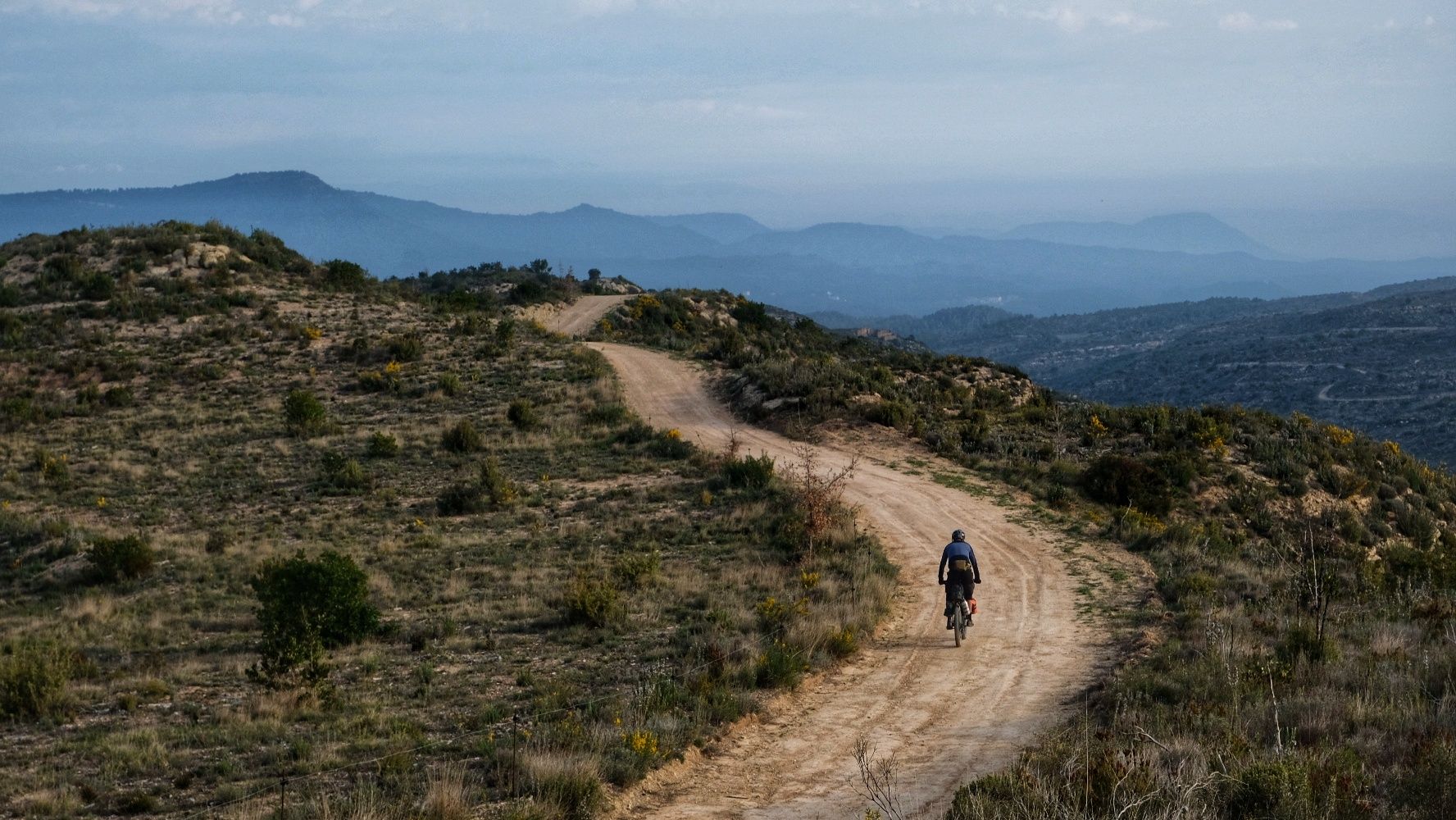
European Divide Trail — 7,600 km across the continent
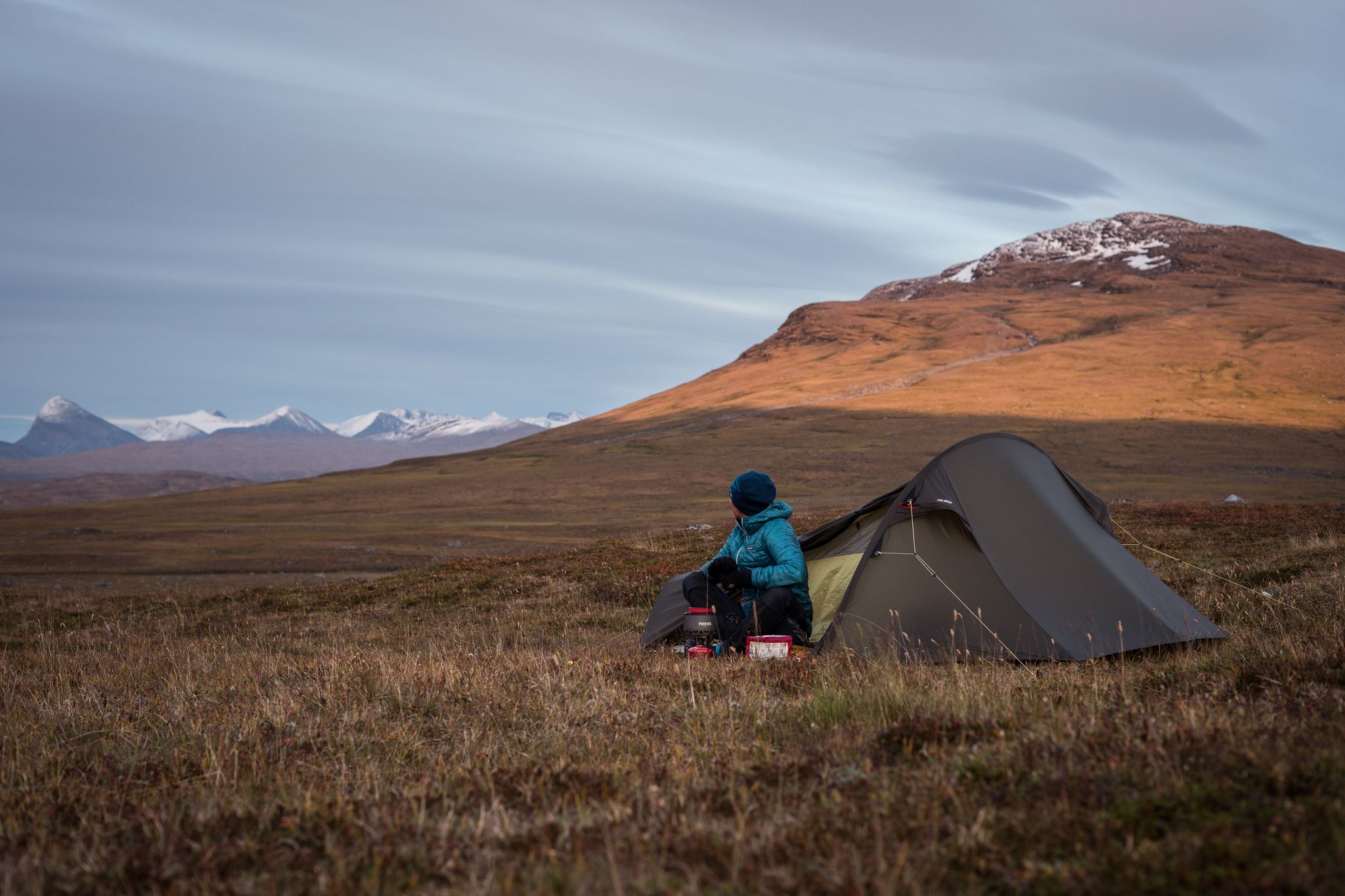
The Nordkalottleden — At the edges of the polar circle
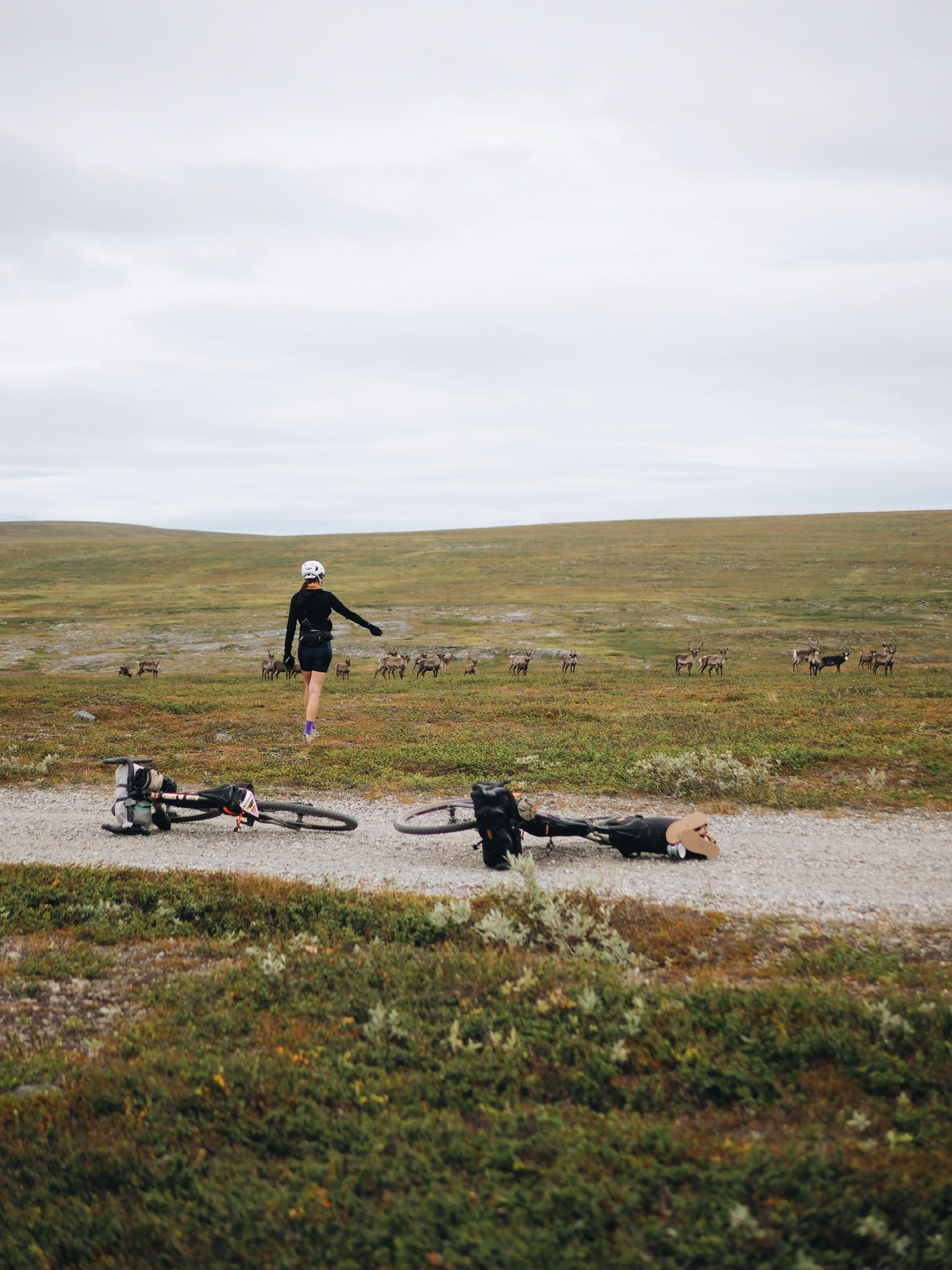
Arctic Post Road
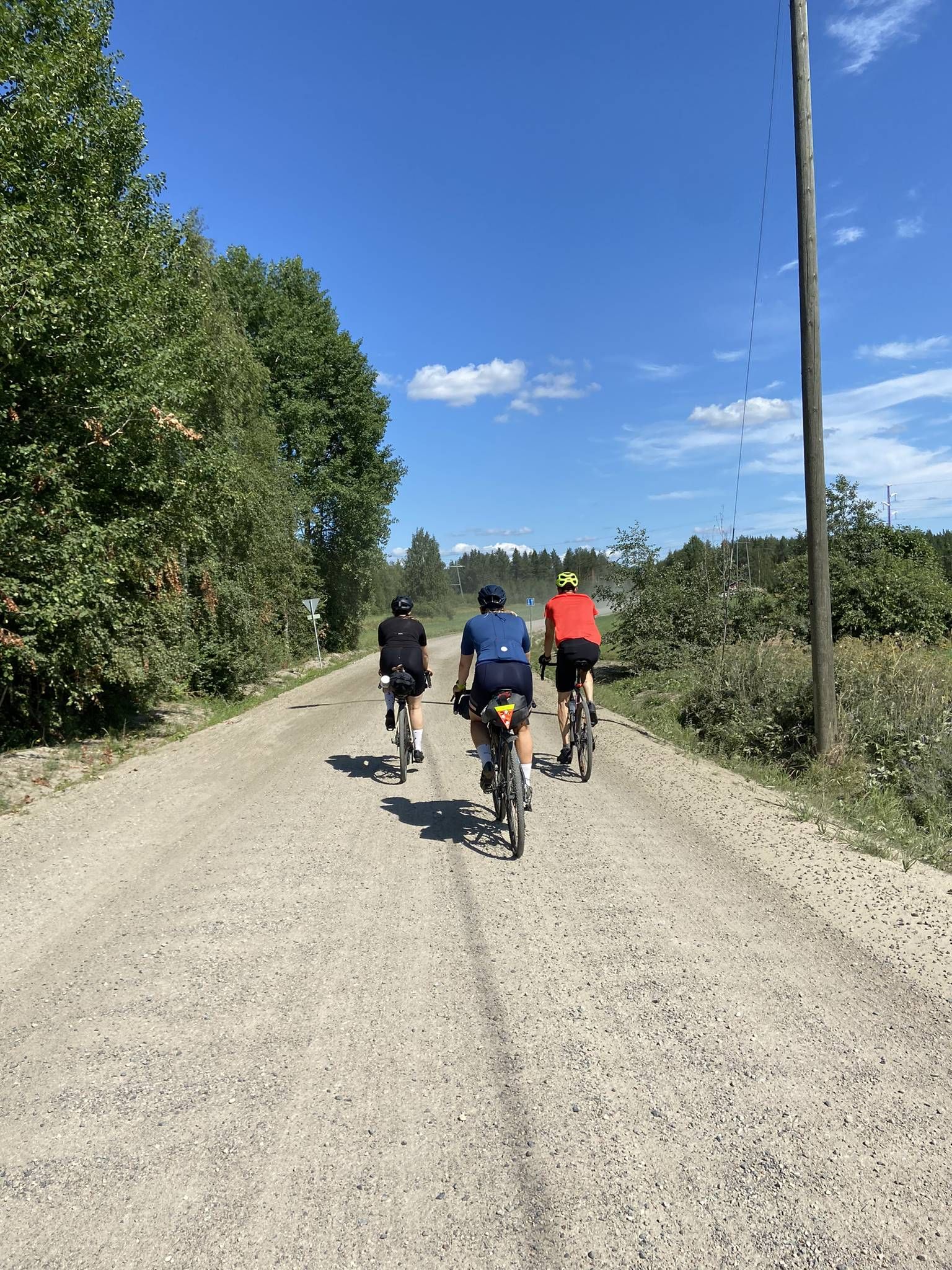
Naples to North Cape — Two friends, one purpose and many scoops of ice-cream
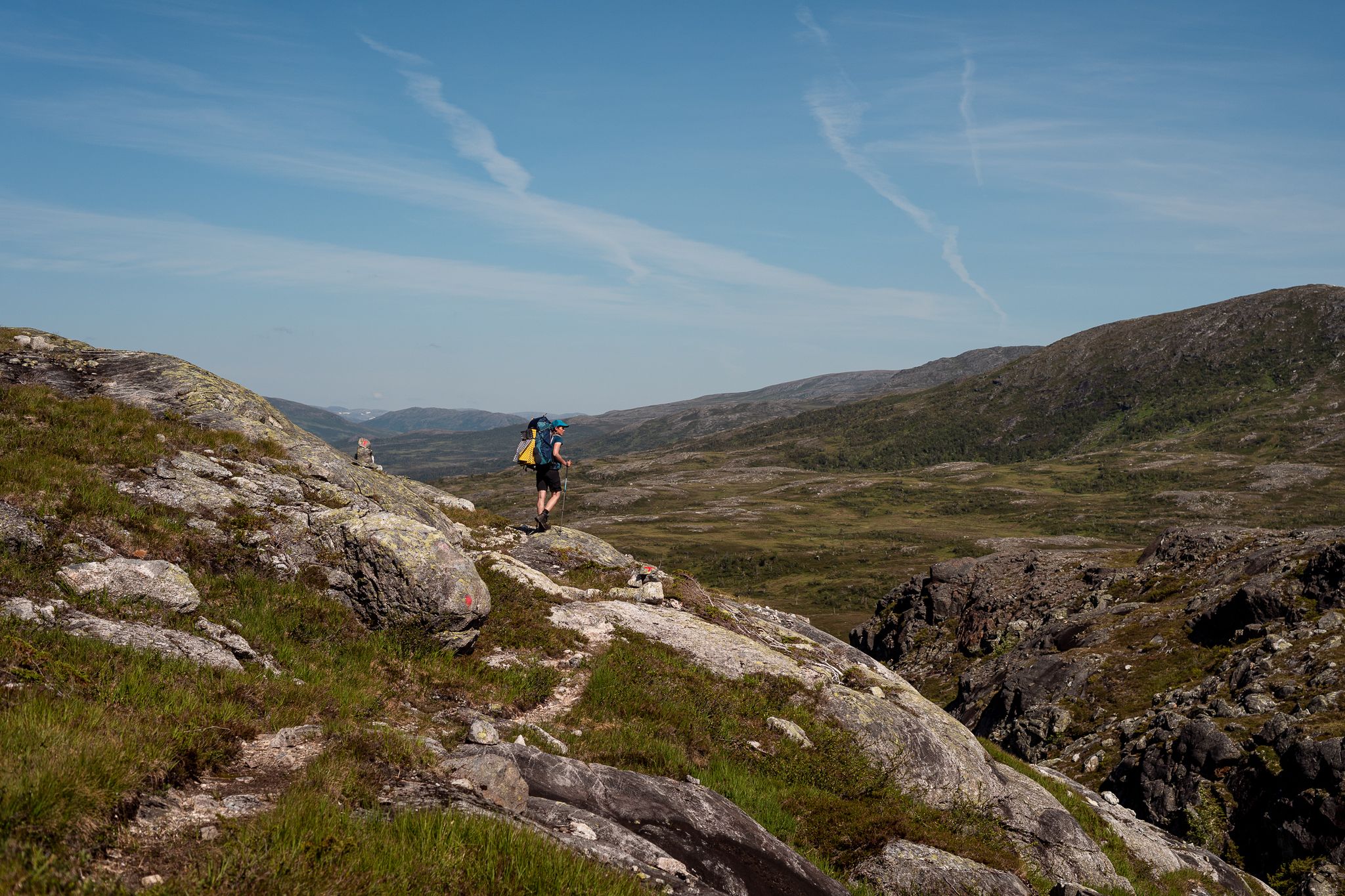
Norge på Langs – The length of spectacular Norway on foot
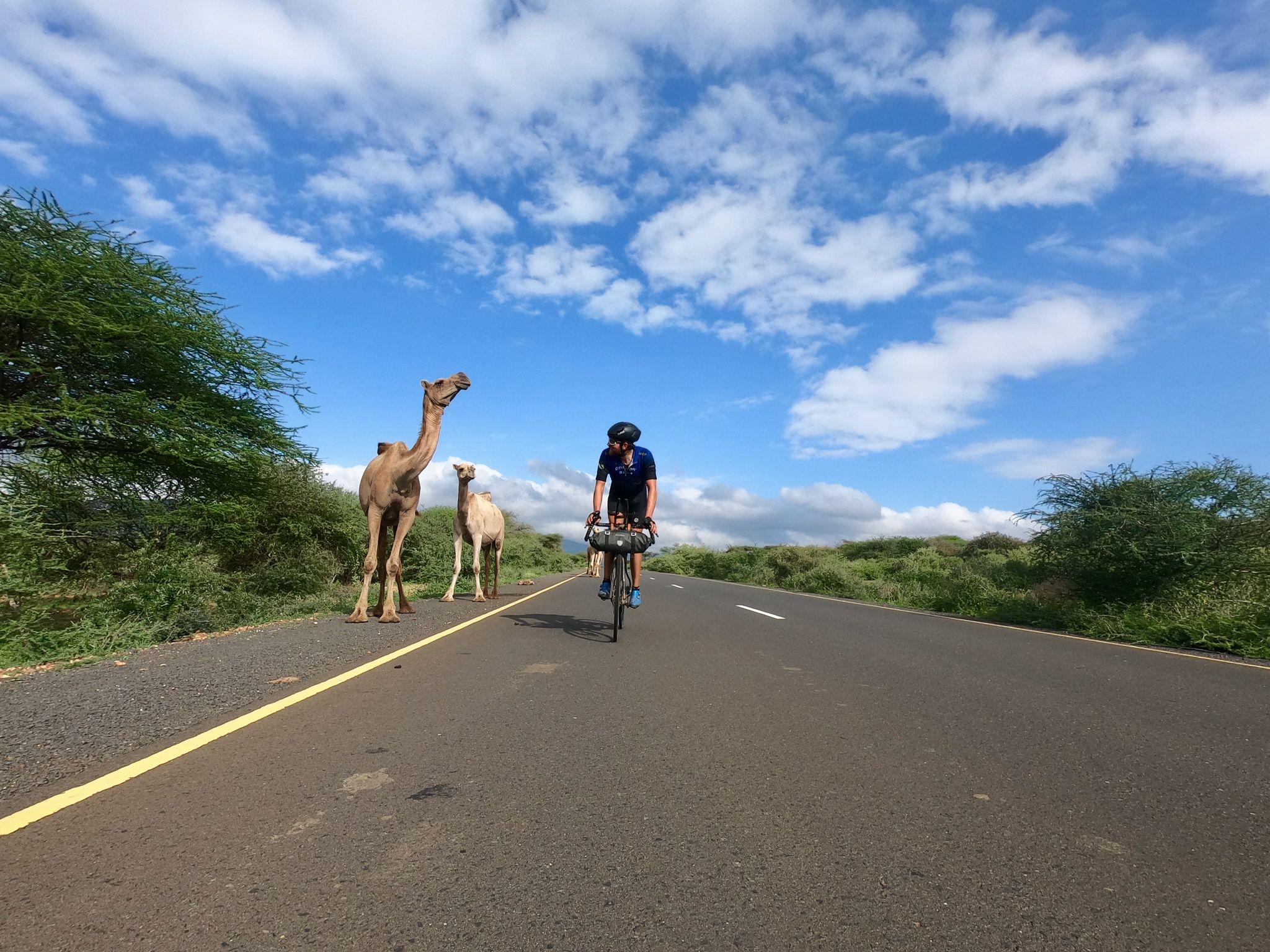
Cape to Cape Challenge – 18,000km in 73 days
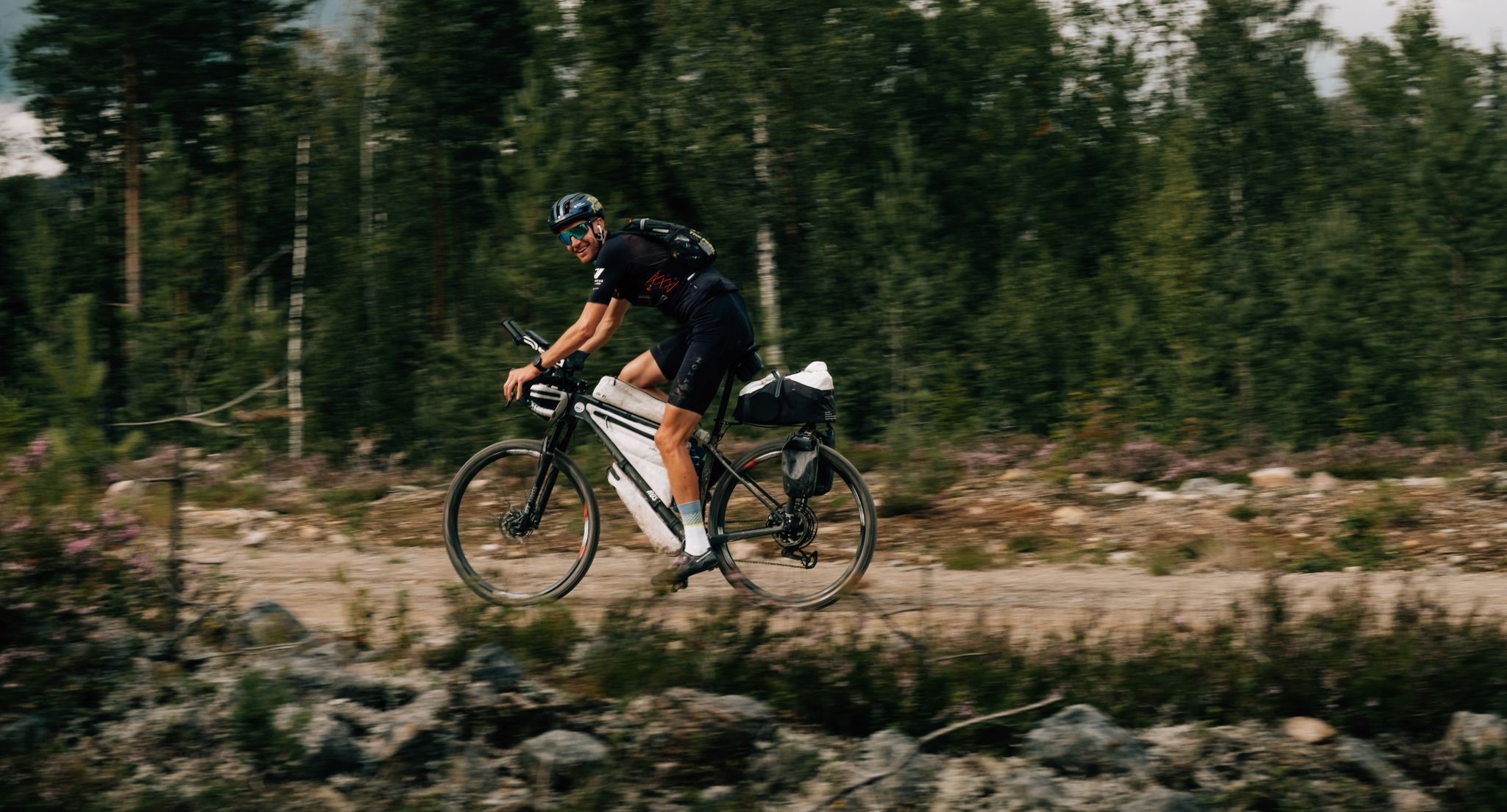
European D̶I̶V̶I̶D̶E̶ Connect Trail Project – a journey across Europe
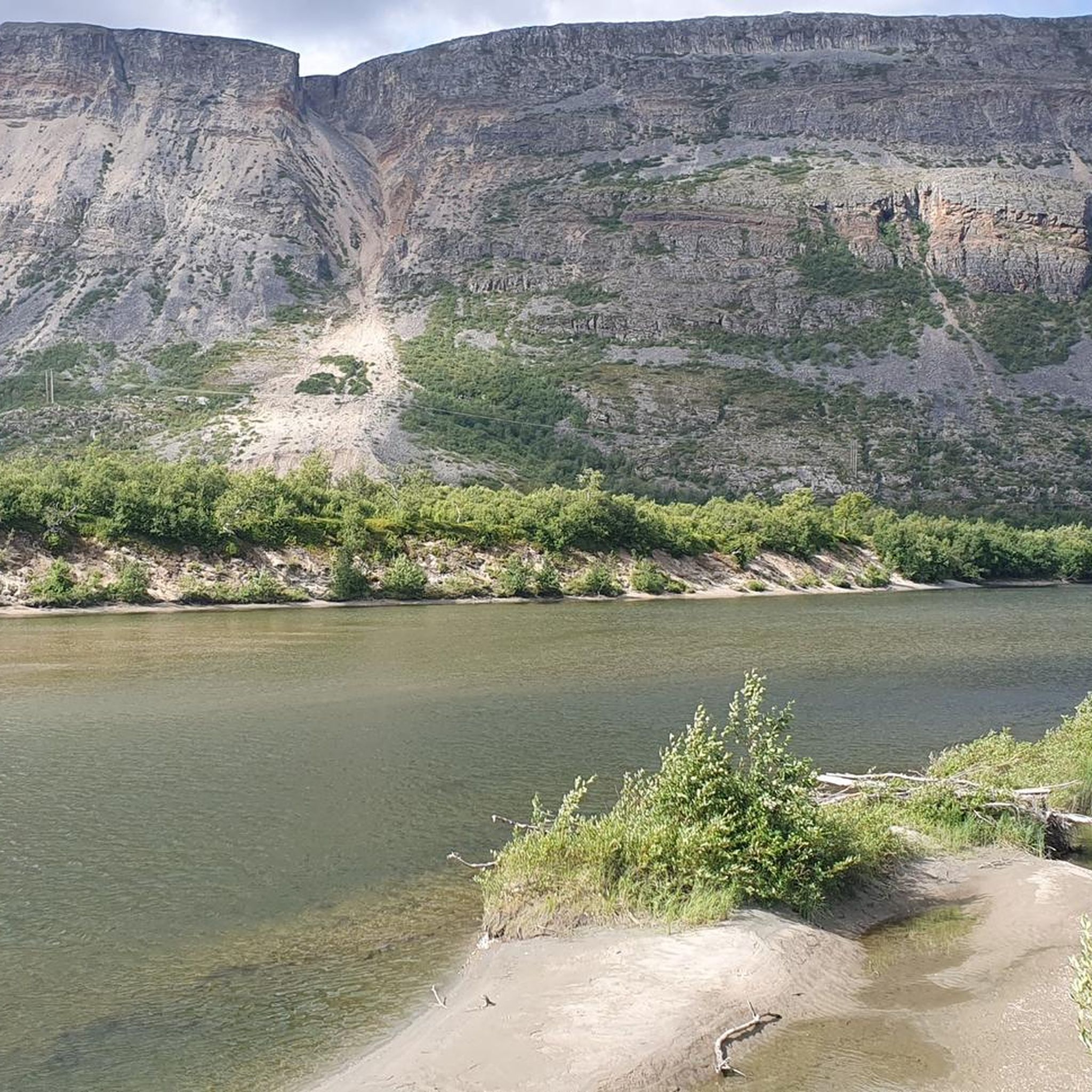
Hiking in Ruija region
Cycling in Ruija region
Road Cycling Routes in Ruija region
Other adventures in Ruija region


Tips from the Community

Mid-August, dry, occasional sunshine, strong wind, 12°C. I actually wanted to go to Alta Canyon, but mistakenly parked down just behind the restaurant. You can drive along the gravel road to the higher parking lot. This saves a long climb. The further path from the upper parking lot to the intersection is about 2 km, then the sign to the canyon is another 3.5 km. Therefore, the distance information is unclear. River crossing: impossible on stones at the water level today. Two planks were washed away, two planks worked. Beautiful landscape, initially with birch trees, then Nordic tundra with blueberry vegetation. Didn't reach the canyon. Still, a very beautiful, impressive hike. Beware of the cold along the way.
0
0

The very brief hike to two different water falls behind the campsite is worthwhile. Getting to the first waterfall was easy but the second one is a steeper hike and was muddy.
0
0

From here it is 5km to the camping and restaurant Fjellstue
0
0

At the foot of the waterfall you will find a small pool where you can cool off. :) Swimming is also possible.
0
0

A great tour even in winter. Rent snowshoes and off you go. The path is well signposted. You don't need to book a group tour. We were completely alone on the wonderful path.
0
1

Hike to a mountain lake above Forsøl along a stream and past a small waterfall. Sure-footedness is necessary for the last third and the hike is therefore only recommended in dry weather.
0
0


Waterfall or rapids, 🤔 Definitely a great nature experience. A short stop that was worth it.
1
0
Frequently Asked Questions
When is the best time to visit the waterfalls in Ruija region?
The most powerful flow for many waterfalls in the Ruija region is typically during May and June, when snowmelt is at its highest. However, if you're interested in autumn colors, Orvvosfossen Waterfall is particularly beautiful in September.
Are there family-friendly waterfalls in the Ruija region?
Yes, several waterfalls are suitable for families. Pikefossen Waterfall is easily accessible, visible from the E45, and allows you to get close to the water. Skoltefossen Waterfall, with its salmon staircase, also offers a great nature experience for all ages.
What kind of natural landscapes can I expect to see around the waterfalls?
The Ruija region offers diverse natural settings. You'll find waterfalls nestled within Europe's northernmost pine forest, like Stabbursfossen Waterfall, or in landscapes featuring birch trees and Nordic tundra, as seen near Waterfall and Stream Crossing. The region's geography includes fjords, forests, and tundra, providing a rugged, arctic backdrop.
What are the typical hiking difficulties for waterfall trails in Ruija region?
Many waterfall trails in the Ruija region are rated as intermediate. For example, the path to Orvvosfossen Waterfall is a root-filled and rocky path through a forest. The hike to Waterfall and Stream Crossing involves varied terrain and can include a long climb, with river crossings potentially requiring careful navigation depending on water levels.
Are there any cultural or historical points of interest near the waterfalls?
Near Skoltefossen Waterfall on the Neidenelv, you can learn about the traditional Käpäla fishing, a unique net fishing method introduced by Finnish immigrants to the area. This offers a glimpse into the region's cultural heritage.
What outdoor activities can I do near the waterfalls in Ruija region?
The Ruija region offers various outdoor activities. You can find extensive cycling routes, including sections of National Cycle Route 1, for touring bicycles. There are also gravel biking trails like the Norwegian Scenic Route Havøysund, and numerous running trails such as the Gammelveien Loop. For more details, explore the Cycling in Ruija region, Gravel biking in Ruija region, and Running Trails in Ruija region guides.
Are there places to park or amenities near the waterfalls?
Some waterfalls, like Pikefossen Waterfall, have parking available directly nearby, allowing easy access. Near Skoltefossen Waterfall, there's a camping and restaurant Fjellstue about 5km away. For Waterfall and Stream Crossing, you can drive along a gravel road to a higher parking lot to shorten the climb, and there's a restaurant nearby.
What do visitors enjoy most about the waterfalls in Ruija region?
Visitors appreciate the unique natural beauty and the less crowded environment. Many enjoy the impressive hikes through varied terrain, the powerful flow of the water, and the stunning views, especially during autumn when colors are vibrant. The opportunity to get close to the water, as at Pikefossen Waterfall, is also a highlight.
Can I see waterfalls directly from the road in Ruija region?
Yes, some waterfalls are visible directly from the road, making them convenient stops. Pikefossen Waterfall, for instance, can be seen from the E45, and there's a turn-off for parking nearby.
Are there any viewpoints to observe the waterfalls from a distance?
Yes, the region offers several viewpoints. View of Čuovvárjohkka Waterfall and View of the Valley and Fjord Near Forsøl provide scenic perspectives of the waterfalls and the surrounding arctic landscape.
What makes Orvvosfossen Waterfall unique?
Orvvosfossen Waterfall is distinct because it falls over a wide, smooth rock, setting it apart from many narrower waterfalls in the region. It's particularly noted for its beauty in September when the surrounding forest displays vibrant autumn colors.
Is it possible to encounter challenges like snowmelt or flooded paths when visiting?
Yes, especially in late spring or early summer. For example, the path to Orvvosfossen Waterfall can be impassable in late May due to ongoing snowmelt, with parts of the path flooded. It's advisable to check local conditions if visiting during this period.
Most popular routes in Ruija region
Most popular attractions in Ruija region

Get inspired with the komoot mobile app


Explore more
Happy to travel a little further afield? Then browse these guides for the best waterfalls in Ruija region:
