The best walks and hikes around gmina gmina Janowo
5.0
(3)
17
hikers
9
hikes
Hiking around gmina gmina Janowo, located in northern Poland, offers diverse natural features for outdoor enthusiasts. The region is characterized by extensive forest coverage, with approximately 9,600 hectares of woodland providing ample trails. The Orzyc River flows through the area, creating varied landscapes, and Jezioro Zawadzkie (Lake Zawady) is a notable 89-hectare lake. Hikers can also encounter natural monuments such as the "Kucak" granite boulder.
Best hiking trails around gmina gmina Janowo
- The most popular hiking route is German Bunker…
Last updated: May 15, 2026
4
hikers
6.32km
01:38
30m
30m
Easy hike. Great for any fitness level. Easily-accessible paths. Suitable for all skill levels.
5.0
(2)
3
hikers
10.6km
02:46
80m
80m
Moderate hike. Good fitness required. Easily-accessible paths. Suitable for all skill levels.

Sign up for free
2
hikers
8.55km
02:10
20m
20m
Moderate hike. Good fitness required. Easily-accessible paths. Suitable for all skill levels.
3
hikers
4.33km
01:07
20m
20m
Easy hike. Great for any fitness level. Easily-accessible paths. Suitable for all skill levels.
4.0
(2)
5
hikers
23.2km
06:01
140m
140m
Hard hike. Very good fitness required. Easily-accessible paths. Suitable for all skill levels.
Get access to more routes and recommendations from other explorers.
Sign up for free
Already have an account?
Our route recommendations are based on thousands of hikes, rides, and runs completed by other people on komoot.
Start today with a free account
Your next adventure awaits.
Login or Signup


Tips from the Community

The construction of the castle began around 1398, the main western wing was completed in 1405, and the remaining works were completed in the spring of 1409[1]. The Teutonic procurator resided there. On July 12, 1410, on his way with his army into the depths of the Teutonic state, the undefended castle was occupied by Polish troops. During the Hunger War in 1414, the castle was besieged by Polish knights and captured on July 6 after an eight-day siege. In 1454, the castle was occupied by the pro-Polish Prussian Confederation and in February 1455, it was handed over to Czech mercenaries led by Jan Kolda of Žampach, who repelled the invasion of the Teutonic troops on April 28[2]. In 1517, the outer bailey was expanded and fortified. In 1784, the outer bailey burned down. In 1812, the castle was devastated by French troops. In the years 1828-1830 the castle was rebuilt into a court and prison. In the winter of 1945, Soviet troops bombarded the castle, which remained a ruin until its reconstruction in 1961-1965.
0
0

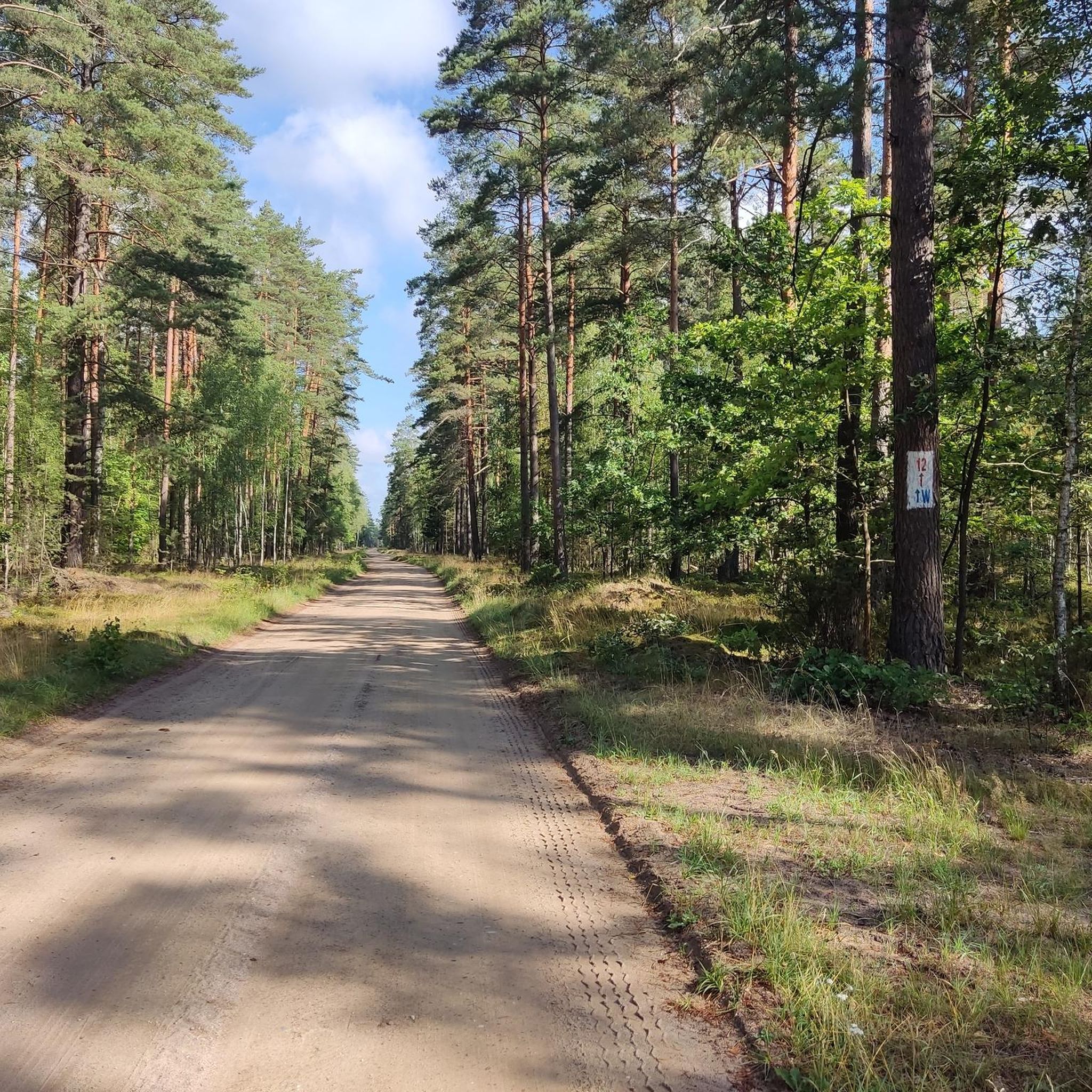
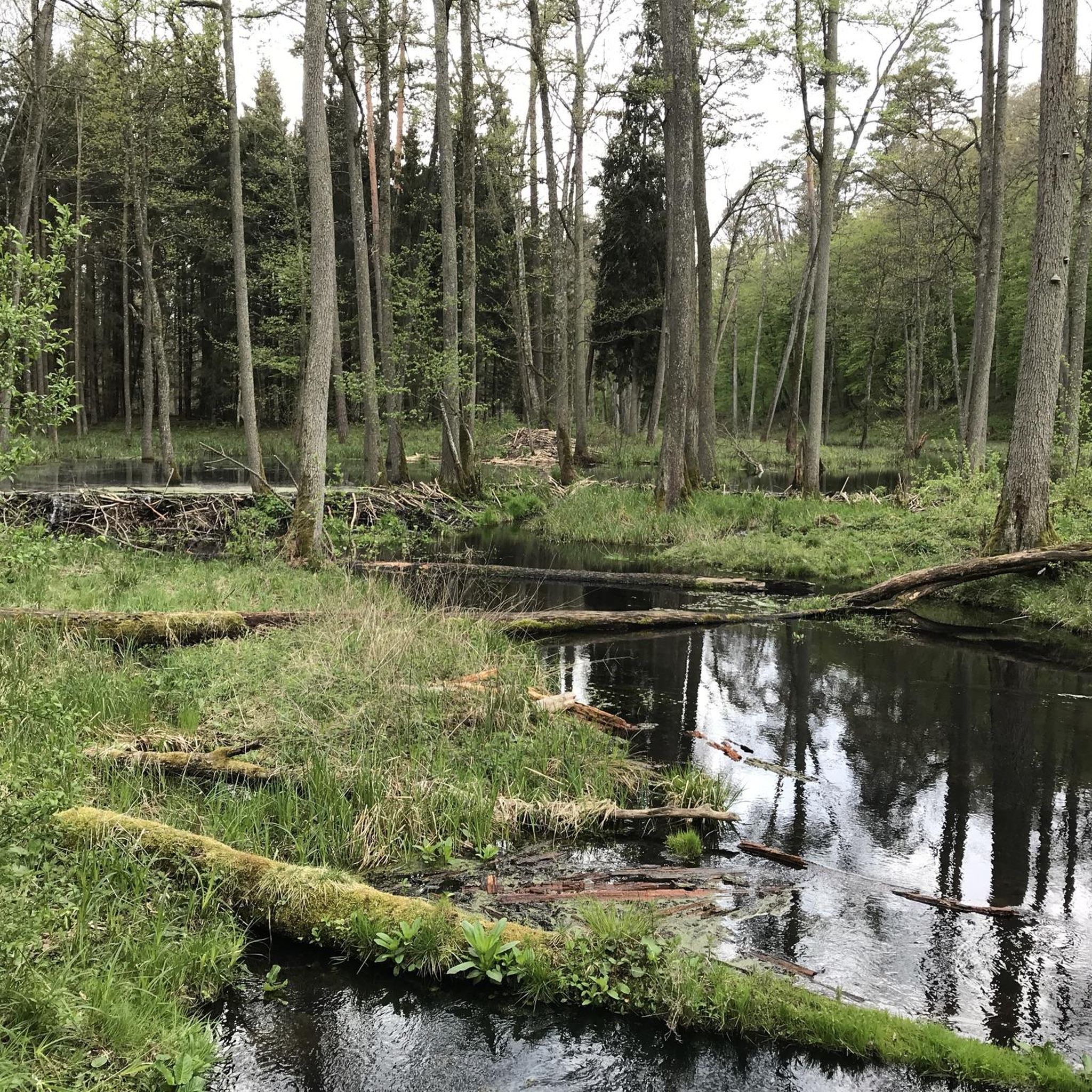
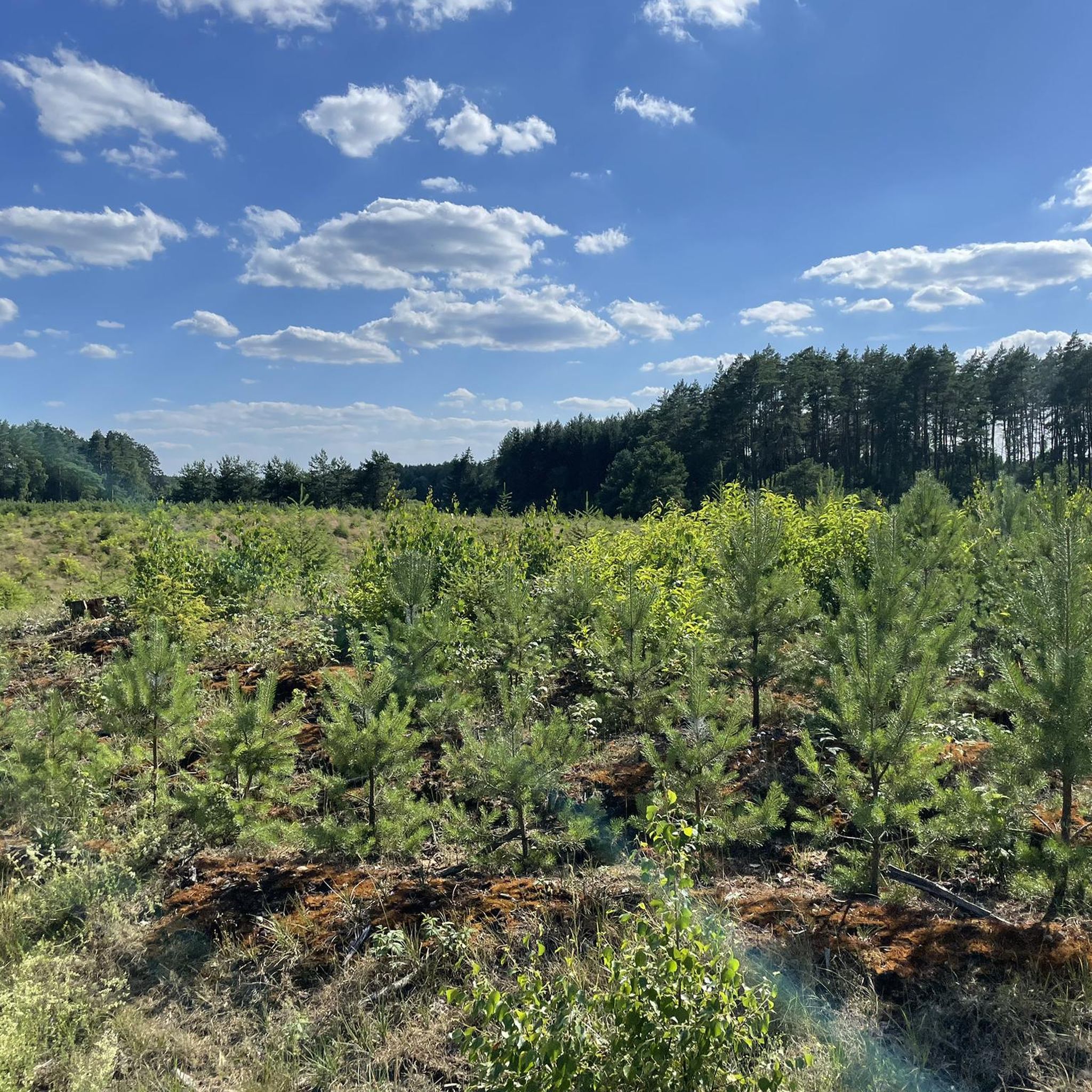
Sorry, but this attraction is like a bad article, where the only thing that is most important and interesting is its title. In this case, it is the name of the attraction that is inadequate to the photos, which do not include the pine tree in the title. Too bad.
1
0
Nidzica Castle – was built at the beginning of the 15th century in the Gothic style as the seat of the Teutonic prosecutor.
0
0
First, some information about visiting, namely it is closed on Mondays. The construction of the castle began around 1370, and in 1409, a Teutonic prosecutor was already residing there. On July 12, 1410, on the way with an army into the depths of the Teutonic state, the undefended castle was occupied by Polish troops. During the Hunger War in 1414, the castle was besieged by Polish knights and captured on July 6 after an eight-day siege. In 1454, the castle was occupied by the pro-Polish Prussian Confederation. In February 1455, it was handed over to Czech mercenaries led by Jan Kolda of Žampach, who repelled the invasion of the Teutonic troops on April 28. In 1517, the castle's outer bailey was expanded and fortified. In 1784, the outer bailey burned down. The castle was damaged most by French soldiers, who were stationed here intermittently in the years 1806–1812. The building, devastated by the Napoleons, was saved from total ruin by the court counselor Ferdynand Tymoteusz Gregorovius, an effective initiator of the reconstruction (1828–1830) of the medieval fortress to serve as a courthouse, private apartments and a prison. However, Gregorovius stipulated that the people of Nidzica should build him a monument. The monument was built only more than seventy years after the castle was rebuilt. The monument is located in the castle park. In 1945, the castle was not so lucky – it was bombed by the Russians and burned down, losing its ceilings and part of the walls. However, the decision was quickly made to rebuild it. In 1949, the building was cleared of rubble, and three years later, the first security works began. The full restoration of the monument, including the conservation of the preserved paintings in the chapel and refectory, began in 1961 and was completed in 1965, after which it was ceremonially handed over to local cultural and social institutions. Currently, the castle serves as the city's center of business, culture and entertainment. It houses: the Museum of the Nidzica Region with an ethnographic and historical exhibition, the Nidzica Cultural Center, the Knights' Brotherhood of the Nidzica Commandery, the Hieronim Surpski Author's Gallery, a sculpture studio and a city library. There is also a hotel and a restaurant here. Admission to the outer bailey and the courtyard of the high castle is free, to the museum it is paid. The complex is surrounded by a dense 19th-century park. https://zamek-nidzica.pl/historia-zamku-2/
3
0


Frequently Asked Questions
How many hiking trails are available in Gmina Janowo?
There are 8 hiking routes recorded in Gmina Janowo on komoot, offering a variety of experiences. These include 7 easy trails, 1 moderate route, and 1 difficult route, catering to different fitness levels.
What kind of landscapes can I expect to see while hiking in Gmina Janowo?
Gmina Janowo is characterized by extensive woodlands, with nearly 10,000 hectares of forest providing lush, green environments. You'll also encounter varied landscapes along the Orzyc River valley and the shores of Jezioro Zawadzkie (Lake Zawady), known for its high water quality.
Are there any easy, short hikes suitable for beginners or families?
Yes, Gmina Janowo offers several easy routes. A good option is the State Archive in Olsztyn – Former Brewery loop from Nidzica, which is about 3.9 km long. Another easy choice is the Wooden Shelter in the Forest – German Bunker loop from Rezerwat Koniuszanka II, spanning approximately 2.4 km.
What are some longer or more challenging hiking options in the area?
For a more challenging experience, consider the German Bunker – Road Along Lake Wilna loop from Wikno. This route is approximately 21.7 km long and is rated as difficult, offering a substantial trek through varied terrain including sections along Lake Wilna.
Are there any circular hiking routes in Gmina Janowo?
Yes, many of the trails in Gmina Janowo are designed as loops. For example, the German Bunker loop from Rezerwat Koniuszanka II is a moderate 10.5 km circular path through forested areas. Another popular loop is the Hiking loop from Nidzica, which covers 8.5 km through rural landscapes.
What historical or natural attractions can I see near the hiking trails?
While hiking, you can explore several points of interest. The gmina seat, Janowo, has historical significance with its urban complex recognized as a cultural heritage site and the historic Church of St. Roch. You can also visit the regional natural monument known as "Kucak," a large rapakiwi granite boulder. Nearby attractions include Nidzica Castle and the Małga Church Tower Ruins.
Are there any rivers or lakes to explore while hiking?
Absolutely. The Orzyc River flows through Gmina Janowo, offering scenic views along its valley. Additionally, Jezioro Zawadzkie (Lake Zawady) is an 89-hectare lake with high water quality, perfect for enjoying the natural surroundings. The Omulew River and the Łyna River Source are also notable natural features in the broader region.
What do other hikers say about the trails in Gmina Janowo?
The hiking routes in Gmina Janowo are highly regarded by the komoot community, holding an average rating of 5.0 stars from over 5 reviews. Hikers often praise the extensive woodlands and varied terrain, making for enjoyable outdoor experiences.
Is Gmina Janowo a good destination for nature lovers?
Yes, Gmina Janowo is an excellent destination for nature lovers. With approximately 9,600 hectares of forest, the area provides ample opportunities to immerse yourself in nature, enjoy fresh air, and observe the diverse forest undergrowth. The presence of the Orzyc River and Jezioro Zawadzkie further enhances its natural appeal.
Are there any archaeological or historical sites to visit?
Beyond the historical town of Janowo itself, you can find the Łysa Góra Archaeological Site in the vicinity. The village of Jagarzewo also features a brick roadside chapel from the second half of the 19th century, adding to the historical points of interest.
What is the best time of year to go hiking in Gmina Janowo?
Given its extensive forest coverage and lakes, Gmina Janowo is particularly pleasant for hiking during the spring, summer, and autumn months. Spring brings fresh greenery, summer offers warm weather for lakeside activities, and autumn provides beautiful foliage. Winter hiking is also possible, though conditions may vary.
Most popular routes around gmina gmina Janowo
Most popular attractions around gmina gmina Janowo

Get inspired with the komoot mobile app


Explore more
Browse the best Hikes in other regions.
