The best road cycling routes around gmina gmina Janowo
5.0
(2)
68
riders
12
rides
Road cycling around gmina gmina Janowo presents routes through a landscape characterized by its location within the Vistula basin, featuring the Orzyc River and Jezioro Zawadzkie lake. The terrain includes varied topography with flatlands along the river and gently rolling hills through forested areas. This rural administrative district offers quiet roads, making it suitable for road cycling. The region's natural features include extensive forests and clean waters.
Best road cycling routes around gmina gmina Janowo
- The most popular road cycling…
Last updated: May 18, 2026
5.0
(1)
27
riders
85.3km
03:25
360m
360m
Moderate road ride. Good fitness required. Mostly well-paved surfaces and easy to ride.
5.0
(1)
10
riders
42.0km
01:48
150m
150m
Easy road ride. Great for any fitness level. Mostly well-paved surfaces and easy to ride.

Sign up for free
5.0
(1)
6
riders
42.7km
01:53
150m
150m
Easy road ride. Great for any fitness level. Mostly well-paved surfaces and easy to ride.
3
riders
70.7km
02:45
230m
230m
Moderate road ride. Good fitness required. Mostly well-paved surfaces and easy to ride.
4
riders
93.4km
03:40
300m
300m
Moderate road ride. Good fitness required. Mostly well-paved surfaces and easy to ride.
Get access to more routes and recommendations from other explorers.
Sign up for free
Already have an account?
Our route recommendations are based on thousands of hikes, rides, and runs completed by other people on komoot.
Start today with a free account
Your next adventure awaits.
Login or Signup
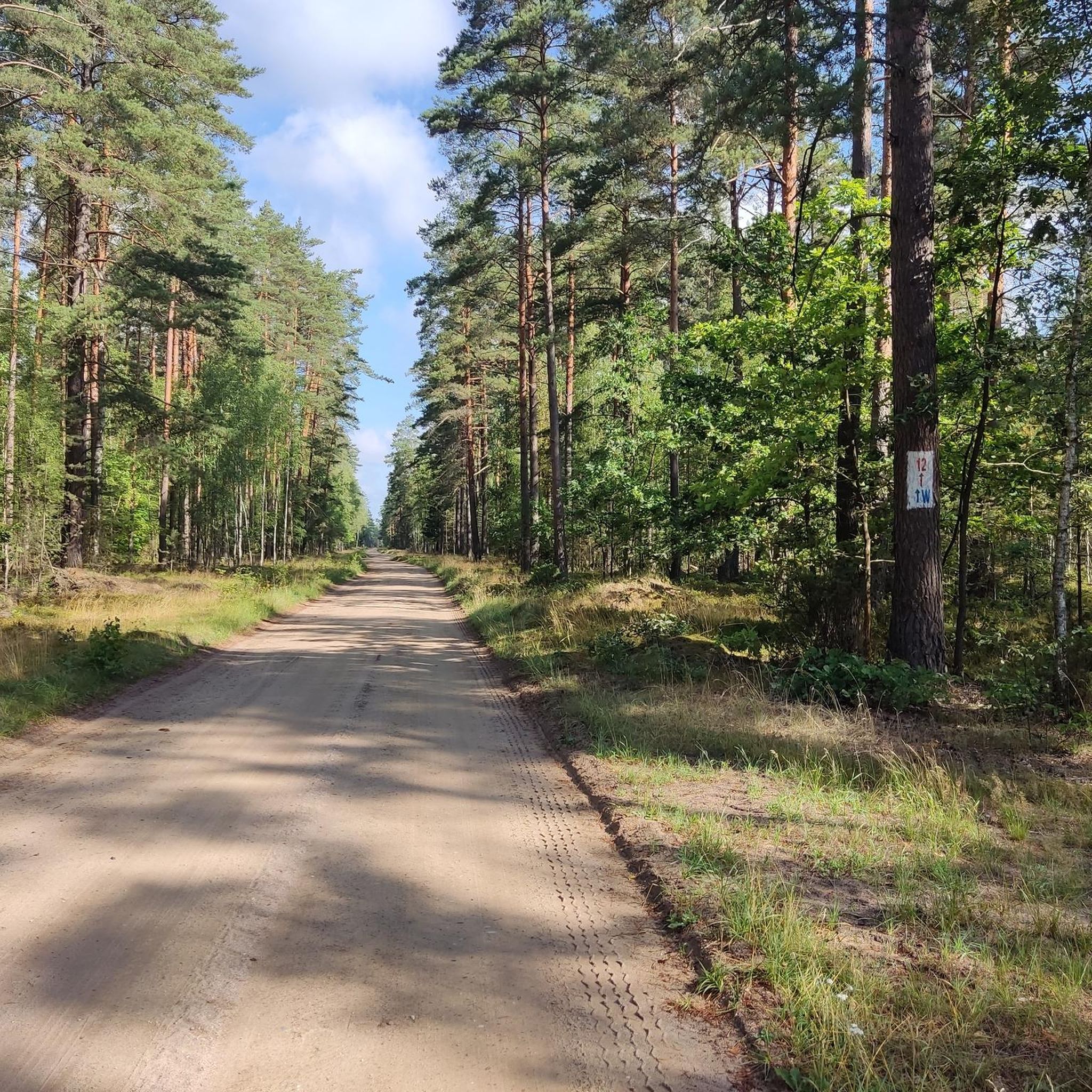
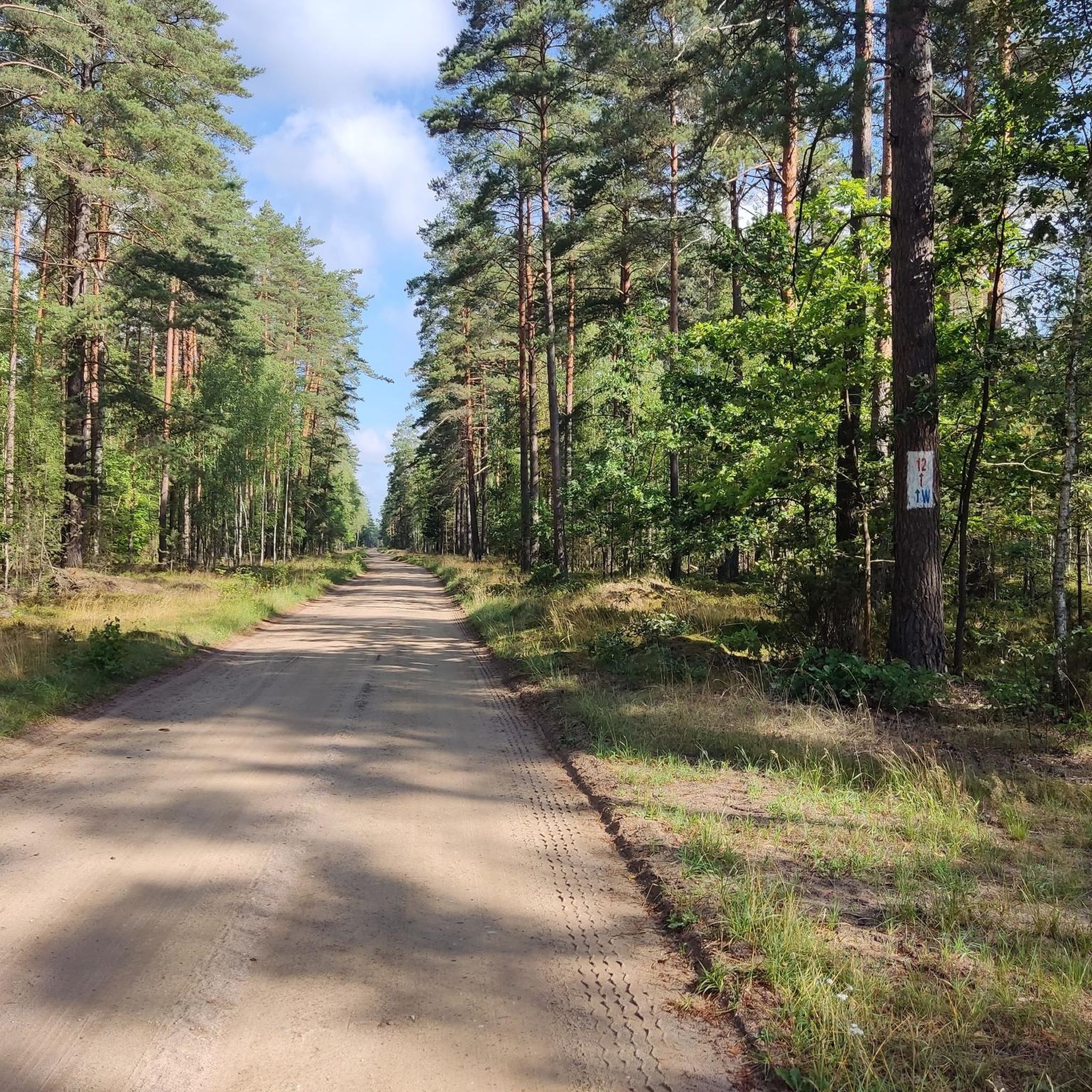
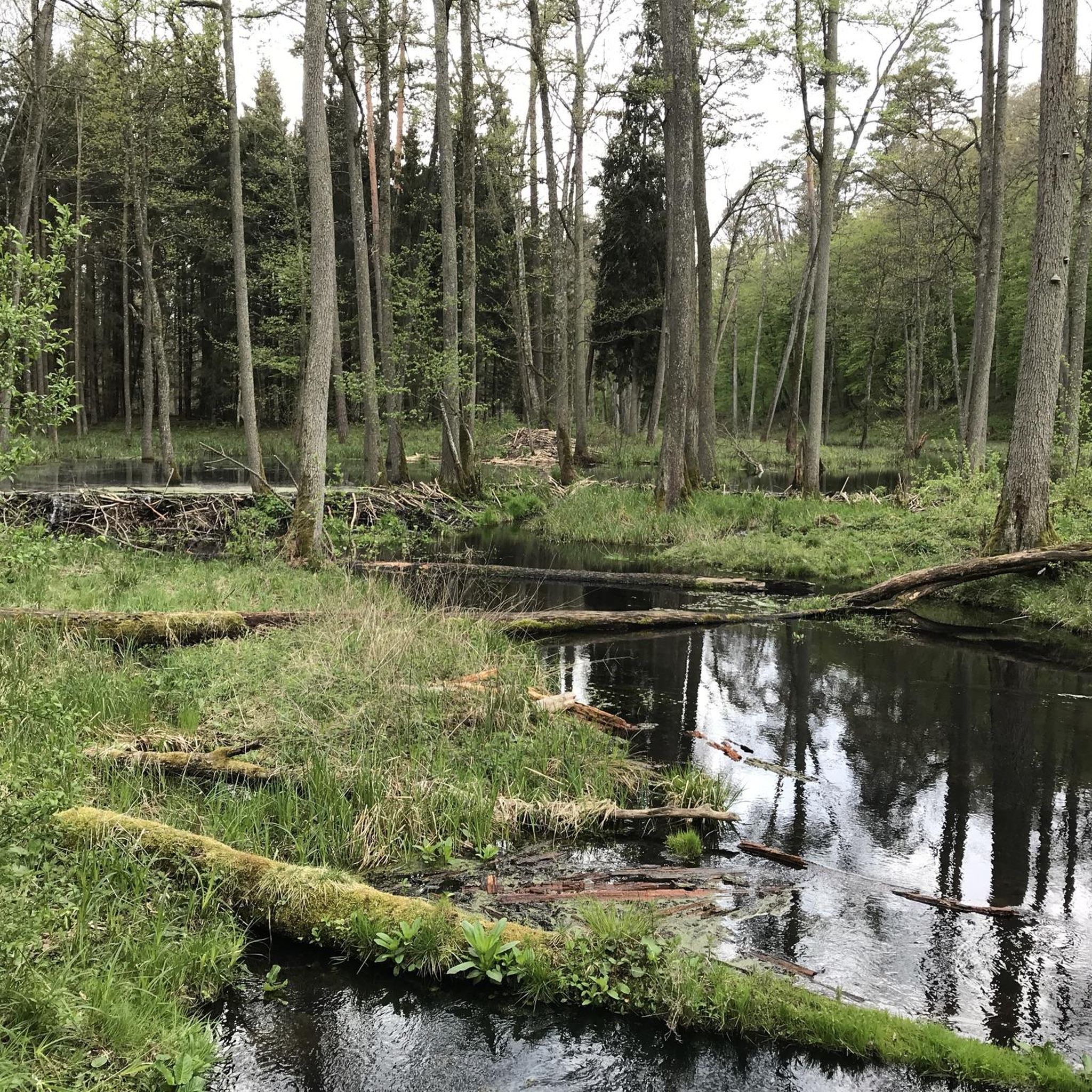
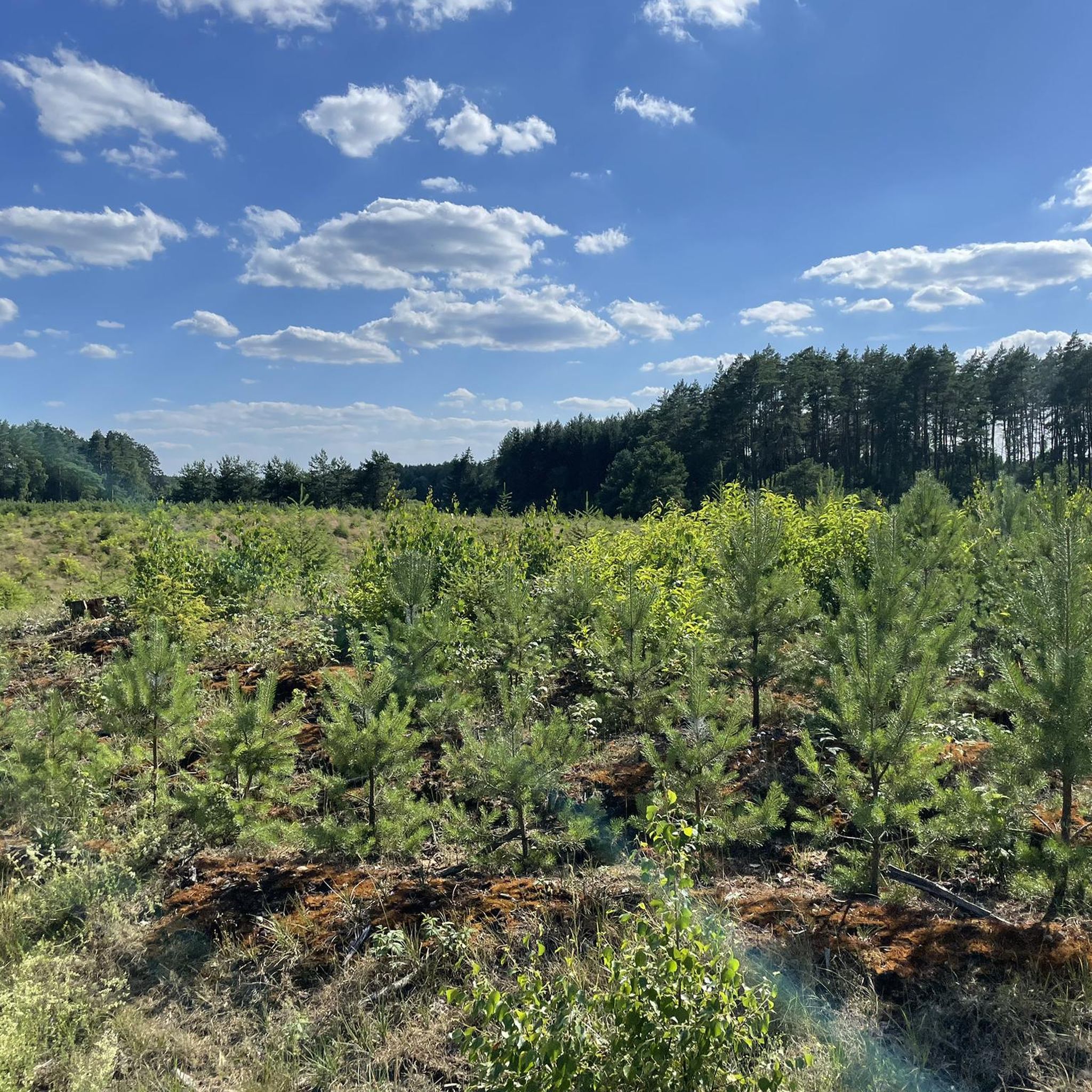

Tips from the Community


The construction of the castle began around 1398, the main western wing was completed in 1405, and the remaining works were completed in the spring of 1409[1]. The Teutonic procurator resided there. On July 12, 1410, on his way with his army into the depths of the Teutonic state, the undefended castle was occupied by Polish troops. During the Hunger War in 1414, the castle was besieged by Polish knights and captured on July 6 after an eight-day siege. In 1454, the castle was occupied by the pro-Polish Prussian Confederation and in February 1455, it was handed over to Czech mercenaries led by Jan Kolda of Žampach, who repelled the invasion of the Teutonic troops on April 28[2]. In 1517, the outer bailey was expanded and fortified. In 1784, the outer bailey burned down. In 1812, the castle was devastated by French troops. In the years 1828-1830 the castle was rebuilt into a court and prison. In the winter of 1945, Soviet troops bombarded the castle, which remained a ruin until its reconstruction in 1961-1965.
0
0
Wikno Olsztynecka Position. A unique facility, designed for 2 positions for heavy machine guns (built according to the standard Regelbau B1-6 plan), and an added casemate for a 3.7 cm AAA anti-tank field gun.
0
0
Nidzica Castle – was built at the beginning of the 15th century in the Gothic style as the seat of the Teutonic prosecutor.
0
0

Ruins of a Teutonic castle, a cool place, on the upper level old walls with the layout of the rooms and the poet Jurand :), in the basement there is an exhibition.
0
0

First, some information about visiting, namely it is closed on Mondays. The construction of the castle began around 1370, and in 1409, a Teutonic prosecutor was already residing there. On July 12, 1410, on the way with an army into the depths of the Teutonic state, the undefended castle was occupied by Polish troops. During the Hunger War in 1414, the castle was besieged by Polish knights and captured on July 6 after an eight-day siege. In 1454, the castle was occupied by the pro-Polish Prussian Confederation. In February 1455, it was handed over to Czech mercenaries led by Jan Kolda of Žampach, who repelled the invasion of the Teutonic troops on April 28. In 1517, the castle's outer bailey was expanded and fortified. In 1784, the outer bailey burned down. The castle was damaged most by French soldiers, who were stationed here intermittently in the years 1806–1812. The building, devastated by the Napoleons, was saved from total ruin by the court counselor Ferdynand Tymoteusz Gregorovius, an effective initiator of the reconstruction (1828–1830) of the medieval fortress to serve as a courthouse, private apartments and a prison. However, Gregorovius stipulated that the people of Nidzica should build him a monument. The monument was built only more than seventy years after the castle was rebuilt. The monument is located in the castle park. In 1945, the castle was not so lucky – it was bombed by the Russians and burned down, losing its ceilings and part of the walls. However, the decision was quickly made to rebuild it. In 1949, the building was cleared of rubble, and three years later, the first security works began. The full restoration of the monument, including the conservation of the preserved paintings in the chapel and refectory, began in 1961 and was completed in 1965, after which it was ceremonially handed over to local cultural and social institutions. Currently, the castle serves as the city's center of business, culture and entertainment. It houses: the Museum of the Nidzica Region with an ethnographic and historical exhibition, the Nidzica Cultural Center, the Knights' Brotherhood of the Nidzica Commandery, the Hieronim Surpski Author's Gallery, a sculpture studio and a city library. There is also a hotel and a restaurant here. Admission to the outer bailey and the courtyard of the high castle is free, to the museum it is paid. The complex is surrounded by a dense 19th-century park. https://zamek-nidzica.pl/historia-zamku-2/
3
0

The town hall in Szczytno was built in 1936-1937 according to the design of Kurt Frick, an architect from Królewiec. It serves as the seat of the municipal authorities and the Masurian Museum in Szczytno.
0
0

The ruins of the Ortelsburg are worth a detour.
0
0
Frequently Asked Questions
What kind of terrain can I expect when road cycling in Gmina Janowo?
Gmina Janowo offers a diverse landscape for road cycling. You'll find routes traversing flatlands, particularly along the Orzyc River, as well as gently rolling hills through forested areas. The region is characterized by its location within the Vistula basin, featuring rivers like the Orzyc and Łyna, and lakes such as Jezioro Zawadzkie, providing varied and scenic backdrops for your rides.
Are there many road cycling routes available in Gmina Janowo?
Yes, Gmina Janowo offers a good selection for road cyclists. There are over 10 road cycling routes available, catering to various skill levels. You'll find a mix of easy and moderate paths to explore the region's natural beauty.
What are some of the natural highlights I can see while cycling in Gmina Janowo?
The region is rich in natural beauty. You can cycle past the clean waters of Jezioro Zawadzkie, explore extensive forests known for mushrooms and berries, and encounter significant natural monuments like the 'Kucak' boulder near Janowo or the ancient oak trees in Komorowo. The Omulew River and Łyna River Source are also prominent natural features.
Are there any historical or cultural landmarks along the road cycling routes?
Absolutely. Gmina Janowo is home to several historical and cultural sites. You might pass by the Nidzica Castle, the Janowo Urban Complex (a cultural heritage site), a 19th-century noble manor in Komorowo, or a wooden windmill from the same period. Other points of interest include the Church of St. Roch and the Małga Church Tower Ruins.
What is a good route for an easy road cycling experience in the area?
For an easy ride with scenic views, consider the Stare Dęby Avenue – View of the Łyna River loop from Nidzica. This path is approximately 39.2 km long and offers pleasant views of the Łyna River, making it suitable for a relaxed cycling outing.
Are there any longer, more challenging road cycling routes in Gmina Janowo?
Yes, for those seeking a longer and more moderate challenge, the Nidzica Castle – New Asphalt loop from Grabówko is an excellent option. This route covers about 93.4 km and includes varied terrain, offering a rewarding experience for more experienced road cyclists.
What do other road cyclists say about the routes in Gmina Janowo?
The road cycling routes in Gmina Janowo are highly regarded by the komoot community, holding an average score of 5.0 stars. Cyclists often praise the quiet roads and the diverse natural scenery, from river valleys to forests and lakes, which contribute to a peaceful and engaging riding experience.
Is Gmina Janowo suitable for family-friendly road cycling?
Yes, the region offers several easy routes that are well-suited for families. The less urbanized nature of Gmina Janowo means quieter roads with less traffic, which is ideal for a safer and more enjoyable family cycling experience. Routes like the Jezioro Wólka loop from Nidzica are good examples of accessible paths.
What is the best time of year for road cycling in Gmina Janowo?
The best time for road cycling in Gmina Janowo is typically during the warmer months, from spring through early autumn. This period offers pleasant weather conditions for enjoying the region's natural landscapes, including its forests and lakes. The varied topography is enjoyable when conditions are dry.
Are there any archaeological sites to visit near the cycling routes?
Yes, the Łysa Góra Archaeological Site is an intriguing point of interest. This oblong hill is significant for containing some of the first traces of human presence in the wider Chorzele region. It's worth noting that this site may be prone to flooding in certain seasons, so checking local conditions is advisable.
Are the roads in Gmina Janowo generally quiet for cycling?
Yes, Gmina Janowo is a rural administrative district with a low population density. This means you can generally expect quieter roads with less traffic compared to more urbanized areas, making it a highly desirable destination for road cyclists seeking peaceful and undisturbed rides.
Most popular routes around gmina gmina Janowo
Most popular attractions around gmina gmina Janowo

Get inspired with the komoot mobile app


Explore more
Browse the best Road cycling routes in other regions.
