Attractions and Places To See in Whitemud Creek Ravine - Top 7
Best attractions and places to see in Whitemud Creek Ravine include a diverse array of natural features and points of interest within a significant natural corridor in southwest Edmonton. The ravine is characterized by its winding creek, dense forests, steep clay banks, and white sandstone outcrops, offering a rugged atmosphere within an urban setting. It encompasses vital wetlands and old-growth forests, providing a habitat for diverse flora and fauna. The area also holds historical significance, with remnants of past human…
Last updated: August 24, 2026
Terwillegar Powerline Trail
Highlight • Trail
Tip by

Whitemud Creek Bridge
Highlight • Bridge
Tip by
Sign up now to discover places like this
Get recommendations on the best single tracks, peaks, & plenty of other exciting outdoor places.
Sign up for free
Whitemud Creek Ravine
Highlight • Gorge
Tip by

Chickadee and Nuthatch Feeding Spot
Highlight • Natural
Tip by
MacTaggart Sanctuary Path
Highlight (Segment) • Trail
Tip by
Sign up for free to discover even more attractions in Whitemud Creek Ravine.
Sign up for free
Already have an account?
Start today with a free account
Your next adventure awaits.
Login or Signup
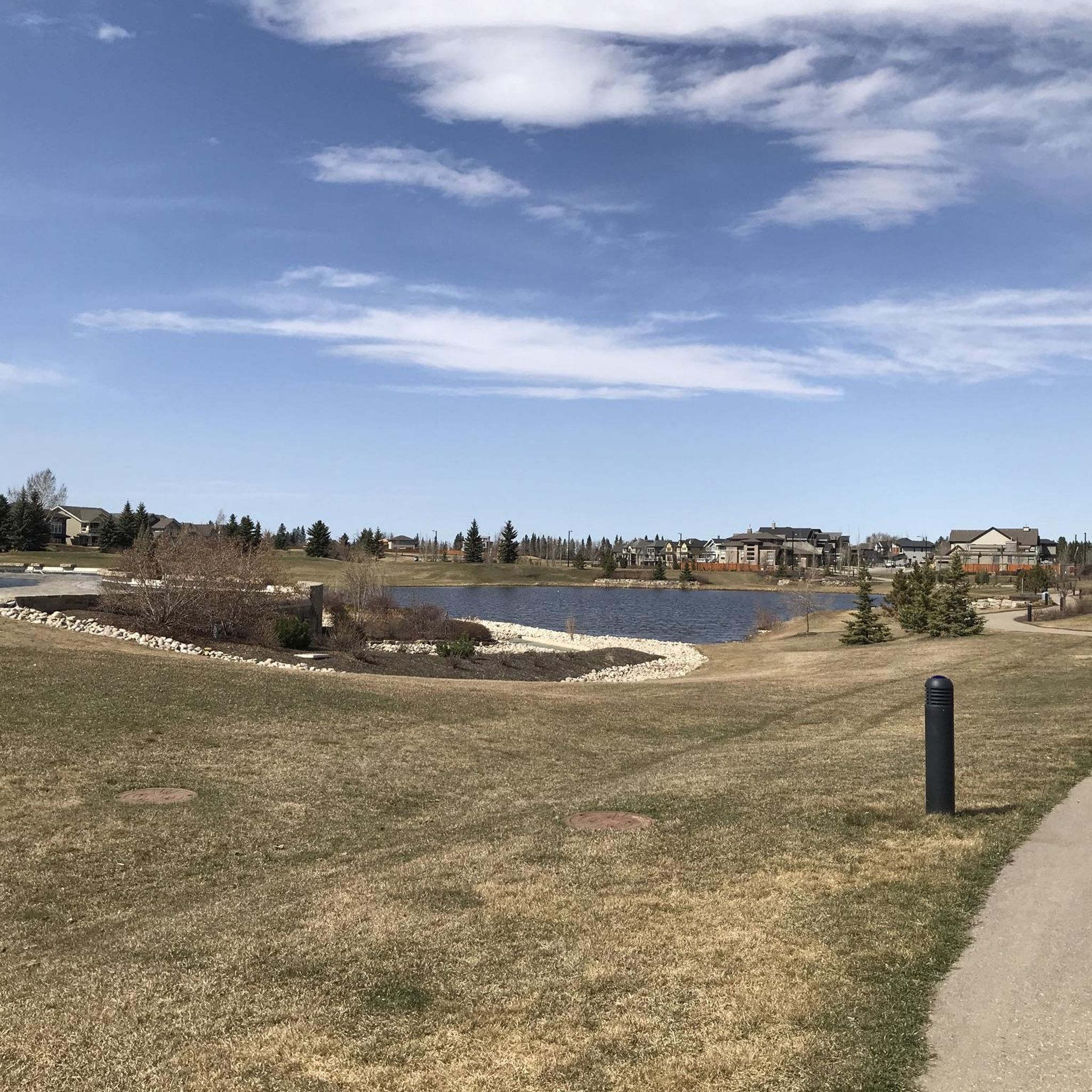
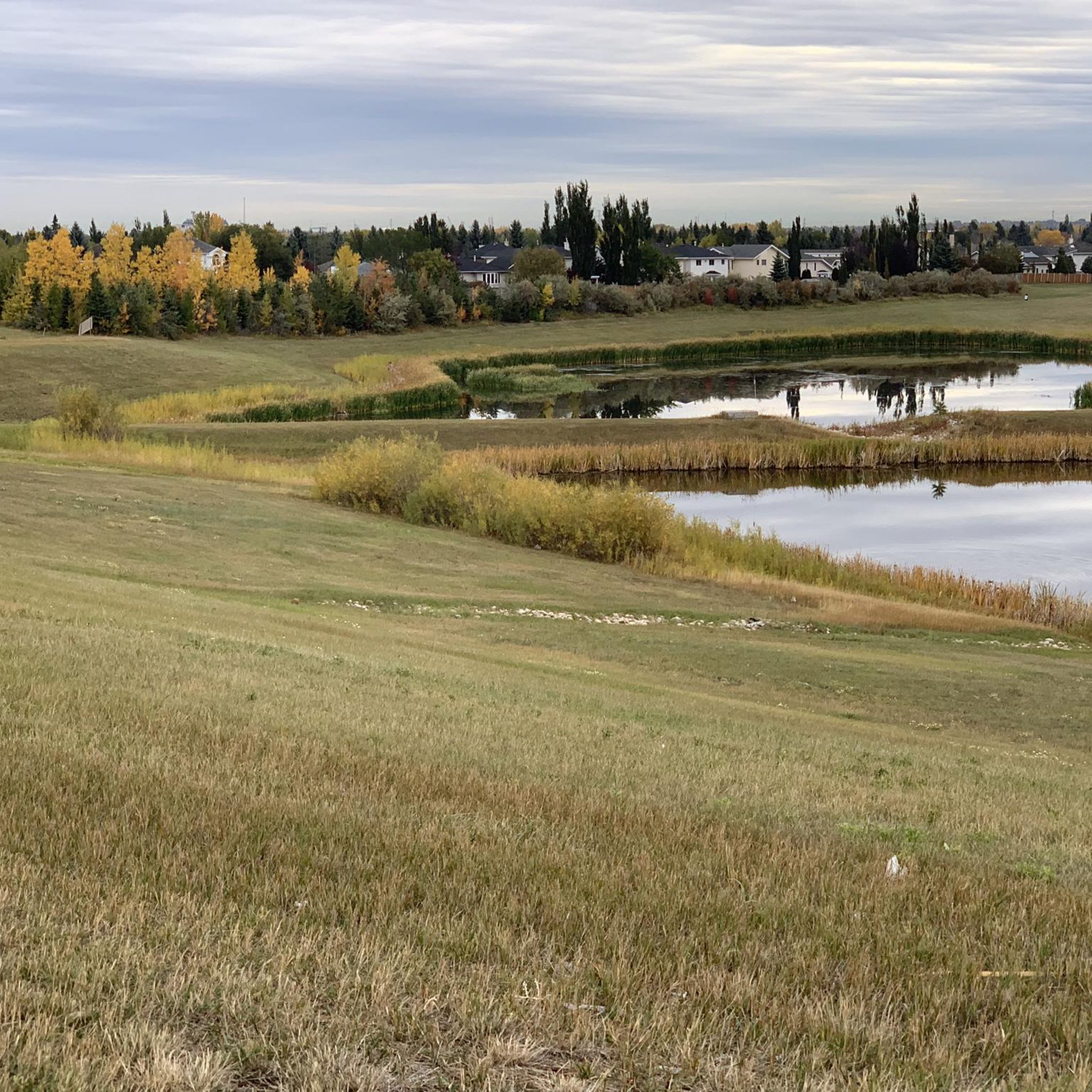
Tips from the Community

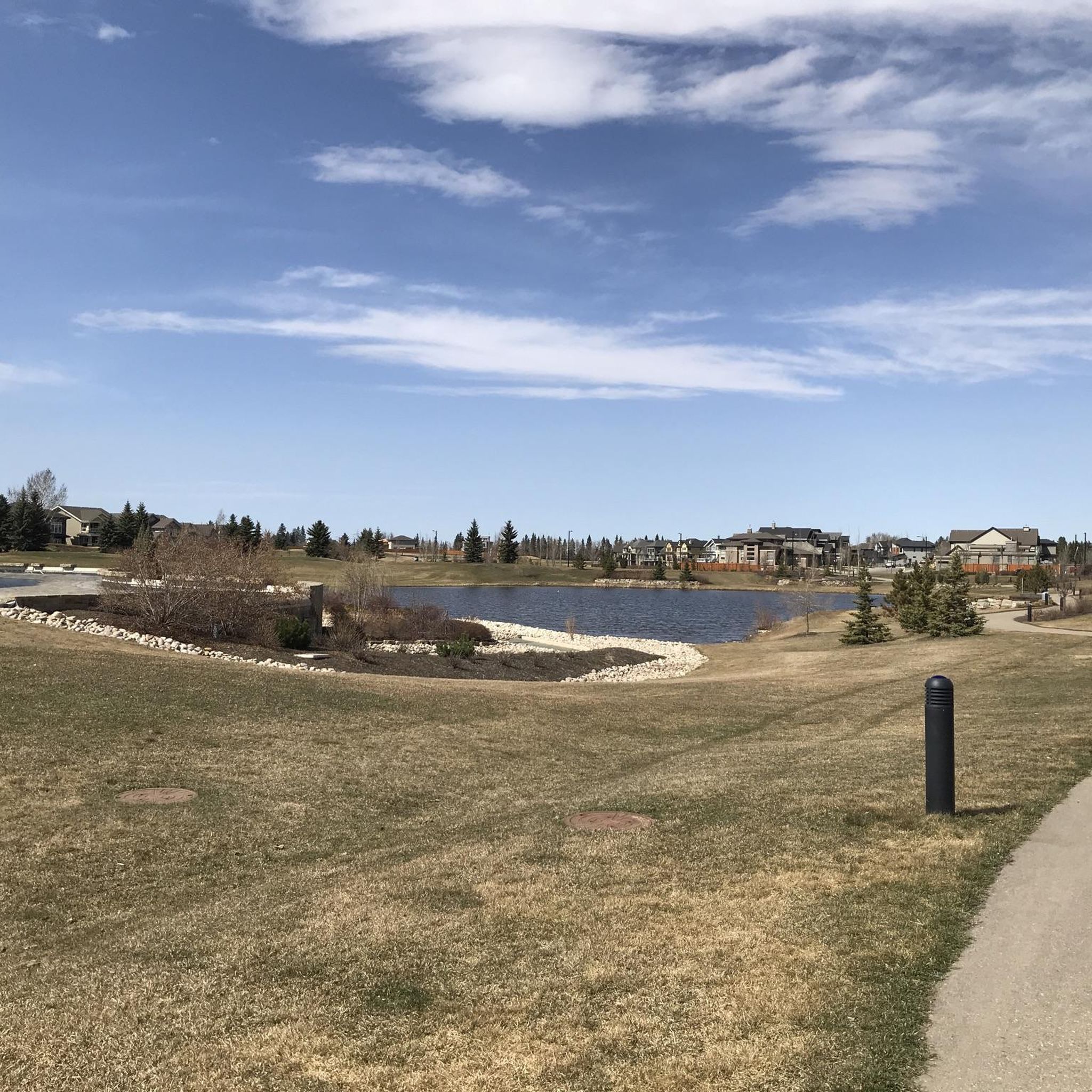
Stretching for kilometres through southwest Edmonton, Whitemud Creek Ravine is one of the city’s most natural corridors — a long, winding valley where dense aspen, spruce, and poplar forest shelter a quiet, tea-coloured creek below. The ravine’s steep clay banks, narrow benches, and occasional white sandstone outcrops give it a rugged, almost backcountry atmosphere despite its urban surroundings. Wildlife is common—songbirds, deer, and even the odd coyote—and the mix of shaded forest, open meadow pockets, and creekside views makes it a favourite escape for walkers looking for real nature without leaving the city.
0
0
This scenic trail follows the course of Whitemud Creek through the heart of MacTaggart Sanctuary, crossing small bridges and boardwalks surrounded by forest and wetlands. The path is mostly flat with a few gentle slopes, making it accessible for walkers and families.
0
0


Nice trail with some fairly good hills that provide a good workout coming out of the ravine.
0
0
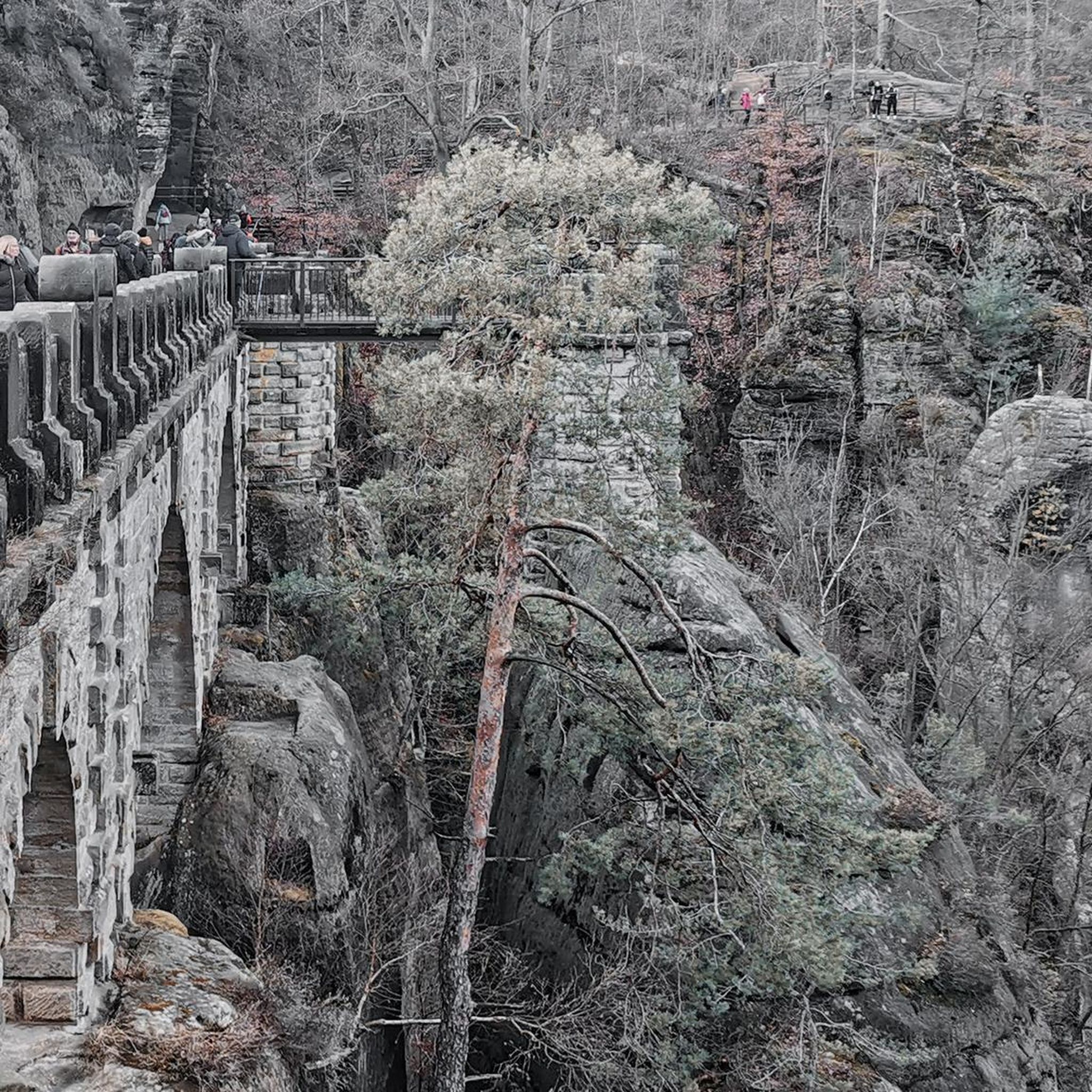
Very scenic bridge over Whitemud Creek, although the smell from a nearby sewer takes a lot away from the experience. Still, it is visually very pretty...
1
0
Show up with some bird seed and hold out your hand near where the birds are perched and they will likely come and take seeds from your hand. Mostly Chickadees and some Nuthatches.
1
0
Frequently Asked Questions
What unique natural features can I expect to see in Whitemud Creek Ravine?
Whitemud Creek Ravine is characterized by its winding Whitemud Creek, dense forests of aspen, spruce, and poplar, and striking geological formations. You can observe steep clay banks, narrow benches, and unique white sandstone outcrops, including white hoodoo cliffs. The area also features vital wetlands and old-growth forests, providing a tranquil, wild experience within an urban setting.
Are there trails suitable for families or those looking for an easy walk?
Yes, the ravine offers trails suitable for various fitness levels. The MacTaggart Sanctuary Path is particularly family-friendly, following Whitemud Creek through forests and wetlands with small bridges and boardwalks. It's mostly flat with gentle slopes, making it accessible for walkers and families. Additionally, the Chickadee and Nuthatch Feeding Spot is a popular, easy-to-access area where visitors can interact with birds.
What are some popular hiking trails in Whitemud Creek Ravine?
The ravine boasts an extensive trail system. Popular options include the South Trail loop, Terwillegar to MacTaggart Sanctuary loop, Whitemud Creek Ravine loop, and Whitemud Ravine Lookout loop. The Terwillegar Powerline Trail is also a well-known route, offering a good workout with its hills when coming out of the ravine.
Can I go cycling or mountain biking near the attractions in Whitemud Creek Ravine?
Yes, the Whitemud Creek Ravine area is popular for cycling and mountain biking. You can find various routes for touring bicycles, road cycling, and gravel biking. For example, there are routes like the Whitemud Creek Bridge – Terwillegar Powerline Trail loop for touring bicycles, or the Terwillegar Park Footbridge – Fort Edmonton Footbridge loop for gravel biking. You can explore more options in the Cycling in Whitemud Creek Ravine guide.
Is Whitemud Creek Ravine a good spot for wildlife viewing or birdwatching?
Absolutely. The ravine is a haven for wildlife, often referred to as a 'birdwatcher's paradise' with over 150 bird species, including chickadees, nuthatches, ravens, and great blue herons. You might also spot larger animals like deer, coyotes, beavers, muskrats, and even moose. The Chickadee and Nuthatch Feeding Spot is a highlight for close-up bird encounters.
What is the best time of year to visit Whitemud Creek Ravine?
The ravine offers beauty year-round. Fall is particularly striking when poplar leaves turn bright yellow, contrasting with dark green spruces. Spring brings abundant wildflowers, while summer is ideal for exploring the extensive trail system. Winter provides opportunities for winter hiking, with the landscape transformed by snow.
Are there any historical or cultural sites within Whitemud Creek Ravine?
Yes, the ravine holds some historical significance. An Inukshuk has been observed along the trails, adding a cultural element. The impressive Whitemud Creek Arch is situated atop an old coal mining site (Mine #1727) that was active in the early to mid-1900s. You can also find remnants of an old building's rock foundation, hinting at past human activity.
What are some notable landmarks or structures to look out for in the ravine?
Beyond its natural beauty, the ravine features several interesting landmarks. The Whitemud Creek Bridge is a scenic structure over the creek. The Whitemud Creek Arch is a unique semi-circular bridge that functions as both a pedestrian and wildlife pathway. You'll also find a prominent Water Pipe Bridge in the northern section, and numerous wooden footbridges and boardwalks throughout the trail system.
What is the terrain like on the trails in Whitemud Creek Ravine?
The terrain in Whitemud Creek Ravine is diverse. You'll encounter winding paths through dense forests, along steep clay banks, and past white sandstone outcrops. While some trails, like the MacTaggart Sanctuary Path, are mostly flat with gentle slopes, others, such as the Terwillegar Powerline Trail, feature more significant hills, providing a good workout.
Where can I find parking and access points for Whitemud Creek Ravine?
Whitemud Park, located off Fox Drive, is a convenient starting point for exploring the ravine's trails and offers picnic tables and facilities. There are various other trailheads and parking areas throughout the extensive ravine system, providing access to different sections of the trails.
Are there any specific areas for picnicking or gathering in Whitemud Creek Ravine?
Yes, Whitemud Park is a designated area with picnic tables and facilities for building campfires, making it an ideal spot for a picnic or gathering before or after exploring the trails.
What makes Whitemud Creek Ravine a 'backcountry atmosphere' despite being in an urban setting?
The ravine's rugged features, including its steep clay banks, narrow benches, and occasional white sandstone outcrops, create a sense of being far removed from the city. The dense aspen, spruce, and poplar forests, along with the quiet, tea-coloured creek, contribute to this wild, natural feeling, offering a true escape within Edmonton.
Most popular routes in Whitemud Creek Ravine

Get inspired with the komoot mobile app


Explore more
Still not found the Highlight you’re looking for? See guides of the top attractions in other regions:
