The best gravel rides in Whitemud Creek Ravine
4.7
(7)
84
riders
5
rides
Gravel biking in Whitemud Creek Ravine offers an extensive network of trails within an urban wilderness setting. The region is characterized by dense aspen, spruce, and poplar forests, with a meandering creek flowing through a valley marked by steep clay banks and occasional white sandstone outcrops. This diverse terrain provides varied surfaces suitable for gravel bikes, ranging from multi-use paths to more challenging sections with elevation changes. The ravine connects with natural areas like the MacTaggart Sanctuary, enhancing the sense…
Last updated: May 22, 2026
5.0
(1)
24
riders
40.0km
02:26
340m
340m
Moderate gravel ride. Good fitness required. Mostly paved surfaces. Suitable for all skill levels.
4.2
(5)
21
riders
Moderate gravel ride. Good fitness required. Mostly paved surfaces. Suitable for all skill levels.

Sign up for free
5.0
(1)
15
riders
26.6km
01:34
250m
250m
Hard gravel ride. Good fitness required. You may need to push your bike for some segments of this route.
11
riders
Moderate gravel ride. Good fitness required. Mostly paved surfaces. Suitable for all skill levels.
13
riders
34.4km
02:07
300m
300m
Moderate gravel ride. Good fitness required. Mostly paved surfaces. Suitable for all skill levels.
Our route recommendations are based on thousands of hikes, rides, and runs completed by other people on komoot.
Start today with a free account
Your next adventure awaits.
Login or Signup
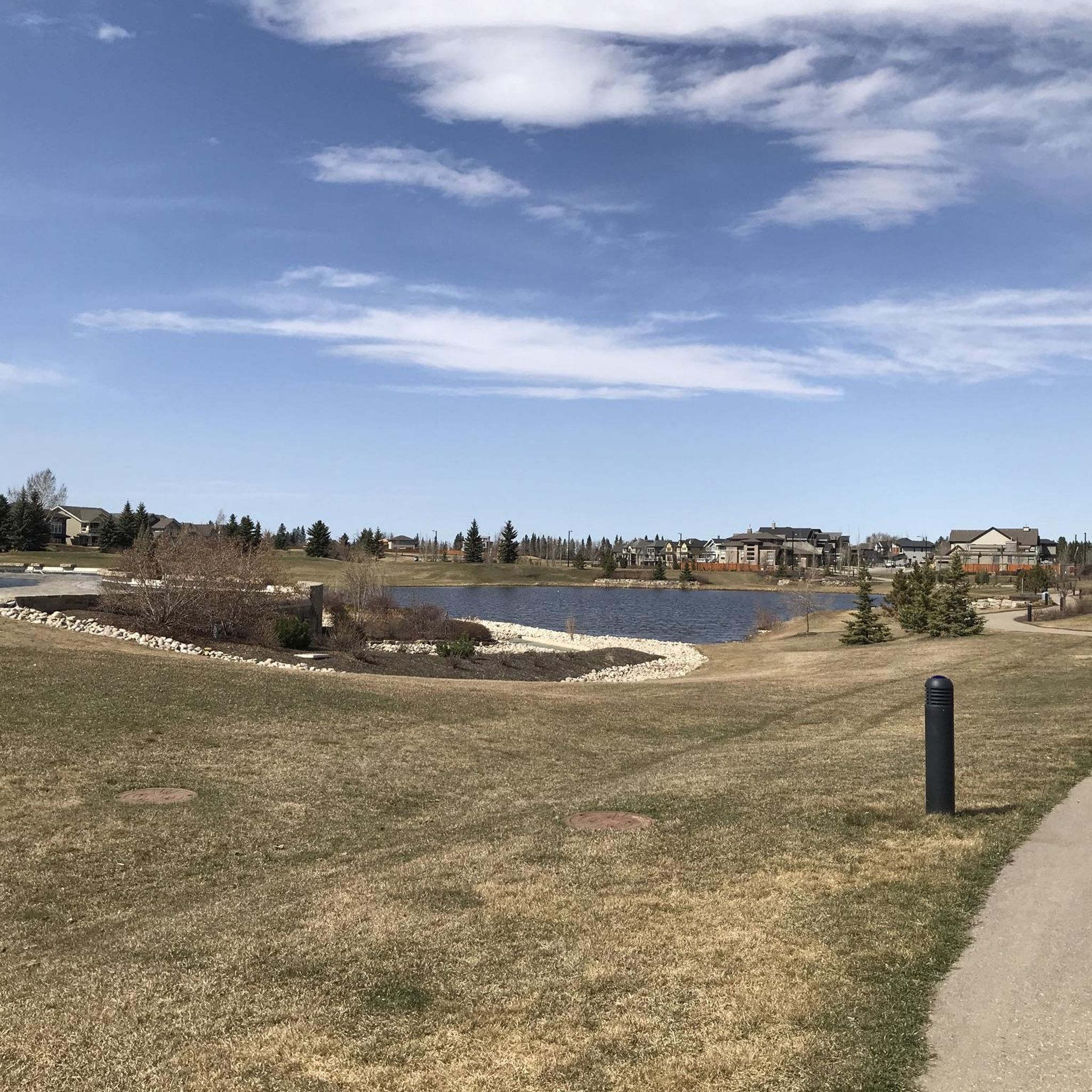
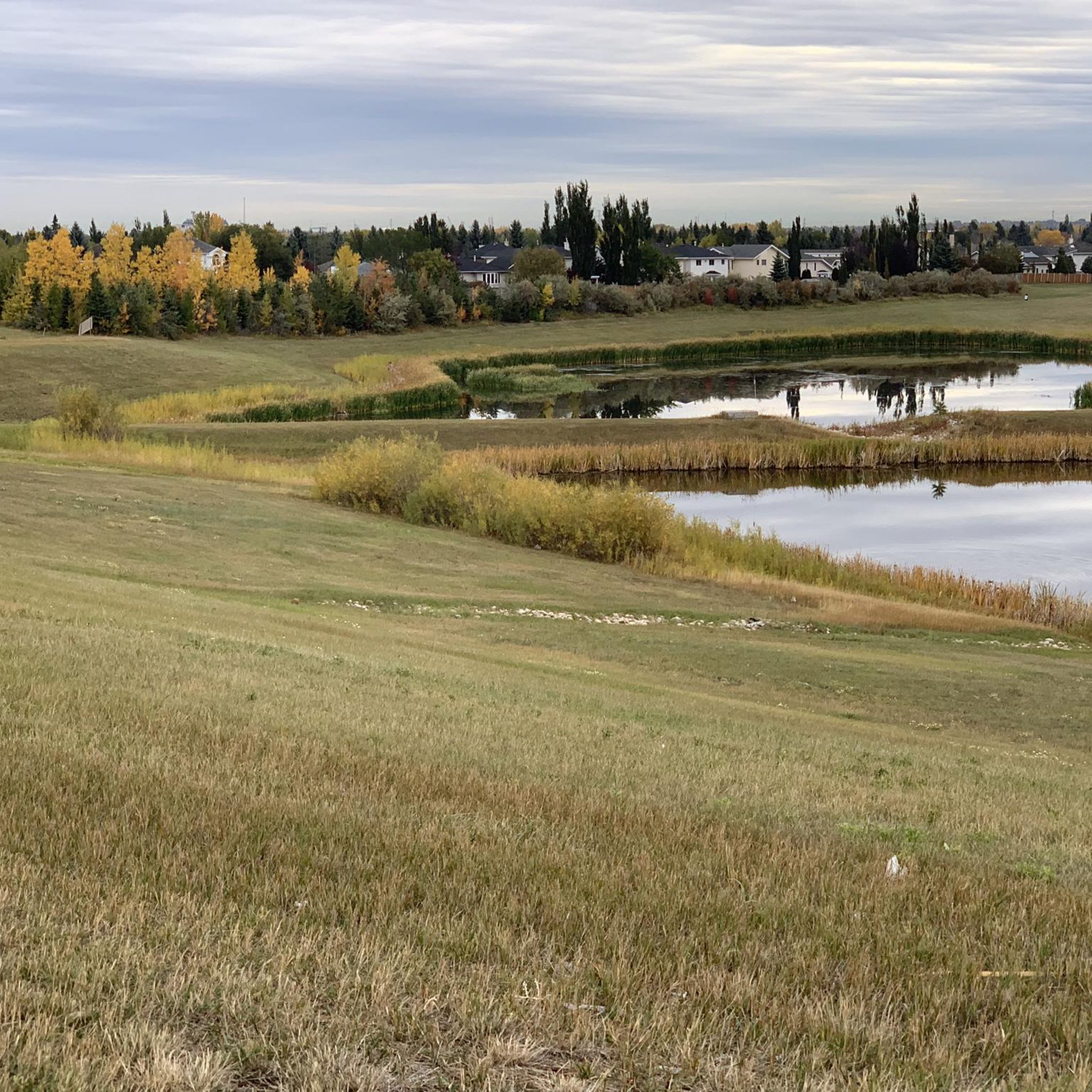
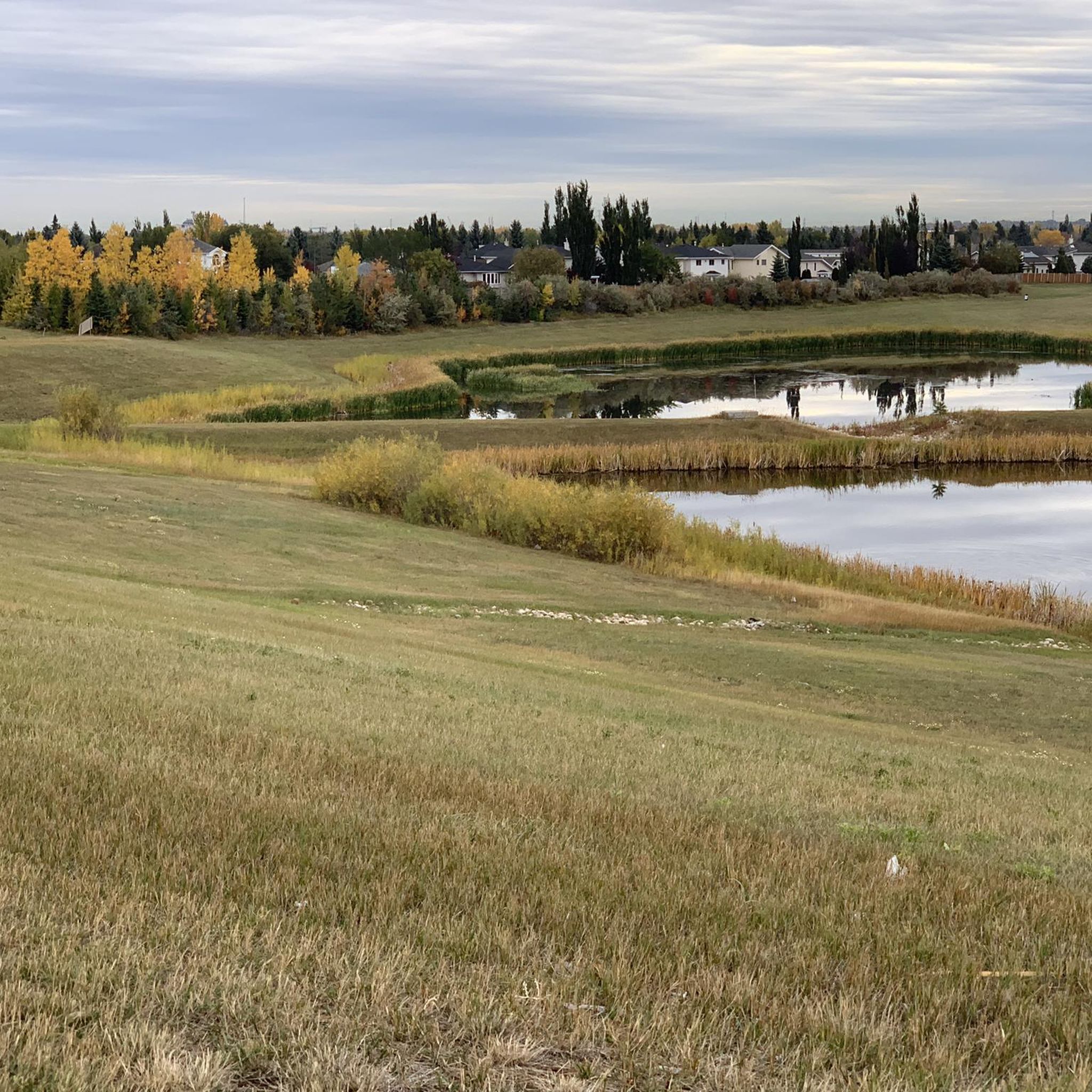
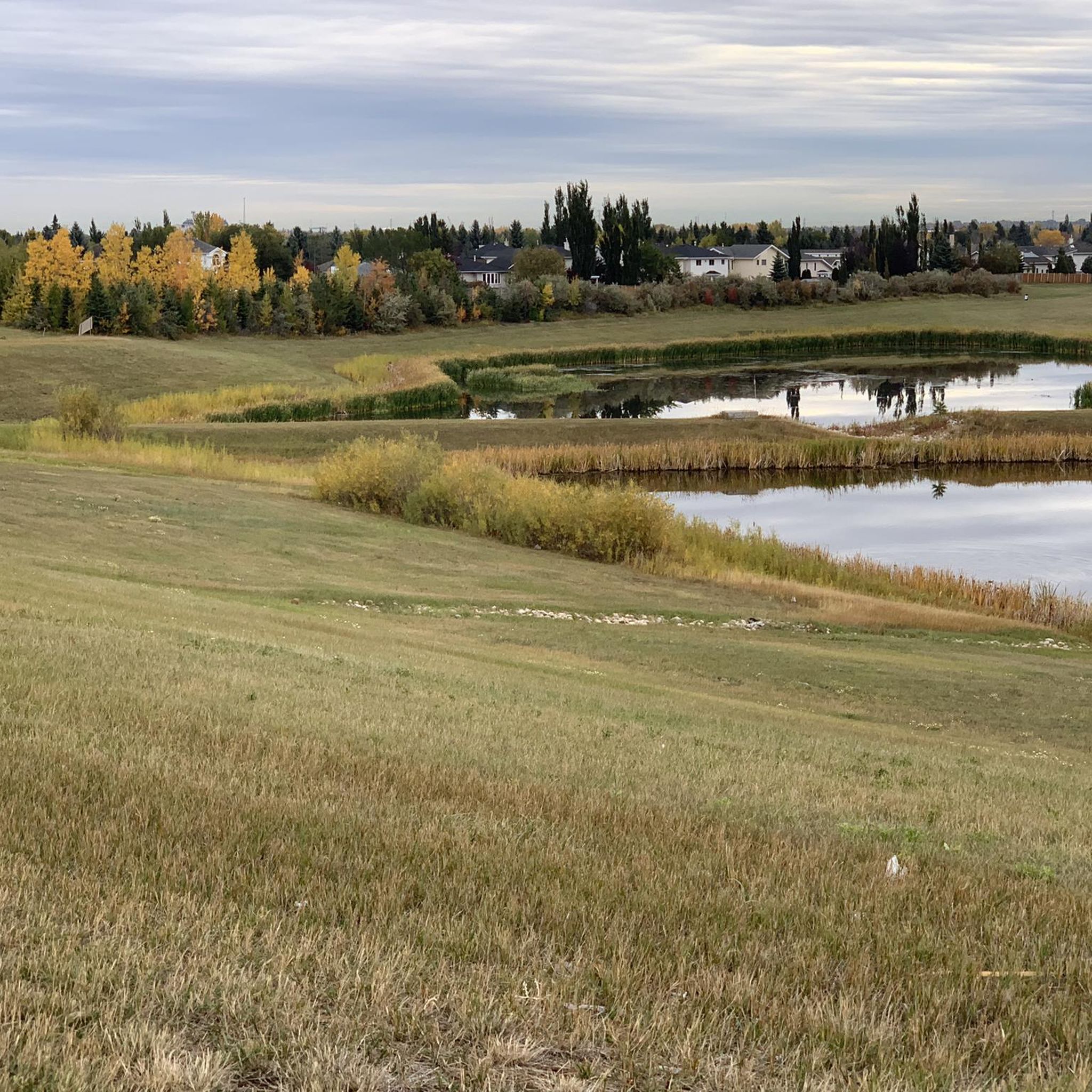
Tips from the Community

The bridge is roofed to protect from the elements. You walk at a level lower than the High Level (road & rail) Bridge, so your views of the river from either side are unobstructed.
0
0

Henrietta Muir Edwards Park is a beautiful river valley park set along the North Saskatchewan River, with a mix of open green space and mature forest. Paved and unpaved trails connect to the wider valley network, with viewpoints overlooking the river and access to nearby footbridges. The park also features a historic home linked to Henrietta Muir Edwards, adding cultural significance to its natural setting.
0
0
Emily Murphy Park, nestled along the south bank of the North Saskatchewan River, is a beautiful spot with picnic areas, a playground, a small boat launch, and open grassy areas that lead down toward the river. In winter, its toboggan hill becomes a local favourite, adding to its year-round appeal for families and casual outings.
0
0
Groat Bridge spans the North Saskatchewan River, carrying traffic and pedestrians between the river valley communities of Glenora and Mayfair. Opened in 1955, the twin-span structure offers fantastic elevated views of the surrounding parkland. Recent upgrades have widened its shared-use path, making it a key crossing for both commuters and recreational users.
0
0

From Wikipedia: "The Dudley B. Menzies Bridge is a dedicated LRT bridge crossing the North Saskatchewan River in Edmonton, Alberta, Canada. Named after Edmonton engineer and politician Dudley Blair Menzies, the bridge was the "first concrete segmental box girder bridge in Western Canada".[2] The main deck carries two tracks of the LRT system connecting Government Centre station and the University station. A walkway for pedestrians and bicycles hangs beneath the main spans of the bridge over the river."
0
0
Terwillegar Park, formerly Riverbend Park, lies in a bend of the North Saskatchewan River, west of Rhatigan Ridge neighbourhood. In the early 1900s this land was used for ranching and later, as a gravel pit. When the area was restructured as a park, the gravel pits were turned into ponds and trails. Over the years, the area was commonly identified by this name. The park's development plan calls for picnic and winter sports areas, an administration building, a nature centre, a boathouse and a number of trails that connect with existing river valley trails. Terwillegar Park is west of the Riverbend subdivision and has an area of 174.88 ha.
0
0
Emily Murphy (1868-1933) was the first female police magistrate in the British Empire (1916). The City's Names Advisory Committee originally decided to name the park "Janey Canuck," Murphy's pen name, but Murphy's daughter convinced the committee to change the name before it went to City Council. Murphy was born in Ontario and came to Edmonton in 1907. Already a popular author, she lobbied for provisions in the Dower Act that entitled a woman to part of her husband's estate. She campaigned for female suffrage, and became a judge in 1916. Her efforts in the Persons Case, as part of the Famous five, saw women legally declared to be "persons," giving women the right to become members of the Senate. Emily Murphy Park is located in the river valley and has an area of 11 ha.
0
0
Henrietta Louise Edwards (née Muir), women’s rights activist, reformer, artist (born 18 December 1849 in Montreal, Canada East; died 9 November 1931 in Fort Macleod, AB). Henrietta Edwards fought from a young age for women’s rights and education, as well as women’s work and health. She helped establish many movements, societies and organizations aimed at improving the lives of women, and was instrumental in passing Alberta’s Dower Act in 1917. She was also one of the Famous Five behind the Persons Case, the successful campaign to have women declared persons in the eyes of British law. However, her views on immigration and eugenics have been criticized as racist and elitist. She was named a Person of National Historic Significance in 1962 and an honorary senator in 2009.
0
0
Frequently Asked Questions
What kind of terrain can I expect on gravel bike trails in Whitemud Creek Ravine?
Whitemud Creek Ravine offers a diverse range of terrain for gravel biking. You'll find extensive multi-use paths, dirt trails, and sections with undulating surfaces. The landscape features dense aspen, spruce, and poplar forests, steep clay banks, and occasional white sandstone outcrops, providing a rugged, almost backcountry feel. Trails often follow the meandering Whitemud Creek, crossing numerous wooden bridges and boardwalks.
Are there gravel bike routes suitable for beginners in Whitemud Creek Ravine?
Yes, while many routes feature elevation gains and varied terrain, there are options suitable for different skill levels. Among the 11 available routes, at least one is classified as easy, and eight are moderate, offering a good starting point for less experienced gravel bikers. For example, the Terwillegar Park Footbridge – Fort Edmonton Footbridge loop from Cameron Heights is a moderate option that covers 31.4 km with manageable elevation.
What are some notable natural features or landmarks to look out for along the trails?
Whitemud Creek Ravine is rich in natural beauty. You can expect to see diverse forests, including old-growth sections, and the scenic Whitemud Creek itself. Keep an eye out for unique geological formations like white hoodoo cliffs and an inukshuk. Specific highlights include the Terwillegar Powerline Trail, the Whitemud Creek Bridge, and the Chickadee and Nuthatch Feeding Spot, which is a haven for birdwatchers.
Are there any restrictions on where I can ride my gravel bike in Whitemud Creek Ravine?
Yes, it's important to be aware of restrictions. While many trails are gravel-friendly, cycling is not permitted in all sections of Whitemud Creek Ravine. Specifically, designated nature reserve areas between Fox Drive and 23rd Avenue have restrictions to protect wildlife and the natural environment. Always check local signage and trail regulations before heading out.
What is the best time of year to go gravel biking in Whitemud Creek Ravine?
Whitemud Creek Ravine offers year-round opportunities for outdoor activities. However, for gravel biking, spring, summer, and fall generally provide the most favorable conditions. During these seasons, trails are typically clear of snow and ice, making for a more enjoyable and accessible ride. Always check current trail conditions, especially after heavy rain, as some dirt paths can become muddy.
Are there any long-distance or challenging gravel bike routes in the ravine?
Yes, for experienced riders seeking a challenge, Whitemud Creek Ravine offers several longer and more difficult routes. The Terwillegar Park Footbridge – Fort Edmonton Footbridge loop from Riverbend is a difficult 42.9 km trail with over 400 meters of elevation gain, typically taking around 2 hours 29 minutes. Another challenging option is the Emily Murphy Park Lookout – Tawatina Bridge loop from Government Centre, a 27.1 km route with significant climbs.
What kind of wildlife can I expect to see while gravel biking in Whitemud Creek Ravine?
Whitemud Creek Ravine is a haven for biodiversity. It's home to over 150 bird species, both resident and migratory, making it excellent for birdwatching. You might also spot larger mammals such as deer, coyotes, beavers, and even moose, along with smaller creatures like squirrels and chipmunks. Remember to observe wildlife from a respectful distance.
Are there any family-friendly gravel biking options in Whitemud Creek Ravine?
While some routes are challenging, the extensive network includes multi-use paths that can be suitable for families, especially those with some biking experience. Look for the easier and moderate-rated trails, which offer less strenuous rides through the scenic ravine. The varied terrain and natural beauty make it an engaging experience for all ages.
What do other gravel bikers say about their experience in Whitemud Creek Ravine?
The gravel biking routes in Whitemud Creek Ravine are highly regarded by the komoot community, with an average rating of 4.4 stars from over 10 reviews. Riders often praise the diverse terrain, the immersive natural environment, and the sense of being in a backcountry setting despite its urban location. The well-maintained multi-use paths and challenging climbs are frequently highlighted as enjoyable aspects.
Are there any circular gravel bike routes available in Whitemud Creek Ravine?
Yes, many of the popular gravel biking routes in Whitemud Creek Ravine are designed as loops, allowing you to start and end at the same point. Examples include the Tawatina Bridge – Walterdale Bridge loop from South Campus/Fort Edmonton Park and the Terwillegar Park Footbridge – Fort Edmonton Footbridge loop from Government Centre, which offer varied distances and difficulty levels.
Does Whitemud Creek Ravine connect to other natural areas for extended rides?
Yes, Whitemud Creek Ravine seamlessly connects with other natural areas, such as the MacTaggart Sanctuary. This connection enhances the feeling of being immersed in nature and provides opportunities for extended rides through dense forests and wetlands, expanding your gravel biking adventure beyond the immediate ravine trails. You can explore the MacTaggart Sanctuary Path for more options.
Most popular routes in Whitemud Creek Ravine
Most popular attractions in Whitemud Creek Ravine

Get inspired with the komoot mobile app


Explore more
Browse the best Gravel rides in other regions.
