Top 20 Mountain Passes in Asturias
Mountain passes in Asturias are found within a rugged and mountainous landscape in northern Spain. The region is characterized by the Cantabrian Mountains, which offer numerous routes connecting Asturias with neighboring areas like León. These passes often feature significant elevation changes and provide access to natural parks and historical routes. The terrain supports diverse outdoor activities, including cycling and hiking.
Best mountain passes in Asturias
- The most popular mountain passes is Collado Pandébano, a mountain pass that offers views towards Urriellu. It is located at about 1,220 meters and provides access to the Terrenosa refuge.
- Another must-see spot is Alto de la Tornería Scenic Road, a mountain pass with challenging climbs. This pass features steep sections, particularly in the final 3 kilometers, and offers sea views.
- Visitors also love Alto de La Marta, a mountain pass with an altitude of 1105 meters. This pass is part of the Camino de Santiago and offers views from the Cantabrian Mountains to the Cantabrian Sea.
- Asturias is known for mountain passes that are suitable for cycling, hiking, and scenic drives. The region offers a variety of mountain passes, from challenging climbs to routes with historical significance and panoramic viewpoints.
- The mountain passes in Asturias are appreciated by the komoot community, with more than 50 upvotes and 24 photos across 70 highlights.
Last updated: September 29, 2026
Climb to Lagos de Covadonga from Cangas de Onís
Highlight (Segment) • Climb
Translated by Google •
Tip by

Alto de La Marta
Highlight • Mountain Pass
Translated by Google •
Tip by

Sign up now to discover places like this
Get recommendations on the best single tracks, peaks, & plenty of other exciting outdoor places.
Alto de la Tornería Scenic Road
Highlight (Segment) • Mountain Pass
Translated by Google •
Tip by

Alto de la Farrapona
Highlight • Mountain Pass
Translated by Google •
Tip by
Puerto del Palo Pass
Highlight • Mountain Pass
Translated by Google •
Tip by
La Cubilla Pass
Highlight • Mountain Pass
By MTB you can get there from San Emiliano (ten kilometers and 500 meters of positive gradient) or from Caldas de Luna (17 kilometers and 730 meters of positive gradient). It is part of the TransCantábrica BTT route.
Translated by Google •
Tip by

Pozo de las Mujeres Muertas Pass
Highlight • Mountain Pass
Translated by Google •
Tip by

Ventana Pass
Highlight • Mountain Pass
From the pass, you can enjoy a breathtaking view of the San Emiliano Valley, known as Babia de Yuso.
Translated by Google •
Tip by

Connio Pass
Highlight • Mountain Pass
Translated by Google •
Tip by
Collado Pandébano
Highlight • Mountain Pass
Translated by Google •
Tip by

Sign up for free to discover even more mountain passes in Asturias.
Already have an account?
Start today with a free account
Your next adventure awaits.
Popular around Asturias
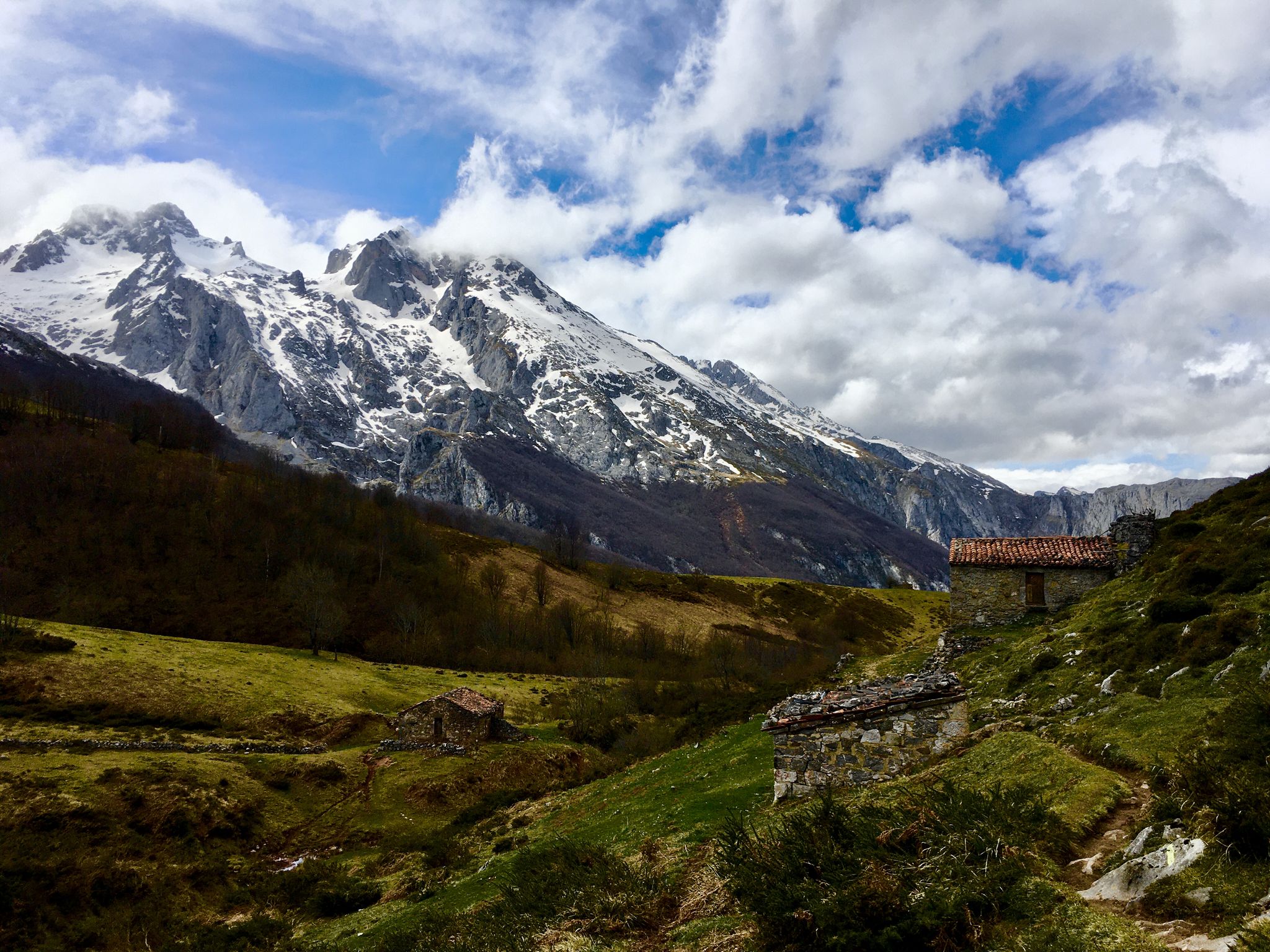
Route of the Reconquest (GR 202) – In the footsteps of an army
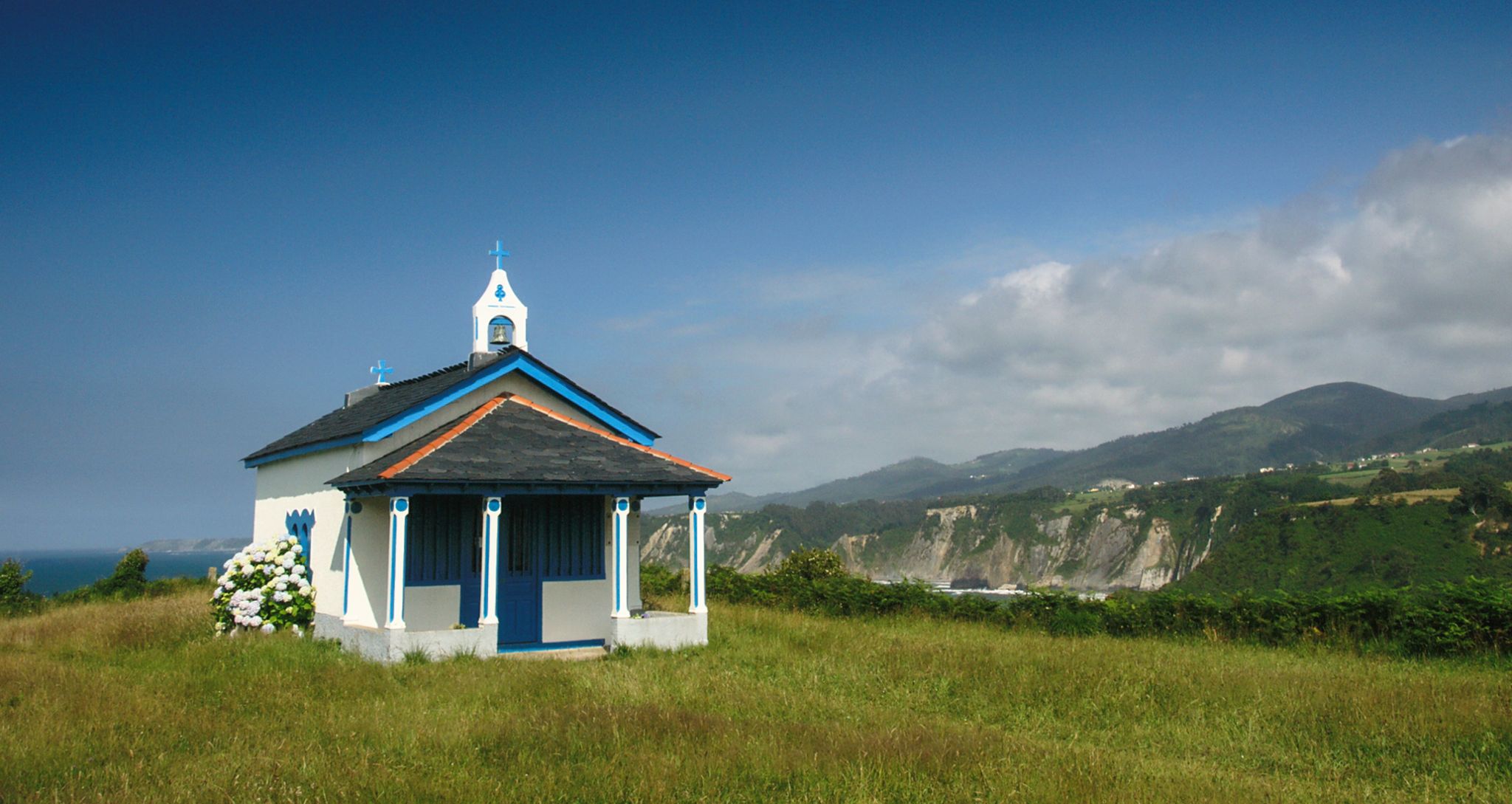
Camino del Norte – 15 stages
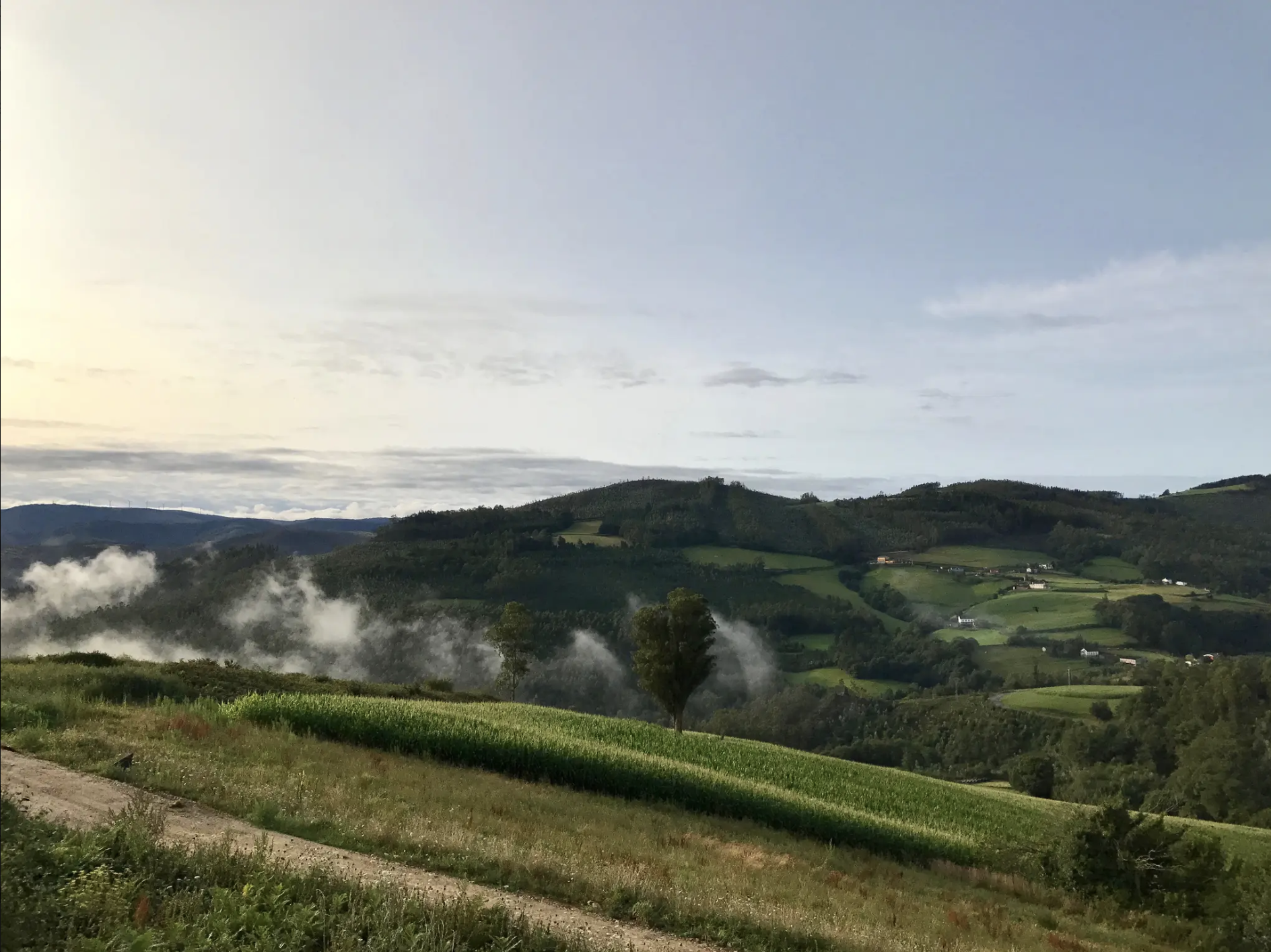
Camino del Norte (in reverse) – Discovering northern Spain's stunning coastline
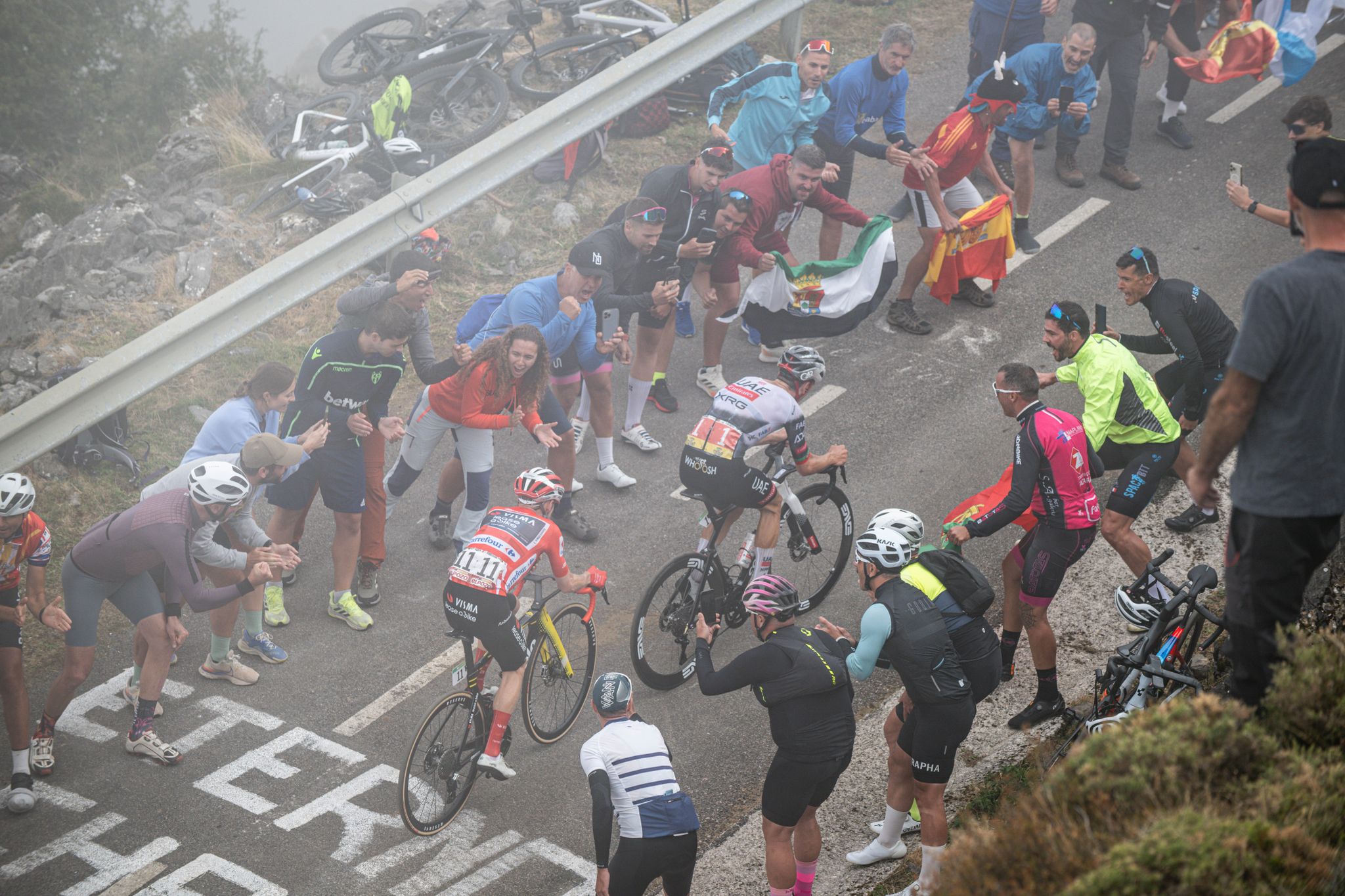
Mythical Passes and Sections of La Vuelta
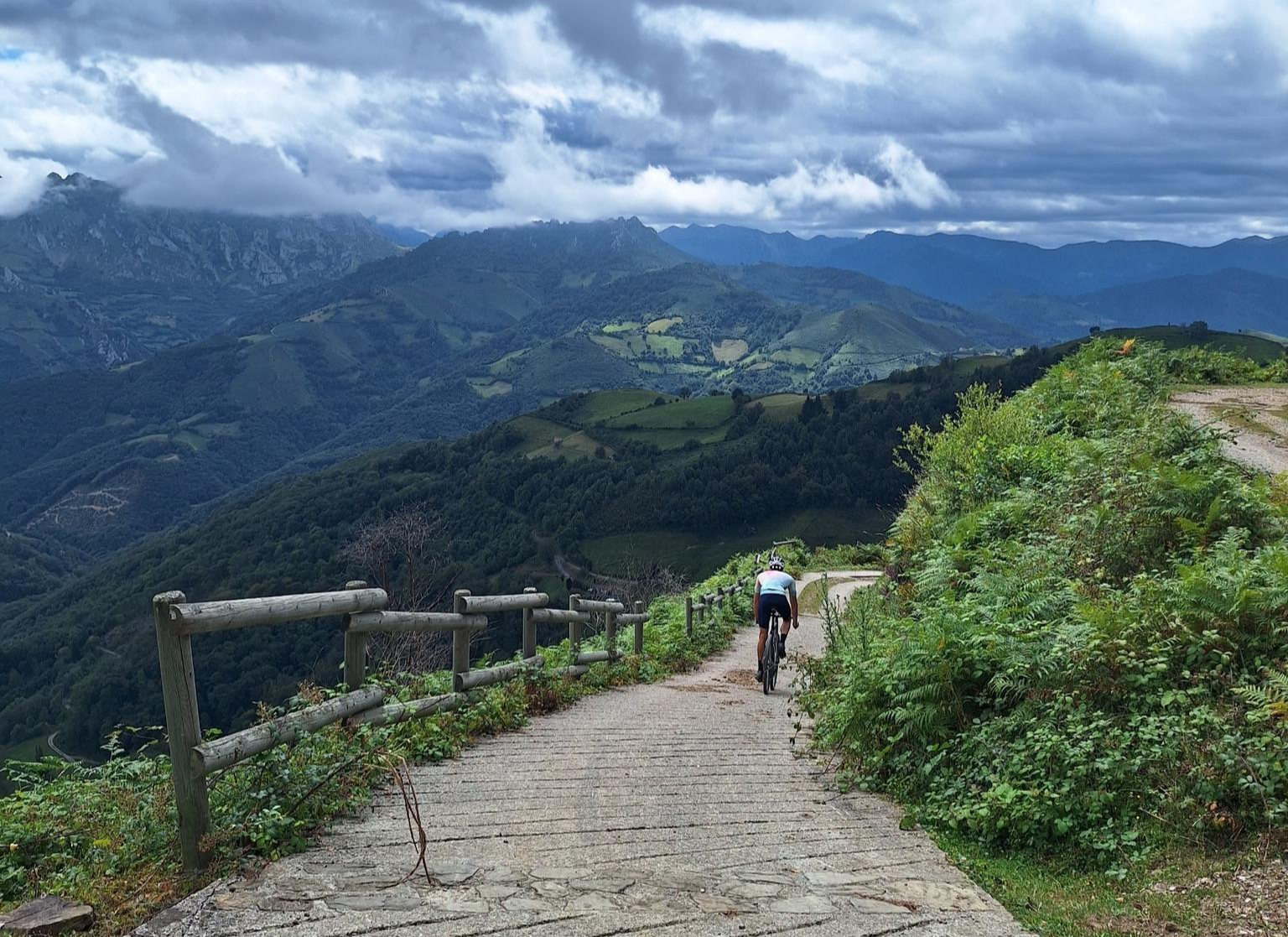
Central Mountain Cycling Ring GR 208 - Tour of the Asturian Mountains
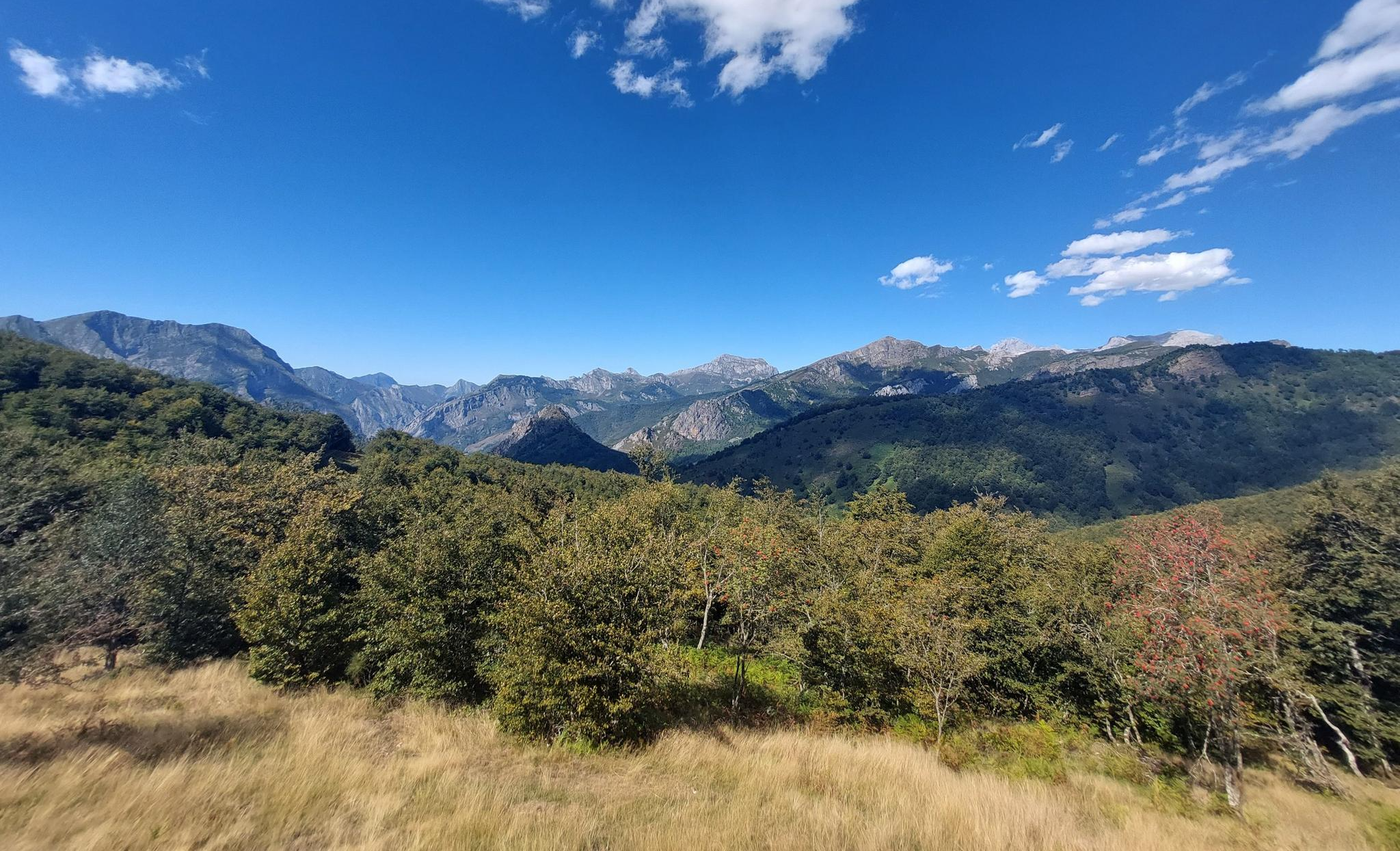
Senda del Arcediano (GR 210) - A historical hike through the Picos del Picos
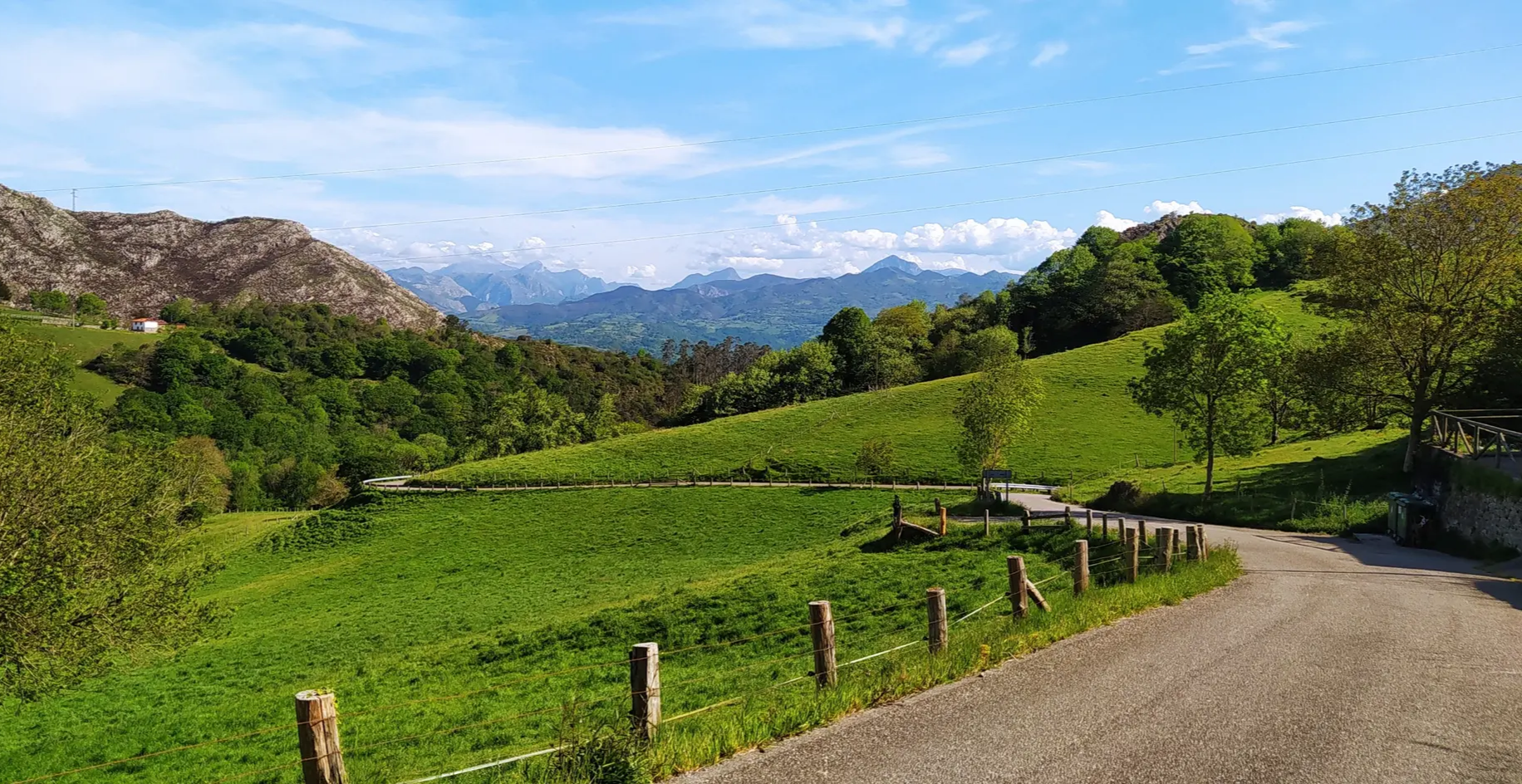
Great mountain passes of Picos de Europa on road bikes
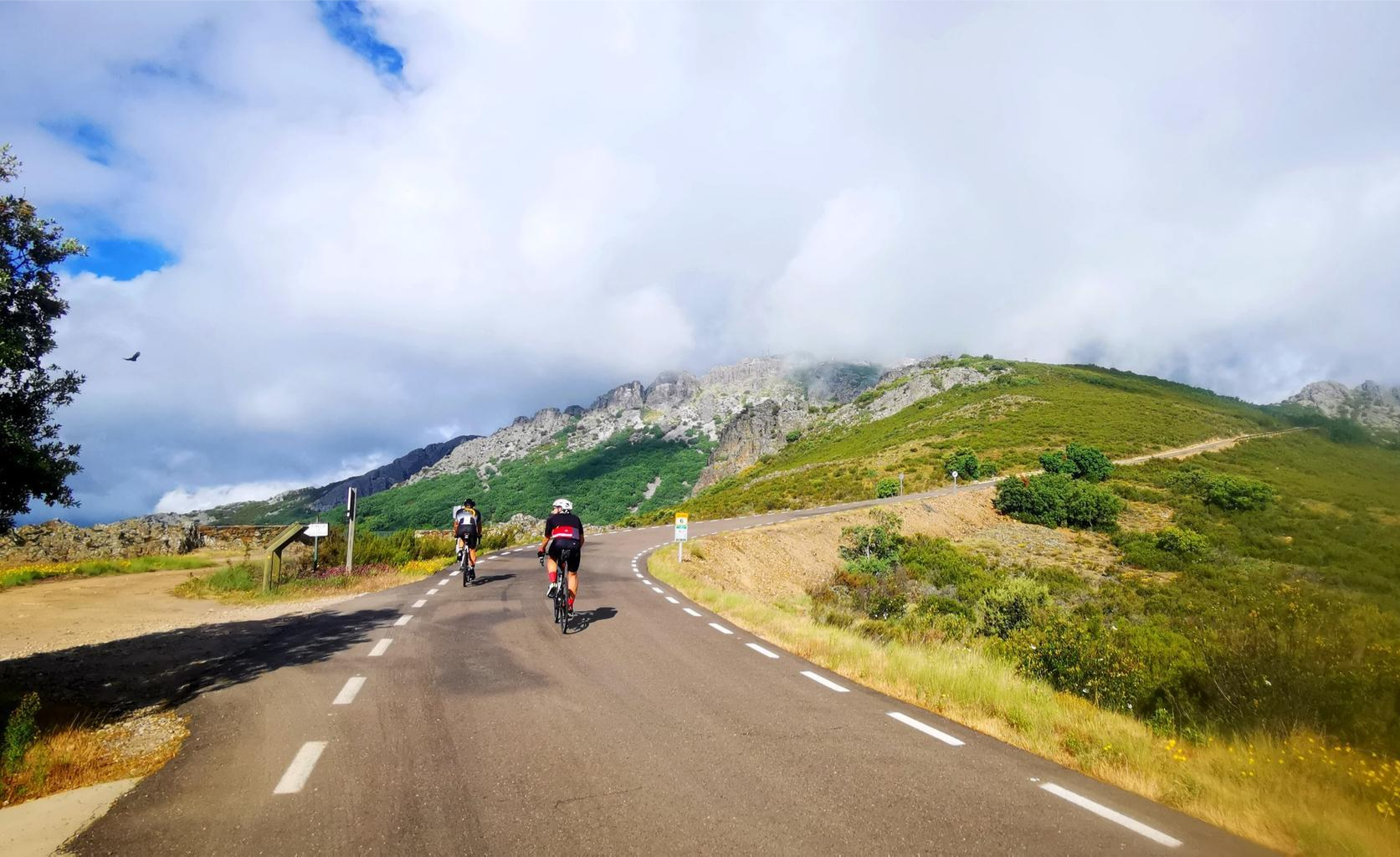
Legendary climbs - Ports of La Vuelta a España
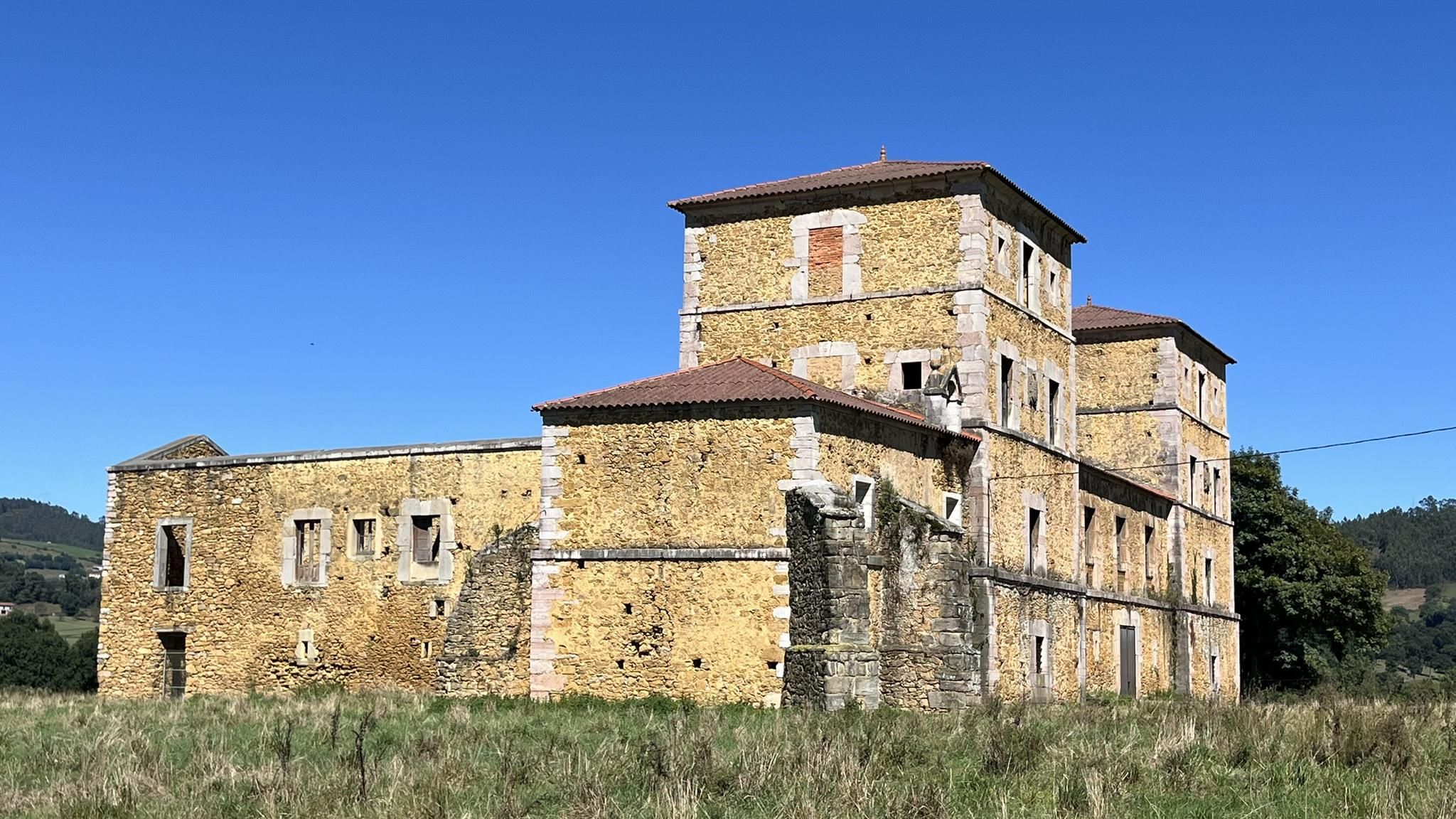
Route of the Palaces — GR 200
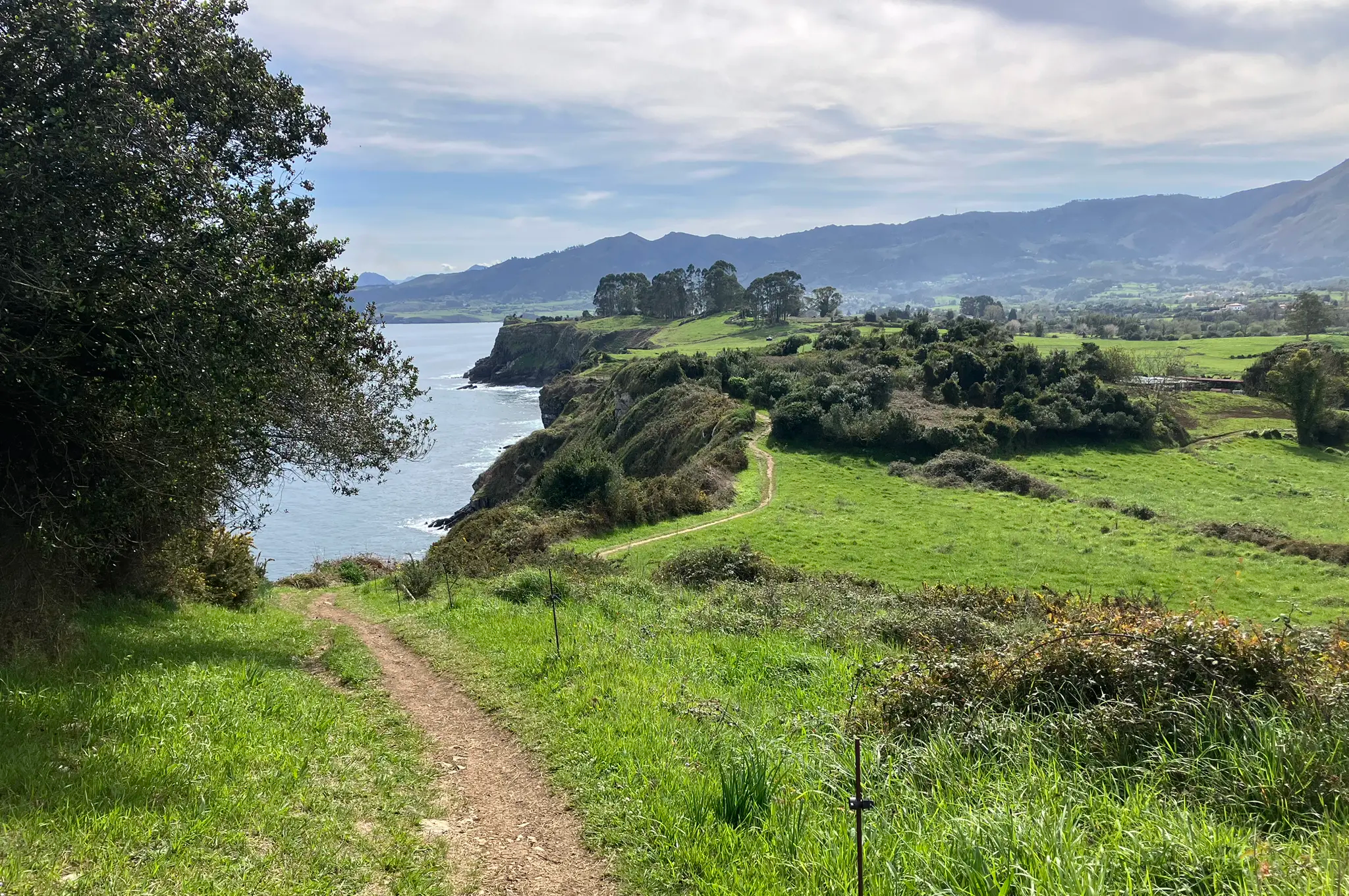
Green, Blue and Gold - Coastal Path through Asturias (GR 204)
Other adventures in Asturias


Tips from the Community

Spectacular climb near Llanes, Celorio... All asphalt and for those who want a last section on dirt, the climb to Los Resquilones, beware, for this you need an MTB or a gravel bike with advanced handling.
0
0

The pass is now paved and can be driven on by car.
1
0

During the mining era, this pass served as a discreet link between mines on either side, and minimal traces of old cart and mule traffic remain, though they don't coincide with the current road. From above, the wind is almost constant, and the view towards the Saliencia lakes has that air of a "natural viewpoint" before the term even existed. It's perfect to mark on Komoot as a key point on your route due to its spaciousness, its somewhat hidden history, and its character as a natural border.
1
0
Upon reaching the summit, you don't arrive at a village or a tourist center, but rather at a kind of natural balcony overlooking the Lena mountain passes, which gives a strange feeling, as if you've stepped onto an empty stage. And on clear days, the wind is louder among the mountain passes than any car, because traffic is minimal.
0
0
For decades, La Cubilla was practically a ghost town: a road built to connect mining valleys, used more by livestock farmers and scattered trucks than by travelers. This lack of traffic left a remarkably clean route, free of curves, absurd straights, and modern widenings: pure mountain design from another era. That's why many cyclists say it "looks more like an Alpine pass than a Cantabrian one," with those giant limestone walls silently accompanying you.
0
0

The La Cubilla mountain pass is located at an altitude of 1,683 meters, on the border between Asturias and León. Its rugged terrain and the beauty of its surroundings have earned it the title of stage finisher of the Vuelta a España, making it one of the most iconic climbs among cyclists.
0
0
Among the theories surrounding the unusual name of this mountain pass, one is the popular legend that some shepherdesses were caught in a blizzard and died in a nearby shelter. In any case, the pass is located in a stunning setting.
0
0

One of the great Asturian mountain passes, without a doubt. Generally unknown to the general public, it's rarely used in professional races. It has two clearly distinct slopes. The southern slope, which begins in Pola de Allande, is gentle and steady, along a road in good condition. It shares much of its climb with Puerto del Palo, which it turns off from just 3 km from the summit of Puerto de la Marta. The northern slope, which comes from Villayon, is uneven, with very tough sections and several rest stops and descents. It reminds me a lot of the Croix-de-Fer from Sant Jean de Maurienne, not because of the landscape, but because of the type of pass.
0
0
Frequently Asked Questions
Which mountain passes in Asturias offer the most challenging cycling routes?
For an extreme cycling challenge, L'Angliru is legendary, known for its gradients reaching up to 23.5%. Other demanding climbs include Alto de la Tornería Scenic Road, especially its final 3 kilometers with average slopes above 10%, and Puerto de Pajares, which features steep inclines up to 17%.
What are some of the best mountain passes for hiking in Asturias?
Asturias offers numerous hiking opportunities. Puerto de Tarna is an excellent starting point for routes within the Redes Natural Park. Puerto de Somiedo, located in a UNESCO Biosphere Reserve, provides access to trails like the 'Ruta del Corcón' and offers stunning views of glacial lakes. For a popular option with rewarding views, consider the area around Collado Pandébano, which brings you closer to the Terrenosa refuge with spectacular views towards Urriellu.
Are there any mountain passes in Asturias with significant historical importance?
Yes, several passes hold historical significance. Puerto de Pajares has historically been a vital route connecting Asturias with León and central Spain. Puerto de Ventana is tied to a belief that it once sheltered sacred relics from Jerusalem. Additionally, Alto de La Marta and Puerto del Palo Pass are part of the Camino de Santiago, offering a blend of natural beauty and pilgrimage history.
What kind of natural features and wildlife can I expect to see around Asturias' mountain passes?
The mountain passes in Asturias are rich in natural beauty. Puerto de Tarna is part of the protected Redes Natural Park, known for its rich flora and fauna, and is home to the source of the Nalón River. Puerto de Somiedo, a UNESCO Biosphere Reserve, boasts diverse landscapes, glacial lakes like Saliencia and Lago del Valle, and is a prime spot for observing local wildlife, including the Cantabrian brown bear. Many passes, such as Collado Pandébano, offer breathtaking views of peaks like Urriellu.
When is the best time to visit the mountain passes in Asturias?
The best time largely depends on your activity. For hiking and cycling, late spring to early autumn (May to October) generally offers the most favorable weather conditions. Puerto de Pajares is accessible year-round, but heavy snow can close it in winter. During winter, some passes transform into snow-capped landscapes, offering different scenic views, though conditions can be challenging and require appropriate gear.
Are there family-friendly options among the mountain passes in Asturias?
While many passes involve challenging terrain, some areas offer more accessible sections or nearby attractions suitable for families. For instance, the general areas around passes like Puerto de Somiedo offer opportunities for nature walks and cultural experiences with traditional 'brañas' (shepherd huts). When planning, look for routes described as 'easy' or 'intermediate' on komoot, and always check specific trail conditions.
What outdoor activities can I do near the mountain passes in Asturias?
Beyond cycling and hiking directly on the passes, Asturias offers a wide range of outdoor activities. You can find challenging MTB trails, including routes like the 'Ventana Pass and Senda del Oso Loop'. For more intense adventures, explore mountain hikes in areas like the Picos de Europa, or discover beautiful waterfall hikes such as the Oneta Waterfalls loop.
Which mountain passes are known for their panoramic viewpoints?
Many passes in Asturias offer spectacular vistas. Puerto de Pajares provides views of the Ubiña Massif. Puerto de Ventana offers breathtaking views of the San Emiliano Valley. Puerto de Tarna is known for incredible panoramic views of the Alto Nalón. Alto de La Marta offers views stretching from the Cantabrian Mountains to the Cantabrian Sea. Les Praeres – Sierra de Peñamayor also provides impressive views from its summit.
Are there any mountain passes that are particularly remote or offer a sense of wilderness?
La Cubilla Pass is praised for its remote location and stunning natural beauty, reminiscent of Alpine passes with giant limestone walls. Puerto de Somiedo, nestled within a UNESCO Biosphere Reserve, also offers a profound sense of wilderness with its diverse landscapes and traditional 'brañas'.
What do visitors typically enjoy most about the mountain passes in Asturias?
Visitors frequently highlight the breathtaking views, the challenging yet rewarding climbs for cyclists, and the rich natural environments. Many appreciate the sense of accomplishment after tackling a steep ascent, the tranquility of the natural parks, and the opportunity to connect with both nature and history. The komoot community has shown appreciation for the variety of routes, from scenic drives to intense trails.
Can I find food and drink options near the mountain passes?
While many passes are in remote areas, some do offer amenities. At the summit of Puerto de Pajares, you can find a restaurant. Les Praeres – Sierra de Peñamayor also features a bar and restaurant with a mountain atmosphere. It's always advisable to carry your own supplies, especially on longer routes, and check local opening hours in advance.
Are there any specific passes that are part of long-distance routes or trails?
Yes, Alto de La Marta and Puerto del Palo Pass are both significant crossing points on the Camino de Santiago Primitivo. La Cubilla Pass is also part of the TransCantábrica BTT route, making it a key point for long-distance mountain biking.
Most popular routes in Asturias
Most popular attractions in Asturias

Get inspired with the komoot mobile app


Didn’t find what you were looking for?
Find even more amazing mountain passes in Asturias organized by region:
Explore more
See even more epic mountain passes by checking out these guides in Asturias:
