Attractions and Places To See in Asturias - Top 20
Best attractions and places to see in Asturias include diverse landscapes, rich history, and unique cultural sites. The region features dramatic coastlines, majestic mountains, and significant pre-Romanesque architecture. Visitors can explore a wide array of natural attractions and historical landmarks. Asturias offers a captivating experience for those interested in its varied geography and heritage.
Best attractions and places to see in Asturias
- The most popular attractions is 6 km on the Ruta del Cares, a gorge that offers spectacular views and nature in its full splendor. This section is considered the most impressive part of the Cares Trail, a path created along a steep ravine in the Picos de Europa.
- Another must-see spot is Dwarves' Tunnels on the Cares Trail, a series of man-made tunnels along the Cares River route. There are 71 tunnels in total, providing unique passages through the gorge.
- Visitors also love Arenillas Blowholes, a natural monument where seawater is expelled high into the air. This impressive natural spectacle near Llanes creates sounds that resemble a breathing dragon.
- Asturias is known for its natural attractions, historical sites, and charming settlements. The region offers a variety of gorges, religious buildings, and unique natural monuments to see and explore.
- The attractions in Asturias are appreciated by the komoot community. With over 1000 highlights and more than 300 upvotes, the region offers many places to explore.
Last updated: September 26, 2026
6 km on the Ruta del Cares
Highlight • Gorge
Translated by Google •
Tip by

Dwarves' Tunnels on the Cares Trail
Highlight • Structure
Translated by Google •
Tip by
Sign up now to discover places like this
Get recommendations on the best single tracks, peaks, & plenty of other exciting outdoor places.
Cathedral of San Salvador in Oviedo
Highlight • Religious Site
Translated by Google •
Tip by

Ruins of the Shepherds’ Settlement on the Ruta del Cares
Highlight • Settlement
Translated by Google •
Tip by
Llanes Old Town and Harbour
Highlight • Settlement
Source: Asturien.net
Translated by Google •
Tip by

Ribadesella
Highlight • Settlement
The town has a history dating back thousands of years. Although it was officially founded by Alfonso X the Wise in the 13th century, the nearby Tito Bustillo Cave is one of the most important cave paintings. Furthermore, the port has been a shipyard, and whaling ships have operated in its waters.
Translated by Google •
Tip by

Cares Gorge (Garganta Divina) – Picos de Europa National Park
Highlight • Gorge
You can park your car at the Poncebo hydroelectric power station (there are also restaurants here) or continue at the cog railway station to Bulnes or even to the beginning of the gorge along the road.
The most spectacular part of the route, where the canyon walls converge, does not follow until you follow the GR-202 (as the tour is shown here): The total length is approximately 22 km (round trip) with a difference in altitude of about 690 m and about 7:15 h duration (marking PR-PNPE 3).
Translated by Google •
Tip by

Crystal-clear stream near the Cares River
Highlight • River
Do not forget the towel and swimsuit if you go in the summer season!
Translated by Google •
Tip by
Bulnes (The Village)
Highlight • Settlement
Translated by Google •
Tip by
Arenillas Blowholes
Highlight • Natural Monument
It sounds like a sleeping giant snoring and snoring.
Translated by Google •
Tip by
Sign up for free to discover even more attractions in Asturias.
Already have an account?
Start today with a free account
Your next adventure awaits.
Popular around Asturias
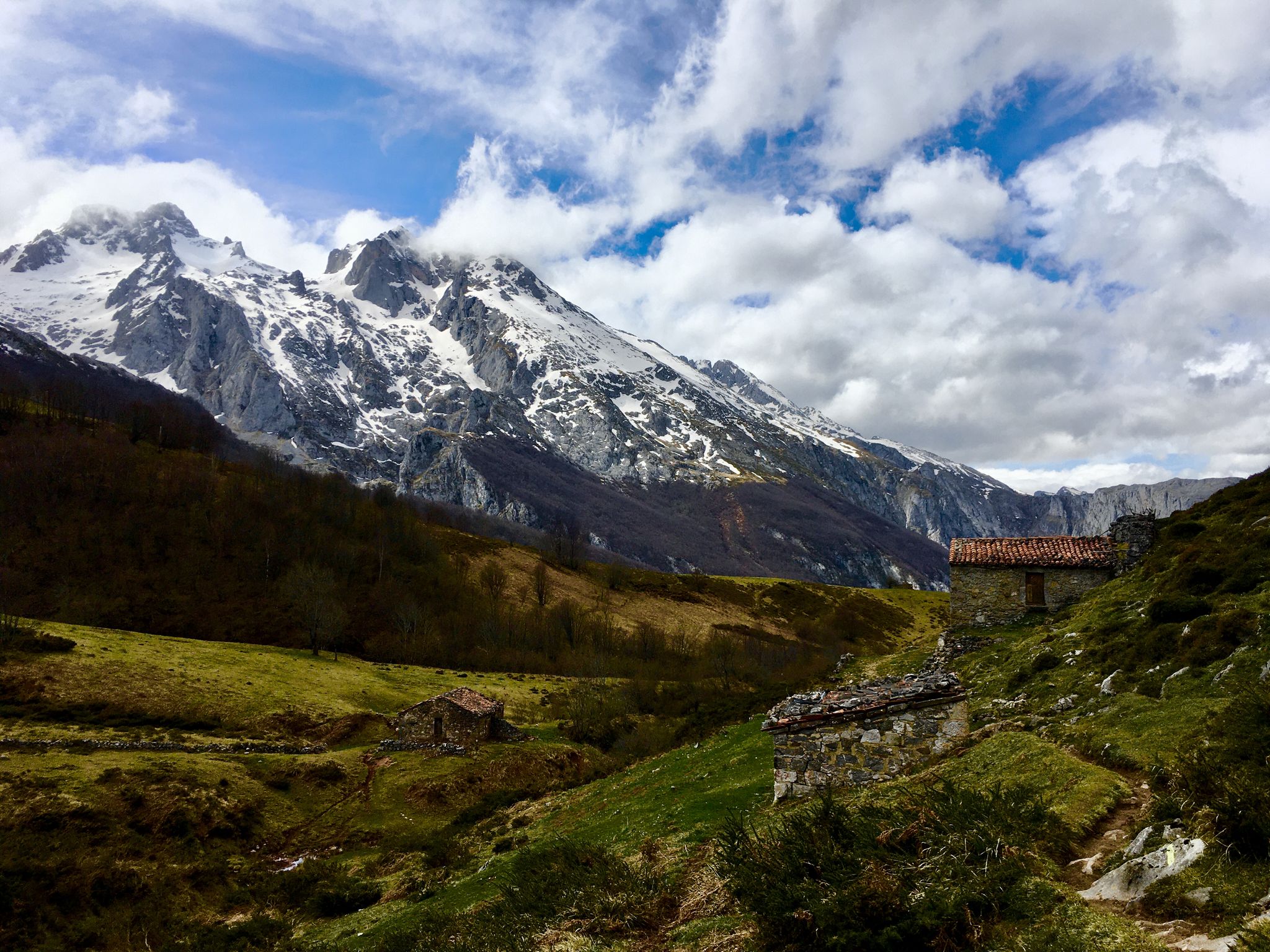
Route of the Reconquest (GR 202) – In the footsteps of an army
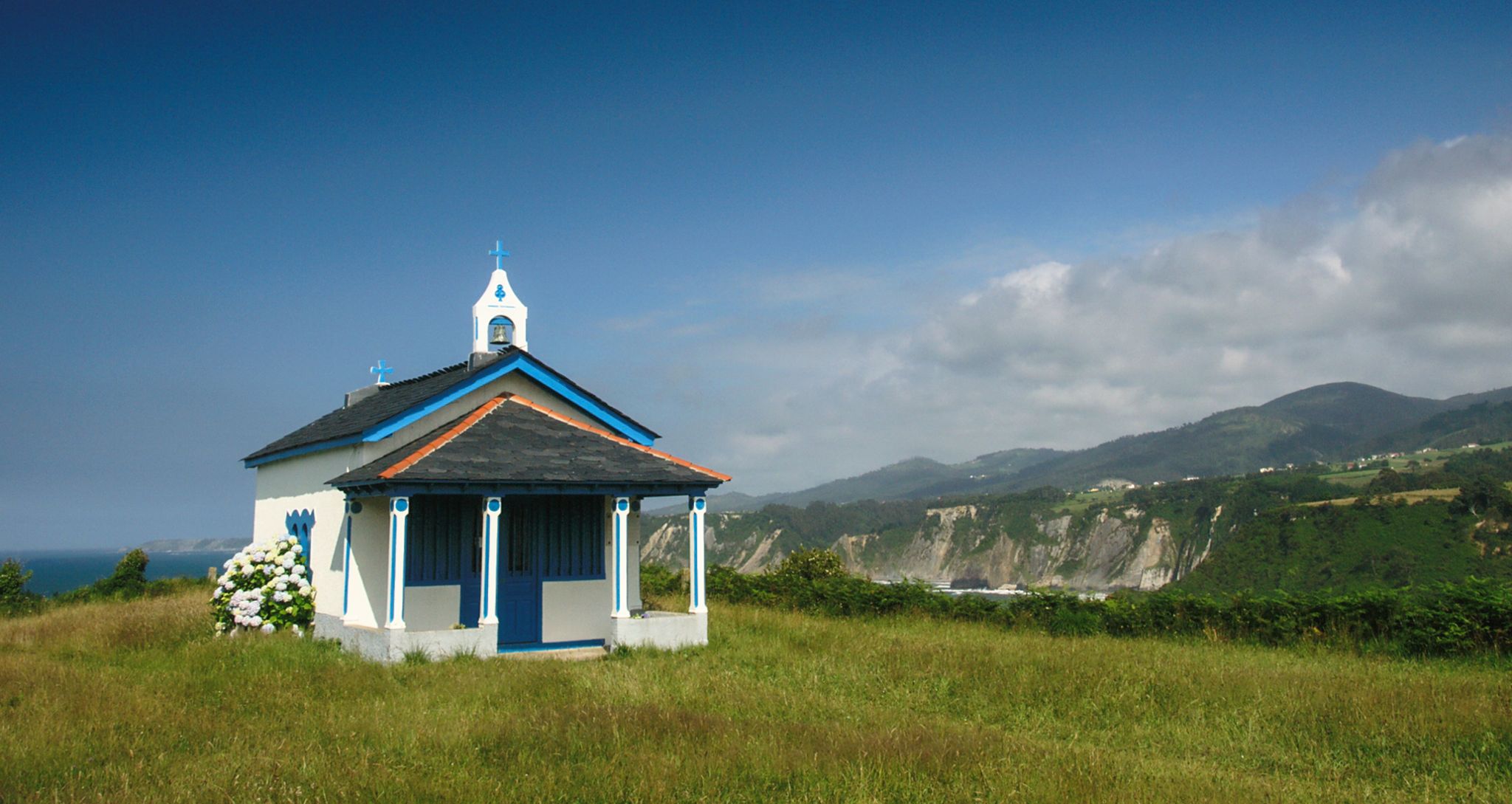
Camino del Norte – 15 stages
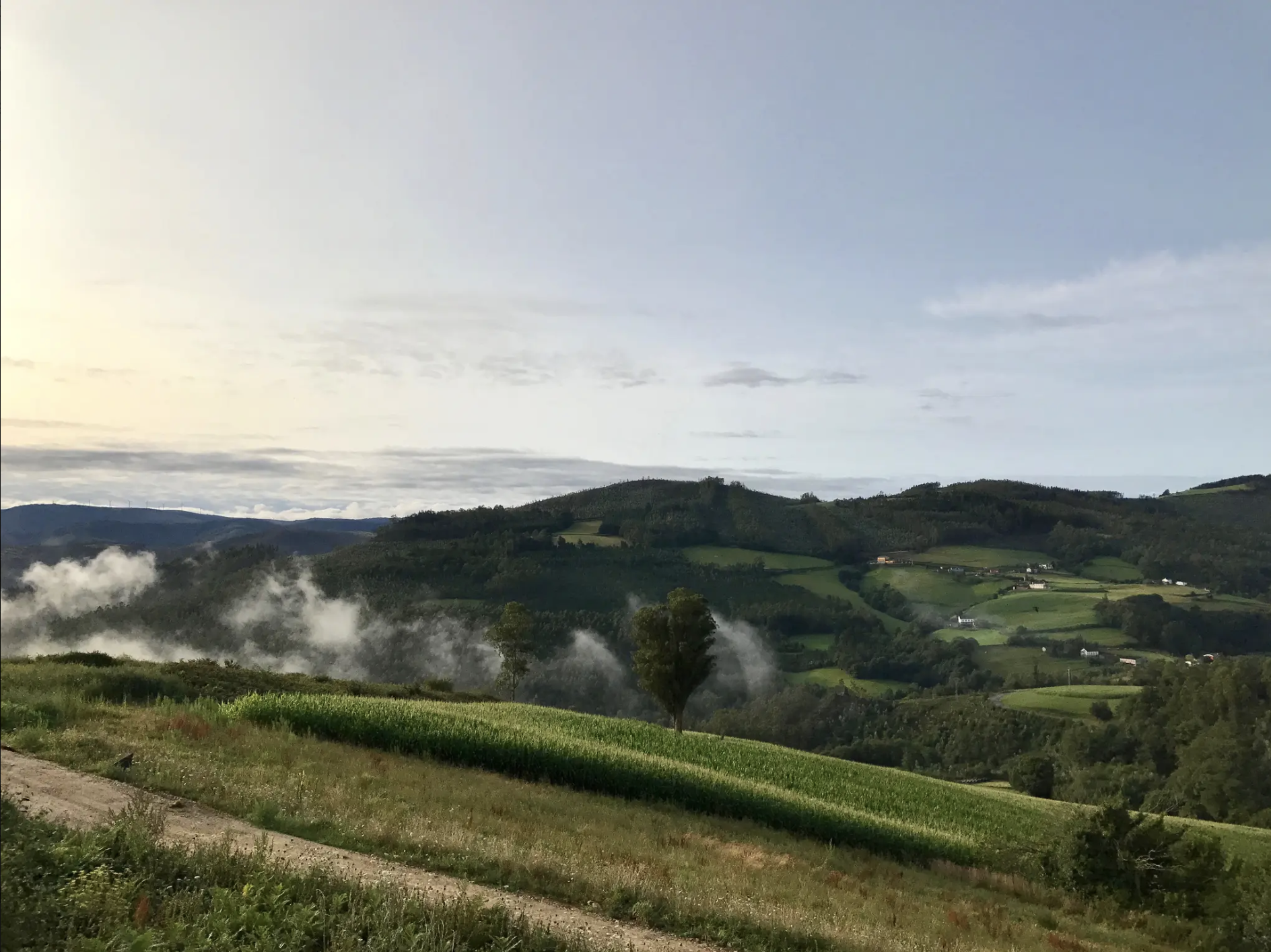
Camino del Norte (in reverse) – Discovering northern Spain's stunning coastline
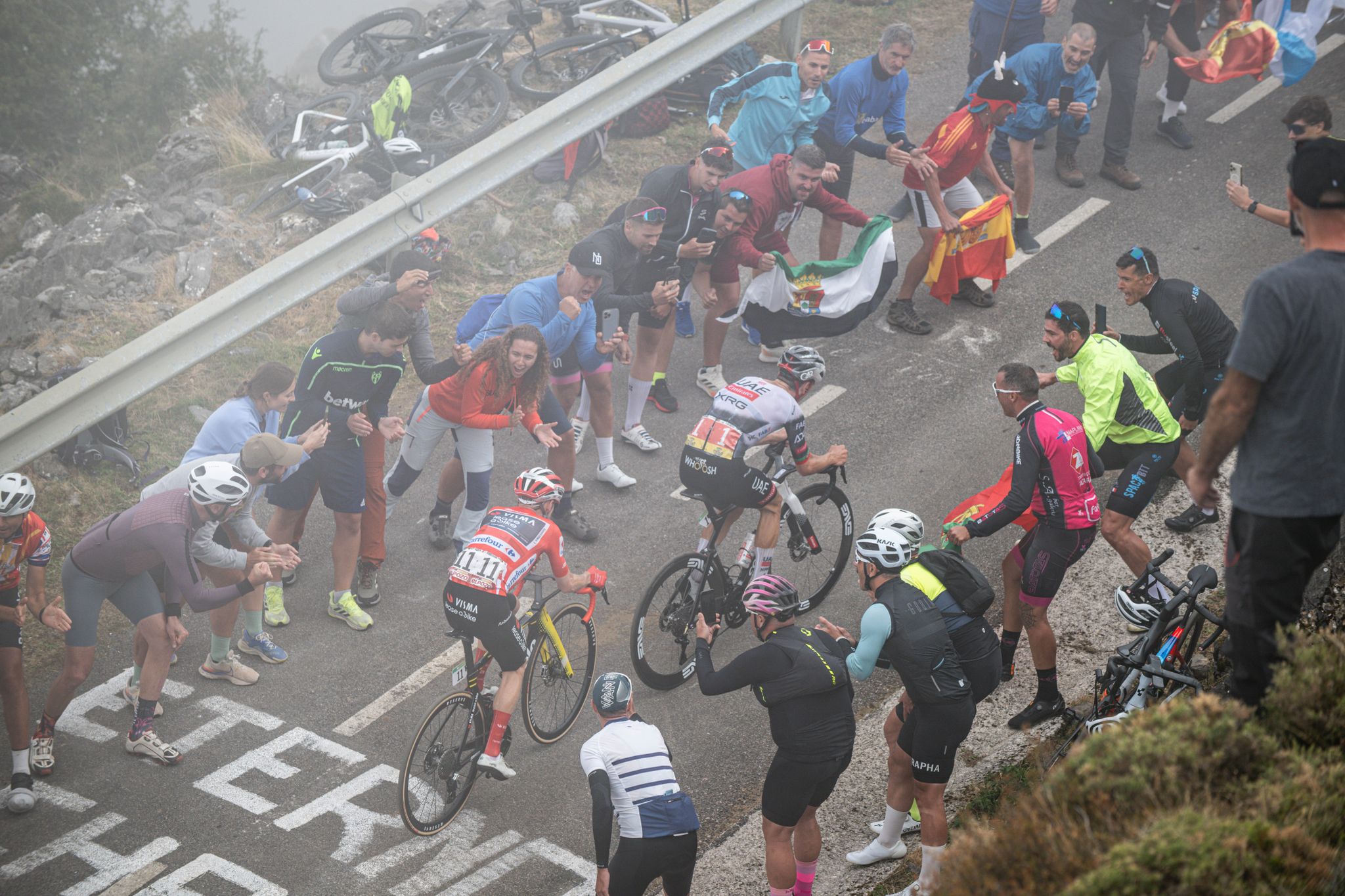
Mythical Passes and Sections of La Vuelta
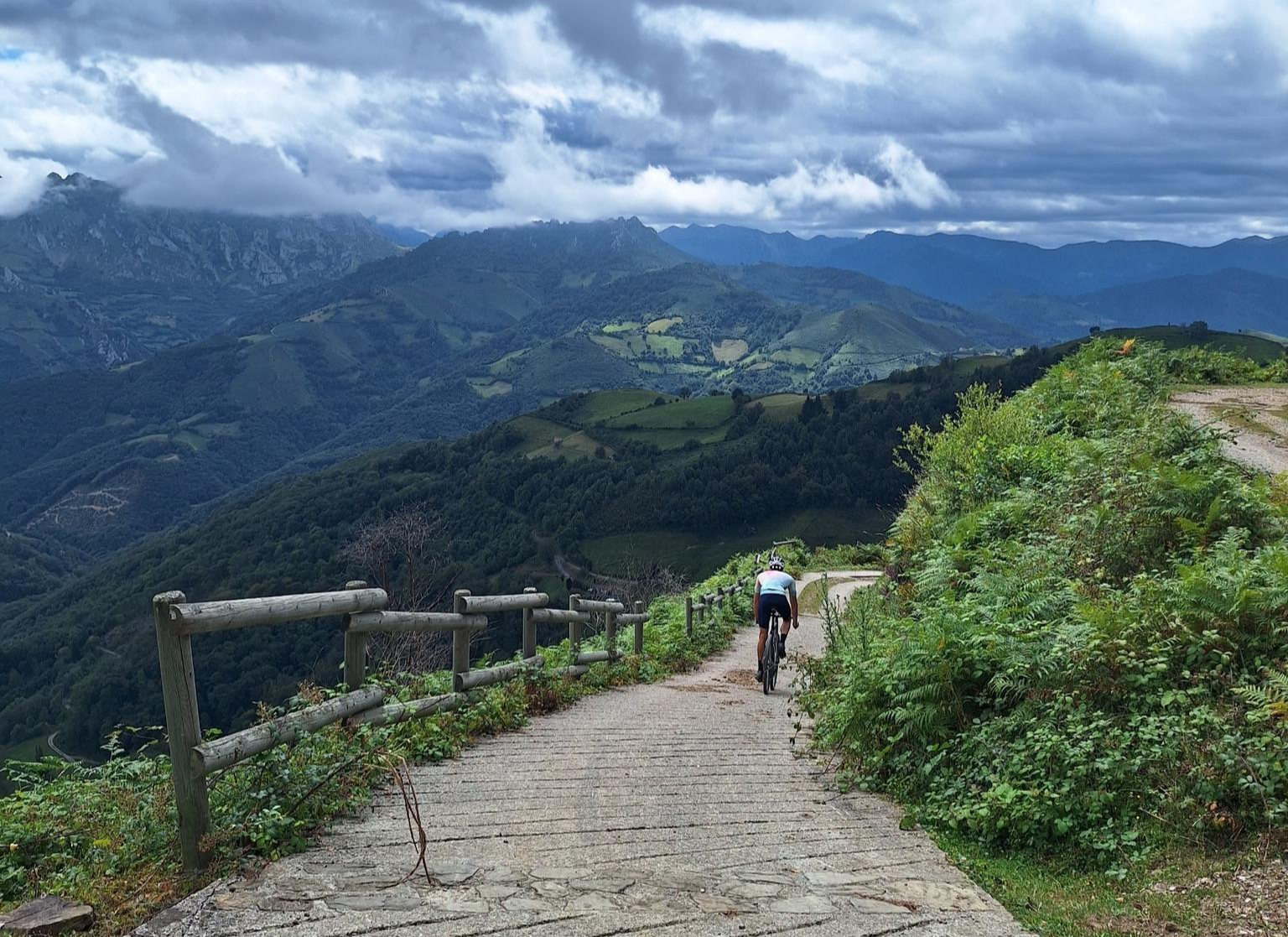
Central Mountain Cycling Ring GR 208 - Tour of the Asturian Mountains
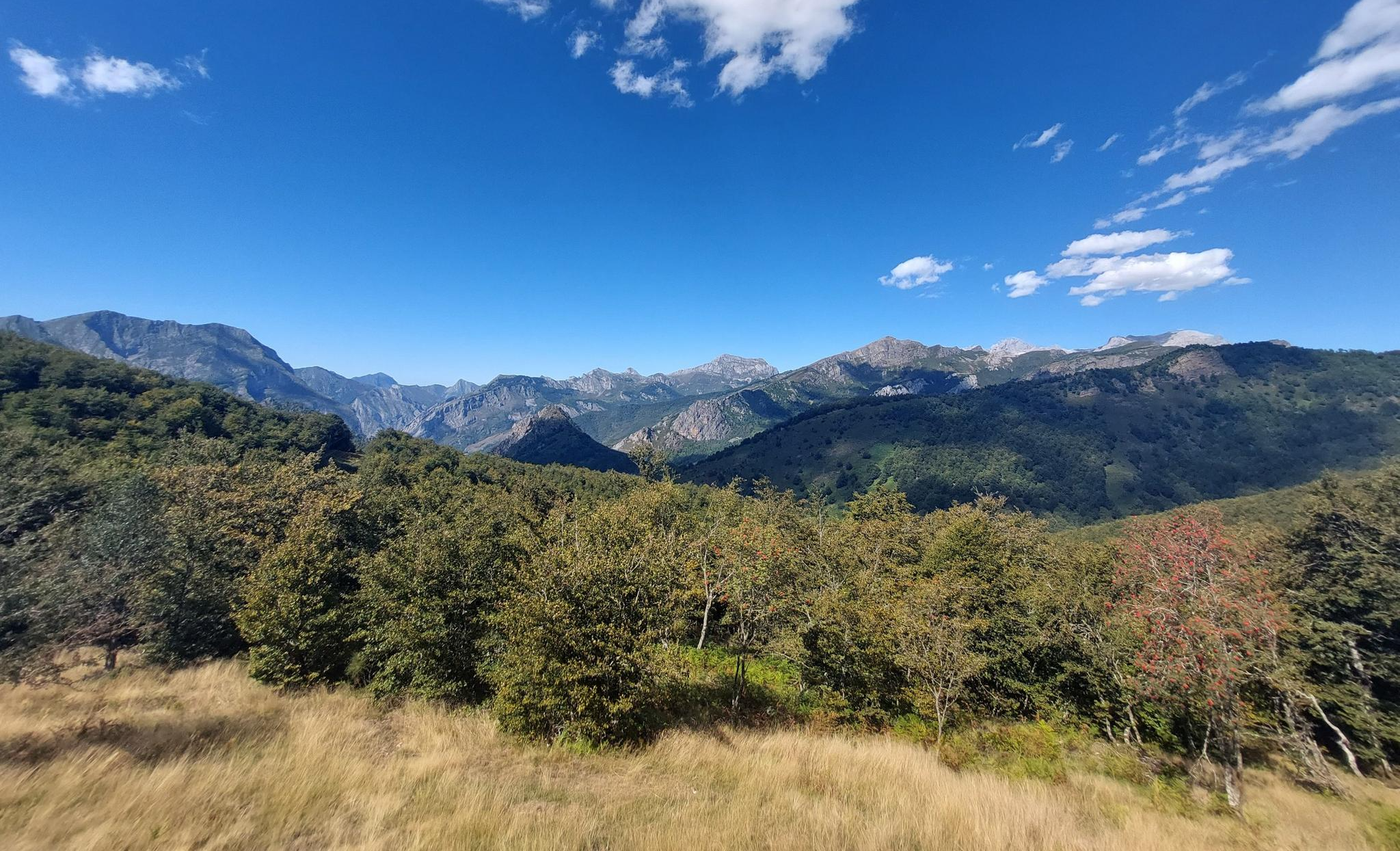
Senda del Arcediano (GR 210) - A historical hike through the Picos del Picos
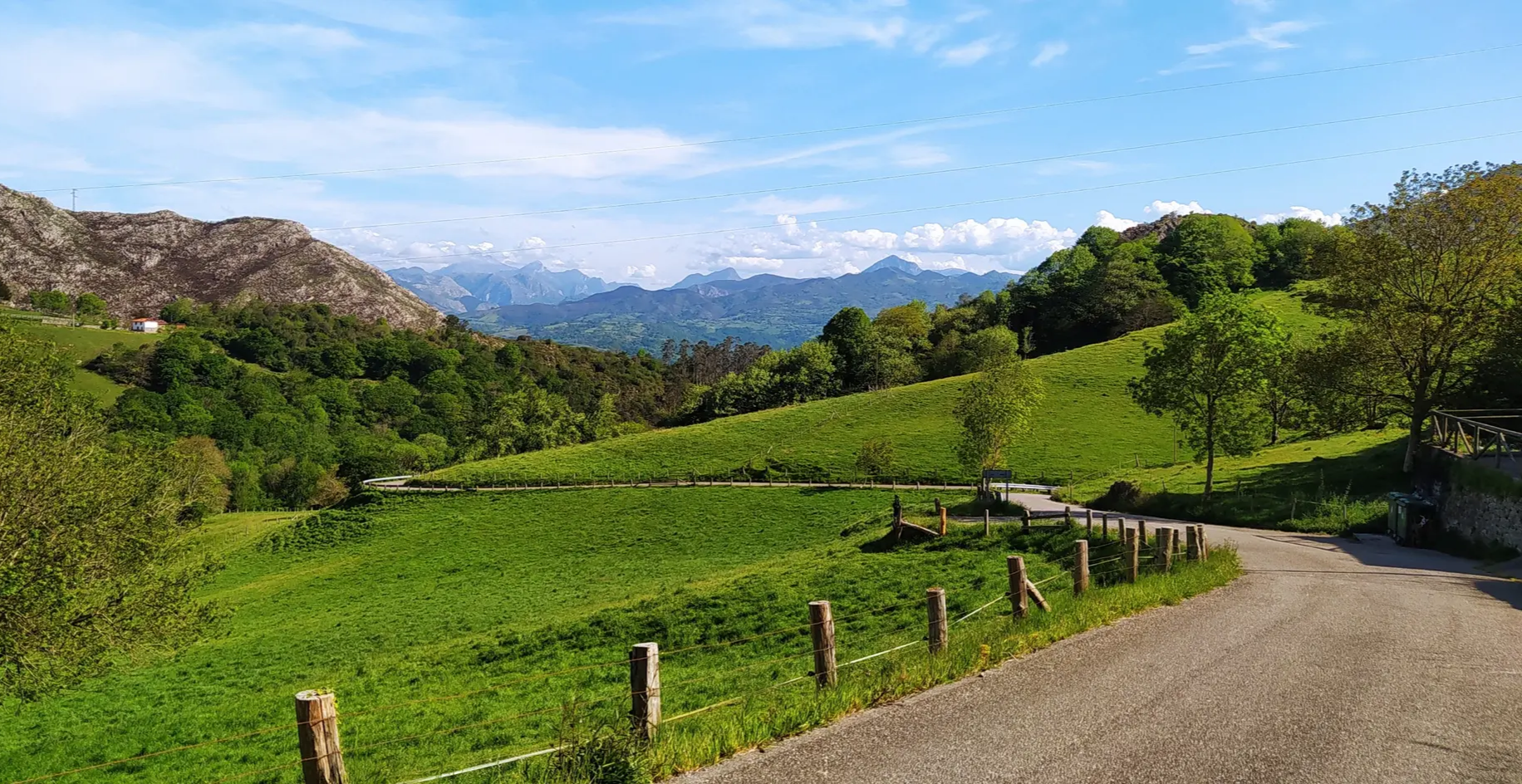
Great mountain passes of Picos de Europa on road bikes
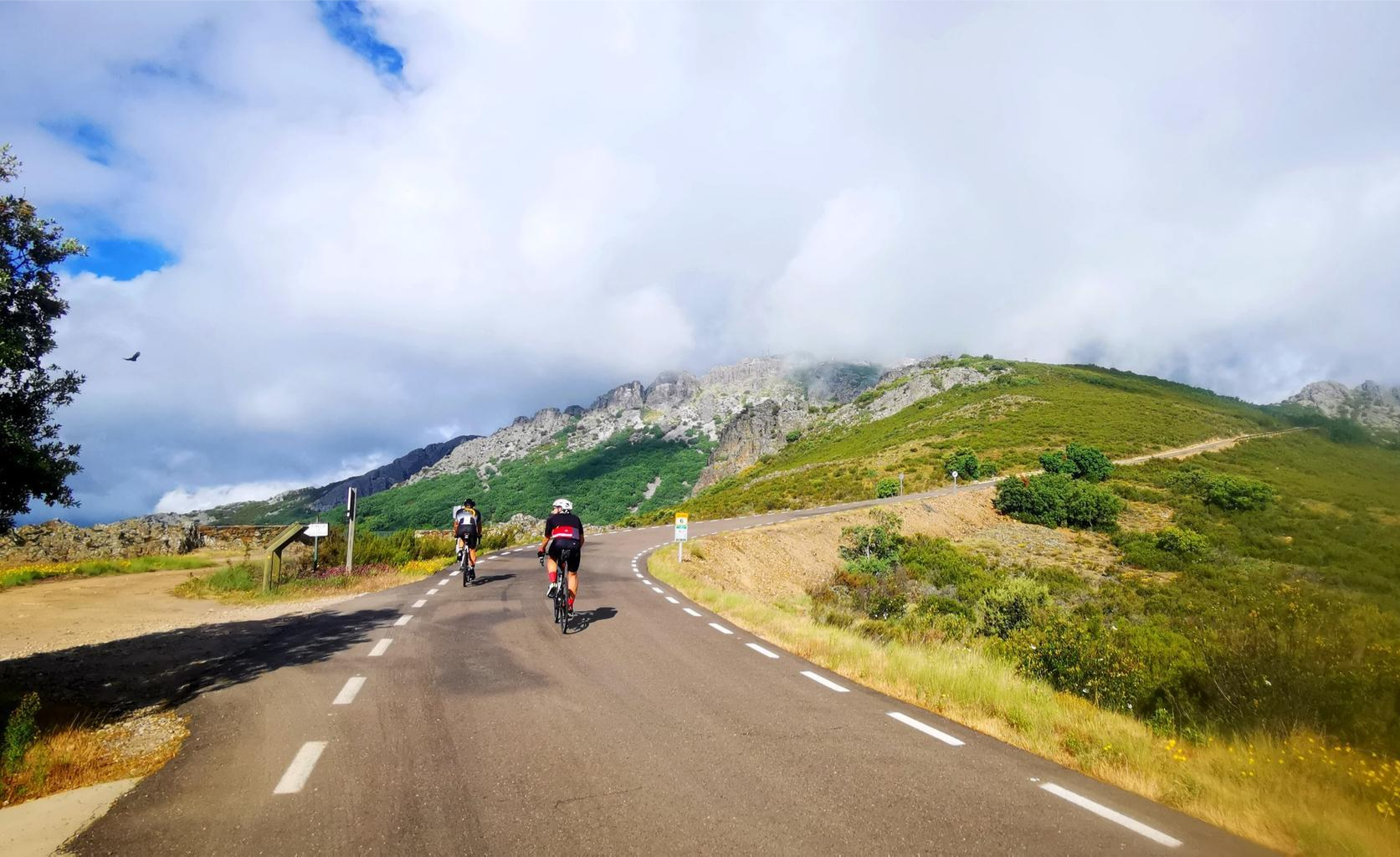
Legendary climbs - Ports of La Vuelta a España
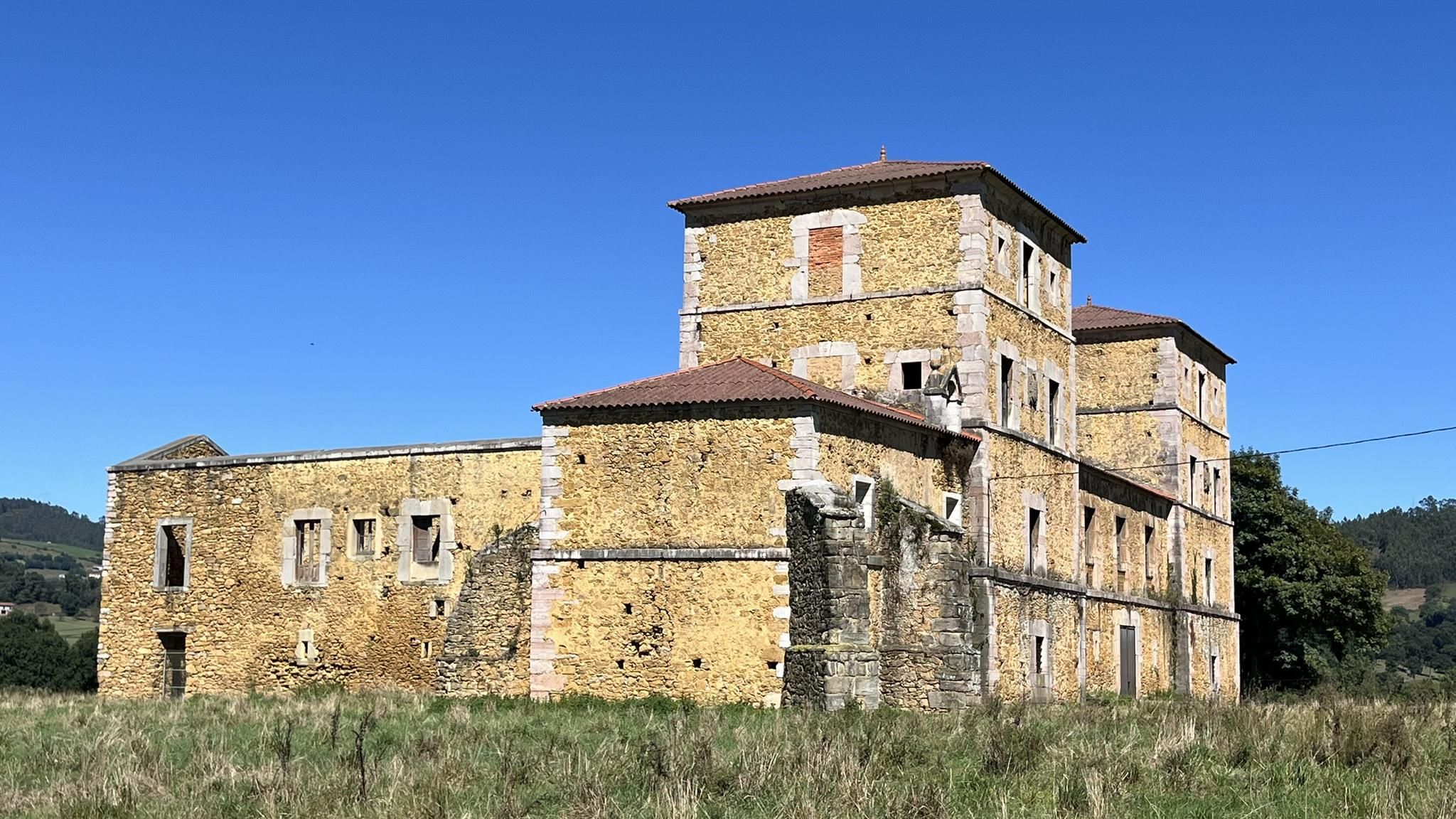
Route of the Palaces — GR 200
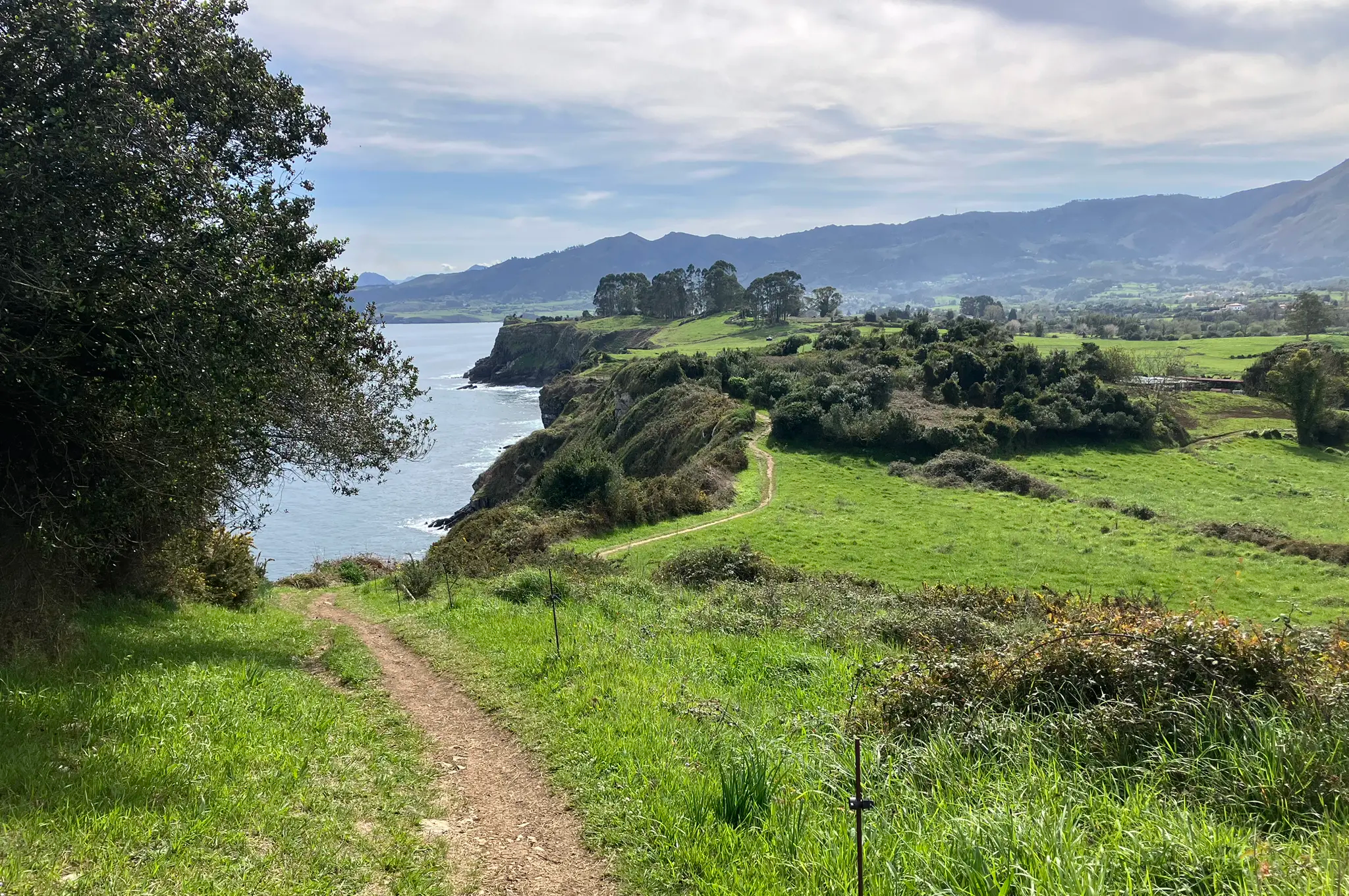
Green, Blue and Gold - Coastal Path through Asturias (GR 204)
Other adventures in Asturias


Tips from the Community

Ideal for a cycling holiday, with great and famous peaks nearby like the Lagos de Covadonga. Essentially sea and mountain within a distance of less than 5 km and a lot of atmosphere.
0
0

Ribadesella is one of Asturias's hot spots for adventure sports, especially because the bridge that crosses its estuary is the destination for the famous canoe descent of the Sella River. The town has a history dating back thousands of years. Although it was officially founded by Alfonso X the Wise in the 13th century, the nearby Tito Bustillo Cave is one of the most important cave paintings. Furthermore, the port has been a shipyard, and whaling ships have operated in its waters.
1
0

Since there are a lot of cars parked at the cable car, it is recommended to take the bus or a taxi (10 €) from Arenas to Poncebo.
3
0

This important place of worship—as a cathedral, the most important church not only in the city but in the entire archdiocese—bearing the title "San SALVADOR" was not dedicated to one of the many people we venerate as blessed or saints and ask for their heavenly intercession with God. Rather, it is dedicated to the incarnate Son of God, Jesus Christ, our Redeemer and Savior.
1
1

A fantastic swimming spot in the VERY cold Cares River. Highly recommended, especially after a hike!
0
0

At high tide, fountains spray from the ground
0
1

Known as the "Garganta Divina", this route between Cain (Leon, Castile and Leon) and Poncebos (Asturias) offers you the opportunity to walk between mountains that rise more than 2,000 meters above the bottom of the imposing gorge dug by the Cares River. You will see mythical peaks, cross bridges that connect both sides of the gorge, go through about 70 tunnels carved into the rock and witness an amazing natural spectacle.
4
0
Frequently Asked Questions
What are the best places for hiking in Asturias, especially in the Picos de Europa?
Asturias is a paradise for hikers, particularly within the Picos de Europa National Park. The iconic Ruta del Cares offers spectacular views through a deep gorge, with its first 6 kilometers from Cain being especially impressive. You can also explore the unique Dwarves' Tunnels on the Cares Trail. For more challenging routes, consider the full "Route of Cares from Poncebos to Caín" or the trails around Bulnes, which lead to stunning viewpoints of the Urriellu Peak. You can find more hiking options in the Picos de Europa and other areas on the Hiking in Asturias guide.
Where can I experience unique natural phenomena along the Asturian coast?
Along the Asturian coastline, you can witness the impressive Arenillas Blowholes near Llanes. These natural blowholes spectacularly expel seawater high into the air, creating sounds that resemble a breathing dragon. This natural monument is a must-see for its dramatic display, especially during strong waves.
Are there any significant historical or religious sites to visit in Asturias?
Yes, Asturias is rich in history and religious heritage. The Cathedral of San Salvador in Oviedo is a magnificent medieval structure, home to the sacred Cámara Santa which houses important relics. Beyond Oviedo, the Santuario de la Virgen de Covadonga is a highly significant religious site nestled in the mountains, often considered the birthplace of the Kingdom of Spain. The region also boasts several UNESCO World Heritage pre-Romanesque structures from the 9th century, such as Santa María del Naranco and San Miguel de Lillo.
What charming villages or settlements should I explore in Asturias?
Asturias is dotted with picturesque villages. Llanes Old Town and Harbour offers a historical atmosphere with its medieval walls and vibrant port. The village of Bulnes is particularly unique, being isolated in a beautiful valley and only accessible by foot or funicular, offering incredible views of the Urriellu Peak. Other notable villages include Cudillero, known for its colorful hillside houses, and Luarca, often called the 'white town on the green coast'.
What are some easy hiking or walking routes suitable for families in Asturias?
For easier walks, especially those suitable for families, Asturias offers several options. The "Bufones de Pría Trail" and the "Bufones de Arenillas Loop" are relatively easy coastal walks where you can enjoy the scenery and natural blowholes. Another pleasant option is the "Coastal route from Nuviana." You can find more easy routes and detailed information on the Easy hikes in Asturias guide.
Where can I find impressive viewpoints in Asturias?
Asturias offers numerous breathtaking viewpoints. Within the Picos de Europa, the Cares Gorge (Garganta Divina) provides spectacular vistas of the deep ravine. Coastal areas like Cabo Vidio and Cabo Peñas also offer dramatic cliff formations and panoramic sea views. The Mirador del Fitu is particularly renowned for its dual views of both the Cantabrian Sea and the Picos de Europa mountains.
Are there any natural parks or reserves in Asturias known for their wildlife and pristine nature?
Absolutely. Asturias is home to several significant natural parks. Somiedo Natural Park, a UNESCO Biosphere Reserve, is known for its pristine nature, ancient forests, glacial lakes, and traditional 'brañas' (thatched-roof huts). It's also a stronghold for diverse flora and fauna, including the Cantabrian brown bear. Redes Natural Park, another Biosphere Reserve, boasts majestic mountains, waterfalls, and wildlife like the Cantabrian brown bear, capercaillie, and Iberian wolf. Muniellos Forest, one of Europe's largest oak forests, is a legendary place requiring prior authorization for entry to protect its unique ecosystem.
What cycling opportunities are available in Asturias?
Asturias provides diverse cycling routes for various skill levels. For a challenging ride, consider the "Lagos de Covadonga Trail" which takes you through stunning mountain scenery. Coastal routes like the "Gijón, Cabo Peñas, Luanco, Candás — circular by the coast" offer beautiful sea views. There are also moderate options such as the "La Camocha Greenway and Piles River Path Loop." Explore more cycling adventures on the Cycling in Asturias guide.
What is the best time of year to visit Asturias for outdoor activities?
The best time to visit Asturias for outdoor activities like hiking and cycling is generally from late spring to early autumn (May to October). During these months, the weather is typically milder and more stable, making it ideal for exploring the mountains and coast. Summer (July and August) offers the warmest temperatures, but also the highest tourist numbers. Spring and autumn provide pleasant temperatures and fewer crowds, with vibrant landscapes.
Can I find prehistoric sites or ancient art in Asturias?
Yes, Asturias is home to significant prehistoric sites. The Cuevas de Tito Bustillo in Ribadesella is a UNESCO World Heritage Site famous for its ancient Paleolithic rock paintings. Other caves like El Pindal, Covaciella, Llonín, and La Peña also feature impressive prehistoric art, offering a glimpse into the region's ancient past.
Are there any unique natural water features besides blowholes in Asturias?
Beyond the coastal blowholes, Asturias features stunning inland water formations. The Lakes of Covadonga (Lake Enol and Lake Ercina) are pristine glacial lakes nestled within the Picos de Europa, offering picturesque views and hiking opportunities. You can also find a crystal-clear stream near the Cares River, providing refreshing natural beauty within the gorge.
Most popular routes in Asturias
Most popular attractions in Asturias

Get inspired with the komoot mobile app


Didn’t find what you were looking for?
Are you keen on exploring more awesome places nearby? Browse our guides:
Explore more
Still not found the Highlight you’re looking for? See guides of the top attractions in other regions:
