Top 20 Natural Monuments in Friuli Venezia Giulia
Best natural monuments in Friuli Venezia Giulia showcase a diverse landscape, from the Julian Alps to the Adriatic coast. This region features unique geological formations, including extensive cave systems and braided rivers, alongside pristine mountain environments and tranquil lagoons. These sites offer a wealth of natural features, providing opportunities to explore the area's rich biodiversity and varied terrain.
Best natural monuments in Friuli Venezia Giulia
- The most popular natural monuments is Lake Cornino, a lake that rises within a…
Last updated: October 13, 2026
Corner of the three States
Highlight • Summit
Showing Translation
Tip by

Lago di Fusine Inferiore
Highlight • Lake
Translated by Google •
Tip by

Sign up now to discover places like this
Get recommendations on the best single tracks, peaks, & plenty of other exciting outdoor places.
Three-Country Point (Peč / Ofen / Monte Forno) Summit
Highlight • Summit
Translated by Google •
Tip by

Cadramazzo Stream Waterfall
Highlight • Waterfall
Translated by Google •
Tip by

Valle Cavanata Regional Nature Reserve
Highlight • Natural Monument
Translated by Google •
Tip by

Belepeit River Waterfall
Highlight • Waterfall
Translated by Google •
Tip by
Lake Cornino
Highlight • Lake
Translated by Google •
Tip by

Giordano Cottur Cycle and Pedestrian Path
Highlight • Cycleway
Translated by Google •
Tip by

Rilke Trail
Highlight • Trail
Translated by Google •
Tip by
Duino Castle
Highlight • Castle
Translated by Google •
Tip by

Sign up for free to discover even more natural monuments in Friuli Venezia Giulia.
Already have an account?
Start today with a free account
Your next adventure awaits.
Popular around Friuli Venezia Giulia
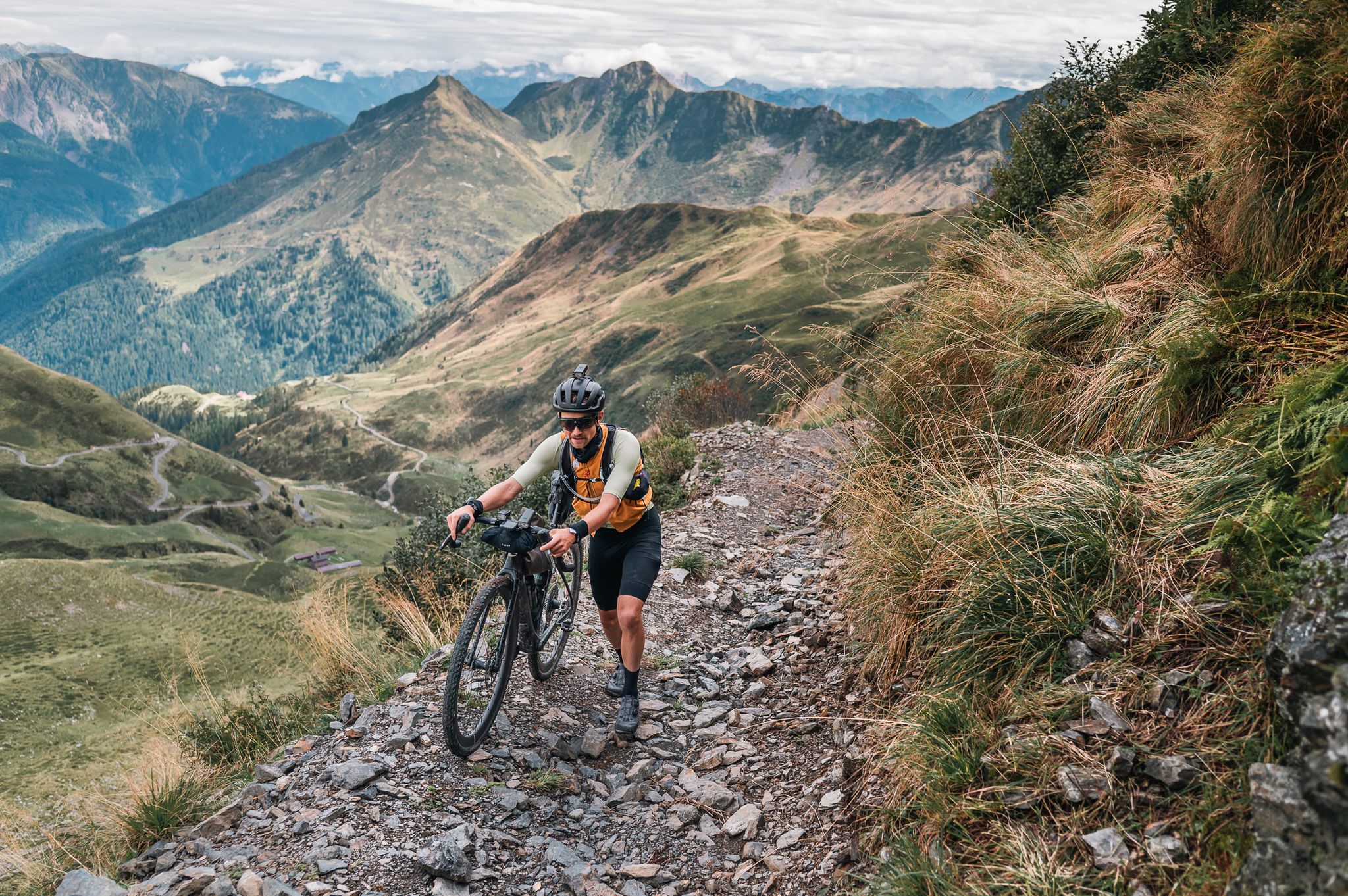
Sneak Peaks ADVENTURE 🥇
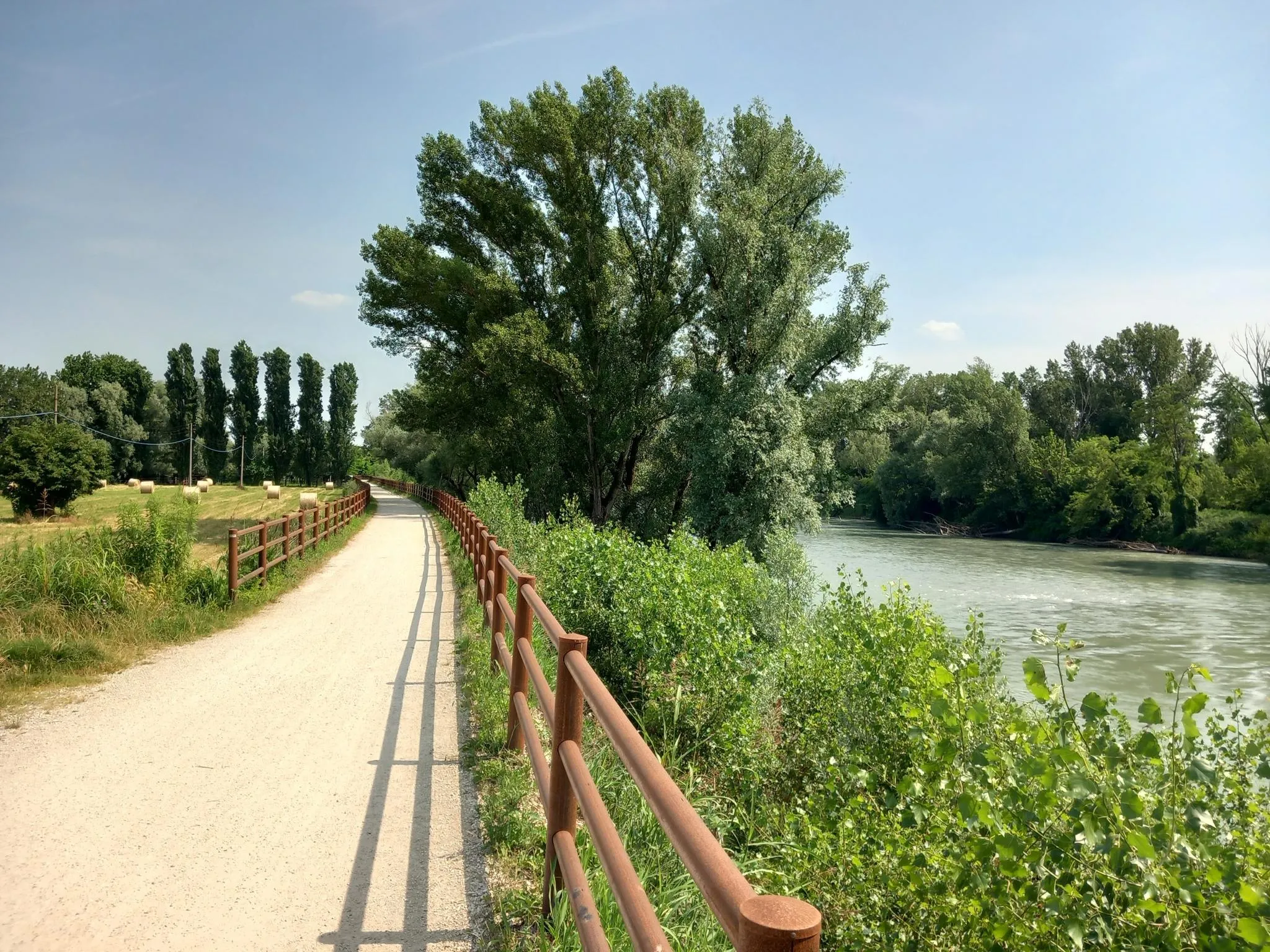
Via Postumia – Hike between the Tyrrhenian and Adriatic seas
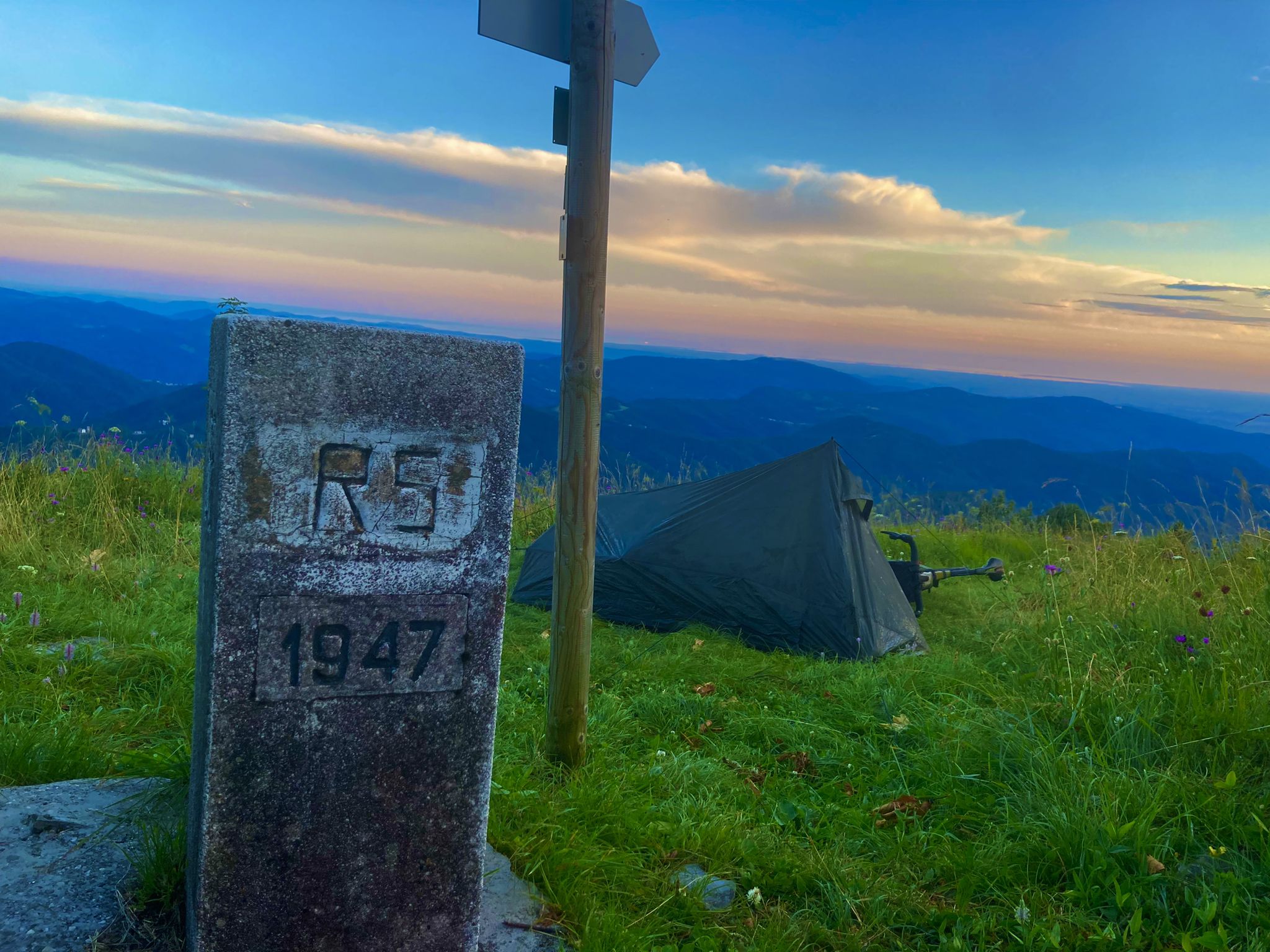
From Bavaria to the Adriatic - My Bikepacking Adventure to Croatia 2023
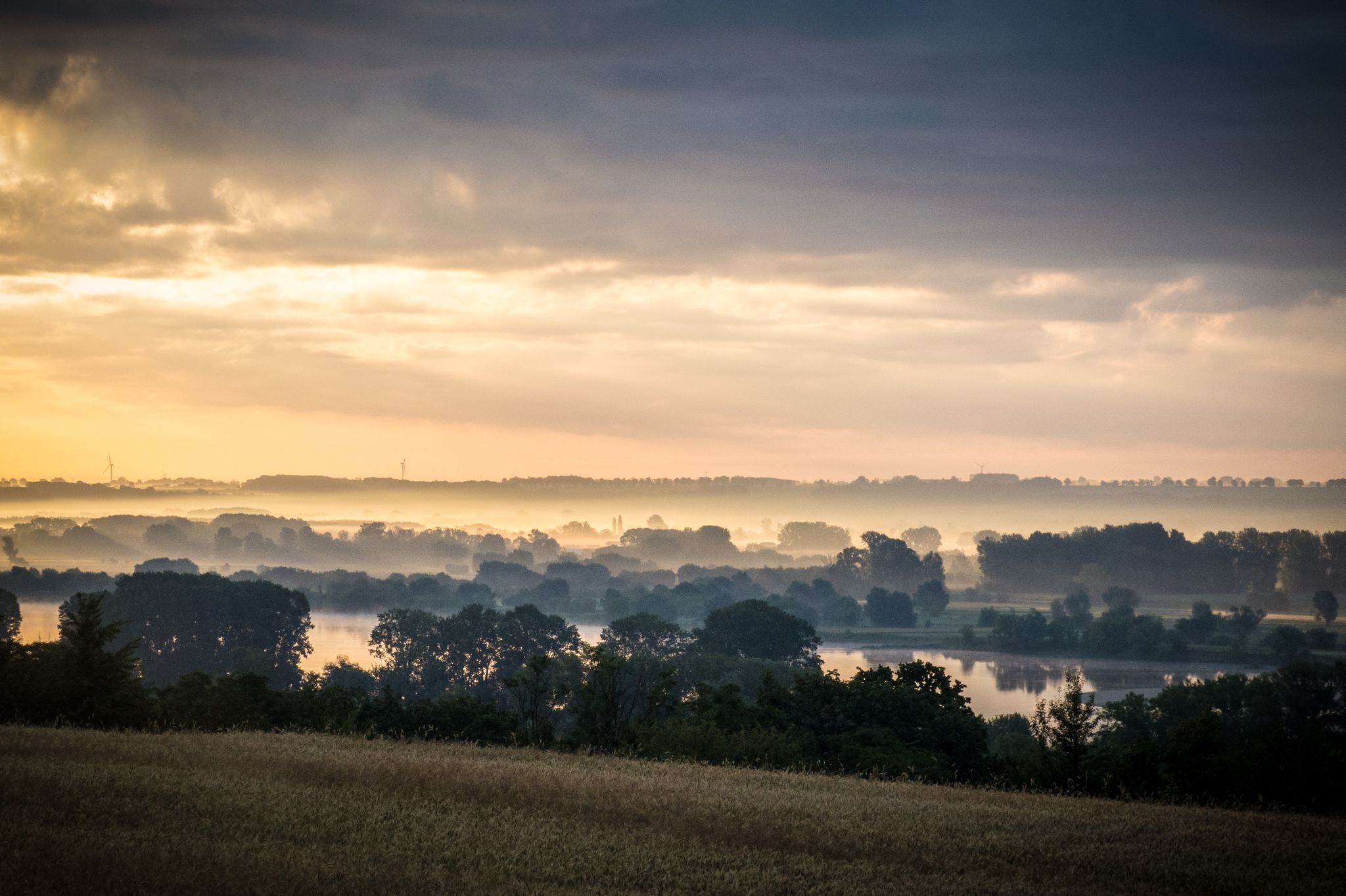
EuroVelo 9 – The Amber Route from the Baltic to Adriatic Sea
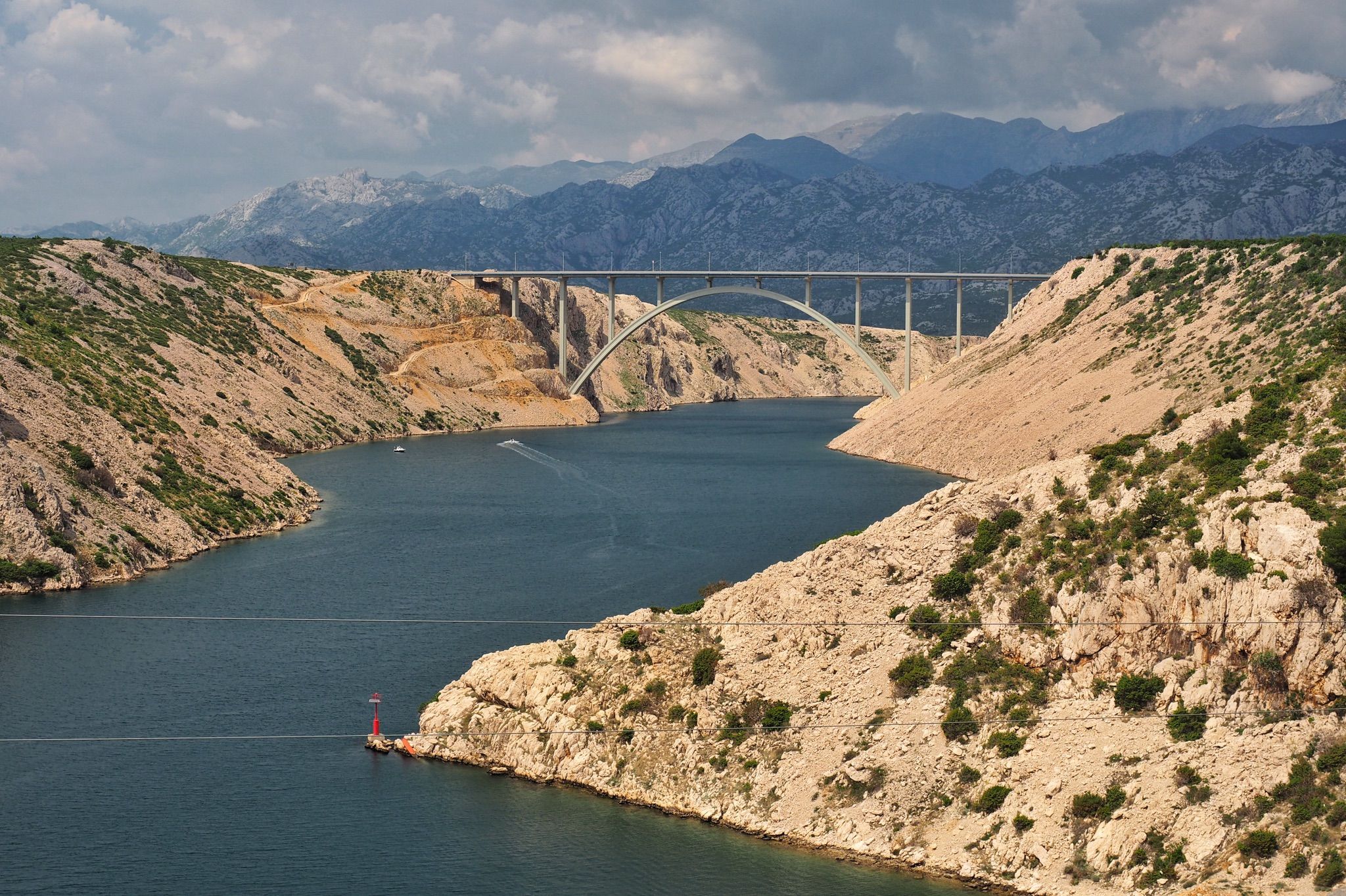
The Dinaric Alps – explore the Adriatic Sea in a different way
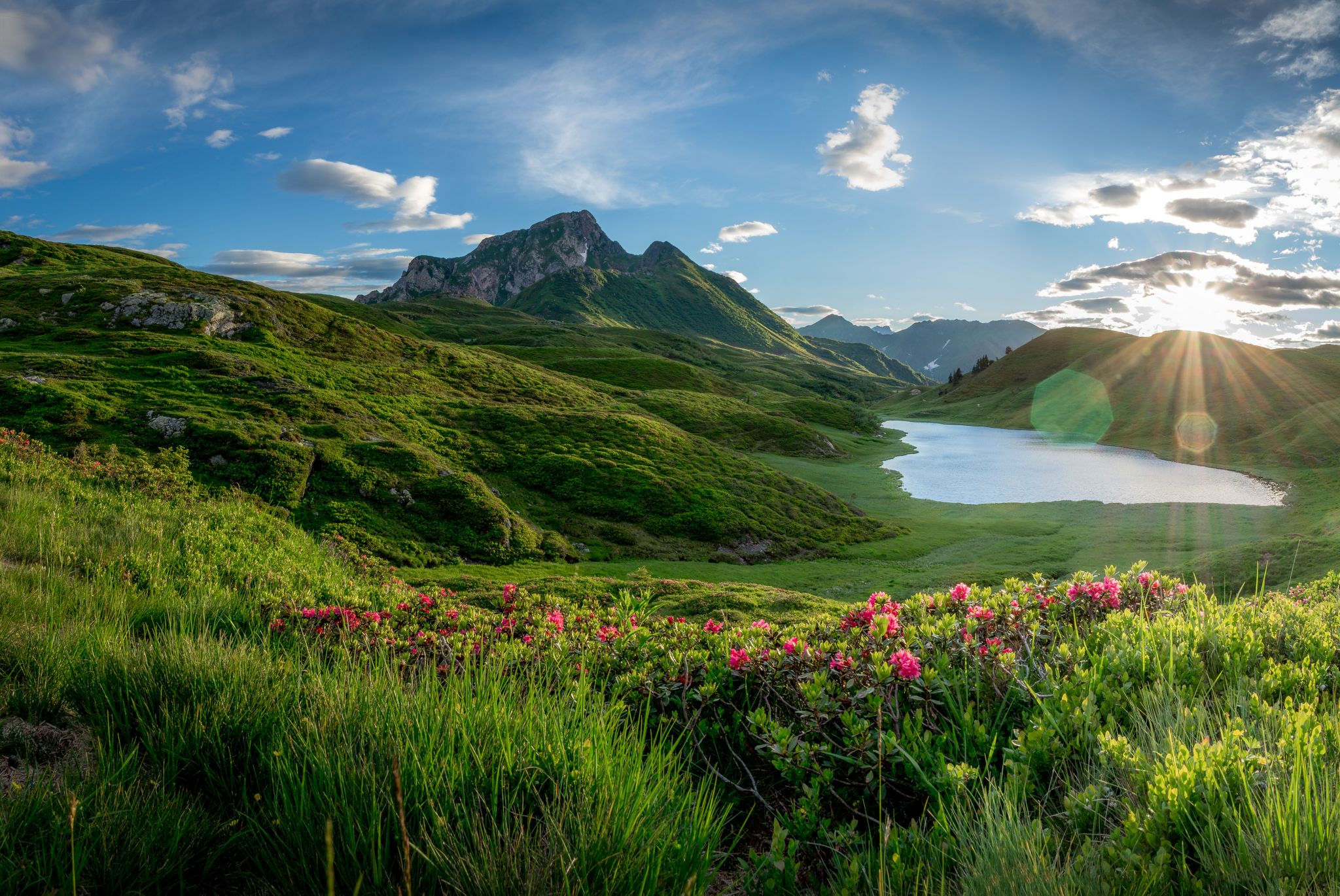
Southern Alpine Trail – Styrian vineyards and the Carnic Alps in Austria
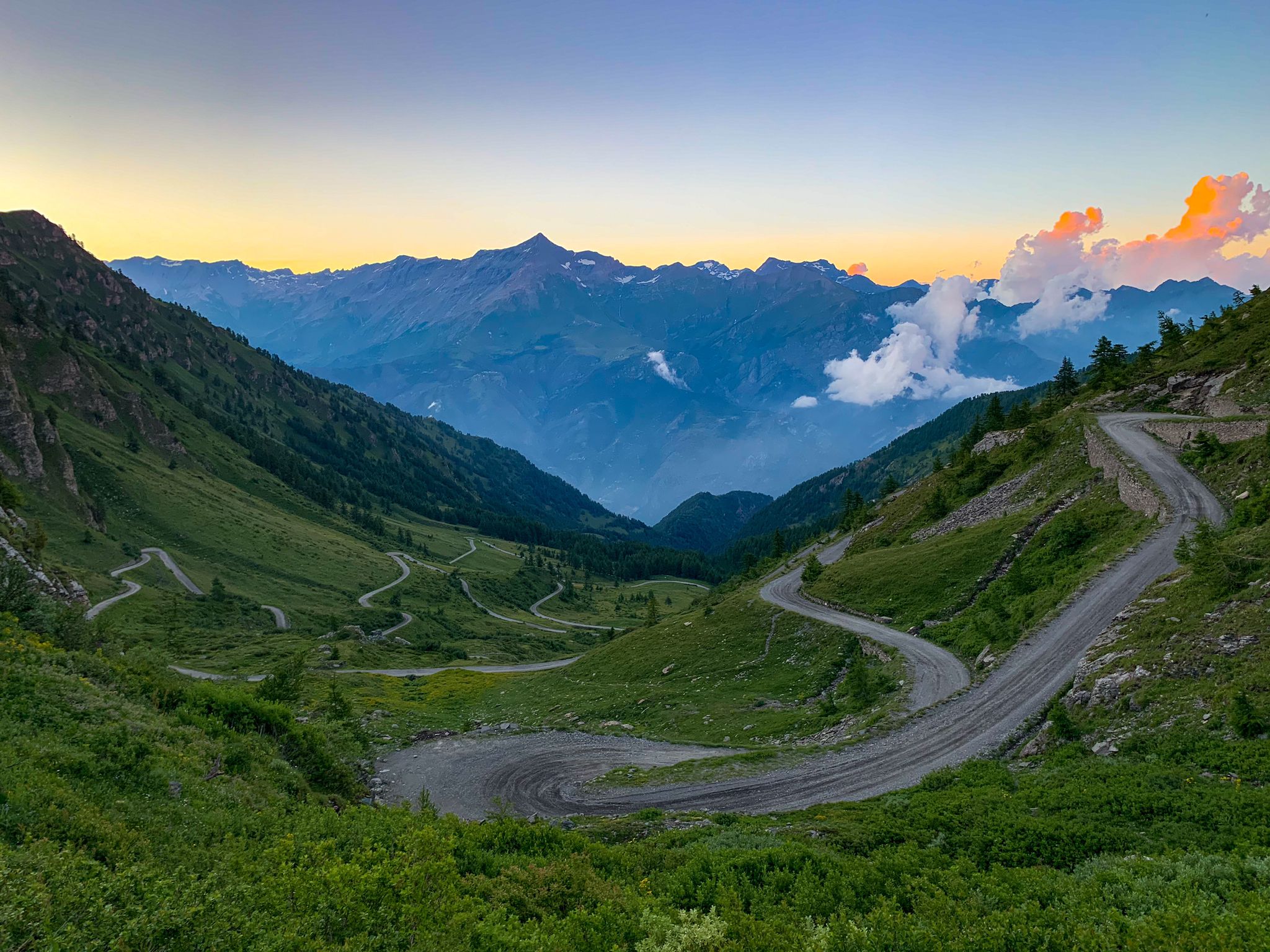
Chasing the sun across the Alps — unsupported solo
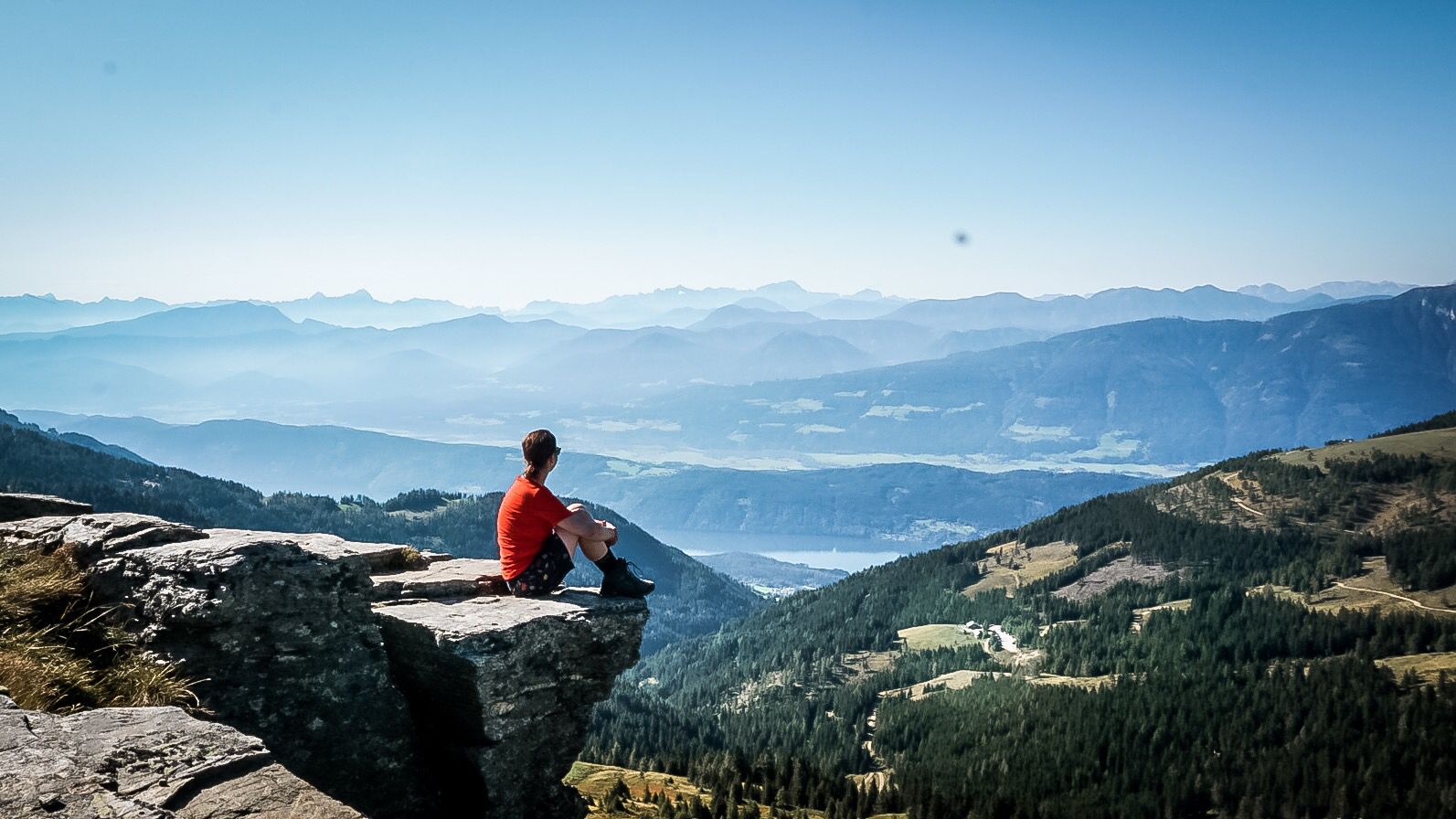
Alpe-Adria-Trail: My long-distance hike from the glacier to the sea
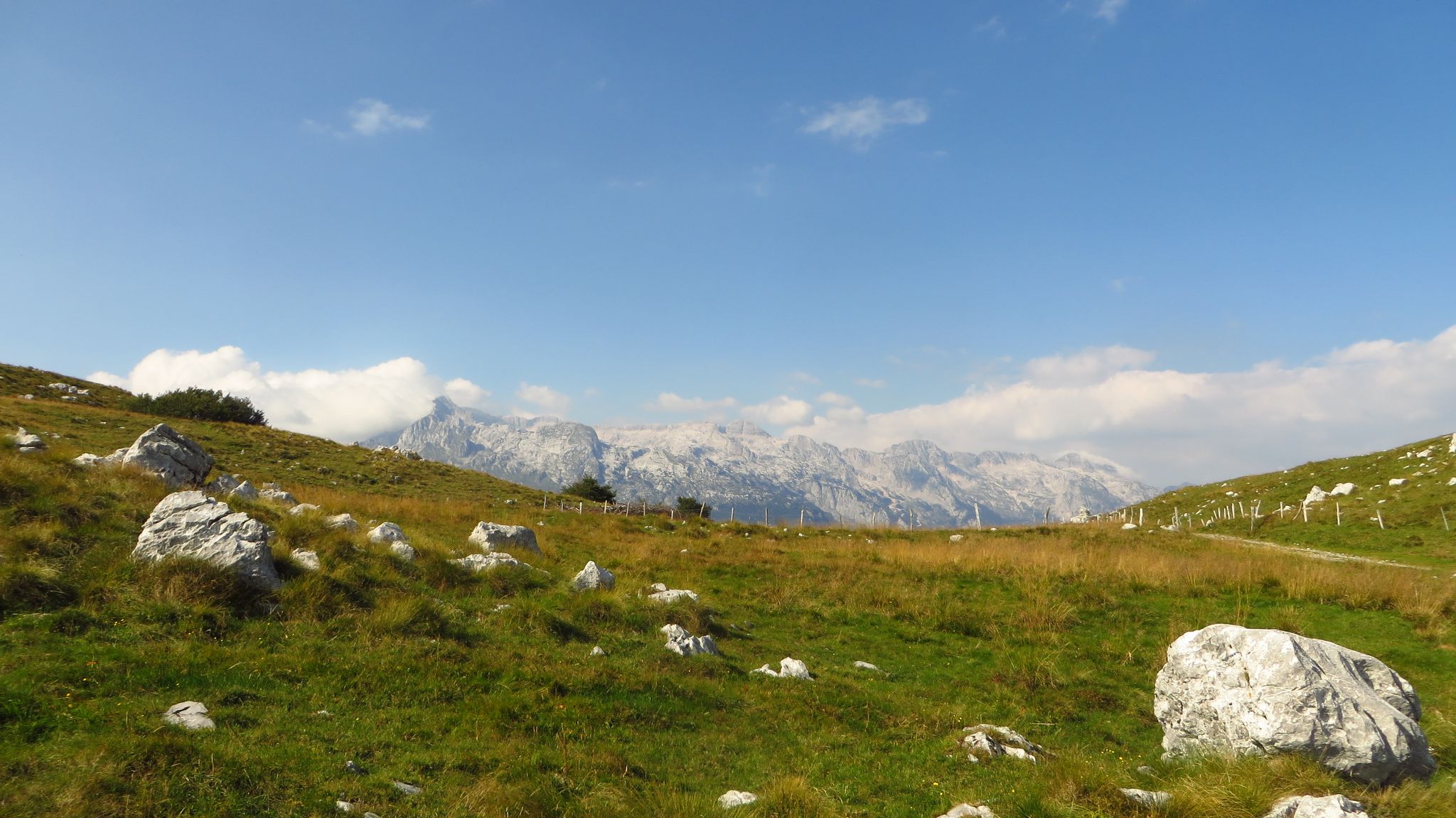
Alpe Adria – MTB Transalp through Slovenia to the Mediterranean Sea
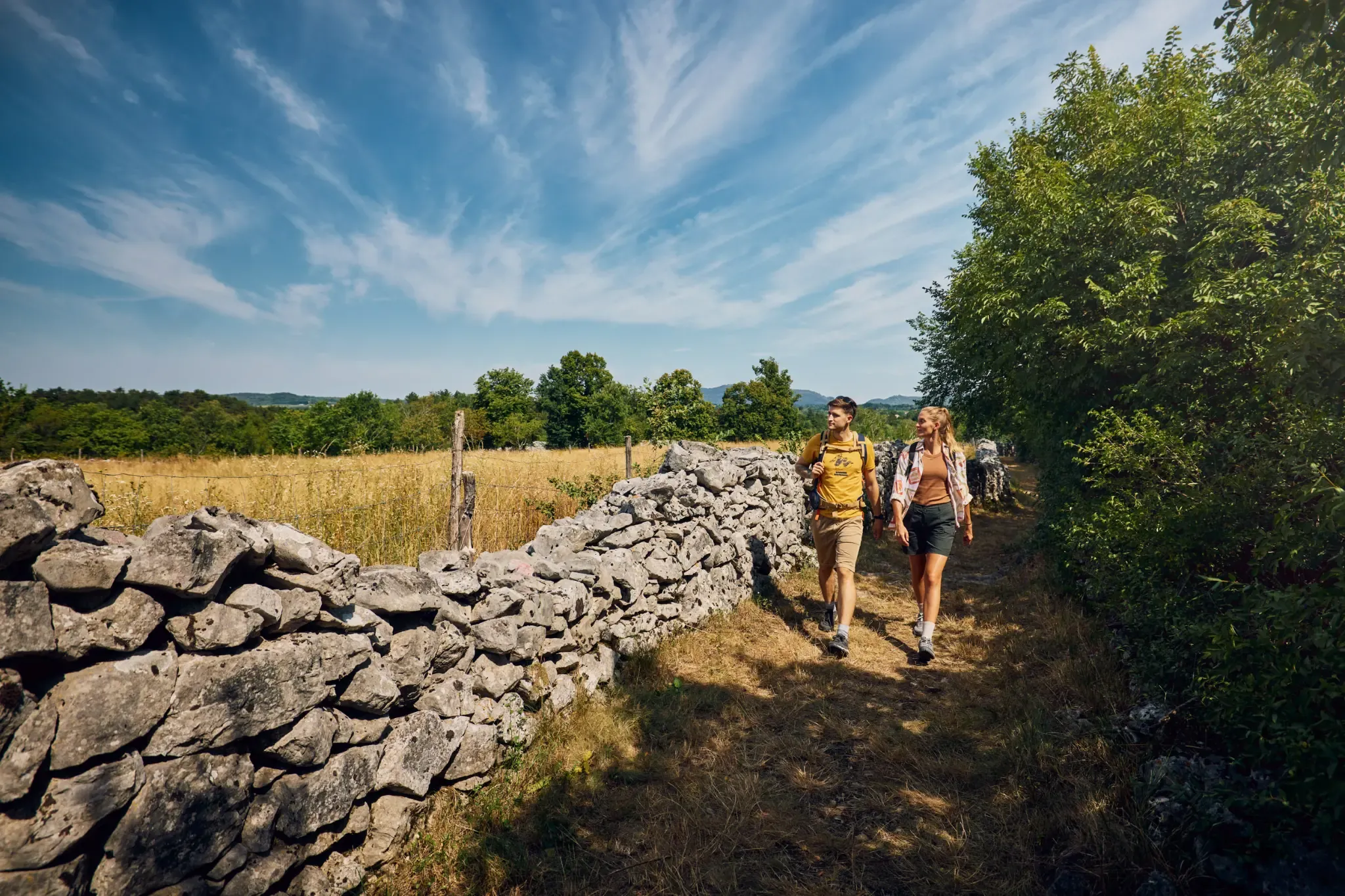
Carsus Trail – long-distance hiking in the green heart of the Karst
Other adventures in Friuli Venezia Giulia


Tips from the Community

There are many waterfalls like this one in these areas.
22
0

Great views and a great MTB approach from Slovenia. MTB descents towards Austria are apparently not permitted.
0
0

The path up here is worth it. Connects the towns of Sistiana and Duino.
1
0

The very conceptual name is both complete and true to the program. A great opportunity to stand high up at a "three-state junction" and look down on their countries.
0
0

Between Monfalcone and Trieste lies a spectacular castle overlooking the sea: Duino Castle, the private residence of the Princes of Thurn and Taxis. The castle has been open to the public since July 1, 2003. Be sure to plan a stop, it's worth it!
1
0

What a beautiful lake, the short detour is well worth it.
13
0

Small lake with wonderful colours, at the foot of rocky cliffs which are home to colonies of griffon vultures which can easily be seen circling in the sky above us.
4
1

You can also do an overnighter here (I heard)
1
0
Frequently Asked Questions
What are some of the most popular natural monuments in Friuli Venezia Giulia?
Friuli Venezia Giulia is home to many beloved natural monuments. Among the most popular are Lake Cornino, known for its crystal-clear water and Caribbean feel, and the Three-Country Point Summit, where three national borders meet, offering breathtaking views. Visitors also frequently enjoy Lago di Fusine Inferiore, a stunning glacial lake ideal for a short stop.
What kind of natural features can I expect to see in Friuli Venezia Giulia's natural monuments?
The region's natural monuments showcase an incredible diversity of features. You can explore rugged mountain peaks and pristine valleys in the Parco Naturale delle Dolomiti Friulane, unique braided river systems like the Tagliamento River, and tranquil lagoon environments such as the Riserva Naturale Regionale delle Foci dello Stella. There are also spectacular underground caves like Grotta Nuova di Villanova and Grotta Gigante, enchanting glacial lakes like Laghi di Fusine, and impressive waterfalls such as Cascata del Rio d'Alba and Cadramazzo Stream Waterfall.
Are there family-friendly natural monuments in Friuli Venezia Giulia?
Yes, many natural monuments in Friuli Venezia Giulia are suitable for families. Lago di Fusine Inferiore offers boat rentals and a kiosk, making it perfect for a relaxed outing. Lake Cornino is also a great spot for families. The Valle Cavanata Regional Nature Reserve is another excellent choice, providing easy trails and opportunities for wildlife observation.
What is the best time to visit the natural monuments in Friuli Venezia Giulia?
The best time to visit depends on the experience you seek. Spring and summer are ideal for hiking, trekking, and enjoying the rich flora and fauna, especially in areas like the Parco Naturale delle Dolomiti Friulane and around the Laghi di Fusine. For birdwatching, the Riserva Naturale Regionale delle Foci dello Stella is excellent year-round, particularly during migration seasons. In winter, areas like Laghi di Fusine transform into magical snow-covered landscapes, perfect for snowshoeing and cross-country skiing. Caves like Grotta Gigante and Grotta Nuova di Villanova maintain a constant temperature, making them suitable for visits in any season.
Are there hiking trails suitable for different skill levels near these natural monuments?
Absolutely. Friuli Venezia Giulia offers a wide range of hiking opportunities. For easy walks, you can explore the circular trail around Laghi di Fusine or the paths within the Valle Cavanata Regional Nature Reserve. More challenging routes can be found in the Parco Naturale delle Dolomiti Friulane and Val Rosandra. You can find many easy hikes in the region by checking out the Easy hikes in Friuli Venezia Giulia guide.
What outdoor activities can I do near these natural monuments?
Beyond hiking, the region offers diverse outdoor activities. You can enjoy road cycling through scenic routes like those around the Predil Pass and Fusine Pass, as detailed in the Road Cycling Routes in Friuli Venezia Giulia guide. The Tagliamento River provides opportunities for water sports like canoeing and rafting. For those seeking more intense activities, the mountainous areas are excellent for mountaineering and running, with various trails available in the Running Trails in Friuli Venezia Giulia guide.
What makes the Grotta Gigante a unique natural monument?
The Grotta Gigante, near Trieste, is renowned for holding the Guinness World Record for the largest tourist cave with a single chamber. Its main chamber, the 'Grande Caverna,' is immense, measuring nearly 100 meters high and over 160 meters long. Visitors can descend about 100 meters to marvel at colossal stalactites and stalagmites, some reaching 30 meters in length, offering a truly breathtaking underground experience.
Are there any historical or cultural sites near the natural monuments?
Yes, several natural monuments are intertwined with history. In Val Rosandra, you can find remnants of a 1st-century Roman aqueduct and a small church along the hiking trails. The Predil Pass has significant historical importance as a former border and strategic point. Additionally, the Riserva Naturale Regionale delle Foci dello Stella features traditional fishermen's houses, known as 'casoni,' built from wood and reeds, forming a characteristic village.
What do visitors particularly enjoy about the natural monuments in Friuli Venezia Giulia?
Visitors consistently praise the stunning natural beauty and the sense of tranquility. For instance, the crystal-clear waters of Lake Cornino and the dramatic reflections in Laghi di Fusine are frequently highlighted. The panoramic views from summits like the Three-Country Point are also a major draw. Many appreciate the opportunity for peaceful walks and the chance to connect with nature away from crowds, as well as the unique geological formations found in the caves and river systems.
What is special about the Riserva Naturale Regionale delle Foci dello Stella?
The Riserva Naturale Regionale delle Foci dello Stella is a distinctive and ecologically valuable lagoon environment within the Marano Lagoon. It's particularly renowned for its exceptional birdlife, making it an ideal spot for birdwatching. The reserve is uniquely accessible only by water, offering a serene and immersive experience into a delicate estuarine ecosystem, complete with traditional 'casoni' fishermen's houses. You can find more information about this reserve on visitmaranolagunare.it.
Can I explore the Parco Naturale delle Dolomiti Friulane?
Yes, the Parco Naturale delle Dolomiti Friulane is one of Italy's largest and most pristine Dolomitic natural parks, offering extensive opportunities for exploration. It's a UNESCO World Heritage site characterized by rugged peaks, vast valleys, and crystal-clear waters. The park is excellent for hiking, trekking, and mountaineering amidst spectacular natural scenery, with several visitor centers providing information and educational programs. For more details, you can refer to its Wikipedia page.
What are the main attractions of Val Rosandra?
Val Rosandra, near Trieste, is a popular destination known for its impressive geological and naturalistic landscapes. It features a deep canyon carved by the Rosandra stream, which is the only surface stream in the Trieste Karst, along with caves, cliffs, steep walls, and a notable 30-meter waterfall. It offers diverse hiking trails with scenic views, making it an excellent spot for outdoor activities and enjoying the rugged beauty of the karst topography.
Most popular routes in Friuli Venezia Giulia
Most popular attractions in Friuli Venezia Giulia

Get inspired with the komoot mobile app


Didn’t find what you were looking for?
Find even more amazing natural monuments in Friuli Venezia Giulia by checking out the top Highlights region by region:
Explore more
Extend your search for the best caves by checking out these guides of the top ones in Friuli Venezia Giulia:
