Top 20 Lakes in Goriška
Lakes in Goriška region Slovenia offer diverse natural beauty and recreational opportunities. This western Slovenian region is characterized by its unique geological features, including karst landscapes and alpine environments. Visitors can explore a variety of lakes, from high mountain glacial formations to artificial reservoirs and mysterious karst springs. The area provides a blend of natural exploration and historical significance.
Best lakes in Goriška
- The most popular lakes is Lake Krn, a lake that is Slovenia's largest high mountain lake, located at an altitude of 1,391 meters. It offers views of the surrounding peaks, and while swimming is prohibited, it is a destination for hikers.
- Another must-see spot is Most na Soči, a settlement featuring an artificial lake created by the Doblar Hydro Plant. Visitors can enjoy various water activities like fly-fishing, kayaking, and stand-up paddling, or walk along panoramic paths.
- Visitors also love Divje Jezero (Wild Lake), a karst siphon lake and natural monument. This lake is known for its underwater cave system, explored to depths exceeding 160 meters, and is the source of the Jezernica, Slovenia's shortest river.
- Goriška is known for its glacial lakes, artificial reservoirs, and unique karst lakes. The region offers a variety of lake types to explore, from high-altitude alpine settings to tranquil valley waters.
- The lakes in Goriška are appreciated by the komoot community, with more than 900 upvotes and over 500 photos shared.
Last updated: August 2, 2026
Virje Waterfall
Highlight • Waterfall
Translated by Google •
Tip by

Lake Krn
Highlight • Lake
Translated by Google •
Tip by

Sign up now to discover places like this
Get recommendations on the best single tracks, peaks, & plenty of other exciting outdoor places.
Sign up for free
Most na Soči
Highlight • Settlement
Due to the Doblar hydroelectric power plant reservoir, the gorges are now flooded; below the settlement, they flow into a lake, attracting both anglers and visitors who can enjoy the beautifully landscaped, panoramic, and easily accessible hiking trails.
Translated by Google •
Tip by

Divje Jezero (Wild Lake)
Highlight • Lake
Translated by Google •
Tip by

Lake Plužensko
Highlight • Lake
Translated by Google •
Tip by

Plužna Reservoir
Highlight • Lake
Swimming is not possible in this lake!
The water of the lake flows steeply down a kilometer-long concrete canal into the Plužna hydroelectric power station, which has been in operation since 1931.
The film Narnia was filmed on this stream at the mouth of the Soča river.
Translated by Google •
Tip by

Jezero v Lužnici — Lake with World War I remains
Highlight • Lake
Translated by Google •
Tip by

Crystal-Clear Pool at Koziak Waterfall
Highlight • Waterfall
Translated by Google •
Tip by

Slovenian Tuscany
Highlight • Cycleway
Translated by Google •
Tip by
Dupljesko Lake
Highlight • Lake
Translated by Google •
Tip by

Sign up for free to discover even more lakes in Goriška.
Sign up for free
Already have an account?
Start today with a free account
Your next adventure awaits.
Login or Signup
Popular around Goriška
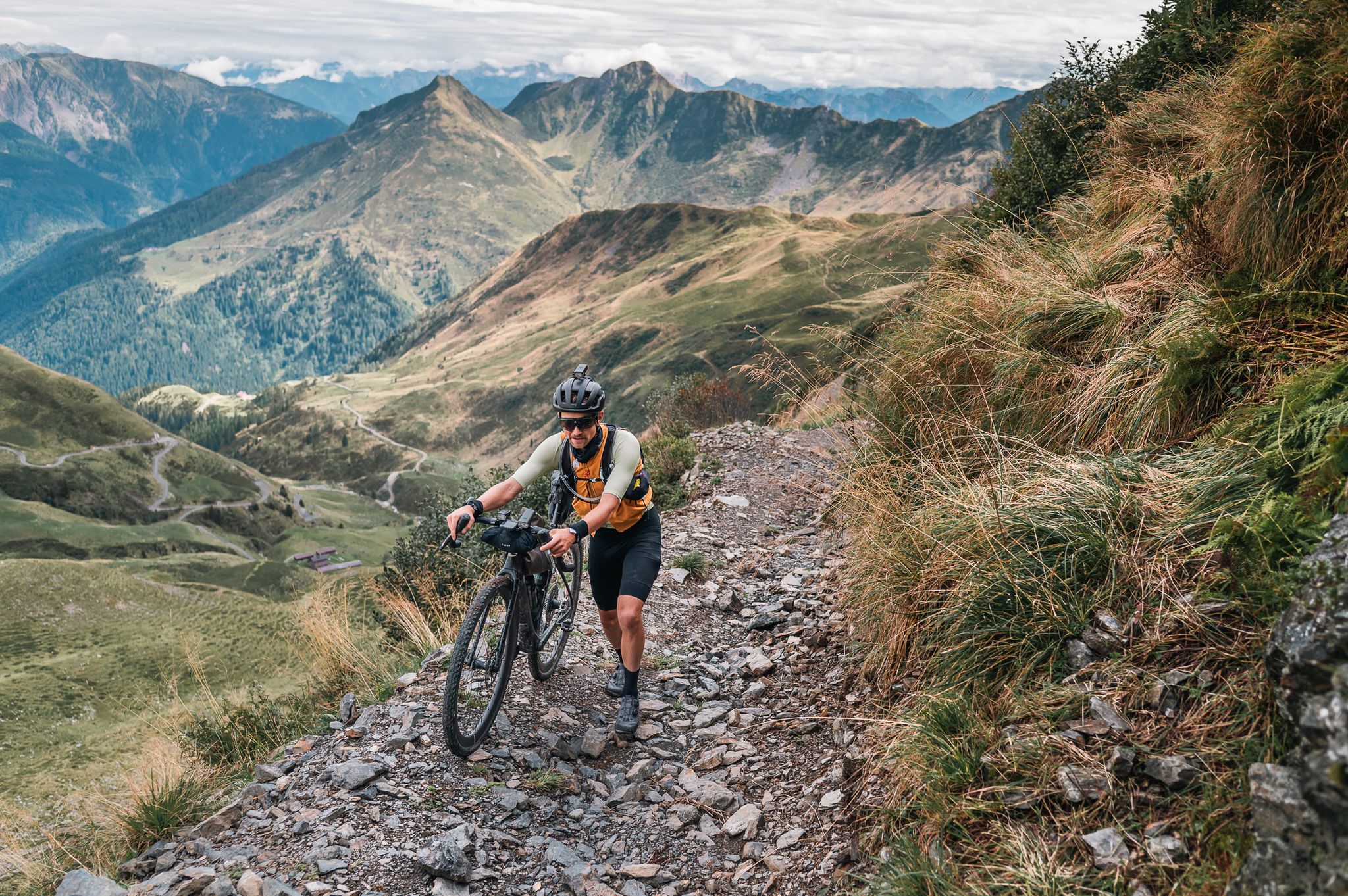
Sneak Peaks ADVENTURE 🥇
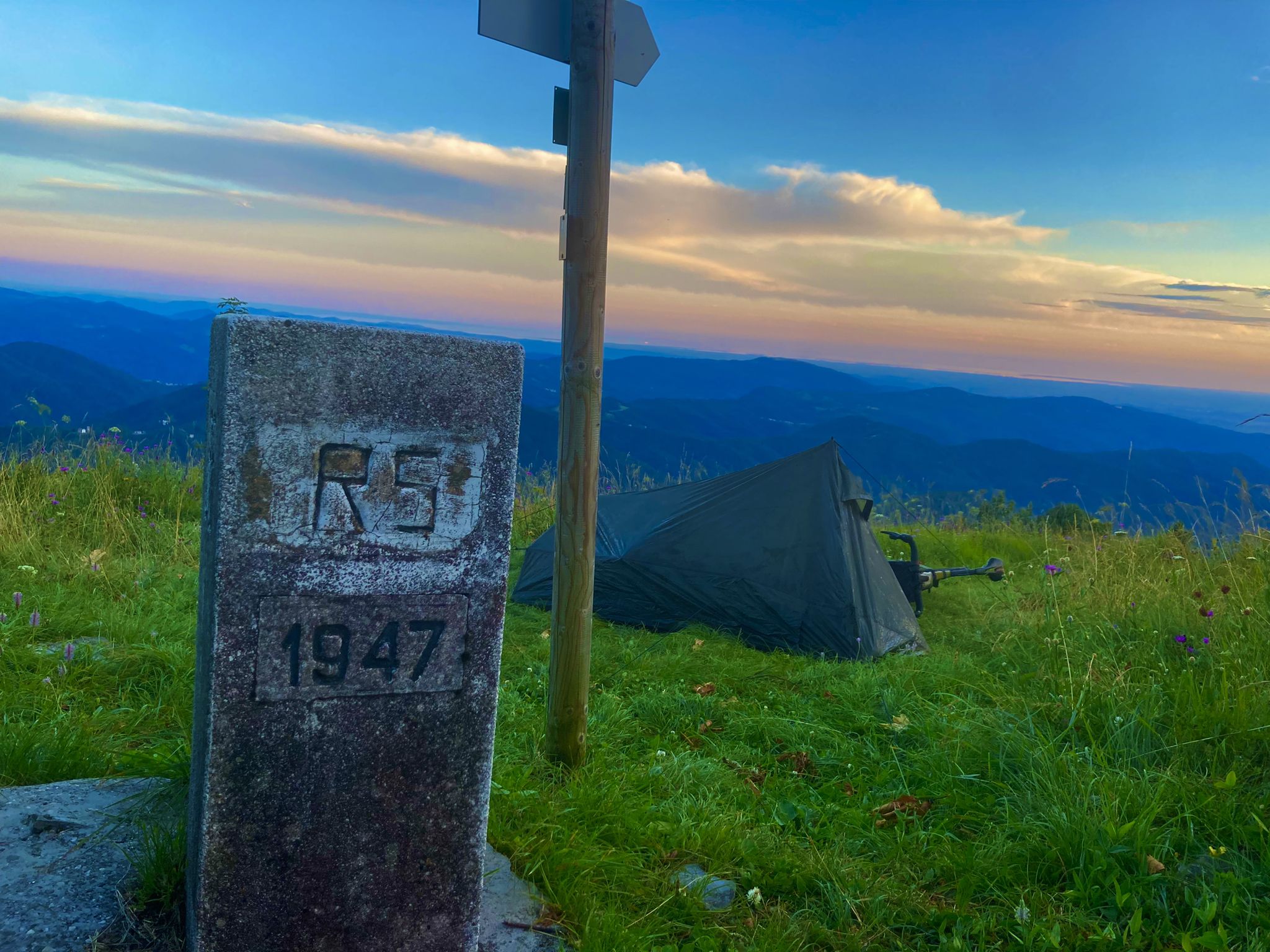
From Bavaria to the Adriatic - My Bikepacking Adventure to Croatia 2023
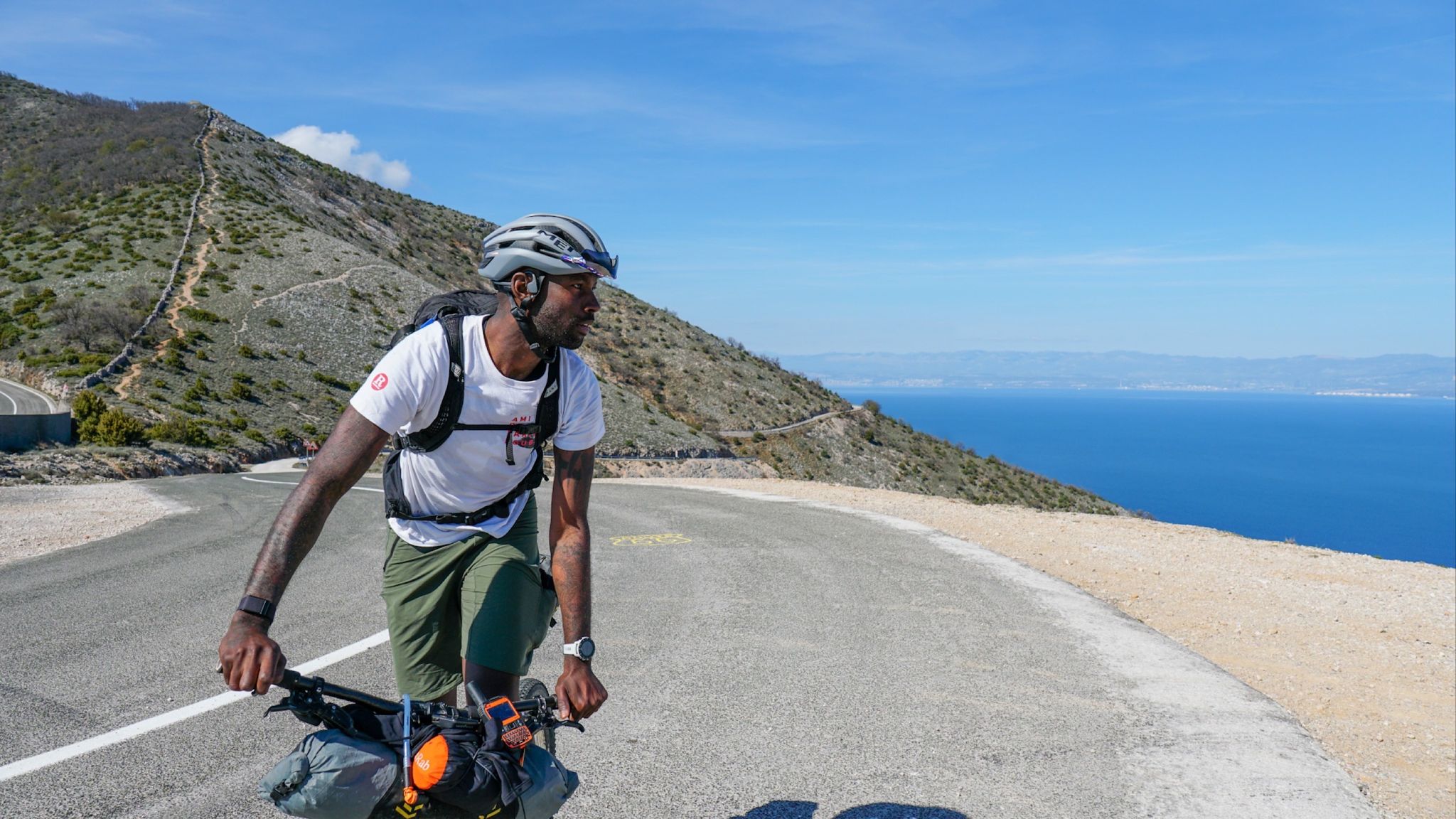
Slovenian mountains to island hopping around the Adriatic Crest
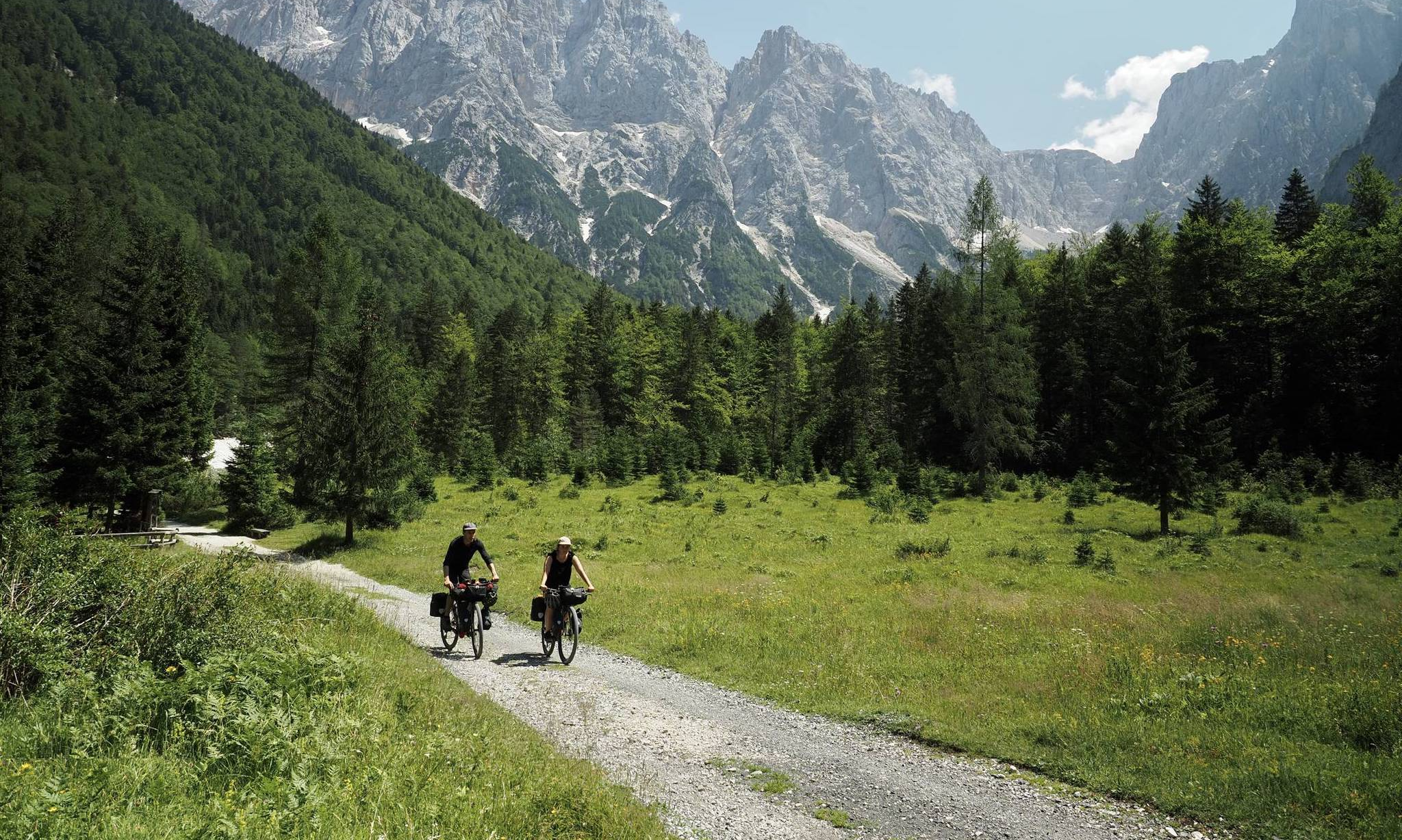
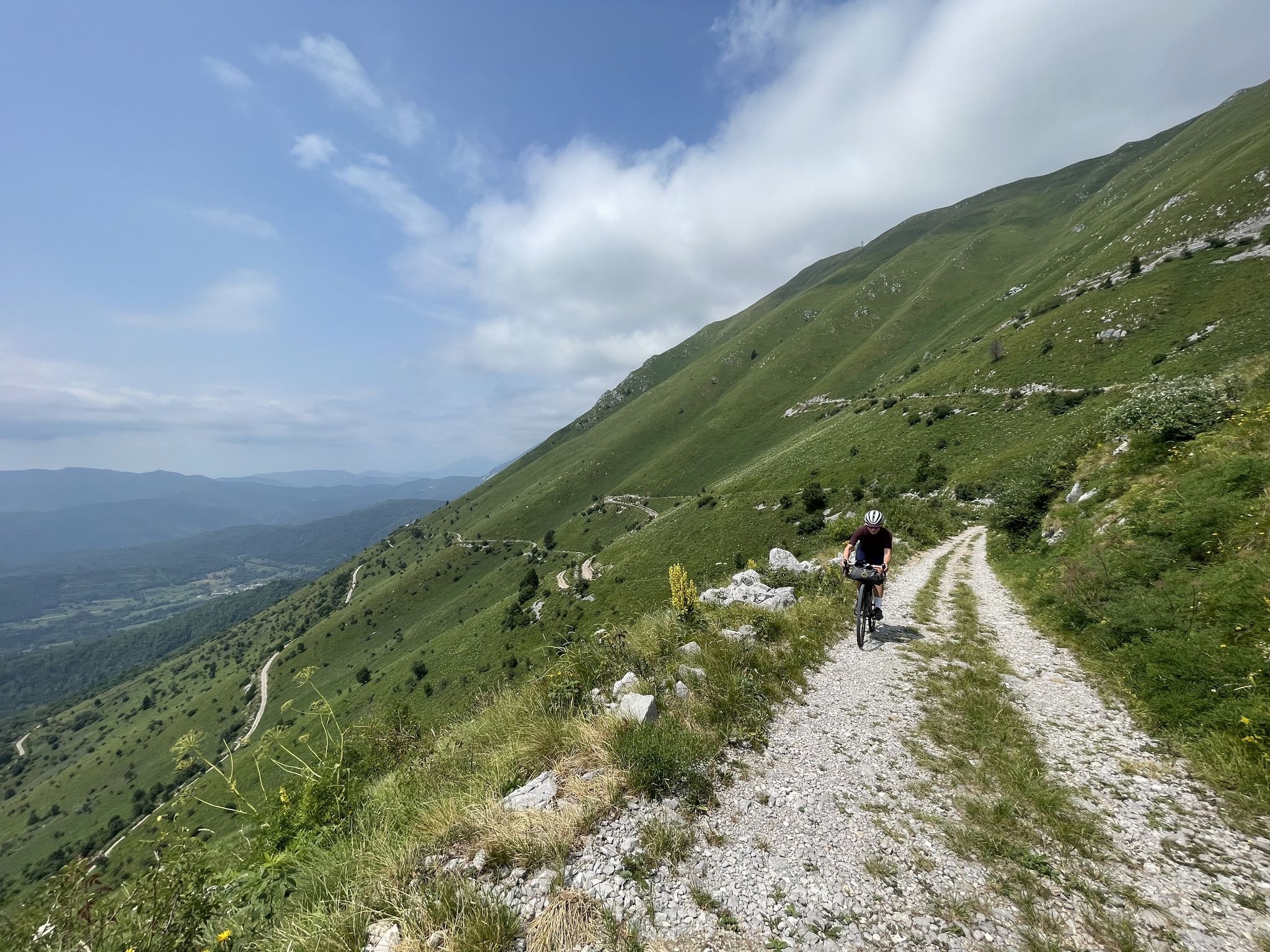
Slovenia West Loop (Soča Variation) – Bikepacking
The West Loop — Bikepacking Slovenia in five days
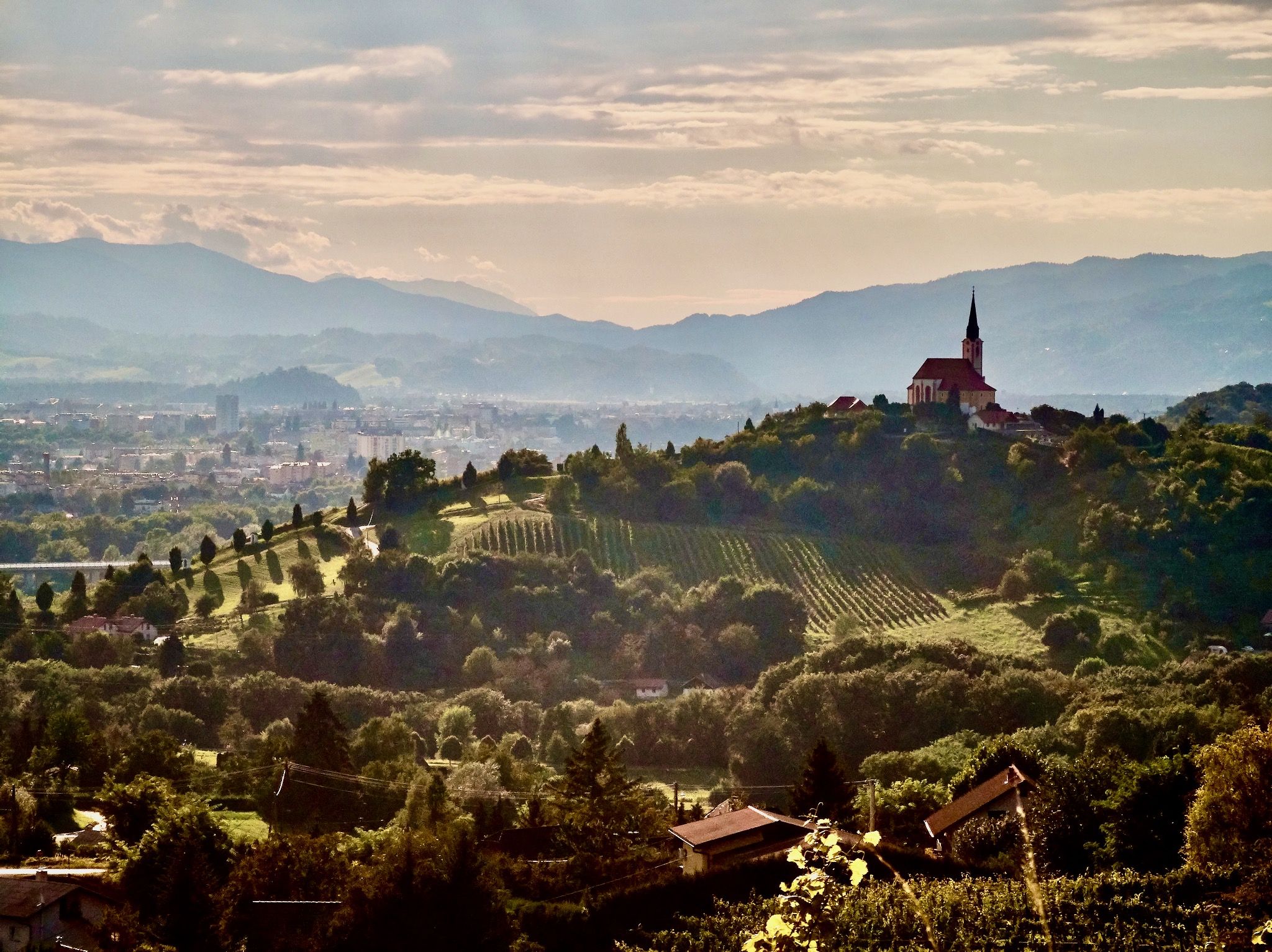
Budapest to Venice via the beautiful Soča Valley
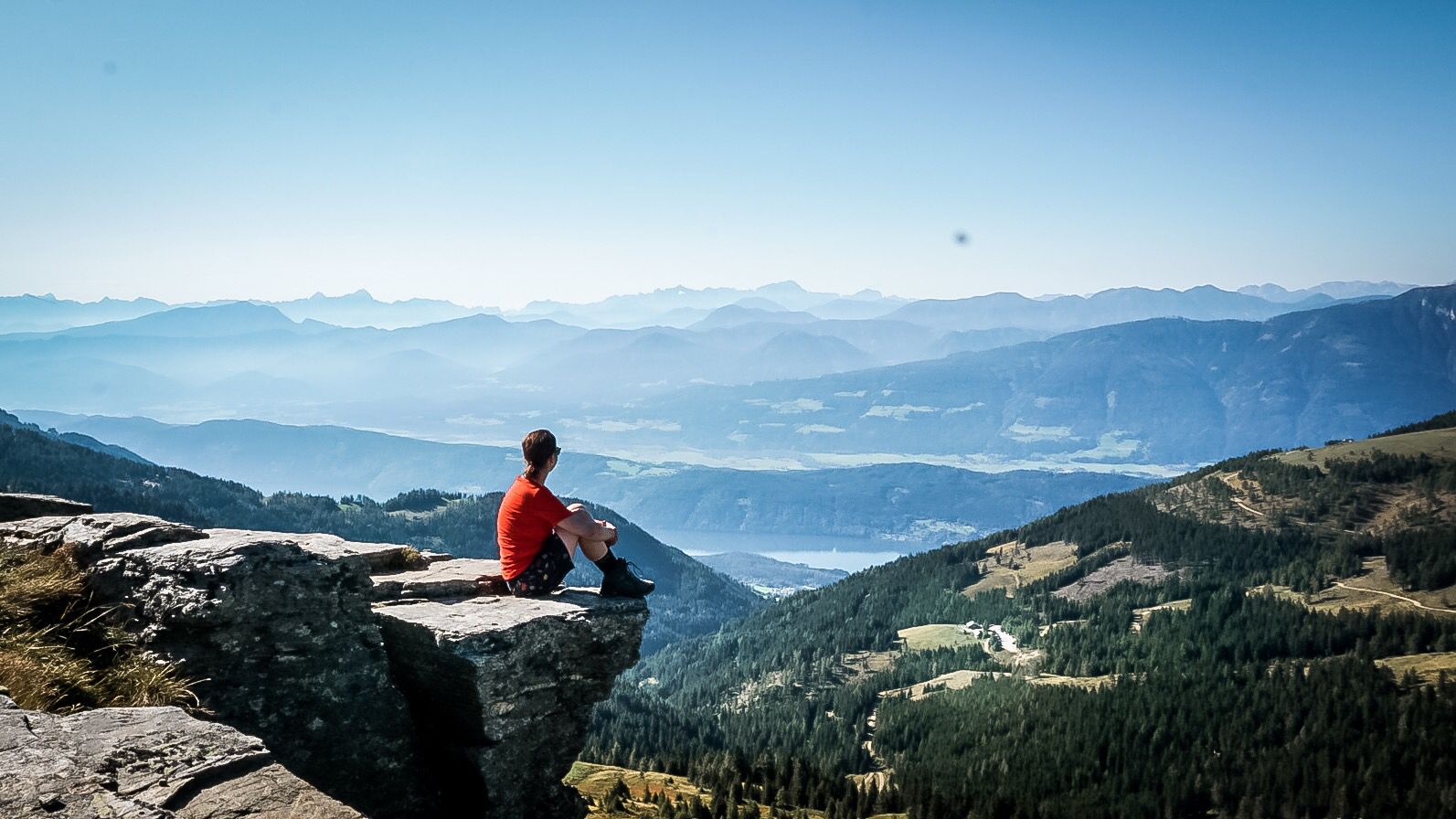
Alpe-Adria-Trail: My long-distance hike from the glacier to the sea
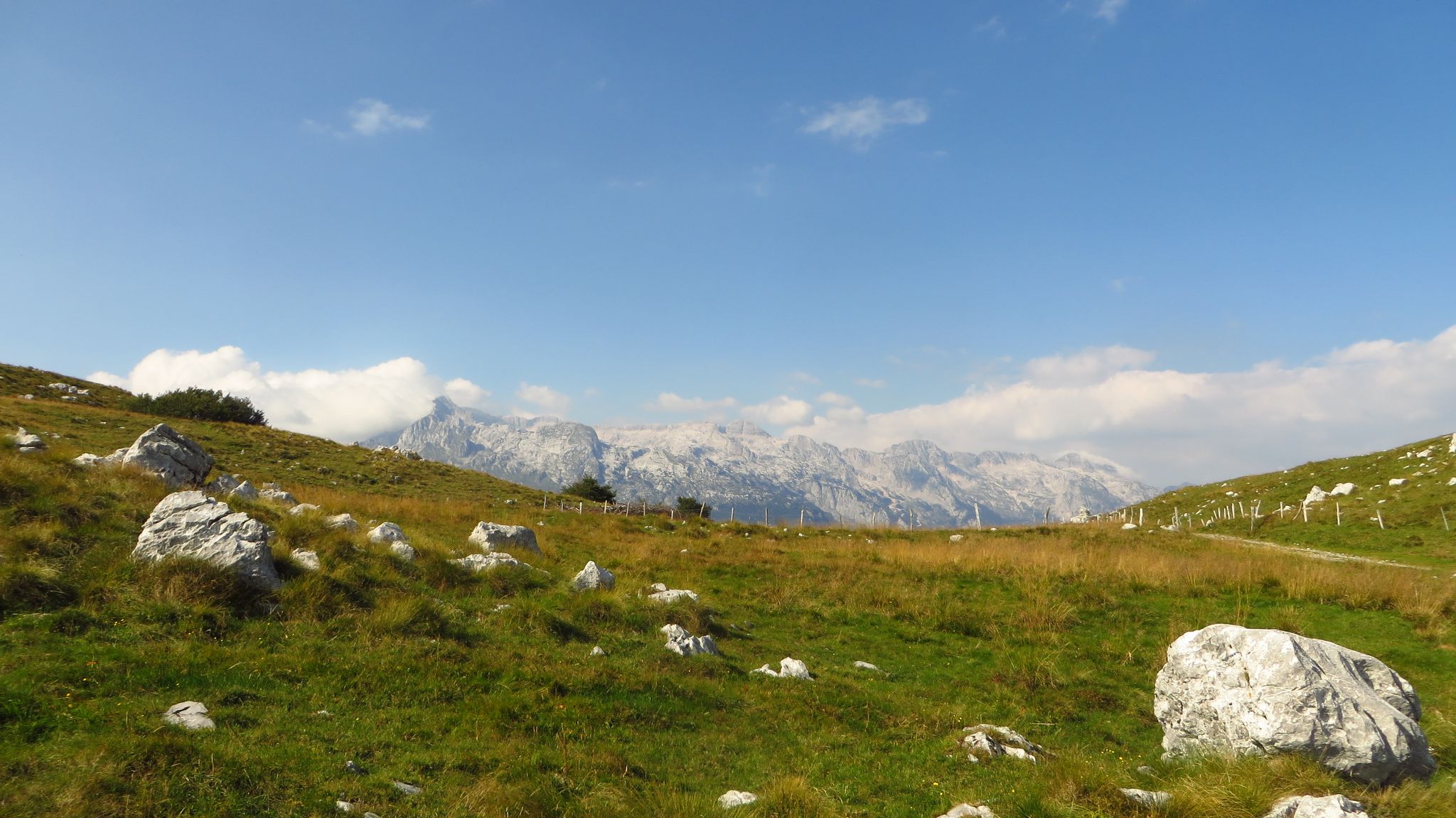
Alpe Adria – MTB Transalp through Slovenia to the Mediterranean Sea
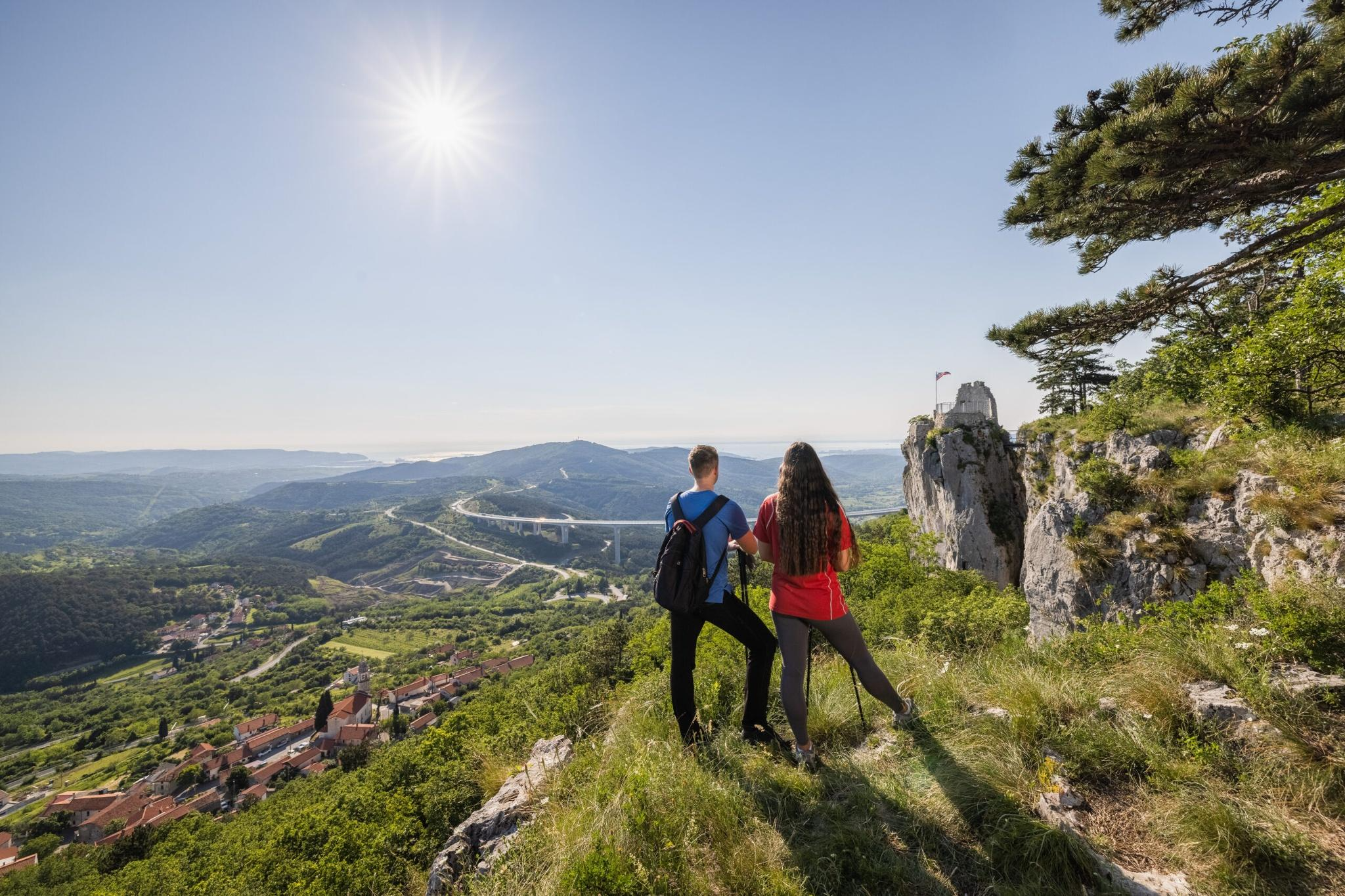
Hiking adventures in Slovenia for families away from the hustle and bustle
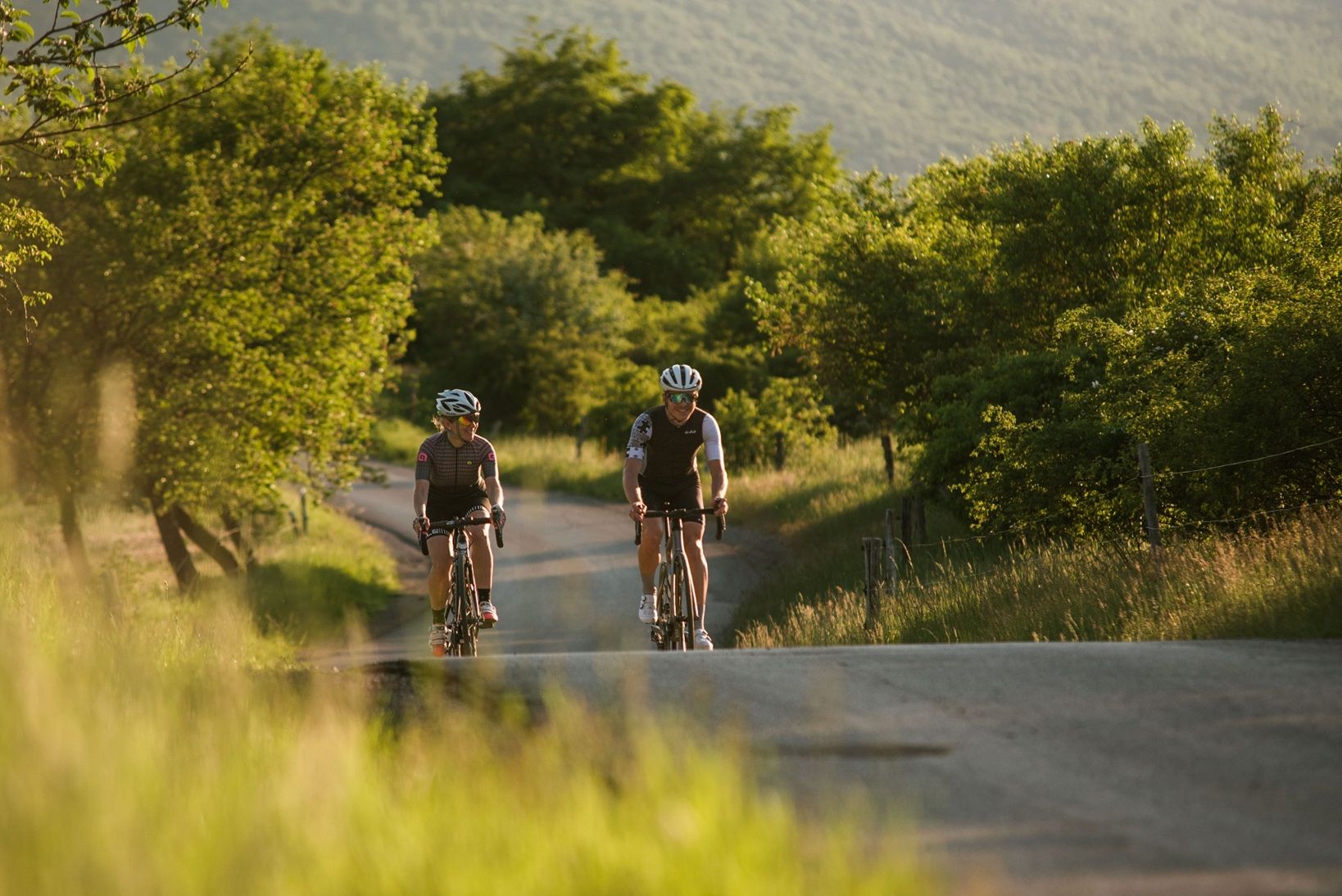
Alpine Air & Coastal Wind – Racing Bike Tours in Slovenia
Other adventures in Goriška


Tips from the Community

Divje jezero is a karst siphon lake (Vaucluse spring), located approximately 2 km south of Idrija. The type of karst spring - Vaucluse spring is named after the Fontaine-de-Vaucluse spring in the Vaucluse region of Provence in southern France, east of Avignon. Springs of this type are characterized by the fact that water flows to the surface from great depths under pressure through steep channels. The lake lies in a stone cauldron under the hundred-meter cliffs that border this northern edge of the Črnovrška plateau. Divje jezero is also a karst spring, as water flows into the lake from a steeply descending trench, which has been explored to a depth of 160 m so far. Although the lake surface is usually calm, after heavy rains there can be strong eruptions of water, up to 60 m³/s. The Jezernica River flows from Divje Jezero, which is the shortest surface-flowing river in Slovenia and flows into the Idrijca River after 55 meters. The water temperature in the lake fluctuates only between 7 and 10 °C throughout the year. The lake was protected as a natural monument in 1967 and since 1972 has been arranged for visitors as the first Slovenian open-air museum.
0
0

The reservoir's water comes from the Glijun Stream, fed by subterranean waters in the Kaning Mountains. The stream is one of the rare karst springs that never runs dry. The lake's water flows via a kilometer-long concrete canal into the Pluzna hydroelectric power plant.
0
0
A charming village with a small traffic junction in the lively center, where several restaurants are located. At the edge of the village is a remarkable bridge over the Soca River.
1
0

small village on the Socca - junction of several cycle paths
2
0

Lake Krn (Krnsko jezero): One of the largest glacial lakes in the Julian Alps – truly impressive! The trail there is challenging, but at the top, a crystal-clear mountain lake with an incredible view awaits you. If you know you're coming to this lake, it's worth packing your swimsuit and taking a dip. Simply fantastic. Great water, great views, and it gives you new energy to keep going.
0
0

A small town with a small square where life takes place. There are swimming opportunities around it.
1
0

I recommend a visit by bike or on foot. The lake is truly beautiful but at the same time eerie, as we do not know its exact depths. The shortest river, Jezernica, flows out of it, which flows into the Idrijca after a few meters. You start at one of the larger parking lots in Idrija, from where it is about 3km to Divje Jezera. An ideal starting point also for those who visit the city with a camper. On the way to the lake (if we pay attention), we can see the remains of the Italian caves and bunkers.
0
0

Frequently Asked Questions
What unique natural features can I expect to see at the lakes in Goriška?
The Goriška region offers a variety of unique natural features. You can explore Divje jezero (Wild Lake), a remarkable karst siphon lake and spring, known for its underwater cave system and as the source of Slovenia's shortest river, the Jezernica. Krn Lake, Slovenia's largest high mountain lake, is a glacial lake nestled in the Julian Alps, offering breathtaking alpine views and a diverse ecosystem. Even artificial lakes like Most na Soči maintain the characteristic emerald green color of the Soča River.
Are there hiking opportunities around the lakes in Goriška?
Yes, the Goriška region provides extensive hiking opportunities around its lakes. Krn Lake is a paradise for hikers, with scenic trails through meadows, forests, and rocky terrain. You can also find well-maintained panoramic paths around Most na Soči. For more detailed routes, explore guides like Mountain Hikes in Goriška, which includes a moderate 11km loop to Krnsko Lake from Dom Dr. Klementa Juga.
What kind of water activities are available at the lakes in Goriška?
At Lake Most na Soči, visitors can enjoy various water activities such as fly-fishing, kayaking, canoeing, and stand-up paddling (SUP). While swimming is generally prohibited in protected areas like Krn Lake to preserve its ecosystem, the tranquil waters of other lakes offer opportunities for relaxation and enjoying the scenery from the shore.
Are there family-friendly lakes or activities in the Goriška region?
Many lakes in Goriška are suitable for families. Lake Krn is considered a perfect destination for family hikes, offering beautiful views. Most na Soči provides easy-to-access panoramic paths and various water activities. Divje jezero (Wild Lake) is also family-friendly, with a short walk from Idrija to explore its unique natural monument status. Additionally, the Virje Waterfall, near a lake, is a great spot for families.
What is the best time of year to visit the lakes in Goriška?
The best time to visit the lakes in Goriška largely depends on your preferred activities. For hiking and enjoying the alpine scenery around lakes like Krn Lake, late spring to early autumn (June to September) offers the most favorable weather conditions. For water activities at Most na Soči, the warmer summer months are ideal. Some areas, like Divje jezero, can be visited year-round, though its 'wild' appearance is most dramatic after heavy rainfall.
Are there any historical sites or cultural points of interest near the lakes?
Yes, the Goriška region's lakes are often surrounded by rich history. Lake Most na Soči is situated in an area with significant archaeological value, featuring over 7,000 burial sites from the Late Bronze Age to the Roman period, associated with the Saint Lucia culture. The area around Krn Lake and Jezero v Lužnici bears remnants of World War I trenches and military infrastructure, serving as silent reminders of past battles.
Can I bring my dog to the trails around the lakes?
Many trails in the Goriška region are dog-friendly. For instance, Lake Krn is listed as a dog-friendly highlight. It's always recommended to keep dogs on a leash, especially in protected natural areas or near wildlife, and to follow local regulations regarding pets.
What are some lesser-known or 'hidden gem' lakes in Goriška?
While Krn Lake is well-known, its smaller neighbor, Dupeljsko Lake, offers a more tranquil experience. Located about a 20-minute walk from Krn Lake, Dupeljsko Lake is known for its vivid green water and peaceful atmosphere, often being less crowded. Another option is Jezero v Lužnici, a small mountain lake with historical significance from WWI, offering a serene hiking destination.
Are there cycling routes near the lakes in Goriška?
Yes, the Goriška region offers cycling opportunities, including gravel biking. While not directly adjacent to every lake, routes like those found in the Gravel biking in Goriška guide can take you through scenic areas, including parts of the Soča Gorge which is fed by rivers that contribute to lakes like Most na Soči. One route, 'Soča Gorge – Soča Gorge loop from Most na Soči', is a challenging 45km gravel ride.
What is the accessibility like for parking and public transport to the lakes?
Accessibility varies by lake. For Divje jezero (Wild Lake), you can find larger parking lots in nearby Idrija, from where it's about a 3km walk or bike ride. For high mountain lakes like Krn Lake, access typically involves hiking from specific trailheads, which may have limited parking. Public transport options to the more remote alpine areas might be less frequent, so planning ahead is advisable.
What are the most popular lakes in Goriška according to visitors?
According to the komoot community, Lake Krn is highly popular, appreciated for its beautiful mountain panorama and turquoise water. Most na Soči is also a favorite, known for its tranquil atmosphere and variety of water sports. Divje jezero (Wild Lake) is loved for its unique natural phenomenon and eerie beauty.
Most popular routes in Goriška
Most popular attractions in Goriška

Get inspired with the komoot mobile app


Didn’t find what you were looking for?
Find the best lakes in Goriška per region:
Explore more
Still not found your perfect lake in Goriška? Check out the guides of these regions to see even more beautiful places.
