The best gravel rides around Sète
4.4
(123)
913
riders
85
rides
Gravel biking around Sète offers diverse terrain across coastal, lagoon, and hillside landscapes. The region features flat paths along the Thau Lagoon and canals, alongside more challenging routes on hills like Mont Saint-Clair. Riders can explore varied surfaces, including compacted paths, towpaths, and natural trails. This geography provides a mix of scenic coastal rides, tranquil lagoon-side routes, and elevated trails with panoramic views.
Best gravel bike trails around Sète
- The most popular gravel bike trail is View of the Étang…
Last updated: October 6, 2026
4.5
(13)
76
riders
Moderate gravel ride. Good fitness required. Mostly paved surfaces. Suitable for all skill levels.
4.4
(19)
86
riders
Easy gravel ride. Great for any fitness level. Mostly paved surfaces. Suitable for all skill levels.

4.3
(4)
26
riders
Moderate gravel ride. Good fitness required. Mostly paved surfaces. Suitable for all skill levels.
4.0
(2)
23
riders
51.7km
03:11
380m
380m
Moderate gravel ride. Good fitness required. Mostly paved surfaces. Suitable for all skill levels.
5
riders
119km
08:37
1,300m
1,300m
Hard gravel ride. Very good fitness required. Mostly paved surfaces. Suitable for all skill levels.
Get access to more routes and recommendations from other explorers.
Already have an account?
Our route recommendations are based on thousands of hikes, rides, and runs completed by other people on komoot.
Start today with a free account
Your next adventure awaits.


Tips from the Community

The view plunges over the Thau lagoon and its immense checkerboard of shellfish farms. These regular alignments are the breeding facilities where the oysters and mussels of the lagoon are produced. Bouzigues holds a special place in this history: in 1925, Antoine Louis Tudesq and other Bouzigues oyster farmers developed the "Pyramid" technique, which contributed to the development of shellfish farming in the lagoon. Thus, the panorama allows us to read the landscape differently: behind this vast expanse of water lies a real production area, shaped for over a century by the work of the "sea farmers".
0
0
From La Catonnière, the view plunges over the étang de Thau and its immense checkerboard of shellfish tables. These regular alignments are the breeding facilities where the lagoon's oysters and mussels are produced. Bouzigues holds a special place in this history: in 1925, Antoine Louis Tudesq and other Bouzigues oyster farmers developed the "Pyramid" technique, which contributed to the development of shellfish farming in the étang. The panorama thus allows us to read the landscape differently: behind this vast expanse of water lies a true production space, shaped for over a century by the work of the "sea peasants".
0
0
From this path, the view descends towards Vic-la-Gardiole and its pond.
0
0
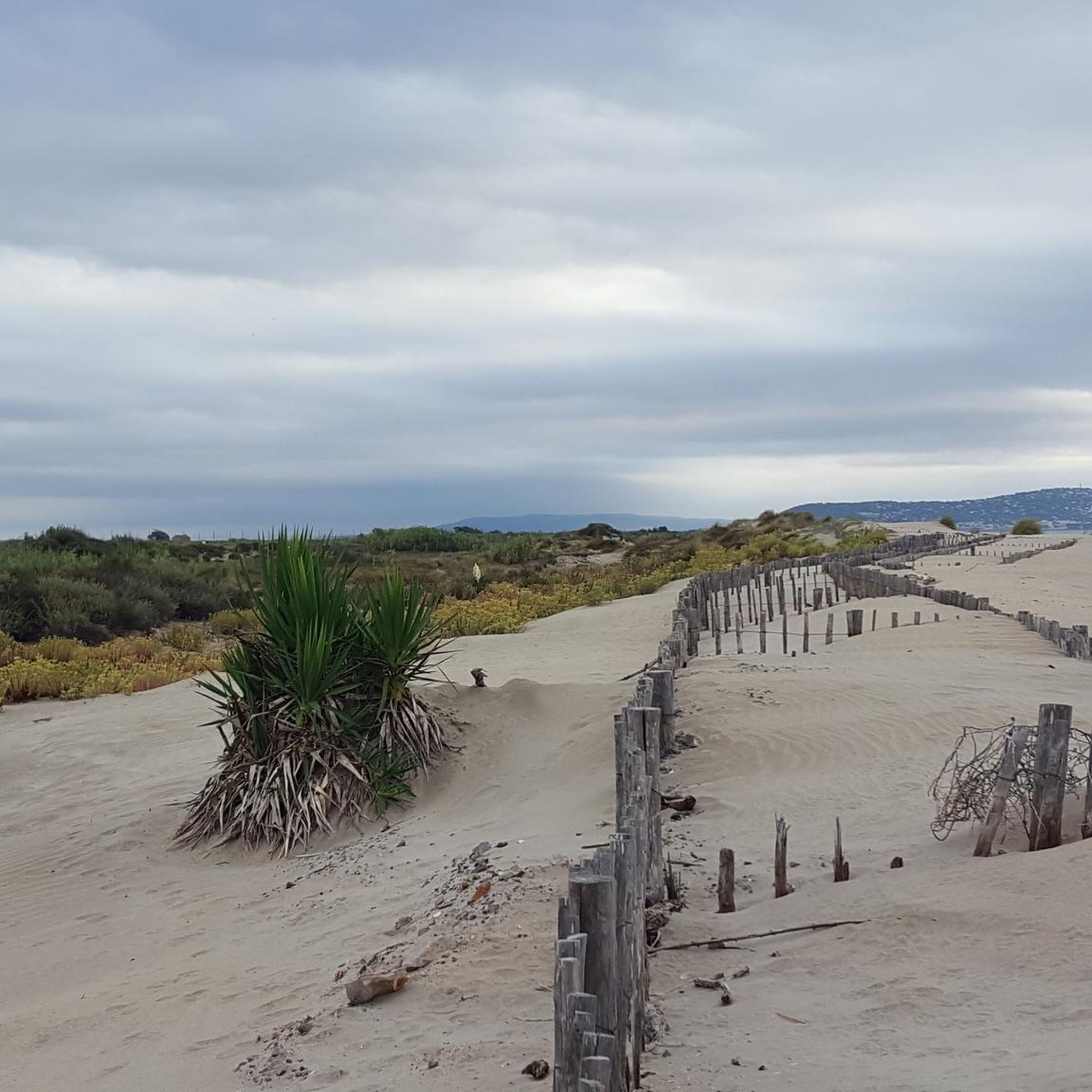
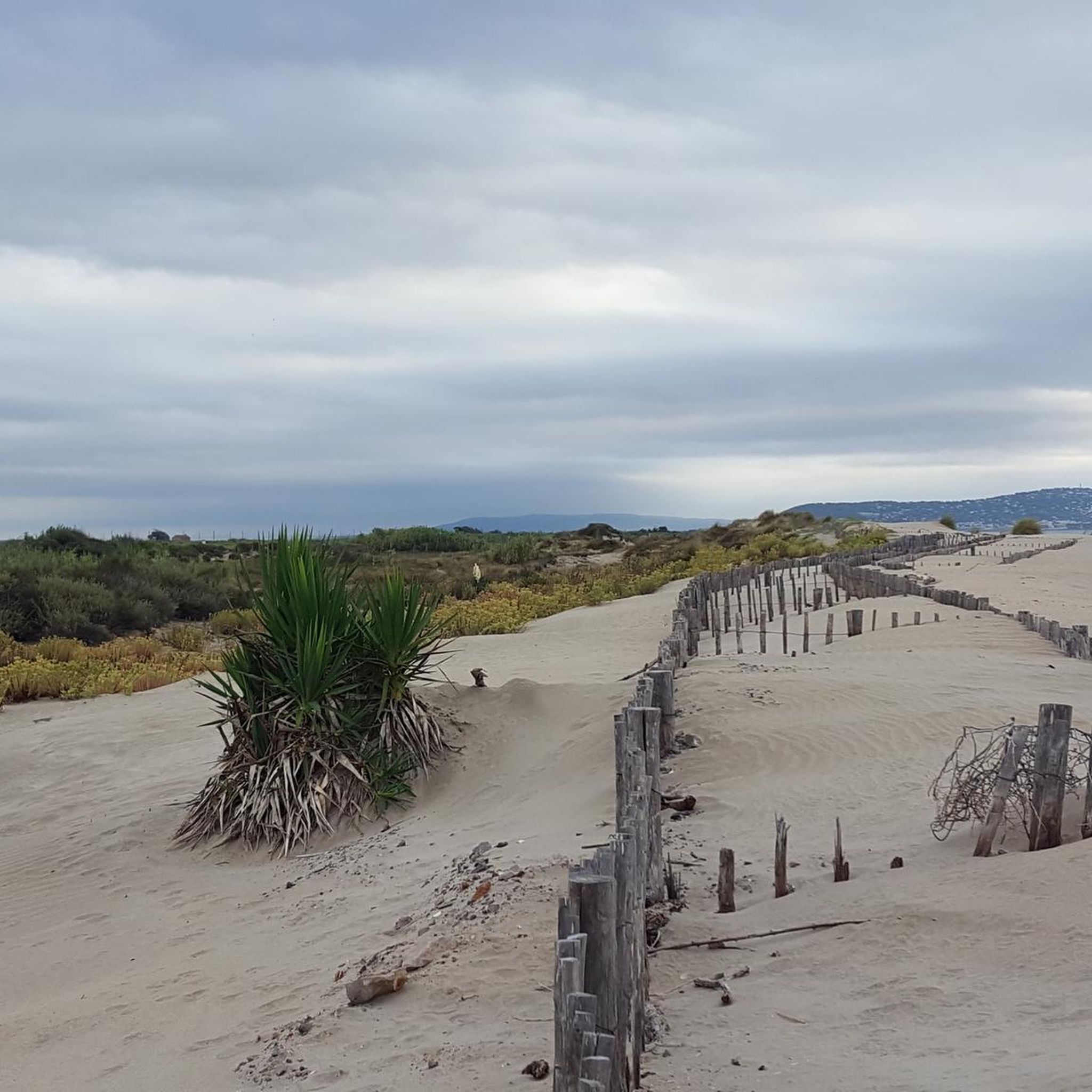
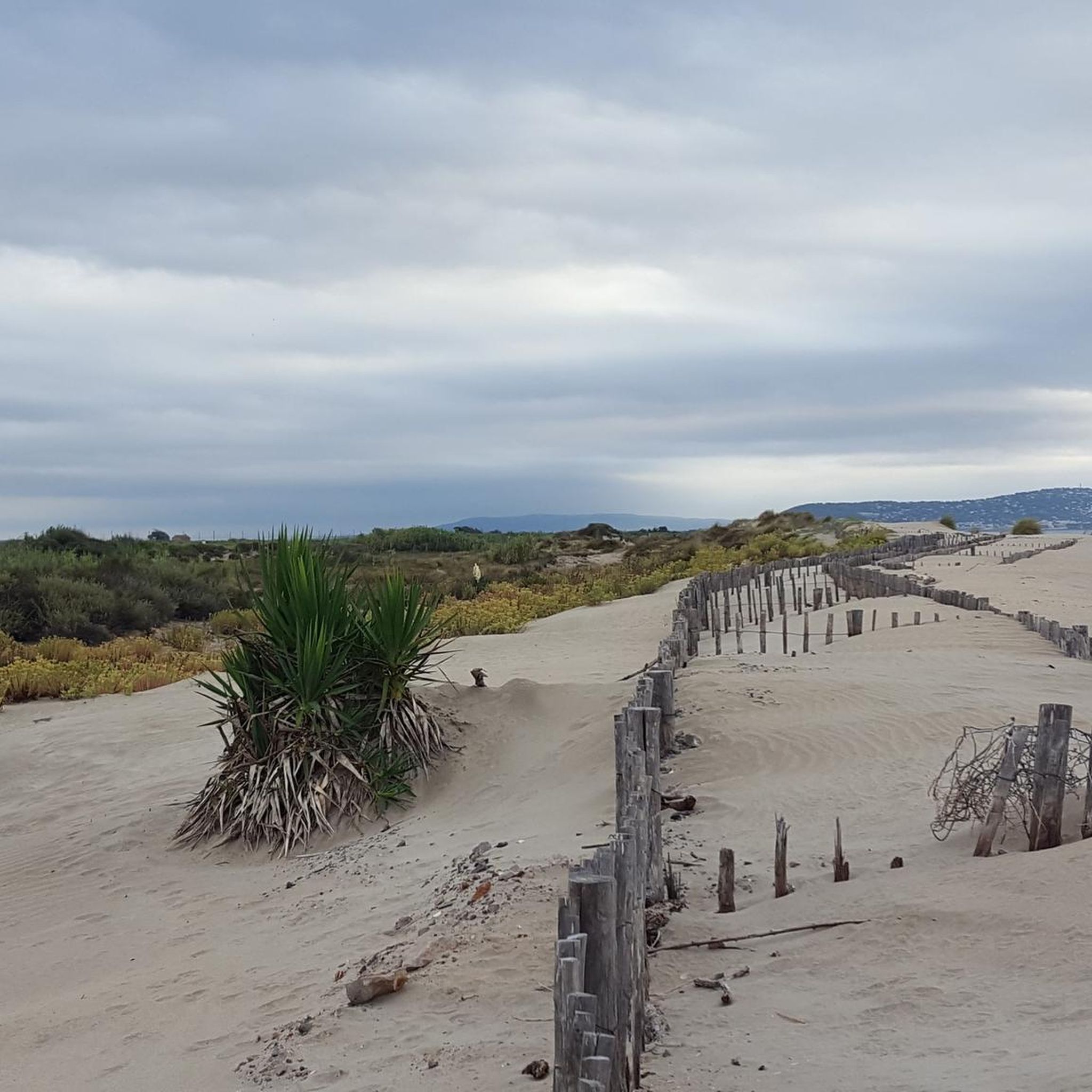
The greenway runs here on a narrow strip of land between the Étang de la Moulière and the Crique de l’Angle. To the south, the view opens up beyond the Crique de l’Angle over the Étang de Thau, then over Sète, dominated by the silhouette of Mont Saint-Clair (183 m).
0
0
This sector offers a climb on a limestone ground characteristic of the massif. The view opens up magnificently over the Thau lagoon and its shellfish farming tables. On a clear day, you can also enjoy a panorama of the Combe de Saint-Félix and the ruins of the ancient Benedictine abbey of Saint-Félix-de-Montceau.
0
0
From Frontignan to Palavas-les-Flots, the route follows the Canal du Rhône à Sète through one of the large lagoon complexes on the Languedoc coast. After the Étang d'Ingril and the Aresquiers, the canal successively crosses or runs alongside the Étangs de Vic and de Pierre-Blanche, then passes between those of l'Arnel and du Prévost before reaching Palavas. The canal itself is a major historical element of this landscape. Its construction began in 1701 under the name Canal des Étangs, in order to ensure continuity between the Royal Canal of Languedoc – today the Canal du Midi – and the Rhône. The route, completed in 1829, passes through Frontignan, Maguelone and Palavas before joining Aigues-Mortes and then Beaucaire. In Frontignan, its opening in the 18th century profoundly modified the landscape: the canal notably separated the former Étang de Frontignan into two complexes, giving rise to the Étang d'Ingril and that of La Peyrade.
2
0
From the greenway, the panorama opens onto the Étang de Vic. This vast coastal lagoon of over 1,000 hectares stretches between the Gardiole massif and the Aresquiers lido. Protected within the Natura 2000 site of the Palavasian ponds and recognized as a wetland of international importance under the Ramsar convention, the pond forms a vast landscape of lagoon, salt marshes, and wetlands here. This opening allows its full extent to be appreciated from the surroundings of Vic-la-Gardiole.
2
0

This remarkable structure composed of mobile aqueducts allows boats navigating the Canal du Midi to cross the small river Libron. Created in 1855 by Urbain Maguès, an engineer also responsible for the bridge-canal of Béziers.
0
0
Frequently Asked Questions
How many gravel bike trails are available around Sète?
There are over 110 gravel bike routes available around Sète, offering a wide variety of experiences. These routes are highly rated by the komoot community, with an average score of 4.4 stars from over 200 reviews.
What kind of terrain can I expect on gravel bike trails in Sète?
Sète offers a diverse range of terrain for gravel biking. You'll find flat, scenic paths along the vast Thau Lagoon and its oyster farms, as well as along the intricate network of canals, including sections of the historic Canal du Midi. The Mediterranean coastline features routes like the Lido Greenway, offering smooth, compacted surfaces with sea views. For more challenging rides, the hills around Mont Saint-Clair and the Pierres Blanches forest provide engaging trails with rewarding panoramic vistas.
Are there beginner-friendly gravel bike routes in Sète?
Yes, Sète has nearly 20 easy gravel bike routes perfect for beginners or those looking for a relaxed ride. An excellent option is the Robinson Beach – View of the Étang de Thau loop from Le Castellas, which is just under 20 km long with minimal elevation gain, offering beautiful coastal and lagoon views.
What about more challenging gravel bike trails around Sète?
For experienced gravel bikers seeking a challenge, Sète offers over 40 difficult routes. One such demanding trail is The Fairy Stretcher – La Font du Loup loop from Sète. This extensive route covers nearly 118 km and features significant elevation gain, providing a strenuous but rewarding adventure through varied landscapes.
Are there family-friendly gravel bike routes in Sète?
Absolutely. The Lido Greenway, stretching 12 kilometers between Sète and Marseillan along the dunes, is particularly suitable for families. It offers smooth, often paved or compacted surfaces with constant sea views, making it ideal for relaxed rides. Many of the flat paths along the Thau Lagoon and canals are also great for family outings.
Can I bring my dog on gravel bike trails in Sète?
While many natural areas in France welcome dogs, it's always best to check specific regulations for nature reserves or protected areas like the Bagnas Nature Reserve. Generally, dogs on a leash are permitted on public paths and trails. Ensure your dog is well-behaved and that you carry waste bags.
What are some notable landmarks or viewpoints I can see along the gravel bike routes?
Many routes offer stunning views and pass by interesting landmarks. You can enjoy panoramic vistas from Vue du Mont Saint-Clair sur l'étang de Thau, overlooking Sète and the lagoon. The Salins de Frontignan (salt marshes) offer unique landscapes. You might also encounter highlights like Mount Saint-Loup or Lake Cambelliès, providing diverse natural scenery.
What is the best season for gravel biking in Sète?
The Mediterranean climate of Sète makes spring (April-May) and autumn (September-October) ideal for gravel biking. Temperatures are pleasant, and the landscapes are vibrant. Summer can be hot, especially midday, so early morning or late afternoon rides are recommended. Winters are generally mild, but some paths might be wet after rain.
Are there any circular gravel bike routes around Sète?
Yes, many gravel bike routes in Sète are designed as loops, allowing you to start and finish at the same point. For example, the View of the Étang de Thau – Bagnas Nature Reserve loop from Marseillan is a popular circular route that takes you through diverse scenery around the lagoon.
Where can I find parking or access points for gravel biking trails in Sète?
Access points and parking vary depending on the specific route. Many trails, especially those along the Lido Greenway or around the Thau Lagoon, have designated parking areas nearby. For routes starting directly from Sète, public parking facilities are available within the city. It's advisable to check the starting point of your chosen route for specific parking information.
Are there opportunities for wild swimming near Sète's gravel routes?
Sète is situated on the Mediterranean coast and borders the Thau Lagoon, offering numerous opportunities for swimming. The beaches along the Lido Greenway are easily accessible from gravel routes, providing refreshing stops. The calm waters of the Thau Lagoon also offer spots for a dip, particularly in designated swimming areas.
Can I find cafes or restaurants along the gravel bike routes in Sète?
Yes, especially along the more populated areas. The Lido Greenway has cafes and restaurants in nearby towns like Marseillan. Routes around the Thau Lagoon often pass through villages known for their oyster farms, where you can find seafood restaurants. Within Sète itself, there are numerous options for refreshments and meals, particularly along the canals and in the city center.
Is public transport available for reaching gravel bike trails in Sète, and can I bring my bike?
Sète has a local bus network, and regional trains connect it to other towns. While some public transport options may allow bikes, especially regional trains outside of peak hours, it's crucial to check the specific operator's policy and any size restrictions beforehand. For local buses, space for bikes can be limited. For more general information on cycling in the area, you can consult resources like Sète Tourism's cycling page.
Most popular attractions around Sète

Get inspired with the komoot mobile app


Explore more
Browse the best Gravel rides in other regions.
