The best road cycling routes around Sète
4.3
(668)
14,574
riders
45
rides
Road cycling around Sète offers a diverse landscape characterized by an intricate network of canals, the expansive Thau Lagoon, and smooth coastal paths. The region features varied terrain, including the gentle slopes of Mont Saint-Clair, salt marshes, and vineyards. Cyclists can explore routes along the Mediterranean coastline and inland waterways.
Best road cycling routes in Sète
- The most popular road cycling route is Beach View – Canal du Midi loop from Sète, a 29.5 miles (47.5 km) trail that…
Last updated: September 30, 2026
4.6
(53)
1,051
riders
46.7km
01:53
110m
110m
Moderate road ride. Great for any fitness level. Some segments of this route may be unpaved and difficult to ride.
4.6
(13)
319
riders
64.6km
02:50
270m
270m
Moderate road ride. Good fitness required. Some segments of this route may be unpaved and difficult to ride.

4.9
(8)
282
riders
40.1km
01:48
170m
170m
Moderate road ride. Great for any fitness level. Some segments of this route may be unpaved and difficult to ride.
4.5
(2)
88
riders
78.5km
03:26
510m
510m
Moderate road ride. Good fitness required. Mostly well-paved surfaces and easy to ride.
49
riders
89.0km
03:59
600m
600m
Moderate road ride. Good fitness required. Mostly well-paved surfaces and easy to ride.
Get access to more routes and recommendations from other explorers.
Already have an account?
Our route recommendations are based on thousands of hikes, rides, and runs completed by other people on komoot.
Start today with a free account
Your next adventure awaits.


Tips from the Community

From the greenway, your gaze plunges onto the Thau pond and its immense checkerboard of shellfish farming tables. These regular alignments are the farming facilities where the lagoon's oysters and mussels are produced. Bouzigues holds a special place in this story: in 1925, Antoine Louis Tudesq and other Bouzigues oyster farmers developed the "Pyramid" technique, which contributed to the development of shellfish farming in the pond.
0
0
The greenway runs here on a narrow strip of land between the Étang de la Moulière to the north and the Crique de l’Angle to the south. The latter is a natural cove located at the eastern end of the Étang de Thau, where the fresh waters of the Vène meet the brackish waters of the lagoon. This wetland, classified Natura 2000, hosts numerous water birds in particular.
0
0
From La Catonnière, the view plunges over the étang de Thau and its immense checkerboard of shellfish tables. These regular alignments are the breeding facilities where the lagoon's oysters and mussels are produced. Bouzigues holds a special place in this history: in 1925, Antoine Louis Tudesq and other Bouzigues oyster farmers developed the "Pyramid" technique, which contributed to the development of shellfish farming in the étang. The panorama thus allows us to read the landscape differently: behind this vast expanse of water lies a true production space, shaped for over a century by the work of the "sea peasants".
0
0
The greenway runs here on a narrow strip of land between the Étang de la Moulière and the Crique de l’Angle. To the south, the view opens up beyond the Crique de l’Angle over the Étang de Thau, then over Sète, dominated by the silhouette of Mont Saint-Clair (183 m).
0
0

This medieval village, which appeared in the 11th century, had a strategic position, perched above the Hérault valley. Even today, its castle, fortifications, and towers give it a military appearance.
1
0
Between the ponds of Vic and Ingril, the Bois des Aresquiers forms an astonishing coastal pine forest of nearly 97 hectares. Its peculiarity lies in the immediate proximity between the forest and the lagoon environments: the pine forest succeeds the sansouires and salt marshes before reaching the banks of the ponds. Protected by the Conservatoire du littoral since 1980, the site also has an agricultural history. After belonging to a religious community, the estate was exploited for various agricultural activities, then for vines until the 1970s. Pine plantations and a period of non-management then contributed to forming the current woodland. This history has not prevented a remarkable plant diversity: about fifteen rare or threatened species have been recorded there, including Bupleurum glauccum, a protected species discovered on the site, and Ophrys cumbulifera, an endemic Mediterranean orchid.
2
0
Going up Grand Rue towards the church of Sainte-Léocadie, several old houses bear witness to the traditional architecture of old Vic. Stone surrounds, cornices, openings, and facade details make up old buildings that still contribute to the identity of the village center. The municipality ensures the preservation of the style of these facades.
2
0

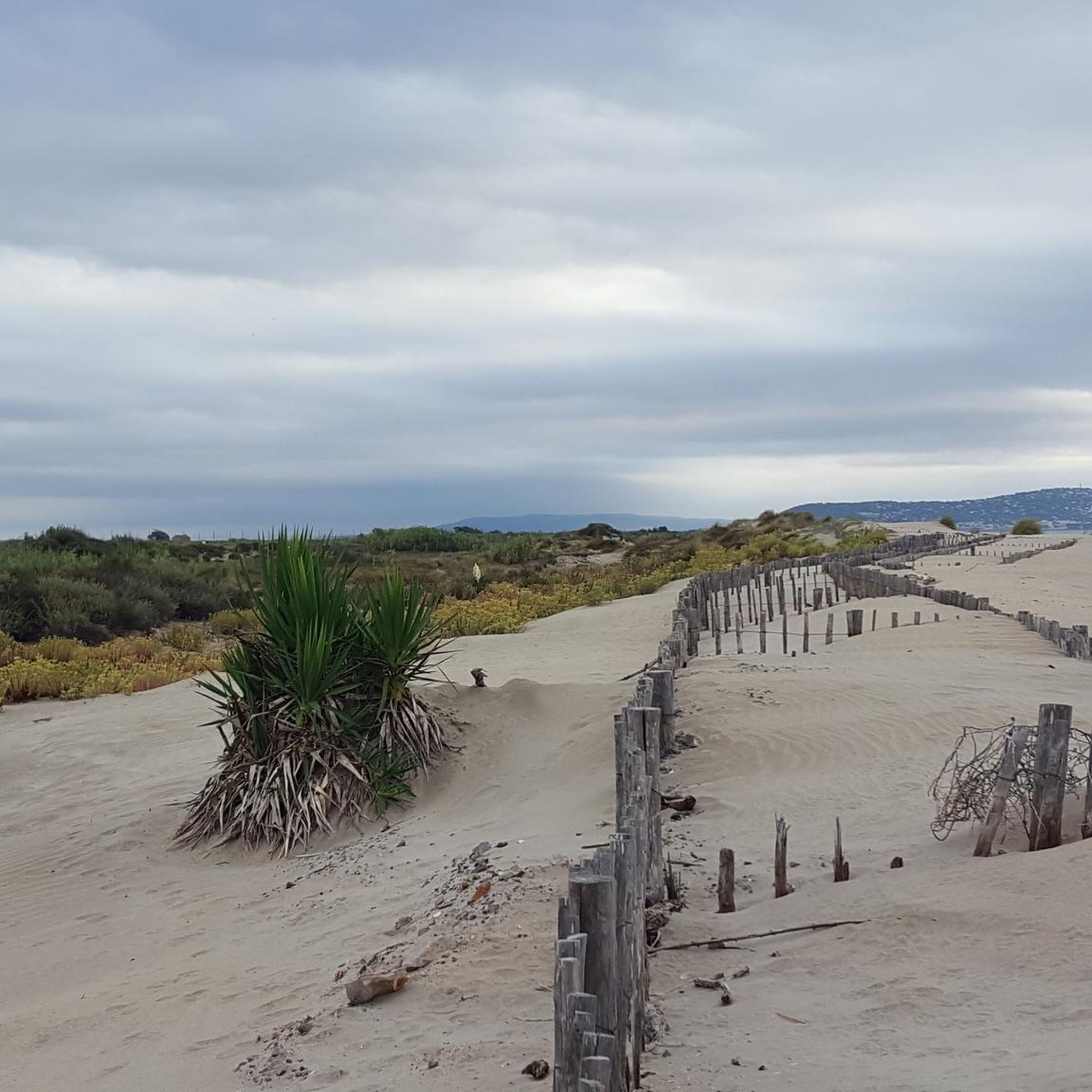
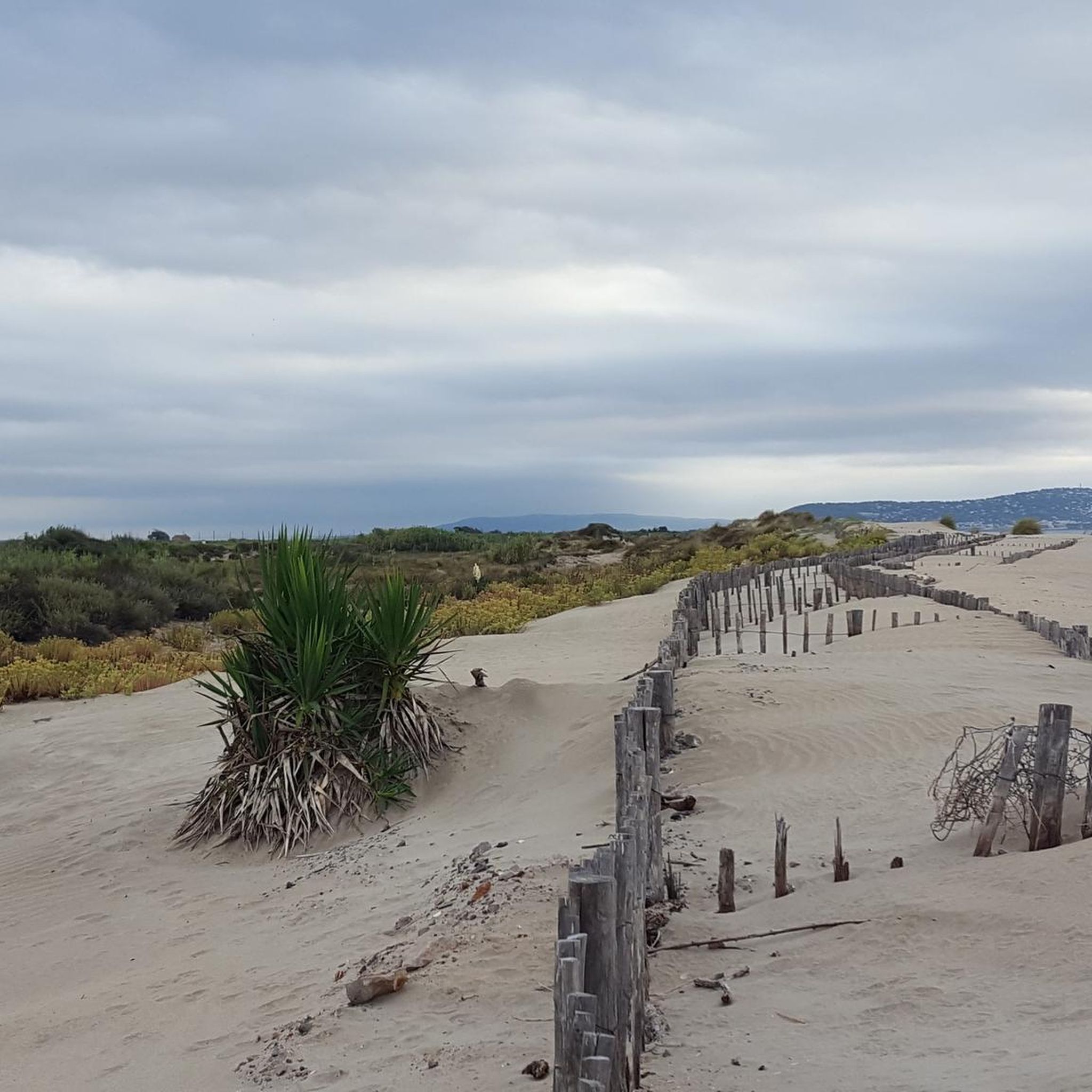
🏰 Redoute du Castellas – old watchtower by the Lido Directly by the Lido between Sète and Marseillan-Plage, standing somewhat lost among dunes and pine trees, is the Redoute du Castellas. The small stone defensive tower was used for monitoring and defending the coast – the approach of possible attackers was to be detected early from here. The tower has three levels. The lower area presumably housed a storage room, with the actual defensive areas featuring embrasures above. The upper floors were accessible via ladders, which could be removed in an emergency. The exact dating is interesting: various sources attribute the tower to the 16th or 18th century. What is certain, however, is that the Redoute has been protected as a Monument Historique since November 6, 1939. Today, the massive little tower between the beach, dunes, and cycle path seems a little unusual – at the same time, it serves as a reminder that this seemingly peaceful stretch of coast was also once militarily monitored. 🇫🇷 Anyone cycling along the Lido will practically pass right by it. 🚲👌🏼 Greetings Marcus ✌🏼
0
0
Frequently Asked Questions
How many road cycling routes are available around Sète?
Sète offers a wide selection of road cycling routes, with over 40 tours available. These routes cater to various preferences, from easy coastal rides to more challenging inland explorations.
What is the general difficulty level of road cycling routes in Sète?
The routes around Sète offer a good mix for all abilities. You'll find 10 easy routes perfect for a relaxed ride, 23 moderate routes for those seeking a bit more challenge, and 10 difficult routes for experienced cyclists looking for significant elevation.
Are there any challenging routes with significant elevation gain in Sète?
Yes, for those seeking a challenge, the slopes of Mont Saint-Clair provide rewarding climbs with sweeping panoramic views over the Thau Lagoon, the city, and the distant Cévennes mountains. Routes like Port of Sète – Nice little old town! loop from Sète feature notable elevation changes.
What kind of landscapes can I expect to see while road cycling in Sète?
Road cycling in Sète offers incredibly diverse landscapes. You'll ride along smooth coastal paths, past the intricate network of canals, and alongside the expansive Thau Lagoon with its oyster beds. Routes also take you through salt marshes, vineyards, and offer views from the gentle slopes of Mont Saint-Clair.
Are there family-friendly road cycling paths in Sète?
Absolutely. Sète features several easy and recreational paths suitable for families. The 12-kilometer Lido Greenway, for instance, runs along the dunes between Marseillan and Sète, providing easy access to beaches. Routes like Pumptrack track – Beach View loop from Stade Louis Michel are also rated as easy and offer pleasant beach views.
Can I find circular road cycling routes around Sète?
Yes, many road cycling routes in Sète are designed as loops, allowing you to start and end in the same location. The Beach View – Canal du Midi loop from Sète is a popular example, offering coastal views and sections along the Canal du Midi.
What are some notable landmarks or viewpoints along the cycling routes in Sète?
Cyclists can enjoy various landmarks and viewpoints. Don't miss the panoramic views from Vue du Mont Saint-Clair sur l'étang de Thau. Other natural highlights include the Salins de Frontignan and the charming Lake Cambelliès.
Where can I park my car when going road cycling in Sète?
Sète offers various parking options, particularly near the city center and along the coastal areas. Look for public car parks or designated parking zones close to popular starting points for cycling routes, such as Stade Louis Michel, which is a starting point for routes like Sète Railway Drawbridge – Aresquiers Wood loop from Stade Louis Michel.
How accessible are the cycling routes in Sète by public transport?
Sète is well-connected by public transport, including train services, making it convenient to access the region. Many cycling routes start directly from the city center or are easily reachable from public transport hubs, allowing you to begin your ride without needing a car.
What is the best time of year for road cycling in Sète?
The Mediterranean climate makes Sète an excellent cycling destination for much of the year. Spring and autumn offer pleasant temperatures, ideal for longer rides. Summer can be warm, but coastal breezes and early morning rides provide comfortable conditions. Winter is generally mild, allowing for year-round cycling.
Are there places to stop for refreshments or food along the routes?
Yes, the region is dotted with charming towns and villages like Bouzigues and Marseillan, where you can find waterside cafés and restaurants. Many routes pass through areas known for local culinary delights, offering opportunities for shellfish tasting with Muscat from Frontignan, especially along the Thau Lagoon.
What do other cyclists say about road cycling in Sète?
The road cycling routes around Sète are highly rated by the komoot community, with an average score of 4.4 stars from over 100 reviews. Cyclists often praise the diverse terrain, from smooth coastal paths to scenic routes around the Thau Lagoon, and the beautiful views of the Mediterranean and the city.
Are there any European cycling routes that pass through Sète?
Yes, Sète is strategically located on two major European cycling routes: Route 8, known as "La Méditerranée à vélo," and Route 17, "Via Rhôna." These routes offer exceptional opportunities to explore the landscapes between beaches and lakes, connecting Sète to a wider network of cycling adventures.
Most popular attractions around Sète

Get inspired with the komoot mobile app


Explore more
Browse the best Road cycling routes in other regions.
