The best gravel rides around Villaquilambre
4.0
(2)
43
riders
12
rides
Gravel biking around Villaquilambre offers a variety of routes that traverse the region's diverse landscape. The area features a mix of urban-adjacent trails, parkland, and rolling hills. Riders can expect paths that connect historical city points with natural green spaces. The terrain includes both flatter sections suitable for leisure and more challenging ascents into higher ground.
Best gravel bike trails around Villaquilambre
- The most popular gravel bike trail is Casa Botines Gaudí Museum – La Candamia Park loop from León-Padre…
Last updated: May 22, 2026
15
riders
31.7km
02:11
250m
250m
Moderate gravel ride. Good fitness required. Mostly paved surfaces. Suitable for all skill levels.
4
riders
65.6km
04:59
700m
700m
Hard gravel ride. Very good fitness required. Mostly paved surfaces. Suitable for all skill levels.

Sign up for free
2
riders
Moderate gravel ride. Good fitness required. Mostly paved surfaces. Suitable for all skill levels.
3
riders
56.4km
04:15
570m
570m
Hard gravel ride. Very good fitness required. Mostly paved surfaces. Suitable for all skill levels.
3.0
(1)
5
riders
87.8km
05:23
820m
820m
Hard gravel ride. Very good fitness required. Mostly paved surfaces. Suitable for all skill levels.
Get access to more routes and recommendations from other explorers.
Sign up for free
Already have an account?
Our route recommendations are based on thousands of hikes, rides, and runs completed by other people on komoot.
Start today with a free account
Your next adventure awaits.
Login or Signup
Tips from the Community

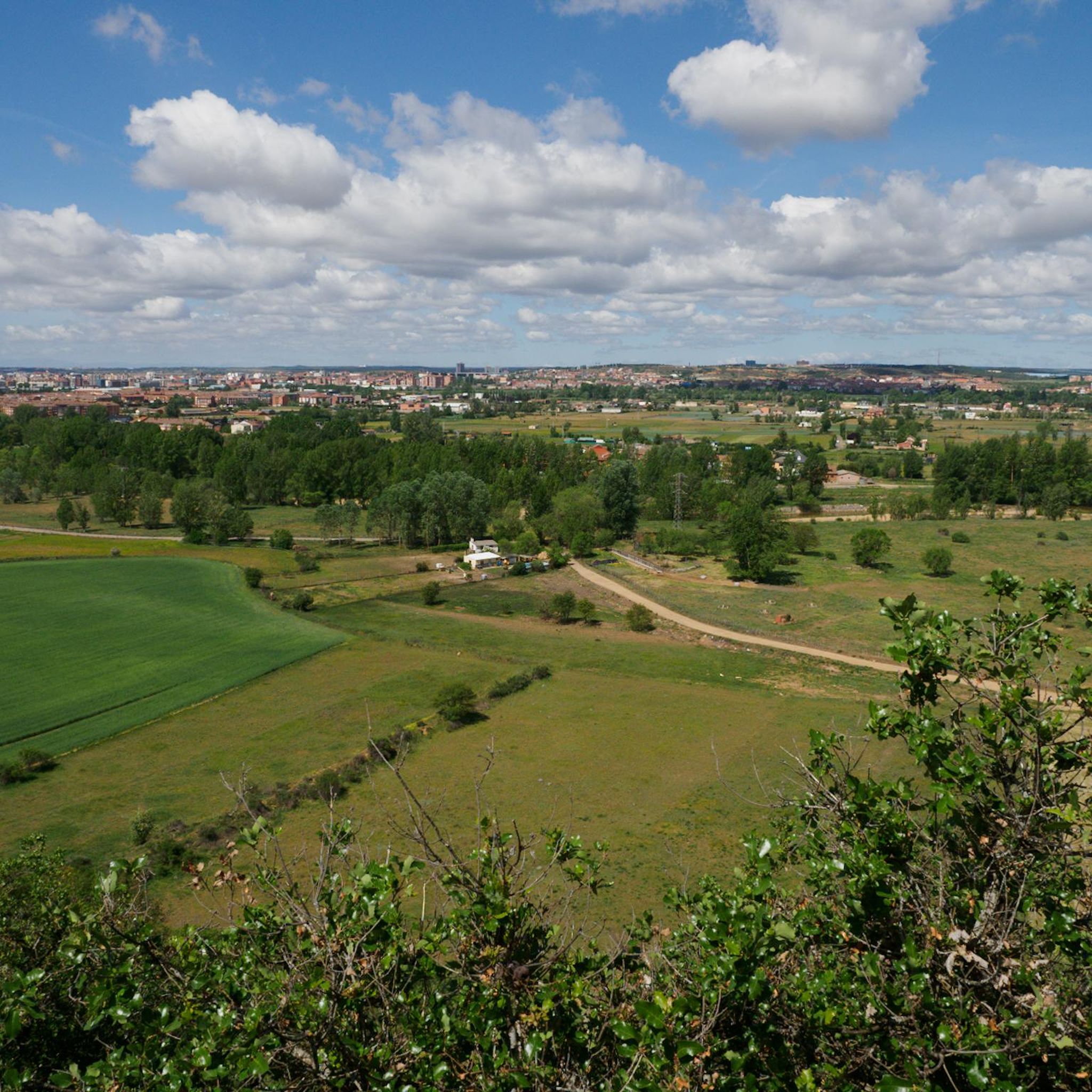
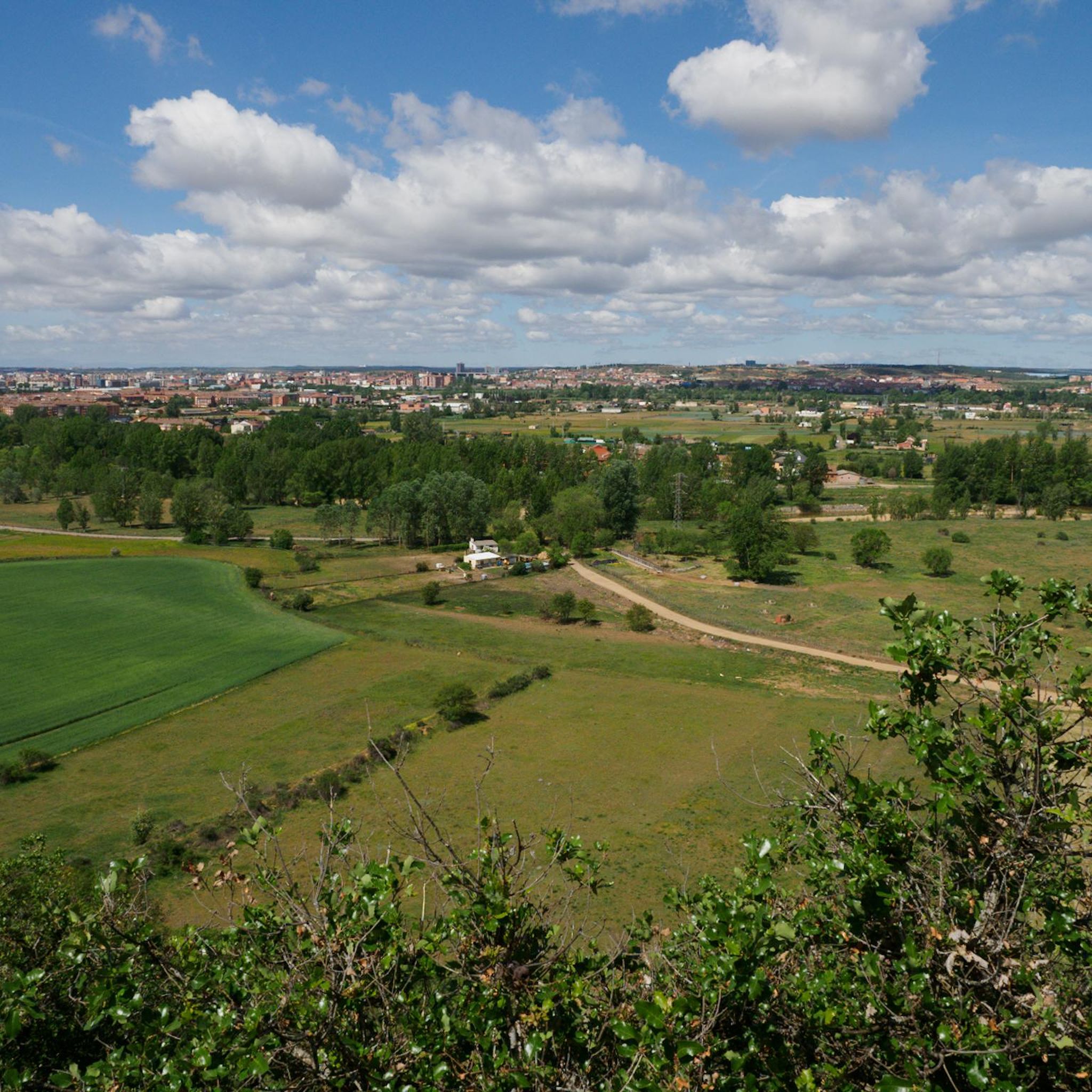
It offers one of the most expansive views of the valley and the city. From here, you can make out the cathedral towers, the winding Bernesga River, and, on clear days, the mountains in the distance. It was a former lookout point during the Spanish Civil War, and remnants of trenches still lie hidden among the grass. Today, it's a perfect spot to watch the sunset and feel the light slowly fade over the Leonese landscape.
0
0

La Candamia Park is a beautiful green space located on the outskirts of León, next to the Torío River. This park covers approximately 400,000 m² and is ideal for outdoor activities such as walking, cycling, and sports.
4
0

A beautiful, lively square right at the entrance to the old town of Leon.
4
0

The Muralla tardo romana in León, Spain, is an impressive remnant of the Roman presence in the city. These walls were originally built in the 1st century AD by the Legio VI Victrix and later reinforced by the Legio VII Gemina. The walls enclose the old city centre and are a mix of Roman, medieval and Baroque architectural styles1. The Roman sections are recognisable by their thick walls, which are up to 8 metres high and reinforced with towers, known as "cubos". One of the most striking sections of the wall can be found at the Avenida de los Cubos, where the towers are still well preserved.
2
0
The Puente de los Leones in León, Spain, is an important bridge that spans the Bernesga River. Built in 1967, this bridge is named after the four white stone lions that guard the bridge entrances. These lions are the work of sculptor Víctor de los Ríos Campos and are one of the symbols of the city of León. The bridge connects the train station with the Plaza de Guzmán el Bueno and the city's main shopping street, Ordoño II1. It is a wide bridge with five lanes and pedestrian sidewalks, and it is one of the main access roads to the city.
3
0
EL LEÓN DE SALEAL: We go back to Roman times to understand part of the theme of this sculpture. Cloacina, in Roman mythology, was the goddess who ruled over the Cloaca Máxima, the sewer system of Rome. The sewer name comes from the name of this goddess, because thanks to the origin of sewer systems, a quality of life was achieved in terms of sanitation of urban environments and public health from the beginning to the present day. It should be remembered that the origin of the name of this city and province of León comes from the word legio ("legion"). Legio VII Gemina was the Roman camp that settled here and with it the origin of the city of León. A lion with strength and claws as a symbol of the sanitation system (the modern version of Cloacina Máxima) in constant renewal and maintenance. The goal was achieved: to do something symbolic and reflect the efforts and human work of so many years, to give solidity to our public health and the health of the environment.
6
0
Here you can still clearly see the old Roman city wall of Leon. Still very impressive.
2
0
Frequently Asked Questions
What is the general difficulty level of gravel biking trails around Villaquilambre?
Gravel biking around Villaquilambre offers a range of difficulties. You'll find a good mix, with 15 moderate routes and 4 difficult routes, alongside one easy option. This variety ensures there's something for most skill levels, from those looking for a relaxed ride to experienced gravel bikers seeking a challenge.
Are there any beginner-friendly gravel bike trails in Villaquilambre?
Yes, there is at least one easy gravel bike trail available. While most routes are moderate to difficult, beginners can find suitable options to enjoy the region's landscape. For a moderate introduction, consider the Casa Botines Gaudí Museum – La Candamia Park loop from León-Padre Isla, which is 19.7 miles (31.7 km) and combines urban exploration with natural parkland.
What are some longer, more challenging gravel bike routes near Villaquilambre?
For experienced riders seeking a challenge, Villaquilambre offers several difficult routes. One extensive option is the Casa Botines Gaudí Museum – Plaza Mayor loop from Asunción-Universidad, spanning 54.6 miles (87.8 km). Another demanding route is the Casa Botines Gaudí Museum – Plaza Mayor loop from León, which covers 56.4 miles (90.8 km).
What kind of distances can I expect on gravel trails around Villaquilambre?
The gravel trails around Villaquilambre vary significantly in length. You can find shorter loops, such as the Casa Botines Gaudí Museum – La Candamia Park loop from León-Padre Isla at 19.7 miles (31.7 km), up to much longer, more challenging rides like the Casa Botines Gaudí Museum – Plaza Mayor loop from Asunción-Universidad, which is 54.6 miles (87.8 km).
Are there any circular gravel bike routes available in Villaquilambre?
Yes, many of the gravel bike routes in Villaquilambre are designed as loops, allowing you to start and end at the same point. Examples include the Alto de la Macarena – Trails of Ferral del Bernesga loop from San Andrés del Rabanedo and the León Cathedral – Plaza Mayor loop from Venta los Ajos.
What historical landmarks or attractions can I see along the gravel bike trails?
Many routes in the Villaquilambre area connect with significant historical and cultural sites in nearby León. You can cycle past the impressive León Cathedral, explore the area around the Casa Botines Gaudí Museum, or see parts of the Roman City Walls of León. These routes offer a blend of natural scenery and urban heritage.
What is the best time of year for gravel biking around Villaquilambre?
The region around Villaquilambre generally experiences a continental climate. Spring and autumn are often ideal for gravel biking, offering milder temperatures and pleasant conditions. Summers can be warm, while winters can bring colder temperatures and potentially some precipitation, so checking local weather forecasts is always recommended.
What should I wear for gravel biking in Villaquilambre during spring?
In spring, temperatures can vary. It's advisable to dress in layers, allowing you to adjust to changing conditions throughout your ride. A moisture-wicking base layer, a long-sleeved jersey, and a lightweight windproof or waterproof jacket are good choices. Don't forget gloves and appropriate eyewear.
Are there any hidden gem gravel trails in the Villaquilambre area?
While specific 'hidden gems' are often discovered by local exploration, the area's network of trails connecting urban fringes, parkland, and rural landscapes means there are always new paths to explore beyond the most popular routes. Many komoot users have contributed to the 20 available tours, suggesting a good variety to uncover.
How many gravel bike trails are available in the Villaquilambre region?
There are over 20 gravel bike trails documented and available on komoot for the Villaquilambre region. These routes cater to various skill levels, from easy to difficult, and explore different aspects of the local landscape.
What do other gravel bikers say about the trails in Villaquilambre?
The gravel biking routes around Villaquilambre are explored by many, with over 30 visitors using komoot to discover the area. While the overall rating is 3.0 stars, the community appreciates the diverse terrain that blends urban exploration with natural parkland and rolling hills, offering options for different ability levels.
Most popular routes around Villaquilambre
Most popular attractions around Villaquilambre

Get inspired with the komoot mobile app


Explore more
Browse the best Gravel rides in other regions.
