The best cycling routes around Villaquilambre
4.0
(162)
2,887
riders
15
rides
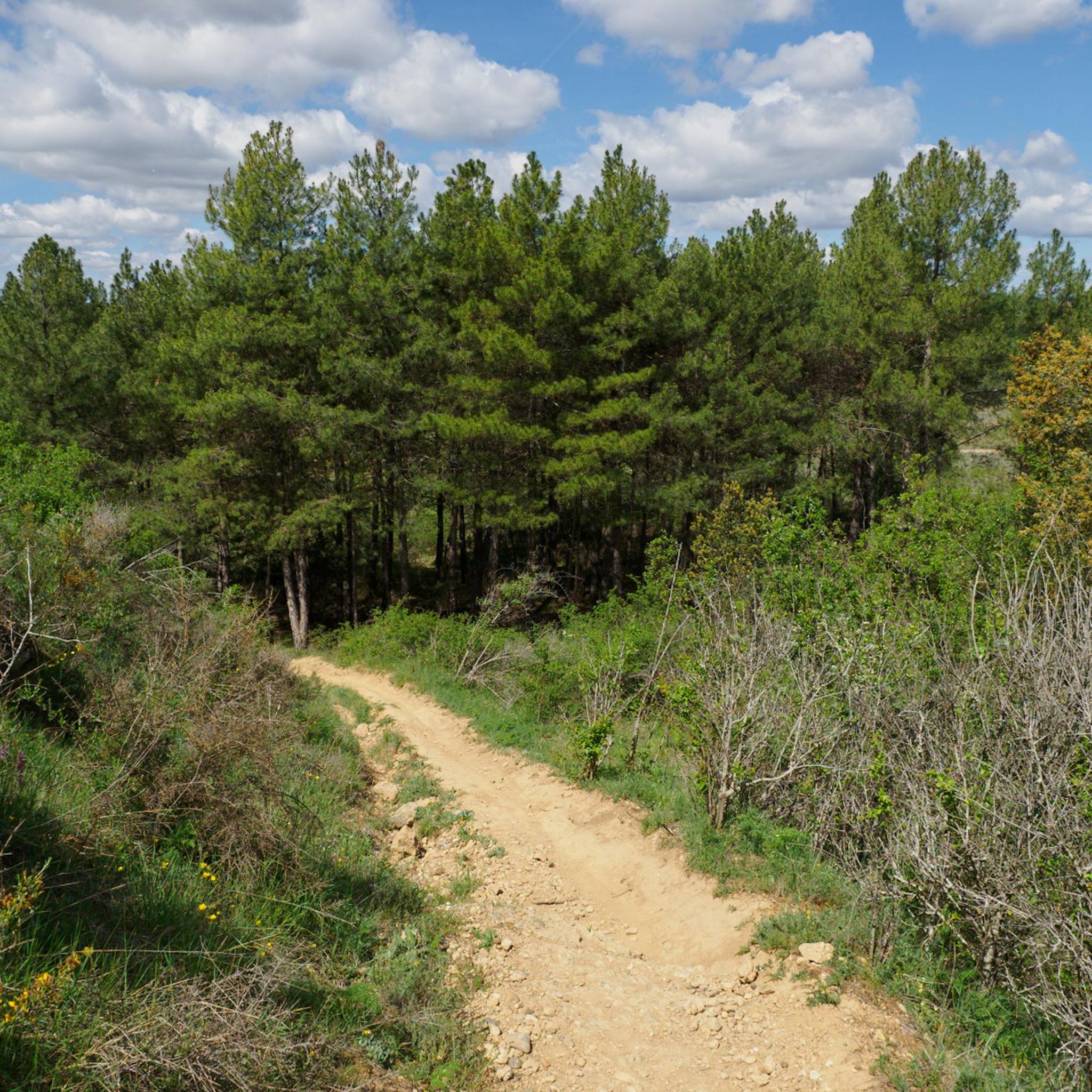
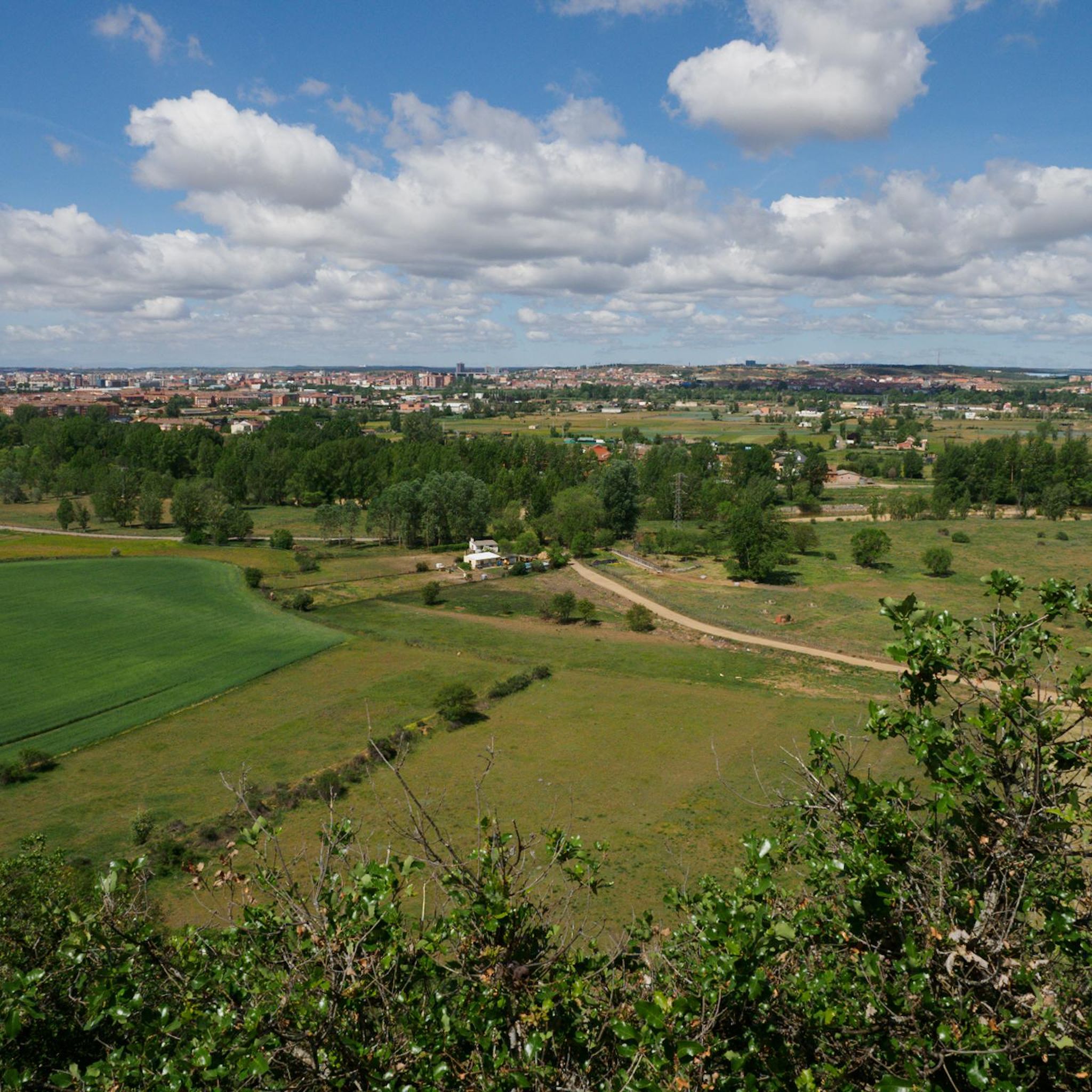
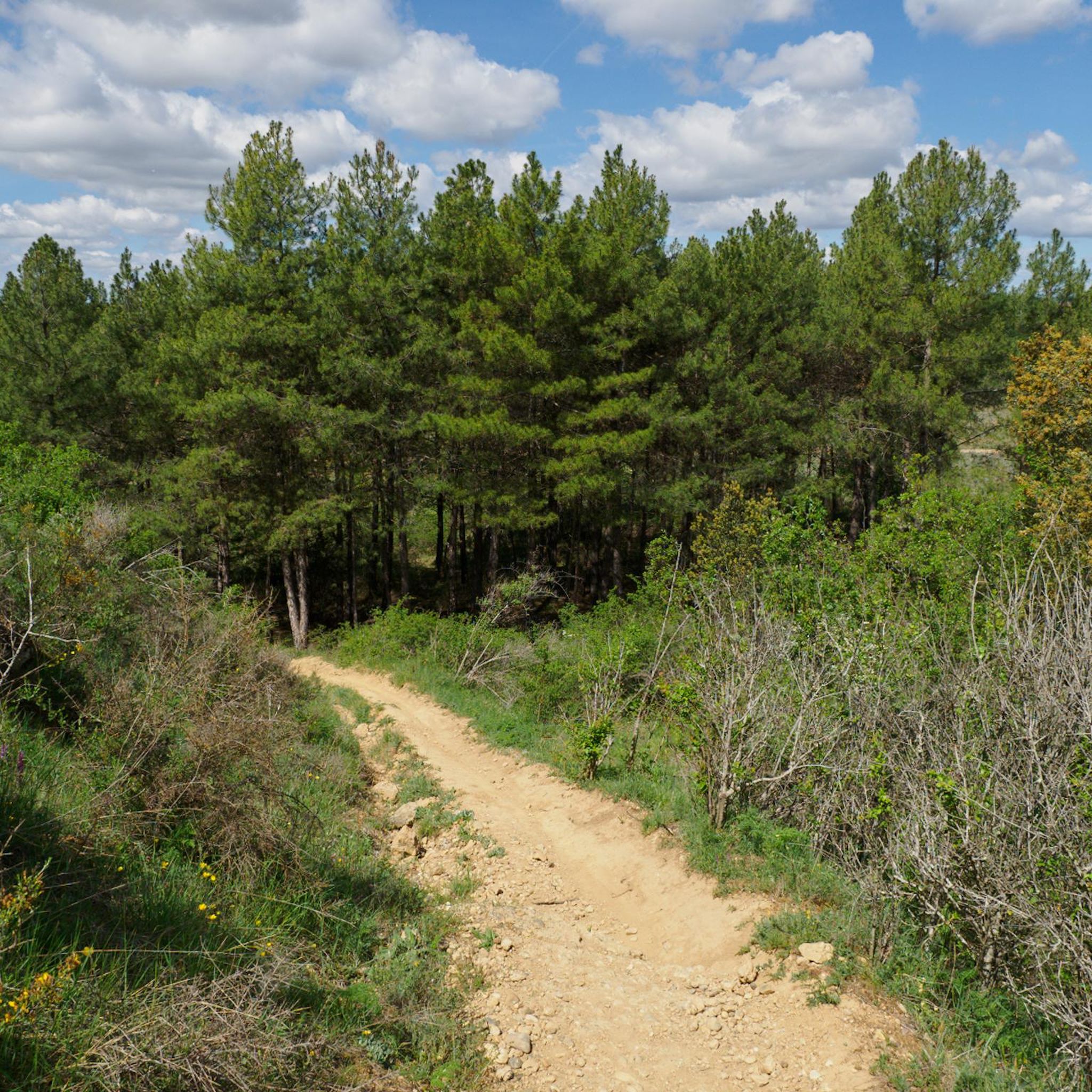
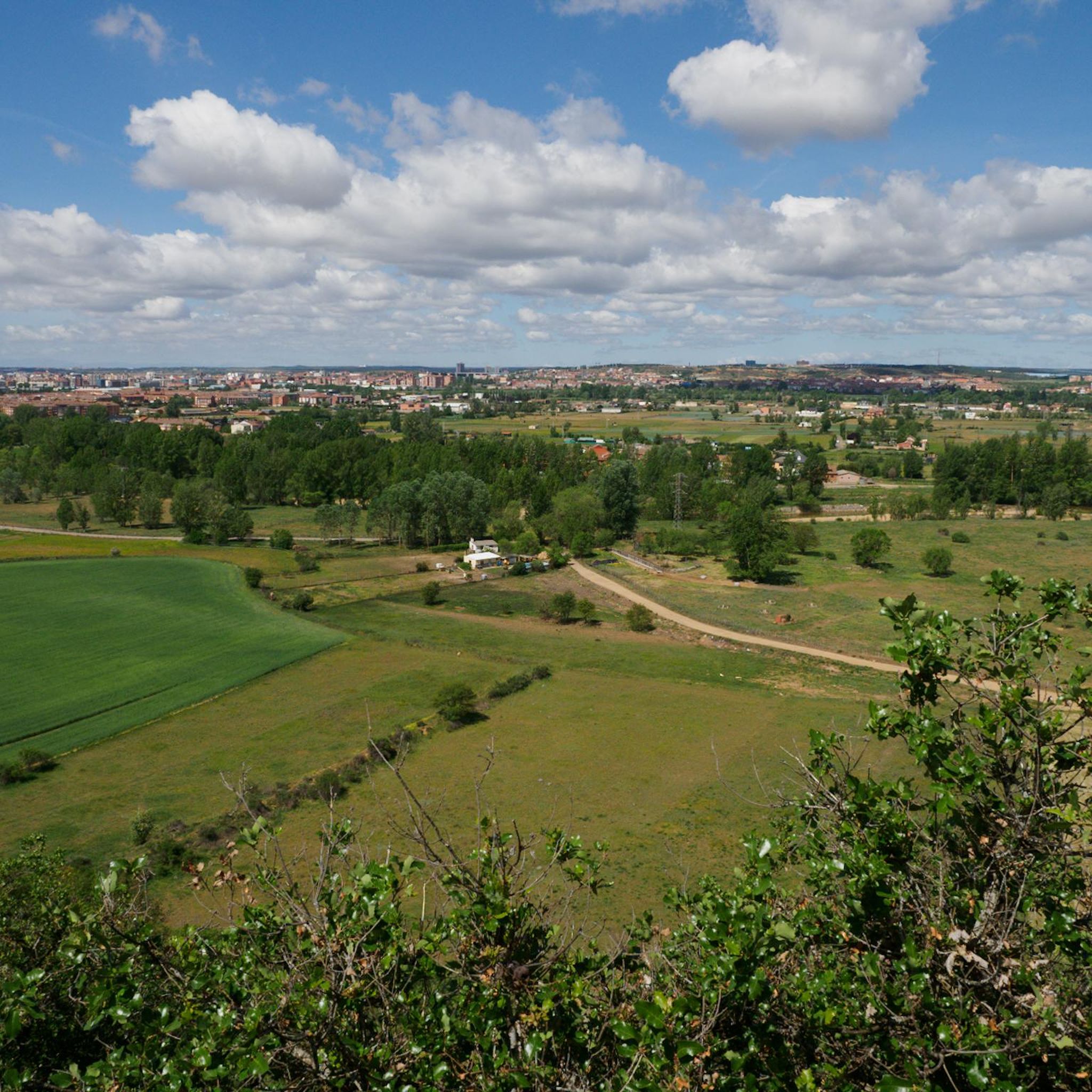
Touring cycling routes around Villaquilambre offer diverse landscapes, from dedicated bike lanes to natural river paths. The municipality features 16 kilometers of cycling infrastructure, including green routes along the Torío River. This area is characterized by riparian vegetation, lush meadows, and varied tree species, providing a mix of tracks, double tracks, and some singletracks. Cyclists can explore both natural settings and historical sites, including a Roman villa and old mills.
Best touring cycling routes around Villaquilambre
- The most popular touring…
Last updated: November 6, 2026
3.3
(12)
95
riders
28.4km
01:56
80m
80m
Easy bike ride. Mostly paved surfaces.
5
riders
40.0km
03:32
420m
420m
Moderate bike ride. Good fitness required. Mostly paved surfaces.

4.5
(4)
24
riders
Moderate bike ride. Good fitness required. Mostly paved surfaces.
4.5
(2)
12
riders
18.8km
01:12
50m
50m
Easy bike ride. Mostly paved surfaces.
9
riders
Easy bike ride. Mostly paved surfaces.
Get access to more routes and recommendations from other explorers.
Already have an account?
Our route recommendations are based on thousands of hikes, rides, and runs completed by other people on komoot.
Start today with a free account
Your next adventure awaits.

Tips from the Community

La Candamia Park is a beautiful green space located on the outskirts of León, next to the Torío River. This park covers approximately 400,000 m² and is ideal for outdoor activities such as walking, cycling, and sports.
5
0

The Plaza del Grano in León, is one of the most charming and historic squares in the city. Also known as the Plaza de Santa María del Camino, this place has a rich history dating back to the Middle Ages. The name "Plaza del Grano" refers to the historical function of the square as a grain market. The square has retained its traditional cobblestones, which gives it an authentic medieval appearance. The square was also an important stop on the pilgrimage route to Santiago de Compostela, where pilgrims rested before continuing their journey. The centerpiece of the Plaza del Grano is the Iglesia de Nuestra Señora del Mercado, a 12th century church with a beautiful Romanesque façade. The simplicity and authenticity of the architecture make the square particularly attractive. The Plaza del Grano comes alive during Semana Santa (Holy Week), when the square is the scene of important religious processions. The square remains a vibrant centre of local life, with markets where you can buy fresh produce and handmade crafts.
3
0
The Puente de San Marcos in León, Spain, is a historic bridge that spans the Bernesga River. The bridge is located next to the famous San Marcos Monastery, which is now a Parador hotel. The origins of the bridge date back to the 12th century, with the first mentions in documents dating back to 1171. However, the current structure dates back to the 16th century and was designed by Leonardo de la Cagiga. The bridge has eight arches and is an important architectural and historical monument in the city.
2
0
The Puente de los Leones in León, Spain, is an important bridge that spans the Bernesga River. Built in 1967, this bridge is named after the four white stone lions that guard the bridge entrances. These lions are the work of sculptor Víctor de los Ríos Campos and are one of the symbols of the city of León. The bridge connects the train station with the Plaza de Guzmán el Bueno and the city's main shopping street, Ordoño II1. It is a wide bridge with five lanes and pedestrian sidewalks, and it is one of the main access roads to the city.
3
1

Here you can still admire part of the impressive Roman city wall.
1
1
The San Marcos Bridge is located in León, and is a civil engineering work dating back to the 16th century. It crosses the Bernesga River and is located at the exit of León towards Astorga. This bridge is known for its historical and architectural importance, and has been a crucial step for pilgrims on their way to Santiago de Compostela.
4
0
This square has a cobblestone pavement characteristic of medieval León and is known for its central fountain, which represents the confluence of the Bernesga and Torío rivers. The fountain is adorned with a column and two children pouring water into a bowl. Historically, the Plaza del Grano housed markets where grain and other agricultural products were sold. It has also been the scene of folkloric events and medieval markets during the San Froilán festivities.
8
0
Frequently Asked Questions
How many touring cycling routes are available in Villaquilambre?
There are over 130 touring cycling routes around Villaquilambre, offering a wide variety of options for different skill levels and preferences.
What are the typical difficulty levels for touring cycling routes in Villaquilambre?
You'll find a good mix of routes in Villaquilambre. There are 23 easy routes, 73 moderate routes, and 38 difficult routes, catering to beginners and experienced cyclists alike.
Are there any family-friendly touring cycling routes in Villaquilambre?
Yes, Villaquilambre is well-suited for family cycling, especially along the Torío River. The municipality has developed 16 kilometers of dedicated bike lanes and green routes, including a picturesque riverside path that connects Villaobispo with Villanueva del Árbol, perfect for a relaxed family outing.
What kind of landscapes can I expect to see while cycling in Villaquilambre?
Touring cycling in Villaquilambre offers diverse landscapes. You'll encounter lush riparian vegetation along the Torío River, meadows, and various tree species like oaks, pines, and ashes. The area also features a mix of tracks, double tracks, and some singletracks, providing varied riding experiences.
What historical or cultural points of interest can I explore on a touring bike in Villaquilambre?
Villaquilambre is rich in history. Cyclists can discover a Roman villa and a cave hermitage, offering glimpses into the region's past. The area also features old mills and dams, some of which are even depicted on the municipal shield. For example, the route Plaza Mayor – Late Roman Wall of León loop from Asunción-Universidad offers views of historical city features.
Are there any circular touring cycling routes in Villaquilambre?
Yes, many routes in Villaquilambre are designed as loops, allowing you to start and finish at the same point. For instance, the Guzmán del Bueno Fountain – Bridge of the Lions loop from Asunción-Universidad is a moderate 32.6 km path that navigates through urban and riverside scenery.
What do other touring cyclists enjoy most about cycling in Villaquilambre?
The touring cycling routes in Villaquilambre are highly rated by the komoot community, with an average score of 3.8 stars from over 90 reviews. Cyclists often praise the blend of natural river paths and dedicated bike lanes, as well as the opportunity to combine physical activity with cultural exploration of historical sites.
What is a good route for a more challenging touring cycling experience?
For a more challenging ride, consider the Casa Botines Gaudí Museum – Late Roman Wall of León loop from Asunción-Universidad. This difficult 58.3 km trail leads through historical cityscapes and surrounding areas, typically taking about 5 hours to complete.
Can I find routes that combine natural scenery with urban exploration?
Absolutely. Many routes in Villaquilambre offer a mix of natural and urban environments. The Guzmán del Bueno Fountain – Bridge of the Lions loop from Asunción-Universidad is a great example, connecting notable landmarks with riverside scenery.
What is the best time of year to go touring cycling in Villaquilambre?
While specific seasonal data isn't provided, the region's blend of natural landscapes and dedicated infrastructure suggests that spring and autumn would be ideal for touring cycling, offering pleasant temperatures and vibrant scenery. Summer can also be enjoyable, especially along the shaded river paths.
Are there any routes that follow the Bernesga River?
Yes, you can explore routes along the Bernesga River. The Bernesga River – Camino de San Salvador loop from Asunción-Universidad is a difficult 48.6 km route that offers a substantial ride along this waterway.
What kind of terrain can I expect on the touring cycling routes?
The terrain around Villaquilambre is varied, featuring a mix of dedicated bike lanes, green routes, tracks, double tracks, and some singletracks. This makes it suitable for various cycling styles, including cross-country (XC) and gravel cycling.
Are there any routes that pass by springs or natural water features?
Yes, some routes will take you past natural water features. For example, the Villaverde de Arriba Spring loop from Asunción-Universidad is a moderate 44.7 km route that includes a spring in its journey.
Most popular routes around Villaquilambre
Most popular attractions around Villaquilambre

Get inspired with the komoot mobile app


Explore more
Browse the best Cycling routes in other regions.
