The best walks and hikes in Paisagem Protegida Da Serra De Montejunto
4.7
(87)
344
hikers
20
hikes
Hiking in Paisagem Protegida Da Serra De Montejunto offers diverse terrain within a protected landscape. The region is characterized by its prominent limestone formations, rolling hills, and rocky areas, with the Serra de Montejunto reaching altitudes of up to 750 meters. This geological composition supports a rich variety of flora and fauna, including over 400 plant species. Trails traverse dense woodlands and open areas, providing panoramic views across the countryside.
Best hiking trails in Paisagem Protegida Da Serra De Montejunto
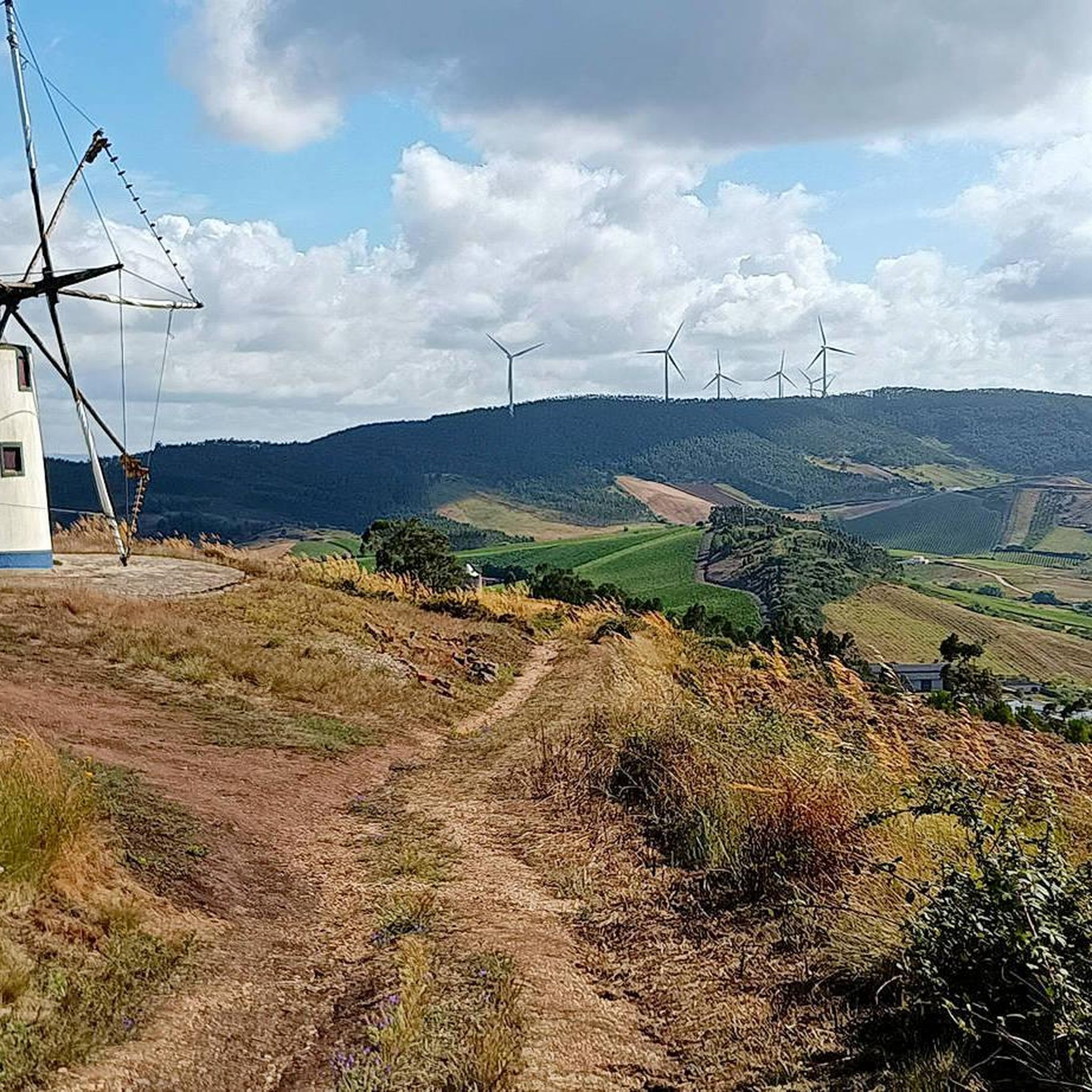
- The most popular hiking route is Route of the Windmills, a 6.4 miles (10.2 km) trail that takes about 3 hours 20 minutes to complete, featuring historical windmills and expansive views.
- Another top favourite among local hikers is Trail of the Carreiro dos SS — circular route in the Serra de Montejunto, a moderate 5.3 miles (8.5 km) path. This route navigates through varied landscapes, including forested sections and open vistas.
- Local hikers also love the Trilho dos Currais e Calçada — circular route in Serra de Montejunto, a 5.2 miles (8.3 km) trail leading through the region's characteristic limestone terrain, often completed in about 2 hours 30 minutes.
- Hiking in Paisagem Protegida Da Serra De Montejunto is defined by limestone hills, dense woodlands, and panoramic viewpoints. The network of trails offers options for various ability levels, from easy walks to more challenging ascents.
- The routes in Paisagem Protegida Da Serra De Montejunto are highly rated by the komoot community with an average score of 4.8 stars from over 60 reviews. More than 270 hikers have used komoot to explore Paisagem Protegida Da Serra De Montejunto's varied terrain.
Last updated: October 10, 2026
4.5
(16)
81
hikers
10.2km
03:20
450m
450m
Moderate hike. Good fitness required. Mostly accessible paths. Sure-footedness required.
4.7
(13)
80
hikers
4.88km
01:21
80m
80m
Moderate hike. Great for any fitness level. Mostly accessible paths. Sure-footedness required.

4.7
(7)
27
hikers
8.54km
02:45
350m
350m
Moderate hike. Good fitness required. Easily-accessible paths. Suitable for all skill levels.
5.0
(3)
16
hikers
8.31km
02:32
290m
290m
Moderate hike. Good fitness required. Mostly accessible paths. Sure-footedness required.
4.5
(6)
12
hikers
Easy hike. Great for any fitness level. Easily-accessible paths. Suitable for all skill levels.
Get access to more routes and recommendations from other explorers.
Already have an account?
Our route recommendations are based on thousands of hikes, rides, and runs completed by other people on komoot.
Start today with a free account
Your next adventure awaits.

Tips from the Community

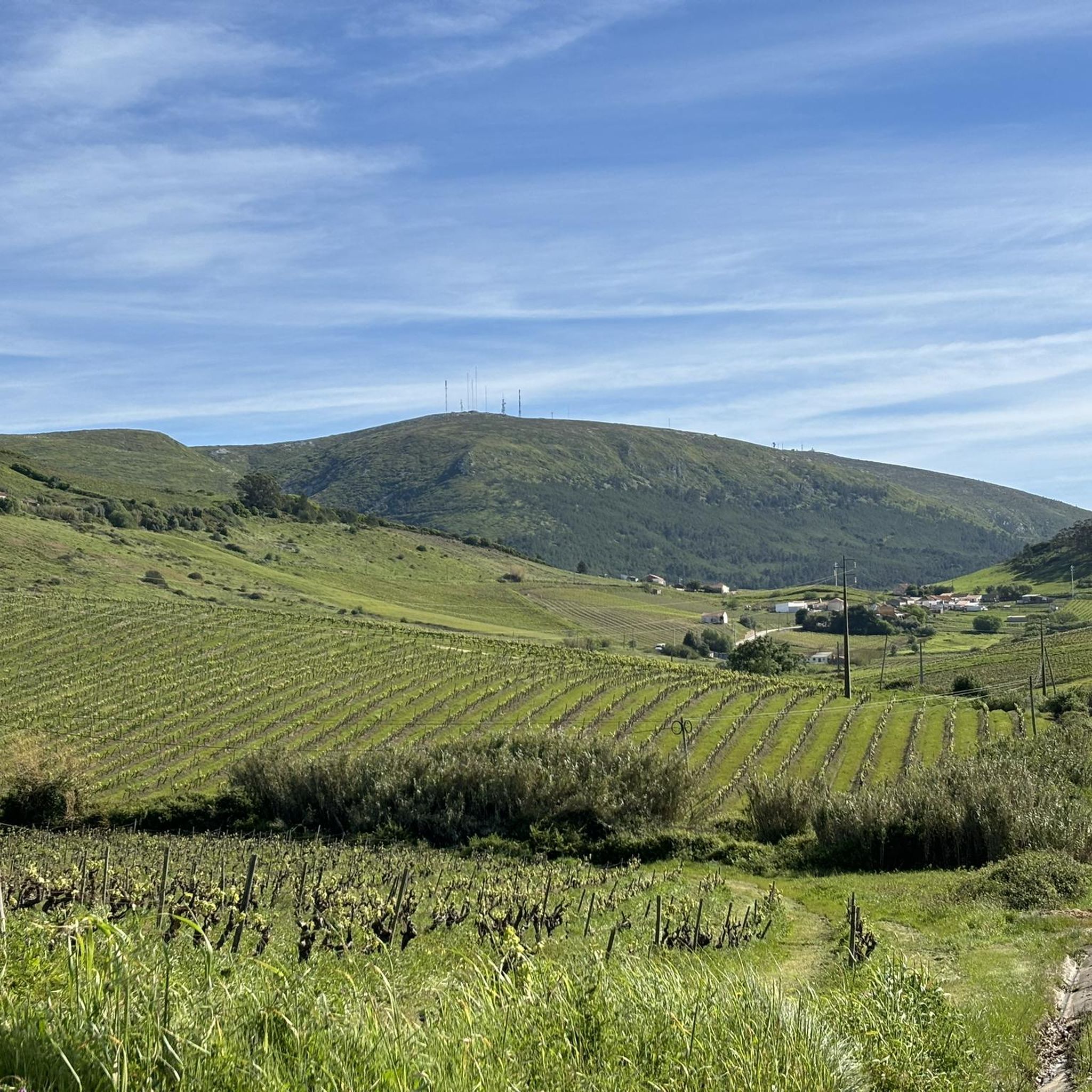
At this location at the top of the Serra de Montejunto, also known as "Torre" due to the various antennas that were installed there, is the Chapel of Our Lady of the Snows, which may have been built in the 13th century and remodelled and expanded during the 16th century and later. Inside, the altars covered with 17th century tiles and the altarpiece of the main altar, from the 18th century, stand out. Next to the Chapel of Our Lady of the Snows, are the ruins of what is considered to be the first Dominican Convent in Portugal, built in the 12th century and abandoned after the extinction of the religious orders, and is currently in ruins. Also nearby are the ruins of the Royal Ice Factory, classified as a National Monument. Here, in the 18th century, the Dominican monks took advantage of the climatic and geological conditions and opened large tanks connected by narrow passages, one part for the production of ice and the other for its preparation, storage and conservation. The ice was later transported to Lisbon, to supply the court and the café at Terreiro do Paço, later known as Martinho da Arcada (Fernando Pessoa's Café)
2
0

The Nossa Senhora das Neves Chapel, located at the top of the Serra de Montejunto, has been a place of pilgrimage since the medieval period, prior to the construction of the first Dominican monastery in the 13th century.
1
0
The karst landscape of Montejunto, in the extreme southwest of the Estremenho Limestone Massif, displays deep valleys, lages, gravel pits and lapiás, formed by aquatic erosion over geological eras. Freezing of water in rock fissures results in gravel deposits.
2
0
The Serra de Montejunto Forest Watch Station can be accessed via a pastoral trail from the picnic park. It offers a beautiful panorama of the region north of the Serra.
3
0
Castro de Pragança, located in Serra de Montejunto, is an archaeological site occupied from the Neolithic period to the Roman period. Discovered in 1893, its study revealed traces from various eras. Its archaeological collection is distributed across several national museums and, despite several excavation campaigns and studies, the Castro is currently in a state of abandonment. Its fortifications date back to the first half of the 3rd millennium BC, and the materials found include weights and metallic artefacts, indicating a prolonged and complex occupation.
1
0
The Serra de Montejunto picnic area is next to the Interpretation center and a little further from the campsite. Nearby there is a small bar and toilets.
3
0
The Serra do Montejunto Rural Camping Park is located close to the Environmental Interpretation Center and the Real Fábrica do Gelo. With capacity for 90 people, 24 tents and 6 motorhomes, it has sanitary facilities separated by sex, a communal barbecue area and designated areas for washing dishes and drying clothes.
3
1
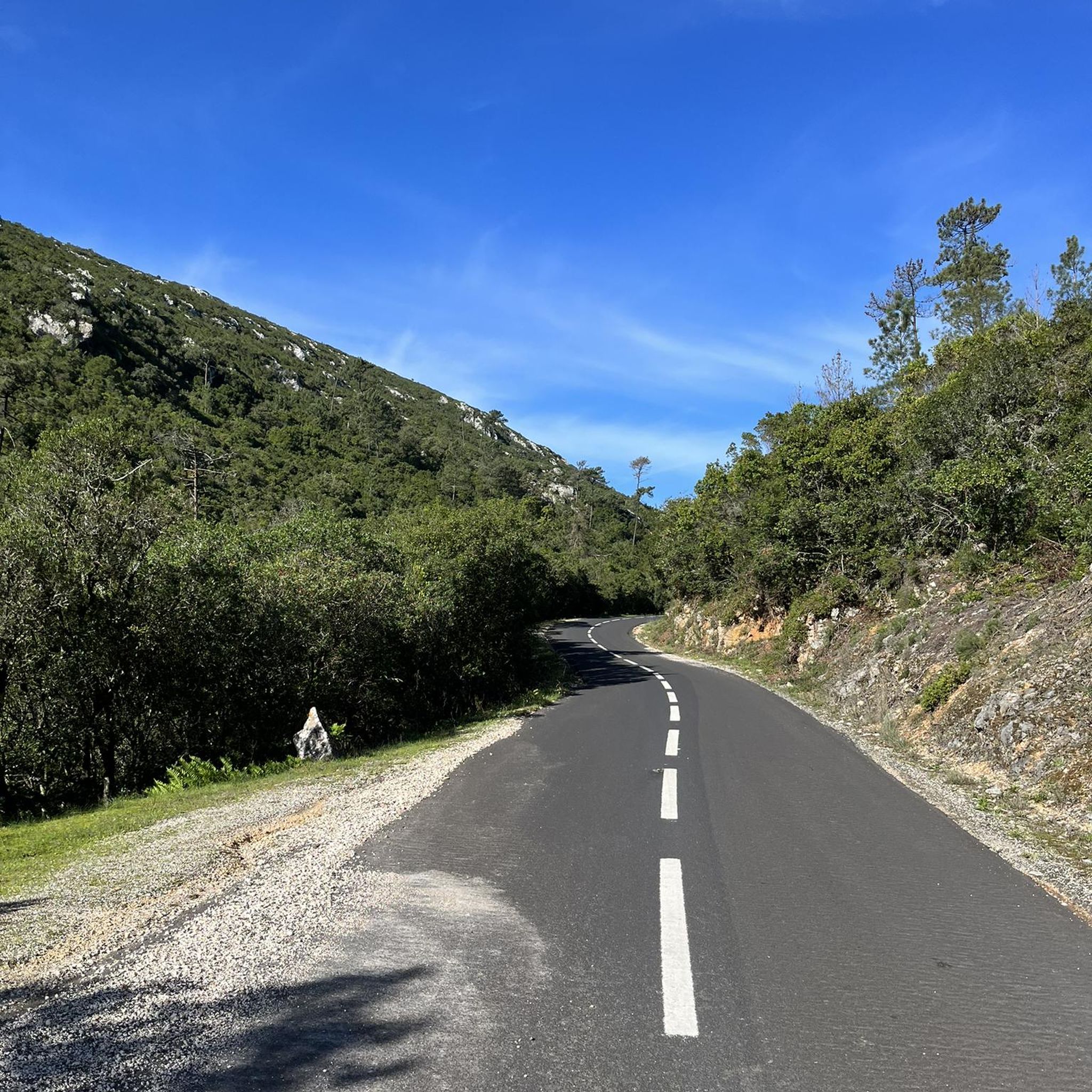
Very pleasant path that runs around Montejunto. It offers beautiful landscapes of the region. Some sections have loose stone floors, so it is worth paying attention.
1
0
Frequently Asked Questions
Are there many circular hiking routes in Paisagem Protegida Da Serra De Montejunto?
Yes, the region offers several excellent circular routes. For example, the Trail of the Carreiro dos SS is a moderate 8.5 km path, and the Trilho dos Currais e Calçada is an 8.3 km route through characteristic limestone terrain. Another option is the Trilho da Quinta da Serra, a shorter 4.9 km circular route.
What kind of terrain can I expect when hiking in Serra de Montejunto?
The terrain in Serra de Montejunto is primarily characterized by fascinating limestone formations, which have created rolling hills, rocky areas, and even chasms. You'll find trails traversing dense woodlands and open areas, with elevations reaching up to 750 meters, offering diverse landscapes and panoramic views.
What are some notable landmarks or viewpoints to see along the trails?
Hikers can discover several interesting landmarks and viewpoints. The Serra de Montejunto Watchtower offers expansive views, and the Windmills of Serra de Montejunto are a historical highlight, featured on routes like the Route of the Windmills. The Salvé Rainha Viewpoint is another popular spot for scenic vistas.
Is Paisagem Protegida Da Serra De Montejunto a good place for wildlife spotting or birdwatching?
Yes, the protected landscape is a vital habitat for around 75 bird species, including endangered ones like Bonelli's eagle and the Eurasian eagle-owl. The dense woodlands are also home to wildlife such as deer and foxes, making it an excellent area for nature observation. The unique microclimate supports an impressive 400 identified plant species.
Are there any historical sites to explore in the region?
Beyond its natural beauty, Serra de Montejunto has historical points of interest. You can find archaeological remains indicating ancient human occupation. A significant historical site is the Real Fábrica do Gelo (Royal Ice Factory), which is classified as a National Monument. There are also religious sites like the Chapel of Our Lady of the Snows (Ruins) and the Chapel of Saint John the Baptist.
What is the best time of year to hike in Serra de Montejunto?
The region's diverse flora and fauna make it appealing year-round. However, spring and autumn generally offer the most pleasant temperatures for hiking, with lush landscapes in spring and vibrant colors in autumn. Summer can be warm, but the higher altitudes and shaded woodlands provide some relief. Winter offers a different, often quieter, experience.
Are there any easy or beginner-friendly hiking routes in the area?
Yes, Paisagem Protegida Da Serra De Montejunto offers trails suitable for various ability levels, including easier options. For instance, the Serra Montejunto Bar loop is an easy 3.5 km route. The Montejunto Biodiversity Station also features a 1.8 km circular walking trail with informative panels, ideal for a leisurely stroll.
Where can I find parking for hiking trails in Serra de Montejunto?
While specific parking areas for each trail vary, the protected landscape generally provides designated parking spots, especially near popular trailheads and attractions. It's advisable to check the starting point of your chosen route for the most convenient parking options.
What do other hikers enjoy most about hiking in Paisagem Protegida Da Serra De Montejunto?
The area is highly rated by the komoot community, with an average score of 4.8 stars from over 60 reviews. Hikers often praise the diverse natural features, the breathtaking panoramic views from the higher altitudes, and the well-marked trails that allow for immersion in nature and discovery of the region's rich biodiversity.
Are there facilities like picnic areas available for hikers?
Yes, the region provides facilities for visitors. You can find a dedicated Picnic Area of Serra de Montejunto, which is a convenient spot to rest and enjoy a meal amidst nature. There's also the Montejunto Rural Campsite for those looking for accommodation options.
What is the highest point in Serra de Montejunto and what views does it offer?
The Serra de Montejunto reaches altitudes of up to 750 meters, making it a prominent feature in the landscape. From its highest points, you can enjoy breathtaking panoramic views across the countryside, which on clear days can extend all the way towards Lisbon.
Most popular routes in Paisagem Protegida Da Serra De Montejunto
Most popular attractions in Paisagem Protegida Da Serra De Montejunto

Get inspired with the komoot mobile app


Explore more
Browse the best Hikes in other regions.
