Top 14 Castles around Muldestausee
Best castles around Muldestausee are found in the Anhalt-Bitterfeld district of Saxony-Anhalt, Germany, a region characterized by its historical structures and the expansive Großer Goitzschesee. This area offers a blend of historical architecture and natural landscapes. Visitors can explore sites that provide insights into various epochs of German history. The region's historical significance is evident in its well-preserved castles and associated landmarks.
Best castles around Muldestausee
- The most popular castles is Delitzsch Baroque Palace, a castle that is one…
Last updated: September 26, 2026
Reinharz Moated Castle
Highlight • Castle
Heinrich von Löser, Electorate of Saxony's hereditary marshal, had a representative moated castle with a baroque park, castle pond and brewery pond built between 1690 …
Translated by Google •
Tip by

Burgkemnitz Castle
Highlight • Castle
construction time
18th century, 19th century,
1869
Architectural style
Baroque, historicism, neo-renaissance
Builder
Hans Bodo Baron von Bodenhausen (1869)
Builder/architect
–
Condition
The castle in Burgkemnitz is currently …
Translated by Google •
Tip by

Sign up now to discover places like this
Get recommendations on the best single tracks, peaks, & plenty of other exciting outdoor places.
Delitzsch Baroque Palace
Highlight • Castle
Source: architektur-blicklicht.de/schloesser-herrenhaeuser/schloss-delitzsch-leipzig
Translated by Google •
Tip by
Delitzsch Historic Town Center
Highlight • Historical Site
Translated by Google •
Tip by

Schnaditz Castle
Highlight • Castle
Construction period
13th century, mid-14th century, late 15th century,
early 17th century, 19th century,
around 1227 (keep), 1655, 1833 to 1835, around 1880
Architectural style
Gothic, Renaissance, Historicism …
Showing Translation
Tip by
Sign up for free to discover even more castles around Muldestausee.
Already have an account?
Start today with a free account
Your next adventure awaits.
Popular around Muldestausee
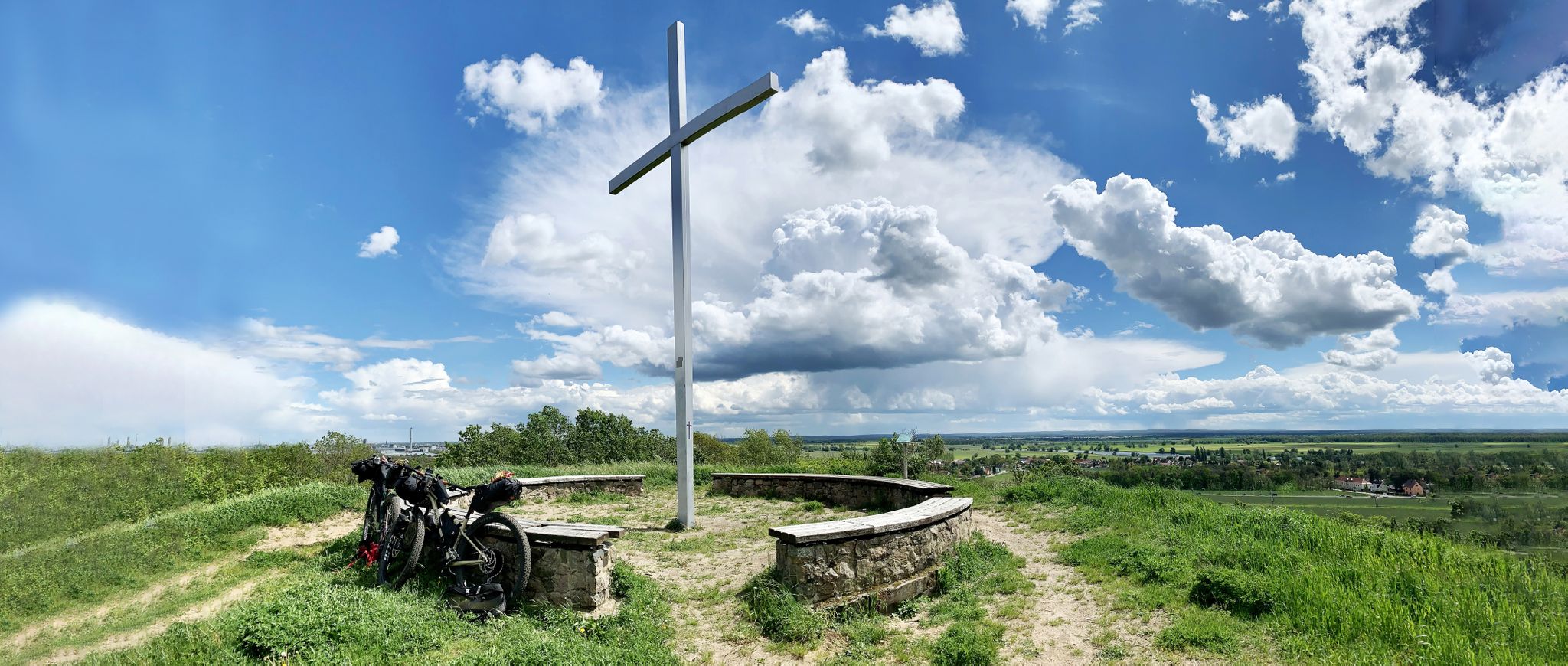
Romanticism on the Elbe River — cycling around the MDV north network
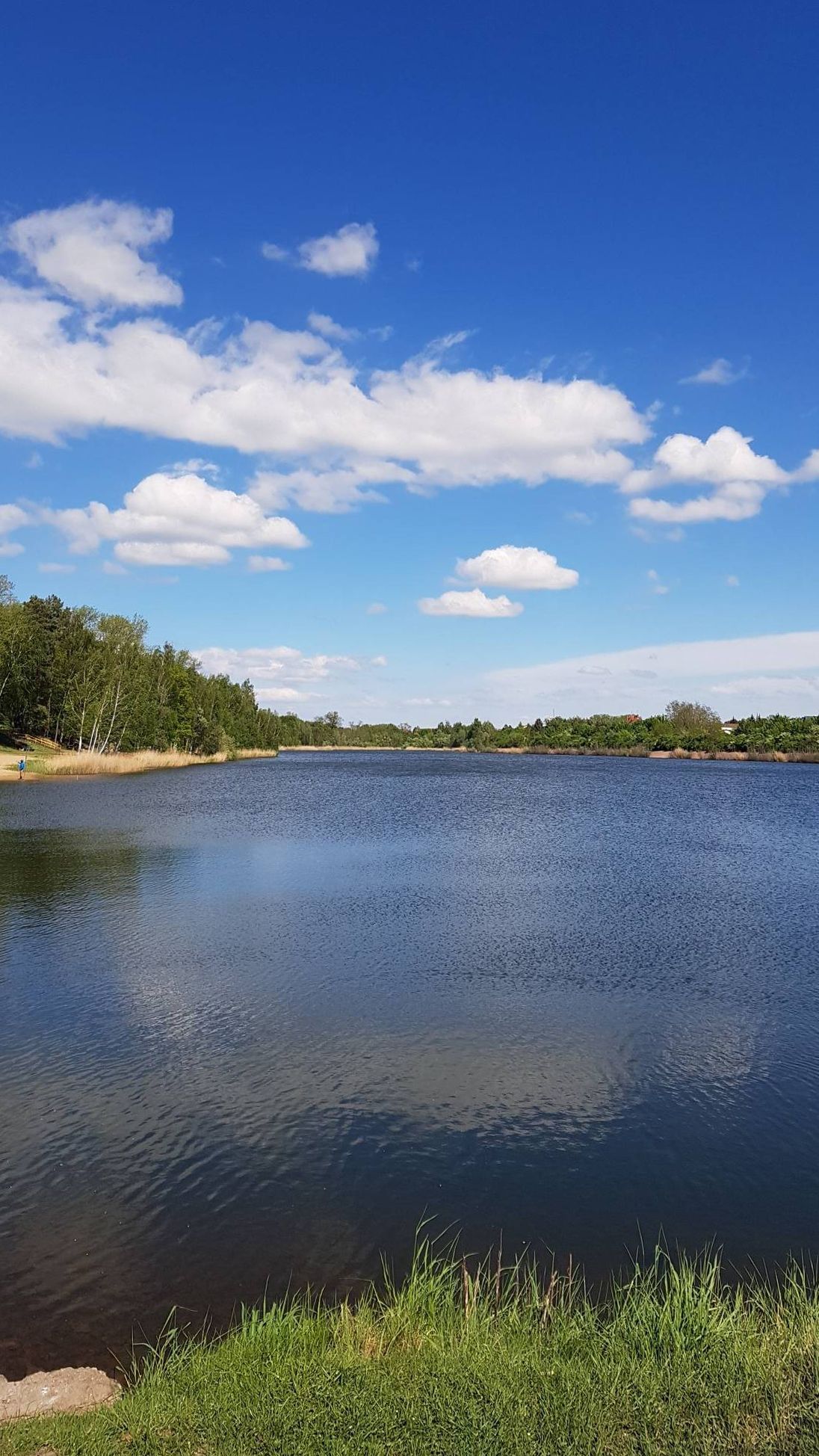
The most beautiful swimming lakes in Saxony-Anhalt
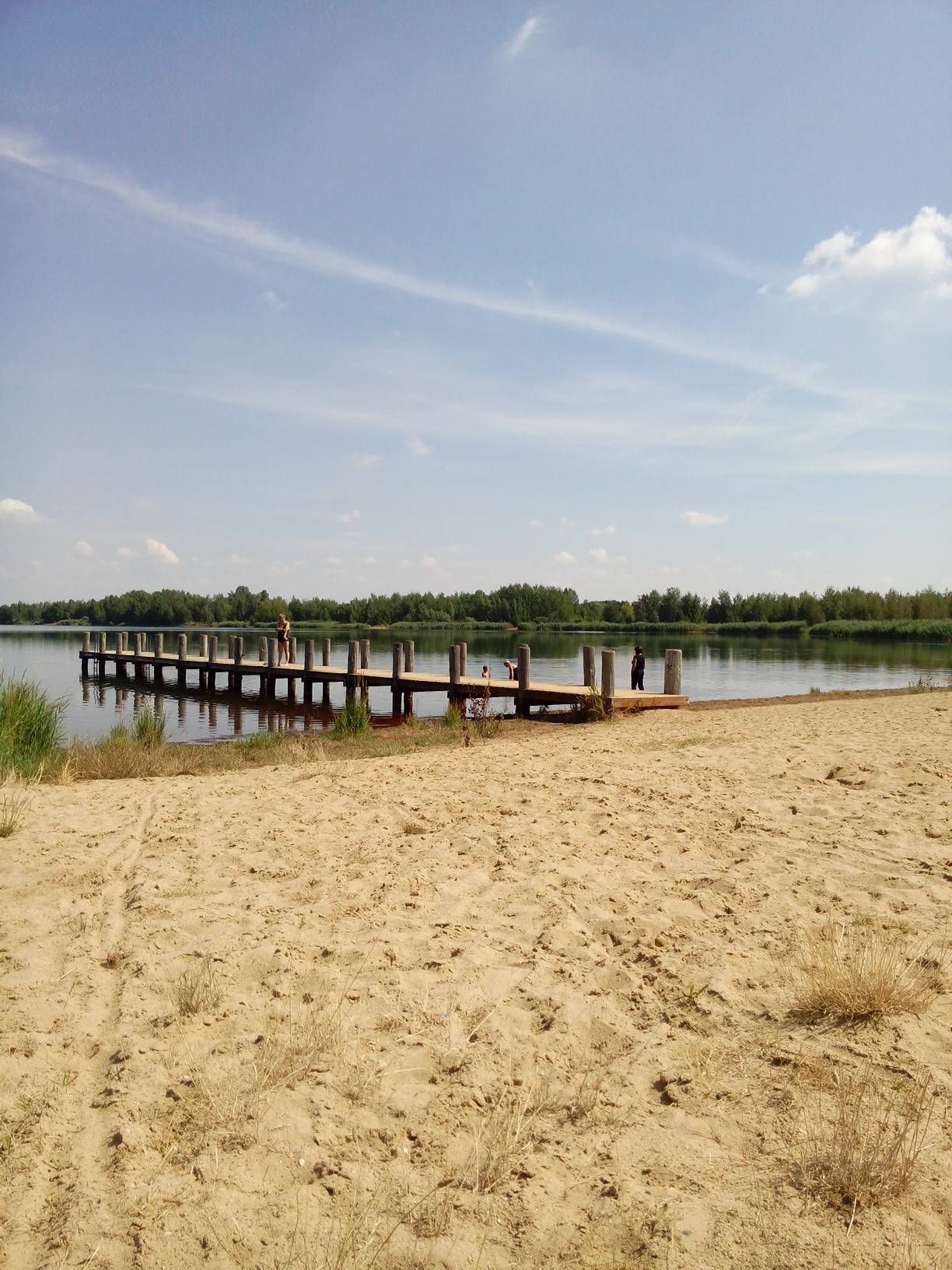
The most beautiful swimming spots around Leipzig
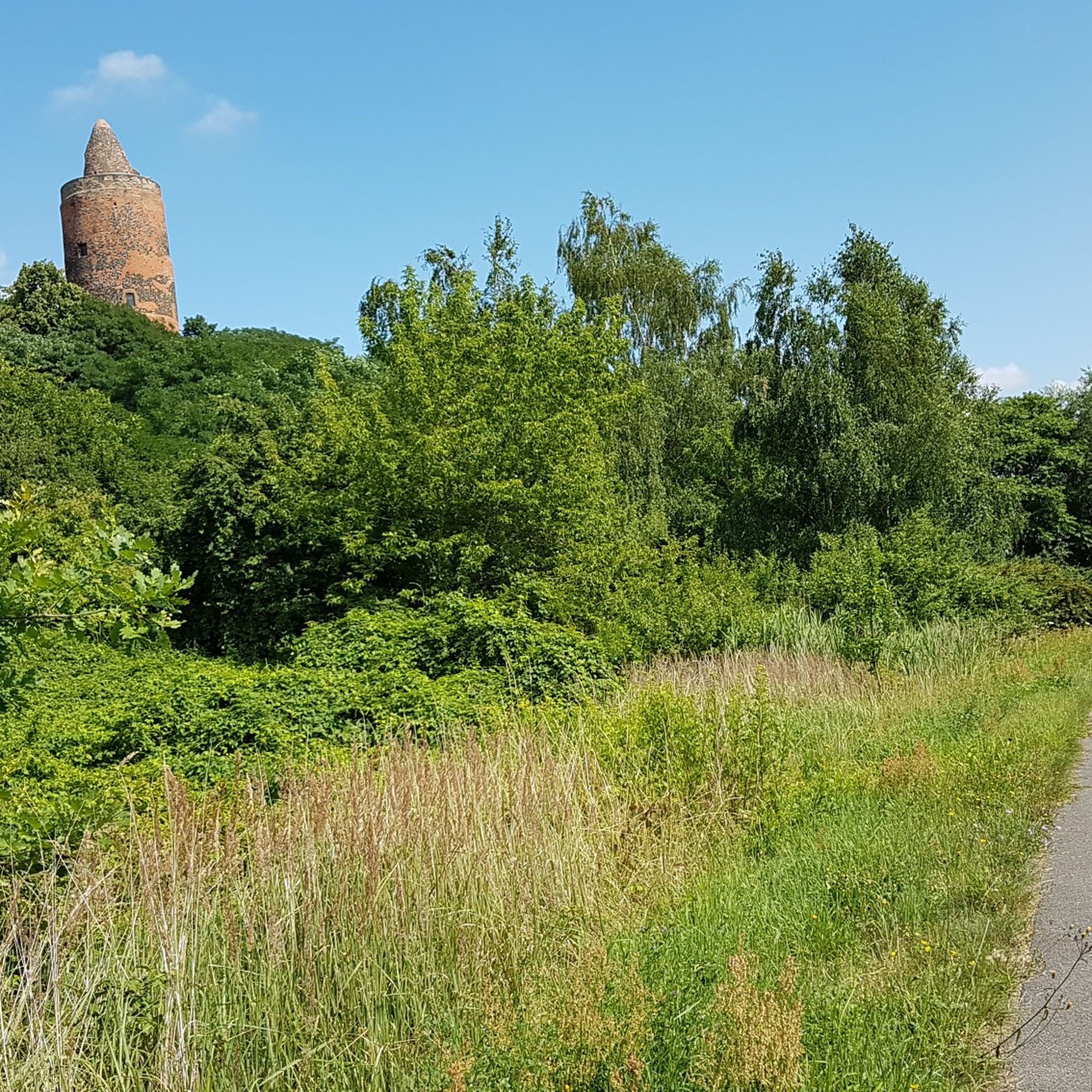
Cycling around Muldestausee
Hiking around Muldestausee
Running Trails around Muldestausee
Road Cycling Routes around Muldestausee
MTB Trails around Muldestausee
Gravel biking around Muldestausee
Other adventures around Muldestausee


Tips from the Community

More information about the history can be found at https://de.wikipedia.org/wiki/Schloss_Schnaditz
4
0
First mentions (1115–1237) Wiprecht von Groitzsch (1115) There is no evidence of a legendary mention from the year 1115, in which Count Wiprecht von Groitzsch is said to have attempted to conquer the moated castle Castrum Sneuditz.[1] Source https://de.wikipedia.org/wiki/Schloss_Schnaditz
5
0
Schloss Schnaditz is located in the Schnaditz district of the town of Bad Düben. The castle has a 29-meter-high defensive tower. Source https://de.wikipedia.org/wiki/Schloss_Schnaditz
6
0
The Baroque Delitzsch Palace is located in the northern Saxon town of Delitzsch and is one of the oldest palaces in northwestern Saxony. The building and adjacent garden area are integrated into the planned historic district, through which a main road runs south of the palace grounds. Consisting of a manor house, a small northwestern wing, and a larger northeastern wing, it was constructed and architecturally modified in several phases. Only the foundations of the original building, dating from the early 12th century, remain. Among the oldest surviving parts are two deep cellars and the tower, which the Margrave of Meissen, William I, had built starting in 1389. Built on the foundations of a Gothic moated castle, the complex served the Wettin dynasty as an administrative and travel residence from 1387 to 1540. Subsequently, the Dukes and Electors of Saxony had the castle converted into a Renaissance palace from 1540 to 1558 and lived there during their travels. The complex was last externally altered at the end of the 17th century, giving it its Baroque appearance. From then on, the Principality of Saxe-Merseburg used it as a widow's residence and a travel residence. After a phased restoration beginning in 1993, the Baroque Delitzsch Palace is now used as a museum, tourist information center, registry office, branch of the "Heinrich Schütz" District Music School of North Saxony, a concert hall, and a national event venue. This cultural monument is owned by the district town of Delitzsch. Source: https://de.wikipedia.org/wiki/Schloss_Delitzsch
5
0
Reinharz Moated Castle, nestled in forests, resembles a legendary fairytale castle. The castle park and surrounding water features, with their rare trees, invite you to linger. Heinrich von Löser, Electoral Marshal of Saxony, had this impressive moated castle built between 1690 and 1701, featuring a baroque park, a castle pond, and a brewery pond, to provide appropriate accommodation for the nobility during their hunts in the Düben Heath. Source: https://www.anhalt-dessau-wittenberg.de/staedte-sehenswuerdigkeiten-landschaften/wasserschloss-reinharz
3
0
Burgkemnitz Castle with beautiful park
4
0

The three-winged castle complex was built between the 14th and 19th centuries. It was formerly the seat of the von Zaschnitz family, who were immortalized in literature by Heinrich von Kleist in the novella "Michael Kohlhaas". Quelle:https://www.bad-dueben.de/tourismus-freizeit/stadt-entdecken/besondere-orte/das-wasserschloss-schnaditz/
2
0

Reinharz Castle and Castle Park Heinrich von Löser, Electorate of Saxony's hereditary marshal, had a representative moated castle with a baroque park, castle pond and brewery pond built between 1690 and 1701 in order to provide appropriate accommodation for the nobles during their hunts in the Düben Heath. Löser based the three-story, horseshoe-shaped building on the annual division: the facade is divided into 365 windows, and the castle has 52 doors and 12 rooms. The 68 m high tower was used as an observatory in the 18th century. Valuable scientific equipment was created in the mechanical-optical workshop, including telescopes, reflecting telescopes and sundials. 15 of these are on display in the Mathematical-Physical Salon of the Dresden Zwinger. The formally designed garden was probably completed in the first half of the 18th century under the direction of Hans von Löser. In 1837, the castle, including the farm buildings and park, was sold to the bourgeois Hertwig family, who had the park landscaped after 1850. The northern embroidery parterre with the strictly axial path system was removed. In addition, a connected meadow area, the "castle meadow", was created with many, sometimes rare, individual trees and groups of trees. Today, they characterize the striking old trees. In the southern section of the park, the main path system has largely been preserved. Between 1947 and 1990, the castle and park were used as a spa complex. The complex has been privately owned since 1998. Source: display board
10
1
Frequently Asked Questions
What are some of the most historically significant castles in the Muldestausee region?
The Muldestausee region boasts several historically rich castles. Schloss Pouch, with origins dating back to 981, and its associated Roter Turm (Red Tower), the oldest standing structure in the municipality from the 13th or 14th century, offer deep historical insights. Another notable site is Delitzsch Baroque Palace, one of Saxony's oldest castles, featuring a museum and a baroque garden.
Are there any castles directly on the Muldestausee or Goitzschesee?
Yes, Schloss Pouch is prominently situated directly on the shores of the Großer Goitzschesee. Its location provides picturesque views and a tranquil atmosphere, blending history with natural beauty.
Which castles offer panoramic views of the surrounding landscape?
The Roter Turm (Red Tower) in Pouch is an excellent choice for panoramic views. Climbing its 105 steps rewards visitors with extensive vistas over the surrounding lake and forest landscape, including the Goitzsche area.
What kind of architecture can I expect to see among the castles?
The castles around Muldestausee showcase a variety of architectural styles. You can find late-Classicist designs at Schloss Pouch, Baroque architecture at Reinharz Moated Castle and Delitzsch Baroque Palace, and Neo-Renaissance elements at Burgkemnitz Castle, which emerged from a medieval moated castle.
Are there family-friendly castles to visit in the area?
Yes, several castles are suitable for families. Reinharz Moated Castle and Delitzsch Baroque Palace are both categorized as family-friendly. The Delitzsch Historic Town Center, which includes the Baroque Palace, also offers a broader family-friendly experience.
What outdoor activities can I do near these castles?
The region around Muldestausee offers various outdoor activities. You can find easy hikes, moderate hikes, and running trails. For example, near Pouch, you can explore routes like the 'Red Tower (Pouch) – Goitzsche Lake loop' which is a moderate hike. For more options, check out the Easy hikes around Muldestausee guide or the Hiking around Muldestausee guide.
Are there hiking trails that lead to or past castles?
Yes, the region offers hiking opportunities that incorporate historical sites. For instance, the Heidesteig trail leads through Burgkemnitz, allowing you to see Burgkemnitz Castle. Many routes around the Goitzschesee also offer views of Schloss Pouch and the Roter Turm.
What is the best time of year to visit the castles around Muldestausee?
The castles and their surrounding parks can be enjoyed throughout the year. Spring and summer offer lush greenery and pleasant weather for exploring castle grounds and nearby trails. Autumn provides beautiful foliage, while winter can offer a serene, picturesque experience, especially for walks around the frozen lakes and historical sites.
Can I visit the interior of all castles, or are some only viewable from the outside?
Access varies by castle. For example, Burgkemnitz Castle's grounds and park are accessible, but the castle itself cannot currently be visited internally as it is undergoing renovation. Delitzsch Baroque Palace houses a museum, indicating interior access. For Schloss Pouch, it has been renovated into apartments, but its exterior and the Roter Turm are accessible for historical immersion and views.
Are there any lesser-known or 'hidden' castles worth exploring?
While not entirely hidden, Schnaditz Castle offers a glimpse into older history, with parts dating back to the 13th century. It features a 29-meter-high defensive tower and is an irregular three-wing system that emerged from a 14th-century moated castle. Its current condition and partial vacancy give it a unique, less-trafficked appeal.
Are there cafes or restaurants near the castles?
Yes, you can find dining options near some of the castles. For instance, in front of Delitzsch Baroque Palace, there is a restaurant located in the former castle guardhouse. The area around the Goitzschesee, near Schloss Pouch, also offers various cafes and restaurants catering to visitors.
What is the history of the Roter Turm in Pouch?
The Roter Turm (Red Tower) in Pouch is a medieval brick round tower with a conical spire, dating back to the 13th or 14th century. It is the oldest standing structure in the Muldestausee municipality and served as a court and prison tower from the 15th to the 18th century.
Most popular routes around Muldestausee
Most popular attractions around Muldestausee

Get inspired with the komoot mobile app


Explore more
Looking for the best castles somewhere else? Discover other guides around Muldestausee:
