The best cycling routes around Muldestausee
4.5
(1247)
5,387
riders
190
rides
Touring cycling around Muldestausee offers routes through a landscape transformed from former lignite mining areas into a diverse recreational region. The central feature is the Muldestausee, a large reservoir surrounded by mixed forests and reclaimed industrial sites. The area borders the Dübener Heide Nature Park, providing varied terrain with gentle elevations and scenic views along the Mulde River.
Best touring cycling routes around Muldestausee
- The most popular touring cycling route is Great Goitzsche Lake – Großer Goitzschesee Gauge Tower loop…
Last updated: May 14, 2026
4.2
(126)
451
riders
22.5km
01:34
100m
100m
Hard bike ride. Great for any fitness level. You may need to push your bike for some segments of this route.
4.6
(117)
444
riders
39.8km
02:20
100m
100m
Moderate bike ride. Good fitness required. Mostly paved surfaces. Suitable for all skill levels.

Sign up for free
4.5
(52)
240
riders
Moderate bike ride. Good fitness required. Mostly paved surfaces. Suitable for all skill levels.
4.5
(40)
157
riders
136km
08:07
320m
320m
Hard bike ride. Very good fitness required. Mostly paved surfaces. Suitable for all skill levels.
4.9
(29)
105
riders
50.4km
03:11
180m
180m
Moderate bike ride. Good fitness required. Mostly paved surfaces. Suitable for all skill levels.
Get access to more routes and recommendations from other explorers.
Sign up for free
Already have an account?
Our route recommendations are based on thousands of hikes, rides, and runs completed by other people on komoot.
Start today with a free account
Your next adventure awaits.
Login or Signup
Popular around Muldestausee
Romanticism on the Elbe River — cycling around the MDV north network
The most beautiful swimming lakes in Saxony-Anhalt
The most beautiful swimming spots around Leipzig
Hiking around Muldestausee
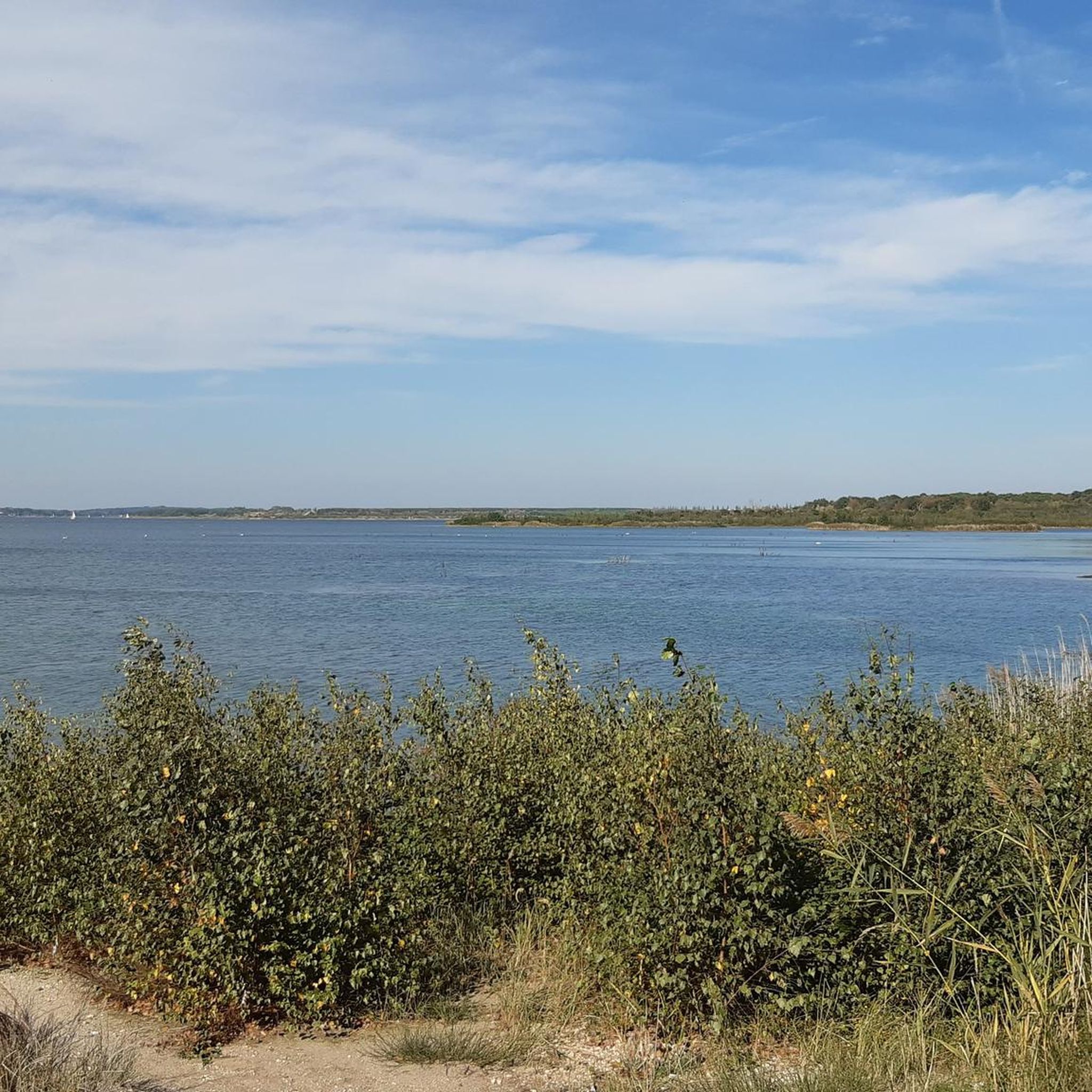
Running Trails around Muldestausee
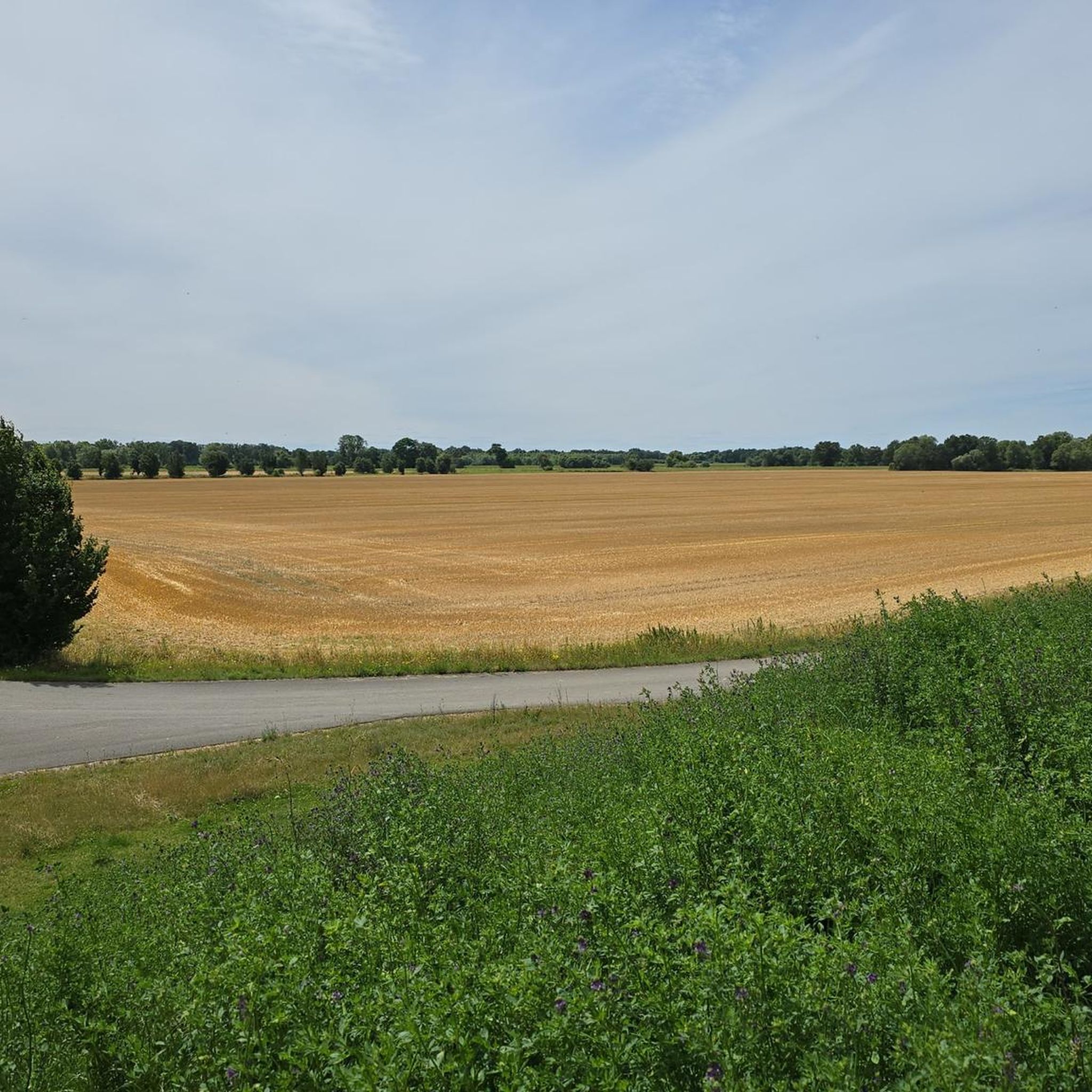
Road Cycling Routes around Muldestausee
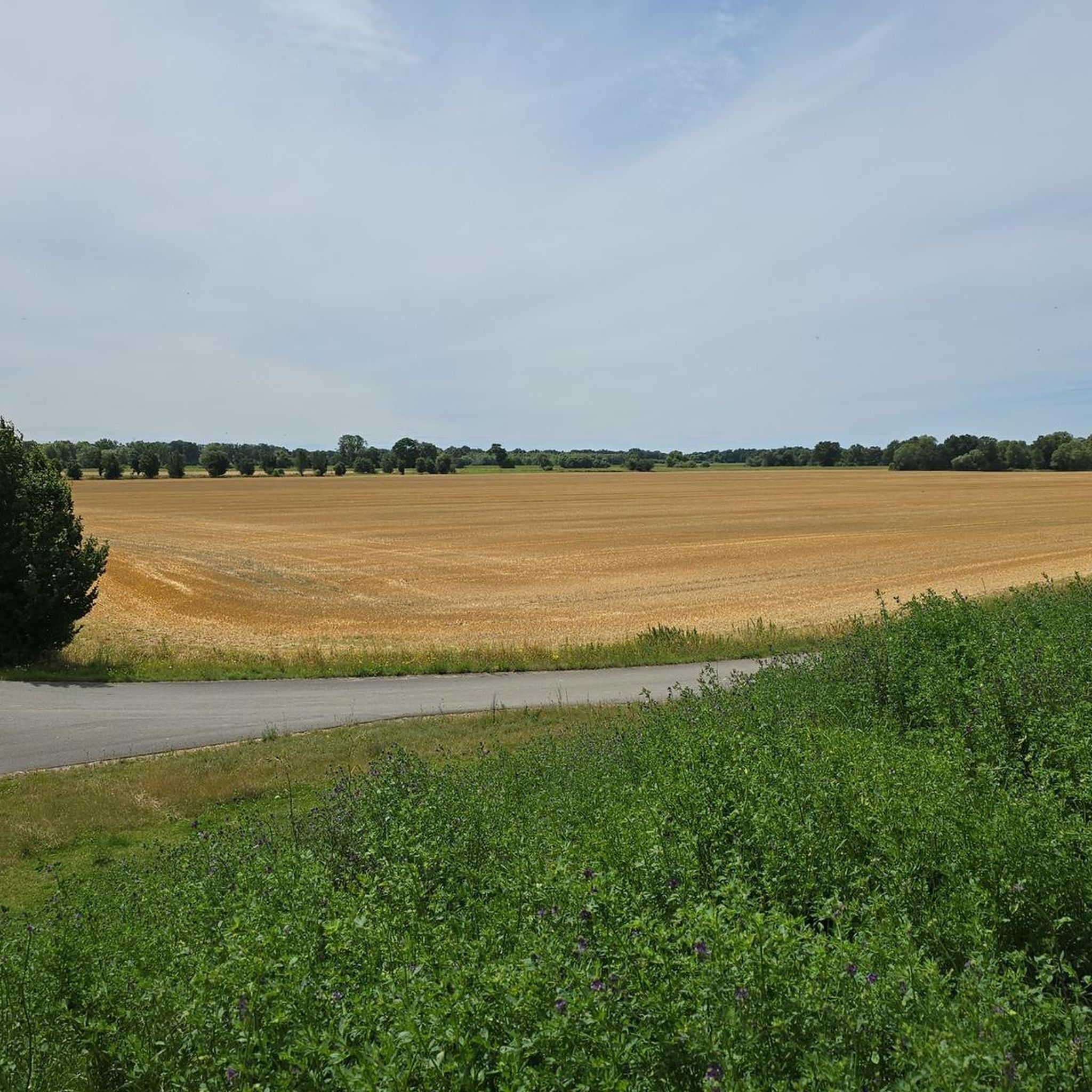
MTB Trails around Muldestausee
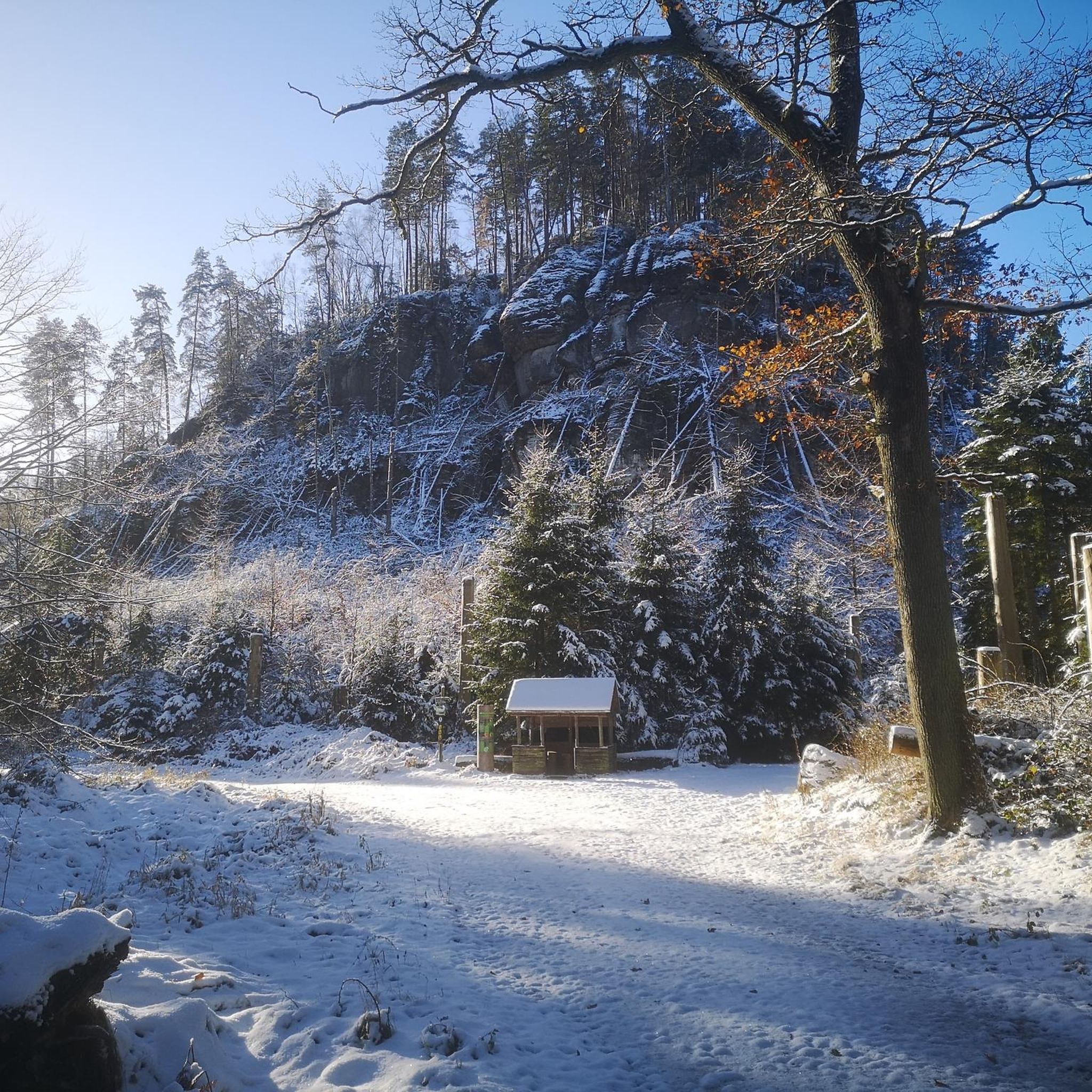
Gravel biking around Muldestausee
Other adventures around Muldestausee


Tips from the Community

Today, an developed network of cycle paths and hiking trails with viewing platforms and information boards on the formation of the landscape extends along the Neuhäuser See. The 120 km long Kohle-Dampf-Licht cycle path from Lutherstadt Wittenberg to Markkleeberg passes by the lake. Source https://de.wikipedia.org/wiki/Neuh%C3%A4user_See
1
0
In the mid-19th century, the first mining activities began in the southwest of Goitzsche, near the villages of Petersroda and Holzweißig.[3] Following the lignite seam, mining progressed from west to east. Favored by the opening of the current Magdeburg–Leipzig and Trebnitz–Leipzig railway lines, the sales market for lignite expanded to Halle and Leipzig, among other places. The increased demand for electrical energy and fossil fuels in the 19th and 20th centuries led in 1908 to the opening of the Leopold open-cast mine (from 1945 to 1962 Holzweißig–Ost) and in 1958 to the creation of the Holzweißig-West open-cast mine.[3] The Neuhäuser See originated from the former Holzweißig-West lignite open-cast mine. It is named after the Neuhaus estate, which was demolished in 1976 along with the village of Paupitzsch. The Holzweißig-West open-cast mine was operated from 1958 to 1980. Other sources report usage until 1991. The lake was flooded from 1993 to 2005.[1] Overflowing water is channeled via the Goitzsche into the Mulde. Since 1997, the area has been renatured and stable embankments have been created. Source https://de.wikipedia.org/wiki/Neuh%C3%A4user_See
1
0
The Neuhäuser See is located on the northwestern border of the Free State of Saxony with Saxony-Anhalt, at an altitude of about 78 m above sea level. NN. South of the lake is Benndorf, a district of the North Saxon district town of Delitzsch, and to the north is the unified municipality of Bitterfeld-Wolfen in Saxony-Anhalt. It is located in the Central German Lake District, south of the Großer Goitzschesee and the waters Ludwigsee and Paupitzscher See. Quelle https://de.wikipedia.org/wiki/Neuh%C3%A4user_See
1
0
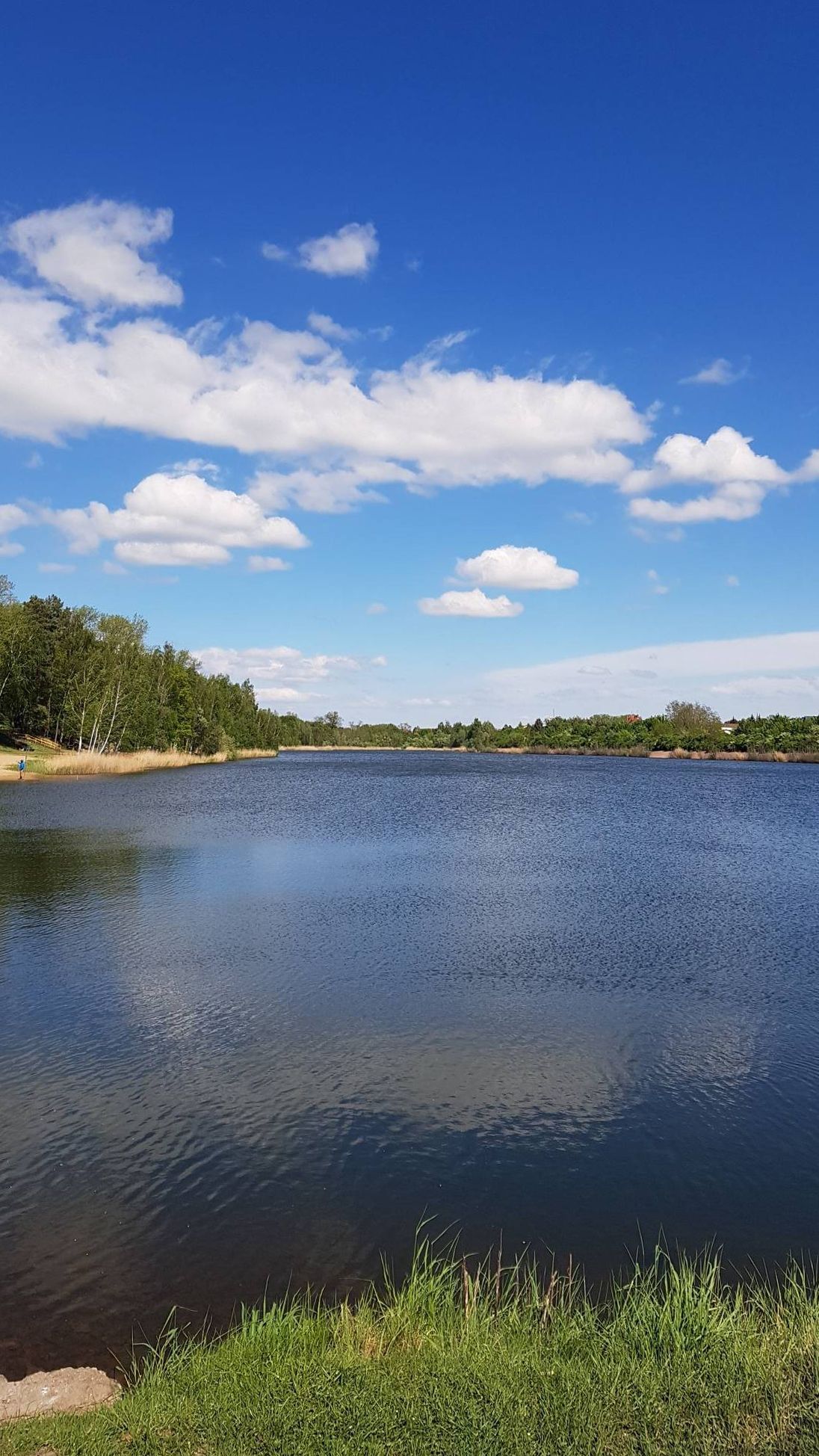
The Neuhäuser See (also Neuhauser See) is an opencast mine residual lake of approximately 155 hectares, which was created by flooding the former Holzweißig-West opencast mine. The lake is located in the Central German Lake District, south of the Goitzsche nature reserve and north of the town of Delitzsch. Source https://de.wikipedia.org/wiki/Neuh%C3%A4user_See
1
0
The barrier structure near Friedersdorf is a 19 m high and 303 m long gravity dam with a construction volume of 40,000 m³. On February 17, 2023, a hydropower plant was commissioned, which is expected to generate 13.6 GWh of electrical energy per year. The construction cost 25 million euros and began in October 2016.[1] Source https://de.wikipedia.org/wiki/Muldestausee
1
0
The normal water level is around 79 m above sea level with a storage volume of approx. 115 million m³. The role of the Muldestausee as a flood retention basin is insignificant. However, the basin can temporarily retain 3 million m³ during floods (difference between total storage and usable storage). In fact, it is not a reservoir in the true sense, but rather a river dam. Since the flow velocity of the Mulde slows down considerably upon entering the lake, the Muldestausee acts as a sedimentation trap, into which approx. 400,000 t of solids (gravel, sand, silt) are deposited annually. These solids are missing from the river upon exiting the outlet structure, leading to a greater deepening of the riverbed of the lower Mulde and having ecological consequences. Source https://de.wikipedia.org/wiki/Muldestausee
1
0
After the excavation of coal from the Muldenstein open-cast mine (1954–1975), the relocation of the Mulde river over a distance of approximately eleven kilometers was necessary to expand the Goitzsche open-cast mine (today's Großer Goitzschesee). Part of the new river course was laid through the excavated Muldenstein open-cast mine. Flooding took place from April 30, 1975, to March 1, 1976. The Muldestausee lake has an inlet and an outlet structure. Source https://de.wikipedia.org/wiki/Muldestausee
1
0
Frequently Asked Questions
How many touring cycling routes are available around Muldestausee?
There are nearly 200 touring cycling routes around Muldestausee, offering a wide range of options for different skill levels. You'll find over 120 easy routes, 44 moderate routes, and 29 more challenging options to explore the region's unique landscapes.
What kind of terrain can I expect on touring cycling routes in Muldestausee?
The terrain around Muldestausee is diverse, reflecting its history as a former lignite mining area transformed into a recreational region. You'll encounter routes around the large Muldestausee reservoir, through mixed forests of the Dübener Heide Nature Park, and across reclaimed industrial sites. Generally, the area features gentle elevations and scenic views along the Mulde River.
Are there any circular touring cycling routes around Muldestausee?
Yes, many routes around Muldestausee are designed as loops, perfect for touring cyclists. For example, you could try the View of Gröberner Lake – Lake Gröbern loop from Burgkemnitz, a moderate 24.7-mile path, or the Red Tower Pouch – Muldestausee loop from Rösa, which is a moderate 31.4-mile route offering views of the lake and the Red Tower.
What are some notable landmarks or attractions to see along the cycling routes?
The region offers a blend of natural beauty and historical interest. You can cycle past the Great Goitzsche Lake, the Lake Gröbern, or the Bitterfeld City Harbor. The Red Tower in Pouch offers expansive views, and the Muldestausee Dam and Hydroelectric Power Plant are distinctive man-made features. The HAUS AM SEE also provides insights into the lake's history and wildlife.
What is the best time of year for touring cycling in Muldestausee?
The summer months are generally considered the best season for outdoor activities, including touring cycling, around Muldestausee. The weather is typically pleasant for exploring the lakes, forests, and reclaimed landscapes.
Are there family-friendly touring cycling options in the Muldestausee area?
Yes, with over 120 easy routes, Muldestausee offers many family-friendly touring cycling options. The trails around the lake and within the Dübener Heide Nature Park cater to various fitness levels, making it possible to find routes suitable for families. Look for routes with minimal elevation gain and well-maintained paths.
Can I bring my dog on the touring cycling routes?
While specific regulations can vary, the natural areas around Muldestausee, including the Dübener Heide Nature Park, are generally welcoming to dogs. It's always advisable to keep your dog on a leash, especially in nature protection areas, and to be mindful of other cyclists and wildlife. Always check local signage for any specific restrictions on individual trails.
What do other touring cyclists say about the routes in Muldestausee?
The touring cycling routes in Muldestausee are highly rated by the komoot community, with an average score of 4.6 stars from over 1200 reviews. Over 5000 touring cyclists have used komoot to explore the varied terrain, often praising the scenic views, the unique blend of natural and reclaimed industrial landscapes, and the well-maintained paths.
Are there any long-distance touring cycling routes in the region?
For those seeking longer rides, the region offers extensive options. A challenging route like the Lake Gröbern – Lake Neuhauser loop from Burgkemnitz covers 84.1 miles (135.4 km) and takes approximately 8 hours to complete, showcasing more of the diverse landscape beyond Muldestausee itself.
Where can I find parking for touring cycling routes around Muldestausee?
Given the popularity of the area for outdoor activities, you can typically find parking facilities near popular access points to the cycling trails around Muldestausee and within the Dübener Heide Nature Park. Specific parking information is often available on local tourism websites or within the komoot tour details for individual routes.
Are there opportunities to combine cycling with exploring industrial history?
Absolutely. The region's past as a lignite mining area has been transformed, but its industrial heritage is still visible. The "Coal | Steam | Light" route is a themed cycling path that allows you to discover historical industrial sites. Additionally, nearby attractions like FERROPOLIS – the "City of Iron" – offer a unique glimpse into large industrial machines, making for an interesting stop during your cycling tour.
Can I access the touring cycling routes using public transport?
Muldestausee is located in Saxony-Anhalt, Germany, and public transport options exist to reach the area. While specific access points for cycling routes may require some planning, regional trains and buses often serve towns around the lake, such as Muldenstein or Burgkemnitz, from where you can start your cycling adventures. It's recommended to check local public transport schedules and bicycle carriage policies in advance.
Most popular routes around Muldestausee
Most popular attractions around Muldestausee

Get inspired with the komoot mobile app


Explore more
Browse the best Cycling routes in other regions.
