Attractions and Places To See in Réserve Biologique Dirigée Du Vallon Des Moixoses - Top 5
Best attractions and places to see in Réserve Biologique Dirigée Du Vallon Des Moixoses include a protected natural area within the Albères forest massif, known for its ecological diversity and rugged landscapes. This region in the Pyrénées-Orientales department of Occitanie, France, spans elevations from 200 meters to over 1100 meters, extending to the French-Spanish border. It features prominent natural landmarks like Puig Neulós and Puig dels Pradets, offering extensive hiking opportunities and scenic views. The reserve is an integral part…
Last updated: August 15, 2026
Coll de l'Estaca
Highlight • Mountain Pass
Translated by Google •
Tip by

Pic dels Quatre Termes
Highlight • Summit
Tour to the highlight: komoot.de/tour/295473434?ref=itd
Translated by Google •
Tip by

Sign up now to discover places like this
Get recommendations on the best single tracks, peaks, & plenty of other exciting outdoor places.
Sign up for free
Very long term
Highlight • Other
Translated by Google •
Tip by

Route of the 4 Refuges
Highlight • Trail
Translated by Google •
Tip by

NOT suitable for MTB (Very technical trail)
Highlight (Segment) • Trail
Translated by Google •
Tip by
Sign up for free to discover even more attractions in Réserve Biologique Dirigée Du Vallon Des Moixoses.
Sign up for free
Already have an account?
Start today with a free account
Your next adventure awaits.
Login or Signup
Popular around Réserve Biologique Dirigée Du Vallon Des Moixoses
Cycling in Réserve Biologique Dirigée Du Vallon Des Moixoses
Road Cycling Routes in Réserve Biologique Dirigée Du Vallon Des Moixoses
Hiking in Réserve Biologique Dirigée Du Vallon Des Moixoses
MTB Trails in Réserve Biologique Dirigée Du Vallon Des Moixoses
Running Trails in Réserve Biologique Dirigée Du Vallon Des Moixoses

Gravel biking in Réserve Biologique Dirigée Du Vallon Des Moixoses
Mountain Hikes in Réserve Biologique Dirigée Du Vallon Des Moixoses
Tips from the Community

A great, varied trail for technically skilled mountain bikers (trail bikes uphill). It's worth the long climb! I don't necessarily agree with the other reviews here. Almost everything is rideable :)
2
0

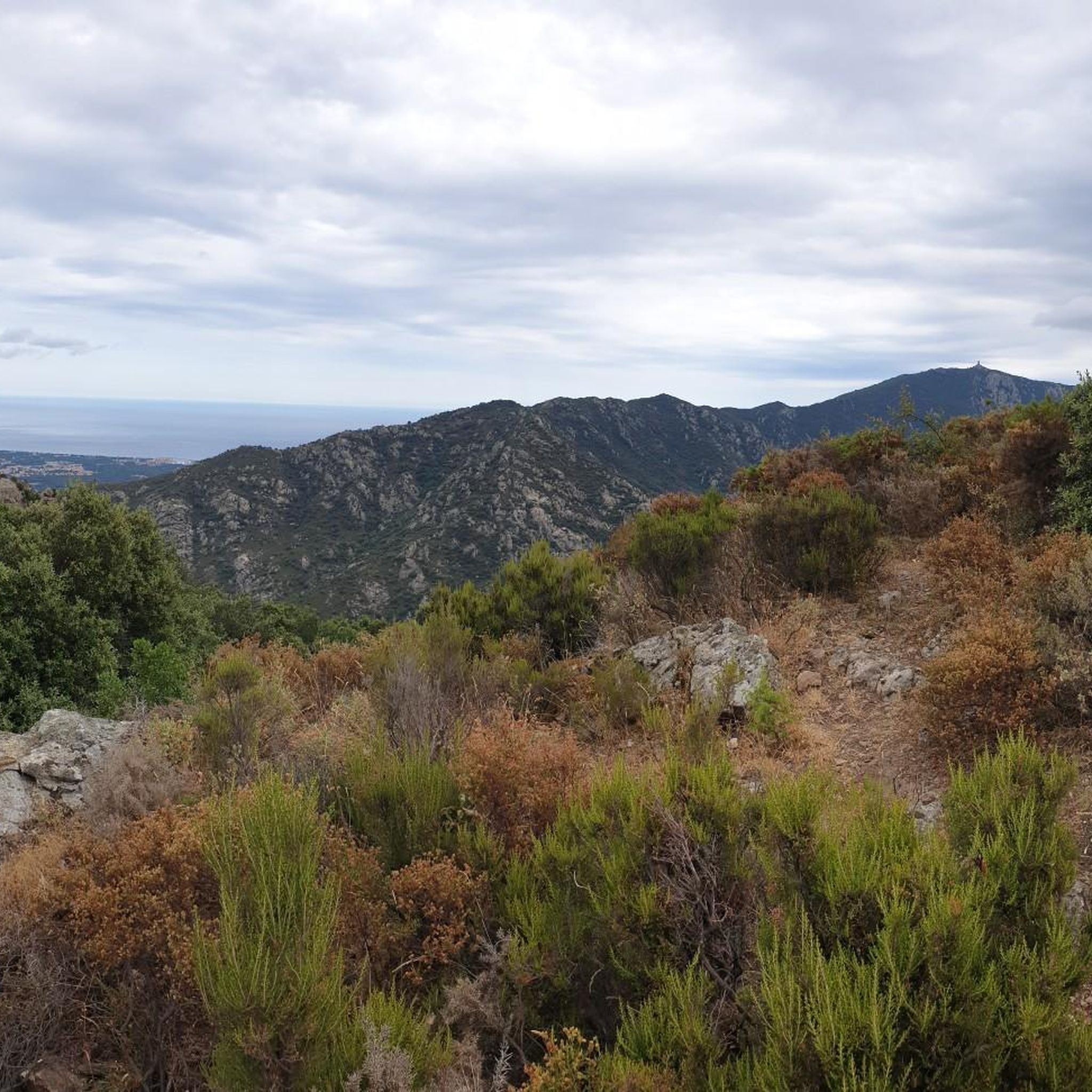
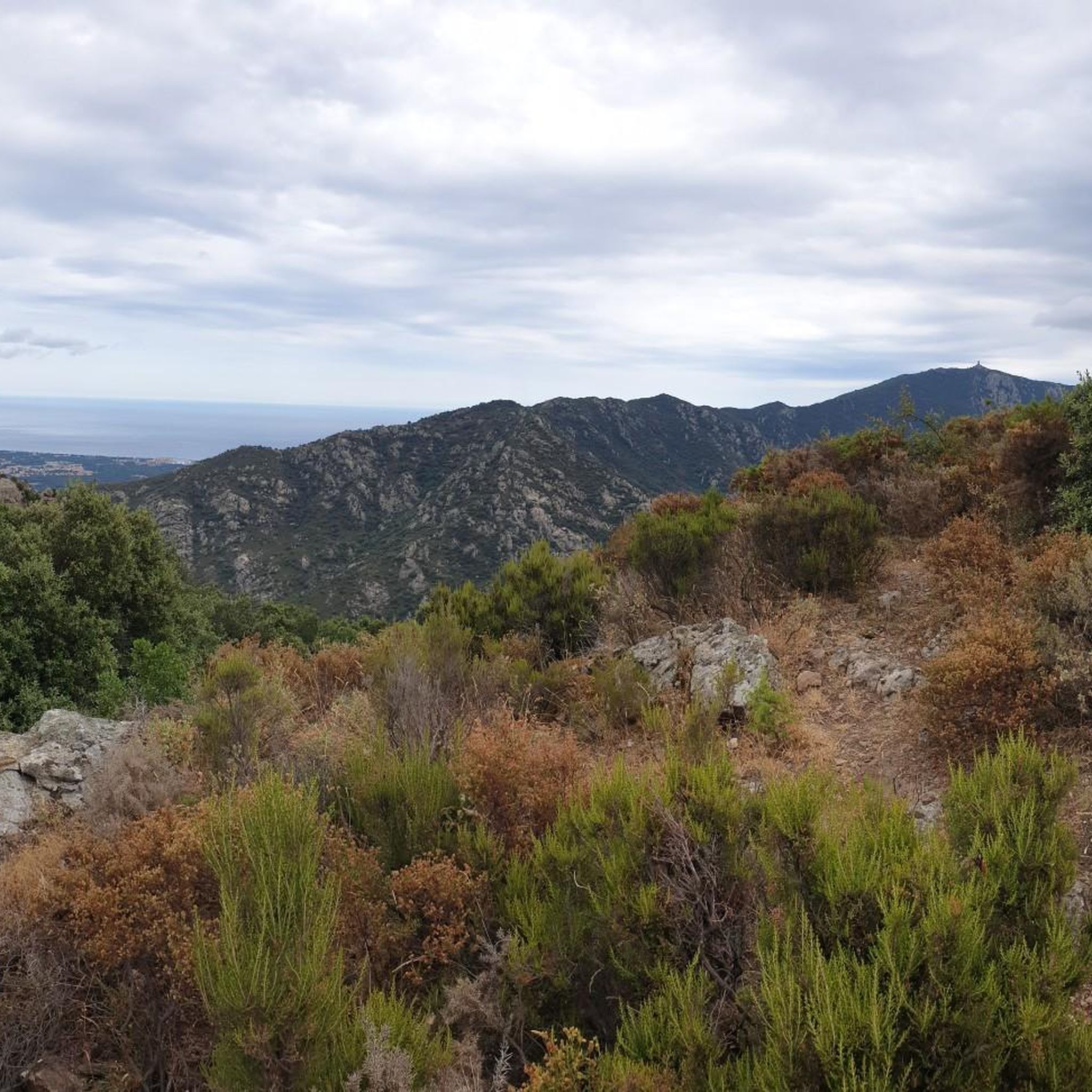
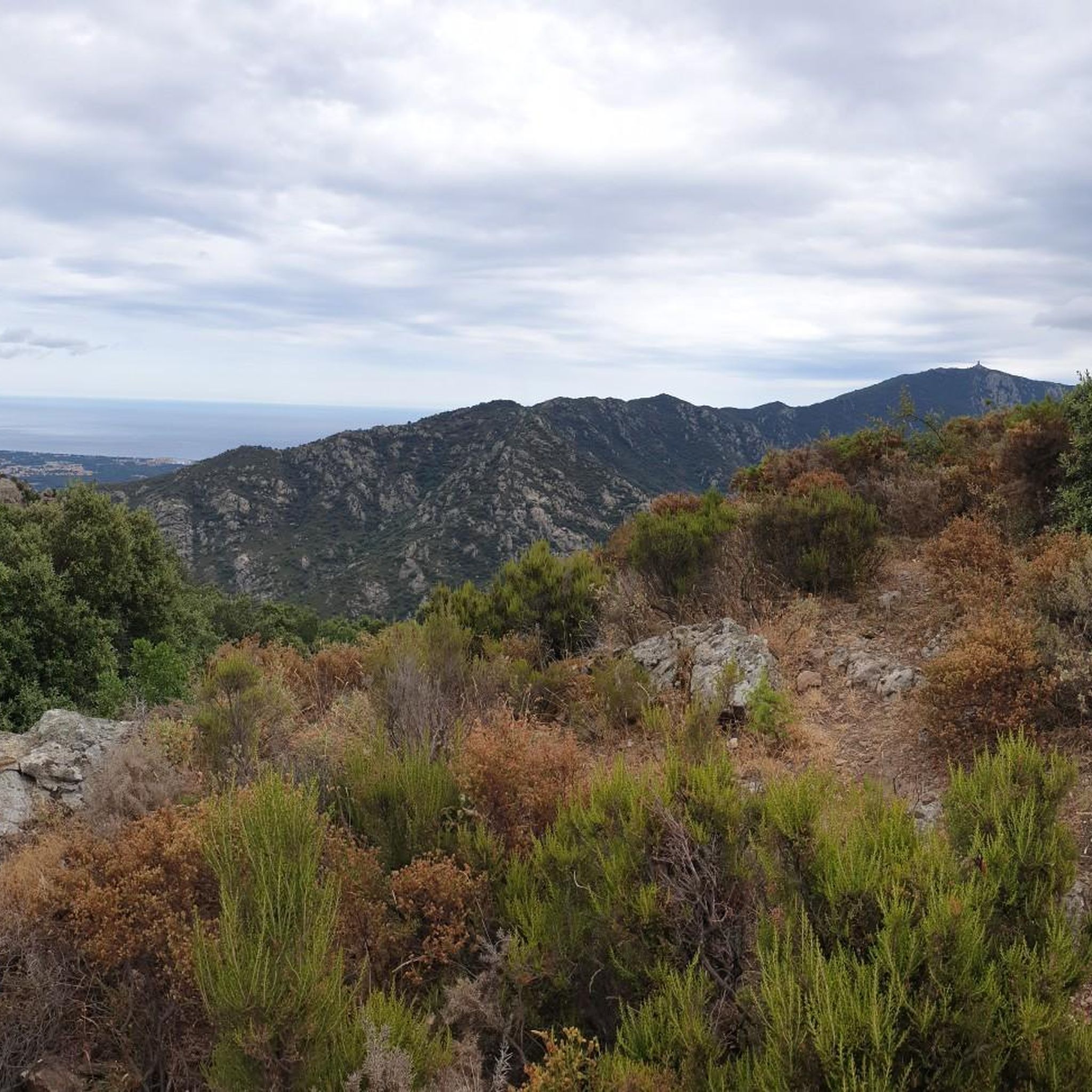
A hill with spectacular views. Several trails depart from here. It's worth taking a detour when descending from Puig Neulós to visit this spot with views on the border between the French eastern Pyrenees and the Catalan Pyrenees.
1
0

Through the Coll de Banyuls, formerly called the Coll d'Espills, one of the routes that connected southern Catalonia, l'Empordà, with northern Catalonia, el Rosselló, ran. It was one of the three passes, the central one, that the Visigoth king Wamba used to cross the Serra de l'Albera in the direction of Septimania. It went up from the Roussillon coast towards the mountains through the Ravaner valley. To its west, another step was through the Vall de Sant Martí, towards the Torre de la Maçana and the Coll de la Carbassera, and to the east, towards Cotlliure via the Coll de la Farella.
3
0
From here you can take the direction towards the André Colomines refuge and once there continue to the Corb rock but I do not recommend it if you go by MTB, it is feasible but it will take 4 to 5 hours, you will have to push your bike and you have many possibilities of breaking your gear shift. It is a route for hikers and you must take into account the altitude, the north wind and rapid change in weather conditions. My advice if you go by bike is to return along the track that brought you here.
2
0
Once at this point you will have to decide whether to continue through French or Spanish lands. If you decide to go to Alt Empordar, the first town you will find is La Espolla and you can reach it through a trail with a significant difference in level where the weeds cover part of it and I do not recommend MTB (it will take 2.30 hours). The Route of the 4 refuges of the Tramuntana is a linear route in stages that goes from Roses to Albanyà, with an ascent of 5379 m and a descent of 5204 m. It passes through the 4 shelters of the Empordanès Excursionist Center (Coll de Banyuls shelter, Forn de Calç shelter, Les Salines shelter and Bassegoda shelter).
3
0
I started this trial on my E-bike on the border line towards La Espolla, and I must seriously warn you that your departure could face serious setbacks if you decide to do the same. To start with, you will spend at least 3 hours pushing the bike between rocks, weeds and logs. Your transmission is in danger throughout the journey and you will also face constant steep slopes and possibly adverse weather conditions. You will also have to overcome 4 fences with the bike on your shoulder, and it is a journey that will take you 2 hours to complete. In short, despite the impressive beauty of the landscape, it is crucial NOT to underestimate the difficulty of this route when planning it. Do not ride here on a bike, only suitable for experienced hikers.
3
0

It is worth leaving the path for a few meters, passing the fence and contemplating the landscape of the Catalan side. When you get back to riding, enjoy the track for the few kilometers you have left on the bike. At the next pass (of the 3 beech trees) you will have to dismount and push the bike for a few hours!
7
0
Frequently Asked Questions
What kind of natural features can I explore in Réserve Biologique Dirigée Du Vallon Des Moixoses?
The reserve is part of the Albères forest massif, offering rugged natural beauty and diverse ecosystems. You can find prominent peaks like Puig Neulós and Puig dels Pradets, which provide panoramic views. The Vallon des Moixoses itself features steep slopes and a mature forest. The area is also known for its rich flora and fauna, including rare insect species and endemic plants like the Campanule de Catalogne.
Are there good hiking opportunities in the Réserve Biologique Dirigée Du Vallon Des Moixoses?
Yes, the area is a popular destination for hiking with numerous trails. The long-distance GR 10 path traverses the Albères forest, offering extensive exploration. Highlights like Very long term and the Route of the 4 Refuges are noted for their hiking experiences. Be aware that some trails can be challenging and are specifically recommended for hikers, not cyclists.
What are the best viewpoints in the reserve?
For stunning vistas, consider visiting Coll de l'Estaca, a mountain pass offering great landscape views of the Catalan side. Another excellent spot is Pic dels Quatre Termes, a summit providing beautiful panoramic views towards Banyuls-sur-Mer.
What historical sites are located near the Réserve Biologique Dirigée Du Vallon Des Moixoses?
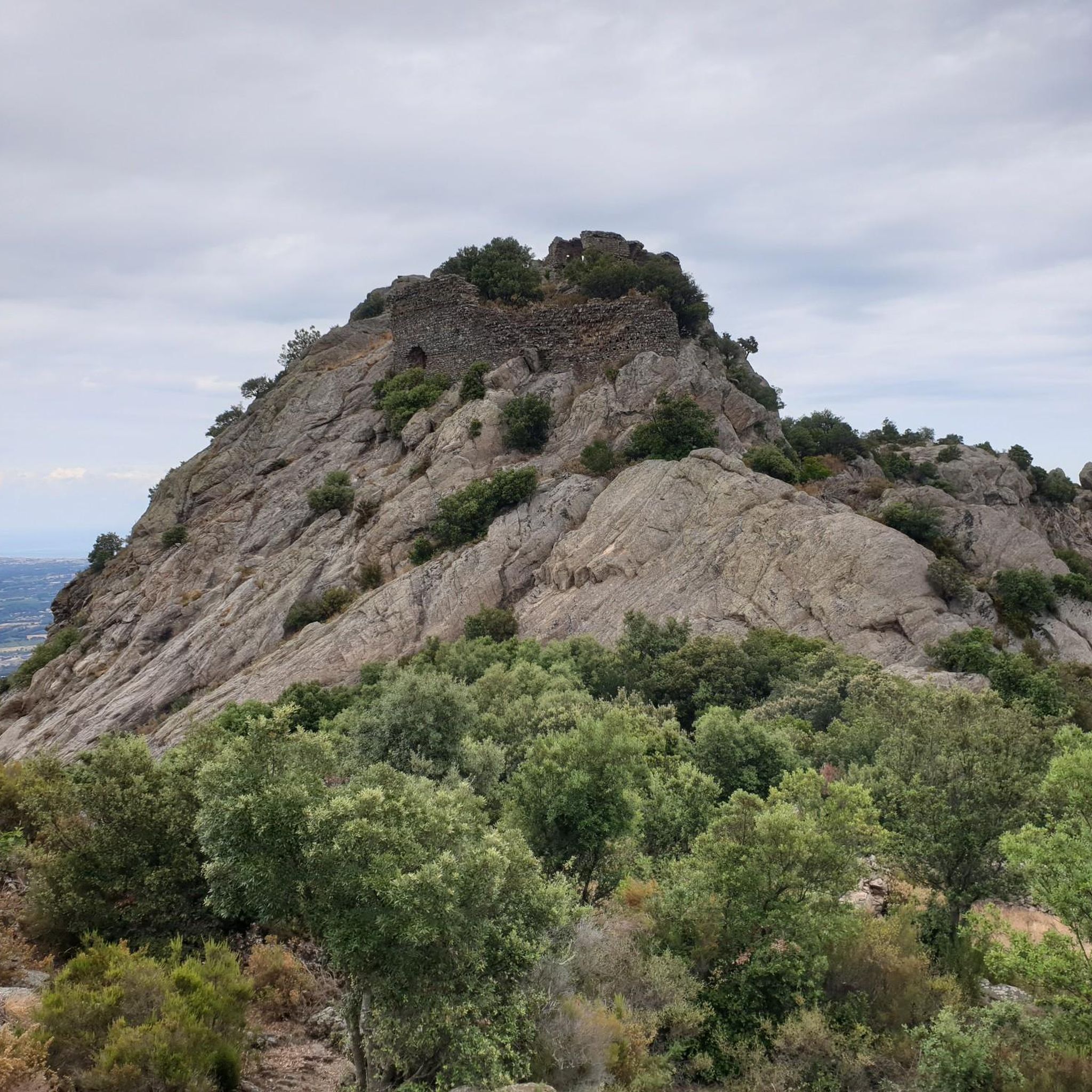
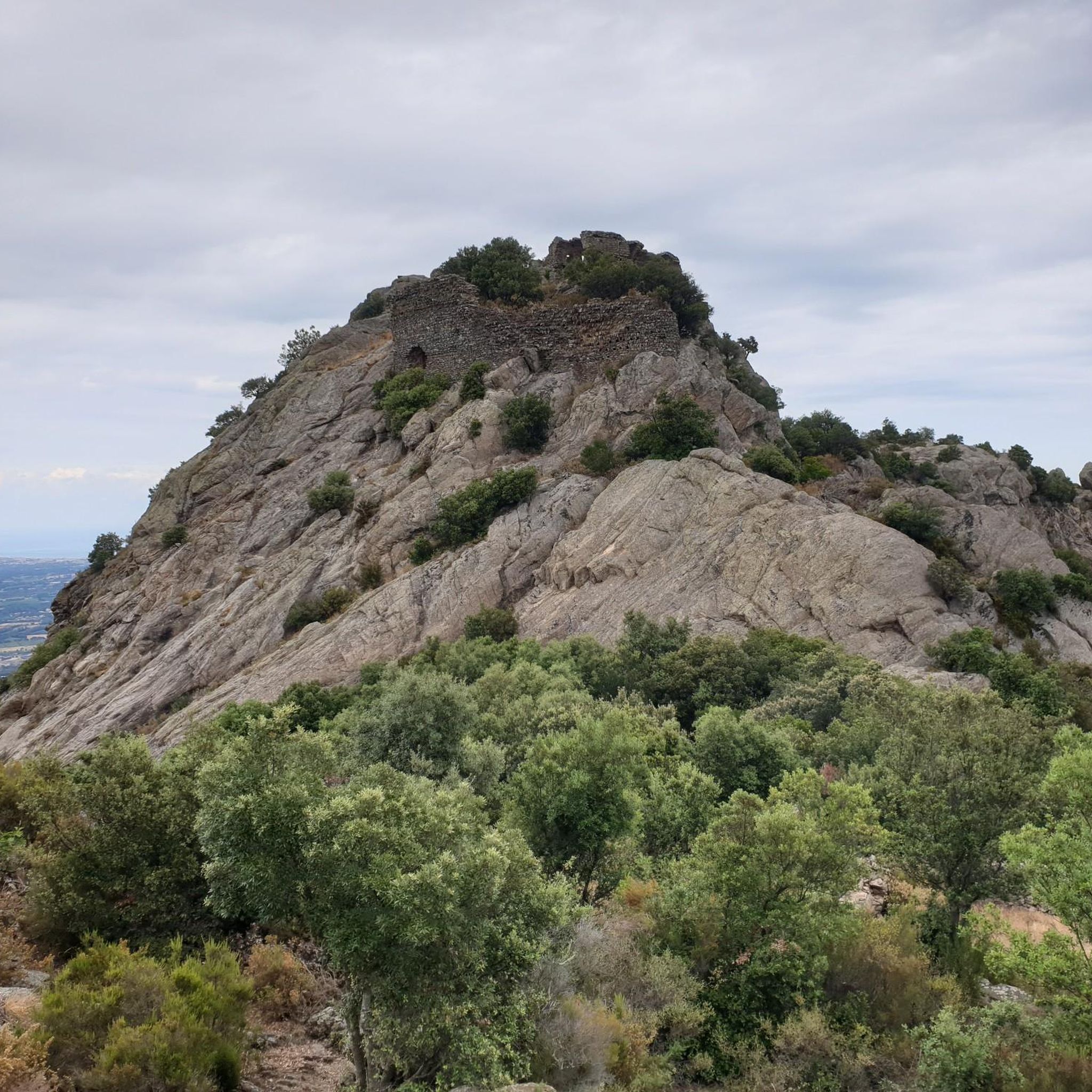
While primarily a natural reserve, the area has historical significance. The ruins of Château d'Ultrera, a fortified castle on a steep rocky spur within the Albères massif, offer a glimpse into the region's past. Additionally, the Coll de l'Estaca was historically a route connecting southern and northern Catalonia.
What kind of cycling routes are available in the Réserve Biologique Dirigée Du Vallon Des Moixoses?
The region offers a variety of cycling routes. You can find road cycling routes, mountain biking (MTB) trails, and touring bicycle options. Some MTB trails, however, are very technical and not suitable for bikes, such as the trail described as NOT suitable for MTB (Very technical trail). For more details on specific routes, you can explore the dedicated guides for Road Cycling Routes, MTB Trails, and Cycling in Réserve Biologique Dirigée Du Vallon Des Moixoses.
What is the best time to visit Réserve Biologique Dirigée Du Vallon Des Moixoses?
The reserve is generally pleasant for outdoor activities during spring and autumn when temperatures are milder. Summer can be warm, but the forest provides shade. Winter hiking is possible, but be mindful of potential rapid changes in weather conditions and the north wind, especially at higher altitudes.
Are there any specific warnings for mountain bikers in the area?
Yes, some trails are explicitly noted as not suitable for mountain biking due to their extreme technical difficulty. For instance, the trail described as NOT suitable for MTB (Very technical trail) involves pushing bikes over rocks, weeds, and logs for hours, with risks to equipment and potential for adverse weather. These routes are best left to experienced hikers.
What kind of wildlife can be spotted in the reserve?
The reserve is recognized for its significant ecological diversity. It supports a rich variety of habitats, home to notable flora and fauna. This includes 22 species of saproxylic beetles, some of which are very rare, as well as various amphibians and reptiles. The area's status as a Natura 2000 site highlights its importance for biodiversity conservation.
What are the elevation changes like in the Réserve Biologique Dirigée Du Vallon Des Moixoses?
The reserve spans a significant range of elevations, from 200 meters up to 1157 meters, extending to the main ridge of the Albères massif which forms the French-Spanish border. Peaks like Puig Neulós reach 1256 meters, indicating that many trails involve considerable ascents and descents, making for challenging but rewarding experiences.
Are there any villages or amenities nearby the reserve?
The reserve is located near charming villages such as Sorède and Laroque-des-Albères. These villages, part of the historical Roussillon region, offer local cultural experiences and likely provide amenities like cafes, pubs, and accommodation options for visitors to the area.
What is the significance of the Albères Forest Massif to the reserve?
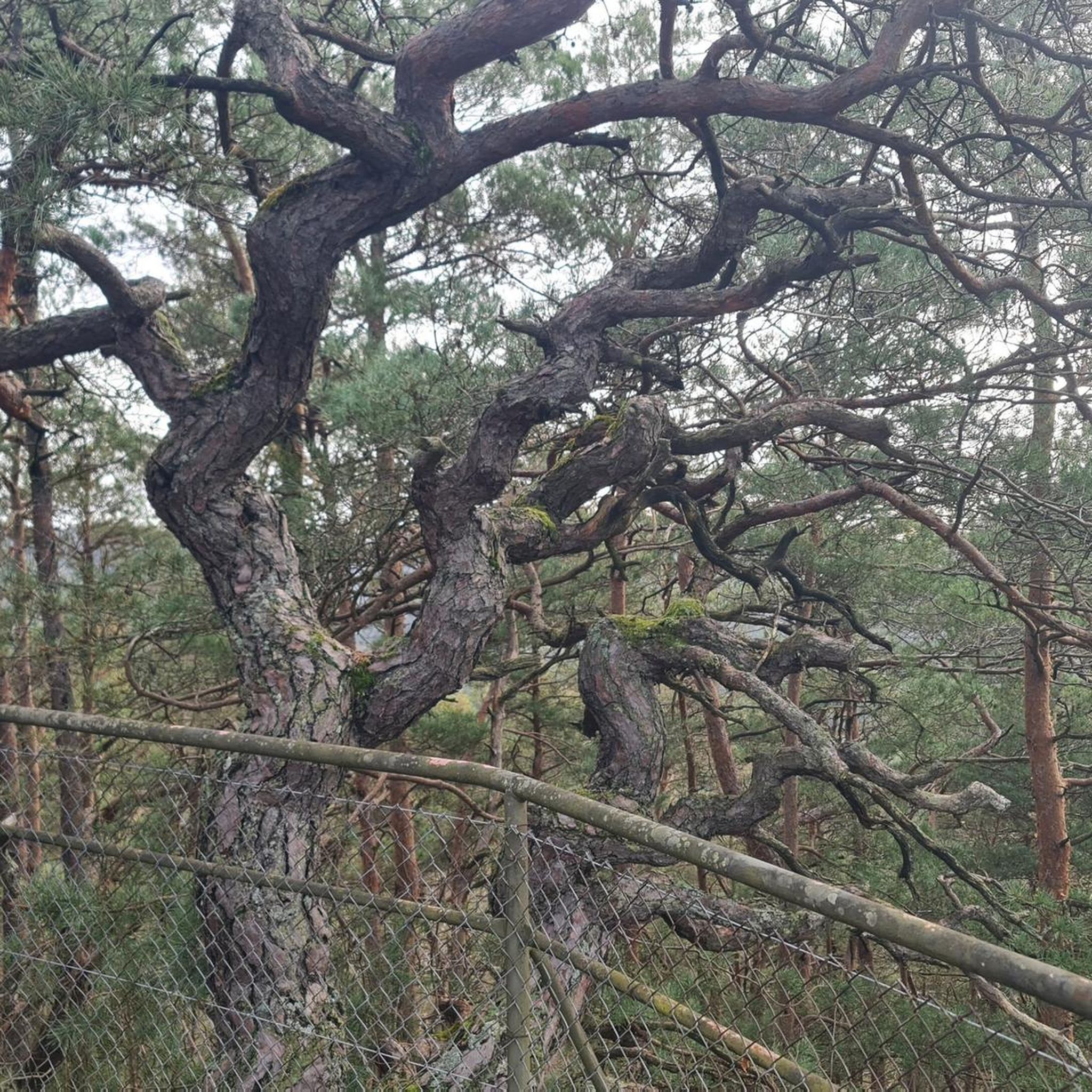
The Réserve Biologique Dirigée Du Vallon Des Moixoses is nestled within the larger Albères Forest Massif. This forest is known for its majestic Laricio pines and beech trees, shaped by the elements, and provides the extensive hiking opportunities and scenic views that characterize the reserve. It's an integral part of the region's natural heritage.
What makes the Vallon des Moixoses valley unique?
The valley itself is a key natural feature, characterized by its steep slopes and a forest that exhibits remarkable maturity. Some parts are considered subnatural due to limited human intervention over decades, contributing to its unique ecological value and pristine character.
Most popular routes in Réserve Biologique Dirigée Du Vallon Des Moixoses

Get inspired with the komoot mobile app


Explore more
Still not found the Highlight you’re looking for? See guides of the top attractions in other regions:
