The best road cycling routes in Südlicher Itzgrund
4.6
(669)
9,579
riders
705
rides
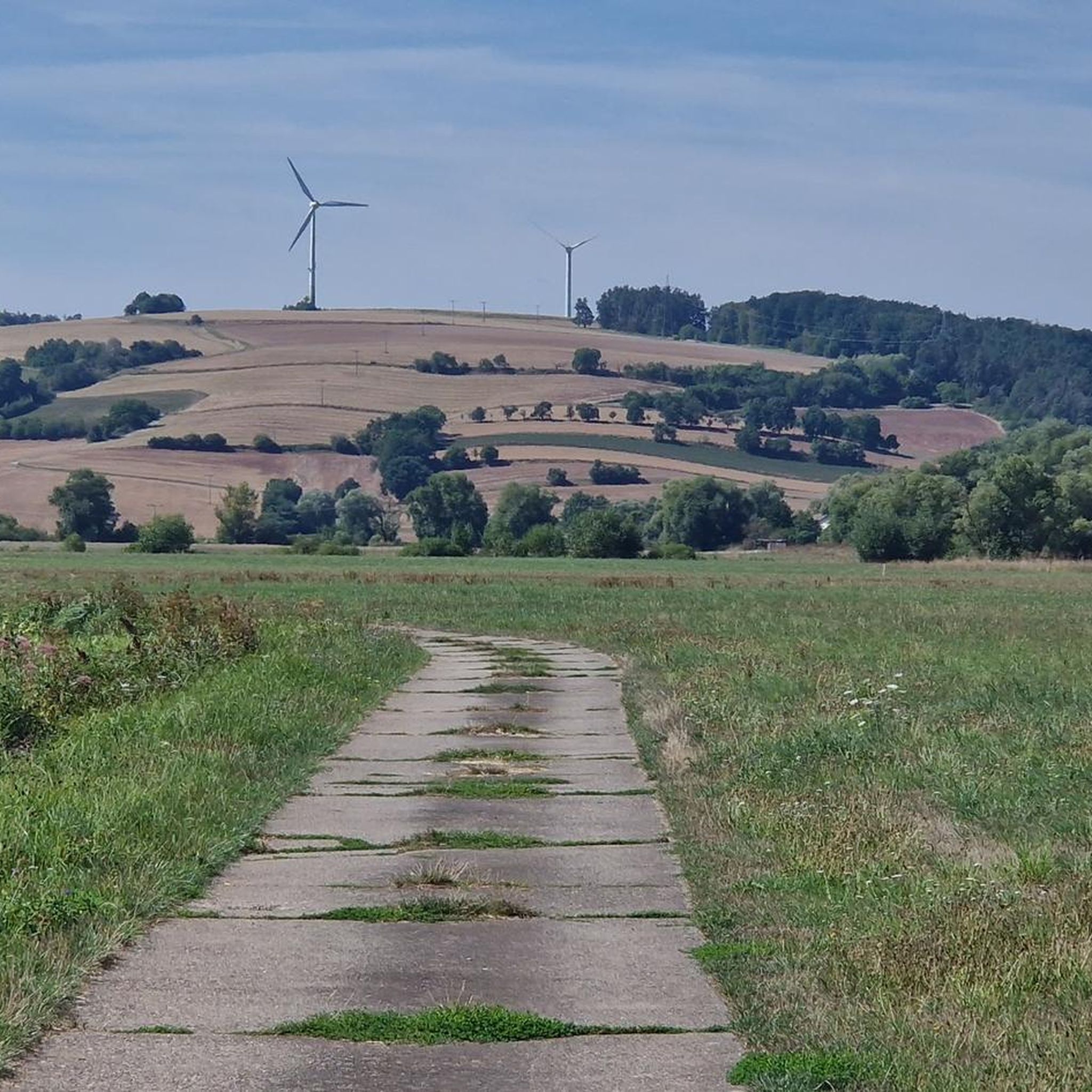
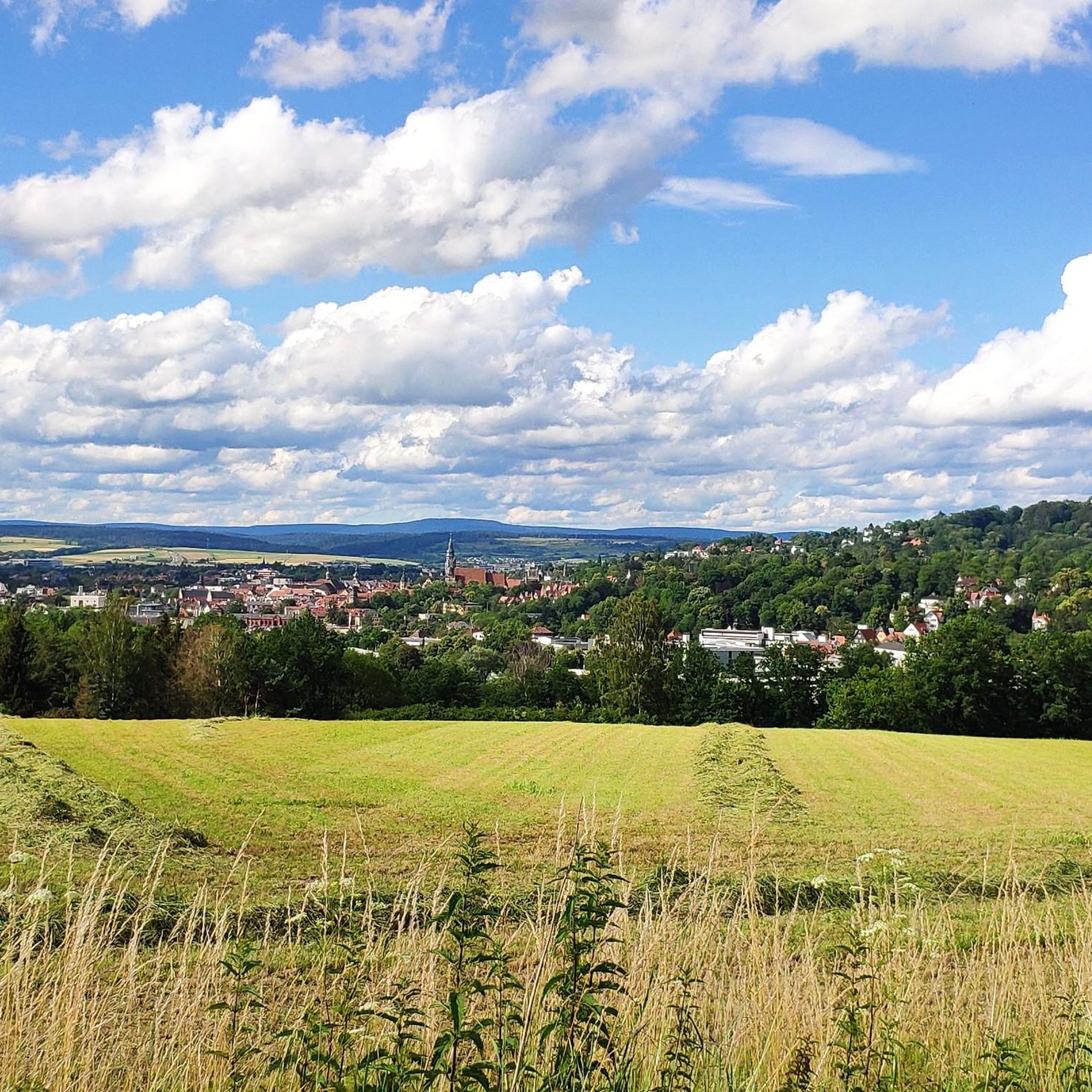
Road cycling routes in Südlicher Itzgrund traverse a landscape characterized by meadow valleys, rolling hills, and riverine environments. The region, situated between Bamberg and Coburg, features a network of cycle paths, including routes built on former railway lines. These paths provide connections through varied terrain, with options for different fitness levels. The Itz River flows through the area, contributing to the natural features of the cycling environment.
Best road cycling routes in Südlicher Itzgrund
- The most popular road cycling route…
Last updated: May 30, 2026
4.7
(15)
235
riders
39.9km
01:34
150m
150m
Easy road ride. Great for any fitness level. Mostly well-paved surfaces and easy to ride.
22
riders
68.6km
03:00
560m
560m
Moderate road ride. Good fitness required. Mostly well-paved surfaces and easy to ride.

Sign up for free
23
riders
54.4km
02:29
470m
470m
Moderate road ride. Good fitness required. Some segments of this route may be unpaved and difficult to ride.
15
riders
112km
04:56
860m
860m
Moderate road ride. Good fitness required. Some segments of this route may be unpaved and difficult to ride.
22
riders
37.7km
02:09
800m
800m
Moderate road ride. Good fitness required. Mostly well-paved surfaces and easy to ride.
Get access to more routes and recommendations from other explorers.
Sign up for free
Already have an account?
Our route recommendations are based on thousands of hikes, rides, and runs completed by other people on komoot.
Start today with a free account
Your next adventure awaits.
Login or Signup

Tips from the Community

Striking building on the already beautiful Marktstraße;
0
0

The Judentor (Jew's Gate) is one of three surviving city gates in Coburg. The gate tower marked the western boundary of the city center and was part of the inner city wall. The city gate, probably built in the early 13th century, was first documented in 1321 as the Judentor (Jew's Gate). The gate tower was built on the floodplain of the Itz River. The name Judentor (Jew's Gate) refers to the Jewish community of Coburg, which was located west of the Judentor in the 14th and 15th centuries.
12
0

This view says only one thing... vacation!
1
1

Good visibility. However, very noisy and busy around it.
2
0

City gate from the 14th century with Italian hood
0
0
The Spenglersbrunnen (Spengler Fountain) stands on the southeast side of Coburg's market square at the corner of Ketschengasse. The fountain was built as a wooden structure in 1550 in front of the property of citizen Spengler. Since 1621, it has been a stone fountain, which was rebuilt in 1673. The Spenglersbrunnen drew its water from the Pilgramsroth stream, and from 1670 onward, it was piped via the Rückertbrunnen (Reckert Fountain). Today, it is fed by the water mains. Renovations were carried out in 1980 and 2005. The octagonal box fountain has a fountain head formed as a baluster with a pearl bar and a leaf wreath. A spout is present on the front. The basin wall is decorated with, among other things, a relief depicting a lion and a Moor's head. On the column stands a stone lion holding two shields depicting the city's coat of arms, a lion and a Moor's head.
10
0
A nice splash of color opposite 🏰 Ehrenburg.
8
0
The Judentor (Jewish Gate) in Coburg is one of the city's three surviving city gates. It was built in the early 13th century and first documented in 1321 as the "Judentor" (Jewish Gate). The name derives from Coburg's Jewish community, which was located west of the gate in the 14th and 15th centuries. The alley leading from the market to the Judentor (Jewish Gate) was referred to as "Judengasse" (Juden Lane) in the Coburg town register in 1394. The Judentor once secured the western entrance to the inner city wall. Over the centuries, it underwent structural changes; for example, in 1721, it received a curved, slated dome with a lantern. In 1858, the outer gate was demolished. During the Nazi era, the Judentor was renamed "Markttor" (Market Gate) in 1938, but after 1945, it regained its original name. Today, the Judentor is an important historical monument in Coburg and commemorates the long history of the Jewish community in the city.
6
0
Frequently Asked Questions
How many road cycling routes are available in Südlicher Itzgrund?
Südlicher Itzgrund offers a wide selection of road cycling routes, with over 700 options available. These routes cater to various skill levels, from easier paths to more challenging rides.
What is the typical terrain for road cycling in Südlicher Itzgrund?
The region is characterized by its varied terrain, including charming meadow valleys, gentle rolling hills, and picturesque river landscapes along the Itz. You'll find a mix of well-developed cycle paths, some built on former railway lines offering flatter sections, and quiet roads that wind through the undulating countryside.
Are there road cycling routes suitable for beginners or those seeking an easier ride?
Yes, Südlicher Itzgrund provides options for all skill levels. While many routes are moderate, there are over 100 easier road cycling routes available, often utilizing the flatter sections of paths built on former railway lines, such as parts of the Itzgrund-Radweg.
What kind of landmarks or points of interest can I see along the road cycling routes?
Many routes in Südlicher Itzgrund pass by notable attractions. You might encounter historical sites like the St. Nicholas Castle Church and Herbst Organ in Lahm im Itzgrund, or enjoy scenic views from prominent spots like Staffelberg. The Itz Valley Cycle Path on the Former Railway Line itself is a point of interest, offering a unique cycling experience.
What do other road cyclists enjoy most about cycling in Südlicher Itzgrund?
The area is highly rated by the komoot community, with an average score of 4.6 stars from over 600 reviews. Cyclists often praise the diverse landscapes, the network of well-maintained paths, and the opportunity to explore both natural beauty and historical sites.
Are there any circular road cycling routes in the region?
Yes, many road cycling routes in Südlicher Itzgrund are designed as loops, allowing you to start and end at the same point. An example is the Itz River – Rossach Half-Timbered Village loop from Creidlitz, which offers a moderate 30.5-mile ride along the Itz River.
Can I find routes that pass through historic villages or offer cultural insights?
Absolutely. The region is dotted with picturesque villages like Seßlach, known for its half-timbered houses. Routes such as the Untersiemau Moated Castle – Rossach Half-Timbered Village loop from Creidlitz often pass by historical sites and through rural scenery, providing a blend of cycling and cultural exploration.
What is the best time of year for road cycling in Südlicher Itzgrund?
The spring, summer, and early autumn months generally offer the most pleasant conditions for road cycling in Südlicher Itzgrund. During these seasons, the weather is typically mild, and the landscapes are at their most vibrant, making for enjoyable rides through meadows and along riverbanks.
Are there options for longer, more challenging road cycling tours?
For experienced riders seeking a greater challenge, Südlicher Itzgrund offers routes with more significant elevation changes and longer distances. The Eyrichshof Castle – Ebern Historic Town Hall loop from Creidlitz, for instance, is a 42.6-mile route with varied terrain, often completed in about three hours.
Where can I find places to eat or rest along the cycling routes?
Many routes will take you through or near villages and towns where you can find cafes, restaurants, and pubs. For example, the La Stazione Pizzeria & Ristorante Kaltenbrunn-Untermersbach and the Old Brewery Hemmendorf are specific spots that cyclists might encounter.
Are there any routes that offer particularly scenic viewpoints?
Yes, the region's undulating hills and river valleys provide numerous scenic vistas. The prominent Staffelberg, for example, offers spectacular views over the surrounding area and can be integrated into longer tours. Routes like the Rossach Half-Timbered Village – View of Staffelberg loop from Großheirath are designed to showcase these beautiful landscapes.
What are the options for parking when starting a road cycling tour?
Parking is generally available in the towns and villages that serve as common starting points for routes, such as Creidlitz or Großheirath. It's advisable to check local parking regulations and availability for your chosen starting location.
Most popular routes in Südlicher Itzgrund
Most popular attractions in Südlicher Itzgrund

Get inspired with the komoot mobile app


Explore more
Browse the best Road cycling routes in other regions.
