Attractions and Places To See in Badstudalen Naturreservat - Top 5
Best attractions and places to see in Badstudalen Naturreservat, located in the municipality of Lillesand, Norway, offer a rich natural experience. The reserve is characterized by its species-rich South Norwegian deciduous forest, encompassing areas around Dyråsen, Ulsholmen, and Plassetjønna. Visitors can explore diverse forest ecosystems and discover historical sites that provide insight into past settlements. The primary draw of the reserve lies in its preserved natural landscapes and opportunities for immersion in the South Norwegian wilderness.
Best attractions and places…
Last updated: October 9, 2026
Sjømyr Abandoned Farm
Highlight • Historical Site
Translated by Google •
Tip by

Plassen Old Homestead Ruins
Highlight • Historical Site
Translated by Google •
Tip by
Sign up now to discover places like this
Get recommendations on the best single tracks, peaks, & plenty of other exciting outdoor places.
Ulsholmen Historic Homestead
Highlight • Historical Site
The houses have disappeared, but the ruins are still clearly visible. Ola Osmundsen (born 1765) is the first known farmer on Ulsholmen.
Osmund Olsen took …
Translated by Google •
Tip by
Treske-Nils Memorial
Highlight • Monument
Translated by Google •
Tip by
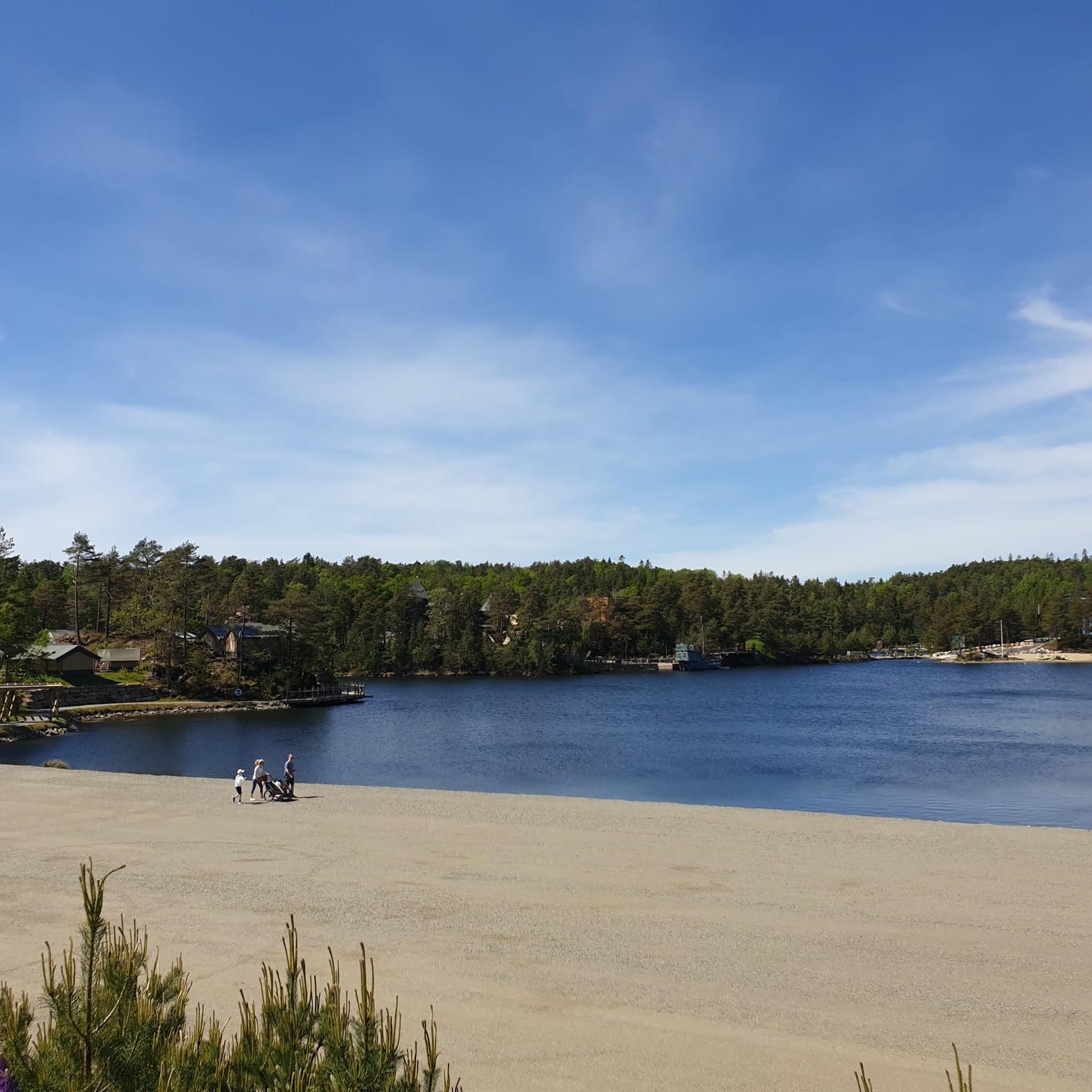
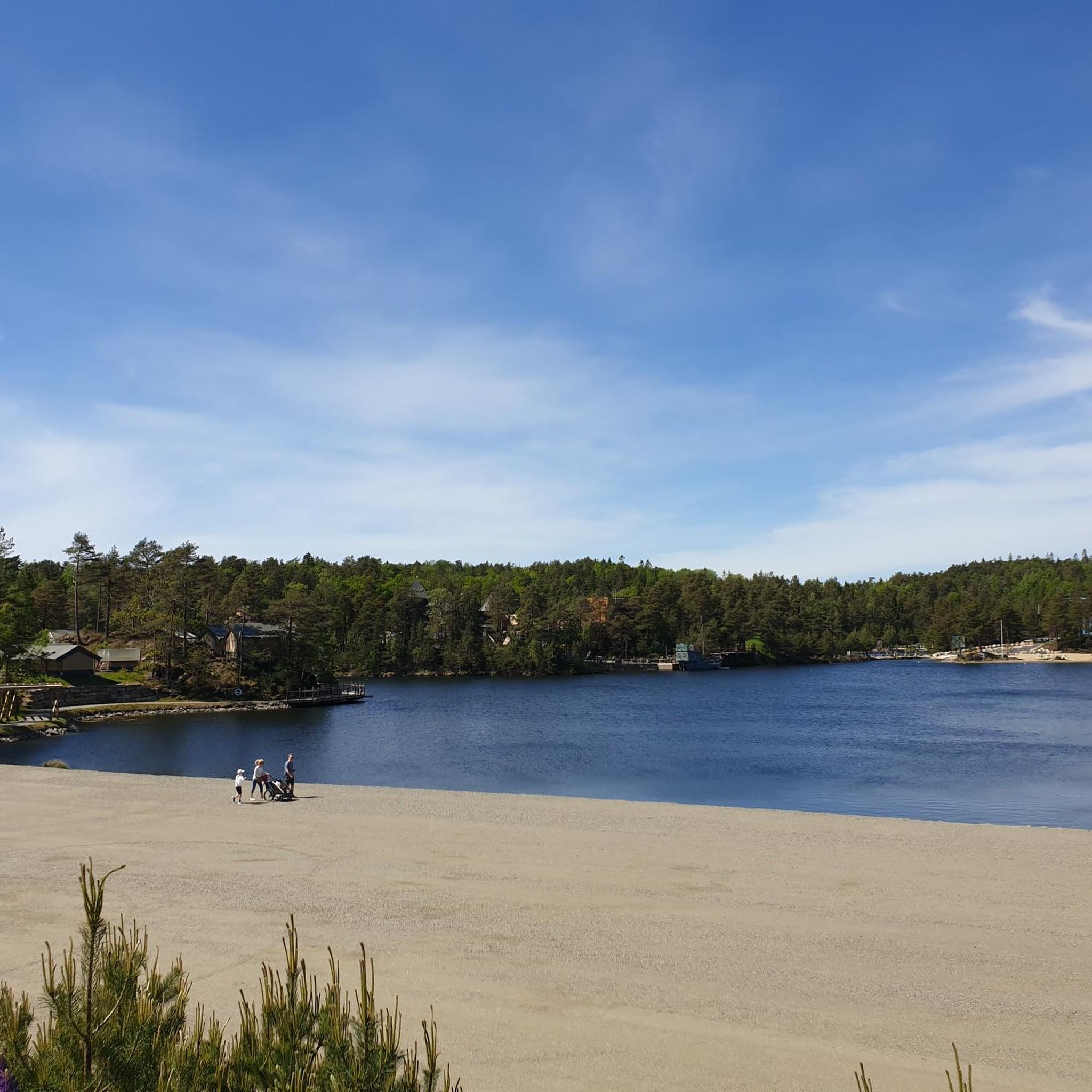
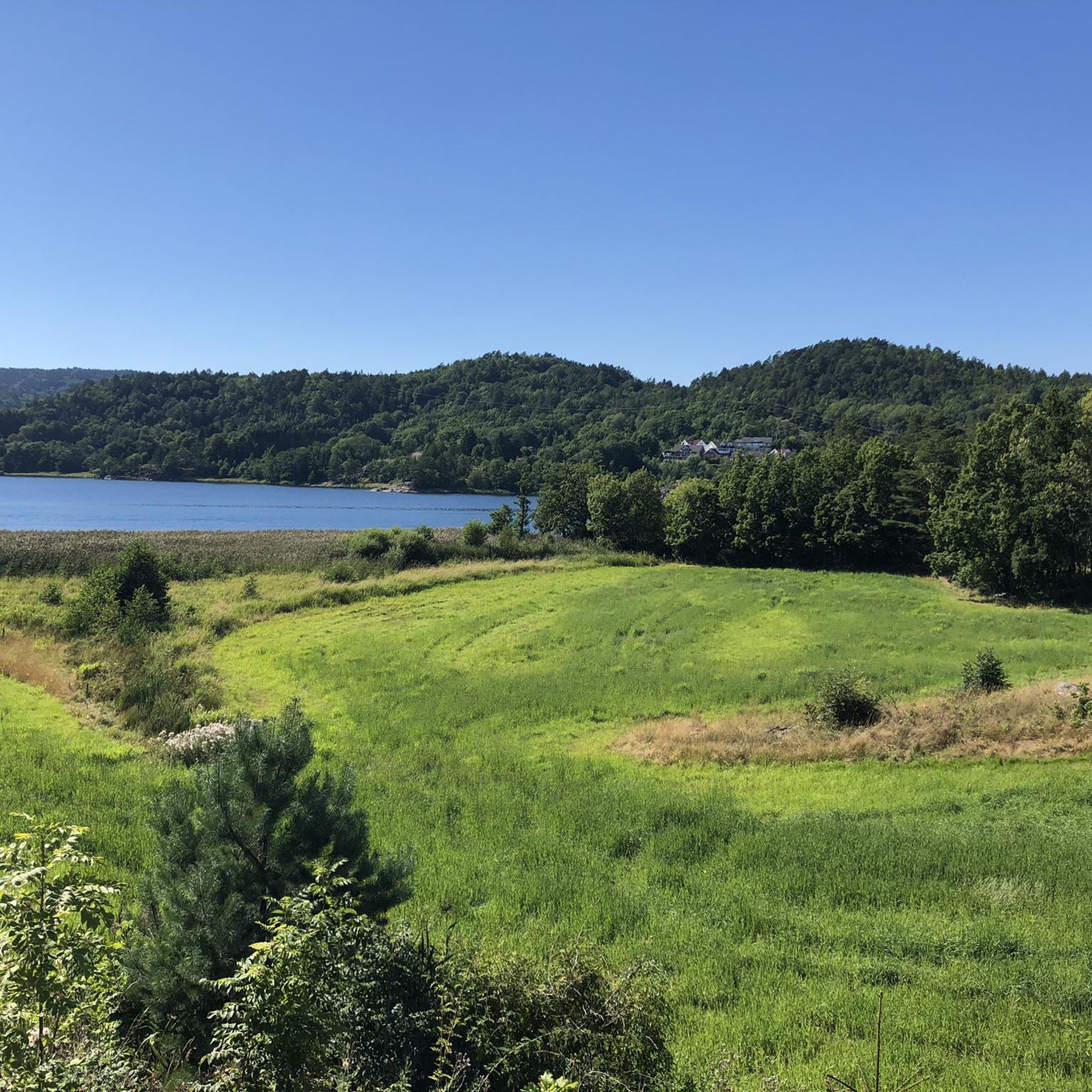
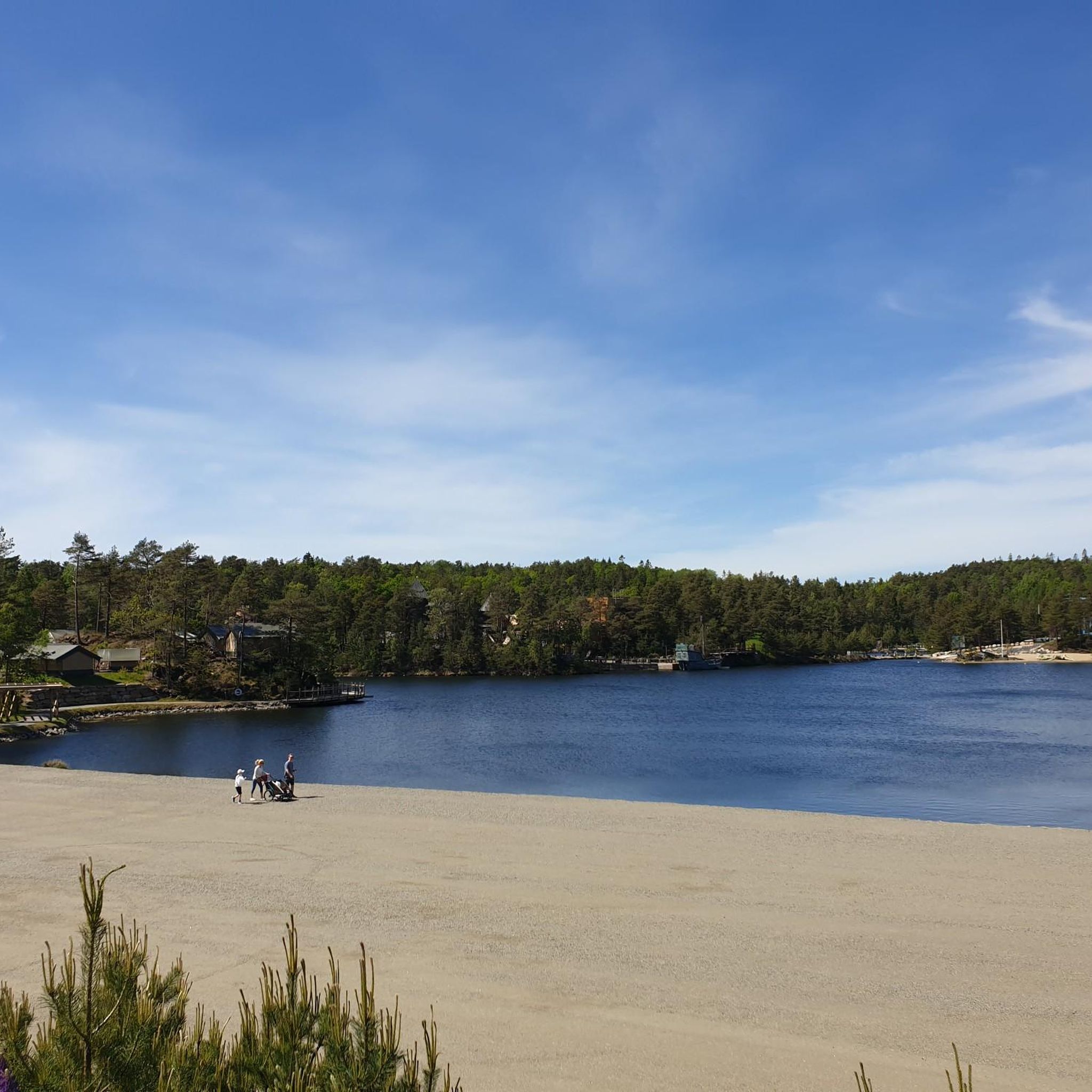
Lake in Southern Norway
Highlight • Lake
So many highlights make you forget the rain.
Also very historical.
That makes you think how people lived with nature and earned their living income …
Translated by Google •
Tip by

Start today with a free account
Your next adventure awaits.
Tips from the Community

Here in Gåsedalen stands the small pillar in memory of Nils Olsen, or "Treske-Nils". The stone is less than 20 cm high and is said to have been placed by Alf Strai and Arne Voreland on the spot where he was found dead. On the stone itself it says: "Nils Olsent 12/1-34". This is the date of the day it was found. Nils Olsen originally came from Vegårdshei. Those who remember Nils say that he was a jovial little guy who worked constantly. Nils got his nickname because he helped thresh grain. He was The memorial for "Treske-Nils". Photo: Ole-Jørgen Hasle 2020 was also called "Sprege-Nils" because he made brooms out of Sprege buckets. Most people in Dorf had one of Nils' broomsticks in the house. Nils Olsen lived with several men who worked for board and lodging with the widow Karen Ånesen Gåseland on Sjømyr in Hovàg, about 300 meters east of where the memorial stone is. When he was in Tveit he stayed with "mother of the homeless" Theodine Drangsholt, who "...always had an eye on passers-by who couldn't get shelter.". In his article in Tveit Historielag Årsskrift no. 12-2002, Arne Egil Larsen mentions that Nils had a speech impediment and couldn't pronounce the letter "k". He also had "a somewhat odd and somewhat stiff gait" - he walked with his toes curled under his feet because his shoes were too small. At Christmas 1933, Nils was on his way between Drangsholt and Sjømyr. The path he used was marked with stones, but he took the wrong path and got lost. Due to a misunderstanding and because it was Christmas weekend, everyone in Drangsholt thought he was in Sjømyr. Those in Sjømyr, on the other hand, thought he was in Drangsholt. As a result, no one was sent to look for him, and it wasn't until January 12 that he was gone. Nils Olsen, or "Treske-Nils", pictured on Drangsholt in front of Tønnes Drangsholt's house In 1934 he was found. At that time he was sitting dead behind a tree here in Gåsedalen, no more than 300 meters from the safety of the house on Sjømyr.
1
0
Ulsholmen is an old homestead. The houses have disappeared, but the ruins are still clearly visible. Ola Osmundsen (born 1765) is the first known farmer on Ulsholmen. Osmund Olsen took over the farmstead from his father Ola, who died in 1843 as a beneficiary. Osmund was ironically nicknamed "The Count of Bjørnholmen" and wrote many anecdotes about the "Count" who "often spiced his speech with the stiff book language of Ulsholmen" and Abraham Ulsholmen always wore his best clothes: a shiny divided coat and a top hat, and a staff in hand". In 1901 the writer Gabriel Scott published a collection of short stories entitled "The Hunting Journal". While living in Uldalen and writing this book, he became acquainted with the places and people in the forest between Høvåg and Tveit Scott then made the "Earl of Ulsholmen" into one central figure in the 1931 book "Der Barkefletcher". "Der Barkenflechter" is a lively - and at the same time painful - story from a recent past in which the poor were an underclass who could hardly pave the way to recognition and a dignified life. Bark weaving was an important side trade on many farms in the coastal villages of southern Norway. In "Barke- on Ulsholmen, but the real weaver of the novel" lived here the "Count" His name was Jørgen Sjømyr. The 1865 census shows that 3 people lived on Ulsholmen. Osmund Olsen (65) together with his wife Severine Ellingsdatter (68) and their son Ole C. Osmundsen (23). They had 2 sheep and 6 goats.
0
0
Plassen is an old farm situated between Sjømyr and Ulsholmen. Its age is uncertain, but it has probably been abandoned longer than either of those places. The wooden buildings have completely disappeared, but the partially collapsed and overgrown mounds of houses are still clearly visible. Down at the edge of the swamp, about 10-15 meters southwest of where you are, you'll find the remains of a building that was probably Plassen's outbuilding. Up here, where the information board stands, the remains of the former inner house can be clearly seen. At the time when Plassen was still inhabited, the area was probably cleared and developed. This gave the possibility of both a piece of land for cultivation Growing crops and possibly potatoes, as well as grazing land for a few animals. It is likely that the swamps around the outbuilding were mowed and the grass used as fodder. There is little information about these small settlement, but we can be pretty sure it was a small settlement. There must have been limited farming and animal husbandry, but to survive in such places people had to work outside of the settlement. An important additional industry in this regard was the so-called bark braiding. Bark was collected from young oak trees and dried. The dried bark was then used to tan leather and hides, and to tan fishing nets. The square and Ulsholmen 300-400 meters south-east of Ulsholmen - play a central role in the novel "The Bark Weaver" by Gabriel Scott. The main character of the novel, Søren Andersen Røsnes, lives here on Plassen. The characters in the novel are based on real people, but their names and locations have been changed so that descendants don't feel isolated. Søren, for example, was actually born in Røsnes, so it's probably just Gabriel Scott who made his home on Plassen. The remains of an outbuilding that probably stood in Plassen at the bottom of the swamp. Photo: Ole-lørgen Hasle 2020. Residence.
0
0

Great tour even in drizzle. So many highlights make you forget the rain. Also very historical. That makes you think how people lived with nature and earned their living income with it. A lot is lost and the milk comes out of the tetrapak and the cow is purple and is called Milka. I find all of this very worrying.
0
0
Sjømyr is an abandoned farm in the forests of Trøe, about 100 meters from the former Vest-Agder county border into Lillesand municipality. The property was bought in 1852 by spouses Jørgen and Mari Torjussen, who previously lived in Kiledalen near Drangsholt. At Sjømyr they kept four cows and eight sheep. As a widower, Jørgen moved to neighboring Stemmene in 1900. At that time the forest worker Gunder Jonsen lived here on Sjømyr. As a 60-year-old widow, Karen Ånonsen Gåseland moved from Stemmene to Sjømyr in 1910. Many people lived on the farm, including four of Karen's children. In addition, there lived several men who worked for board and lodging. One of them was Nils Olsen - or "Treske-Nils" - who got lost on the way from Drangsholt at Christmas 1933 and was later found dead in the Gåse valley about 300m west of Sjømyr. The farm at Sjømyr consisted of sheep and cattle. Karen carved and spun sheep's wool into yarn. She knitted mittens and stockings, which were sold for little money. The feed for the animals was obtained from logging in the forest. Logging was practiced in parts of the forest, and Nils Olsen, among others, worked in the forest. Karen's son, Anders Kristian Anonsen, took over Sjømyr in 1918 and owned the farm until he sold it in 1953.
0
0
Frequently Asked Questions
What historical sites can I explore in Badstudalen Naturreservat?
Badstudalen Naturreservat is rich in historical sites, offering a glimpse into past settlements. You can visit Sjømyr Abandoned Farm, which was bought in 1852 and housed families and workers. Another significant spot is Plassen Old Homestead Ruins, where the wooden buildings have disappeared, but the remains of former dwellings are still visible. Don't miss Ulsholmen Historic Homestead, notable for its history with the first known farmer dating back to 1765.
What kind of hiking trails can I find in Badstudalen Naturreservat?
The reserve is primarily known for its hiking opportunities. A notable circular trail starts from Urdalen, traversing species-rich deciduous forest. These trails often feature well-marked paths, boardwalks, and bridges in wetter sections, providing a diverse hiking experience. For more options, you can explore various easy hikes in Badstudalen Naturreservat.
Are the hiking trails in Badstudalen Naturreservat suitable for all fitness levels?
While many trails offer an immersive experience in nature, some highlights within the reserve are categorized as 'intermediate' difficulty. However, there are also easy hikes available, such as the Røymyrrhei Summit loop or the Klomra – Lake in Southern Norway loop, making it possible for various fitness levels to enjoy the area.
What natural features can I explore in Badstudalen Naturreservat?
Badstudalen Naturreservat is renowned for its diverse and species-rich South Norwegian deciduous forest. Key natural features include the forest areas around Dyråsen, Ulsholmen, and Plassetjønna. You can also find bodies of water like Plassetjønna and Urevann, and a specific highlight named Lake in Southern Norway.
Are there any amenities or resting places within Badstudalen Naturreservat?
Yes, along the Urdalen circular hiking route, visitors can find a designated resting place at Sjøhei. While specific cafes or visitor centers are not detailed within the reserve itself, the focus is on immersing yourself in the natural environment.
What is the best time of year to visit Badstudalen Naturreservat?
Given its focus on deciduous forests, Badstudalen Naturreservat is particularly beautiful during spring, summer, and autumn. Spring offers lush greenery and blooming flora, summer provides pleasant hiking conditions, and autumn showcases vibrant fall colors. The reserve's natural beauty makes it enjoyable even in drizzle, as noted by visitors.
Can I bring my dog to Badstudalen Naturreservat?
While the guide data doesn't explicitly state dog-friendly policies, nature reserves in Norway generally welcome dogs on leash. It's always recommended to keep dogs under control to protect wildlife and ensure a pleasant experience for all visitors.
Are there opportunities for running or cycling near these attractions?
Yes, beyond hiking, Badstudalen Naturreservat and its surroundings offer opportunities for other outdoor activities. You can find various running trails, including moderate loops like Fossen – Årsnes. For cyclists, there are also cycling routes, such as the Joker Høvåg – Årsnes loop.
What is the significance of the Treske-Nils Memorial?
The Treske-Nils Memorial is a small pillar in Gåsedalen, commemorating Nils Olsen, also known as "Treske-Nils." He was a forest worker who tragically got lost and died in the area in 1933. The memorial marks the spot where he was found and serves as a poignant reminder of the lives of people who once lived and worked in these forests.
What kind of wildlife might I encounter in Badstudalen Naturreservat?
As a species-rich South Norwegian deciduous forest, the reserve provides a habitat for diverse wildlife. While specific species are not detailed, visitors can expect to observe various birds, small mammals, and insects typical of such an ecosystem. The preserved natural landscapes support a healthy biodiversity.
Are there any family-friendly attractions or activities in Badstudalen Naturreservat?
The natural environment and historical sites offer educational and engaging experiences for families. Exploring the well-marked hiking trails and discovering the ruins of old homesteads like Plassen Old Homestead Ruins can be an adventure for all ages. The Lake in Southern Norway is also noted as family-friendly.
Where can I find information about the history of the abandoned farms in the reserve?
Detailed information about the abandoned farms is often available at the sites themselves. For instance, Sjømyr Abandoned Farm has a rich history, including details about its former inhabitants and their way of life, such as farming and logging. Similarly, Ulsholmen Historic Homestead provides insights into its earliest farmers and the local community.
Most popular routes in Badstudalen Naturreservat

Get inspired with the komoot mobile app


Explore more
Still not found the Highlight you’re looking for? See guides of the top attractions in other regions:
