Attractions and Places To See around Maszewo - Top 20
Attractions and places to see around Maszewo, a town in Poland's West Pomeranian Voivodeship, offer a blend of history, culture, and nature. With a history dating back to the 10th century and municipal rights granted in 1278, Maszewo features preserved historic character. The area is characterized by the Leśnica River Valley and two lakes, providing natural points of interest. Visitors can explore a variety of sites, from ancient defensive walls to significant natural monuments.
Best attractions and places to see…
Last updated: August 11, 2026
Ruins of the Bącznik Watermill
Highlight • Monument
Translated by Google •
Tip by

Church of St. Peter and St. Paul in Grzędzice
Highlight • Religious Site
The late-gothic, hall-shaped temple made of fieldstone and brick dates from the first half of the 15th century, with a …
Translated by Google •
Tip by

Sign up now to discover places like this
Get recommendations on the best single tracks, peaks, & plenty of other exciting outdoor places.
Sign up for free
Żarowo Church
Highlight • Religious Site
Showing Translation
Tip by

St. Mary Magdalene Church in Sowno
Highlight • Religious Site
Translated by Google •
Tip by
Linden Anna and Kliniska Forest District
Highlight • Natural Monument
Translated by Google •
Tip by
Sign up for free to discover even more attractions around Maszewo.
Sign up for free
Already have an account?
Start today with a free account
Your next adventure awaits.
Login or Signup

Tips from the Community

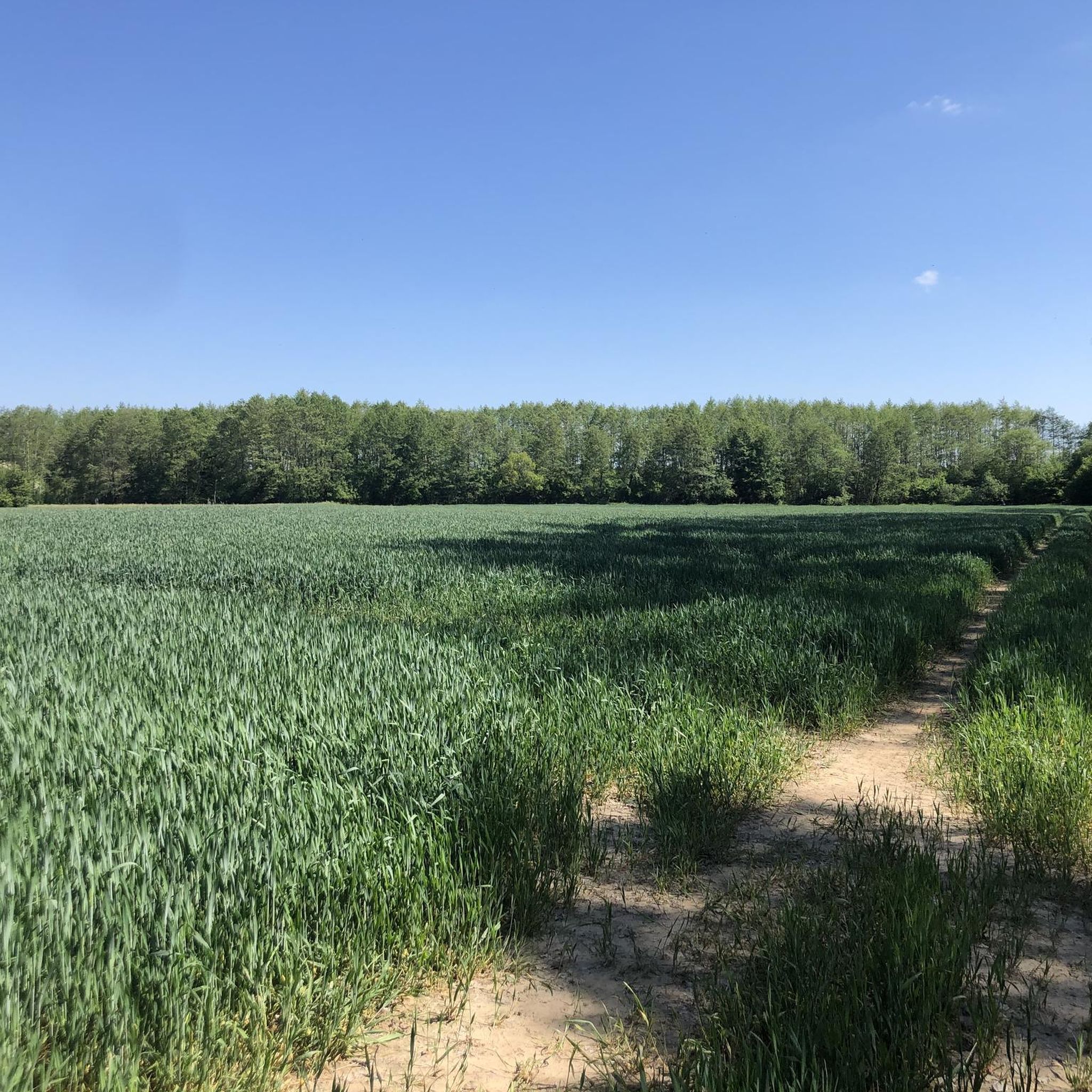
In W Sownie (gmina Stargard) there is a historic, neo-Gothic Church of St. Mary Magdalene, built in 1889 from red brick. It is a Roman Catholic church, serving as a filial church, which hides unique monuments of great importance for the history of West Pomerania within its interior.
3
0
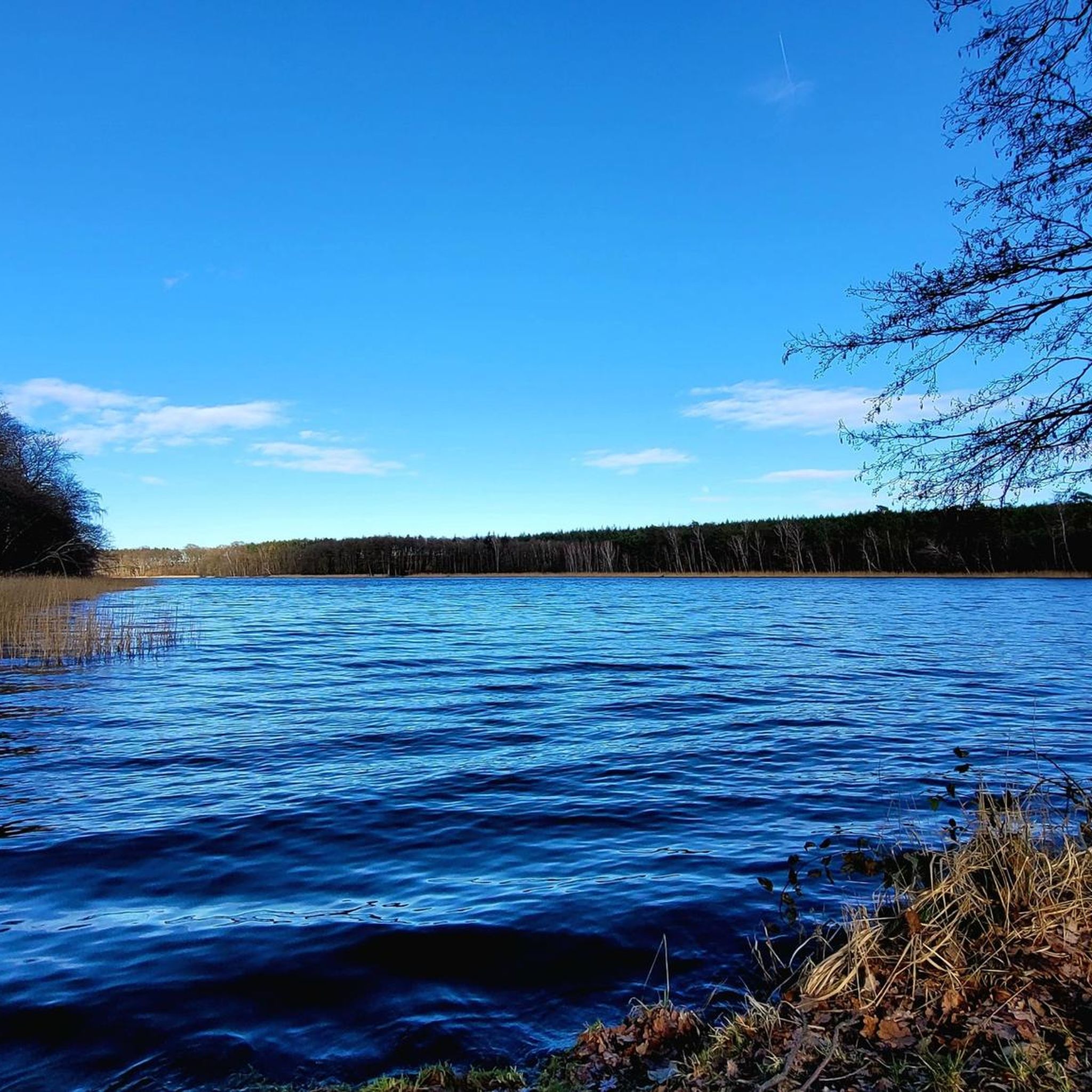
The Church of the Sacred Heart of Jesus in Żarów is a Roman Catholic filial church belonging to the Parish of Saints Apostles Peter and Paul in Grzędzice. It is located in the village of Żarowo in the Stargard municipality, about 5-6 km northwest of the center of Stargard.
3
0
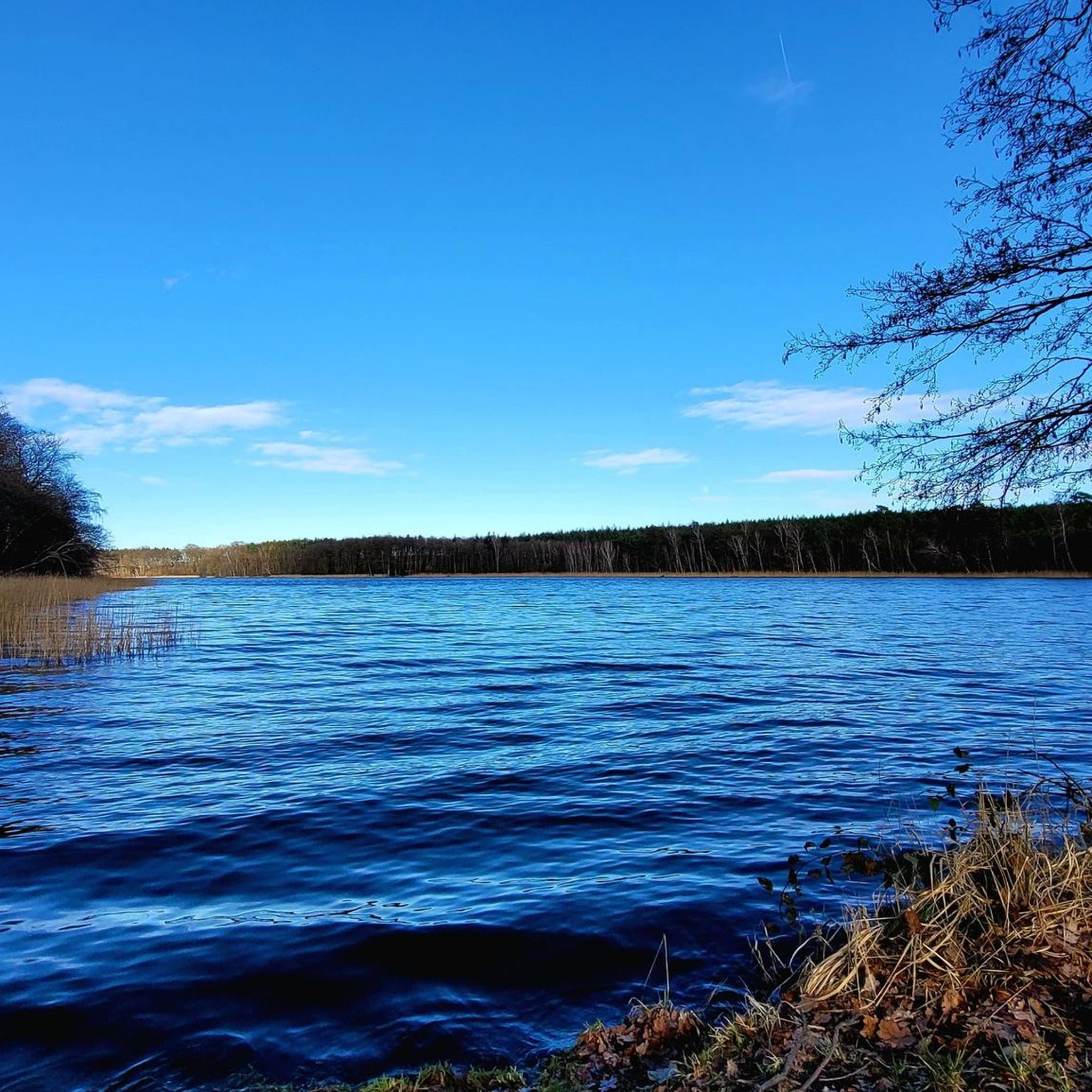
In Grzędzice there is the Roman Catholic Church of Sts. Apostles Peter and Paul, which serves as the parish church. It is a valuable, late Gothic monument from the 15th century, erected in the center of the village from fieldstone and brick.
1
0

Lipa Anna is a small-leaved lime tree over 450 years old (according to legend it is over 600 years old) with a circumference exceeding 800 cm and a height of 27 m. It is the most famous natural monument located in the Goleniów district.
0
0
Water mills were for centuries the heart of the local economy: they powered the grinding of grain, supported the development of settlements, and set the rhythm of life for the local inhabitants. Bącznik – like many localities in the region – benefited from natural watercourses and small water impoundments, which enabled the mill wheel to operate. Over time, with the development of technology, changes in ownership, and post-war transformations, many such facilities ceased to function. Today, the remains of the mill are a memento of past craftsmanship and an excellent pretext for a short journey back in time.
0
0
The church towers over the surroundings with its spire.
0
0

The church in Sovno existed as early as the 16th century. The exact date of its construction and appearance are unknown. It was part of a princely hunting residence. In 1720, due to its poor technical condition, it was demolished. A new church, likely a half-timbered structure, was erected in its place. This one was demolished in 1880, and another one was built – the one that stands to this day.
1
2

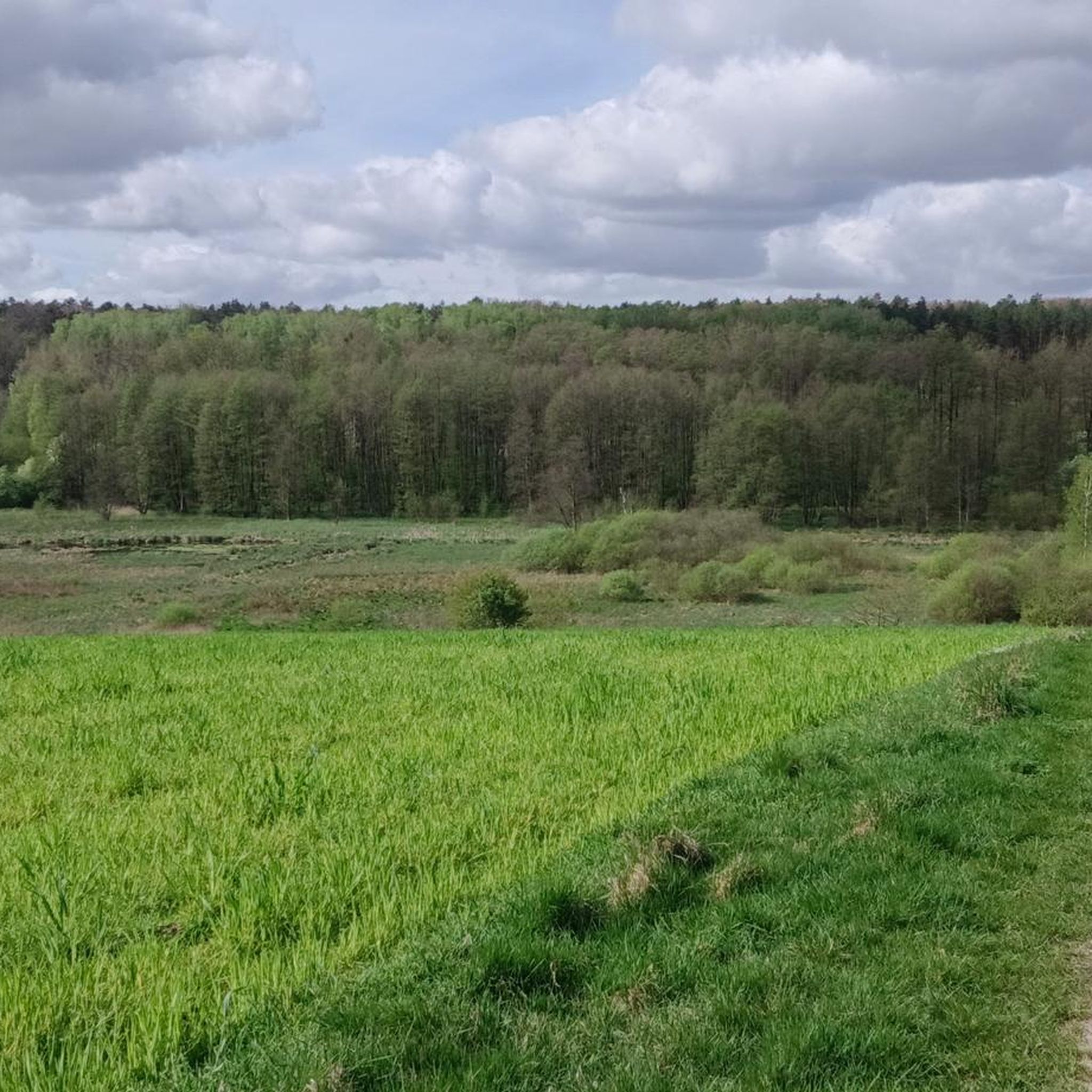
The area around the mill ruins is an area under renaturation by Oder-Rewilding. The bed of the Wisełka has been stripped of its thresholds and covered with gravel to allow aquatic organisms to migrate. And the beaver has built a dam above it, and how are these lampreys supposed to migrate....No dpua no...
3
0
Frequently Asked Questions
What historical sites can I explore in Maszewo?
Maszewo is rich in history, featuring significant landmarks such as the Defensive Walls, constructed between the 13th and 14th centuries. These walls, originally 1300 meters long, still feature parts of their fortifications and the impressive 14-meter-tall French Tower. You can find more detailed information about the defensive walls on medievalheritage.eu. Other historical points include the town's Market Square with its 19th-century Town Hall, a Gothic Chapel, and Castle Hill, which was once a Slavic stronghold.
Are there any notable churches or religious buildings to visit near Maszewo?
Yes, the region offers several historically significant churches. The Church of St. Peter and St. Paul in Grzędzice is a late-Gothic hall church from the 15th century, renowned for its unique and oldest 15th-century Gothic polychromies in Western Pomerania. Another is the St. Mary Magdalene Church in Sowno, a Neo-Gothic church built in 1889, which houses a Renaissance altar and pulpit from the mid-16th century. Within Maszewo itself, you can also visit the Church of Our Lady of Częstochowa.
What natural attractions are there around Maszewo?
Maszewo is surrounded by natural beauty, including the picturesque Leśnica River Valley, which features an educational trail. The town also benefits from two lakes and a recreational park for visitors to enjoy. A prominent natural monument is the Linden Anna and Kliniska Forest District, home to an over 450-year-old linden tree with a circumference exceeding 800 cm.
Are there any unique man-made monuments or ruins to see?
Absolutely. The Ruins of the Bącznik Watermill are a fascinating man-made monument located about 7 km south of Goleniów. These ruins preserve the foundations and brick water passages of a former mill, creating unique landscape interiors shaped by human activity.
What kind of outdoor activities can I do near Maszewo?
The Maszewo area is excellent for various outdoor activities. You can explore numerous cycling routes, including easy loops like the 'Maszewo Mill – Beach on Lake Maszewo loop'. For more options, check out the full guide on Cycling around Maszewo. If you prefer gravel biking, routes like the 'Rest Area by the Ina River – Ruins of the Bącznik Watermill loop' offer a mix of nature and history. Discover more on Gravel biking around Maszewo.
Are there easy hiking trails suitable for families around Maszewo?
Yes, there are several easy hiking trails perfect for families. The 'Rajmund Zielinski nature-didactic trail' and the 'Path "Charms of the Ina Valley"' are both great options for a leisurely walk. For a comprehensive list of family-friendly and easy hikes, refer to the guide on Easy hikes around Maszewo.
What cultural attractions are available in Maszewo?
Beyond historical sites, Maszewo offers cultural points of interest such as the Social Museum of Energy, which houses a collection related to energy, including historical porcelain insulators. The town also has a Cultural and Sports Centre and a Library, providing access to local cultural activities and resources.
What do visitors enjoy most about the attractions around Maszewo?
Visitors particularly appreciate the blend of historical depth and natural beauty. The preserved defensive walls and ancient churches offer a glimpse into the region's past, while the natural monuments like the 'Anna' Linden and the scenic river valleys provide peaceful outdoor experiences. The komoot community has shown strong engagement, sharing over 20 photos and giving more than 30 upvotes to the attractions in the area.
Is Maszewo suitable for visitors interested in medieval history?
Maszewo is an excellent destination for medieval history enthusiasts. The town's history dates back to the 10th century, with municipal rights granted in 1278. Key attractions include the well-preserved 13th-14th century Defensive Walls, featuring the French Tower, and the site of Castle Hill, which once hosted a Slavic stronghold. The Church of St. Peter and St. Paul in Grzędzice also boasts unique 15th-century Gothic polychromies.
Are there any other historical churches in the Maszewo region besides the main ones?
Yes, the Żarowo Church, built between 1856-1858 from field stone and brick, is another notable religious building in the area. It is an arcaded hall church with a tower and contains historical elements like cast-iron candlesticks from the 19th century.
What is the best time of year to visit Maszewo for sightseeing?
While specific seasonal details for Maszewo are not provided, generally, spring and autumn offer pleasant weather for exploring historical sites and natural attractions in Poland, with milder temperatures and fewer crowds. Summer is also popular, especially for enjoying the lakes and outdoor activities, though it can be warmer and busier.
Most popular attractions around Maszewo

Get inspired with the komoot mobile app


Explore more
Still not found the Highlight you’re looking for? See guides of the top attractions in other regions:
