Top 15 Castles around gmina gmina Cedynia
Castles around gmina gmina Cedynia offer a journey through historical fortifications and significant sites in Poland's West Pomeranian Voivodeship and the immediate cross-border region. This area is historically notable for the Battle of Cedynia in 972, commemorated by various monuments and reconstructed defensive structures. While traditional large medieval stone castles are less common directly within the gmina, the region features a range of historical buildings, including fortified towers, manor houses, and landscaped parks with palatial structures. These sites provide insight into early medieval military architecture and later aristocratic residences.
Best castles around gmina gmina Cedynia
- The most popular castles is View of Stolpe and the Grützpott Tower, a viewpoint that features Germany's thickest fortified tower. This 12th-century tower offers panoramic views of the Oder valley and the Unteres Odertal National Park.
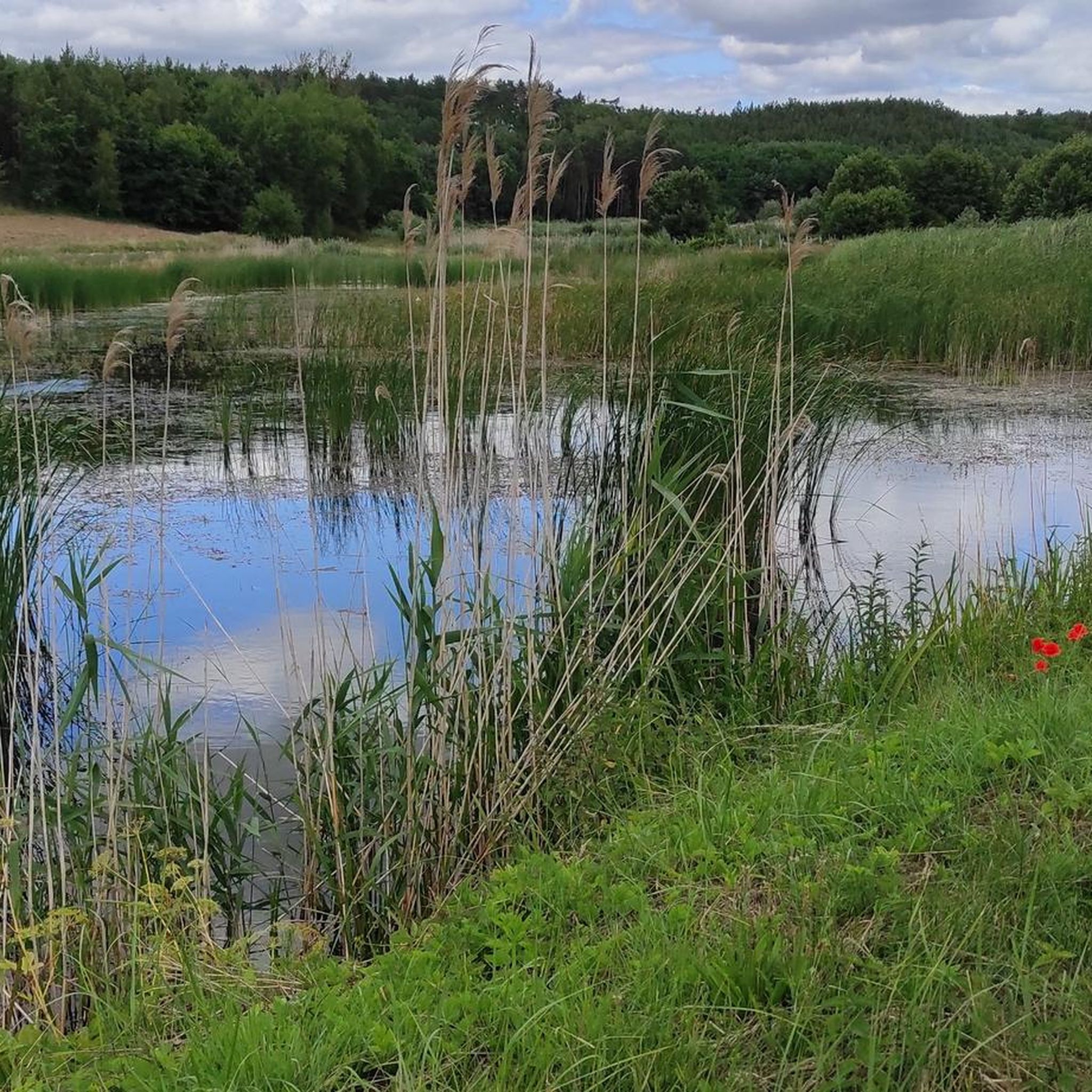
- Another must-see spot is Pond in Lenné Park Criewen, a lake within a beautifully landscaped park. The park includes a reconstructed castle and a village church, designed by landscape architect Peter Joseph Lenné.
- Visitors also love Monplaisir Park and Palace, a historical site with a palace dating from 1778–1780. The park, created around 1700, was designed in the French style and later influenced by Peter Joseph Lenné.
- gmina gmina Cedynia is known for fortified towers, manor houses, and historical park complexes. These sites showcase a variety of defensive structures and aristocratic residences from different historical periods.
- The castles around gmina gmina Cedynia are appreciated by the komoot community, with more than 850 upvotes and over 250 photos shared.
Last updated: June 4, 2026
View of Stolpe and the Grützpott Tower
Highlight • Viewpoint
Translated by Google •
Tip by

Criewen Castle
Highlight • Castle
Translated by Google •
Tip by

Sign up now to discover places like this
Get recommendations on the best single tracks, peaks, & plenty of other exciting outdoor places.
Sign up for free
Pond in Lenné Park Criewen
Highlight • Lake
Beautifully landscaped park with pond and small bridges.
Translated by Google •
Tip by
Stolper Tower
Highlight • Castle
Translated by Google •
Tip by

Freienwalde Castle
Highlight • Castle
Originally built in 1798/99 by David Gilly as a neoclassical villa in Prussian rural architecture and as a retirement home for Queen Friederike Luise, Walther Rathenau awakened it from its slumber in 1909. Completely plundered in 1945, the palace survived the GDR as the Pushkin House (named after the poet Pushkin) and, after reunification, became a museum and Rathenau memorial site.
A beautiful hilly palace park, complete with a theater pavilion (tea house), fountains, and numerous staircases, surrounds the palace.
Translated by Google •
Tip by

Sign up for free to discover even more castles around gmina gmina Cedynia.
Sign up for free
Already have an account?
Start today with a free account
Your next adventure awaits.
Login or Signup
Tips from the Community

Between 1816 and 1826, at the initiative of landowner Otto von Arnim, the old village in Criewen was demolished and rebuilt further east. This made room for the creation of a landscape park, designed by landscape architect Peter Joseph Lenné. At the center of the park are the reconstructed castle and the village church. The 9-hectare park is well preserved and, with its rare trees such as bald cypress, large-leaved linden, and plane tree, is an inviting place for strolls.
1
0

The so-called Grützpott (Grützpott) is visible from afar. There are two paths to the top: the shorter one involves small, irregular steps, and the longer one is accessible by bike or car. The terrain itself is quite uneven, but the view is wonderful to enjoy. Various benches invite you to linger. The tower castle itself can be visited on certain days. It houses an exhibition.
1
0

Parish church with graves of the von Arnim family
1
0

Standing on the Apothekerberg (Apologetics Hill), the palace has a rich history. Originally built in 1798/99 by David Gilly as a neoclassical villa in Prussian rural architecture and as a retirement home for Queen Friederike Luise, Walther Rathenau awakened it from its slumber in 1909. Completely plundered in 1945, the palace survived the GDR as the Pushkin House (named after the poet Pushkin) and, after reunification, became a museum and Rathenau memorial site. A beautiful hilly palace park, complete with a theater pavilion (tea house), fountains, and numerous staircases, surrounds the palace.
3
0
Standing on the Apothekerberg, the castle has an eventful history. Originally built in 1798/99 by David Gilly as a classicist villa in Prussian rural architecture and as a retirement home for Queen Friederike Luise, Walther Rathenau woke it from its deep sleep in 1909. Completely plundered in 1945, the castle survived the GDR as the Pushkin House (named after the poet Pushkin) and after the fall of the Berlin Wall became a museum and Rathenau memorial site. A beautiful hilly castle park, along with a theater pavilion (tea house), fountains and many stairs, surrounds the castle.
7
0


With a view of Stolpe Castle. This is also popularly called 'Grützpott'.
2
0

You can see the tower from afar. The story of how the tower got its name is also interesting.
0
0
Frequently Asked Questions
What types of historical sites and fortifications can I explore around Gmina Cedynia?
While traditional large medieval stone castles are not common directly within Gmina Cedynia, the region offers a variety of significant historical fortifications and sites. These include formidable defensive towers like the 12th-century View of Stolpe and the Grützpott Tower, historical park complexes with reconstructed castles such as Pond in Lenné Park Criewen, and manor houses like Altranft Manor House. Within Gmina Cedynia itself, you can visit Góra Czcibora, a site commemorating the Battle of Cedynia, featuring a reconstructed wooden palisade.
What is the historical significance of Góra Czcibora in Cedynia?
Góra Czcibora is a site of immense historical importance within Gmina Cedynia, commemorating the pivotal Battle of Cedynia in 972. This battle saw Mieszko I and his brother Czcibor defend Polish lands against German forces. The site features a monumental 15-meter-high eagle sculpture, known as the "Monument to the Polish Victory on the Oder," and a reconstructed wooden palisade, offering a tangible connection to early medieval military architecture. You can learn more about its history on Wikipedia or Atlas Obscura.
Are there any family-friendly historical sites or parks in the area?
Yes, several sites are suitable for families. Pond in Lenné Park Criewen is a beautifully landscaped park with a reconstructed castle and church, perfect for walks. Monplaisir Park and Palace also offers a historical park setting. The Altranft Manor House, now a museum, is designed to be interactive, with exhibits that can be touched, making it engaging for children.
What kind of views can I expect from these historical fortifications?
The View of Stolpe and the Grützpott Tower is particularly renowned for its panoramic views. From its viewing platform, you can enjoy breathtaking vistas of the Unteres Odertal National Park and the surrounding Oder valley. Góra Czcibora also offers expansive views of the area from its summit, after climbing 270 stone steps to the monument.
What outdoor activities can I combine with a visit to these historical sites?
The region around Gmina Cedynia is excellent for outdoor activities. You can find numerous routes for mountain biking, gravel biking, and hiking. For example, there are moderate MTB Trails, easy to moderate Gravel Biking routes, and various Hiking trails, including the Cedynia Heath and the Educational trail through the Bielinek Nature Reserve.
Are there any unique architectural features to look out for?
Absolutely. The Stolper Turm, also known as Grützpott, is notable for being Germany's thickest fortified tower, with an external diameter of 18 meters and walls several meters thick. Góra Czcibora features a reconstructed wooden palisade, 34 meters long and 8 meters high, providing a glimpse into early medieval defensive structures.
What is the best time of year to visit the castles and historical sites?
The spring and autumn months generally offer pleasant weather for exploring the outdoor sites and parks. Spring brings blooming nature, while autumn provides beautiful foliage. Summer is also popular, especially for combining visits with outdoor activities, though it can be warmer. Winter visits might be quieter but some facilities or park features could be less accessible.
Can I find information about the history of the region at these sites?
Yes, many sites offer historical context. The Stolper Turm includes multilingual exhibits detailing its history. The Altranft Manor House functions as a museum, showcasing life in the region at the end of the 19th century. Góra Czcibora directly commemorates the Battle of Cedynia with monuments and mosaics.
Are there opportunities for wildlife spotting near these historical locations?
Given that many of these sites are located within or near natural parks and the Oder valley, there are good opportunities for wildlife spotting. The Stolper Turm offers views over the Unteres Odertal National Park, an area known for its diverse flora and fauna. The various hiking and cycling routes in the region also pass through natural landscapes where you might encounter local wildlife.
What should I wear when visiting these sites?
Comfortable walking shoes are highly recommended, especially if you plan to explore the parks, climb the Stolper Turm, or ascend Góra Czcibora. Layered clothing is advisable, as weather conditions can change, particularly when visiting sites with open views or engaging in outdoor activities.
Are there any historical sites that were designed by famous landscape architects?
Yes, the region boasts sites influenced by renowned landscape architects. Pond in Lenné Park Criewen was designed by Peter Joseph Lenné, who also participated in the design of Monplaisir Park and Palace. Lenné's work is a significant feature of the landscape architecture in the wider cross-border region.
What do visitors enjoy most about the historical sites around Gmina Cedynia?
Visitors frequently appreciate the blend of history and nature. The panoramic views from the Stolper Turm over the Oder valley are a highlight, as is the well-preserved nature of the tower itself. The peaceful atmosphere of parks like Lenné Park Criewen and the tangible connection to Polish history at Góra Czcibora are also highly valued.
Most popular routes around gmina gmina Cedynia
Most popular attractions around gmina gmina Cedynia

Get inspired with the komoot mobile app


Explore more
Looking for the best castles somewhere else? Discover other guides around gmina gmina Cedynia:
