Attractions and Places To See around Rio Tinto - Top 20
Best attractions and places to see around Rio Tinto, a city and parish within the Gondomar Municipality in northern Portugal, include historical landmarks, cultural sites, and natural spaces. The area is well-connected to Porto, making many of its significant attractions easily accessible. Visitors can explore local churches, museums detailing industrial history, and urban parks. The region offers a blend of historical depth and natural beauty for exploration.
Best attractions and places to see around Rio Tinto
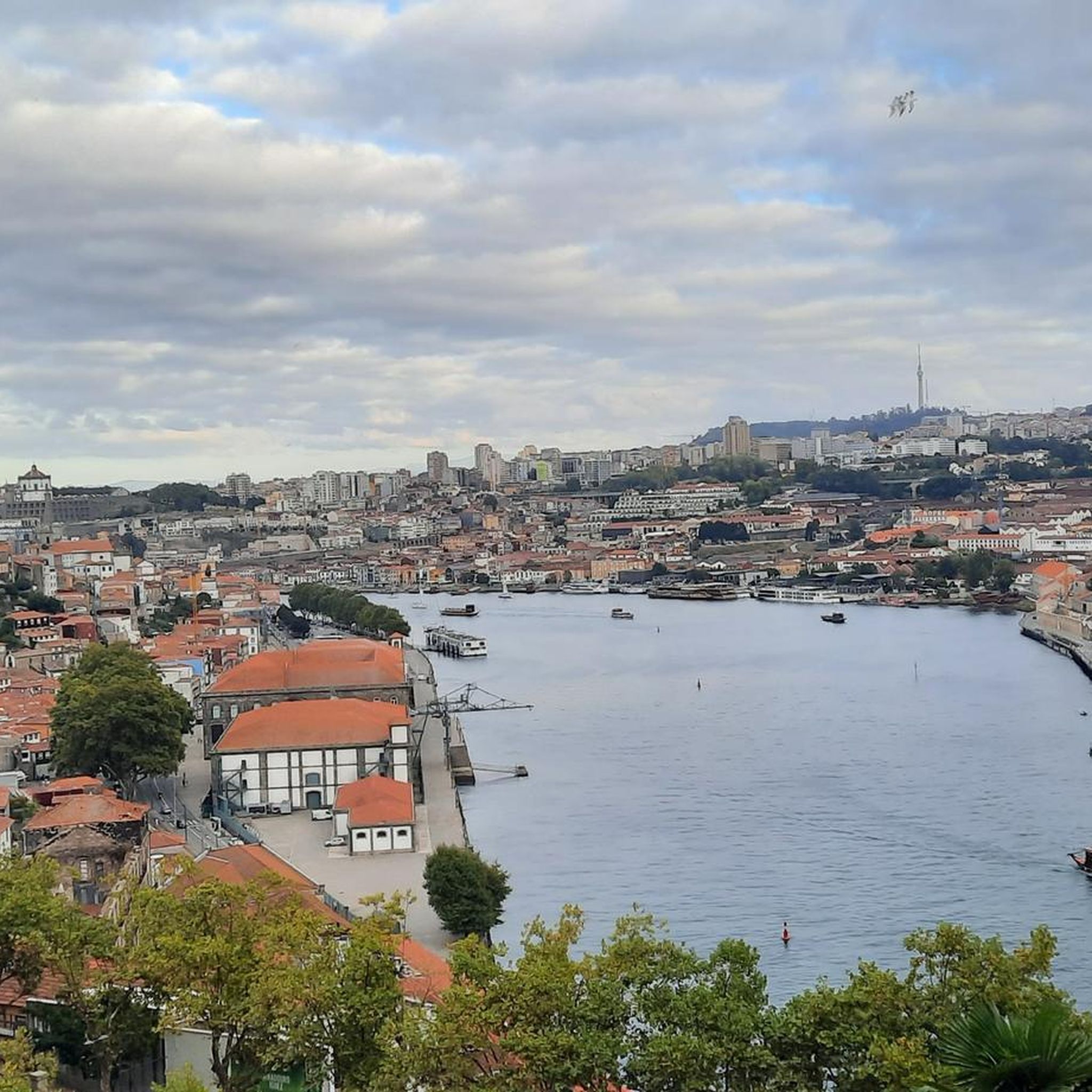
- The most popular attractions is Ribeira Promenade along the Douro River, a trail that features narrow cobbled streets with bars and restaurants. This promenade offers views of the Douro River and is known for its lively atmosphere with street musicians.
- Another must-see spot is Dom Luís I Bridge, a bridge linking Porto with Vila Nova de Gaia. This iron bridge, inaugurated in the late 19th century, provides views of the Douro River and the old town.
- Visitors also love Praça da Sé ⛪ Porto Cathedral, a religious building located in the heart of Porto's historic center. This cathedral, with construction beginning in the 12th century, is one of the city's oldest and most iconic monuments.
- Rio Tinto is known for historical landmarks, cultural sites, and natural spaces. The area offers a variety of attractions, from urban parks and river walkways to significant architectural and religious sites.
- The attractions around Rio Tinto are appreciated by the komoot community, with more than 1300 upvotes and over 1600 photos shared.
Last updated: May 4, 2026
Dom Luís I Bridge
Highlight • Bridge
Translated by Google •
Tip by

Praça da Sé ⛪ Porto Cathedral
Highlight • Religious Site
From here, the view is breathtaking: red-tiled roofs, towers punctuating the sky, and the Douro River shaping the horizon. In front of the cathedral, an old pillory recalls dark times. During the dictatorship, it served as a symbol of intimidation.
Translated by Google •
Tip by

Sign up now to discover places like this
Get recommendations on the best single tracks, peaks, & plenty of other exciting outdoor places.
Sign up for free
Ribeira Promenade along the Douro River
Highlight • Trail
Translated by Google •
Tip by
São Bento Station
Highlight • Historical Site
Translated by Google •
Tip by
Igreja do Carmo
Highlight • Religious Site
Translated by Google •
Tip by
Sign up for free to discover even more attractions around Rio Tinto.
Sign up for free
Already have an account?
Start today with a free account
Your next adventure awaits.
Login or Signup


Tips from the Community

The sky and people are practically always on the move here. However, the view of the unique steel bridge from here is also incredible. And this is also where most of the ships depart, for example, those on the 6 Bridges Tour.
5
0

Full of restaurants and street entertainment.
3
0

Standing imposingly atop a hill, Porto Cathedral rises amidst narrow streets, guarding the old city. It is the oldest church in Porto and one of its most iconic monuments. Construction began in the 12th century and carries nearly a thousand years of history within its stonework. From here, the view is breathtaking: red-tiled roofs, towers punctuating the sky, and the Douro River shaping the horizon. In front of the cathedral, an old pillory recalls dark times. During the dictatorship, it served as a symbol of intimidation.
3
4

That bridge is a real eye-catcher
19
0

Ribeira is one of the most historic and picturesque neighborhoods in Porto, Portugal. Located on the banks of the Douro River, it is a must-see for anyone visiting the city. Ribeira is known for its narrow, winding streets, colorful houses, and medieval architecture. The neighborhood is also famous for its nightlife, with many bars, restaurants, and fado houses. One of Ribeira's main points of interest is Ribeira Square, a historic square offering stunning views of the Douro River. Other points of interest include the Church of São Francisco, the Port Wine Museum, and the Luís I Bridge. Ribeira is also a popular spot for tasting the famous Port wine, which is produced in the region.
5
1

Stunning views of the Douro River from the bridge over the old town.
25
0
Construction of the cathedral began in the first half of the 12th century and continued until the beginning of the 13th century. The original building followed a Romanesque style, but over the centuries, it underwent several modifications. Notable features of the Romanesque period include the general façade with towers and a beautiful rose window, as well as the three-nave interior covered by a barrel vault. The cathedral was also one of the first Portuguese buildings to use cantilevered buttresses for support. I hope you found this brief introduction interesting! 😊
23
2
Officially opened in 1916, although it had been operating as a station since the late 19th century, this railway station is a true architectural and cultural treasure. São Bento Station is located in the heart of Porto and is an unmissable landmark in the city. Its location is no coincidence, as it was built on the ruins of the former Convent of São Bento do Ave Maria, which had been destroyed in a fire. The architecture of the complex, designed by José Porto, Marques da Silva, is reminiscent of French stations from the first half of the 20th century. Upon entering the station, you will find yourself in a hall covered with more than 20,000 Portuguese tiles painted by the artist Jorge Colaço. These murals depict different episodes from the history of the city and Portugal: rural scenes, epic battles, landings, and coronations. In addition, above the murals, you will find more tiles, this time in color and smaller in size. From the ceiling, a white roof with reliefs highlights the names of the two most important rivers in the area: the Douro and the Minho. If you have the opportunity to visit Porto, don't miss this architectural and artistic gem. It's truly stunning! 🚂🇵🇹
29
2
Frequently Asked Questions
What natural attractions and outdoor activities can I find around Rio Tinto?
Rio Tinto offers several natural spaces for outdoor activities. The Passadiços de Rio Tinto are popular walkways stretching 5.6 km between Parque Urbano de Rio Tinto and the Freixo roundabout, following the Rio Tinto river. This path features lush vegetation, woodlands, and rural areas. For more structured outdoor activities, you can explore various easy hikes, road cycling routes, and running trails in the surrounding area.
What historical and cultural sites are notable within Rio Tinto itself?
Within Rio Tinto, you can visit the Igreja Matriz de Rio Tinto, a local church from the 1770s known for its rich decoration, including tile panels and opulent gilded woodwork. Another significant site is the Museu Mineiro de São Pedro da Cova, housed in Casa da Malta, which showcases the history of the local coal mine that operated for 200 years.
How can I explore the historical center of Porto from Rio Tinto?
Rio Tinto is well-connected to Porto via the Porto Metro (Orange Line), making Porto's attractions easily reachable. Just a 15-minute metro ride away, you can explore Porto's Historic Center, a UNESCO World Heritage Site. Key landmarks include the bustling Ribeira quarter, the iconic Dom Luís I Bridge, and the impressive Praça da Sé ⛪ Porto Cathedral.
Are there family-friendly attractions near Rio Tinto?
Yes, there are several family-friendly options. The Passadiços de Rio Tinto and Parque Urbano de Rio Tinto offer pleasant spaces for walks and play. For animal lovers, the Zoo da Maia is a short distance away. In nearby Porto, the Ribeira Promenade along the Douro River is also considered family-friendly, with its lively atmosphere and street performers.
What are some unique cultural experiences or museums to visit?
Beyond the local historical sites, you can find unique cultural experiences. In Porto, consider visiting the Museu Militar do Porto, which houses an extensive collection of military artifacts and miniature figures. The Pharmacy Museum in Porto's eastern suburbs offers a world-class look into the history of pharmacy. For a different kind of cultural experience, the Prado do Repouso Cemetery, an open-air museum, features rich artwork and sumptuous tombs.
What do visitors enjoy most about the attractions around Rio Tinto?
Visitors particularly enjoy the vibrant atmosphere of the Ribeira Promenade along the Douro River, with its narrow cobbled streets, restaurants, and street musicians. The stunning views from the Dom Luís I Bridge are also highly appreciated, offering picturesque panoramas of the Douro River and Porto's old town. The historical significance and architectural beauty of sites like the Porto Cathedral and São Bento Station, with its famous tile panels, also receive high praise.
Are there any notable religious buildings to visit?
Yes, several significant religious buildings are accessible. In Rio Tinto, the Igreja Matriz de Rio Tinto is a local highlight. In Porto, the Praça da Sé ⛪ Porto Cathedral is one of the city's oldest and most iconic monuments. Additionally, the Mosteiro de Leça do Balio is another historical monastery mentioned as a point of interest near Rio Tinto.
Can I find any shopping opportunities or modern attractions?
For shopping, Rua Santa Catarina in Porto is a well-known shopping street. Within Rio Tinto, you can find the Shopping Parque Nascente, a local shopping center offering various retail options.
What are some of the best viewpoints to experience the region's scenery?
The Dom Luís I Bridge offers stunning views of the Douro River and the old town of Porto. The Ribeira Promenade along the Douro River also provides picturesque views of the river and the colorful houses lining its banks. From the Porto Cathedral, you can enjoy breathtaking views of red-tiled roofs, towers, and the Douro River shaping the horizon.
Are there any specific architectural marvels worth seeing?
Absolutely. The Dom Luís I Bridge is an iron bridge inaugurated in the late 19th century and is an emblematic image of Porto. The São Bento Station is a true architectural and cultural treasure, especially known for its hall covered with more than 20,000 Portuguese tiles depicting historical scenes. The Igreja do Carmo, with its large tile panel on the side facade, is another architectural highlight in Porto.
What is the best time of year to visit Rio Tinto attractions?
While specific data for Rio Tinto isn't provided, generally, the best time to visit northern Portugal, including Rio Tinto and Porto, is during the spring (April to June) and early autumn (September to October). During these months, the weather is pleasant for exploring outdoor attractions and walking tours, avoiding the peak summer heat and crowds, and the colder, wetter winter months.
Most popular attractions around Rio Tinto

Get inspired with the komoot mobile app


Explore more
Still not found the Highlight you’re looking for? See guides of the top attractions in other regions:
