The best MTB trails around Rio Tinto
4.1
(14)
172
riders
18
rides
Mountain biking around Rio Tinto offers a unique experience through landscapes shaped by historical mining. The region is characterized by its distinctive red soil, rolling hills, and the intensely colored Rio Tinto river. Riders can explore areas with pine and eucalyptus trees, as well as terrain that has been dramatically transformed by past mining activities. This environment provides a diverse backdrop for mountain bike trails, ranging from riverine paths to routes through former mining areas.
Best mountain bike trails around…
Last updated: October 2, 2026
4.7
(3)
22
riders
43.3km
03:47
900m
900m
Hard mountain bike ride. Very good fitness required. Suitable for all skill levels.
4.5
(2)
27
riders
39.4km
02:49
550m
550m
Moderate mountain bike ride. Good fitness required. Advanced riding skills necessary.

5.0
(2)
25
riders
58.8km
03:44
760m
760m
Moderate mountain bike ride. Good fitness required. Suitable for all skill levels.
4.5
(4)
12
riders
39.6km
03:23
750m
750m
Moderate mountain bike ride. Good fitness required. Advanced riding skills necessary.
13
riders
21.9km
02:04
490m
490m
Moderate mountain bike ride. Good fitness required. Suitable for all skill levels.
Get access to more routes and recommendations from other explorers.
Already have an account?
Our route recommendations are based on thousands of hikes, rides, and runs completed by other people on komoot.
Start today with a free account
Your next adventure awaits.

Tips from the Community

You can enjoy some good ham sandwiches accompanied by a nice cold beer.
1
0
Religious architecture, dating from the 17th, 19th, and 20th centuries. Rectangular parish church composed of a nave and chancel, with sacristy and bell tower, having two transept arms added at the end of the 20th century. It has interior wooden roofs, gabled and with beams in the nave and coffered ceilings in the chancel, sparsely illuminated by windows in the right side facade of the chancel body. It has a 20th-century bell tower, with three registers and round-arched windows. Main facade with a gable, with three axes of openings, composed of a portal and two large windows, all rectilinear. Facades with pilastered quoins and concrete frieze finishes. Interior with a high choir resting on stone corbels, accessed from the annex, with side chapels and facing pulpits. A triumphal arch with a perfect vault, resting on Tuscan piastras, flanked by Mannerist carved altarpieces. Chancel with a central stepped platform, where the main altarpiece stands, reusing elements of Mannerist carving. A church of 17th-century foundation, of which the original structure and some openings in the sash form are maintained, profoundly remodeled in the 20th century, with the construction of the annexes, the transept, and the creation of the bell tower, this one quite tall, with three registers. The main façade and the bell tower are covered with patterned tiles. Inside, the side altarpieces, of erudite Mannerist structure, stand out, profoundly altered with the 20th-century restoration, with the reform of the finialço and the execution of new altar tables. The Epistle side altarpiece, dedicated to Our Lady of Fatima, stands out for its high-quality carving. It retains its preparatory layer and, through its structure and decorative grammar, reveals a transitional style, datable to the late 18th and early 19th centuries. It features profuse phytomorphic decoration, a scalloped back panel, but also includes urns at the top of the Corinthian columns, adorned with festoons, revealing Neoclassical elements. The main altarpiece, recently gilded, showcases the use of twisted columns, a late 17th-century style, with archivolts in a national Baroque style altarpiece structure. Also noteworthy is the Crucified altarpiece, a Neo-Baroque revivalist piece with a concave structure, possessing several Neoclassical influences, notably the urns at the top and the faux marble effect on the columns.
0
0

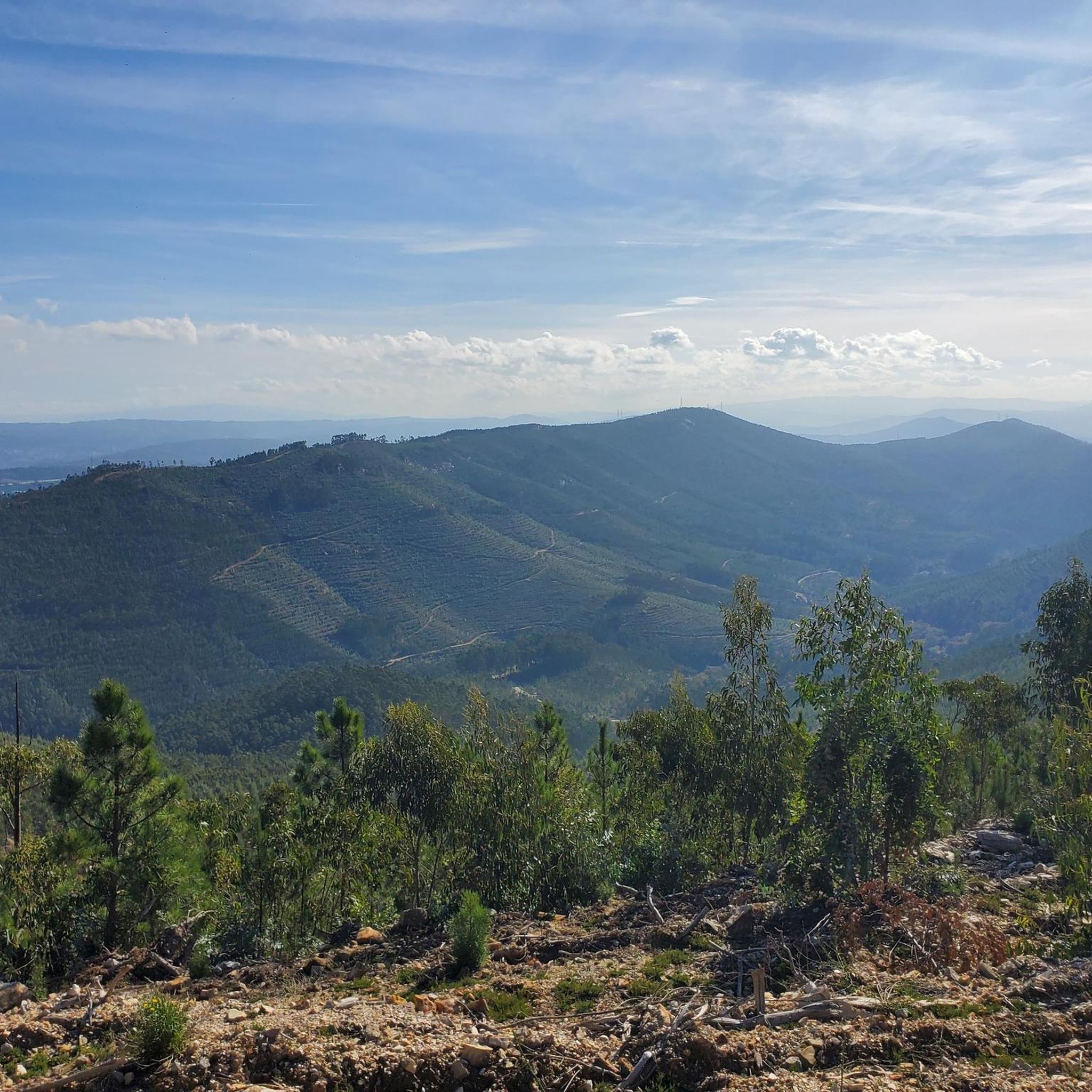
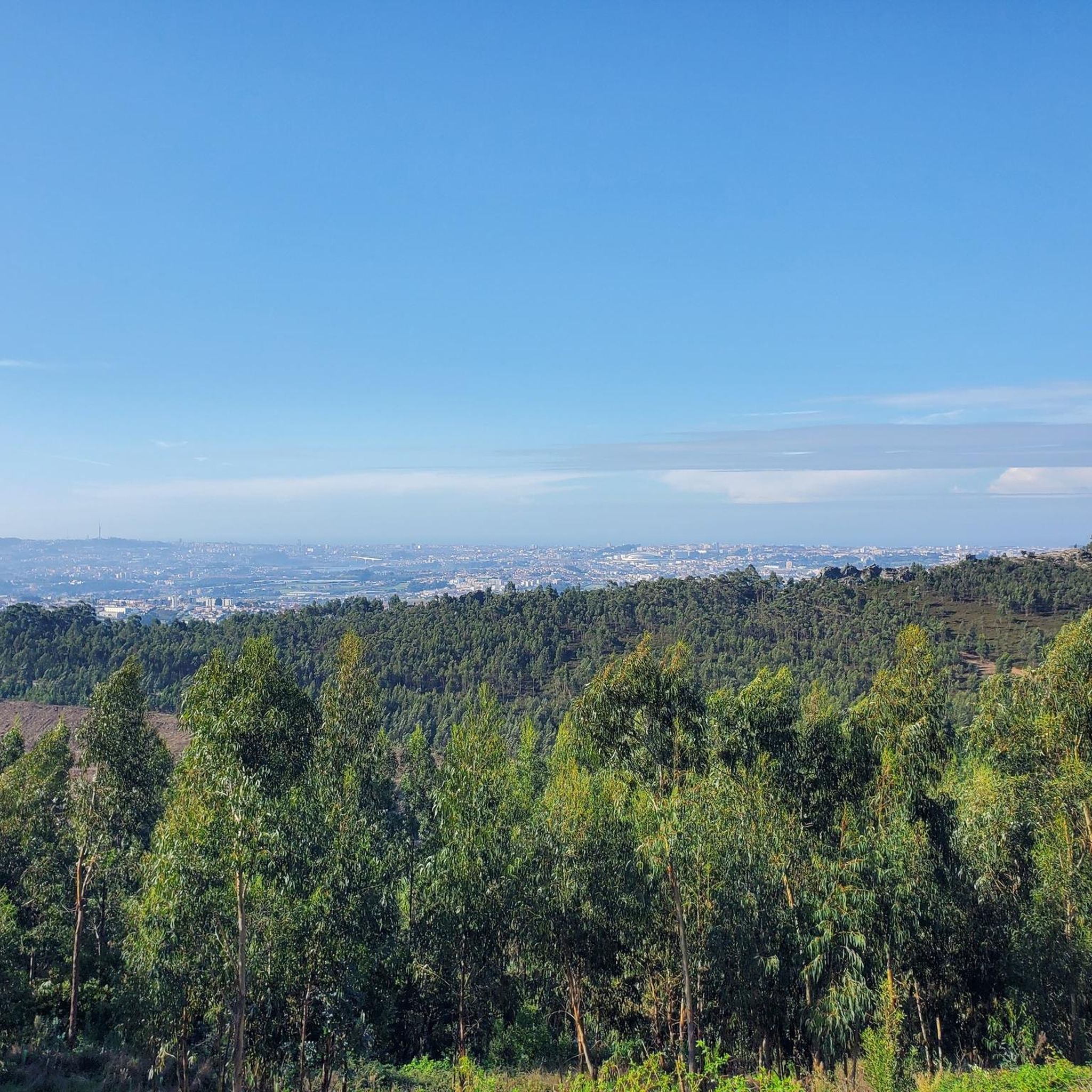
From up here you can admire a beautiful panorama and then dive into the fun dirt descent!
0
0

At the top of Mount Santa Justa, the highest point of the Serra de Santa Justa and the Valongo Massif, there is a beautiful view.
0
0
The Ferreira River is a tributary of the Tâmega River in northern Portugal. Its course runs through valleys and rural landscapes, also powering some small hydroelectric power plants. Here you can cycle in complete tranquility immersed in nature.
0
0

Some disused mills (partly accessible) dominate the landscape here and give the area a picturesque look!
3
0
At the top of Monte de Santa Justa, the culmination of the Serra de Santa Justa and the Massif de Valongo, there is a beautiful panorama.
0
0
small village lost in the middle of the mountains
0
0
Frequently Asked Questions
How many mountain bike trails are available in the Rio Tinto area?
The Rio Tinto area offers a diverse selection of over 20 mountain bike trails. These routes cater to various skill levels, including 1 easy, 17 moderate, and 2 difficult options, ensuring there's a suitable ride for almost every mountain biker.
What kind of landscapes can I expect to see while mountain biking in Rio Tinto?
Mountain biking in Rio Tinto offers a truly unique experience through landscapes often described as 'Mars on Earth'. You'll encounter distinctive red soil, rolling hills, and the intensely colored Rio Tinto river. The terrain has been dramatically transformed by historical mining activities, with some areas featuring pine and eucalyptus trees, and others showcasing the raw, otherworldly beauty of former mining sites.
Are there any circular mountain bike routes in Rio Tinto?
Yes, many of the mountain bike routes in Rio Tinto are circular, allowing you to start and end at the same point. For example, you could try the moderate Sanatorium Chapel – Ferreira River in the Couce Valley loop from Fânzeres, which covers 42.7 km, or the scenic View from Monte de Santa Justa – Great view loop from Carreira, a 39.7 km ride with expansive views.
What are some of the longer mountain bike trails in the region?
For those looking for longer rides, Rio Tinto has several options. The Crestuma-Lever Dam – Crestuma-Lever Dam loop from Fânzeres is a substantial 57.9 km route. Another excellent choice is the Ribeira district – Dining on the banks of the Douro loop from Fânzeres, which spans 52.8 km and offers views along the Douro River.
What do other mountain bikers say about the trails in Rio Tinto?
The mountain bike trails in Rio Tinto are highly regarded by the komoot community, holding an average rating of 4.2 stars from over 10 reviews. Riders frequently praise the unique, otherworldly landscapes shaped by historical mining and the diverse terrain that makes for an engaging ride.
Are there any easy mountain bike trails suitable for beginners in Rio Tinto?
Yes, there is at least one easy mountain bike trail in Rio Tinto, perfect for beginners or those looking for a more relaxed ride. While most routes are moderate, this option allows everyone to enjoy the region's distinctive scenery at a comfortable pace.
Can I find challenging mountain bike routes in Rio Tinto?
Absolutely. For experienced mountain bikers seeking a challenge, Rio Tinto offers 2 difficult routes. These trails will test your skills and endurance, often traversing more rugged terrain and providing a thrilling experience through the region's dramatic landscapes.
What historical or natural attractions can I see near the mountain bike trails in Rio Tinto?
The Rio Tinto area is rich in both historical and natural attractions. While mountain biking, you can explore sites like the Dom Luís I Bridge, the historic São Bento Station, or the beautiful Gardens of the Crystal Palace. The region's mining history has also created unique landscapes, such as the famous red river, which are attractions in themselves.
Are there any trails that follow historic railway lines in Rio Tinto?
Yes, the region's rich mining history means that some mountain biking trails in Rio Tinto follow historic railway lines. These routes offer a fascinating journey through areas dramatically reshaped by past mining activities, allowing you to witness the transformation of the landscape and pass through abandoned mining villages.
What is the best time of year to go mountain biking in Rio Tinto?
The Rio Tinto region is generally suitable for mountain biking for much of the year. However, to avoid the intense heat of summer, spring and autumn offer particularly pleasant conditions with milder temperatures. Winter can also be an option, but it's always advisable to check local weather conditions and trail status before heading out.
Are there any routes that offer views of the Douro River?
Yes, some routes in the broader Rio Tinto area provide scenic views of the Douro River. For instance, the Ribeira district – Dining on the banks of the Douro loop from Fânzeres is a moderate 52.8 km trail that takes you along the riverbanks, offering picturesque vistas.
Can I find trails that go through forested areas?
Yes, while the region is known for its red, 'Martian' landscapes, you can also find mountain bike trails that pass through forested areas. Some rolling hills are covered with pine and eucalyptus trees, providing a varied and shaded riding experience in contrast to the more open mining-affected terrains.
Most popular attractions around Rio Tinto

Get inspired with the komoot mobile app


Explore more
Browse the best MTB trails in other regions.
