The best cycling routes around Rio Tinto
4.5
(440)
4,660
riders
13
rides
Touring cycling around Rio Tinto features routes through varied landscapes, including river valleys and areas with significant elevation changes. The region is characterized by its unique reddish hue from the Río Tinto river and historical mining operations, creating distinctive terrain. Routes traverse alongside rivers and through more developed environments, offering diverse backdrops for cycling. The landscape includes Mediterranean mountains and scrubland, providing a mix of natural scenery and industrial heritage.
Best touring cycling routes around Rio Tinto
- The most popular…
Last updated: May 7, 2026
45
riders
46.9km
04:23
1,010m
1,010m
Hard bike ride. Very good fitness required. Mostly paved surfaces. Suitable for all skill levels.
5.0
(1)
28
riders
17.4km
01:05
100m
100m
Easy bike ride. Great for any fitness level. Mostly paved surfaces. Suitable for all skill levels.

Sign up for free
5.0
(1)
27
riders
43.7km
03:47
850m
850m
Hard bike ride. Very good fitness required. Mostly paved surfaces. Suitable for all skill levels.
3.0
(1)
10
riders
43.7km
04:00
1,170m
1,170m
Hard bike ride. Very good fitness required. Mostly paved surfaces. Suitable for all skill levels.
9
riders
23.5km
01:35
290m
290m
Moderate bike ride. Good fitness required. Mostly paved surfaces. Suitable for all skill levels.
Get access to more routes and recommendations from other explorers.
Sign up for free
Already have an account?
Our route recommendations are based on thousands of hikes, rides, and runs completed by other people on komoot.
Start today with a free account
Your next adventure awaits.
Login or Signup


Tips from the Community

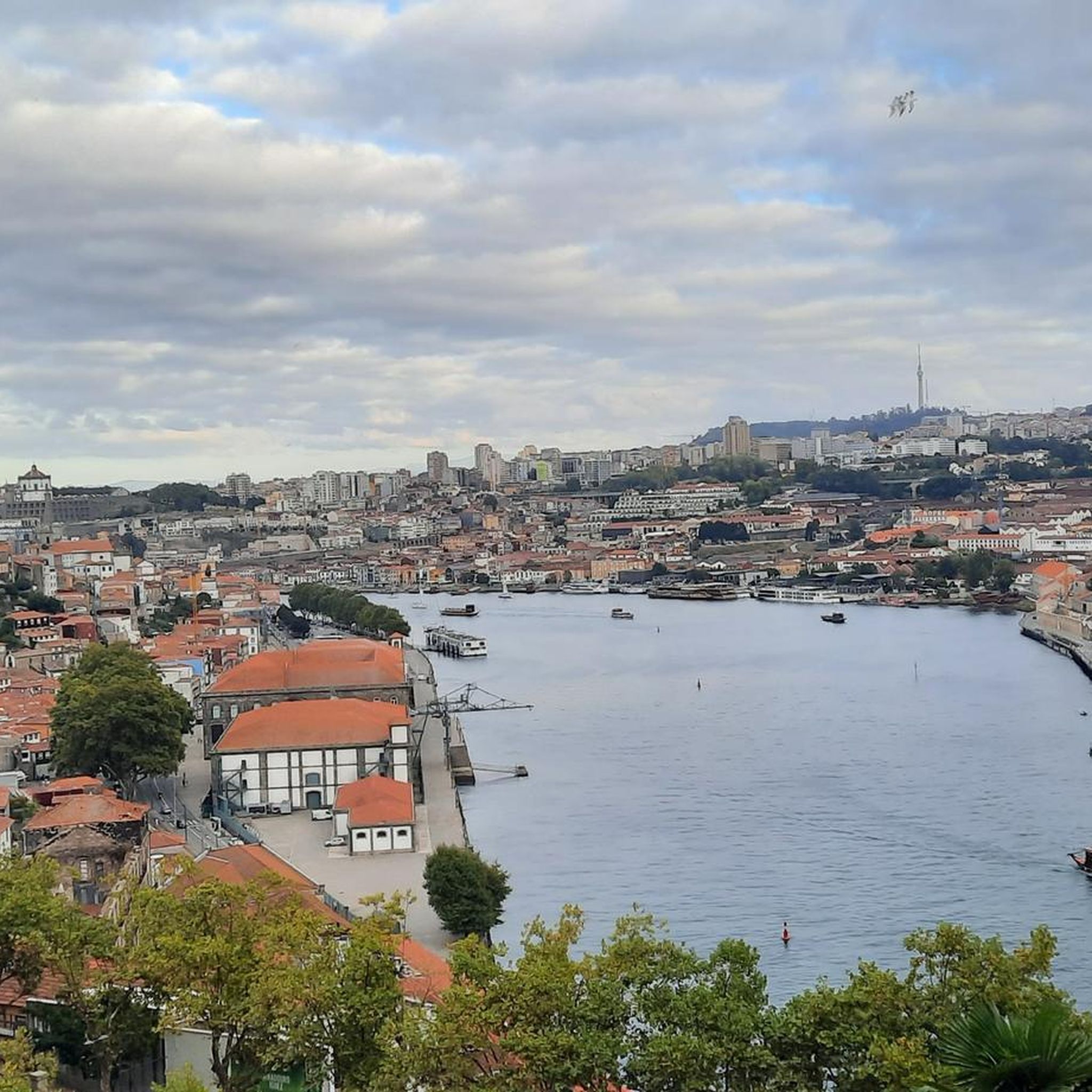
There are well-developed cycle paths on both sides of the Douro
0
0

The National Press, Newspaper and Printing Museum, inaugurated in 1997, is the only one of its kind on the entire Iberian Peninsula.
1
0

On both sides of the bridge there are popular terraces and you have a beautiful view over the city, the Douro and the iconic bridge.
18
1

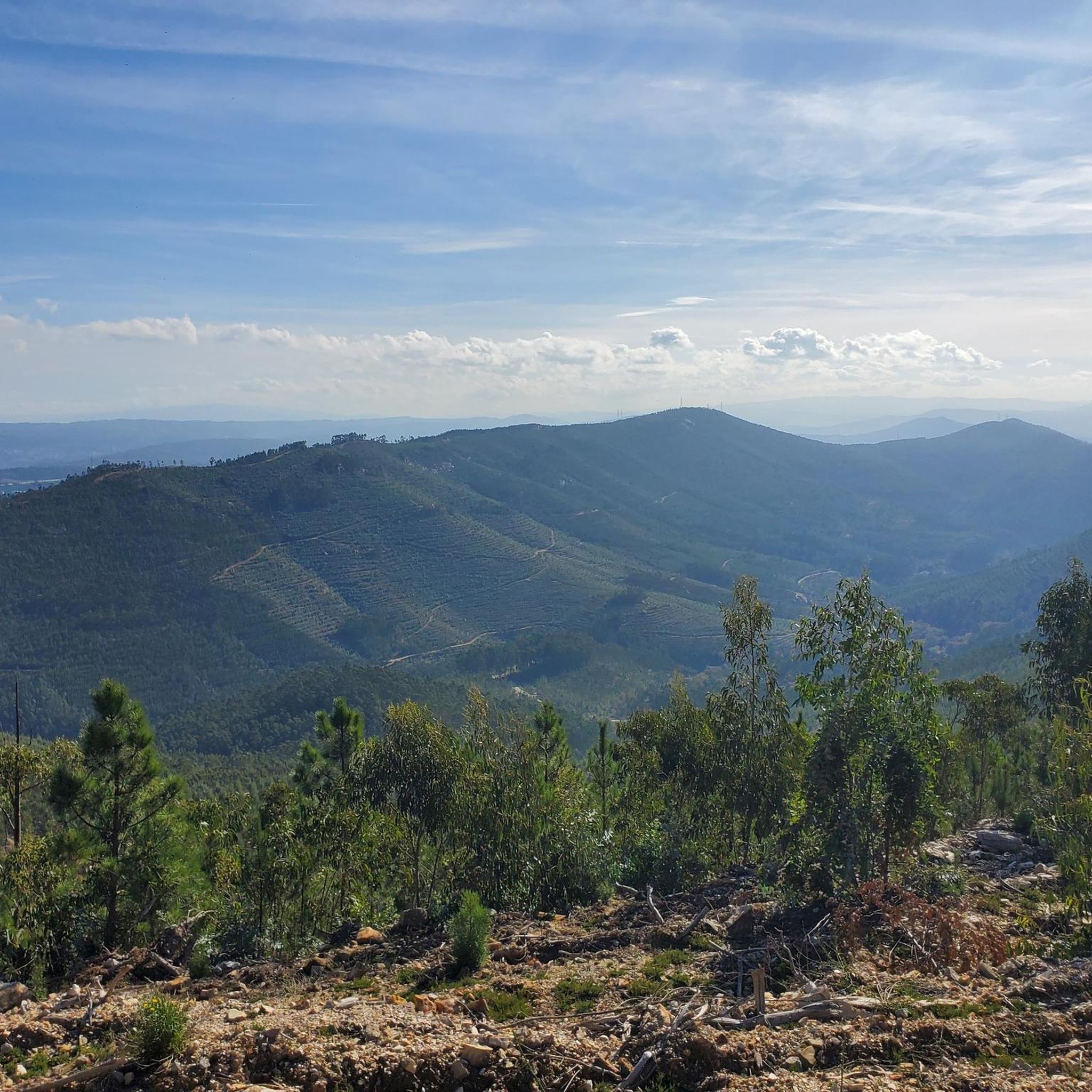
At the top of Mount Santa Justa, the highest point of the Serra de Santa Justa and the Valongo Massif, there is a beautiful view.
0
0

The Ferreira River is a tributary of the Tâmega River in northern Portugal. Its course runs through valleys and rural landscapes, also powering some small hydroelectric power plants. Here you can cycle in complete tranquility immersed in nature.
0
0

Here they build and renovate ships in the old style.
0
0

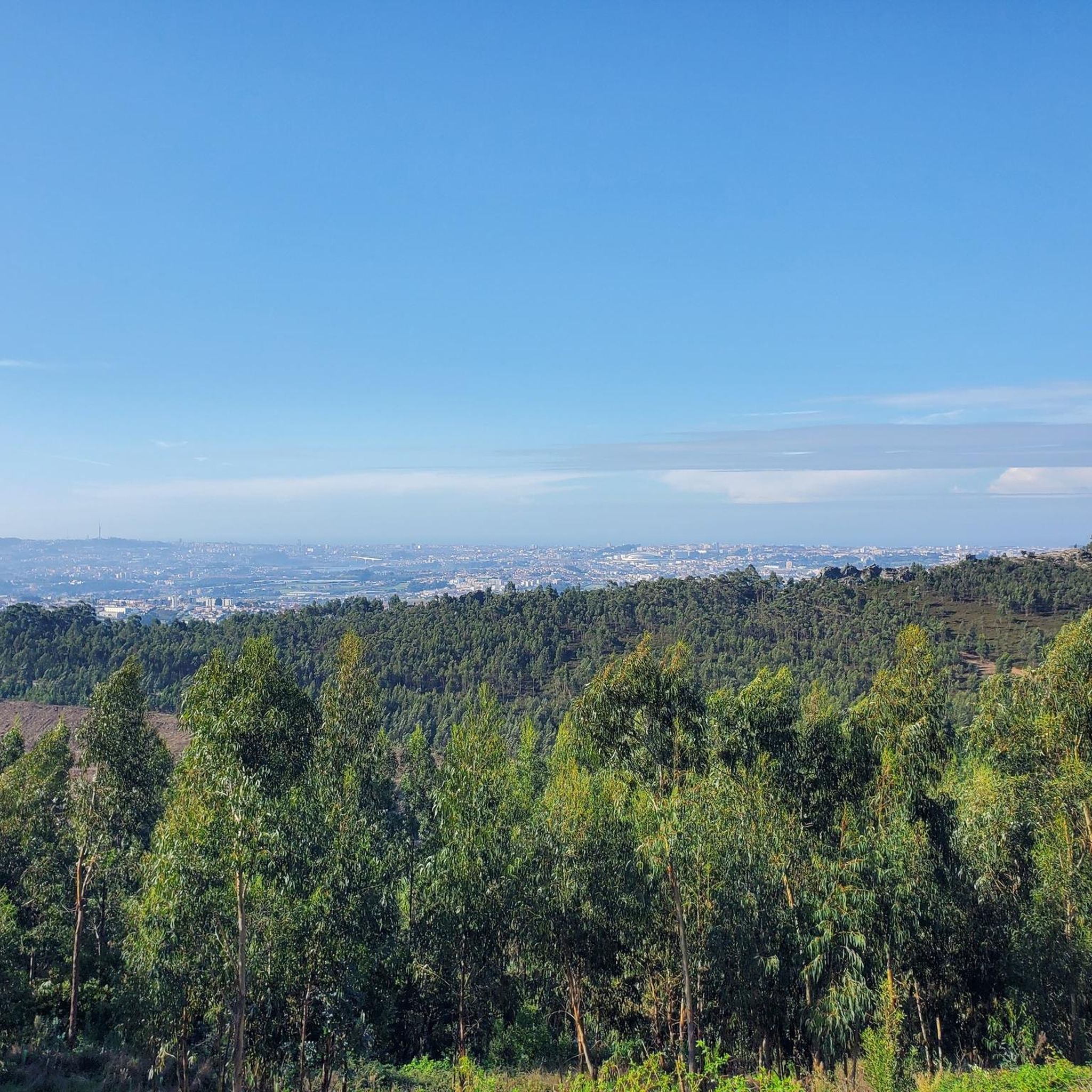
At this point, the landscape reveals two distinct worlds: on one side, the view extends over the Greater Porto and the coastline that stretches out on the horizon; on the other, the peaceful valley of the River Ferreira, where the village of Couce preserves its rural charm. A fascinating contrast that accompanies the trail.
2
0
That bridge is a real eye-catcher
19
0
Frequently Asked Questions
What kind of terrain and elevation can I expect on touring cycling routes in Rio Tinto?
Touring cycling routes in Rio Tinto feature varied landscapes, including river valleys and areas with significant elevation changes. You'll find a mix of natural scenery and developed areas. The region offers routes ranging from easy, with minimal elevation gain, to difficult, which can include substantial climbs. For example, the View of the Couce Valley – Ferreira River in the Couce Valley loop from Fânzeres route has over 800 meters of elevation gain, while the Oriental Park of Porto – Freixo Marina loop from Levada is an easy route with just over 100 meters of ascent.
Are there any family-friendly touring cycling routes in the Rio Tinto area?
Yes, the Rio Tinto area offers routes suitable for families. While some routes are more challenging, there are also easier options. The region's focus on converting old mining railway lines into dedicated cycling routes, such as the Vía Verde de Riotinto, often provides flatter, safer paths ideal for family outings. One easy route is the Oriental Park of Porto – Freixo Marina loop from Levada, which is 17.4 km long and has minimal elevation.
What are the best times of year to go touring cycling in Rio Tinto?
Given the Mediterranean climate of the Huelva province, the best times for touring cycling in Rio Tinto are typically spring (March to May) and autumn (September to November). During these seasons, temperatures are milder and more comfortable for cycling, avoiding the intense heat of summer and the cooler, potentially wetter days of winter. This allows for a more enjoyable experience exploring the unique landscapes.
What unique natural features or landmarks can I see along the cycling routes?
The Rio Tinto region is famous for its extraordinary 'Martian' landscapes, primarily due to the vivid reddish-orange hues of the Río Tinto river, caused by high concentrations of iron. Cycling routes often follow this river, offering unparalleled views of the unique environment. You can also explore the historical mining areas, including the immense Dom Luís I Bridge and other historical sites. The View from Monte de Santa Justa – Ferreira River in the Couce Valley loop from Fânzeres route provides expansive views from a prominent viewpoint.
Are there any circular touring cycling routes available in Rio Tinto?
Yes, many touring cycling routes in Rio Tinto are designed as loops, allowing you to start and end at the same point. Examples include the View of the Couce Valley – Ferreira River in the Couce Valley loop from Fânzeres, the View from Monte de Santa Justa – Ferreira River in the Couce Valley loop from Fânzeres, and the View of the Bridges of Porto – Arrábida Bridge loop from Venda Nova. These circular routes are convenient for day trips as they eliminate the need for return transport.
What do other touring cyclists enjoy most about cycling in Rio Tinto?
The touring cycling routes in Rio Tinto are highly rated by the komoot community, with an average score of 4.5 stars from over 220 reviews. Cyclists often praise the diverse landscapes, from river valleys to urban environments, and the unique experience of cycling through areas with significant mining history. The variety of routes, catering to different ability levels, is also frequently highlighted.
Are there options for parking or public transport access to the cycling routes?
While specific parking details for every route vary, the region's development of cycling infrastructure, particularly along the Vía Verde de Riotinto, often includes designated parking areas at trailheads. For public transport, the historic mining train route within the Riotinto Mining Park offers a unique way to experience the landscape, and some areas around Minas de Riotinto may have local bus services connecting to nearby towns. It's advisable to check local transport schedules for specific starting points.
Can I find places to eat or stay near the touring cycling routes?
Yes, the Rio Tinto region, particularly around Minas de Riotinto and other towns along the routes, offers options for cafes, pubs, and restaurants. The area also caters to visitors with various accommodation choices, from local guesthouses to hotels. Organized mountain biking holidays in the wider Huelva province suggest that amenities are available to support multi-day cycling trips.
How many touring cycling routes are available in the Rio Tinto region?
There are over 15 touring cycling routes available in the Rio Tinto region, catering to various skill levels. These include 2 easy routes, 2 moderate routes, and 11 difficult routes, ensuring options for both casual riders and experienced cyclists looking for a challenge.
What are some of the more challenging touring cycling routes in Rio Tinto?
For experienced touring cyclists seeking a challenge, Rio Tinto offers several difficult routes with significant elevation gains. An example is the Sanatorium Chapel – Ferreira River in the Couce Valley loop from Fânzeres, which covers over 43 km and includes more than 850 meters of ascent. These routes often traverse more rugged terrain and provide expansive views as a reward for the effort.
Are there any historical sites or cultural attractions accessible from the cycling routes?
Absolutely. The Rio Tinto region is steeped in mining history. Many cycling routes, especially those following the Vía Verde de Riotinto, pass through or near the Riotinto Mining Park. Here you can explore the Riotinto Mining Museum, see the vast Corta Atalaya open-pit mine, and even take a ride on a historic mining train. The routes also offer views of the Praça da Sé ⛪ Porto Cathedral and the São Bento Station, showcasing the region's rich heritage.
Most popular attractions around Rio Tinto

Get inspired with the komoot mobile app


Explore more
Browse the best Cycling routes in other regions.
