The best walks and hikes in Haleakalā Wilderness
4.7
(289)
3,766
hikers
35
hikes
Hiking in Haleakalā Wilderness offers a landscape of contrasts, from the volcanic crater of the Summit District to the lush rainforests of the Kīpahulu District. The region is part of Haleakalā National Park on Maui and is defined by its high-altitude environment, cinder cones, and dense bamboo forests. The network of Haleakalā National Park hiking trails ranges from short walks to challenging routes across the crater floor.
Best hiking trails in Haleakalā Wilderness
- The most popular hiking route is Pā…
Last updated: July 21, 2026
4.9
(36)
354
hikers
Moderate hike. Good fitness required. Easily-accessible paths. Suitable for all skill levels.
4.9
(37)
344
hikers
6.86km
02:22
380m
380m
If you're looking for Haleakala Crater hiking trails that transport you to another world, the Sliding Sands Trail is a must-do. This 4.3-mile (6.9 km) out-and-back route plunges you into…

Sign up for free
5.0
(18)
128
hikers
22.8km
07:13
910m
910m
The Sliding Sands and Halemau'u Trail Loop offers an unparalleled journey through Haleakalā National Park's volcanic heart, starting with a descent into the crater that feels like stepping onto another…
4.8
(12)
111
hikers
3.59km
01:11
170m
170m
The Halemauʻu Trail offers a fantastic, easy way to immerse yourself in the unique volcanic landscape of Haleakalā National Park. This 2.2-mile (3.6 km) hiking route takes you along the…
5.0
(3)
68
hikers
12.2km
03:53
510m
510m
The Halemauʻu Trail offers an extraordinary journey into the heart of Haleakalā's volcanic crater, starting with a dramatic descent via historic stone switchbacks that carve into the cliffside. As you…
Get access to more routes and recommendations from other explorers.
Sign up for free
Already have an account?
Our route recommendations are based on thousands of hikes, rides, and runs completed by other people on komoot.
Start today with a free account
Your next adventure awaits.
Login or Signup





Tips from the Community

reliable tips and info are available at the parking lot
0
0
there is not only a lot to see here, but also a lot to hear. An incredible animal soundscape.
0
0

Actually a hiking trail, but it shouldn't stop you...start as early as possible!
1
0

This is a great lookout point, and a good turnaround point if you're only out for a day hike and don't want to hike down the switchbacks to the bottom of the crater. But if you're up for hiking just a little more there's another great viewpoint, Rainbow Bridge, where you can soak up more views and not have to climb very far back up the wall of the crater.
1
0

This is a wonderful drive on an excellent road up to 3060 m altitude. We drove partly through clouds and short before the summit it cleared up and we got awarded with an outstanding view around the island.
0
0

This trail leads into the crater of Haleakalā Volcano, also known as Keonehe'ehe'e. This most stunning route section offers panoramic views that defy the imagination. As you continue your run down the trail, be aware of the loose gravel, as it can cause loose rocks and sand to find their way into your shoes. The descent can also be deceiving, so watch your energy for the challenge back to the trailhead.
0
0
Split Rock is a large rock cut in half, and the Keonehe'ehe'e trail passes between the two parts. Here, the endangered Haleakala silverswords grow, and it's crucial to avoid touching them. These delicate 'ahinahina live for 3-90 years, producing a stunning flowering stalk before scattering their seeds. Park staff protect them by fencing out silversword-munching ungulates, removing non-native plants, and educating visitors to stay on trails and avoid stepping on fragile seedlings.
0
0
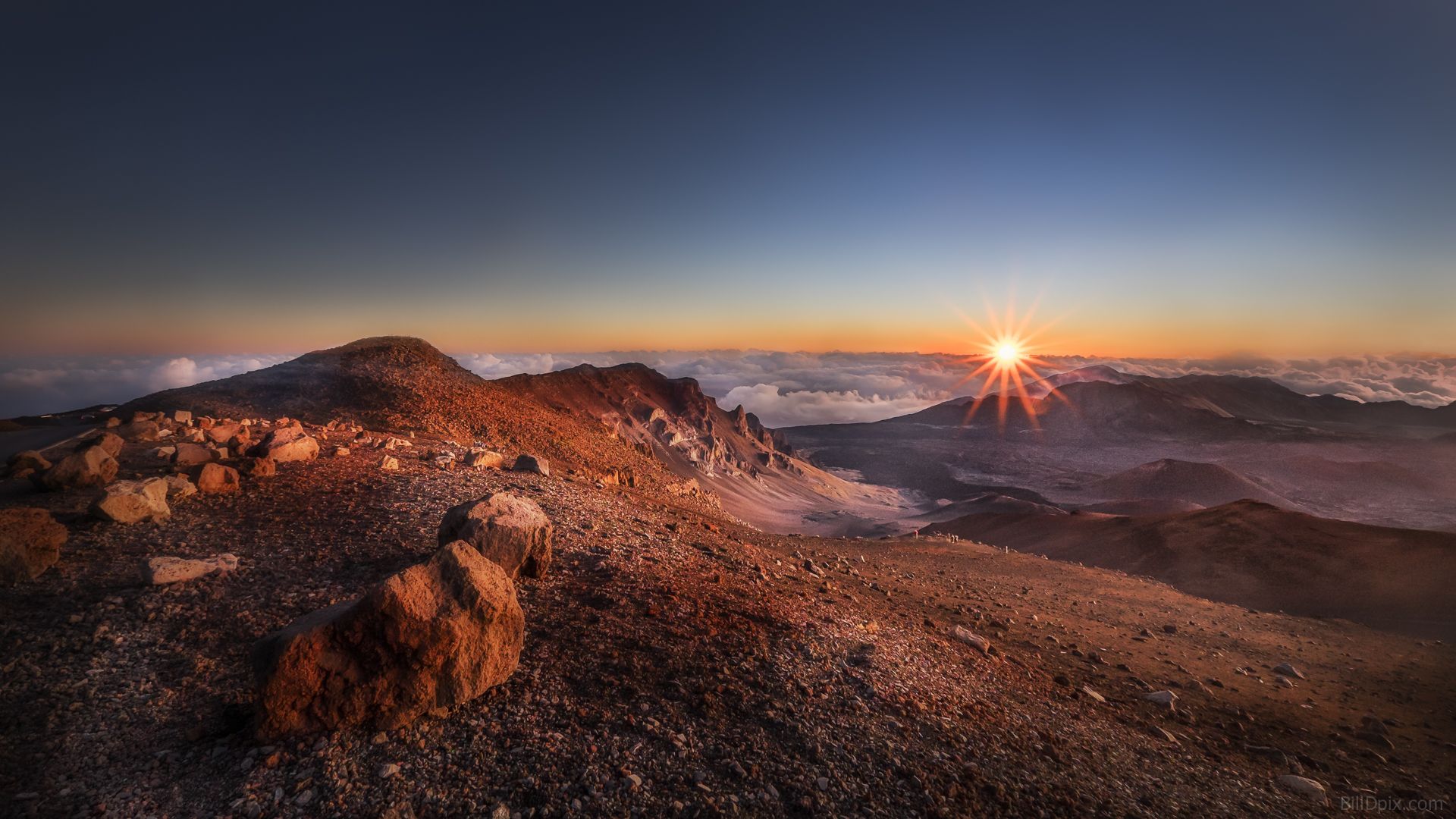
The Visitor Center is open daily, with outside accessible restrooms available 24 hours daily. Inside, there are panoramic orientation tables of the landscape and knowledgeable staff that can provide information on the history of Haleakalā, which means house of the sun, and its importance to the indigenous peoples. The view from here is stunning, and if you plan early, this is an excellent spot to watch the sunrise, which has been a visitor attraction since the late 1800s.
0
0
Frequently Asked Questions
Are there any easy hikes in Haleakalā Wilderness for beginners or families?
Yes, there are several easier options. For a short, accessible walk that showcases some of the area's unique flora, consider the Rainbow Bridge — Halemau‘u Trail. This trail is relatively short and offers a great introduction to the park's scenery without a major commitment.
What should I wear for hiking in Haleakalā?
The weather in Haleakalā can change rapidly due to the high elevation. It's essential to dress in layers. Start with a moisture-wicking base layer, add an insulating layer like a fleece, and bring a waterproof and windproof outer shell. Sturdy hiking shoes are a must. Even on sunny days, the summit can be cold and windy, so also pack a hat, gloves, and sunscreen.
Do I need a permit for backpacking or staying in a cabin?
Yes, for any overnight stays in the wilderness, whether you are camping or staying in one of the three historic cabins, you must have a permit and reservation. These are in high demand and must be booked in advance. For the most current information and to make reservations, please visit the official National Park Service website.
What is the landscape like inside the Haleakalā crater?
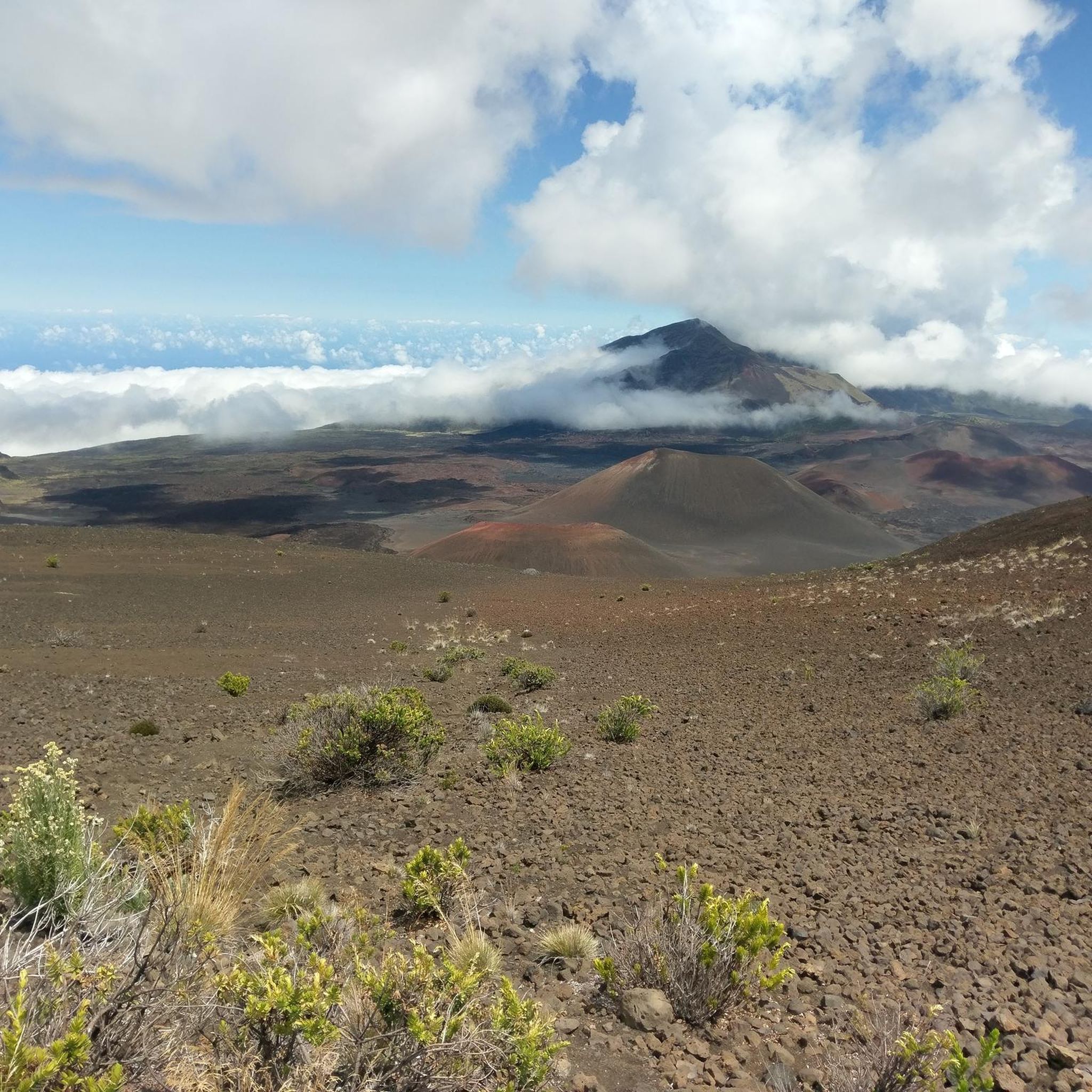
Hiking into the crater is often described as walking on another planet. The landscape is a stunning volcanic desert filled with massive cinder cones, vast fields of lava rock, and a palette of red, orange, and brown hues. Trails like the Keonehe‘ehe‘e (Sliding Sands) Trail to Split Rock offer a fantastic way to experience this otherworldly environment up close.
Are there any multi-day backpacking trips available?
Absolutely. Haleakalā is a premier backpacking destination. A classic multi-day trip involves hiking across the crater floor, staying at designated wilderness campsites or cabins. A challenging but rewarding option is the Keonehe‘ehe‘e (Sliding Sands) Trail Loop to Bottomless Pit, which gives you a comprehensive tour of the crater's interior. Remember to secure your permits well in advance.
What kind of wildlife might I see while hiking?
Haleakalā is a sanctuary for unique species. Keep an eye out for the Nēnē (Hawaiian Goose), the state bird, which is often seen in the park. The most famous resident is the rare ʻĀhinahina (Haleakalā Silversword), a striking plant found only at these high elevations. In the forested areas, you might also spot native honeycreepers like the vibrant red ʻIʻiwi.
How many hiking trails are in Haleakalā Wilderness?
There are over 30 trails to explore within the park, covering more than 30 miles of terrain. These range from short, easy walks near the summit to strenuous, full-day treks and multi-day backpacking routes that descend into the crater.
What do other hikers enjoy most about Haleakalā Wilderness?
The area is highly rated by the komoot community. Reviewers consistently praise the dramatic and unique landscapes, describing the crater as a surreal, 'lunar-like' environment. The stark contrast between the barren Summit District and the lush Kīpahulu District is also a major highlight for many visitors.
Is it possible to hike to one of the wilderness cabins for the day?
Yes, you can do an out-and-back day hike to a cabin to experience the trail without staying overnight. The Halemau‘u (Switchback) Trail to Hōlua Cabin is a popular choice for this. It's a challenging hike with significant elevation change, but it rewards you with incredible views as you descend the switchbacks into the crater.
What are the sunrise and sunset viewing like?
The summit of Haleakalā is world-famous for its spectacular sunrises above the clouds, though reservations are required. Sunsets are equally breathtaking and are often less crowded. Both offer incredible photo opportunities and a memorable experience of the park's high-altitude environment.
Are there any hikes with waterfalls?
Yes, but they are located in the Kīpahulu District of the park, which is a separate area from the summit and crater. The Pīpīwai Trail is a famous hike in this coastal district that leads you through a bamboo forest to the stunning 400-foot Waimoku Falls. This offers a completely different experience from the volcanic landscapes of the summit.
Most popular routes in Haleakalā Wilderness
Most popular attractions in Haleakalā Wilderness

Get inspired with the komoot mobile app


Explore more
Browse the best Hikes in other regions.
