The best cycling routes in Haleakalā Wilderness
5.0
(2)
22
riders
5
rides
Touring cycling in Haleakalā Wilderness features routes across a massive shield volcano, rising over 10,000 feet above sea level. The terrain includes a vast, eroded crater dotted with volcanic cinder cones, creating varied landscapes. Cyclists encounter significant elevation changes, transitioning from arid volcanic zones to lush rainforests, offering diverse microclimates. Winding roads provide expansive views across Maui's interior and coastal scenery.
Best touring cycling routes in Haleakalā Wilderness
- The most popular touring cycling route is Haleakalā via the Park Headquarters…
Last updated: July 27, 2026
10
riders
32.7km
02:31
900m
900m
Hard bike ride. Very good fitness required. Mostly paved surfaces. Suitable for all skill levels.
1
riders
33.4km
02:47
620m
620m
Hard bike ride. Very good fitness required. Mostly paved surfaces. Suitable for all skill levels.

Sign up for free
11.8km
00:54
290m
290m
Moderate bike ride. Good fitness required. Mostly paved surfaces. Suitable for all skill levels.
20.2km
01:28
280m
280m
Moderate bike ride. Good fitness required. Mostly paved surfaces. Suitable for all skill levels.
29.7km
03:01
1,050m
1,050m
Hard bike ride. Very good fitness required. Mostly paved surfaces. Suitable for all skill levels.
Our route recommendations are based on thousands of hikes, rides, and runs completed by other people on komoot.
Start today with a free account
Your next adventure awaits.
Login or Signup
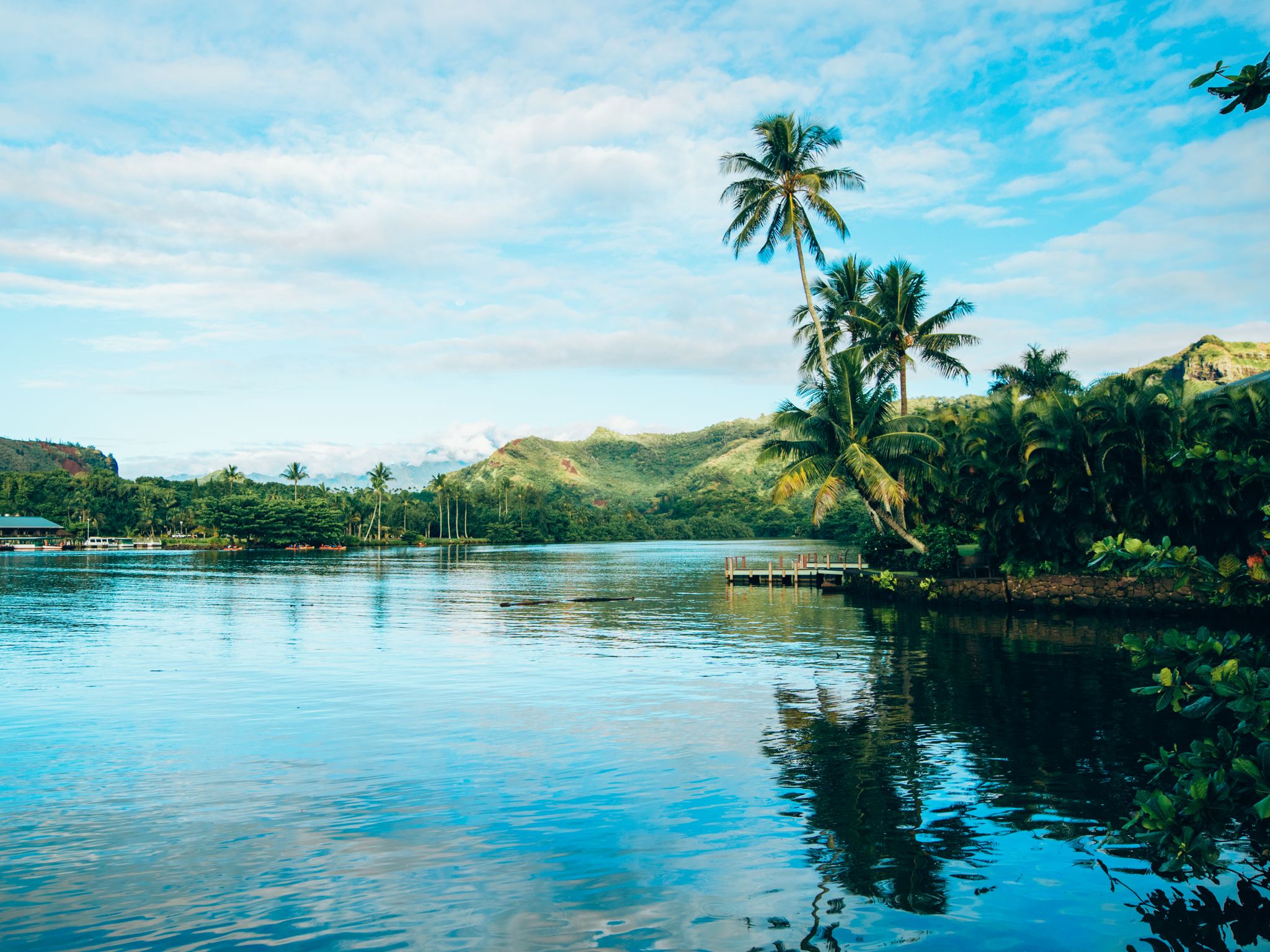
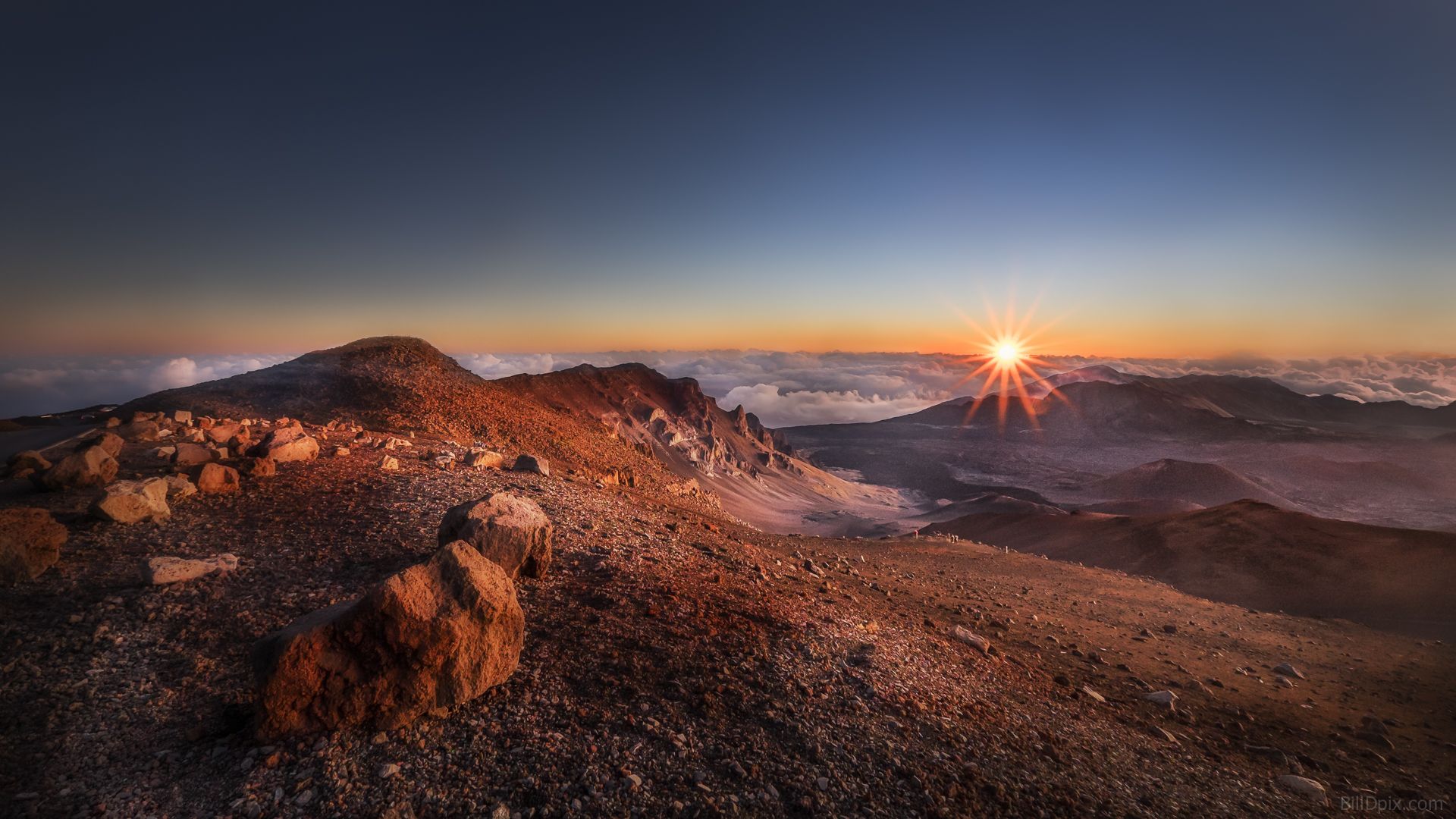
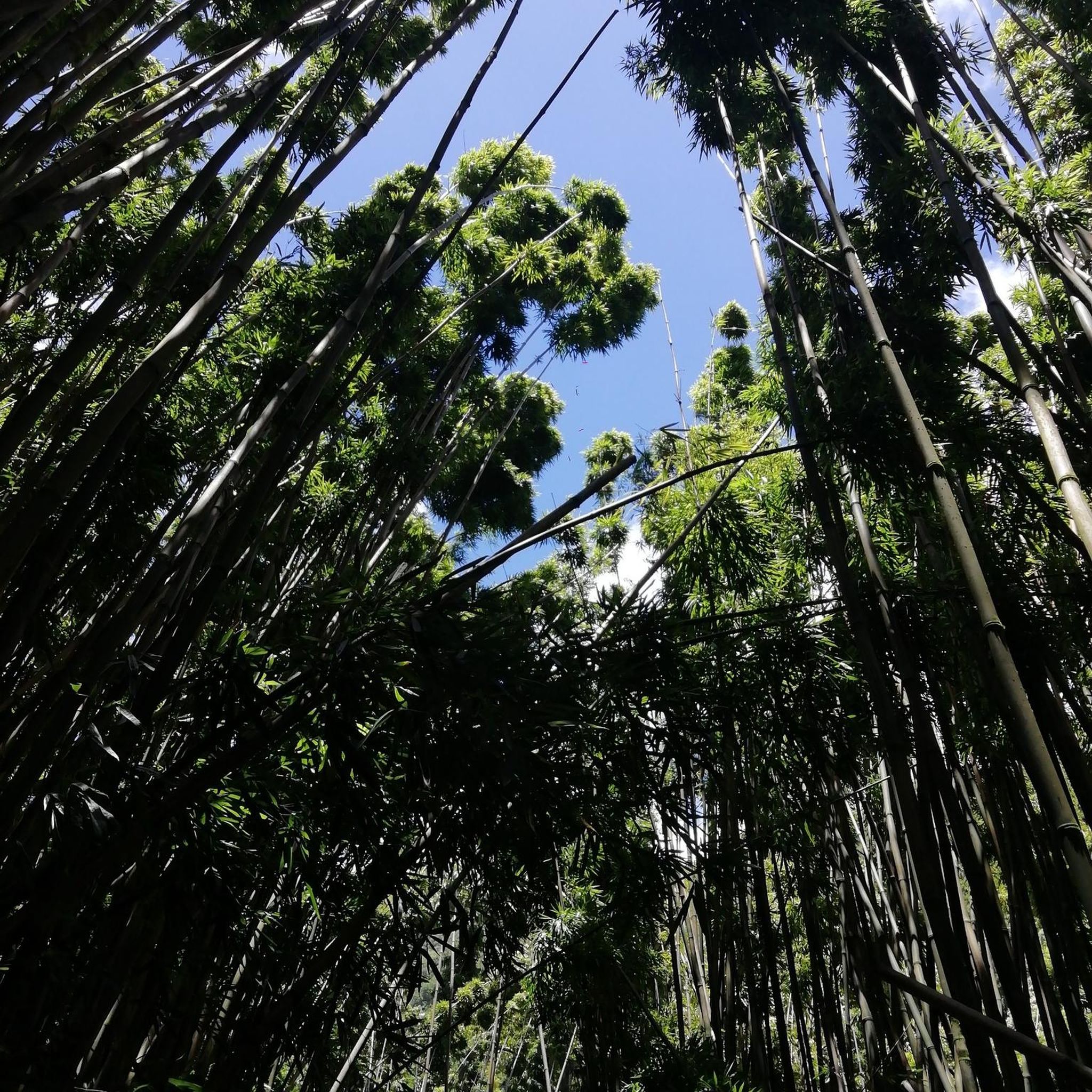




Tips from the Community


Wonderful place in the middle of the nature reserve. Camping possible with permission. Toilet available.
0
0
Huge botanical garden with a variety of tropical plants. You can spend one or two hours there on a tour and marvel at lots of indigenous, but also imported trees, shrubs and flowers. Very spacious and generously laid out park where you can enjoy the quiet atmosphere and the variety of plants without a guide. The Pi'ilanihale Heiau temple 🏛 is also part of the garden, but can only be viewed from the outside. Entry $18, as of October 2024
0
0

Haleakalā's summit currently resides at 10,023 feet. It is believed that it once sat at 15k feet, but it is so heavy that the volcano is sinking into the earth's crust. Today, the volcano is 28,000 feet above the sea floor making it the THIRD tallest mountain on earth!
0
0
Nahiku Road has become popular to visitors in recent years and many have said it has become a victim to too much publicity. This is a narrow road that winds through lush jungle. There is a scenic bay at the end of the road that provides amazing coastal views as waves pound the pebble beach. You'll pass Nahiku Village which has been absorbed by the jungle surrounding.
0
0
Kahanu Garden grows in one of the largest native Hala forests on the Islands.The plants are mainly those of the pacific islands that the Hawaiian people value. The garden offers a few different types of guided tours that you can book online.
0
0
Located on one of the least visited parts of the island, Piilani Highway is a picturesque, wild landscape with beautiful roads. Occasionally the road does narrow to a single lane or the surface turns to minor gravel, but that is what makes it unique!
0
0
Polipoli Spring State Recreation Area has cabins and camping located at 6,200ft elecation. Here you can find Sweeping views of Central and West Maui, Kahoʻolawe, Molokaʻi and Lanaʻi in clear weather.
0
0
Frequently Asked Questions
How many touring cycling routes are available in Haleakalā Wilderness?
There are 5 touring cycling routes available in Haleakalā Wilderness. These routes range from moderate to difficult, offering diverse experiences across the region's unique volcanic landscapes.
What are the typical terrain and elevation changes like for touring cycling in Haleakalā Wilderness?
Touring cycling in Haleakalā Wilderness is characterized by significant elevation changes, often involving continuous ascents of over 10,000 feet from near sea level. You'll encounter varied terrain, from arid volcanic zones with cinder cones to lush rainforests, with average gradients of 5-6% on winding roads and switchbacks. Routes like Haleakalā via the Park Headquarters Visitor Center involve substantial climbs, while others like Pi'ilani Highway traverse coastal areas with varied topography.
What natural features or landmarks can I see along the touring cycling routes?
The routes offer incredible views of the colossal Haleakalā volcano and its vast, eroded crater, dotted with volcanic cinder cones. You can experience an 'above the clouds' perspective as you ascend. Notable highlights include the Haleakalā Visitor Center, which provides facilities and information, and the unique Split Rock on the Keoneheʻeheʻe Trail. You might also encounter the Rainbow Bridge along the Halemau‘u Trail.
What is the best time of year to go touring cycling in Haleakalā Wilderness?
Haleakalā Wilderness offers cycling opportunities year-round, but the best time often depends on your preference for weather conditions. The region experiences diverse microclimates, so be prepared for varying temperatures, especially during descents. Clear skies are common, making it ideal for panoramic views and stargazing opportunities, which can be combined with daytime rides.
Do I need any special permits to go touring cycling in Haleakalā Wilderness?
Yes, if your touring cycling route takes you into Haleakalā National Park, you will need to pay an entrance fee. Additionally, if you plan to enter the park before sunrise (3:00 AM to 7:00 AM) to experience the famous Haleakalā sunrise, a separate reservation is required. For detailed information on fees and reservations, please visit the official NPS website: nps.gov/hale.
Are there any circular touring cycling routes in Haleakalā Wilderness?
Yes, there is at least one circular touring cycling route available. The Nahiku Road Loop is a moderate 7.3-mile (11.8 km) trail that leads through lush rainforest and coastal landscapes, offering a scenic loop experience.
Are there family-friendly touring cycling routes in Haleakalā Wilderness?
While many routes in Haleakalā Wilderness are challenging due to significant elevation changes, some sections or shorter routes might be suitable for families with experienced riders. The Nahiku Road Loop, at 7.3 miles and moderate difficulty, could be an option for families looking for a shorter, scenic ride through rainforests and coastal areas.
What should I pack for a touring cycling trip in Haleakalā Wilderness?
Given the significant elevation changes and diverse microclimates, it's crucial to pack for all weather conditions. This includes layers of clothing to adapt to temperature fluctuations, especially for descents where hypothermia can be a risk. Sun protection, plenty of water, and snacks are also essential. Consider bringing a bike repair kit and navigation tools.
Can I spot any unique wildlife while touring cycling in Haleakalā Wilderness?
Yes, Haleakalā National Park is a vital habitat for many endemic and endangered species. Cyclists might have the opportunity to spot the Nēnē (Hawaiian goose), which is the state bird of Hawaii, during their journey. Always observe wildlife from a respectful distance and do not disturb their natural habitat.
Are there places to get food or water along the routes?
While the area is quite remote, there are some provisions available. The Headquarters Visitor Center (at 7,000 feet) and the Haleakalā Visitor Center (at 9,740 feet) provide restrooms and water 24/7. Additionally, spots like Kula Market along some routes offer opportunities to resupply with food and drinks.
What do other touring cyclists say about the routes in Haleakalā Wilderness?
The touring cycling routes in Haleakalā Wilderness are highly rated by the komoot community, with an average score of 5.0 stars from 2 reviews. Cyclists often praise the challenging yet rewarding ascents, the thrilling descents, and the unparalleled panoramic views across Maui's diverse landscapes, from volcanic interiors to stunning coastal scenery.
Where can I park my car when starting a touring cycling route?
Parking is available at various points, particularly near visitor centers and trailheads. For routes ascending Haleakalā, parking is typically found at the Headquarters Visitor Center or other designated areas within or near the National Park. Many bike tour companies also offer shuttle services, often starting outside the national park boundaries.
Are there options for public transport to access the cycling routes?
Public transport options directly to the higher elevations of Haleakalā National Park are limited. Most cyclists either drive to the starting points or utilize private shuttle services offered by various bike tour operators. These services often transport riders and their bikes to higher elevations for a descent-focused experience.
Most popular routes in Haleakalā Wilderness
Most popular attractions in Haleakalā Wilderness

Get inspired with the komoot mobile app


Explore more
Browse the best Cycling routes in other regions.
