Attractions and Places To See in South Korea - Top 20
Best attractions and places to see in South Korea include a diverse range of historical sites, natural landscapes, and cultural experiences. The country features prominent mountain ranges like Seoraksan and Hallasan, alongside significant waterways such as the Hangang River. From ancient palaces in Seoul to volcanic islands and national parks, South Korea offers varied environments for exploration. These locations provide insights into Korean history, natural beauty, and urban development.
Best attractions and places to see in South Korea
- The most…
Last updated: July 20, 2026
Baegundae Peak, Bukhansan National Park
Highlight • Summit
A hike to Mount …
Translated by Google •
Tip by

Seoraksan National Park
Highlight • Natural Monument
For those …
Translated by Google •
Tip by
Sign up now to discover places like this
Get recommendations on the best single tracks, peaks, & plenty of other exciting outdoor places.
Sign up for free
N Seoul Tower
Highlight • Monument
The tower restaurant serves good food.
Translated by Google •
Tip by
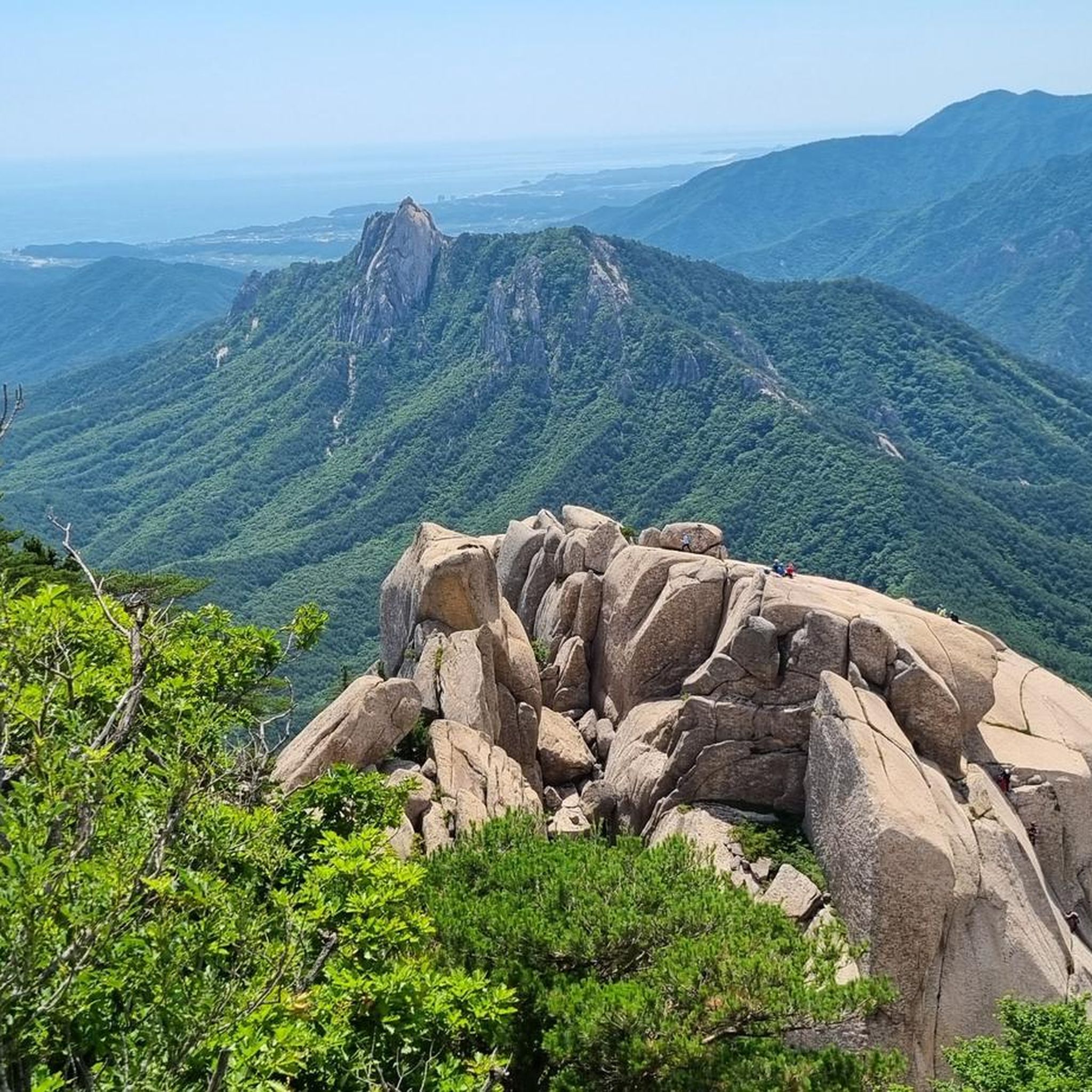
Ulsanbawi Peak, Seoraksan National Park
Highlight • Summit
Translated by Google •
Tip by

Baengnokdam Crater, Hallasan Summit
Highlight • Summit
Tip by

Gwanghwamun Gate, Gyeongbokgung Palace
Highlight • Historical Site
Translated by Google •
Tip by

Geumjeongsanseong North Gate
Highlight • Historical Site
Tip by

Dongdaemun (Heunginjimun Gate)
Highlight • Historical Site
Heung-in-ji-mun: "Gate of ascending goodness"
The South Korean capital Seoul originally had a status wall with four large and four small city gates. Dongdaemun Gate …
Translated by Google •
Tip by
Sungnyemun (Namdaemun Gate)
Highlight • Historical Site
Tip by

Cheonggyecheon Stream and Cheonggye Plaza
Highlight • River
Translated by Google •
Tip by
Sign up for free to discover even more attractions in South Korea.
Sign up for free
Already have an account?
Start today with a free account
Your next adventure awaits.
Login or Signup

Tips from the Community

After the elevator, take the stairs down one floor, as there is less going on there on busy days, at the bistro as well as at the tables by the window.
2
0

The North Gate of Geumjeongsanseong Fortress is located 1.6 km west of Beomeosa Temple, at the spot where the main ridge, descending southward from Godangbong Peak, rises again toward Wonhyobong Peak. The North Gate exhibits the crudest appearance of the four gates of Geumjeongsanseong Fortress, has no arch-shaped decoration and is smaller than the other gates. The upper part of the foundational facility, measuring one kan (a unit of measurement referring to the distance between two columns) at the front and one kan at the sides, is a one-story watch tower with a half-hipped roof with a double-wing bracketing system. The gate measures 2.5 meters at the front, and 3.5 meters at the sides. The area around Sesimjeong Pavilion, situated in front of the gate, used to be known as 'Hwaeombeol' because the venerable Korean Buddhist priest Wonhyo (617-686) preached the Hwaeomgyeong, or Avatamsaka Sutra, there. It was also a training camp for monk-soldiers, including Buddhist monks from Beomeosa Temple, Gukcheongsa Temple, and Haewolsa Temple. The North Gate is known to be the passageway used by independence activists when they carried the Korean Declaration of Independence and the documents related to the independence movement and the March 1st Movement in 1919 at Beomeosa Temple, got off at Mulgeum Station on the Gyeongbu Line, by crossing Godangbong Peak of Geumjeongsan Mountain, and went to the Cheongnyeonam Hermitage.
1
0

Beautiful views up there. Easy to reach, just take bus 7 or 7-1 from Sokcho and disembark on the very last stop. The route does not require any special equipment as it's mostly gravel and stairs (with handrail). Leave your poles at home, even sturdy mountain shoes are not particularly necessary. The last part is quite steep, so bring decent fitness. I did this trail in summer which can be very warm. We came early (the first bus from Sokcho runs at ~6.30) and the ascent was in the shadow mostly. Would not recommend to come later in the day as the sun will roast you. As everywhere in Korea, there's an abundance of toilets, the last one before the ascent is clearly marked as such.
0
0

Very beautiful gate in the middle of the city, worth a visit for a photo
0
0

You can only see it when the weather is good. If it's windy and rainy, you can't see anything because of the clouds and fog.
0
0

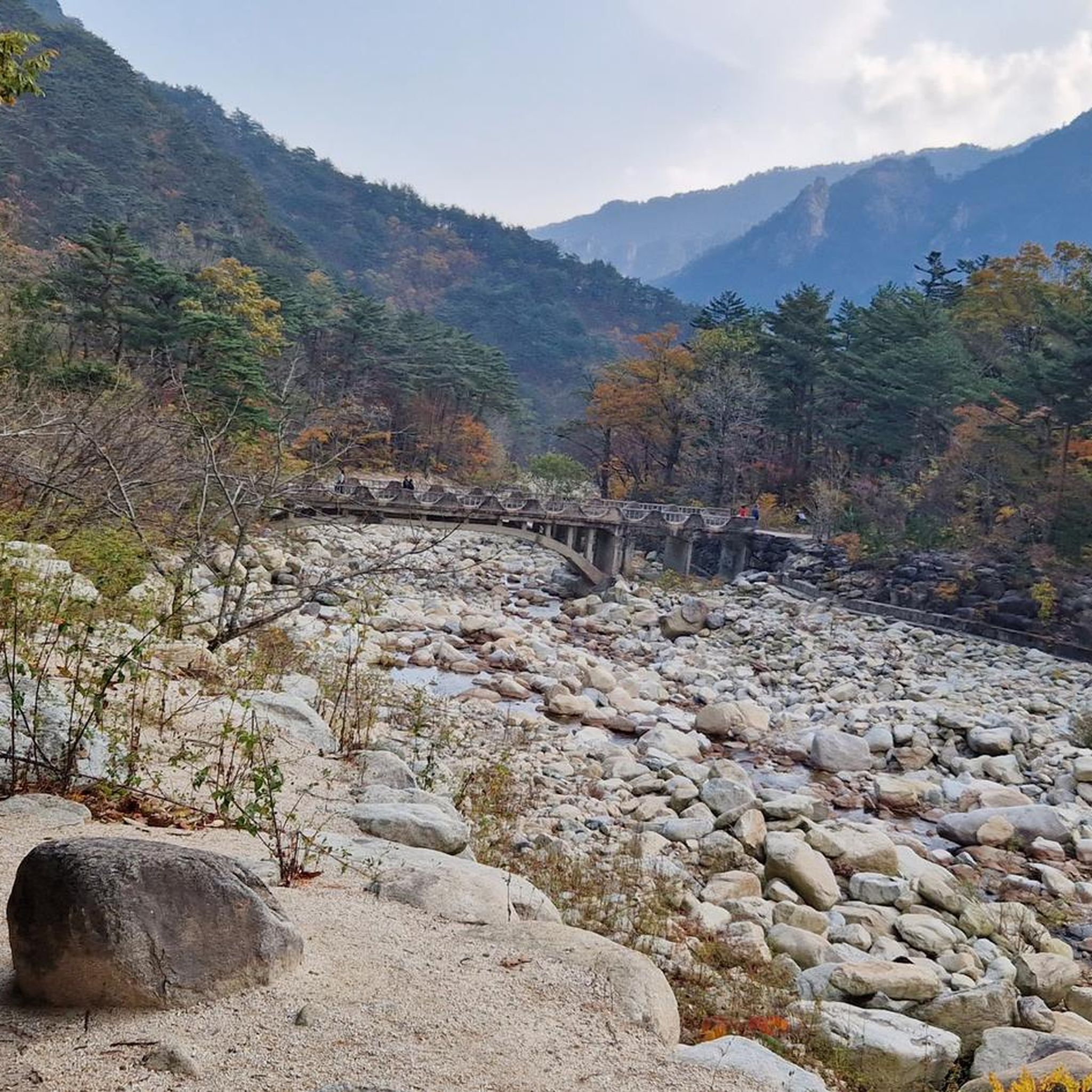
What you should know about Seoraksan National Park is that the hike to Geumgangul Cave is really beautiful and challenging, as it goes very steeply uphill on rocks and stone steps. Shortly before the end, however, you can only reach the cave via a staircase mounted on the outside of the rock. Unfortunately, I had to pass on that. You do have to be able to handle a bit of height here. The same applies to the hike to Ulsanbawi Rock. On weekends and in autumn, it is more than full. Today, Sunday 10/20/24, we hiked to Ulsanbawi Rock in single file, which somewhat spoils the fun. But Seoraksan National Park is great and if you hike the main routes, you have to be prepared for there to be a lot of other hikers with you at peak times. But this is a good opportunity to immerse yourself in Korean hiking culture.
0
1

A reservation is required for the hiking tour.
0
0
Registration/reservation is mandatory.
0
0
Frequently Asked Questions
What are some prominent natural landmarks to visit in South Korea?
South Korea boasts diverse natural beauty. You can challenge yourself with a hike to Ulsanbawi Peak in Seoraksan National Park, known for its six distinctive rock peaks and rewarding views. Another popular choice is Baegundae Peak in Bukhansan National Park, offering panoramic views of Seoul. For a volcanic landscape, explore Baengnokdam Crater at the summit of Hallasan on Jeju Island, featuring a lake within a volcanic crater.
Where can I experience historical and cultural sites in South Korea?
South Korea is rich in history. In Seoul, visit Gwanghwamun Gate, the main entrance to Gyeongbokgung Palace, to immerse yourself in Joseon Dynasty history. Outside Seoul, the UNESCO World Heritage site of Hwaseong Fortress in Suwon showcases impressive 18th-century architecture. For ancient Buddhist art, Bulguksa Temple in Gyeongju is a masterpiece, and the Gyeongju Historic Areas offer a glimpse into the Silla Dynasty with temples, palaces, and tombs.
Are there family-friendly attractions in South Korea?
Many attractions cater to families. N Seoul Tower offers great city views and is accessible via cable car, making it enjoyable for all ages. Seoraksan National Park, while offering challenging hikes, also has easier trails and a cable car option, making it suitable for families. Additionally, places like the Dongdaemun Design Plaza in Seoul offer engaging modern architecture and events.
What are the best places to visit for stunning viewpoints?
For breathtaking vistas, head to N Seoul Tower on Namsan Mountain, especially beautiful at sunset. The summits of Ulsanbawi Peak and Baegundae Peak also offer magnificent panoramic views of their respective national parks and surrounding landscapes. In Busan, Taejongdae Park provides majestic cliffside views overlooking the sea.
What outdoor activities can I do near these attractions?
South Korea offers numerous outdoor activities. You can find various hiking trails, from easy to difficult, in national parks like Bukhansan and Seoraksan. For specific hiking routes, explore guides such as Easy hikes in South Korea or Hiking in South Korea. If you're interested in mountain biking, there are also dedicated MTB Trails in South Korea.
When is the best time to visit South Korea for attractions and natural beauty?
The best time to visit largely depends on your interests. Spring (April-May) is ideal for cherry blossoms, while autumn (September-November) offers spectacular fall foliage, particularly in national parks like Seoraksan and Naejangsan. Summer (June-August) is warm and suitable for coastal areas like Jeju Island, known for its unique volcanic landscapes. Winter (December-March) can be cold but offers a different charm, especially for city attractions.
Are there any unique cultural villages to explore?
Yes, South Korea has several unique cultural villages. In Seoul, Bukchon Hanok Village offers a glimpse into traditional Korean houses and historical urban living. Jeonju Hanok Village is famous for its traditional setting and as the birthplace of bibimbap. In Busan, Gamcheon Culture Village, often called the 'Santorini of Korea,' is a vibrant, artistic hillside community.
What are some significant historical sites related to the Korean War?
The Demilitarized Zone (DMZ) is a highly significant area offering deep insight into the history of the Korean War and the Cold War. Sites like Imjingak Park and the Third Infiltration Tunnel provide a poignant historical experience.
What do visitors enjoy most about South Korea's attractions?
Visitors frequently praise the stunning views from summits like Ulsanbawi Peak and Baegundae Peak, often noting the rewarding effort of the hikes. The accessibility of natural parks from major cities, like Bukhansan from Seoul, is also highly appreciated. Many also enjoy the blend of historical sites with modern urban experiences.
Can I find easy hiking trails near major cities like Seoul?
Absolutely. Bukhansan National Park, located right on the edge of Seoul, offers a range of trails, including easier options suitable for nature enthusiasts. You can find specific easy hiking routes in guides like Easy hikes in South Korea, which includes trails like the N Seoul Tower loop from Seoul.
What are some notable UNESCO World Heritage sites in South Korea?
South Korea is home to several UNESCO World Heritage sites. These include Hwaseong Fortress in Suwon, Bulguksa Temple and Seokguram Grotto in Gyeongju, and the Jeju Volcanic Island and Lava Tubes. Changdeokgung Palace in Seoul, with its beautiful Secret Garden, is another recognized site, admired for its harmony with nature.
Are there any unique natural features like lava tubes?
Yes, Jeju Volcanic Island is a UNESCO World Natural Heritage site known for its unique volcanic landscapes. It features the Manjanggul Lava Tube, one of the largest lava tubes in the world, offering a fascinating underground exploration.
Most popular routes in South Korea
Most popular attractions in South Korea

Get inspired with the komoot mobile app


Didn’t find what you were looking for?
Are you keen on exploring more awesome places nearby? Browse our guides:
Explore more
Still not found the Highlight you’re looking for? See guides of the top attractions in other regions:
