Top 20 Castles around Freudenstadt
Best castles around Freudenstadt are found in the heart of the Black Forest, a region known for its historical architecture and natural landscapes. Freudenstadt offers access to several castle ruins and historic buildings, providing a glimpse into the area's past. These sites possess unique features and historical significance, making them points of interest for those exploring the region. The Freudenstadt area hiking trails castles offer a local and accessible historical experience.
Best castles around Freudenstadt
- The most popular castles is Alpirsbach Abbey (Kloster Alpirsbach), a religious building and historical site. This monumental complex demonstrates the historical importance of Alpirsbach Abbey in the region, with visitors able to explore the Romanesque church and medieval monastery complex.
- Another must-see spot is Tannenfels Castle Ruins, a castle ruin situated on a ten-meter-high red sandstone cliff. The construction of this tower castle is estimated to have begun in the late 11th century, offering a window into medieval defensive architecture and picturesque views.
- Visitors also love Hohendießen Castle Ruins, a castle and historical site. This site is noted for its preserved and renovated ruins, with parking available directly at the site.
- Freudenstadt is known for its castle ruins, historic buildings, and tower castles. Visitors can explore a variety of historical structures, from abbey complexes to defensive strongholds.
- The castles around Freudenstadt are appreciated by the komoot community, with more than 950 upvotes and more than 590 photos shared.
Last updated: September 26, 2026
Alpirsbach Abbey (Kloster Alpirsbach)
Highlight • Religious Site
Showing Translation
Tip by

Tannenfels Castle Ruins
Highlight • Castle
Translated by Google •
Tip by

Sign up now to discover places like this
Get recommendations on the best single tracks, peaks, & plenty of other exciting outdoor places.
Rüdenberg Ruins
Highlight • Castle
Translated by Google •
Tip by

Mandelberg Castle Ruins
Highlight • Castle
Translated by Google •
Tip by

Bear's Little Castle
Highlight • Mountain Hut
Showing Translation
Tip by

Eutingen Castle Ruins
Highlight • Castle
Translated by Google •
Tip by

Schloss Mühringen
Highlight • Castle
It is privately owned, inhabited and not open to the public.
Translated by Google •
Tip by

Sterneck Castle and Historic Pigsty
Highlight • Castle
Translated by Google •
Tip by

Hohendießen Castle Ruins
Highlight • Castle
easy to reach.
Translated by Google •
Tip by
Luziferturm and Stubensches Schlösschen
Highlight • Historical Site
The alliance coat of arms of those of Stuben and the married Johann Franz von Barille is located above the entrance gate to the arcade courtyard. Around 1760 the Geßler family of cloth merchants set up a silk factory and dyeing shop in the building, which was to be followed in 1880 by the sculptor's studio of Peter Paul Hausch. In 1984, in addition to condominiums, a restaurant was set up during the renovation of Stubenschen Schlößchen.
Translated by Google •
Tip by

Sign up for free to discover even more castles around Freudenstadt.
Already have an account?
Start today with a free account
Your next adventure awaits.
Popular around Freudenstadt
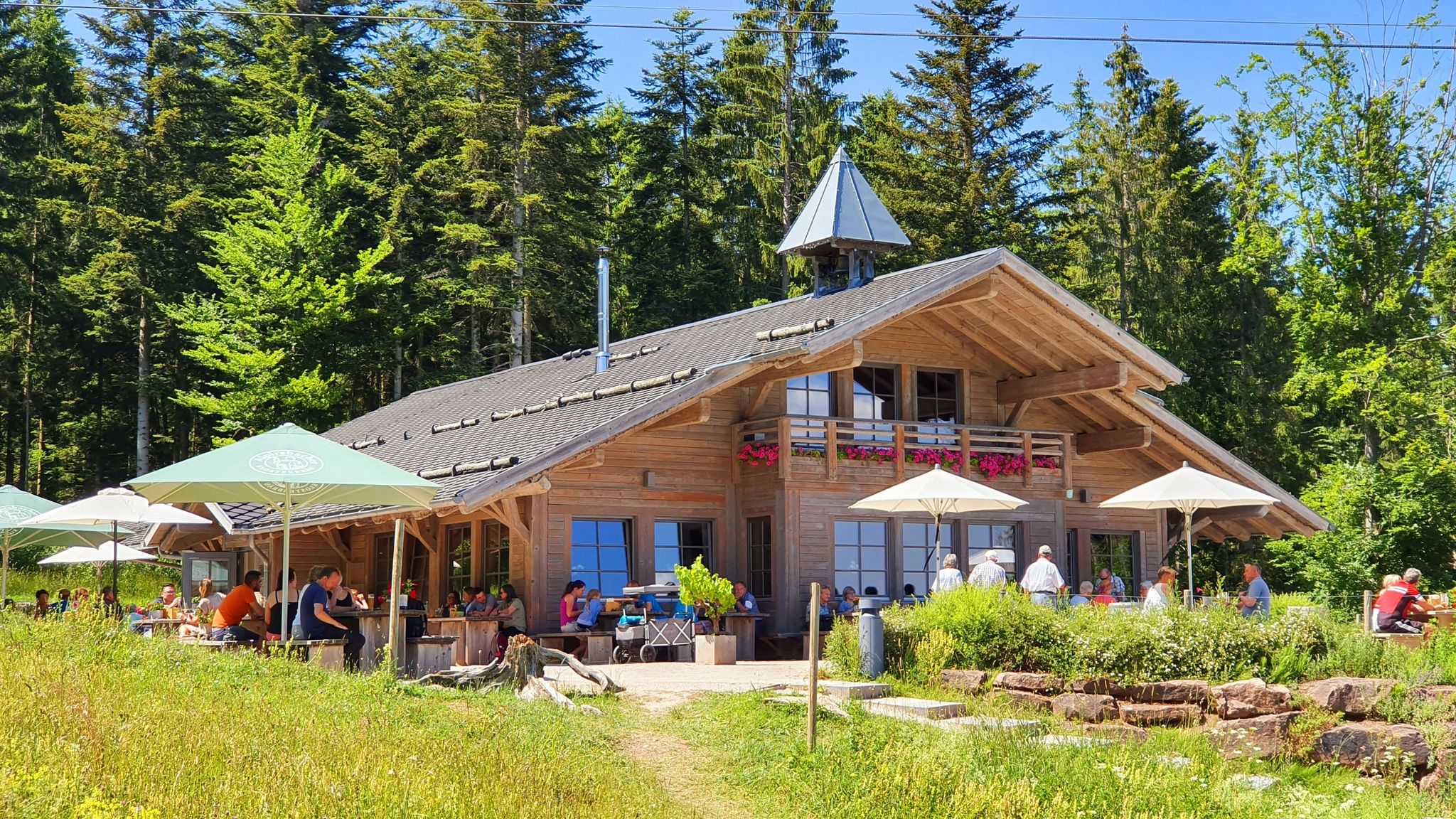
The Black Forest’s huts – moments of enjoyment & relaxation in the forest
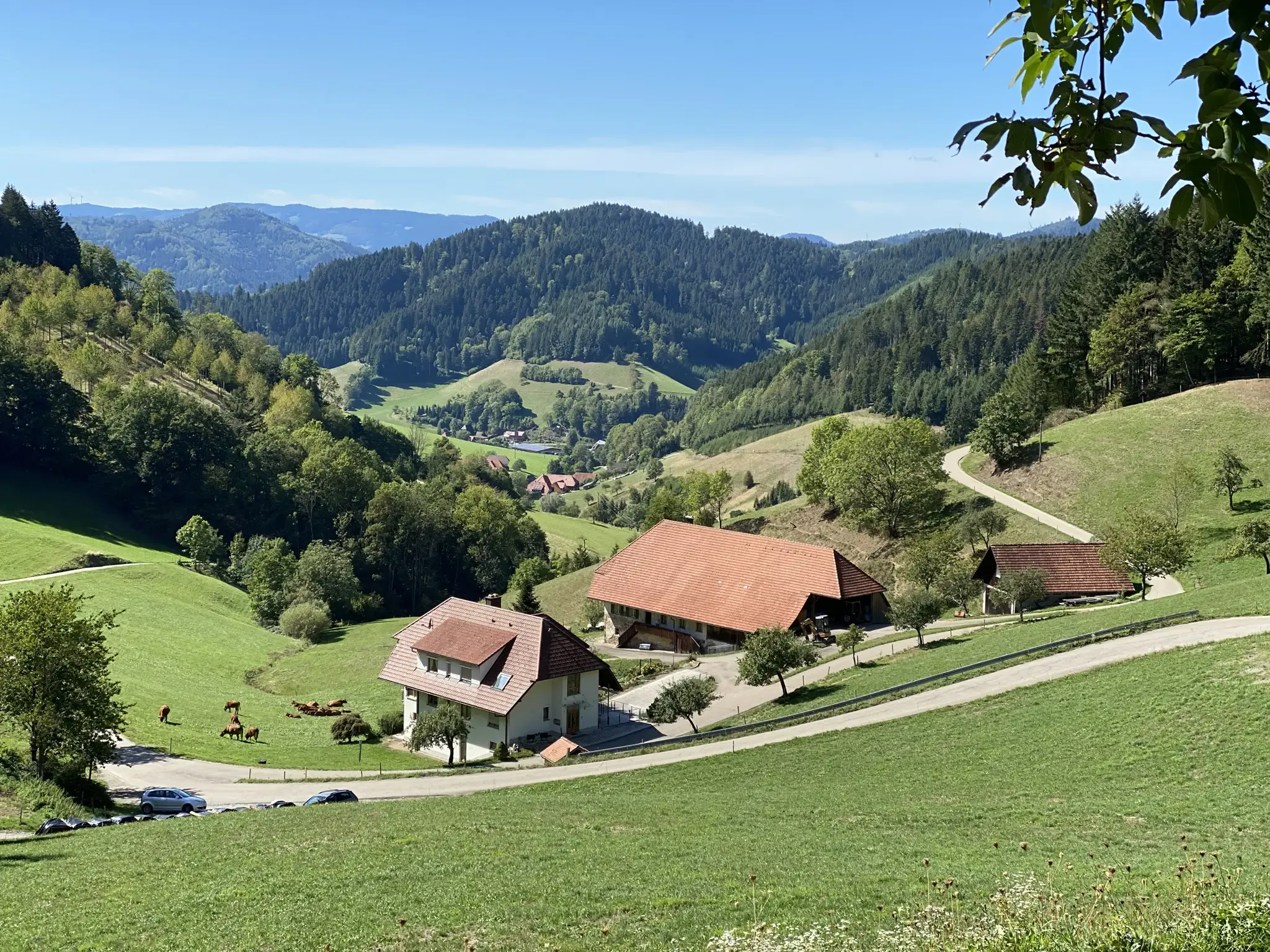
Kinzigtäler Jakobusweg – With Jakob through the Black Forest
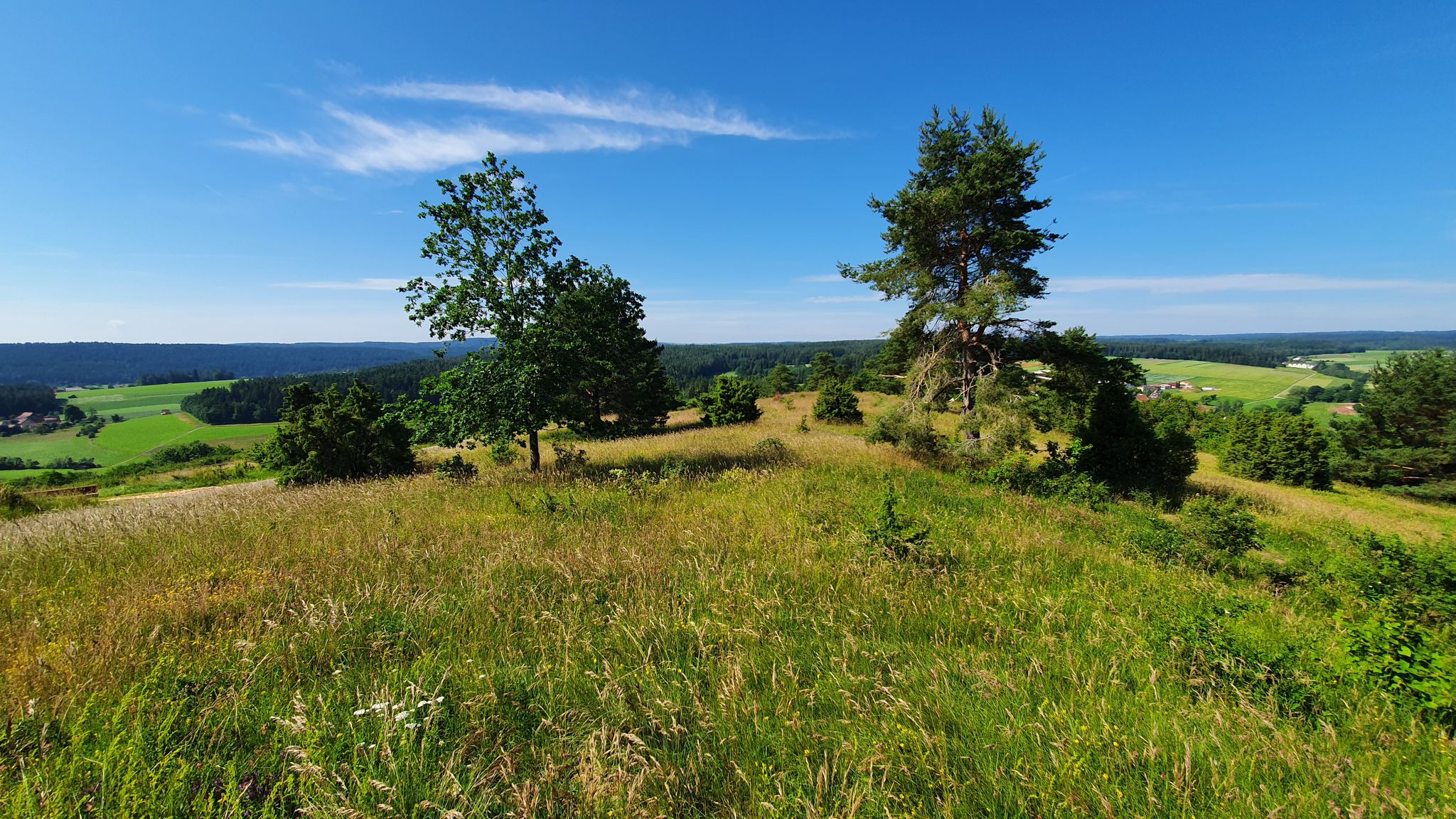
Germany's Gäurandweg – A ramble through the countryside
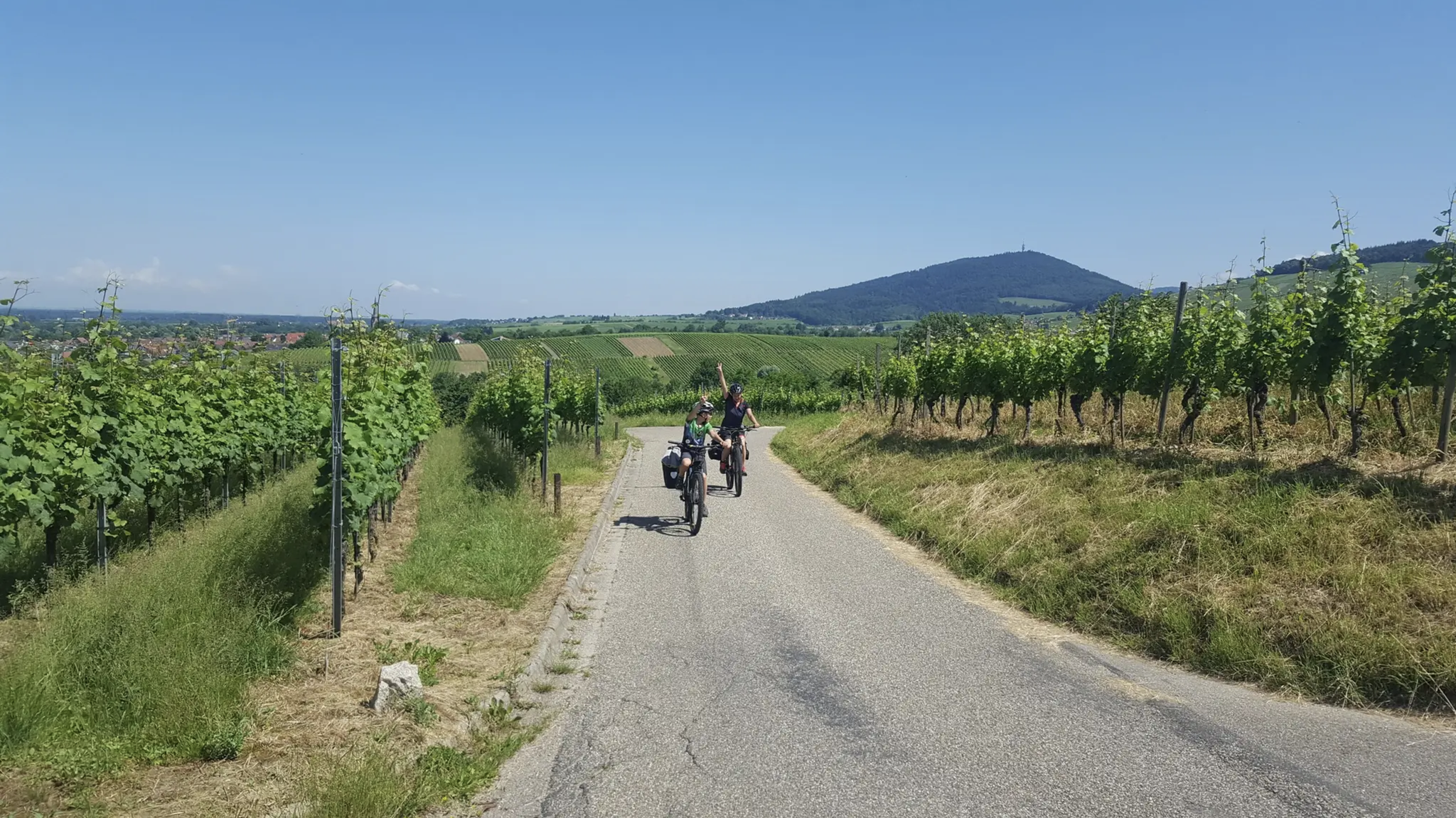
Naturpark cycle way – 4 days through the northern Black Forest
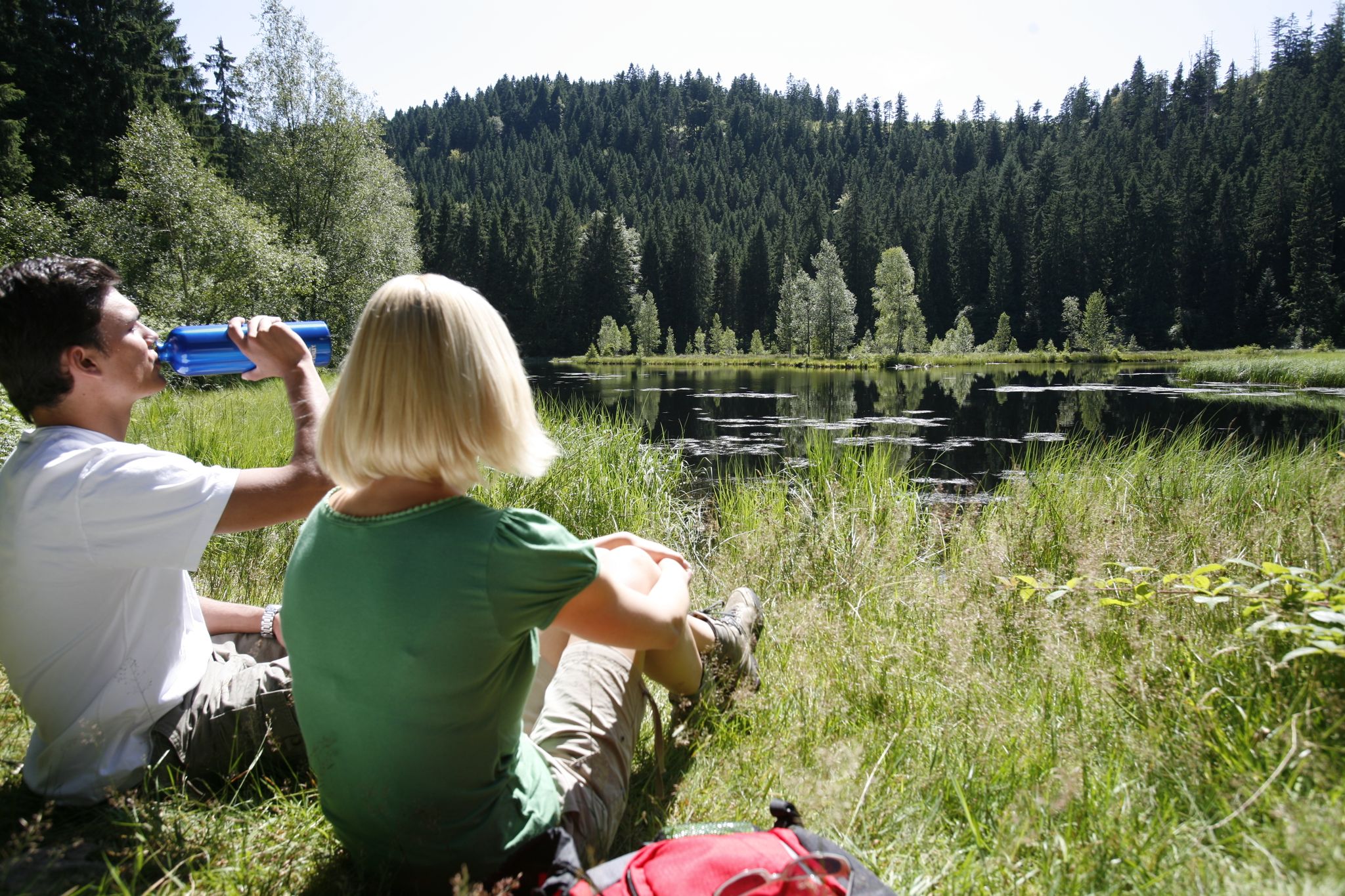
Baiersbronn Seensteig Lake Trail – Hiking heaven through the Black Forest in Germany
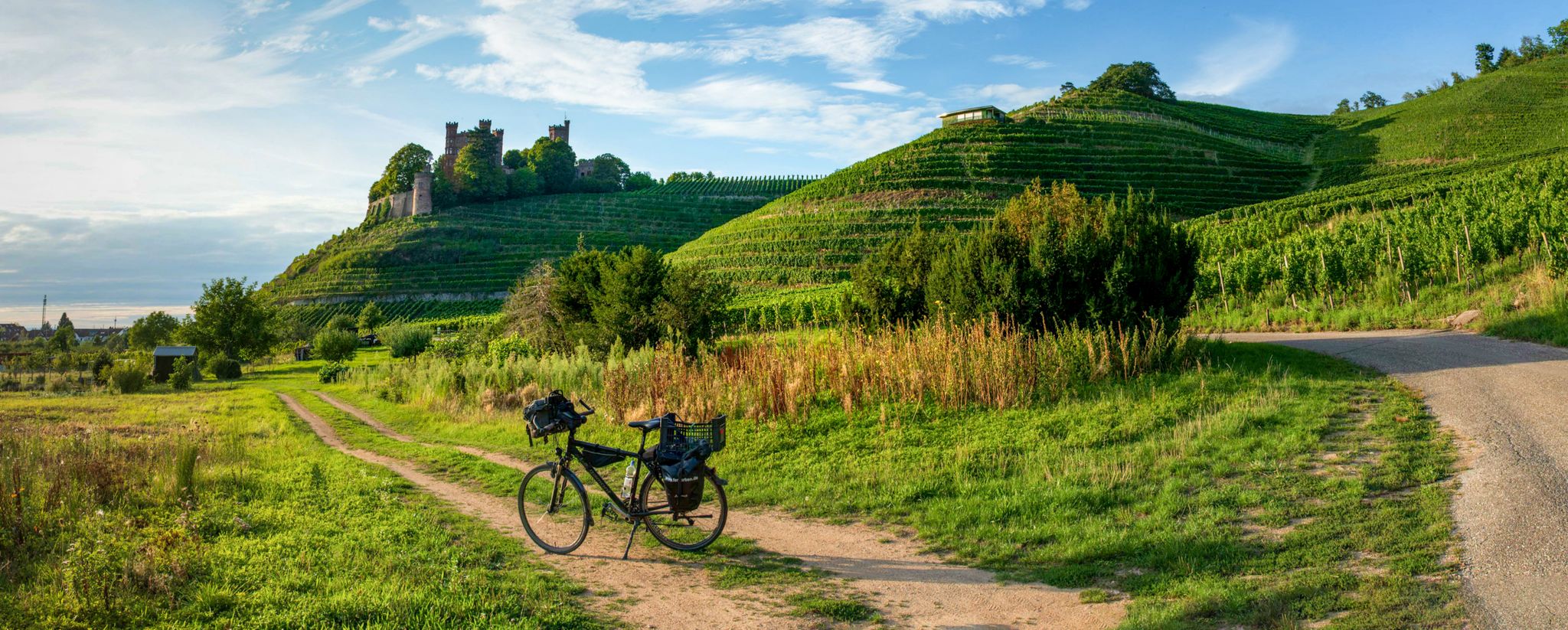
Three Valleys Cycle Path – Cycle across the Black Forest in Germany
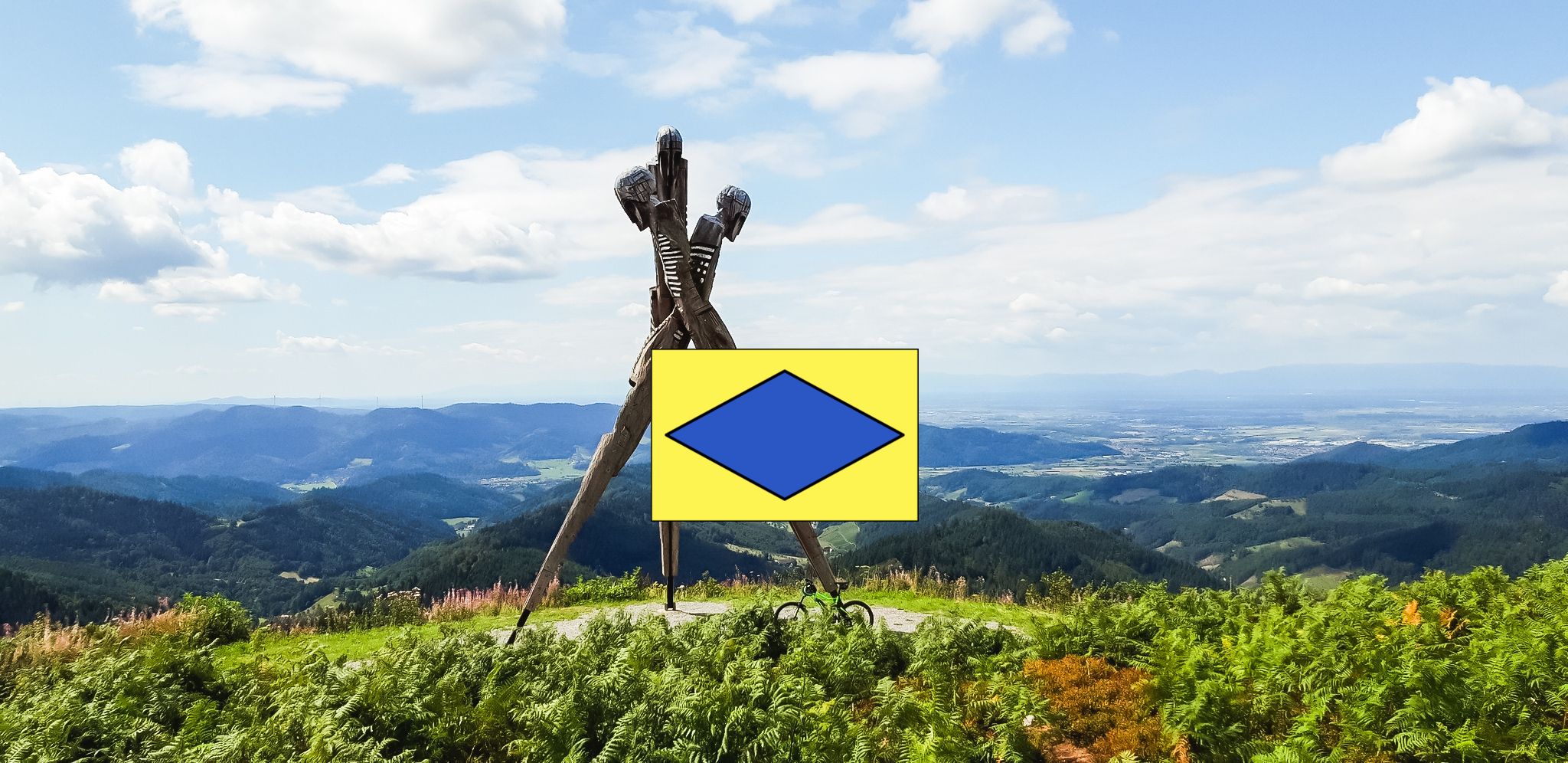
Crossway Gengenbach - Alpirsbach
The Eastern Path of the Black Forest Association
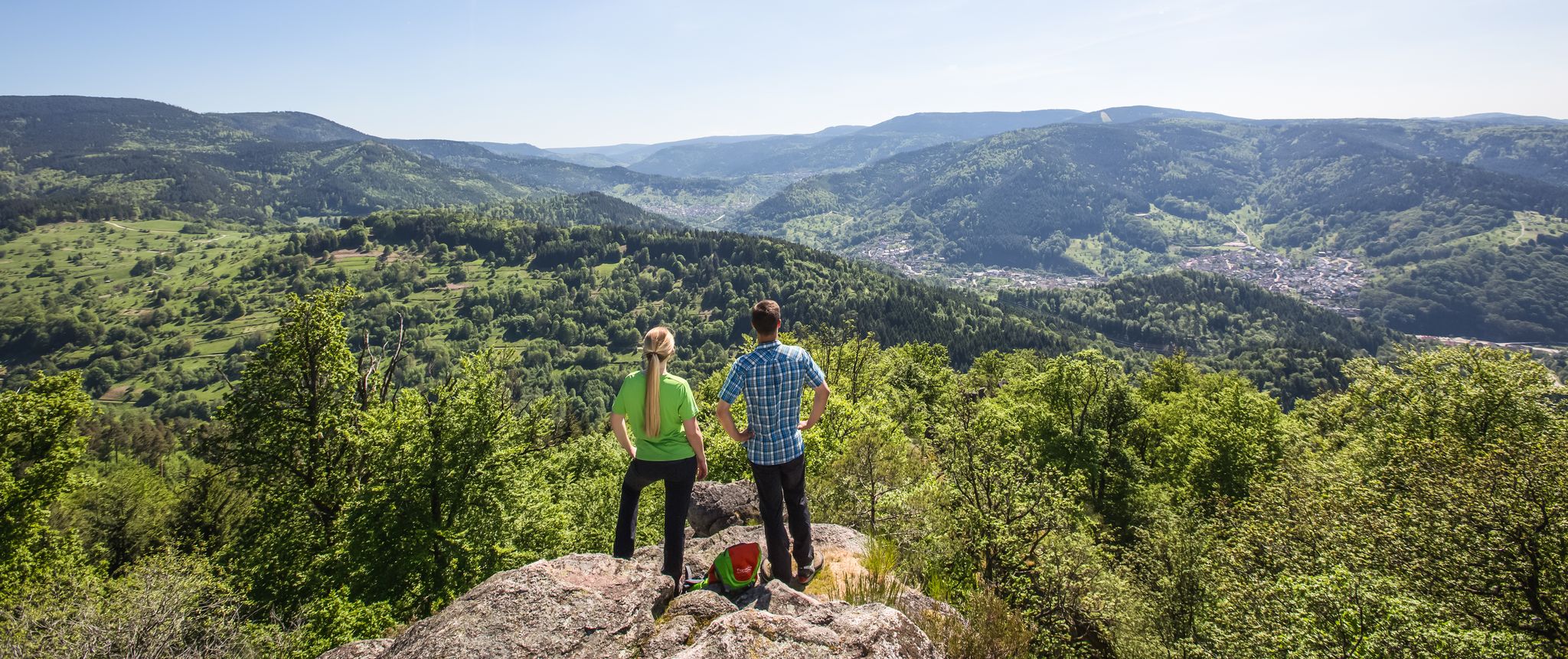
Murgleiter Trail – Experience the diverse Murg Valley in 5 stages
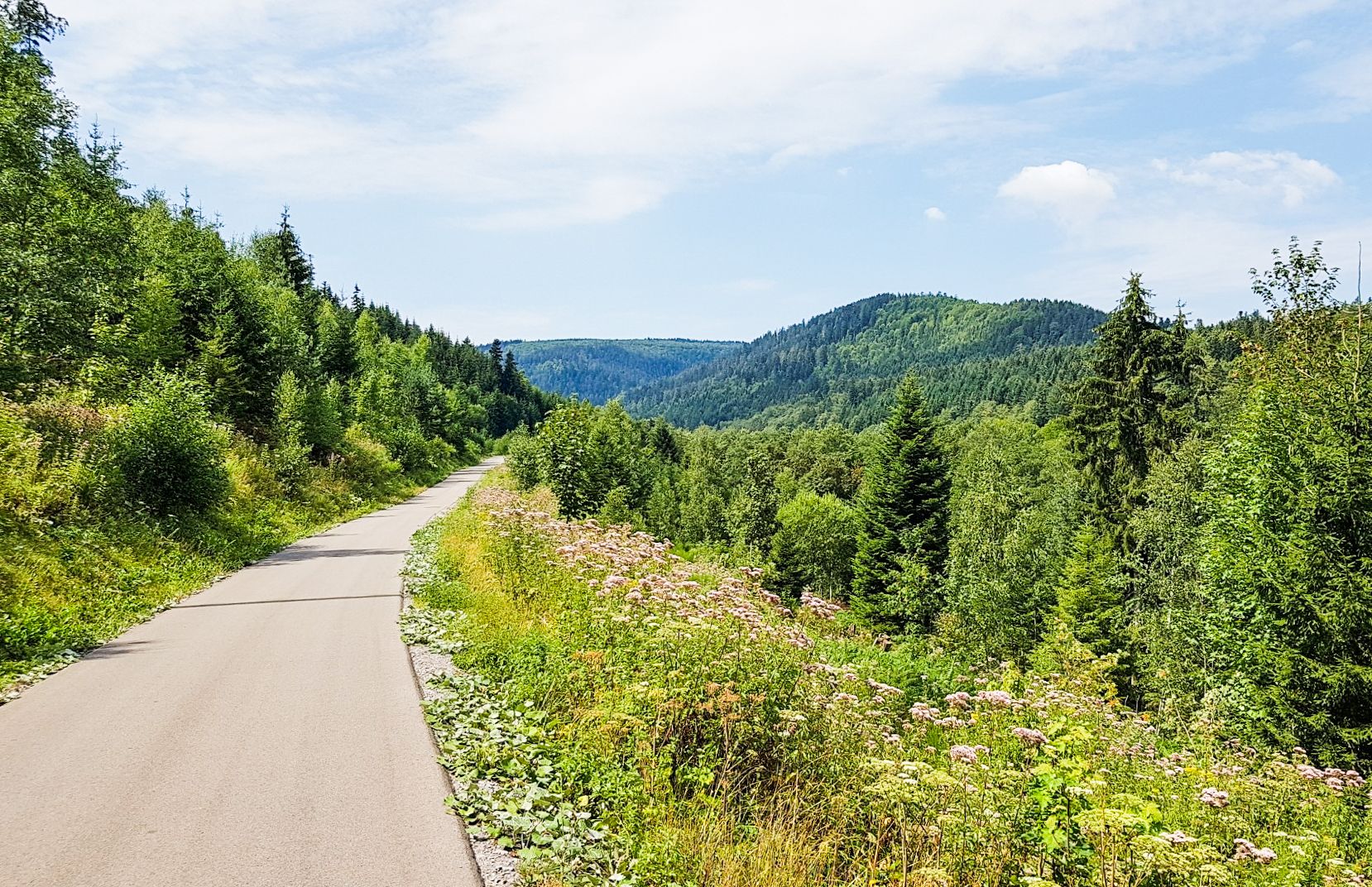
Naturpark cycle way – 4 days through the northern Black Forest
Other adventures around Freudenstadt


Tips from the Community

It lies picturesquely on the slope of the Finkenberges in a valley basin, surrounded by meadows and an adjacent wildlife enclosure
3
0

Hohenmühringen Castle (often also referred to as Mühringen Castle). The estate is located on a hill above the Eyach valley and combines architectural styles from different eras – from the medieval defensive structure and elements of the Renaissance to romantic Historicism. The original castle dates back to the 12th to 13th century. In the 16th century, the estate was expanded with the three-story granary ("Neuer Bau"). In 1875, an extensive expansion was carried out in the Neo-Gothic style, during which the castle chapel was also added and the medieval keep (the so-called "Heidenturm") was provided with battlements. The castle is privately owned.
3
0

The Mandelberg Castle, also called Mantelburg, is located on a wooded ridge in the middle of a deep forest, above the Waldachtal valley. The present-day path leads into the former moat of the castle and offers visitors the opportunity to circle the complex almost completely. Burg Mandelberg lies on a rock that was completely separated from its surroundings by a moat. The outer bailey was located in the moat, among other places. It included a small cave, which can still be visited today, as well as some buildings, of which foundations and meter-high walls are still recognizable. Via a zwinger with two defensive towers, which are still recognizable as stumps, one reaches the inner bailey. The inner bailey presents a similar picture to the outer bailey. The steeply sloping terrain once housed a palas, a well, a mighty curtain wall, and the keep. Further buildings may have existed due to the size of the open spaces. Today, all three mentioned buildings are still present, although they differ greatly in their state of preservation. The palas was built onto the southern outer wall and can be found up to a height of two meters or more. Due to the sloping terrain, it appears very stepped. The partially used bossed ashlar stones, which indicate a Staufen origin, are clearly recognizable. Besides a door frame with a washed-out threshold, some small windows can still be found. The palas probably had one or two stories. In the middle of the courtyard lies the old well. A grate adorns its top. Behind the well to the northwest, north of the keep, one encounters the old and thick curtain wall, which secured the castle towards the moat, and the remains of another small wall that might once have belonged to a building. The crowning glory of the castle is the rebuilt and restored keep, which with its proud height towers a few meters above the surrounding forest. It is still accessible today via its original entrance. A spiral staircase, consisting of a steel construction, leads there. In place of the former landing, then fastened and secured by still existing beam supports, a steel/concrete construction brings the visitor into the interior of the tower. Slightly above the entrance, further beam supports bear witness to a surrounding walkway. Source: https://burgenarchiv.de/burg_mandelberg_in_baden-wuerttemberg#kurzinfo
0
0
The Mandelberg Castle ruin, also called Mantelberg Castle ruin, is the ruin of a hilltop castle 570 m above sea level in the Bösingen district of the municipality of Pfalzgrafenweiler in the district of Freudenstadt in Baden-Württemberg, above the Waldach valley. The keep, used as a viewing tower, and parts of the foundation walls are still present. Archaeological excavations showed that a predecessor structure was built in the 11th century. The castle is first mentioned in documents in 1287. In 1385, Count Wolf von Eberstein bought the structure from Hans Müller von Mandelberg for 1000 guilders. As early as 1387, the owner was Margrave Rudolf of Baden. The castle itself burned down completely during the Peasants' Wars in 1525 and was not rebuilt. In 1970, the municipality of Pfalzgrafenweiler bought the building remains. The 35-meter-high keep was renovated and made accessible in 1975. Archaeological evidence could be provided for the destruction of the castle in 1525 mentioned in sources. No traces of the castle's use after 1525 could be found. The archaeological investigations revealed that the castle was built and expanded in three phases. The first structure, consisting of wooden or half-timbered buildings, was likely built in the late 11th century and used until the mid-13th century. Towards the end of its period of use, the much larger second castle was built. The complex had a almond-shaped floor plan with dimensions of 45 by 32.5 meters. In the west of the site stands the almost square keep, which is still preserved today. The wall from this tower to the north corner of the complex, presumably a shield wall, was added later, as was the wall adjoining the keep to the south. These walls supported a rampart walk. The inner buildings at the time could no longer be determined, as further expansion took place in the mid-15th century. A cistern was already built in the 14th century; during the expansion in the 15th century, a new palace was built in the south corner, and possibly a utility building in the north corner. The barbican on the east side was also likely built in the 15th century. This was later partially renewed. It is assumed that the castle was completely surrounded by a barbican by around 1500 at the latest. Source: https://de.wikipedia.org/wiki/Ruine_Mandelberg
0
0

The Mantelberg Castle was first mentioned in documents in 1287. At that time, the owners were the Müller von Mantelberg family, who, like some other families from the area, bore a golden fish on a black field as their coat of arms. In 1385, Reaf Wolf von Eberstein acquired the castle, and in 1389, Margrave Rudolf von Baden. Afterwards, it was a Baden fief in the possession of various notable nobles. The approximately 33-meter-high keep survived the destruction by the rebellious peasants in 1525. In 1973/74, it was structurally secured and made accessible by the municipality of Bösingen with subsidies from the district of Freudenstadt, the state of Baden-Württemberg, and the Überschwäbische Elektrizitätswerke.
0
0

The Renaissance building has shaped the valley's landscape since 1627 and was built by General Factor Peter Stein, the lord of miners and quarrymen in Christophstal, as his retirement residence. It is one of the few surviving buildings that survived the great city fires of 1632 and 1945, and the only stepped gable house in Freudenstadt. From the Bärenschlössle, there is a magnificent panoramic view up to Freudenstadt. Directly behind it is a red deer enclosure. Today, the Hofgut Bärenschlössle with its event barn is an ideal venue for weddings, birthdays, Christmas parties, corporate events, etc. Source: https://www.schwarzwald-tourismus.info/attraktionen/freudenstadt-baerenschloessle-9b82394cee
5
0
This castle ruin is somewhat hidden away along the roadside, but the detour is worth it.
4
0

Beautifully situated in the forest
0
0
Frequently Asked Questions
What kind of historical sites can I explore near Freudenstadt?
Beyond traditional castles, the Freudenstadt area offers a variety of historical sites. You can visit impressive abbey complexes like Alpirsbach Abbey (Kloster Alpirsbach), which showcases significant medieval architecture and influence. There are also unique structures like the Luziferturm and Stubensches Schlösschen, a historic residential building integrated into the city wall of Freudenstadt.
Are there any castle ruins with scenic views around Freudenstadt?
Yes, several castle ruins offer picturesque views of the Black Forest landscape. The Tannenfels Castle Ruins, for instance, are situated on a ten-meter-high red sandstone cliff, providing a strategic overview of the valley below. Similarly, the Rüdenberg Ruins, though smaller, are nestled on a forest spur and offer an atmospheric historical site within a natural setting.
Which castles are suitable for families with children?
For families, Alpirsbach Abbey (Kloster Alpirsbach) is a great option, offering a large, explorable complex. The Hohendießen Castle Ruins are also considered family-friendly and have parking available directly at the site, making access easier. Additionally, Nordstetten Castle, which now houses a town hall and museum, can be an interesting visit for all ages.
Are there hiking trails near the castles in the Freudenstadt region?
Absolutely! Many historical sites in the Black Forest can be combined with outdoor activities. You can find numerous hiking routes that pass by or lead to these castles. For example, the Sterneck Castle and Historic Pigsty is a recommended rest stop for hikers. You can explore various trails in the area by checking out the Mountain Hikes around Freudenstadt guide.
Can I find any wheelchair-accessible castles or historical sites?
Yes, the Hohendießen Castle Ruins are noted for their accessibility, with parking available directly at the site, making them easy to reach for visitors with mobility challenges or older individuals.
What are some hidden gems or lesser-known historical sites to visit?
Beyond the more prominent sites, consider exploring the Rüdenberg Ruins, a small tower castle remnant hidden on a forest spur, offering an atmospheric glimpse into ancient fortifications. The Eutingen Castle Ruins also provide a less crowded historical experience with good viewpoints.
Are there options for food and drink near these historical sites?
Yes, some sites offer amenities. Alpirsbach Abbey (Kloster Alpirsbach) is associated with a brewery and the Löwenpost brewery inn, offering a chance to enjoy local food and beverages. The 'Stubensches Schlösschen' complex, which includes the Luziferturm, also houses a restaurant.
What is the best time of year to visit the castles and ruins around Freudenstadt?
The Black Forest region is beautiful year-round. Spring and autumn offer pleasant temperatures for exploring and hiking, with vibrant foliage in autumn. Summer provides longer daylight hours, ideal for combining visits with other outdoor activities. While winter can be picturesque, some paths to ruins might be less accessible due to snow or ice, so it's advisable to check conditions beforehand.
How long should I allocate for visiting these historical sites?
The duration depends on the site. For larger complexes like Alpirsbach Abbey, you might want to allocate 2-3 hours to explore the church, monastery, and potentially the brewery. Smaller ruins like Tannenfels Castle Ruins or Rüdenberg Ruins can be explored in 30 minutes to an hour, often as part of a longer hike.
Can I combine a castle visit with other outdoor sports like running or cycling?
Absolutely! The Black Forest region is perfect for combining cultural visits with outdoor activities. Many castles and ruins are situated along or near popular routes. You can find various options for running in the Running Trails around Freudenstadt guide or explore cycling routes in the Road Cycling Routes around Freudenstadt guide.
What makes the <a href="https://www.komoot.com/highlight/413241" target="_blank" rel="noopener">Hohendießen Castle Ruins</a> special?
The Hohendießen Castle Ruins are particularly notable for being beautifully preserved and renovated. The local community and a dedicated castle support association have put significant effort into maintaining the site, making it a well-cared-for historical landmark that is also easily accessible with direct parking.
Are there any castles that have been repurposed or are still in use today?
Yes, Nordstetten Castle, originally built in the 18th century on older castle walls, now serves as the town hall and a museum. This offers a unique blend of historical architecture with modern civic and cultural functions.
Most popular routes around Freudenstadt
Most popular attractions around Freudenstadt

Get inspired with the komoot mobile app


Didn’t find what you were looking for?
Explore Freudenstadt’s best castles region by region:
Explore more
Looking for the best castles somewhere else? Discover other guides around Freudenstadt:
