Top 20 Caves in the Altmühltal
Caves in the Altmühltal offer a glimpse into millions of years of geological and human history within the Altmühltal Nature Park. This region features subterranean wonders with unique formations and archaeological significance. The landscape is characterized by Jurassic limestone, leading to various karst features and rock formations. These sites provide insights into prehistoric settlements and natural geological processes.
Best caves in the Altmühltal
- The most popular caves is Arndthöhle Cave, a cave with imposing access. It is 30 meters…
Last updated: August 11, 2026
Rock Arch Unteremmendorf
Highlight • Natural Monument
Translated by Google •
Tip by

Arndthöhle Cave
Highlight • Cave
Audio Guide Naturpark Altmühltal:
audioguide.naturpark-altmuehltal.de/tour/item/arndthoehle_bei_attenzell-36/?hash=05b177fef9bb7574f00cc31409306c27.
Showing Translation
Tip by
Sign up now to discover places like this
Get recommendations on the best single tracks, peaks, & plenty of other exciting outdoor places.
Sign up for free
Torfelsen Rock Arch
Highlight • Natural Monument
Translated by Google •
Tip by
Klösterl Hermitage and Cave Church
Highlight • Religious Site
Translated by Google •
Tip by

Mariahilf Pilgrimage Church (Neumarkt in der Upper Palatinate)
Highlight • Religious Site
Translated by Google •
Tip by

Friedrichsruh Cave
Highlight • Cave
Translated by Google •
Tip by
Monastery Cave
Highlight • Cave
Translated by Google •
Tip by
Klausen Caves
Highlight • Cave
Translated by Google •
Tip by
Beixenhart Rock Arch
Highlight • Natural Monument
Translated by Google •
Tip by
Klamm Cave near Einthal
Highlight • Cave
Translated by Google •
Tip by
Sign up for free to discover even more caves in the Altmühltal.
Sign up for free
Already have an account?
Start today with a free account
Your next adventure awaits.
Login or Signup
Popular around Altmühltal
Augsburger Jakobsweg – Through Bavarian-Swabia
The Romantic Road – To the Pearls of Southern Germany
Jurasteig — hiking in the heart of Bavaria
Urdonautalsteig – Hiking through past times
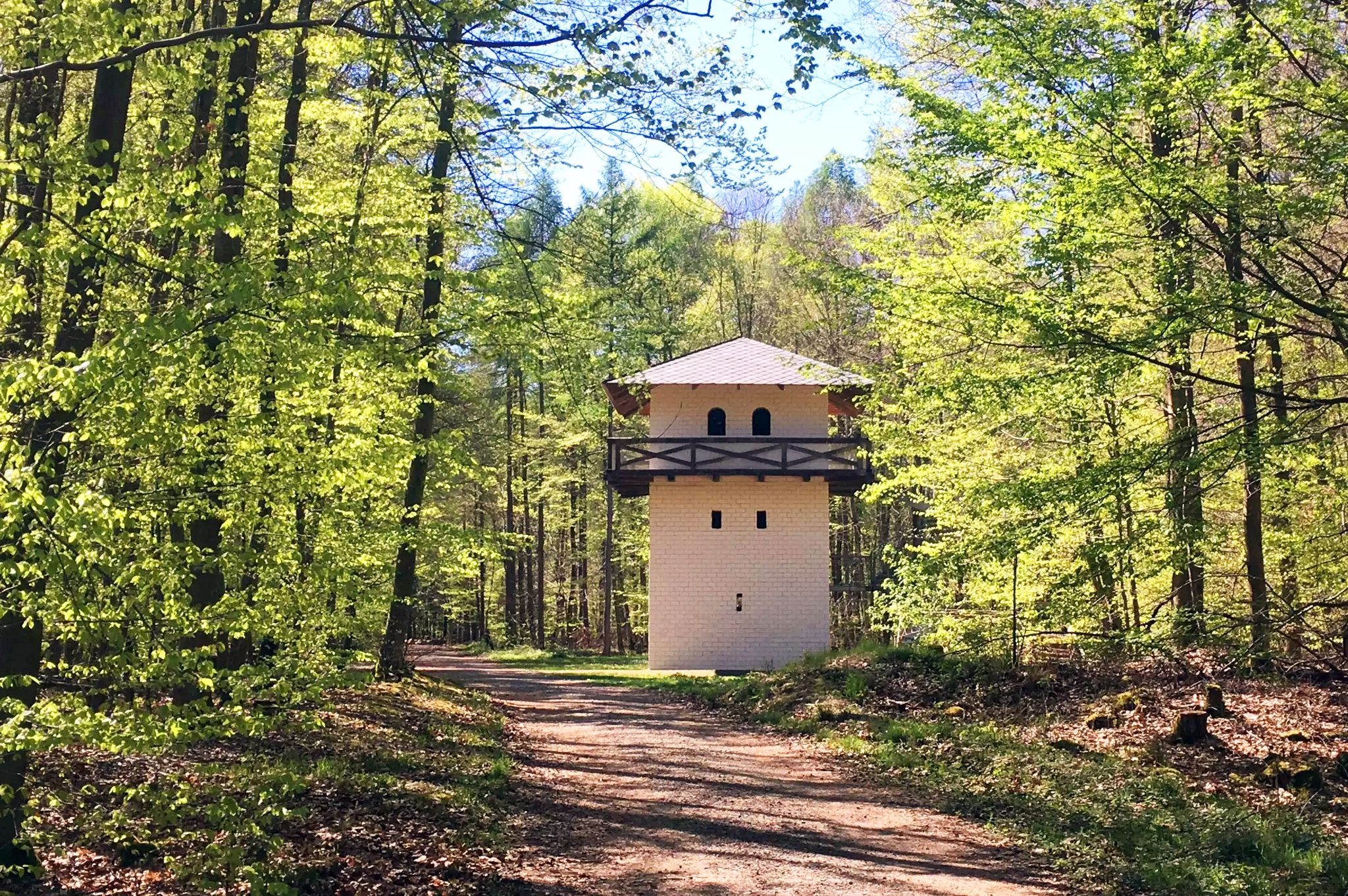
German Limes Cycle Path – Riding from the Rhine to the Danube
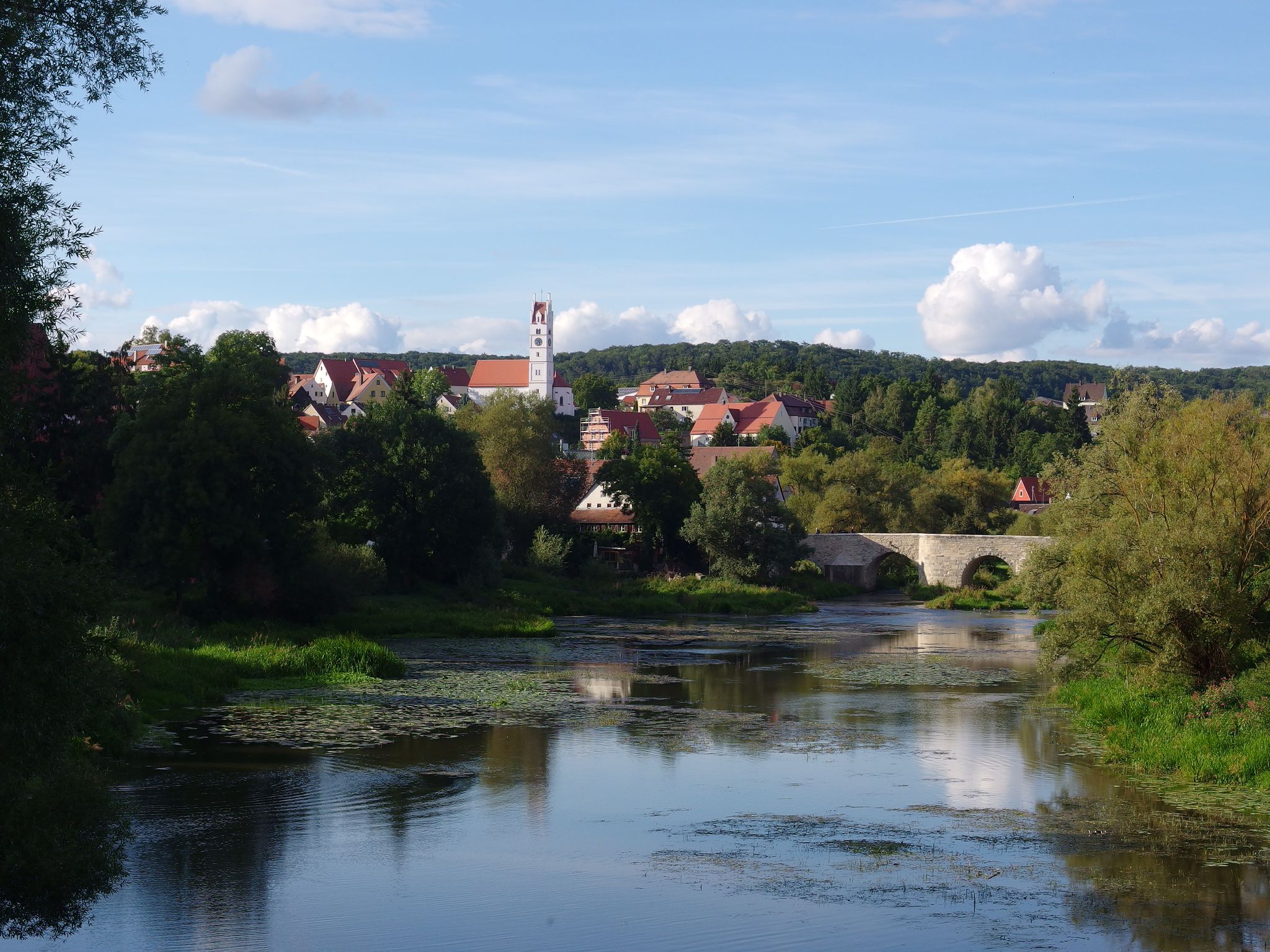
The Romantic Road – 10 fabulous stages
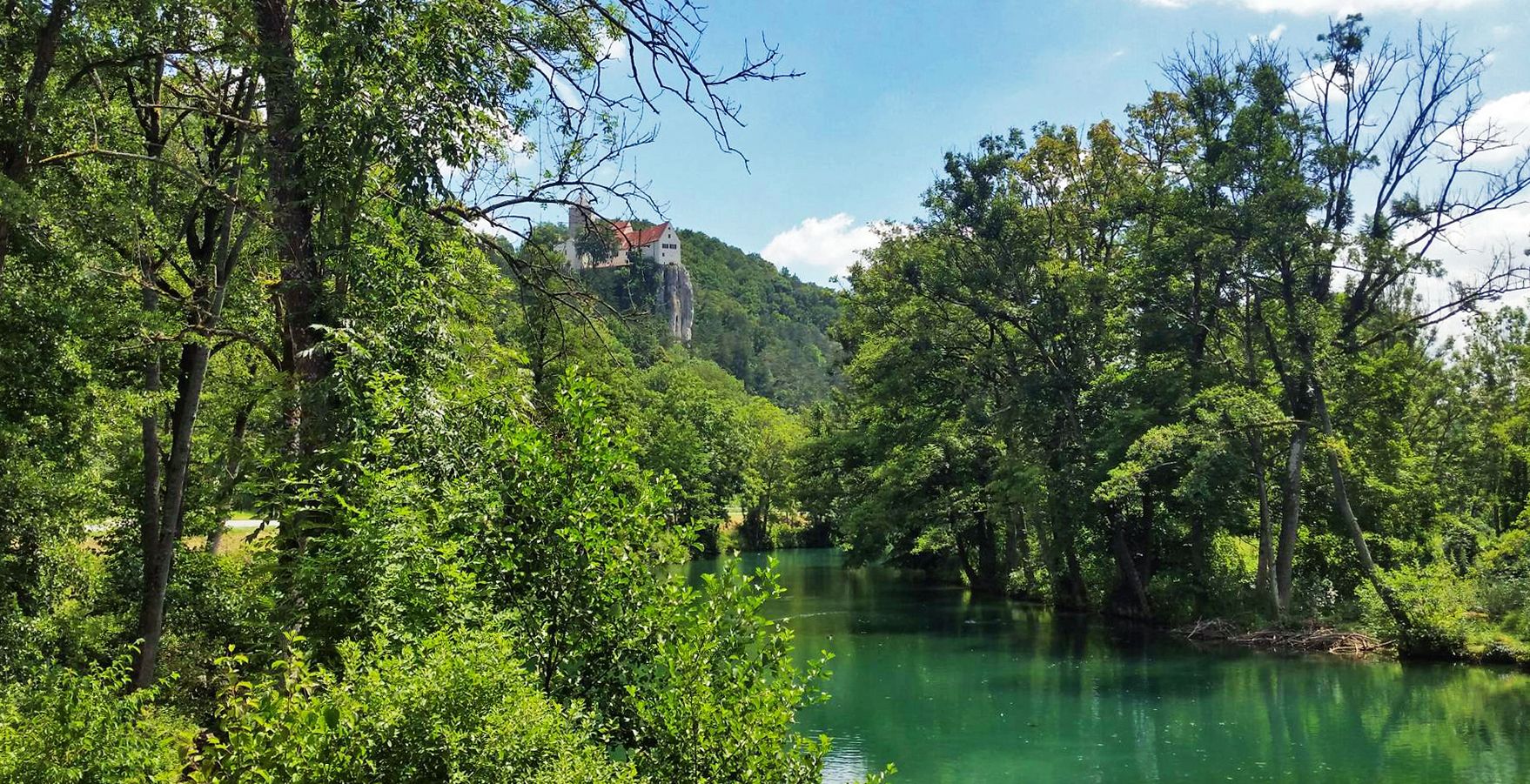
Five Rivers Cycle Path — 5 stages along Bavaria's most beautiful rivers
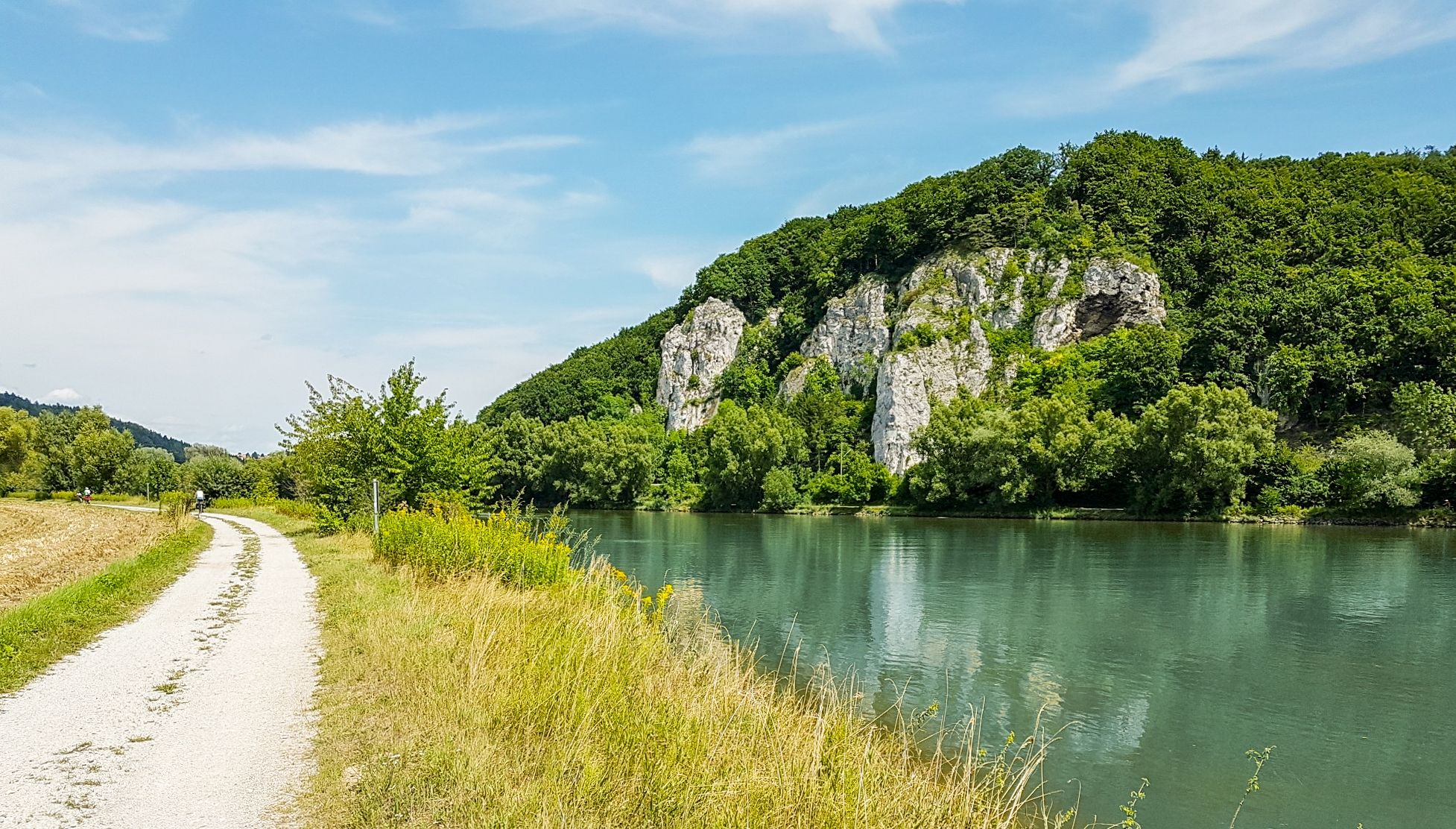
Donau-Panoramaweg – 10 days nature views and cultural insights
Niederbayerntour in 7 stages — Swim trunks, beer, baroque
The Franconian Water Bike Path – 8 days of creeks, lakes & rivers
Other adventures in the Altmühltal


Tips from the Community

It's not far from Prunn Castle to get to the grotto. There is climbing in the grotto. If you walk a little further you will come to a very nice viewpoint. But take good care of the children.
2
0

Smaller caves can often be found in the rock.
5
0

The settlement history of the Altmühl valley began at the beginning of the last ice age, in the so-called Würm ice age, about 80,000 years ago. On the other hand, there are no archaeological finds from the oldest phase of the Paleolithic, i. H. from the Günz, Mindel or early Rißeiszeit 500,000 - 120,000 years ago, but this is more likely due to the change in river systems. The Danube flowed through the Lower Altmühltal until about 200,000 years ago. Therefore, no older finds could be deposited in caves or rock overhangs. In the Würm Ice Age, around 100,000 - 10,000 years ago, there are first indications of people who stayed in the caves or under rock protection roofs, so-called rock shelters, in the Lower Altmühl Valley. At that time the climate here is similar to that of the tundra today. The ice-free Altmühltal was a favorable hunting ground, where mammoths, rhinos, reindeer, and later also horses, bison and primal lived. The Klausen Caves are a system of several caves nested one on top of the other: Lower Klause, Klausen Niche, Middle and Upper Klause. Except for the Lower Hermitage, tools and equipment from the Old, Middle and Upper Palaeolithic periods were found in the other caves. From the Klausen niche comes z. B. a deciduous incisor of a Neanderthal. In the middle hermitage, archaeologists from the Magdalenian layer were able to salvage a single-row harpoon, bone spikes and a perforated staff made of reindeer antlers, which is decorated with fantasy creatures. A limestone slab with incised lines of a wild horse document the first art products. In 1913, archaeologists found the skeleton of a Homo sapiens. The approximately 30-year-old man died about 18,000 years ago. His dead body was wrapped in a mighty red chalk pack. Fragments of mammoth tusks lay in the area of the skull. https://www.herzstueck.bayern/ attraction/07-station-klausenhoehlen-e617ad20c7
8
1

Impressive what nature has created...
4
0


a cave with many stairs leading deep down
6
1

The Catholic pilgrimage church “Maria Hilf” is located on the Mariahilfberg high above Neumarkt. The climb over the Stations of the Cross is rewarded with a beautiful view.
12
1
there is a wonderful view with a panorama table
4
0
Frequently Asked Questions
What kind of geological features can I expect to see in the Altmühltal caves?
The Altmühltal Nature Park is renowned for its Jurassic limestone landscape, which has led to a variety of impressive karst features. You can find ancient coral reefs, unique stalactite and stalagmite formations, and natural rock arches. For example, the Schulerloch Karst Cave features a unique 'water pot' stalagmite and stalactites nearing connection, while the Rock Arch Unteremmendorf is a natural rock gate.
Are there any caves in the Altmühltal with significant historical or archaeological importance?
Yes, several caves in the Altmühltal have rich historical and archaeological significance. The Schulerloch Karst Cave, for instance, served as a dwelling for Neanderthals during the Stone Age, with archaeological finds displayed nearby. The Kindinger Klause Cave also provided shelter for Stone Age ancestors, and the Klausen Caves are significant archaeological sites with multiple rock niches. The Buchenhüller Mammuthöhle is notable for the discovery of a well-preserved mammoth skeleton.
Which caves are freely accessible and what should I bring for exploration?
The Arndthöhle Cave is freely accessible, though visits are recommended between April and October for bat protection. For exploring less developed caves like Arndthöhle, it's advisable to bring a flashlight, as some sections can be quite dark. For caves like Schulerloch, which are developed for visitors, a sanded path and electric lighting are provided.
Are there family-friendly caves or activities for children in the Altmühltal?
Many caves in the Altmühltal are suitable for families. The Klausen Caves and the Klamm Cave near Einthal are noted as family-friendly. The Klamm Cave, in particular, is described as very interesting for children and was inhabited by Stone Age people. The Schulerloch Karst Cave also offers guided tours that are accessible for families.
What is the best time of year to visit the caves in the Altmühltal?
The period from April to October is generally recommended for visiting caves in the Altmühltal, especially for those that are freely accessible like the Arndthöhle Cave, due to bat protection reasons. During summer, some caves like Schulerloch even host concerts, offering a unique experience. The constant temperature inside caves like Schulerloch (9°C) makes them a cool retreat in warmer months.
Are there hiking trails that lead to or past these caves?
Yes, the Altmühltal Nature Park offers numerous hiking opportunities that incorporate its caves and rock formations. For example, the Buchenhüller Mammuthöhle is a point of interest along the Altmühltal Panorama Trail. You can find various hiking routes, including easy options, in the region. Explore more options on the Easy hikes in the Altmühltal guide.
What other outdoor activities can I combine with a visit to the Altmühltal caves?
Beyond cave exploration, the Altmühltal region is excellent for various outdoor activities. You can find numerous running trails, such as those listed in the Running Trails in the Altmühltal guide, or challenging mountain hikes, detailed in the Mountain Hikes in the Altmühltal guide. The region's diverse terrain also supports climbing, with spots like Friedrichsruh Cave being popular among climbers.
Are there any less crowded or hidden caves worth visiting in the Altmühltal?
While some caves are well-known, others offer a more secluded experience. The Klamm Cave near Einthal is described as a little off the main path, offering a mysterious and fascinating place to explore. The Grafsloch, located in the romantic Gailach Valley, is another rock formation with a man-made cave that might offer a quieter visit.
What are some unique features of the Schulerloch Karst Cave?
The Schulerloch Karst Cave is approximately 1.5 million years old and nestled within a Jurassic coral reef. It's famous for its 'water pot,' a unique goblet stalagmite, and stalactites that are predicted to connect in about 50 years. The cave also boasts excellent natural acoustics, making it a venue for summer concerts, and maintains a constant temperature of 9°C.
Can I find food or refreshments near the Altmühltal caves?
Yes, the Altmühltal region has various options for food and refreshments. While specific cafes or restaurants directly at every cave entrance might not be available, highlights like the Klösterl Hermitage and Cave Church include a pub and restaurant nearby. Many towns and villages throughout the Altmühltal Nature Park offer dining choices.
What do visitors enjoy most about exploring the caves in the Altmühltal?
Visitors frequently appreciate the unique natural spectacles and the sense of history. The imposing access to caves like Arndthöhle Cave, the impressive size of grottoes like Friedrichsruh Cave, and the archaeological significance of sites like the Kindinger Klause Cave are often highlighted. The blend of natural beauty and historical context makes for a captivating experience.
Most popular routes in the Altmühltal
Most popular attractions in the Altmühltal

Get inspired with the komoot mobile app


Didn’t find what you were looking for?
Discover more caves in the Altmühltal region by region:
Explore more
Extend your search for the best caves by checking out these guides of the top ones in the Altmühltal:
