Top 20 Caves in the Teutoburg Forest
Caves in the Teutoburg Forest offer a blend of natural beauty, geological interest, and cultural significance within this low mountain range in Germany. The region features intriguing cave-like formations and historical grottoes, attracting visitors with their unique characteristics. These sites showcase geological formations from earth shifts and ancient carvings, providing insights into both natural history and human activity. The landscape combines striking rock formations with forested areas, making it a notable destination for exploration.
Best caves in the Teutoburg Forest
…Last updated: September 26, 2026
Crucifixion Relief and Grotto at the Externsteine
Highlight • Monument
Translated by Google •
Tip by

Bielstein Gorge
Highlight • Gorge
Translated by Google •
Tip by

Sign up now to discover places like this
Get recommendations on the best single tracks, peaks, & plenty of other exciting outdoor places.
Pyrmont Castle
Highlight • Castle
Translated by Google •
Tip by

Gertrud's Chamber (Druden Cave) rock formation
Highlight • Natural Monument
Translated by Google •
Tip by

Rocky gorge at the Mordkopf
Highlight • Gorge
Translated by Google •
Tip by

Sign up for free to discover even more caves in the Teutoburg Forest.
Already have an account?
Start today with a free account
Your next adventure awaits.
Popular around Teutoburg Forest
Hiking Germany's Hermannsweg – In the footsteps of the Cheruscan
Loccum-Volkenroda pilgrim's way – From monastery to monastery
11 Hessen trails – criss-cross through the countryside
LandesGartenSchau Route – Westphalian Dream Parks
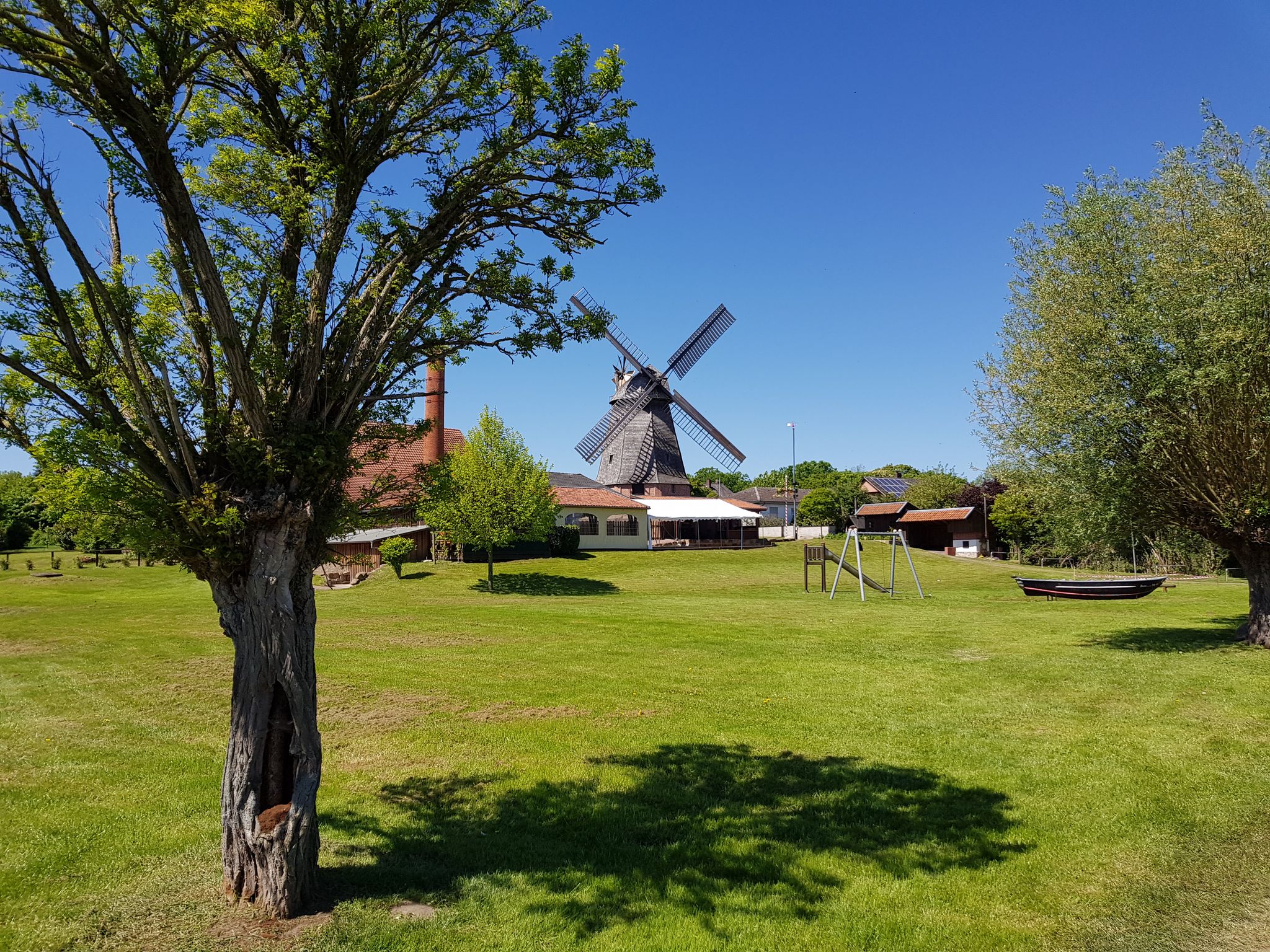
Cycle Germany's Mill Route — Open-air museums and Teutoberg forest
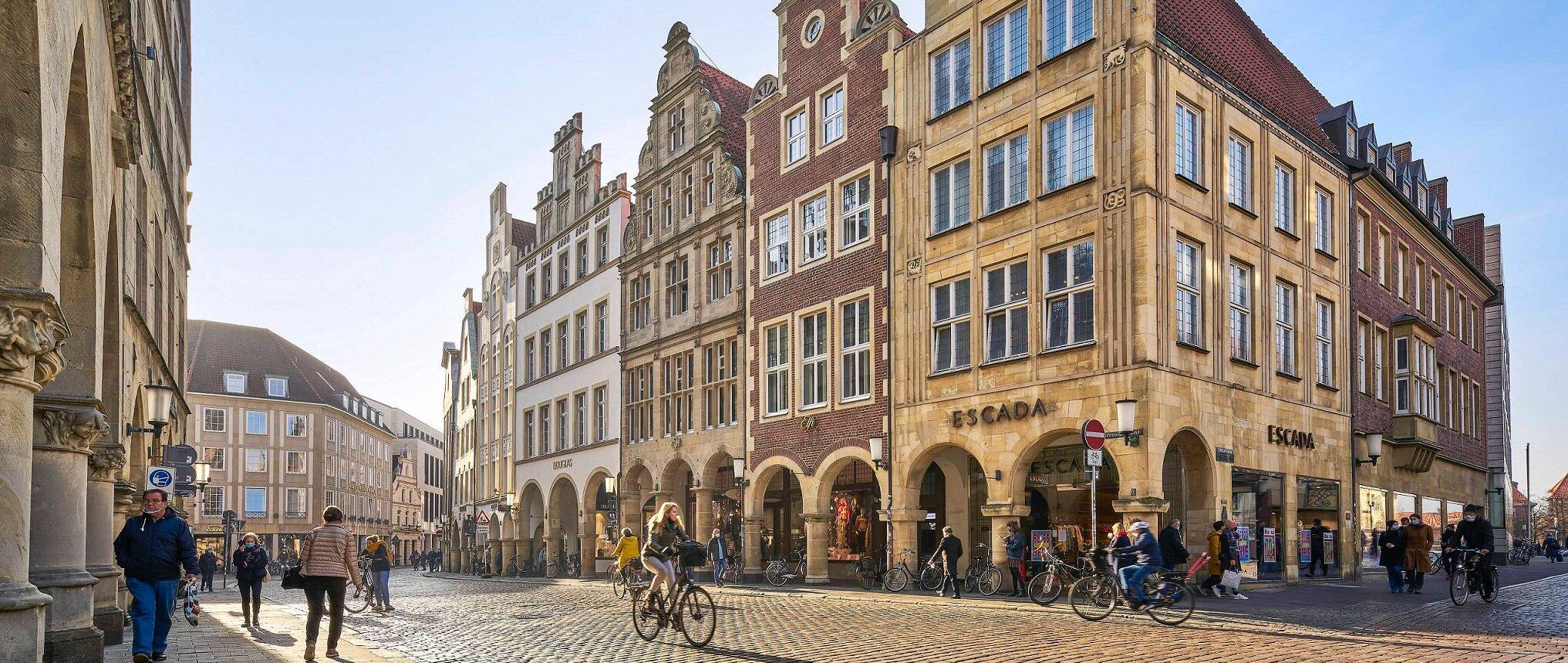
Germany's Westphalian City Tour — linking historic town centres
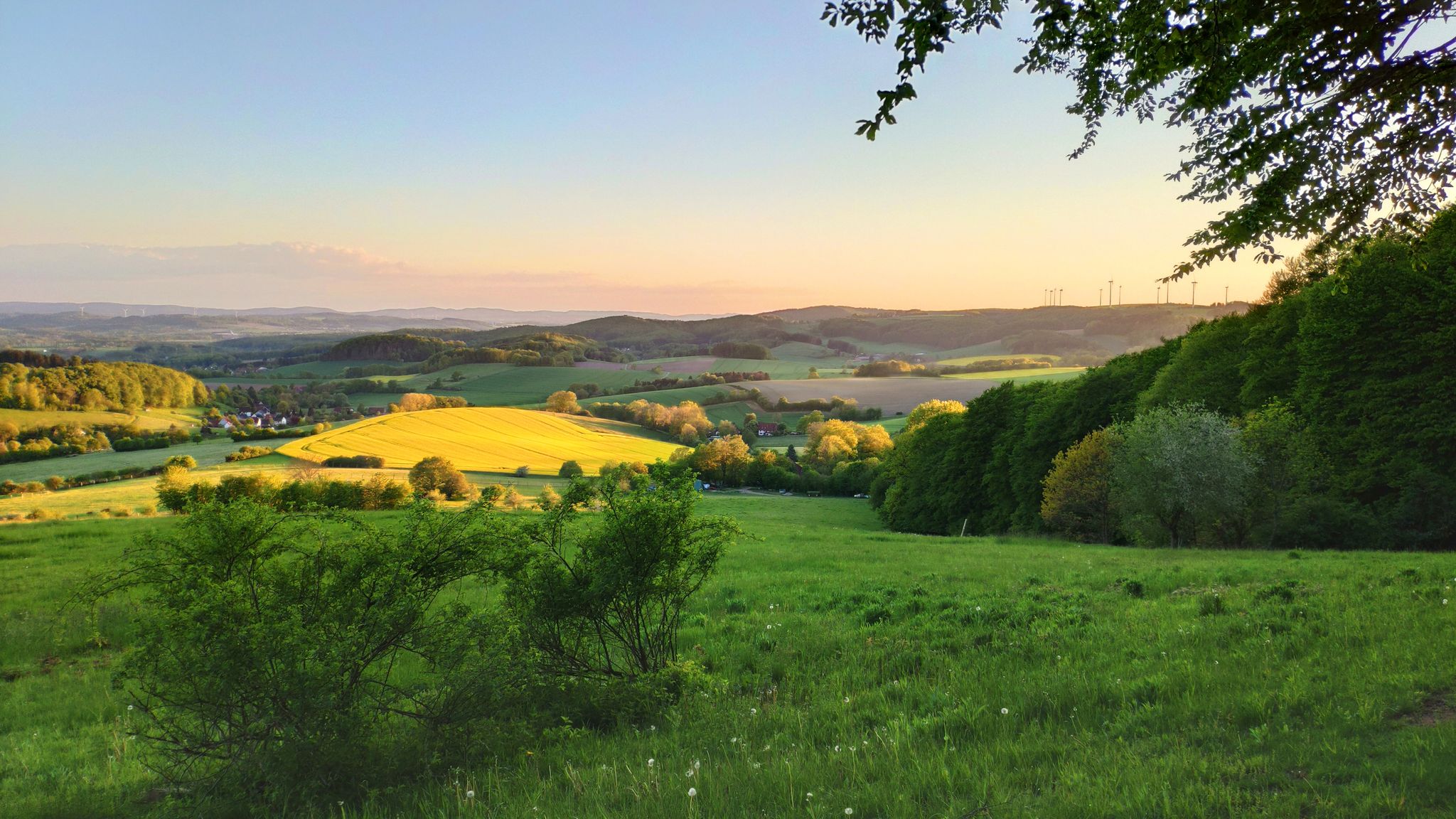
Hansa Trail in 6 stages – Hills and fun in Germany's Lipper Bergland
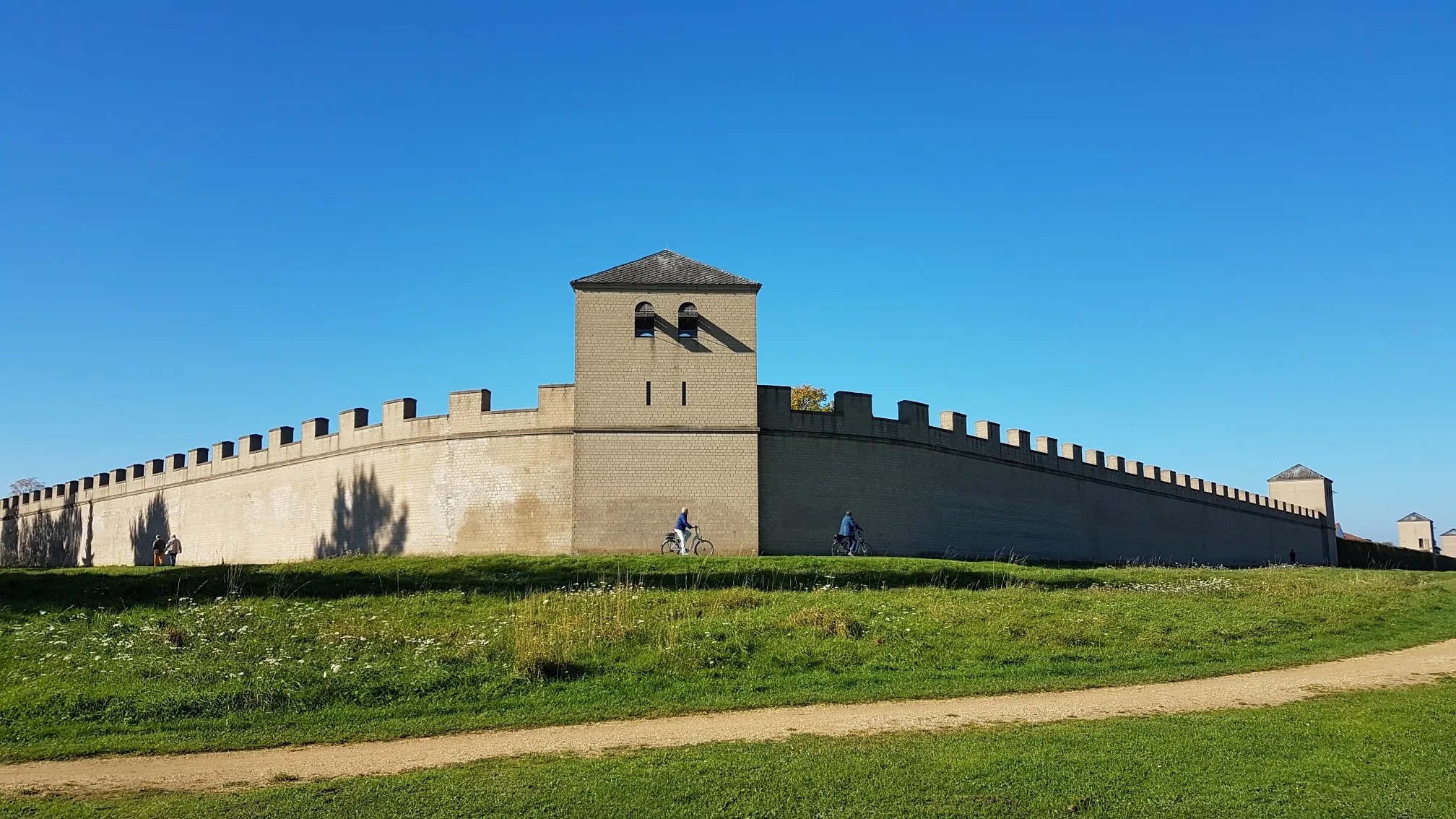
Römer‑Lippe Route – Water and history – 6 days
Hiking on Germany's Bückeberg Trail – Gentle hills and green forests
Germany's Weser Trail — Floodplains, dykes and old towns in 8 days
Other adventures in the Teutoburg Forest


Tips from the Community

The Bielstein Gorge is a fantastic natural spectacle. It's definitely worth a visit!
10
0

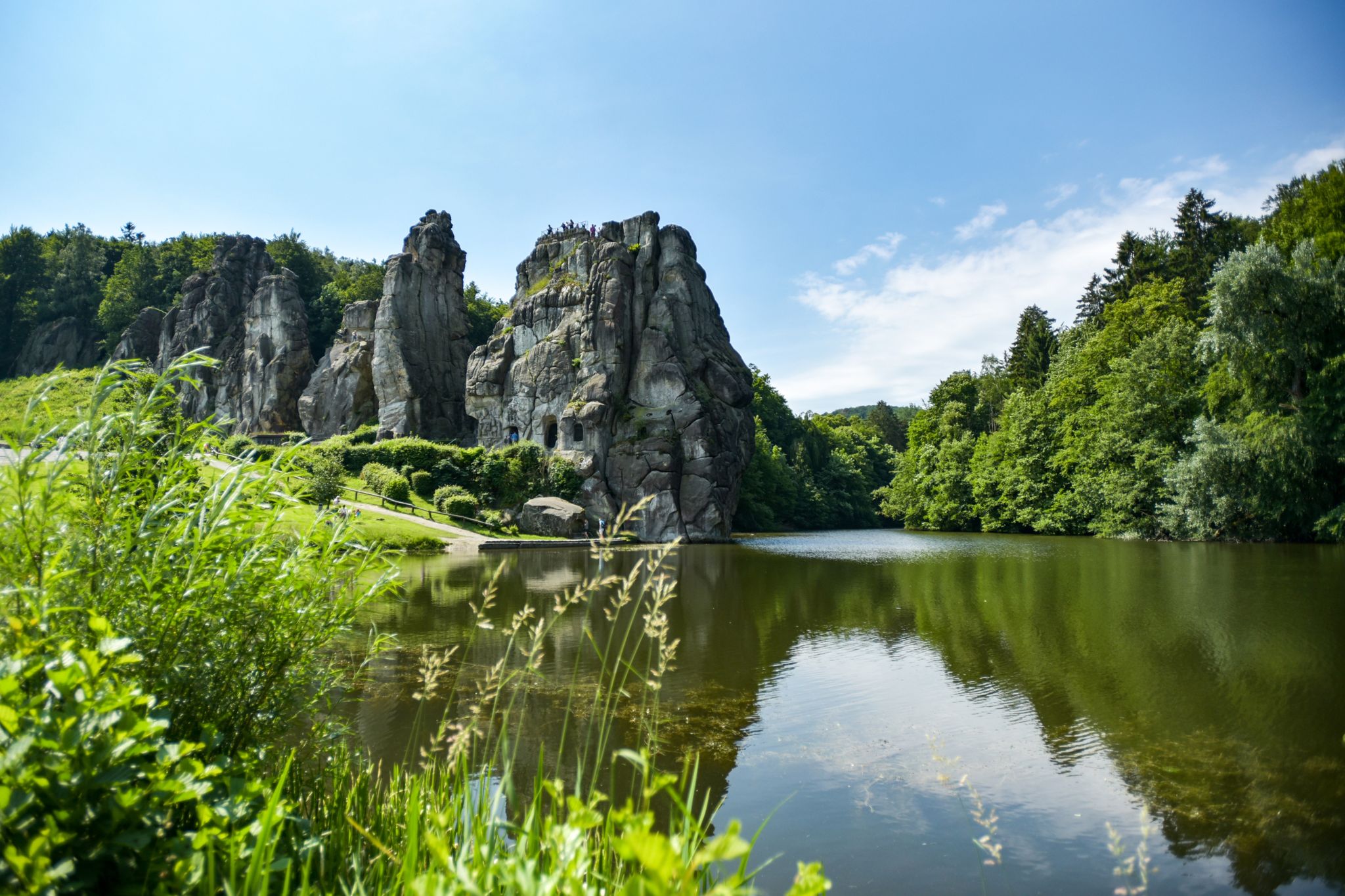
The Descent from the Cross - relief is one of the most significant medieval works. It is carved into sandstone and, at 4.80 × 3.70 m, is the largest relief in the entire northwestern European region.
4
0

History Count Friedrich VI of Spiegelberg, who had been sovereign of the County of Pyrmont since 1525, built a fortress with a residential building on top in the valley of Pyrmont between 1526 and 1536. As early as 1512, he had the ancestral seat of the Counts of Spiegelberg in Coppenbrügge converted into a contemporary fortress based on the Italian model. He used the experience he gained to build a fortress in Pyrmont as well. The almost square complex covered four and a half hectares and was surrounded by a 30 to 40 meter wide moat, a moat. The earth that accrued when digging the moat was piled up to build the castle wall with casemates incorporated into it. In the north, where the fortress was most vulnerable to attack, a small stone corner bastion was built. The entrance to the fortress was only accessible via a wooden drawbridge and the entrance tunnel was.
8
0

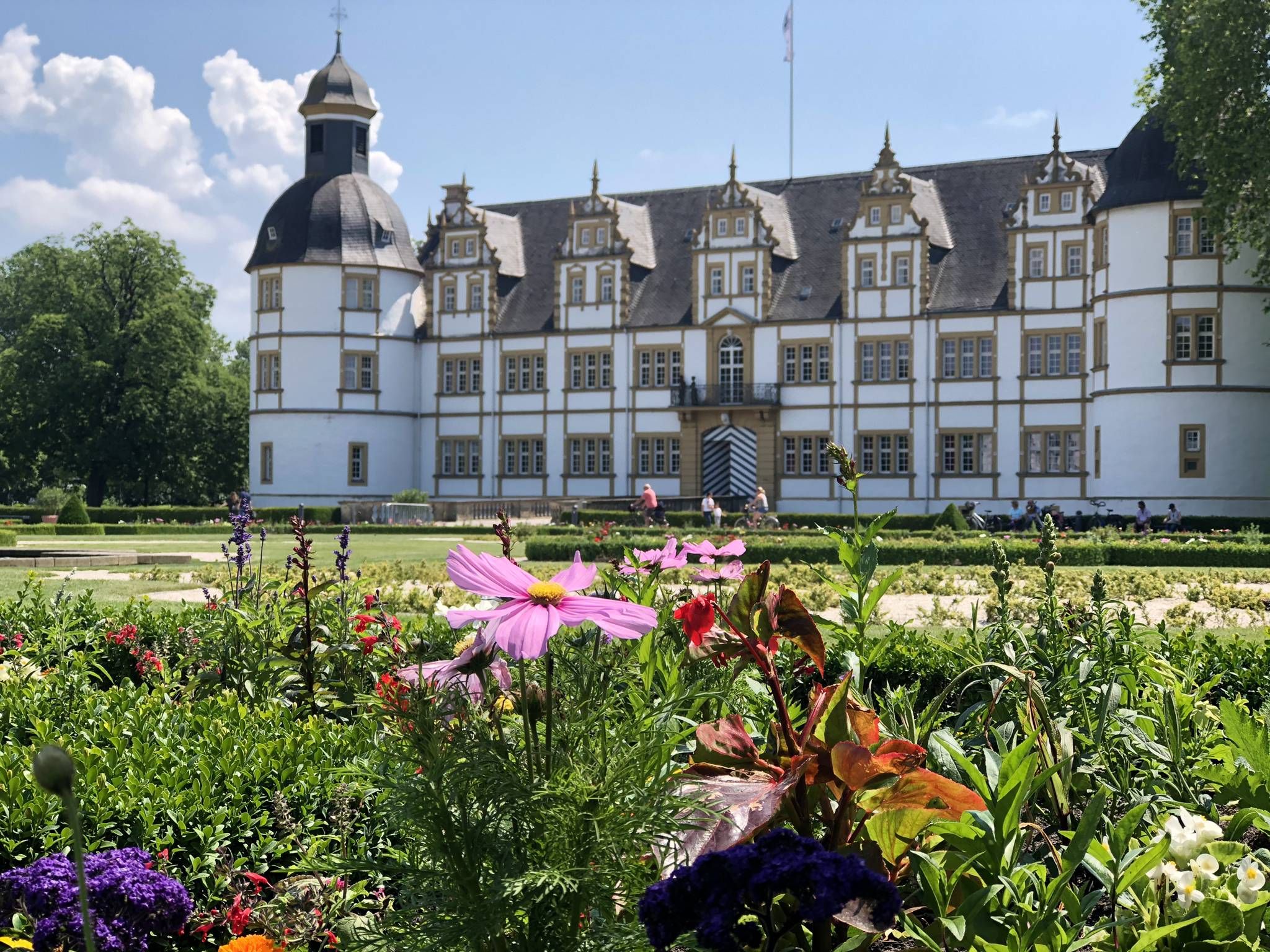
Directly adjacent to the spa park is the Bad Pyrmont moated castle (or vice versa?!) The castle, which still exists today, dates back to the 18th century and was the summer residence of the Counts of Waldeck-Pyrmont.
4
0

The café in the castle courtyard is not as busy during the week, so you can better enjoy the view of the park.
6
1

Tip: small café in the castle courtyard with a view of the spa gardens. Relax and enjoy.
7
1

Pyrmont Castle was the residence or summer residence of the Counts of Spiegelberg and the Counts of Waldeck-Pyrmont in what is now Bad Pyrmont. The existing building dates from the 18th century. Today it houses a museum. The castle is part of the 16th century Pyrmont Fortress.
6
1
The relief of the Descent from the Cross from 1150 is one of the most extraordinary works of art in the area. It is well preserved for its high age.
11
0
Frequently Asked Questions
What are the unique geological features of the caves in the Teutoburg Forest?
The Teutoburg Forest features a variety of intriguing geological formations. For instance, the Bielstein Gorge showcases a small canyon system with a hollow stone cave formed within marl limestones of the Upper Cretaceous period. The Externsteine, while not traditional caves, are striking sandstone rocks formed by earth shifts approximately 70 million years ago, featuring both natural and human-carved chambers. The Lead Caves (Bleikuhlen) near Blankenrode are associated with historical mining and unique ecosystems adapted to heavy metal-rich soil.
Are there any historical or cultural sites associated with the caves in the Teutoburg Forest?
Yes, several sites have significant historical and cultural importance. The Externsteine, for example, contain a 12th-century chapel carved into the rocks and an impressive relief depicting the Descent from the Cross, considered a major Romanesque sculpture. Gertrud's Chamber (Druden Cave) rock formation is known for its historical significance, with early times sacrifices made to the god Wodan. The Lead Caves (Bleikuhlen) near Blankenrode offer a glimpse into centuries of lead and zinc ore mining history.
Can families visit the caves in the Teutoburg Forest?
Many areas around the cave-like formations are suitable for families, offering opportunities for exploration and hiking. While some actual cave entrances might be restricted, the surrounding natural areas and historical sites like the Externsteine provide engaging experiences. The Rocky gorge at the Mordkopf, with its 'robber's cave' chasm, is noted as a real highlight for children and adults alike, though caution is advised due to ground cracks.
What outdoor activities or hiking trails are available near the caves?
The Teutoburg Forest offers numerous outdoor activities. You can find various hiking opportunities, including easy hikes like 'The romantic Furlbach Valley' or 'Blueberry Route Quality Trail'. For those interested in waterfalls, there are specific waterfall hikes. Gravel biking is also popular, with routes such as 'From Wissingen to Dissen through the Osnabrück countryside'. You can explore more options in the easy hikes guide or the gravel biking guide for the Teutoburg Forest.
What do visitors particularly enjoy about the caves and formations in the Teutoburg Forest?
Visitors appreciate the blend of natural beauty, geological interest, and cultural significance. The mystical aura and historical carvings of the Externsteine are a major draw. The natural spectacle of the Bielstein Gorge and its geological formations are highly valued. The unique ecosystem and historical mining landscape of the Lead Caves also offer an 'exquisite nature' adventure. The komoot community has shared over 400 photos and given more than 600 upvotes across 35 highlights, indicating strong positive engagement.
Is the Bielstein Gorge cave accessible to the public?
The hollow stone cave within the Bielstein Gorge is largely inaccessible to the public. It is designated as a natural monument and serves as a wintering spot for bats, so access is restricted to protect this sensitive environment. However, the gorge system itself is a beautiful natural spectacle and can be explored, offering impressive geological formations.
What is the significance of the Externsteine formations?
The Externsteine are a striking formation of fifteen jagged sandstone rocks with significant natural and cultural importance. They feature artificial caves, chambers, and reliefs carved over centuries, including a 12th-century chapel and an impressive relief of the Descent from the Cross. Steeped in myth and legend, they are believed by some to be an ancient Germanic place of worship, though archaeological consensus points to them being a medieval memorial place for the grave of Jesus Christ. The site's mystical aura and scenic views make it a compelling destination.
What makes the Lead Caves (Bleikuhlen) near Blankenrode unique?
The Lead Caves (Bleikuhlen) are unique due to their historical mining landscape and a distinctive natural environment. They are remnants of centuries of lead and zinc ore extraction, featuring an impressive 500-meter-long pit and extensive spoil heaps. The area is also notable for its 'dwarf-like' vegetation, including the rare Westphalian galmei violet, which thrives in the heavy metal-rich soil where other plants cannot compete. This site is part of the 'Natura 2000' protected area system, highlighting its ecological importance.
Are there any caves with religious or mythical significance in the Teutoburg Forest?
Yes, the Teutoburg Forest is home to sites with deep religious and mythical connections. The Externsteine are steeped in myth, with some believing them to be an ancient Germanic place of worship. The Gertrud's Chamber (Druden Cave) rock formation is historically significant as a place where sacrifices were made to the god Wodan. Additionally, the Lead Caves (Bleikuhlen) are connected to folklore about dwarves as skilled miners, adding a touch of myth to the historical landscape.
What kind of clothing and gear should I wear when visiting the caves and gorges?
When exploring the cave-like formations and gorges in the Teutoburg Forest, it's advisable to wear sturdy shoes suitable for uneven terrain. Some areas, like the Bielstein Gorge, may require a bit of fitness. Layers of clothing are recommended as temperatures can vary, especially inside cooler rock formations or gorges. If you plan to explore more challenging areas, consider bringing a headlamp and being aware of your surroundings, especially in places with potential ground cracks like the Rocky gorge at the Mordkopf.
What is the best time of year to explore the cave-like formations in the Teutoburg Forest?
The Teutoburg Forest is generally enjoyable throughout the warmer months, from spring to autumn, when the weather is mild and the surrounding forests are lush. Spring and early autumn offer pleasant temperatures for hiking and exploring the outdoor formations. While some caves like the Bielstein Gorge are restricted during winter for bat protection, the general area remains accessible. Always check local conditions and access restrictions, especially for specific cave entrances.
Are there any challenging or more adventurous cave explorations available?
While many sites are accessible for general exploration, some areas offer a more adventurous experience. The Rocky gorge at the Mordkopf is described as challenging, with steep paths and chasms that require careful navigation. The Bielstein Gorge, while its main cave is restricted, presents a small canyon system that can be explored by those with sturdy shoes and a bit of fitness, with some parts even accessible to brave and knowledgeable speleologists during specific months.
Most popular routes in the Teutoburg Forest
Most popular attractions in the Teutoburg Forest

Get inspired with the komoot mobile app


Explore more
Extend your search for the best caves by checking out these guides of the top ones in the Teutoburg Forest:
