The best city hikes and walks in the Teutoburg Forest
4.6
(56540)
221,566
hikers
1,483
hikes
Urban hiking trails in the Teutoburg Forest traverse a low mountain range characterized by forested hills, diverse rock formations, and river valleys. The region features dense beech forests, limestone and sandstone ridges, and areas with unique geological wonders like the Externsteine. This varied topography provides a range of urban walking experiences within towns and cities situated across the landscape.
Best urban hiking trails in the Teutoburg Forest
- The most popular urban hiking route is VitalWanderWelt: 'Diversity' – through the spa…
Last updated: May 28, 2026
4.4
(16)
55
hikers
Easy hike. Great for any fitness level. Easily-accessible paths. Suitable for all skill levels.
4.6
(8)
19
hikers
Easy hike. Great for any fitness level. Easily-accessible paths. Suitable for all skill levels.

Sign up for free
4.6
(195)
838
hikers
Easy hike. Great for any fitness level. Easily-accessible paths. Suitable for all skill levels.
4.7
(49)
320
hikers
Easy hike. Great for any fitness level. Easily-accessible paths. Suitable for all skill levels.
4.7
(57)
338
hikers
Easy hike. Great for any fitness level. Easily-accessible paths. Suitable for all skill levels.
Get access to more routes and recommendations from other explorers.
Sign up for free
Already have an account?
Our route recommendations are based on thousands of hikes, rides, and runs completed by other people on komoot.
Start today with a free account
Your next adventure awaits.
Login or Signup
Popular around Teutoburg Forest
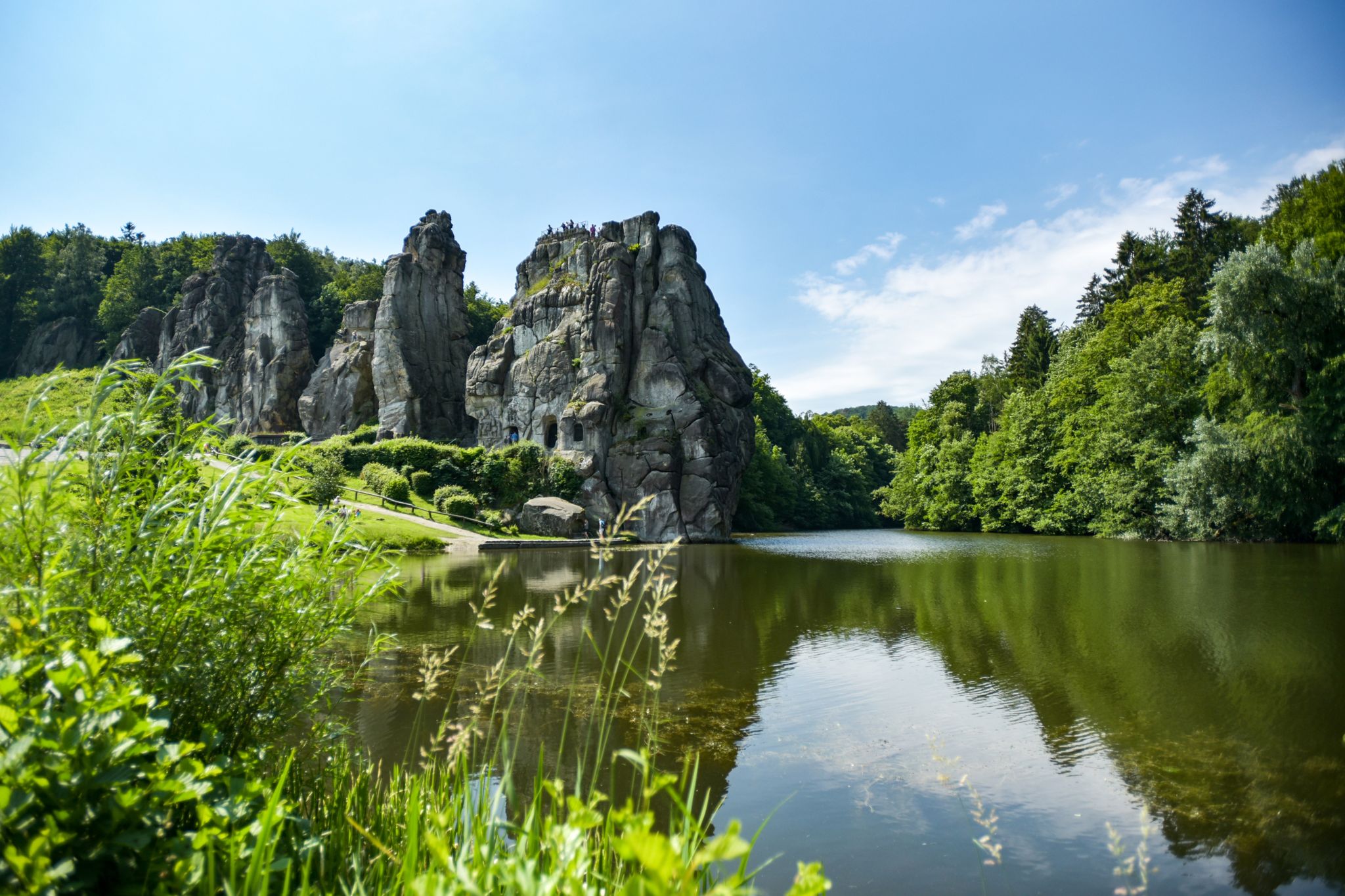
Hiking Germany's Hermannsweg – In the footsteps of the Cheruscan
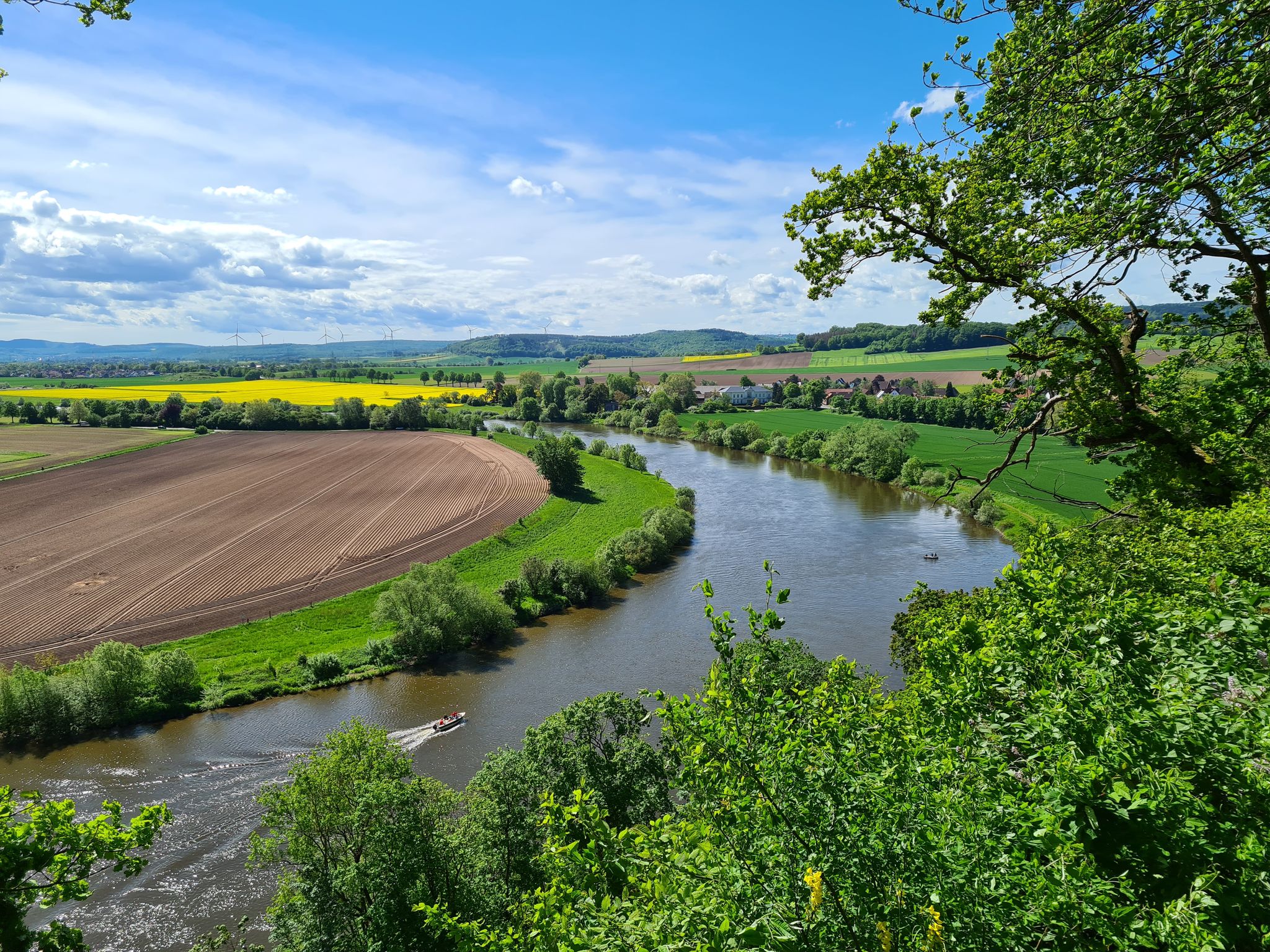
Loccum-Volkenroda pilgrim's way – From monastery to monastery
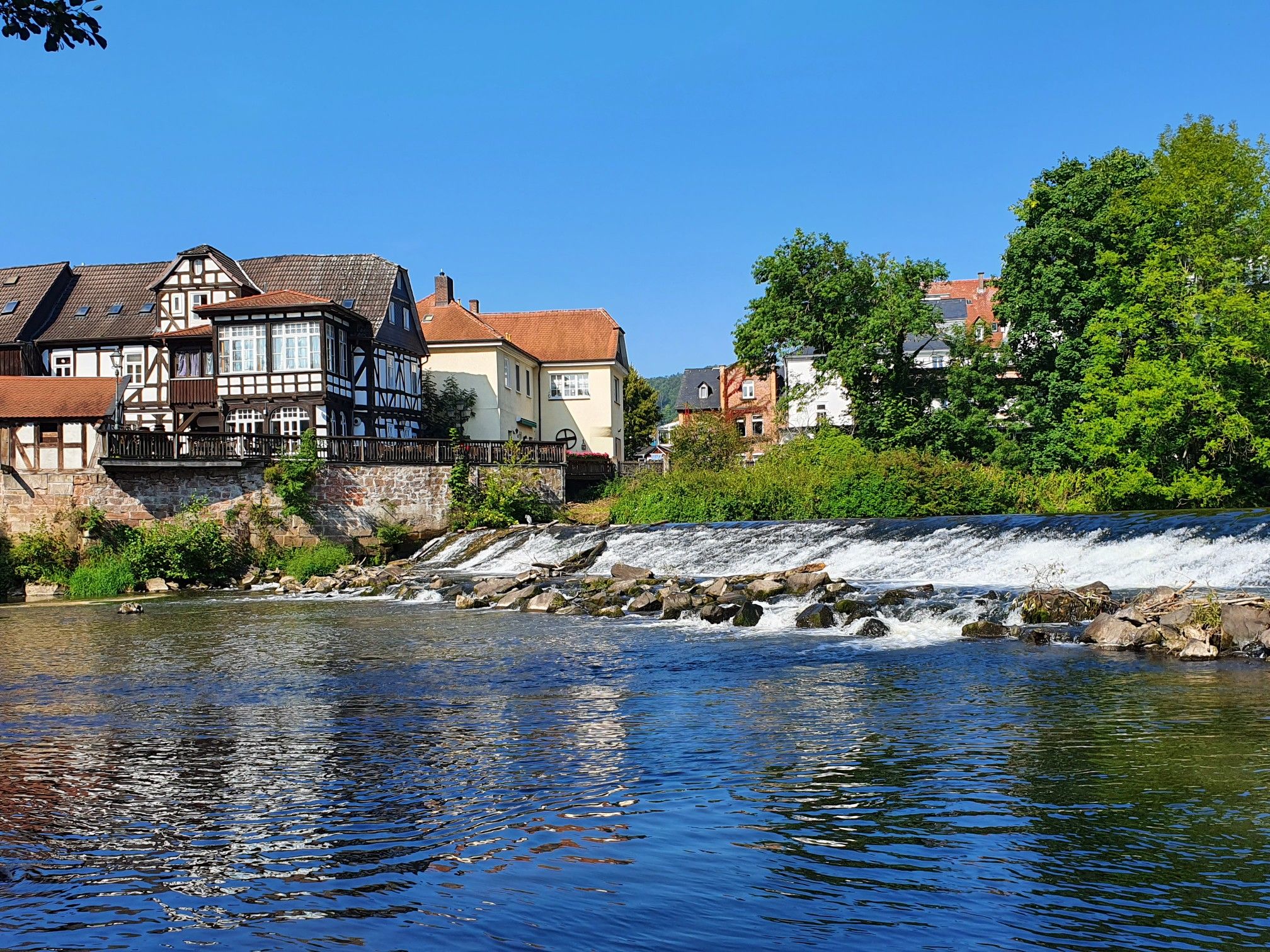
11 Hessen trails – criss-cross through the countryside
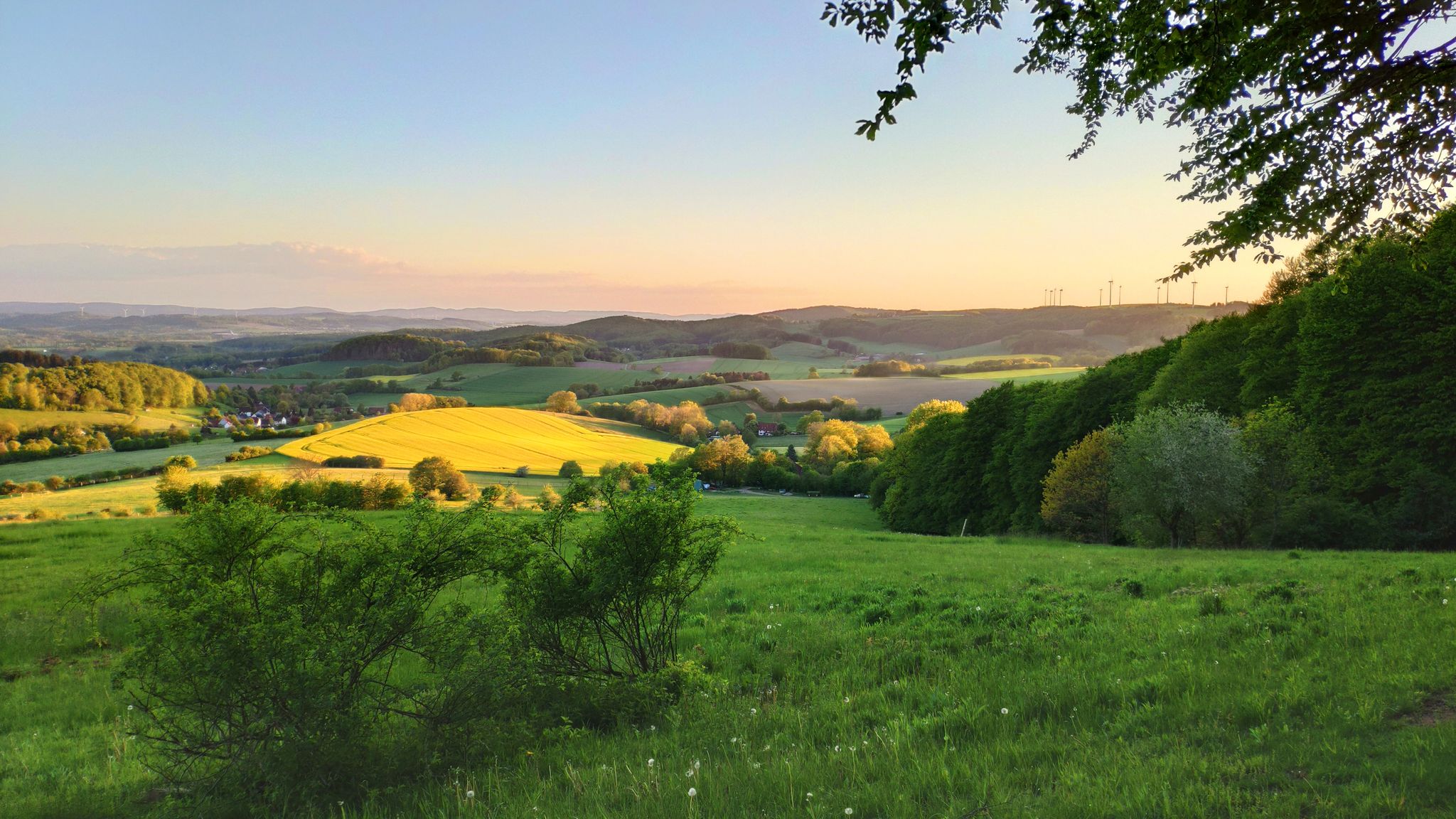
Hansa Trail in 6 stages – Hills and fun in Germany's Lipper Bergland
Hiking on Germany's Bückeberg Trail – Gentle hills and green forests
Germany's Weser Trail — Floodplains, dykes and old towns in 8 days
Egge Trail – Hiking through the Lower Saxon hills in Germany
Weg der Stille - Ökumenischer Pilgerweg
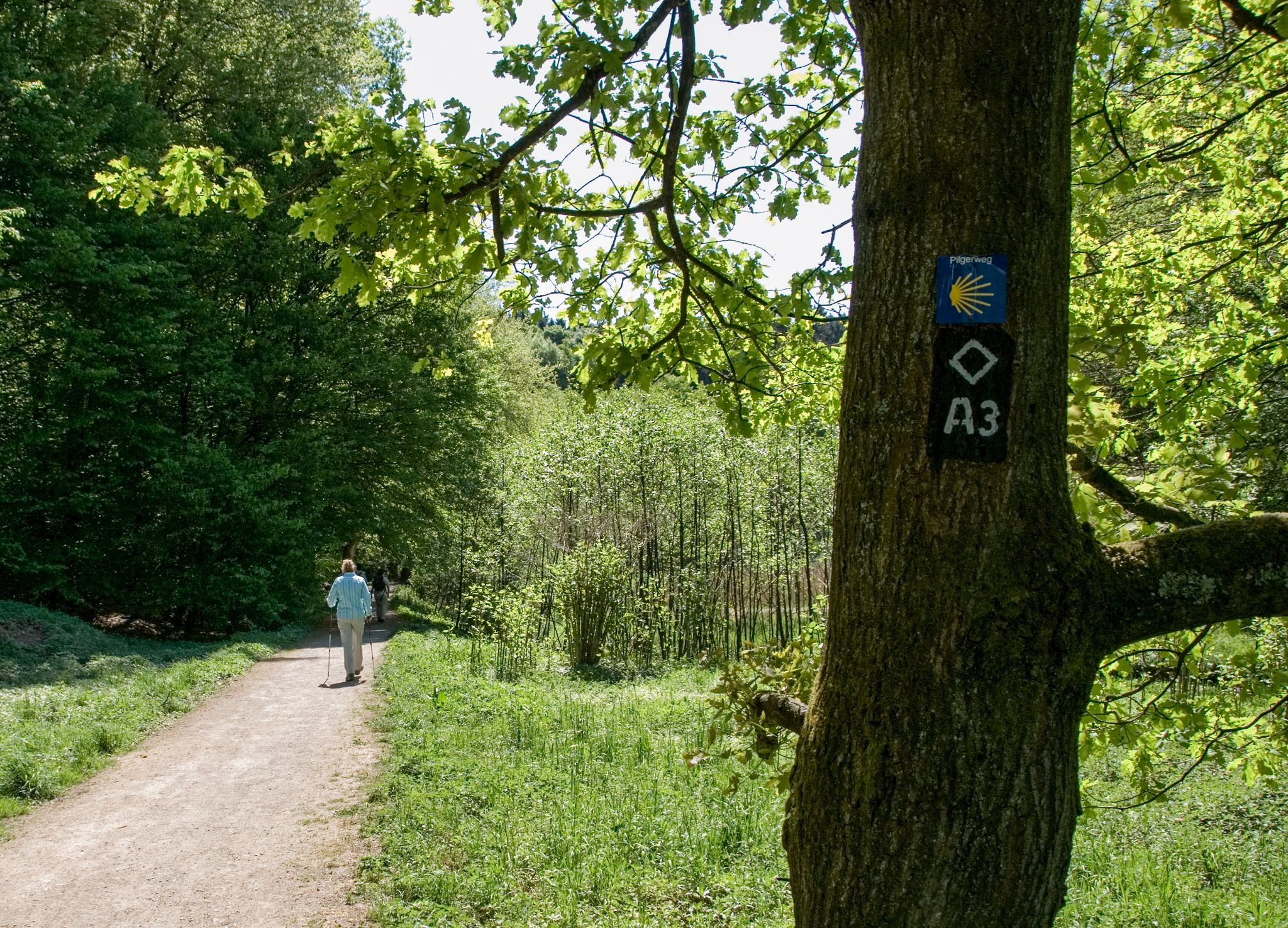
Westphalian Way of St. James – 9 days
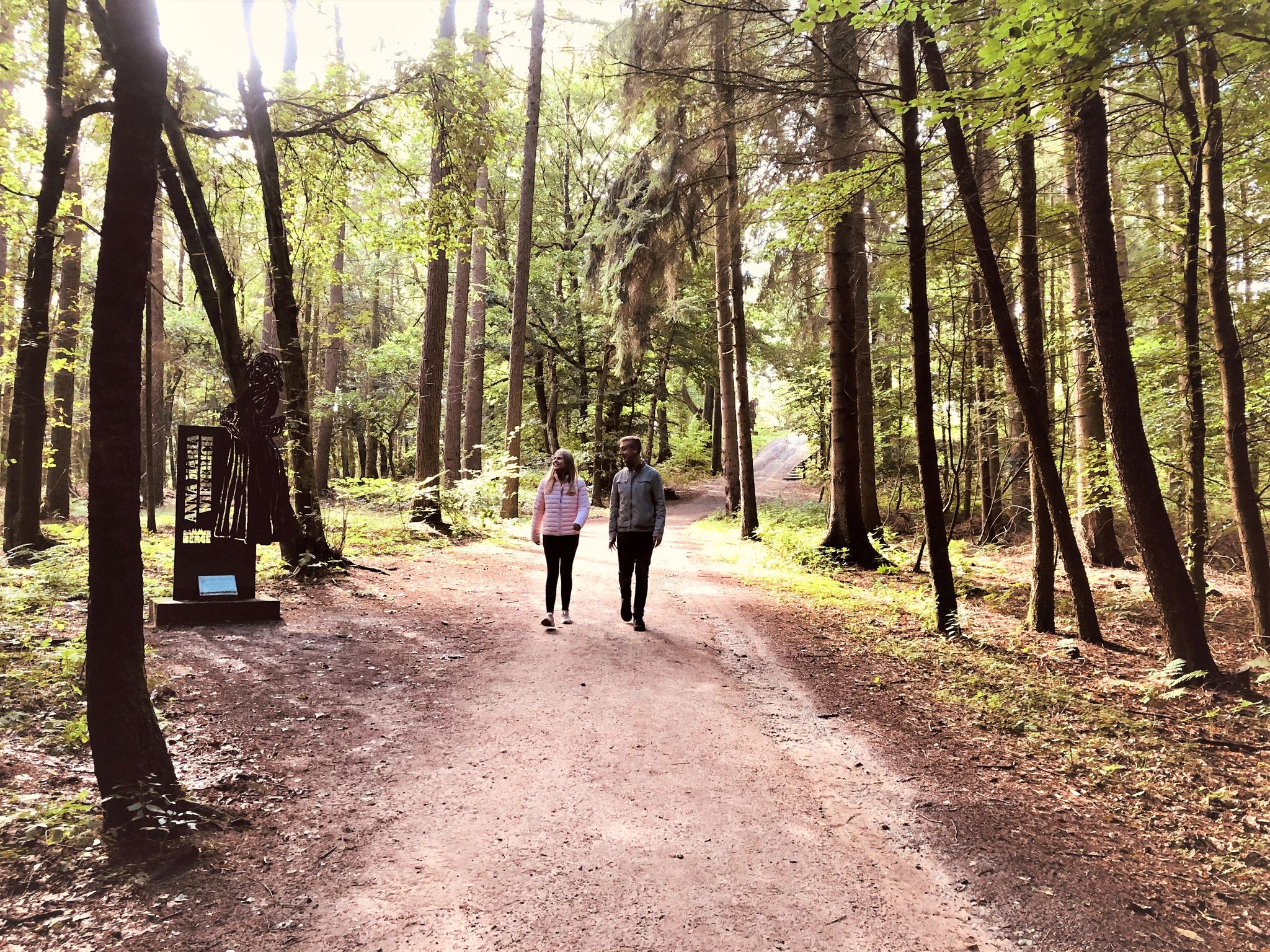
The most beautiful hiking routes in DümmerWeserLand
Other adventures in the Teutoburg Forest


Tips from the Community

At the far end of the accessible entrance to the side wings, two sculptures symbolize the cornerstones of the spa: water and health. The entire structure is 84 meters long. Both spatially and visually, the promenade hall forms the almost perfect northern (lower) end of the grand vista uphill to the Imperial Palace (Kurhaus) and simultaneously the smaller vista up to the Theater im Park. The view (in both directions) is breathtaking. Since the central axis of the promenade hall (i.e., its open side) faces southeast, the two colonnades and the semicircular inner courtyard are largely protected from the prevailing westerly winds. It's no wonder that this superbly designed space is one of the city's most popular spots: absolutely perfect for festivals, markets, and cultural events, held several times a year!
2
0
Radiantly white, like a temple to healing waters and health, the Wandelhalle (promenade hall) presents itself as perhaps the most beautiful and functional building in the Bad Oeynhausen spa gardens. Built in 1925/26 in the Neoclassical style, the Wandelhalle architecturally completes the historic spa garden buildings. Nearly 70 years after the late-classical Bathhouse I by Carl Ferdinand Busse (1857), the clear formal language of antiquity is once again embraced. The elevated central section, the so-called Trinkhalle (drinking hall), with its six freestanding Ionic columns on the front, resembles a Greek temple. Today, in addition to the traditional dispensing of healing waters, the magnificent hall serves as a venue for concerts, lectures, and panel discussions—a kind of spa town hall. The two side wings, each curved into a quarter circle, consist of a row of shops enclosed on the outside and a colonnade open to the inner courtyard, supported by Doric columns.
3
0

The Kurparksee (spa park lake) in Bad Salzuflen is the centerpiece of the expansive spa park and one of the town's most beautiful spots. Nestled among ancient trees, well-maintained walking paths, and the impressive graduation towers that have made Bad Salzuflen famous as a traditional spa town, the lake was created as part of the spa park's development in the early 20th century and lends the entire area a tranquil, almost fairytale-like atmosphere. With its reflective surface, waterfowl, and surrounding flowerbeds and greenery, it invites visitors to enjoy relaxing strolls, short breaks, or simply linger on its shores.
4
0
What is little known in this country is that Gorgolewski also worked outside of Prussia and left visible traces to this day, especially in southern Poland and western Ukraine (both regions together then belonged to Austria-Hungary as the Kingdom of Galicia and Lodomeria). During the last years of his life (1893-1903), he was director of the Technical University in Lviv. His most important work there is the magnificent neo-Baroque theater and opera house (1897-1900), today the largest and most prestigious in Ukraine.
2
0
The magnificent Bathhouse II, originally called Bathhouse IV, was built between 1883 and 1885 in the French Renaissance style. Similar to the late-classical Bathhouse I (by Carl Ferdinand Busse), it has an H-shaped floor plan and a high central dome with the grand main entrance in front of it. However, it differs in its four elevated corner pavilions and its considerably more opulent interior design. The architect was Siegmund (Zygmunt) Gorgolewski (1845–1903), one of the leading figures of Historicism at the time. As a Prussian government architect, Gorgolewski left behind numerous public buildings, primarily in the eastern provinces. He himself came from the then-province of Posen.
2
0

The Kurparksee lake blends harmoniously into the landscape of the spa park. The Salze River flows through the small and large Kurparksee lakes.
3
0

Beautiful old half-timbered houses lovingly renovated
2
0
Beautiful wildlife enclosure right next to the clinic. You can linger here often.
2
0
Frequently Asked Questions
How many urban hiking trails are available in the Teutoburg Forest?
The Teutoburg Forest offers a vast network of trails, with over 1500 routes suitable for hiking. Many of these are easy urban walks, perfect for exploring the towns and their immediate surroundings.
Are there easy urban hiking trails suitable for beginners in the Teutoburg Forest?
Yes, the region is very beginner-friendly, with over 1300 easy routes. For example, the VitalWanderWelt: 'Diversity' trail in Bad Oeynhausen offers a gentle walk through spa gardens, and the VitalWanderWelt: 'Trust' route explores the Dichterviertel, both ideal for a relaxed experience.
What interesting sights or landmarks can I discover on urban hikes in the Teutoburg Forest?
Urban hikes in the Teutoburg Forest often lead you past significant cultural and natural landmarks. You might encounter the impressive Hermann Monument, a towering historical landmark, or the unique sandstone formations of the Externsteine. Many routes also feature charming town centers, historic buildings, and beautiful park landscapes like those found on the Kurpark Lake – Graduation Tower loop in Bad Salzuflen.
Are there urban hikes in the Teutoburg Forest suitable for families?
Absolutely! Many urban trails are designed to be family-friendly, with gentle terrain and points of interest for all ages. The Pader Floodplain (Paderaue) – Pader Springs loop in Paderborn, for instance, offers a pleasant walk along water features that can be engaging for children.
Can I bring my dog on urban hikes in the Teutoburg Forest?
Yes, many urban trails in the Teutoburg Forest are dog-friendly. It's generally recommended to keep your dog on a leash, especially in populated areas, nature reserves, and near wildlife. Always carry waste bags and ensure your dog is well-behaved around other hikers and urban environments.
Are there circular urban hiking routes in the Teutoburg Forest?
Yes, many urban hiking trails in the Teutoburg Forest are designed as circular routes, allowing you to start and end at the same point. This is convenient for those using personal vehicles. Examples include the Pader Floodplain (Paderaue) – Pader Springs loop and the Kurpark Lake – Graduation Tower loop.
How can I reach urban hiking trails in the Teutoburg Forest using public transport?
Many towns in the Teutoburg Forest, such as Paderborn, Bad Oeynhausen, and Minden, are well-connected by public transport. You can often reach trailheads directly from train stations or bus stops within these cities. It's advisable to check local public transport schedules for specific routes and starting points.
Is parking available near urban hiking trailheads in the Teutoburg Forest?
Yes, in most towns and cities within the Teutoburg Forest, you'll find designated parking areas near popular urban hiking trailheads, parks, and attractions. Some may be free, while others might require a small fee. Always look for local signage regarding parking regulations.
What is the best time of year for urban hiking in the Teutoburg Forest?
Urban hiking in the Teutoburg Forest is enjoyable year-round. Spring brings blooming flowers and fresh greenery, while autumn offers vibrant foliage. Summer is pleasant for longer walks, and even winter can be charming with crisp air and occasional snow, especially on trails that pass through town centers with cafes for warmth.
What do other hikers enjoy the most about urban hiking in the Teutoburg Forest?
The area is highly rated by the komoot community, with an average score of 4.57 stars. Reviewers often praise the well-maintained paths, the blend of natural beauty with historical and cultural sights, and the accessibility of these trails within charming towns. The variety of landscapes, from spa gardens to riverbanks, is also frequently highlighted.
Are there urban trails with viewpoints in the Teutoburg Forest?
While urban trails generally offer less dramatic elevation than mountain hikes, some routes provide pleasant viewpoints over cityscapes or natural features. For instance, the View of the River Weser loop in Minden offers scenic perspectives of the river and the city's historic walls.
Most popular routes in the Teutoburg Forest
Most popular attractions in the Teutoburg Forest

Get inspired with the komoot mobile app


Explore more
Browse the best Hikes in other regions.
