The best mountain hikes in the Teutoburg Forest
4.5
(4)
28
hikers
12
hikes
Mountaineering routes in the Teutoburg Forest traverse a landscape of low mountain ranges and forested ridges, primarily composed of limestone and sandstone. This region features varied terrain, from gentle slopes to more challenging ascents, with the Velmerstot reaching 1,535 feet (468 meters) as its highest point. Unique natural features like the Externsteine rock formations add to the geological interest. The area is heavily forested with extensive beech and spruce woods, providing a scenic backdrop for outdoor pursuits.
Best mountaineering routes…
Last updated: August 6, 2026
10.9km
03:09
270m
270m
Moderate mountaineering route. Good fitness required. Easily-accessible paths. Suitable for all skill levels.
4.0
(3)
8
hikers
22.6km
06:32
590m
590m
Hard mountaineering route. Very good fitness required. Easily-accessible paths. Suitable for all skill levels.

Sign up for free
4
hikers
Hard mountaineering route. Very good fitness required. Easily-accessible paths. Suitable for all skill levels.
3
hikers
6.74km
02:04
230m
230m
Moderate mountaineering route. Good fitness required. Mostly accessible paths. Sure-footedness required.
5.0
(1)
1
hikers
Moderate mountaineering route. Good fitness required. Easily-accessible paths. Suitable for all skill levels.
Get access to more routes and recommendations from other explorers.
Sign up for free
Already have an account?
Our route recommendations are based on thousands of hikes, rides, and runs completed by other people on komoot.
Start today with a free account
Your next adventure awaits.
Login or Signup
Popular around Teutoburg Forest
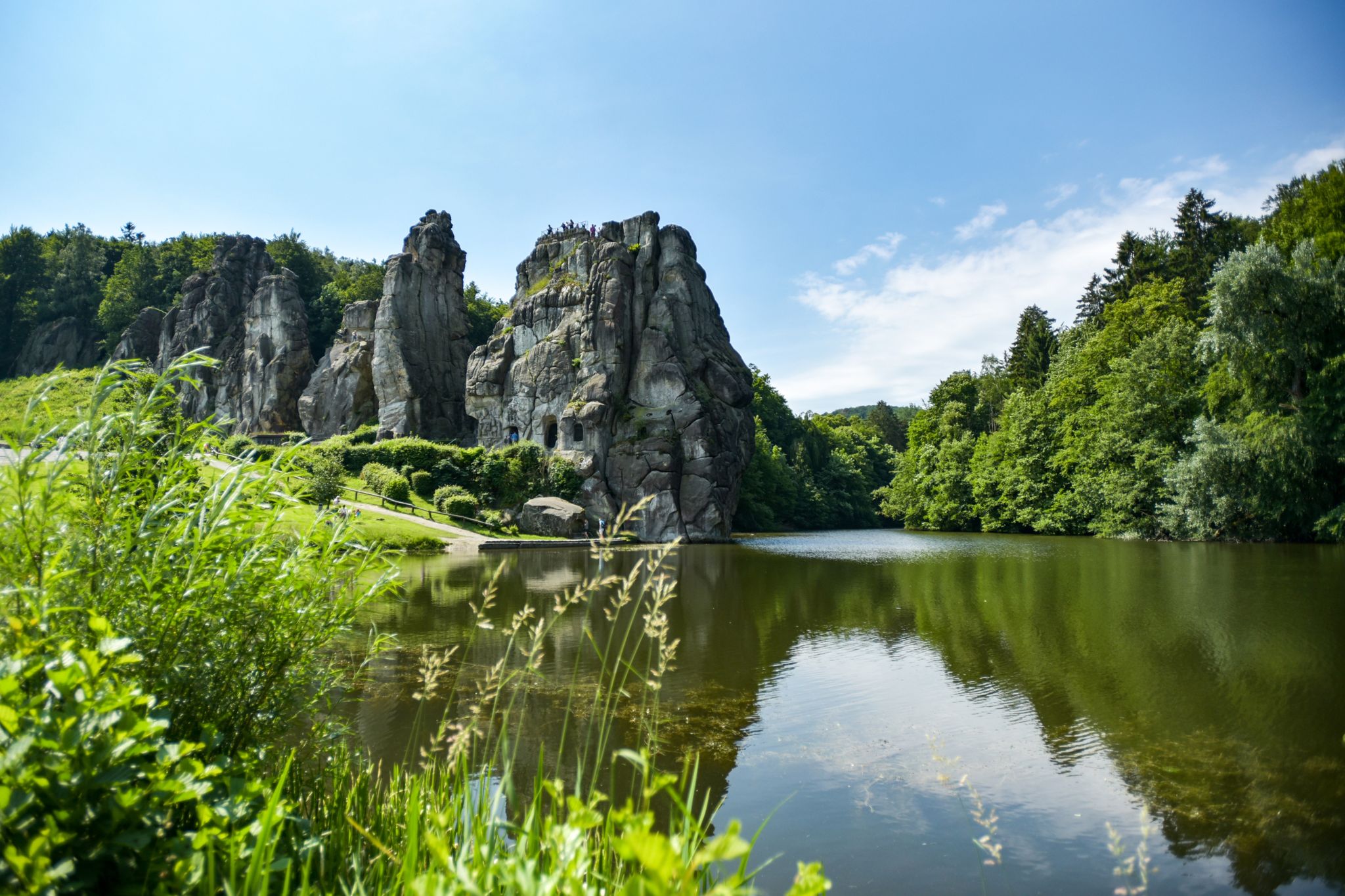
Hiking Germany's Hermannsweg – In the footsteps of the Cheruscan
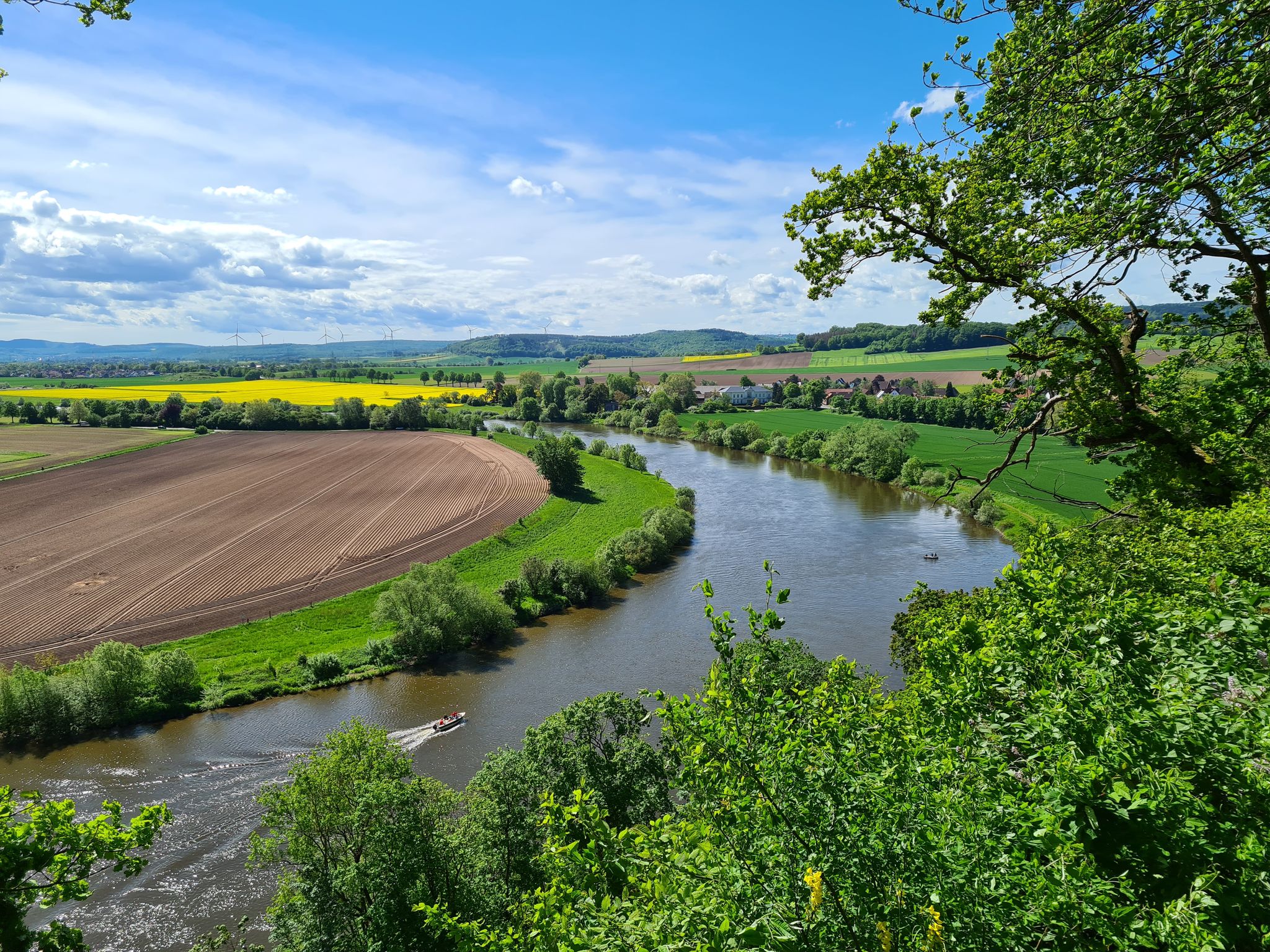
Loccum-Volkenroda pilgrim's way – From monastery to monastery
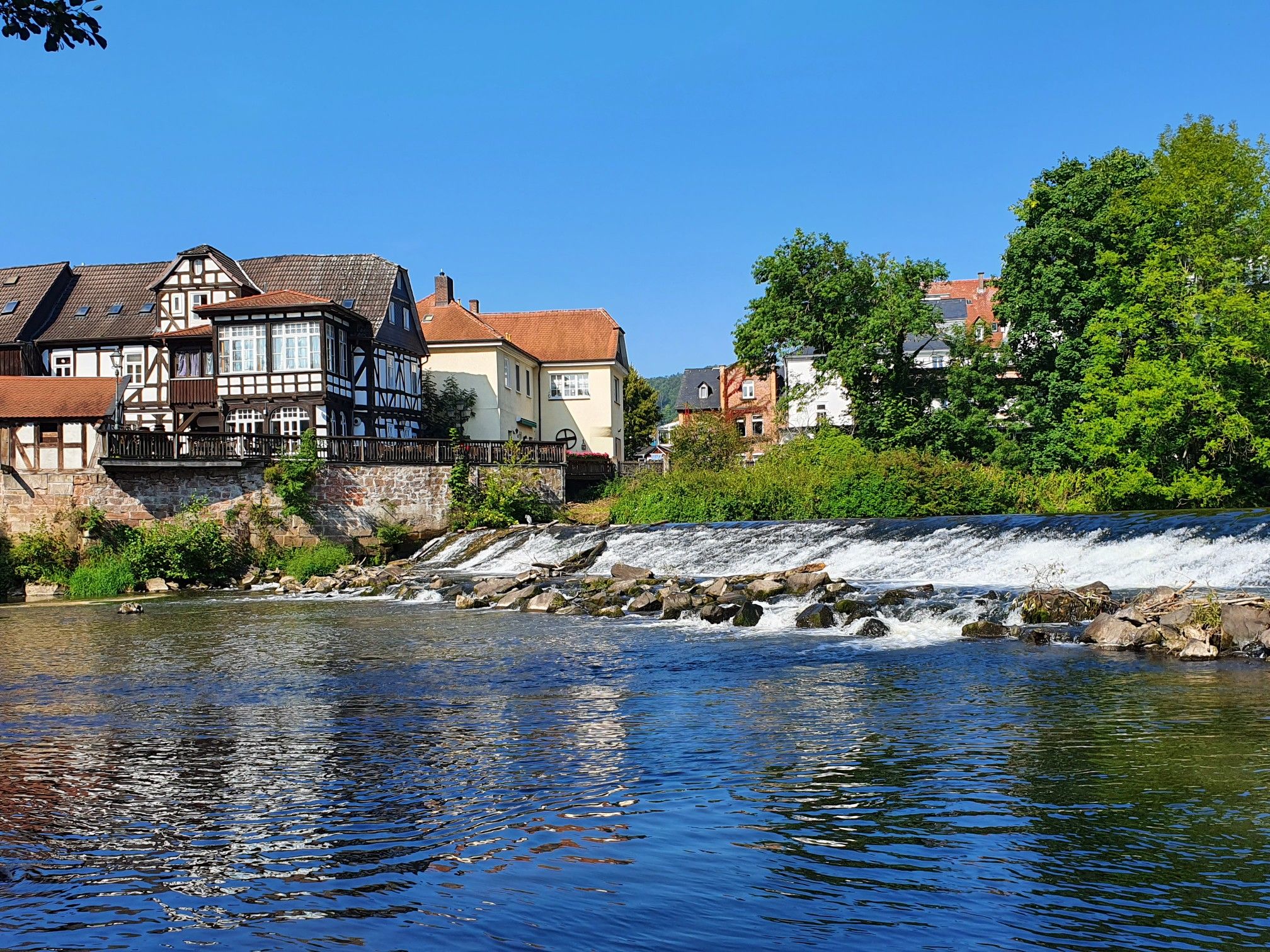
11 Hessen trails – criss-cross through the countryside
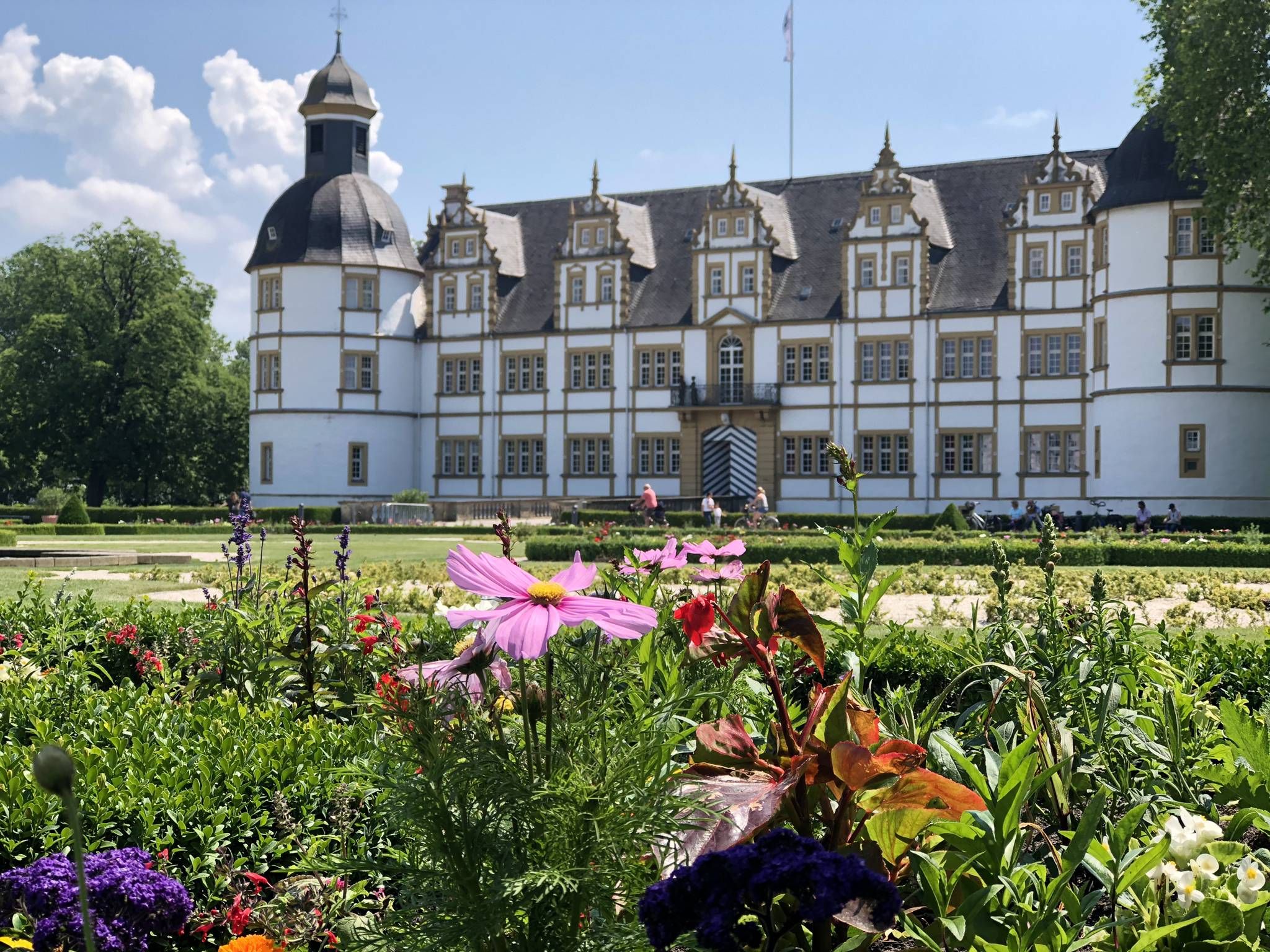
LandesGartenSchau Route – Westphalian Dream Parks
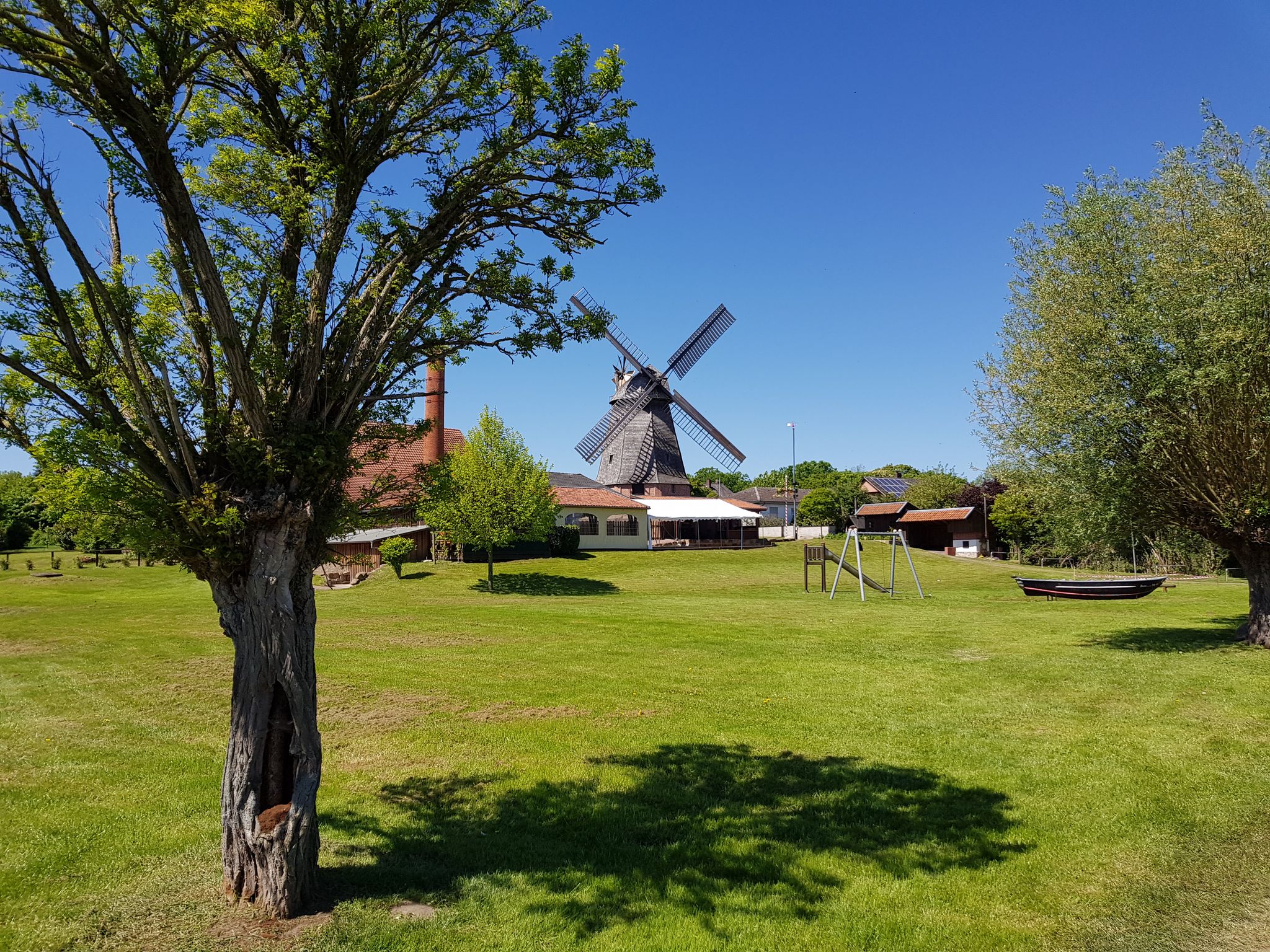
Cycle Germany's Mill Route — Open-air museums and Teutoberg forest
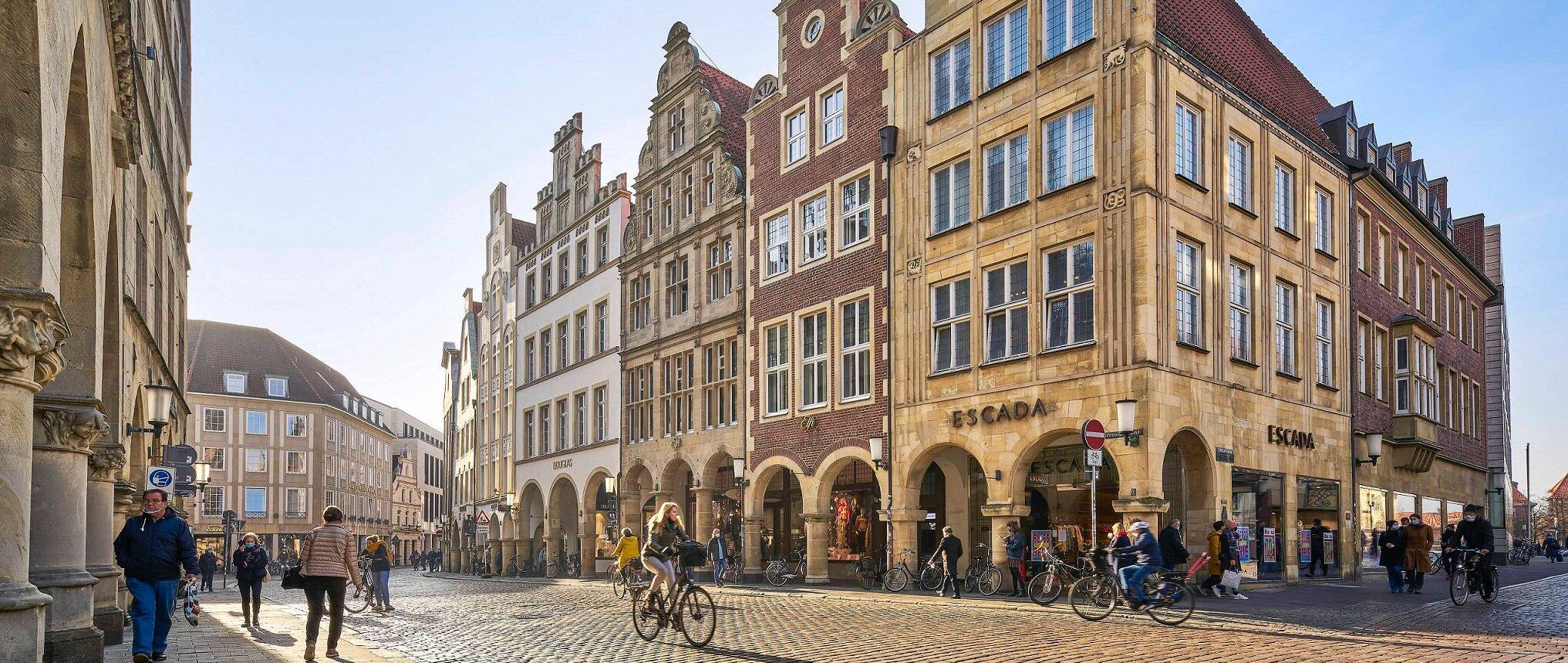
Germany's Westphalian City Tour — linking historic town centres
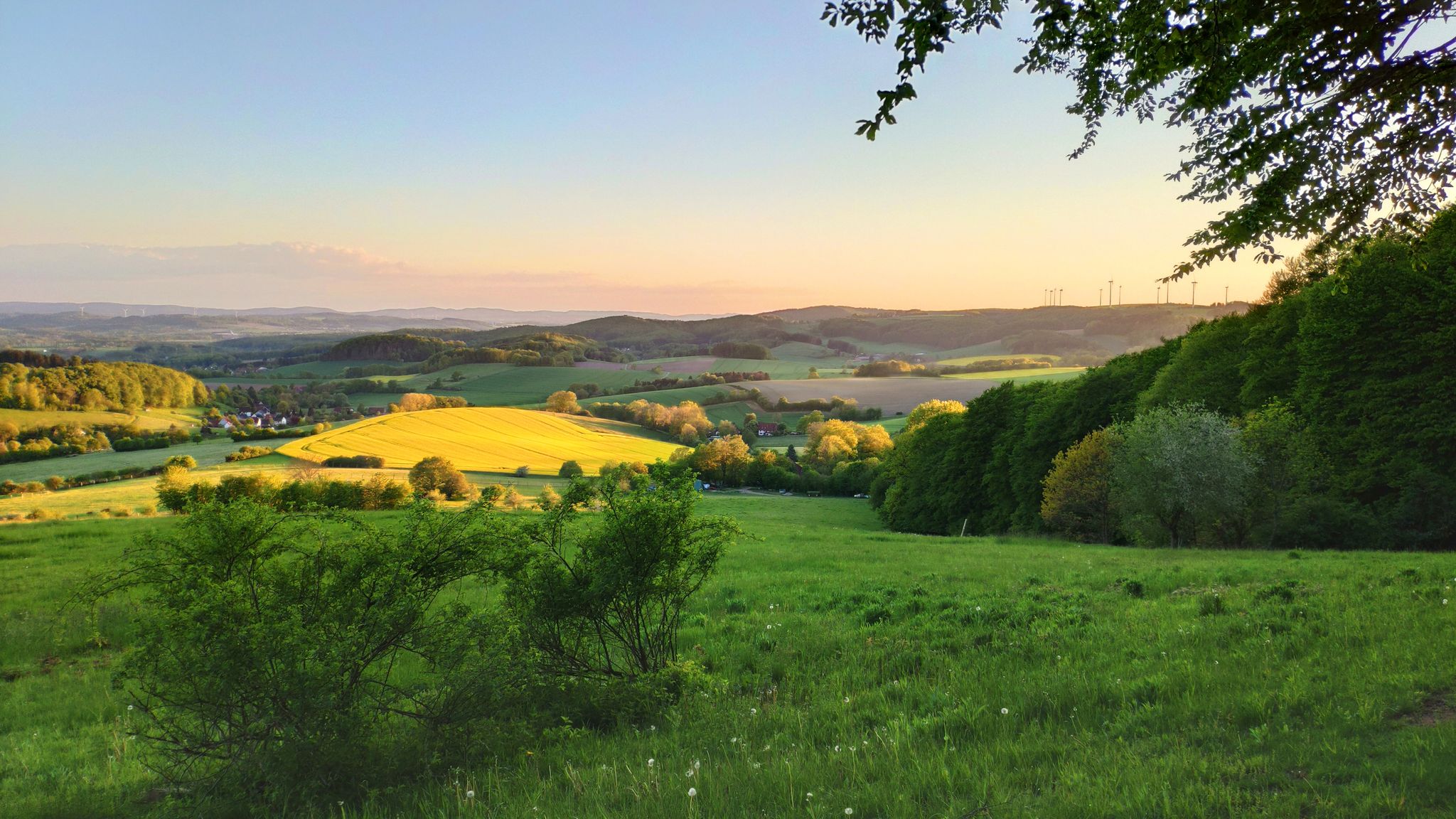
Hansa Trail in 6 stages – Hills and fun in Germany's Lipper Bergland
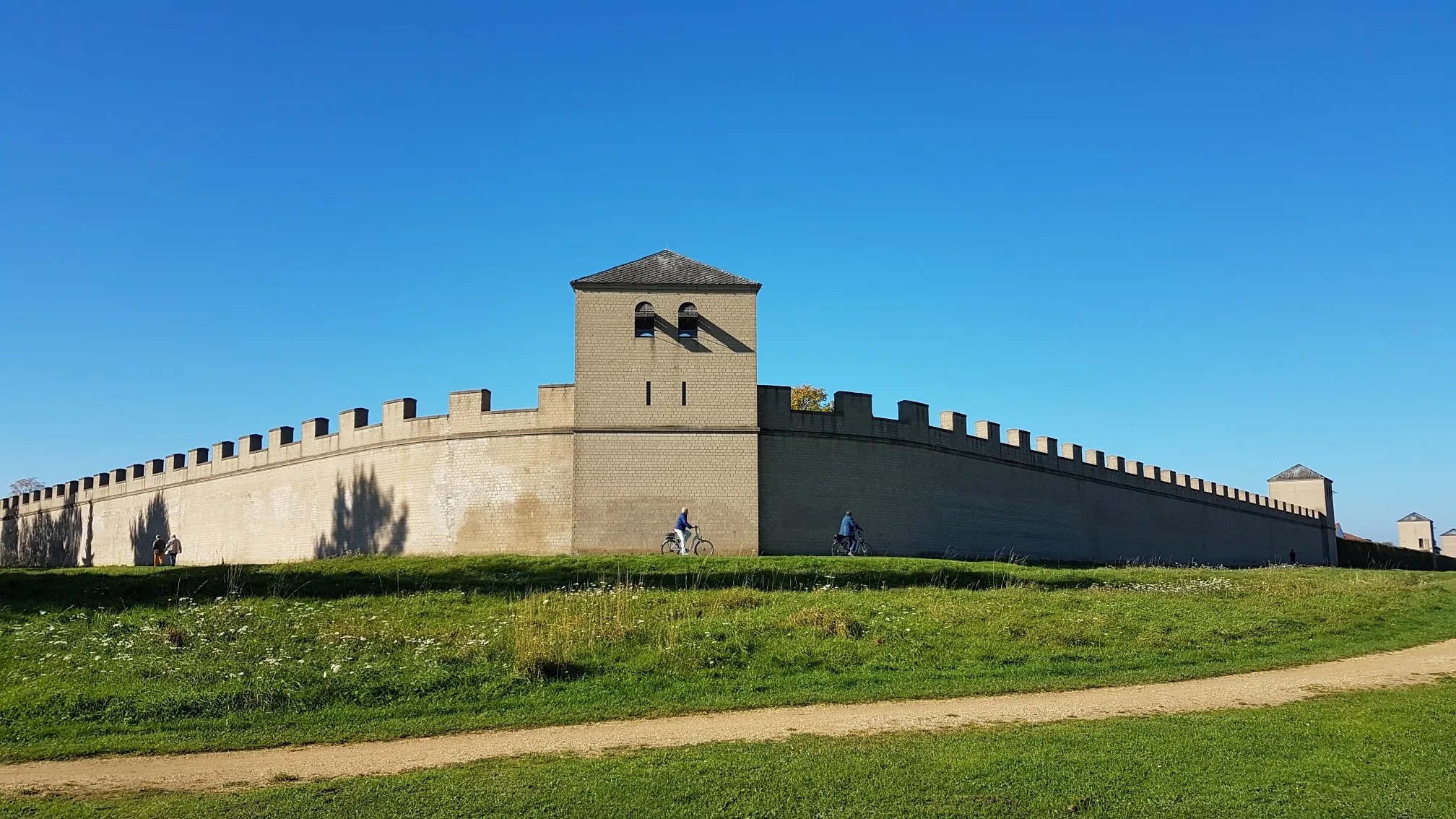
Römer‑Lippe Route – Water and history – 6 days
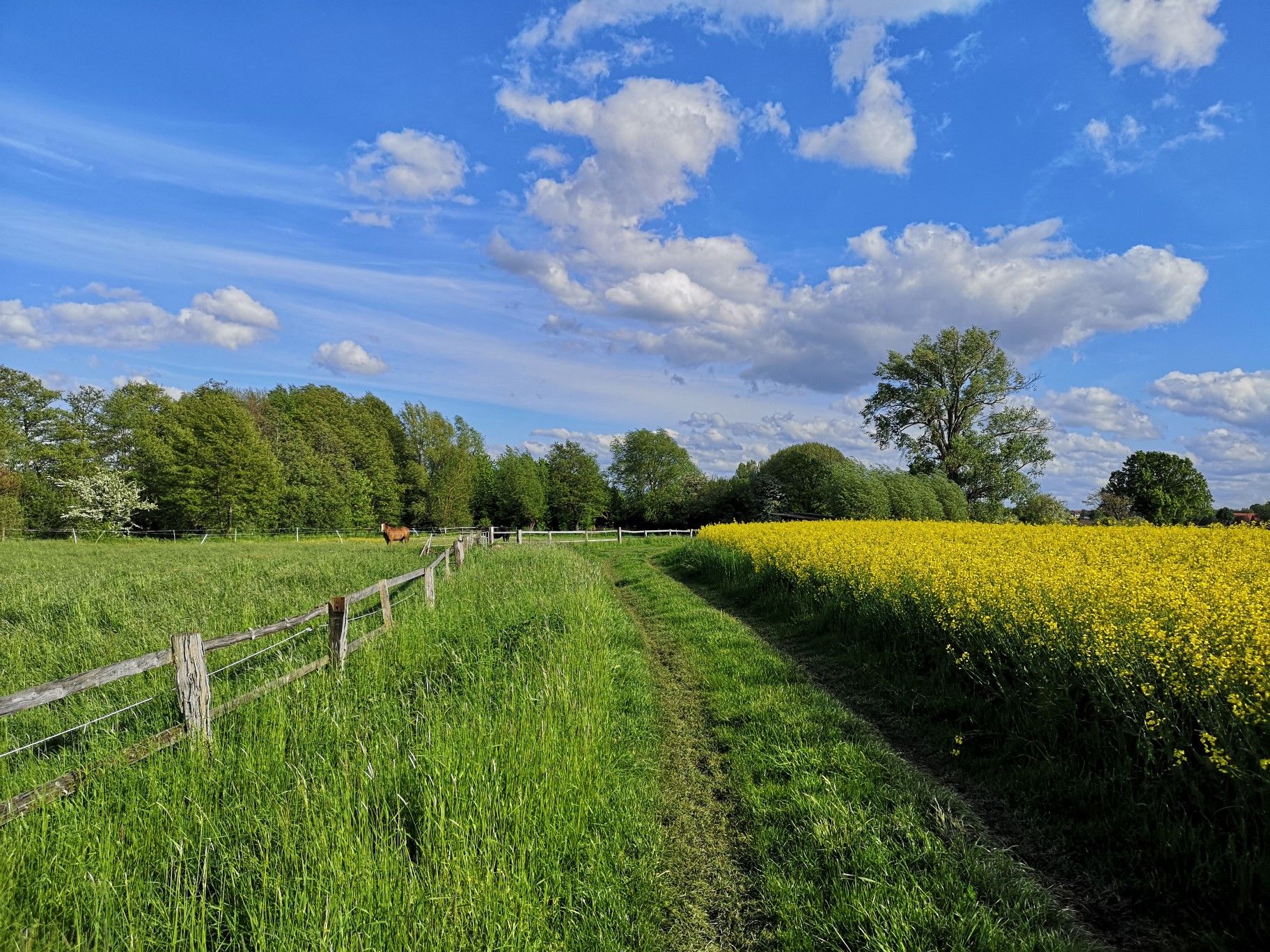
Hiking on Germany's Bückeberg Trail – Gentle hills and green forests
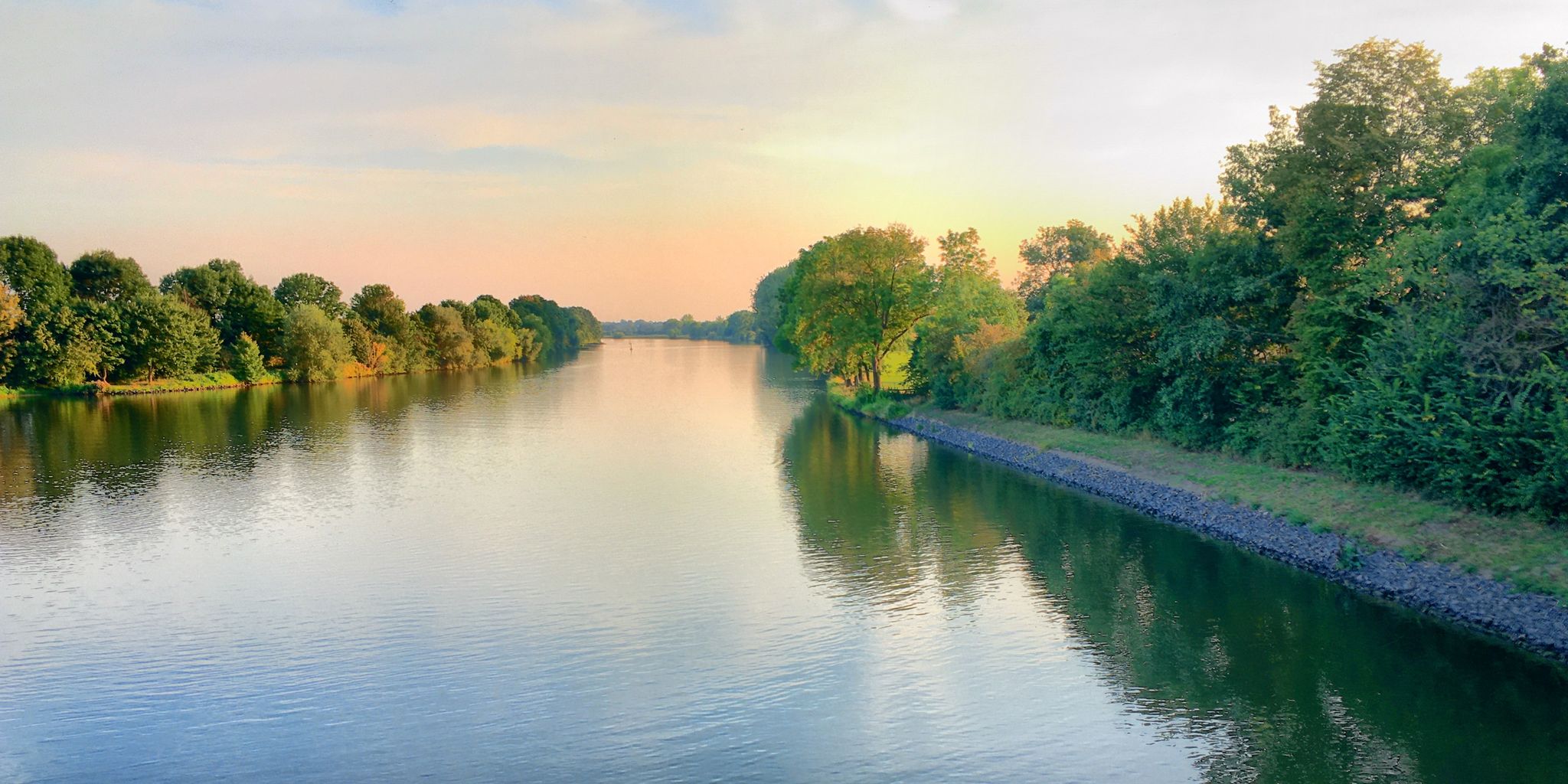
Germany's Weser Trail — Floodplains, dykes and old towns in 8 days
Other adventures in the Teutoburg Forest


Tips from the Community

Cool crossing of the stream, but beware, some stones are a bit wobbly :D
0
0

Ernst von Bandel was born on May 17, 1800, in Ansbach, Bavaria. He spent his school years in Ansbach and Nuremberg. At the age of 16, his "apprenticeship years" began in Munich at the "Bauschule der Akademie" (School of Architecture of the Academy). Two years later, Bandel already had to earn his own living and the means for his further studies. During this time, the first drawings for a Hermannsdenkmal (Hermann Monument) or an "Arminiussäule" (Arminius Column), as Bandel himself always called it, were created. The Bandel Collection at the Lippische Landesbibliothek (Lippe State Library) contains materials dealing with Ernst von Bandel and the Hermannsdenkmal. These include Bandel's extensive correspondence with various contemporaries, his sketchbook, manuscripts, portraits of Bandel, depictions of the Hermannsdenkmal, and much more. Source: https://www.hermannsdenkmal.de/wissenswertes/der-erbauer-ernst-von-bandel/
0
0

View of the Hilgenbach from the bridge before the B64
0
0


Extreme caution is advised here! Some sharp stones, deep steps, and often rocky ground. In some places (S3), it might be better to push 😟. Great area.
1
0

Watch out! A man is walking past quickly.
0
0


Hermann in the Arminia jersey '25
3
0
Frequently Asked Questions
What kind of terrain can I expect on mountaineering routes in the Teutoburg Forest?
The Teutoburg Forest features a diverse landscape of low mountain ranges and forested ridges, primarily composed of limestone and sandstone. You'll encounter varied terrain, from gentle slopes to more challenging ascents and gorges, especially around Bielefeld and Detmold. The region is heavily forested with extensive beech and spruce woods, providing a scenic backdrop for your climbs.
How many mountaineering routes are available in the Teutoburg Forest?
There are 13 mountaineering routes available in the Teutoburg Forest. These routes offer a range of difficulties, including 2 easy, 9 moderate, and 2 difficult options, ensuring there's something for various skill levels.
Are there any challenging mountaineering routes in the Teutoburg Forest?
Yes, for those seeking a challenge, the Teutoburg Forest offers difficult routes. One such option is the Falkenburg Castle Ruins – Hermannsdenkmal loop from Horn, a demanding 14.4-mile (23.2 km) path that combines historical landmarks with significant ascents and panoramic vistas. Another difficult route is the Crayfish Pond – Ascent to the Hermannsdenkmal loop from Hochschule für Musik Detmold, an 11.2-mile (18.1 km) trail through dense forests.
What are some notable natural features or landmarks to see along the routes?
The Teutoburg Forest is rich in natural and historical landmarks. You can explore the mesmerizing Externsteine, a prominent sandstone rock formation near Horn-Bad Meinberg. The highest point, Lippische Velmerstot, offers fantastic panoramic views. Additionally, the iconic Kaiser Friedrich Memorial Hut (Schwedenschanze) provides wonderful views over the Ravensberg region.
Are there any circular mountaineering routes in the Teutoburg Forest?
Many of the mountaineering routes in the Teutoburg Forest are designed as loops, offering a convenient way to explore the region. For example, the Ascent to the Velmerstot Summit – Lippische Velmerstot loop from Leopoldstal is a moderate 6.8-mile (10.9 km) trail that leads to the highest point in the forest. Another option is the Velmerstot Upland Heath – Lippische Velmerstot loop from Leopoldstal, a shorter 4.2-mile (6.7 km) moderate route.
What do other mountaineers say about the routes in the Teutoburg Forest?
The mountaineering routes in the Teutoburg Forest are highly rated by the komoot community, with an average score of 4.7 stars from over 4 reviews. Mountaineers often praise the varied terrain, the scenic forested ridges, and the rewarding panoramic views from summits like the Velmerstot.
Are there any routes that pass by lakes or water features?
Yes, some routes offer views of water features. While not directly on the mountaineering routes listed, the region features beautiful lakes such as Lippesee and Donoper Pond, which can be explored in conjunction with your mountaineering adventures. The View of the Externsteine from the north shore of the Upper Pond is a particularly scenic spot.
What is the best time of year for mountaineering in the Teutoburg Forest?
The Teutoburg Forest is enjoyable year-round, but spring and autumn offer particularly pleasant conditions for mountaineering, with mild temperatures and vibrant foliage. Summer provides longer daylight hours, while winter can offer unique snowy landscapes, with some areas even providing skiing opportunities.
Are there any routes suitable for families or beginners?
While the guide focuses on mountaineering, which implies some challenge, there are 2 easy and 9 moderate routes available. The region's diverse terrain means you can find paths that are less strenuous, especially in areas with more gentle slopes. For families, consider shorter, moderate loops like the Trappistenhof – Glassmakers' Monument, Bad Driburg loop from Bad Driburg, which is 6.1 miles (9.8 km) and offers a manageable elevation gain.
Can I access the mountaineering routes using public transport?
The Teutoburg Forest region is generally well-connected, and many trailheads are accessible via public transport, particularly in larger towns like Detmold or Horn-Bad Meinberg. It's advisable to check local bus and train schedules for specific starting points before your trip.
Are there any places to eat or stay near the mountaineering trails?
Yes, the Teutoburg Forest is a popular tourist region, so you'll find various cafes, pubs, and accommodation options in towns and villages surrounding the trails, such as Detmold, Horn-Bad Meinberg, and Bad Driburg. These places offer opportunities to refuel and relax after your mountaineering adventures.
What is the highest point I can reach on a mountaineering route in the Teutoburg Forest?
The highest point you can reach on a mountaineering route in the Teutoburg Forest is the Velmerstot, which rises to an elevation of 1,535 feet (468 meters). Routes like the Ascent to the Velmerstot Summit – Lippische Velmerstot loop from Leopoldstal will take you to this summit, rewarding you with expansive views.
Most popular routes in the Teutoburg Forest
Most popular attractions in the Teutoburg Forest

Get inspired with the komoot mobile app


Explore more
Browse the best Mountain Hikes & Routes in other regions.
