The 9 Most Amazing Peaks in Santa Fe National Forest
Best mountain peaks in Santa Fe National Forest are found within the vast protected area of northern New Mexico, primarily in the Sangre de Cristo and Jemez Mountains. This region spans elevations from 5,300 feet to over 13,000 feet, offering a diverse landscape. The forest features challenging climbs, alpine lakes, panoramic vistas, and rich ecosystems. It is a popular destination for those seeking high-altitude experiences and exploring varied terrain.
Best mountain peaks in Santa Fe National Forest
- The most popular…
Last updated: October 11, 2026
Picacho Peak
Highlight • Summit
Tip by

Saint Peter's Dome
Highlight • Summit
Tip by

Sign up now to discover places like this
Get recommendations on the best single tracks, peaks, & plenty of other exciting outdoor places.
Tesuque Peak
Highlight • Summit
Tip by

Chicoma Mountain
Highlight • Summit
Tip by
Santa Fe Baldy
Highlight • Summit
Tip by

Sign up for free to discover even more peaks in Santa Fe National Forest.
Already have an account?
Start today with a free account
Your next adventure awaits.
Popular around Santa Fe National Forest
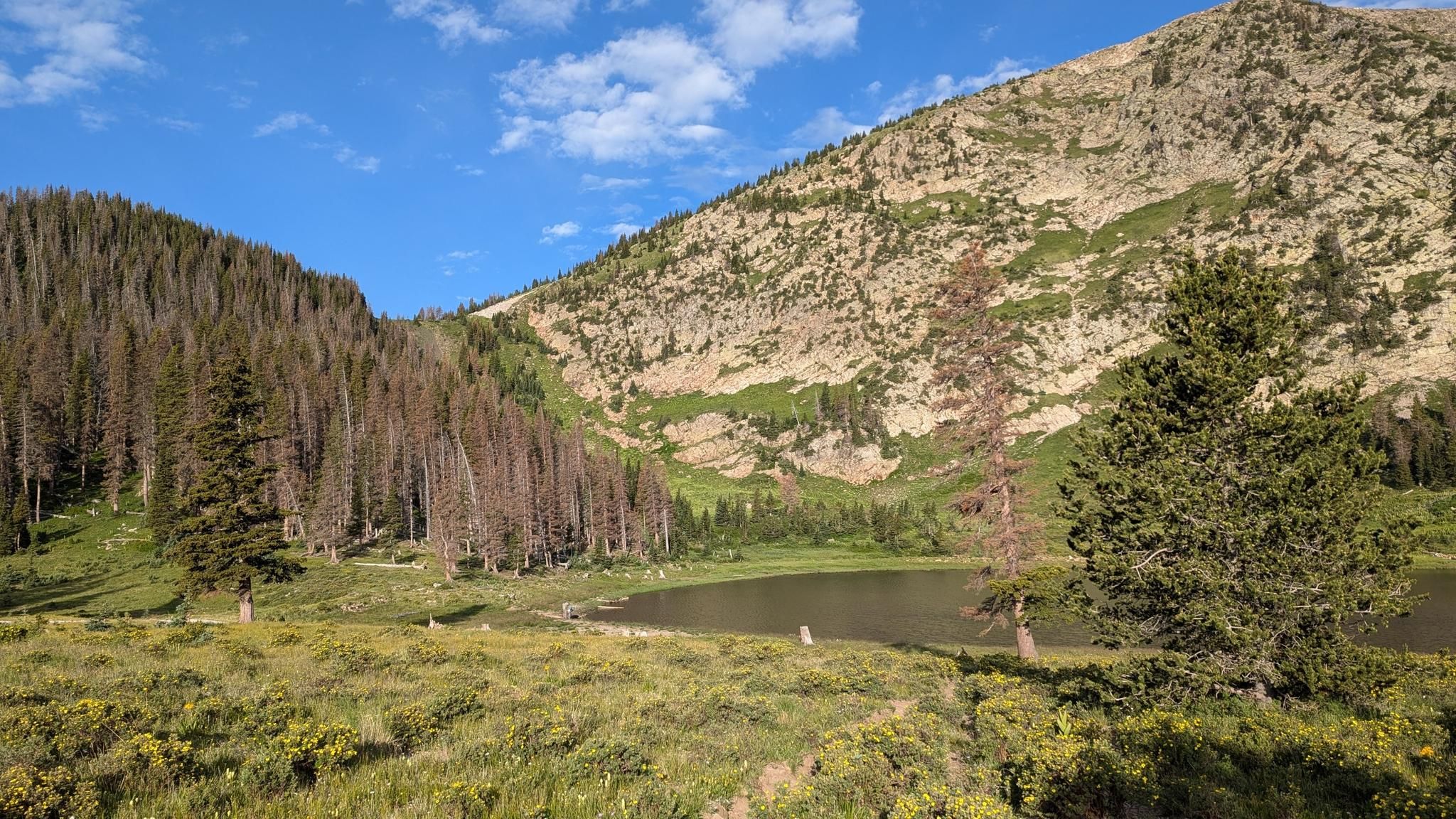
Santa Fe to Taos Thru-Hike — A journey across the Sangre de Cristo Mountains
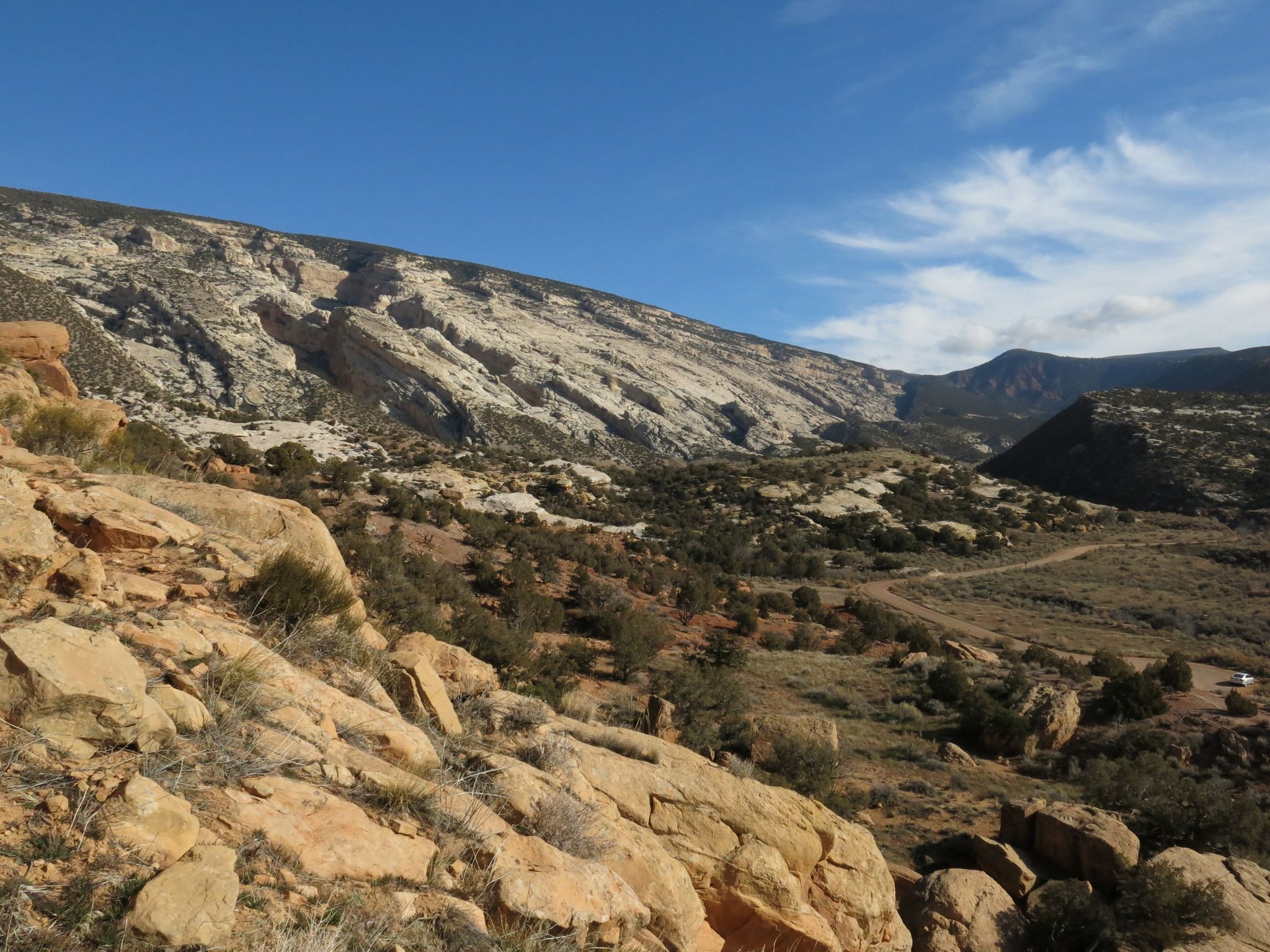
Bikepack in America's southwest – deserts, cacti and Anasazi culture
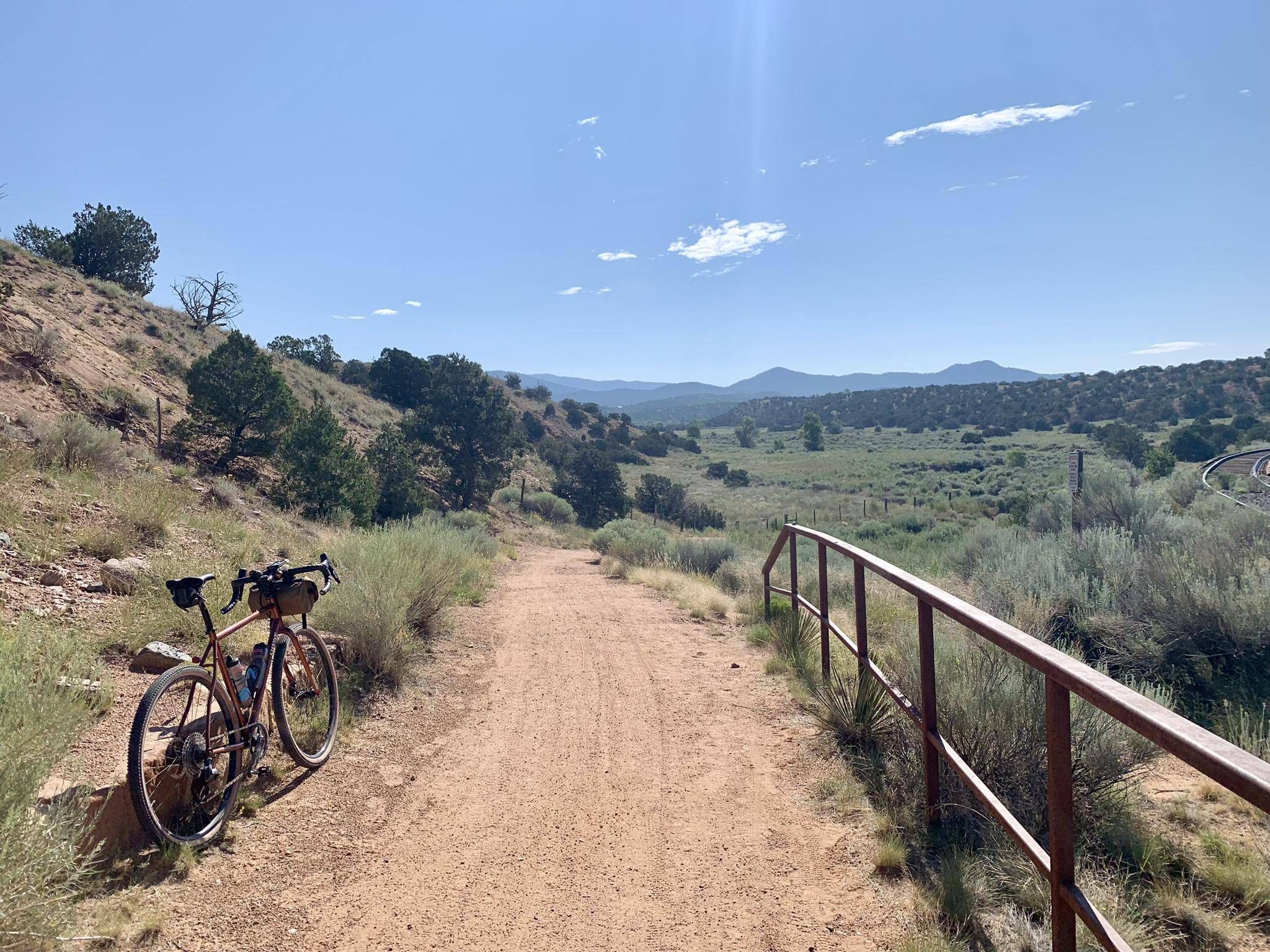
New Mexico Off-Road Runner
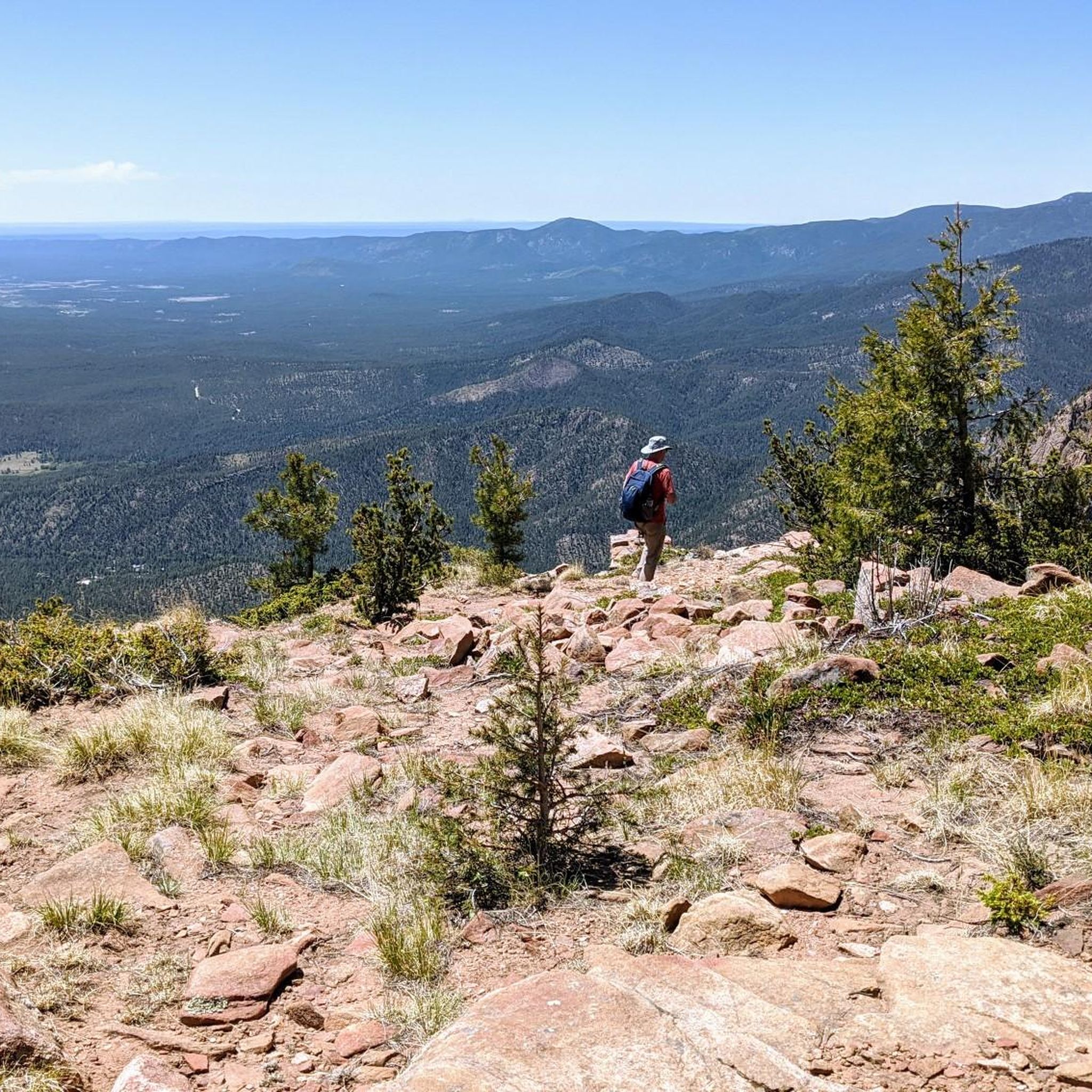
Hiking in Santa Fe National Forest
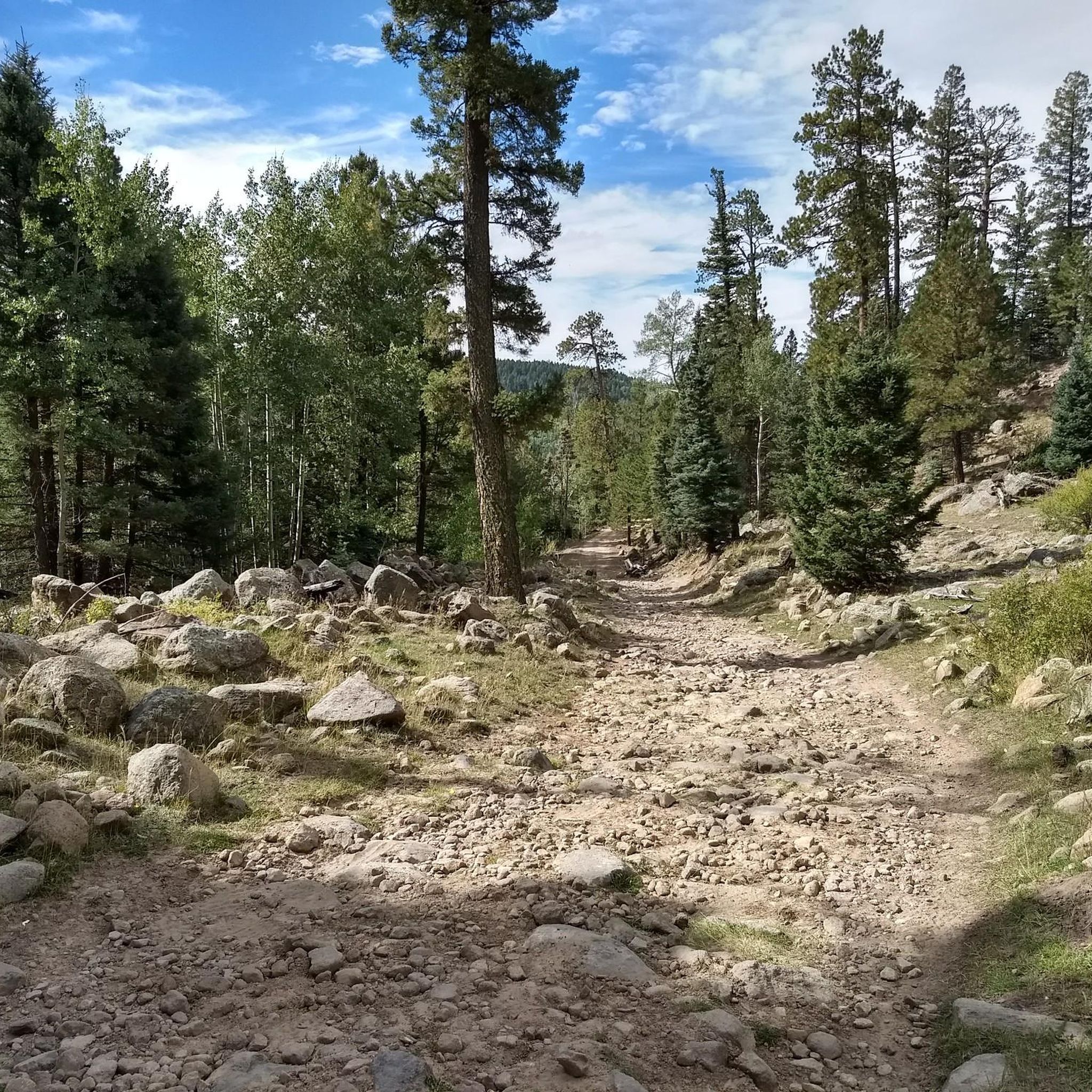
MTB Trails in Santa Fe National Forest
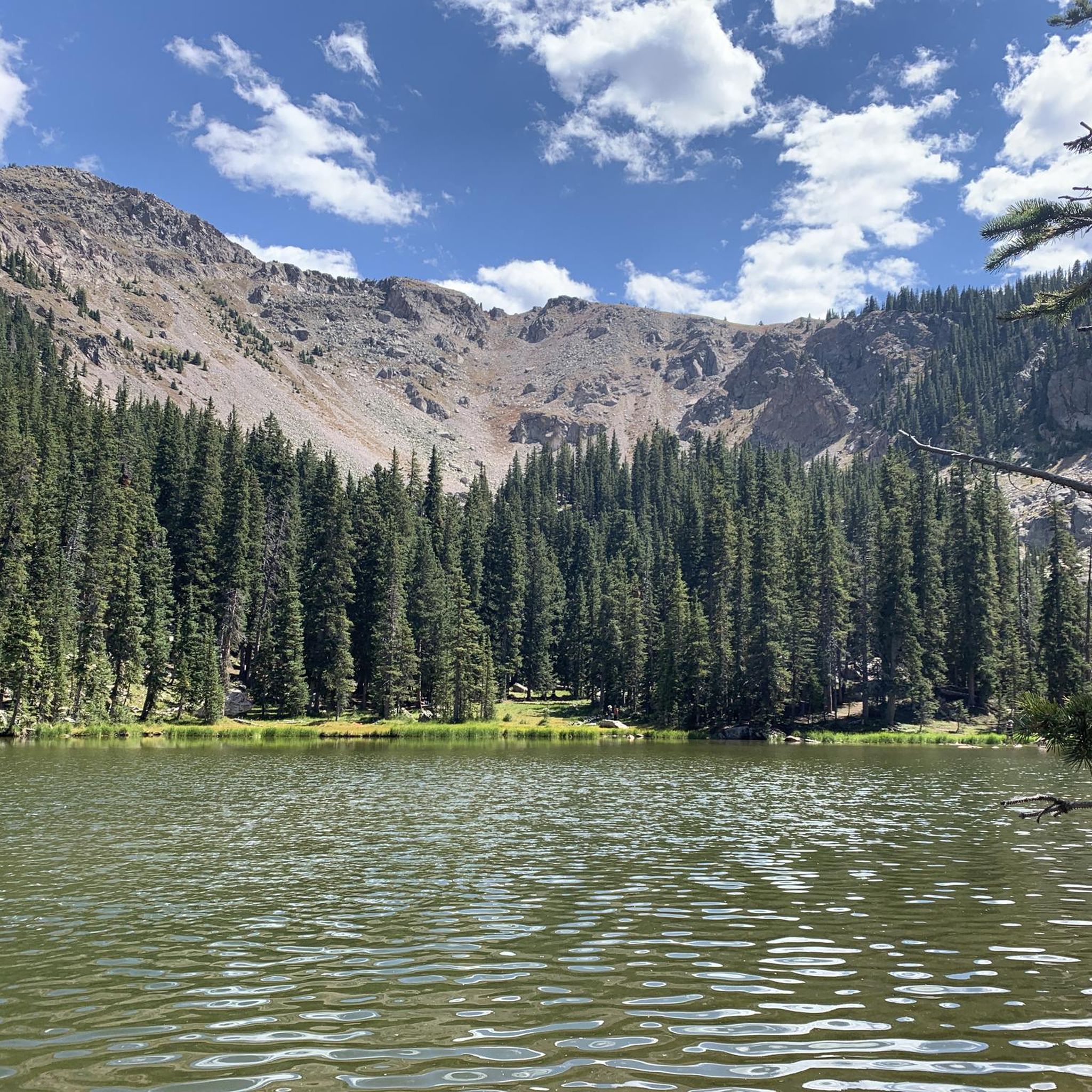
Running Trails in Santa Fe National Forest
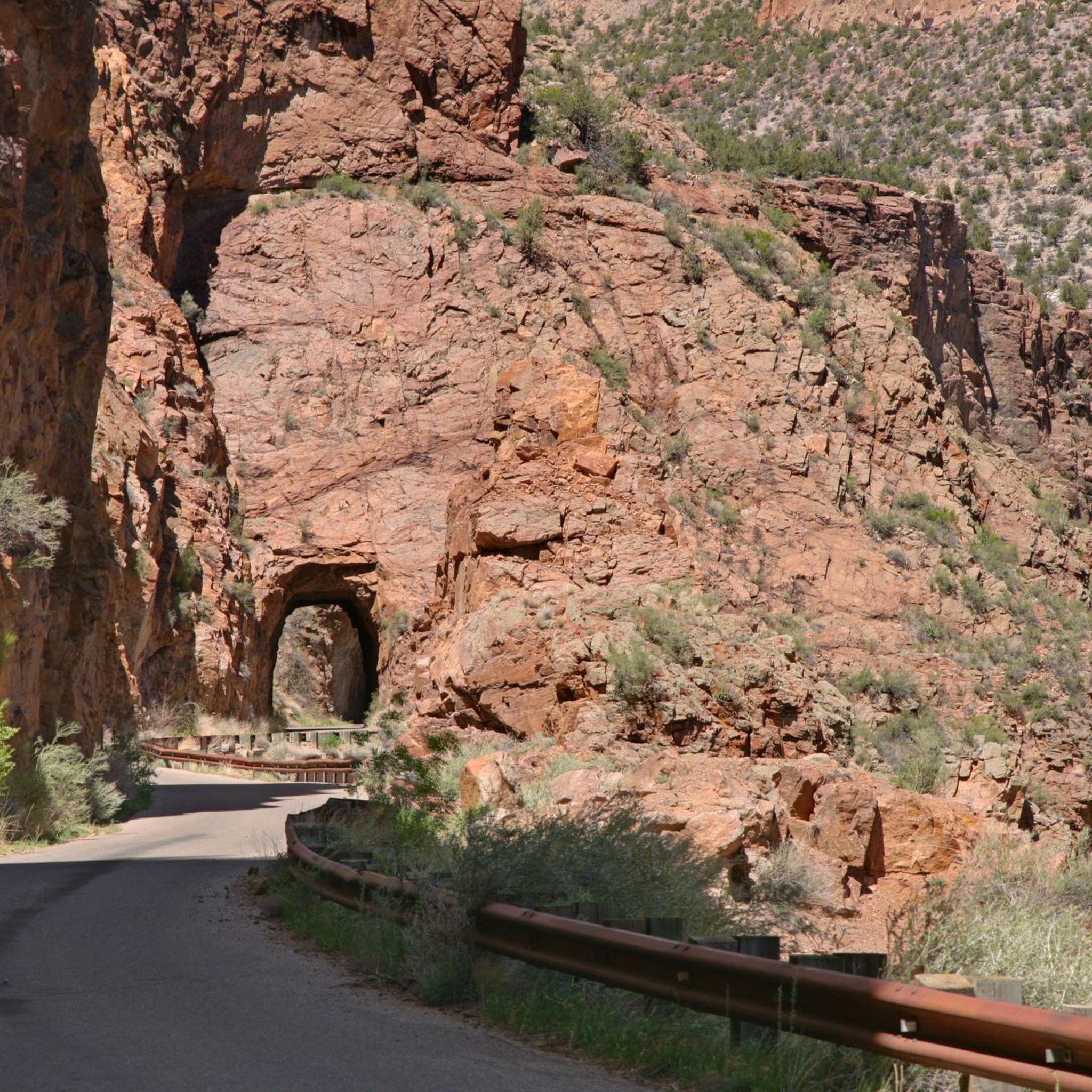
Cycling in Santa Fe National Forest
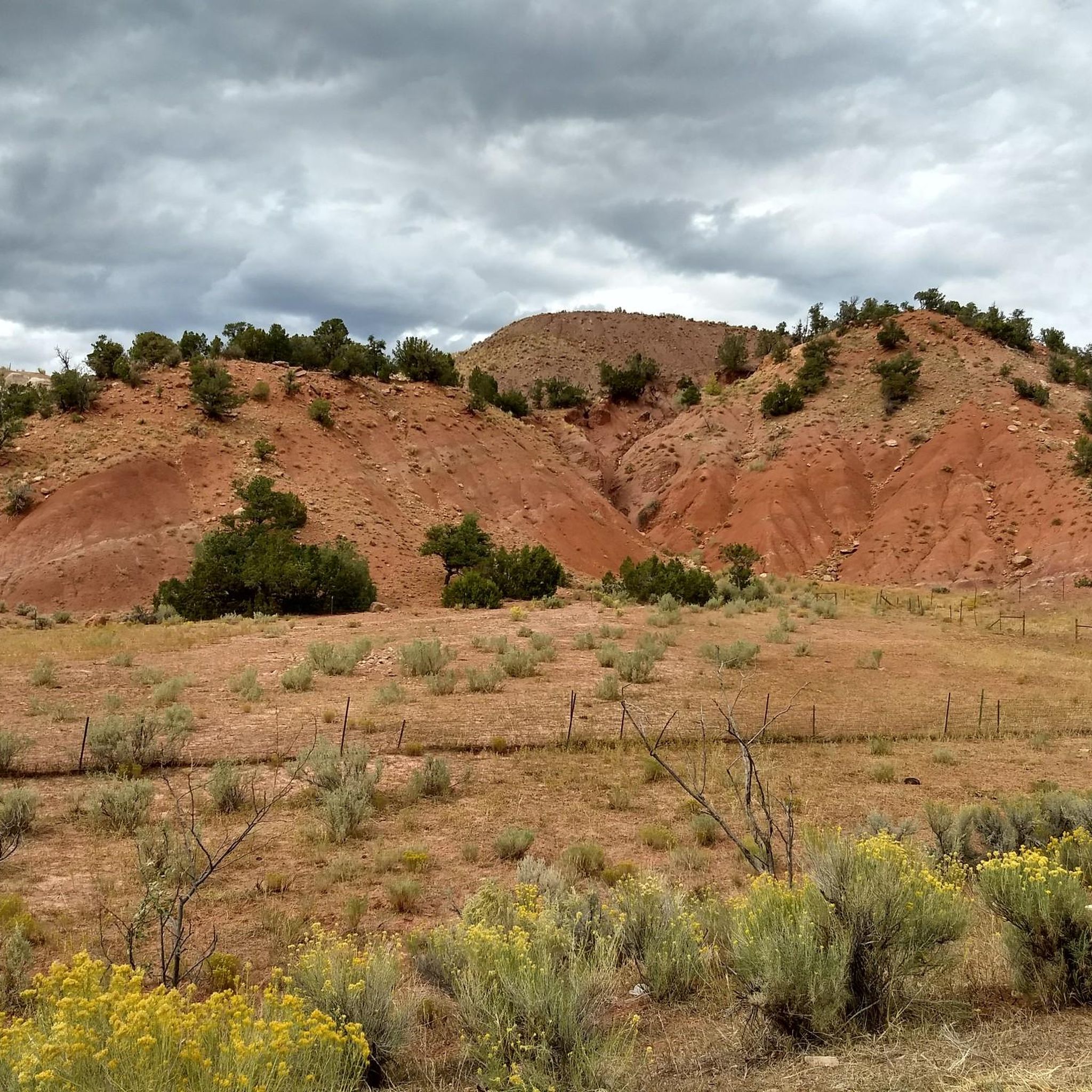
Road Cycling Routes in Santa Fe National Forest

Gravel biking in Santa Fe National Forest
Other adventures in Santa Fe National Forest


Tips from the Community

At 12,047 feet, Tesuque Peak is one of the tallest mountains in the Sangre de Cristo Range in New Mexico. The peak reaches above treeline, and you get to share the summit with some radio and cell towers.
0
0

Saint Peter's Dome can be reached in a few ways. The shorter way is: park at the Dome Trailhead Parking Lot and run on Saint Peter's Dome Road, a 4.3-mile round trip to the top of Saint Peter's Dome. The longer way is: park on FR289 Dome LO Road, and wind through the Dome Wilderness on Saint Peter's Dome Trail, 11.2 miles round trip. The top of Saint Peter's Dome has expansive views of the desert and a fire lookout marking the top.
0
0
Chicoma Mountain stands at an elevation of 11,561 feet and is an extinct supervolcano. It is the highest mountain in the Jemez Mountains range, and the trail getting to the top can be tricky to follow, so bring the appropriate navigation tools. Sometimes at the summit, near the geological survey marker, there is a rock cairn. The cairn is where Pueblo people leave traditional offerings, so respectfully do not move any objects resting at the top of the mountain.
0
0
Saint Peter's Dome can be reached in a few ways. The shorter way is: park at the Dome Trailhead Parking Lot and hike on Saint Peter's Dome Road, a 4.3-mile round trip to the top of Saint Peter's Dome. The longer way is: park on FR289 Dome LO Road, and wind through the Dome Wilderness on Saint Peter's Dome Trail, 11.2 miles round trip. The top of Saint Peter's Dome has expansive views of the desert and a fire lookout marking the top.
0
0
At 12,047 feet, Tesuque Peak is one of the tallest mountains in the Sangre de Cristo Range in New Mexico. The peak reaches above treeline, and you get to share the summit with some radio and cell towers.
0
0

Santa Fe Baldy sits among the Sangre de Christo Range and is the tallest mountain near Santa Fe. At 12,622 feet, the summit offers beautiful views of the Pecos Wilderness, the Rio Grande valley and the Jemez Mountains.
0
0

Picacho Peak is one of the summits very close to the city of Santa Fe. The hike is short – of course depending on your starting location – but will be steep. The stunning view is worth the effort and you can enjoy a great sunset if you stay until nightfall.
5
0
Frequently Asked Questions
Which mountain peaks in Santa Fe National Forest offer the most rewarding views?
Many peaks in the Santa Fe National Forest provide stunning panoramic views. For a challenging day hike with exceptional vistas, consider Santa Fe Baldy, which offers views of the surrounding Sangre de Cristo mountains and the distant Valles Caldera. Picacho Peak, located very close to Santa Fe, is known for its steep trails and rewarding sunset views. Tesuque Peak, at 12,047 feet, also provides open views above the treeline.
What are some challenging mountain peaks for experienced hikers in the Santa Fe National Forest?
For experienced hikers seeking a challenge, the Truchas Peaks offer a rugged, multi-day backpacking experience to the highest point in the Santa Fe National Forest, South Truchas Peak (13,102 feet). Santa Fe Baldy is also considered a significant physical challenge due to its length and elevation gain. Deception Peak and Lake Peak, often hiked together, involve a challenging ridgeline trek with Class 3 mountaineering sections and exposed drop-offs.
Are there any peaks in the Santa Fe National Forest that are less frequented but still offer great experiences?
Yes, Redondo Peak offers a less-visited but equally rewarding experience for those seeking solitude and challenging climbs. Its eastern cirque hosts several small lakes that feed into the Pecos River, and the views from the summit are expansive, though they require significant effort to reach.
What unique natural features can I expect to see when hiking the mountain peaks?
The peaks offer diverse natural features. The Truchas Peaks area features high-altitude rainforests of spruce and fir, alpine meadows, and the beautiful Quemado Falls. Santa Fe Baldy is known for Nambe Lake, an alpine lake, and Puerto Nambe, a scenic alpine meadow. The region also includes volcanic peaks like Chicoma Mountain, an extinct supervolcano, and areas with glaciated appearances from ancient quartzite and mica schist.
What is the best time of year to hike the mountain peaks in Santa Fe National Forest?
The fall season is particularly beautiful for hiking in the Santa Fe National Forest, especially around peaks like Santa Fe Baldy, due to the changing aspen colors. Generally, late spring through early fall offers the most favorable conditions for high-altitude hiking, avoiding heavy snow and extreme winter weather. Always check current weather conditions before heading out, as conditions can change rapidly at higher elevations.
Are there any family-friendly options for experiencing the mountains in Santa Fe National Forest?
While many of the highest peaks involve strenuous hikes, there are areas within the Santa Fe National Forest that offer more accessible experiences. For example, the shorter approach to Saint Peter's Dome from the Dome Trailhead Parking Lot is a 4.3-mile round trip on a road, which might be suitable for families seeking less technical terrain and expansive views.
What kind of terrain should I expect on mountain peak trails in the Santa Fe National Forest?
The terrain varies significantly across the Santa Fe National Forest. You can expect diverse landscapes ranging from aspen groves and forested areas to rocky sections, exposed alpine tundra above the treeline, and even glaciated-looking formations. Some trails, like those to the Truchas Peaks, traverse primeval forests and expansive meadows, while others, such as Hermit's Peak Trail, involve steep ascents through forested and rocky areas.
What outdoor activities can I do near the mountain peaks in Santa Fe National Forest?
Beyond peak bagging, the Santa Fe National Forest offers a variety of outdoor activities. You can explore numerous mountain biking trails, with options like the easy Cairn Me Up and Jagged Axe Loop or the moderate Aspen Vista and Alamos Vista loop. There are also many running trails, such as the moderate Bayo Benches Loop. For those interested in water features, there are waterfall hikes, including the easy Jemez Falls Trail. You can find more details on these activities in the MTB Trails, Waterfall Hikes, and Running Trails guides for the region.
Are there any culturally significant mountain peaks in the area?
Yes, Chicoma Mountain, the highest point in the Jemez Mountains range, holds cultural significance. Pueblo people traditionally leave offerings at its summit near the geological survey marker, and visitors are asked to respectfully not move any objects found there.
What should I know about accessibility and parking for trails leading to these peaks?
Access to many peaks often involves trailheads within the Santa Fe National Forest. For example, the Truchas Peaks can be approached from areas like Borrego Mesa or Jack's Creek Trailhead. Santa Fe Baldy trails often begin at the Santa Fe ski basin. For Saint Peter's Dome, there's a dedicated Dome Trailhead Parking Lot for a shorter route, or you can park on FR289 Dome LO Road for a longer wilderness trail. Always check specific trailhead information for parking availability and any required permits before your visit.
What is the highest mountain peak within the Santa Fe National Forest?
The highest point within the Santa Fe National Forest is South Truchas Peak, reaching an elevation of 13,102 feet. It is part of the Truchas Peaks cluster and is the second-highest peak in New Mexico.
Most popular routes in Santa Fe National Forest
Most popular attractions in Santa Fe National Forest

Get inspired with the komoot mobile app


Explore more
See even more amazing summits in Santa Fe National Forest with these guides:
