The best road cycling routes around Lej da Champfèr
4.7
(127)
8,878
riders
28
rides
Road cycling around Lej da Champfèr offers diverse routes through alpine landscapes, characterized by high mountain passes, valleys, and scenic lakeside paths. The region provides a mix of challenging climbs and more gentle stretches, catering to various skill levels. Road cyclists can expect to navigate well-maintained roads that traverse both open areas and forested sections. The terrain around Lej da Champfèr is defined by its elevation changes and proximity to several lakes.
Best road cycling routes around Lej da Champfèr
…Last updated: May 24, 2026
21
riders
19.1km
00:57
270m
260m
Easy road ride. Great for any fitness level. Mostly well-paved surfaces and easy to ride.
5.0
(1)
19
riders
13.6km
00:40
190m
190m
Easy road ride. Great for any fitness level. Mostly well-paved surfaces and easy to ride.

Sign up for free
10
riders
12.3km
00:44
130m
130m
Moderate road ride. Great for any fitness level. Some segments of this route may be unpaved and difficult to ride.
4.7
(3)
163
riders
40.3km
01:45
360m
370m
Moderate road ride. Good fitness required. Mostly well-paved surfaces and easy to ride.
59
riders
19.0km
00:53
200m
210m
Easy road ride. Great for any fitness level. Mostly well-paved surfaces and easy to ride.
Get access to more routes and recommendations from other explorers.
Sign up for free
Already have an account?
Our route recommendations are based on thousands of hikes, rides, and runs completed by other people on komoot.
Start today with a free account
Your next adventure awaits.
Login or Signup

Tips from the Community

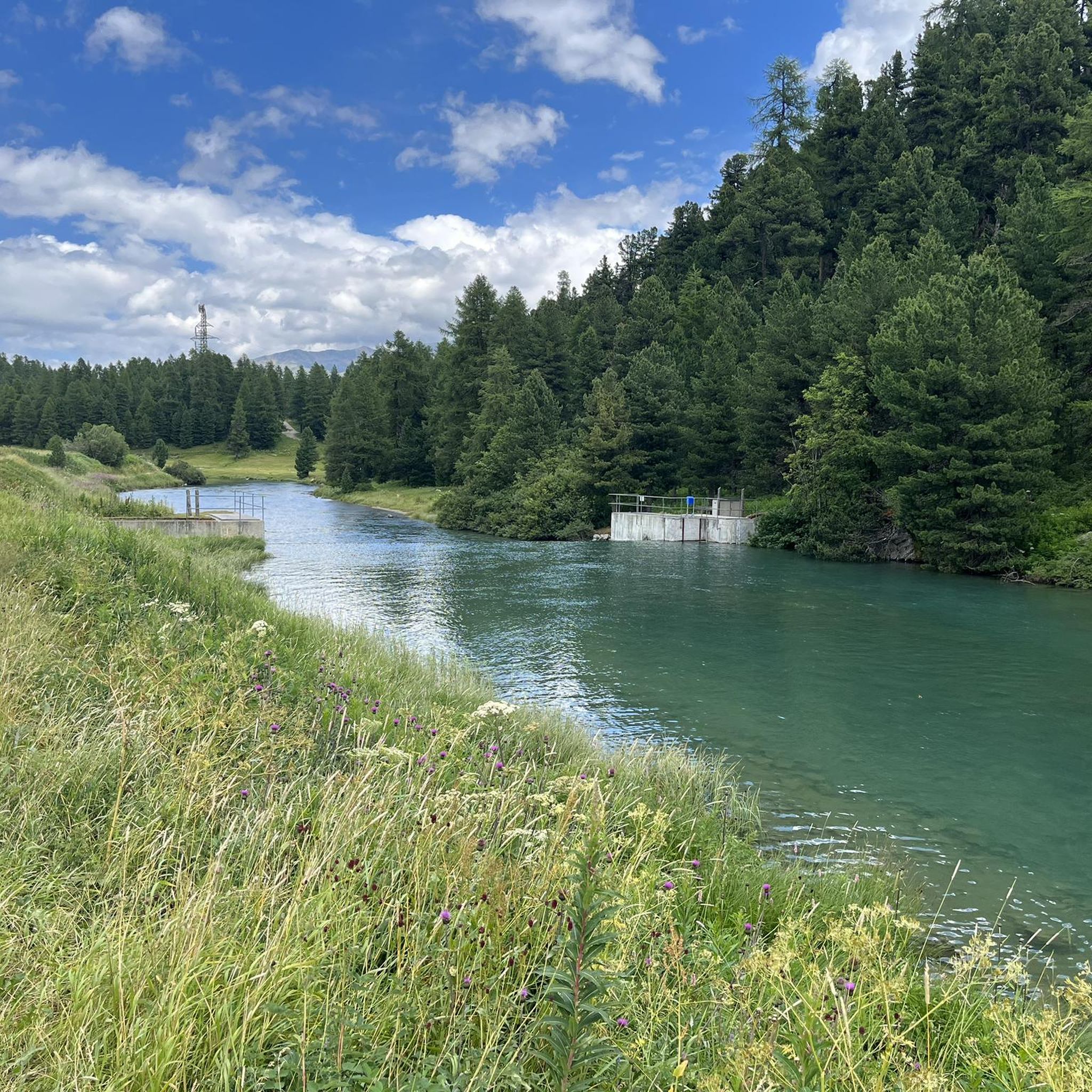
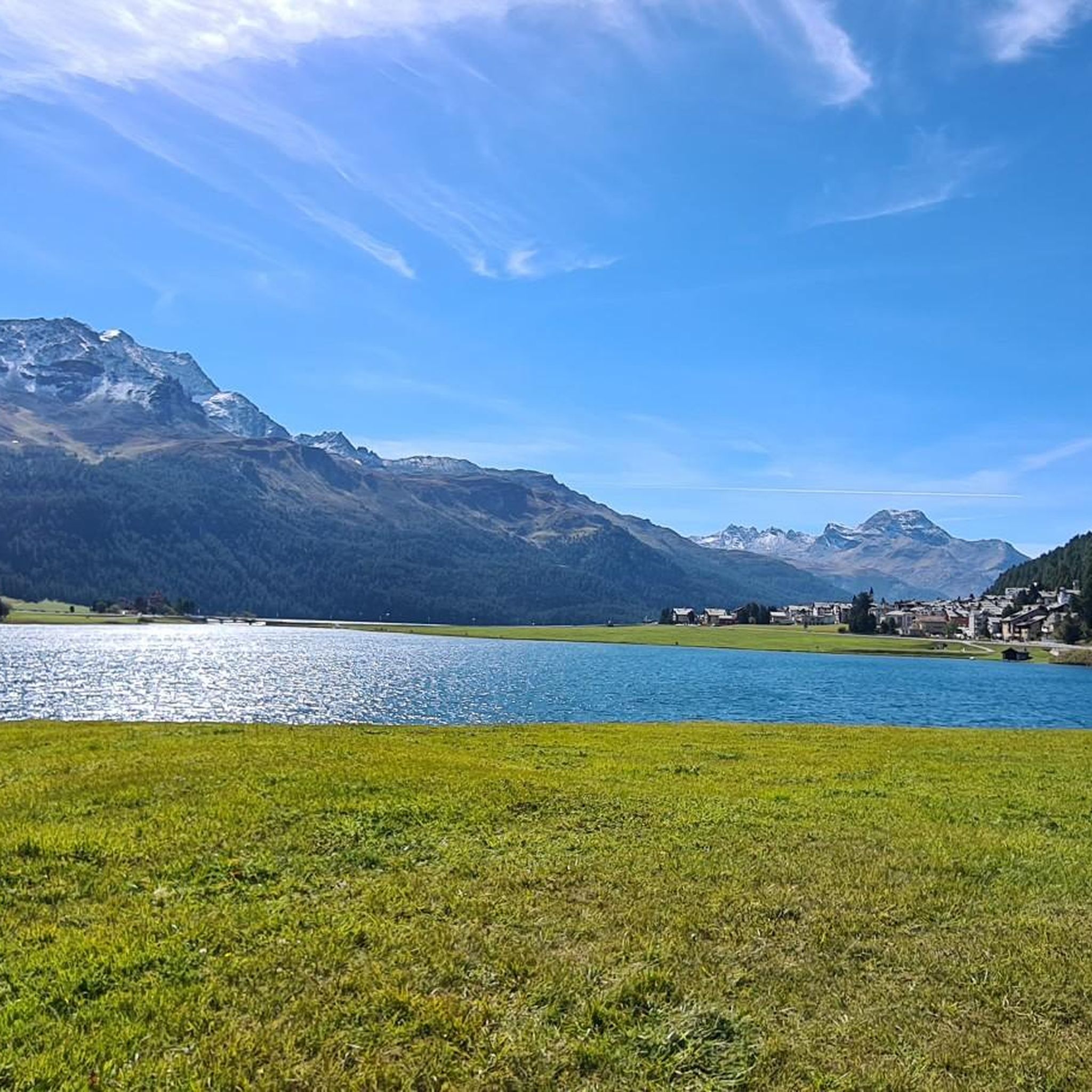
Wonderful place of rest, in spring with a partially frozen lake
1
0
Wonderful, quiet floodplain landscape, although close to the road
0
0

Badrutt's Palace Hotel, St. Moritz In the mid-1880s, Caspar Badrutt purchased the Hotel Beau Rivage in St. Moritz, built in 1872. Over a four-year renovation, he transformed the small inn into the palatial Badrutt's Palace Hotel, which opened in 1896. His father, Johannes Badrutt, had already been active in the hospitality industry: as the proud owner of the Kulm Hotel in St. Moritz, he was the founder of the Badrutt hotel dynasty. For decades, prominent guests from around the world appreciated the hotel's exclusive atmosphere. Following the construction of Badrutt's Palace Hotel by the Zurich architects Alfred Chiodera (1850-1916) and Theophil Tschudi (1847-1911), the hotel underwent several expansions and renovations. In 1907, the building was raised by one full story and an attic; a little later, a three-story west wing was added, housing a dining room and tennis hall. Extensive renovations were carried out towards the end of the 20th century. Its location on the steep slope above Lake St. Moritz and its distinctive shape, with crenellations and corner turrets, give Badrutt's Palace Hotel its unmistakable, castle-like character to this day. A striking main tower with a pyramidal roof rises on the west side. The building rests on a two-story base of rustic stonework. Above this is a light-filled ground floor with public areas, restaurants, boutiques, a veranda, and a large terrace. The upper floors contain guest rooms, and the tower's apex houses a suite that was rebuilt after the tower fire of 1967. From the very beginning, the facade and interior have displayed a great diversity of design. The neo-Gothic motif of the facade, with its English pointed arches, continues inside the hotel. Intricate wooden walls and imposing Renaissance-style coffered ceilings, along with neo-Baroque ceiling paintings, characterize the public areas. Despite numerous renovations, great care has always been taken to preserve the original structure; for example, the original stamped graffiti on the facade was uncovered in 2006. Badrutt's Palace Hotel has been a member of Swiss Historic Hotels since 2006. Text / Source: Badrutt's Palace Hotel, Via Serlas 27, 7500 St. Moritz https://swiss-historic-hotels.ch/hotels/badrutts-palace-hotel
15
0
The story of St. Moritz begins in 1864 The story of St. Moritz, as we know it today, begins in 1864, when hotelier Johannes Badrutt made a bet with his guests from Great Britain. He promised that not only the summer, but also the St. Moritz winter would be so pleasant that on sunny days one could enjoy the sun on the terrace without a jacket. Should his promise prove false, the hotelier would pay for their travel and winter stay. Wrapped head to toe in furs, the group of men crossed the Julier Pass the following December. Upon arriving in St. Moritz, the sky was clear, the sun warm, and Badrutt stood before them to greet them without a jacket and with his shirtsleeves rolled up. Winter tourism was born. More: Pioneer History | St. Moritz, Switzerland (stmoritz.com) Text/Source: ENGADIN ST. MORITZ TOURISMUS AG Via Maistra 1, CH-7500 St. Moritz, www.stmoritz.com https://www.engadintourismus.ch/fileadmin/user_upload/Fakten_ueber_St._Moritz_DE.pdf
16
0
The story of St. Moritz begins in 1864 The story of St. Moritz, as we know it today, begins in 1864, when hotelier Johannes Badrutt made a bet with his guests from Great Britain. He promised that not only the summer, but also the St. Moritz winter would be so pleasant that on sunny days one could enjoy the sun on the terrace without a jacket. Should his promise prove false, the hotelier would pay for their travel and winter stay. Wrapped head to toe in furs, the group of men crossed the Julier Pass the following December. Upon arriving in St. Moritz, the sky was clear, the sun warm, and Badrutt stood before them to greet them without a jacket and with his shirtsleeves rolled up. Winter tourism was born. More: Pioneer History | St. Moritz, Switzerland (stmoritz.com) Text/Source: ENGADIN ST. MORITZ TOURISMUS AG Via Maistra 1, CH-7500 St. Moritz, www.stmoritz.com https://www.engadintourismus.ch/fileadmin/user_upload/Fakten_ueber_St._Moritz_DE.pdf
14
0

Delicious food, good service, good cake
0
0

Worth seeing town hall, which fits well into the cityscape
7
0

Observation platform for tourists, located near St. Moritz train station, with beautiful views over Lake St. Moritz.
0
0
Frequently Asked Questions
How many road cycling routes are available around Lej da Champfèr?
There are over 25 road cycling routes around Lej da Champfèr. These include 11 easy, 11 moderate, and 6 difficult routes, ensuring options for various skill levels.
What is the general difficulty level of road cycling routes in Lej da Champfèr?
The road cycling routes around Lej da Champfèr offer a balanced mix of difficulties. You'll find an equal number of easy and moderate routes, each with 11 options, alongside 6 more challenging trails for experienced cyclists. This variety caters to different fitness levels and preferences.
Are there any family-friendly road cycling routes around Lej da Champfèr?
Yes, the region offers several easy routes suitable for families. For instance, the Silvaplana Market Square – St. Moritz Town Hall loop from Silvaplana is an easy 8.6-mile (13.8 km) path that provides a pleasant ride with urban and lakeside views, ideal for a quicker, less strenuous outing.
What are some challenging road cycling routes in the Lej da Champfèr area?
For those seeking a challenge, the region features 6 difficult routes. These typically involve significant elevation gains and longer distances, traversing the alpine landscape with its characteristic high mountain passes. While specific challenging routes are not detailed here, these options will test your endurance.
What kind of scenic viewpoints can I expect along the road cycling routes?
The routes around Lej da Champfèr offer numerous scenic viewpoints. You can enjoy vistas such as the View of Crap da Sass Castle, or panoramic outlooks like the View of Champfèr and Piz Nair. Many routes also feature stunning views of Lake Silvaplana and other alpine lakes.
What do other road cyclists enjoy most about road cycling in Lej da Champfèr?
The area is highly rated by the komoot community, with an average score of 4.7 stars from over 120 reviews. Road cyclists frequently praise the diverse alpine landscapes, well-maintained roads, and the mix of challenging climbs and gentle lakeside paths. The scenic beauty, especially around the lakes, is a common highlight.
Are there any circular road cycling routes around Lej da Champfèr?
Yes, many of the routes in the area are designed as loops. A popular example is the Curtins Village (Val Fex) – Lake Silvaplana loop from Champfèr, a 17.3-mile (27.9 km) trail offering continuous views of the alpine scenery.
What is the best season for road biking around Lej da Champfèr?
The best season for road biking around Lej da Champfèr is typically from late spring through early autumn (May to October). During these months, the alpine passes are generally clear of snow, and the weather is most favorable for cycling, offering pleasant temperatures and stunning natural beauty.
Are there any less crowded road cycling trails near Lej da Champfèr?
While the main routes can be popular, exploring some of the less-trafficked side roads or opting for rides during off-peak hours can lead to a more serene experience. The region's extensive network of routes means you can often find quieter stretches away from the most frequented paths, especially on routes that venture deeper into the valleys.
What are some points of interest or landmarks to explore along the routes?
Beyond the stunning natural scenery, you can discover various points of interest. These include natural features like Buocha d'Sẹla, a picturesque lake, or the tranquil Riverside path at Lej Suot. Many routes also pass through charming villages and offer glimpses of local architecture.
What is the typical distance of road cycling routes in Lej da Champfèr?
The distances of road cycling routes around Lej da Champfèr vary significantly. You can find shorter loops, such as the Silvaplana Market Square – Sengantini Museum loop from Silvaplana at 7.5 miles (12.0 km), up to longer excursions like the View of Lake Silvaplana – Lake Silvaplana loop from Silvaplana, which covers 24.9 miles (40.1 km).
Is public transport accessible for reaching road cycling trails in Lej da Champfèr?
Yes, the Engadin region, including Lej da Champfèr, is well-served by public transport. Buses and trains connect the main towns and villages, making it convenient to access various starting points for road cycling routes. Many routes begin or pass through areas with public transport links, allowing for flexible trip planning.
Most popular routes around Lej da Champfèr
Most popular attractions around Lej da Champfèr

Get inspired with the komoot mobile app


Explore more
Browse the best Road cycling routes in other regions.
