Attractions and Places To See around Carballeda De Valdeorras - Top 20
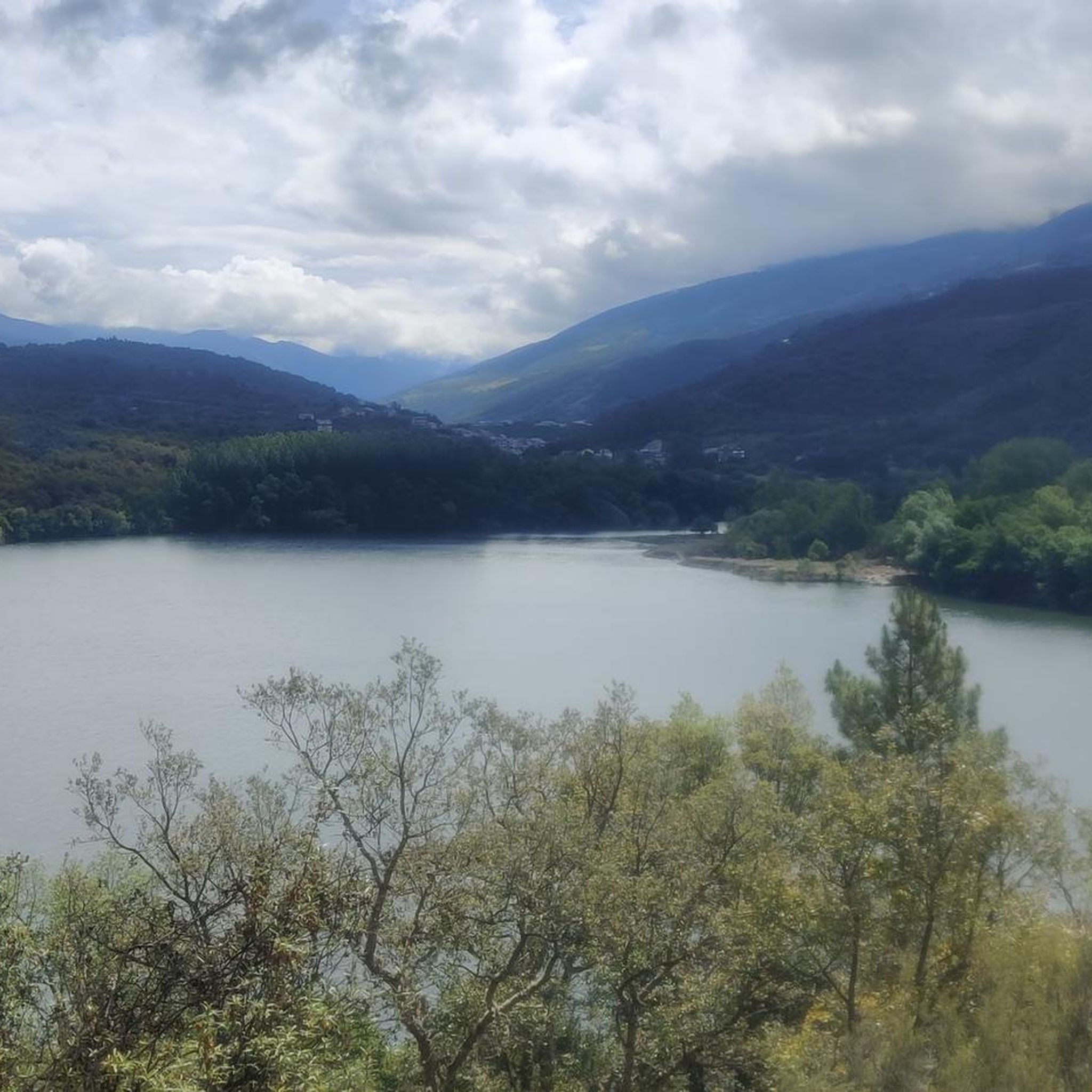
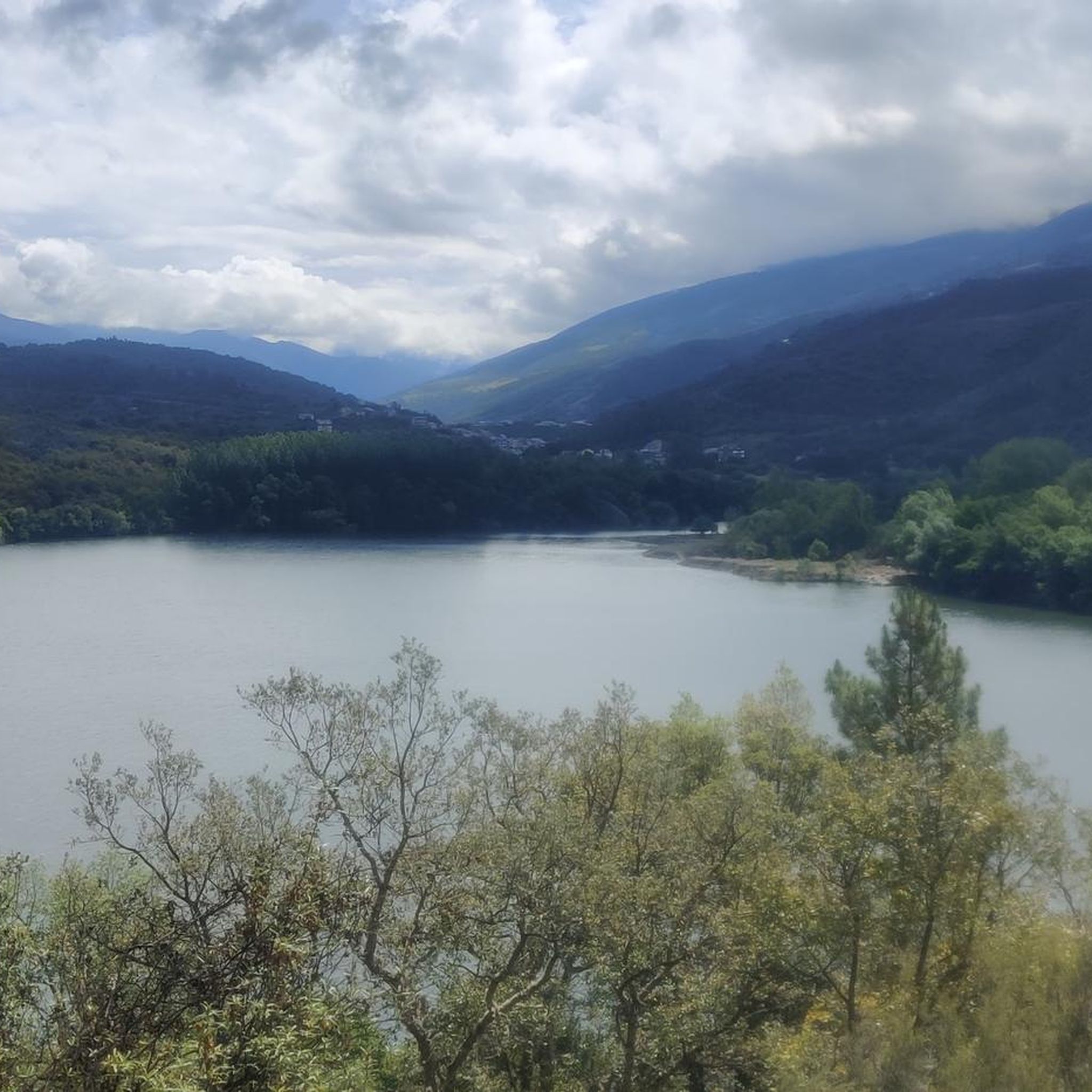
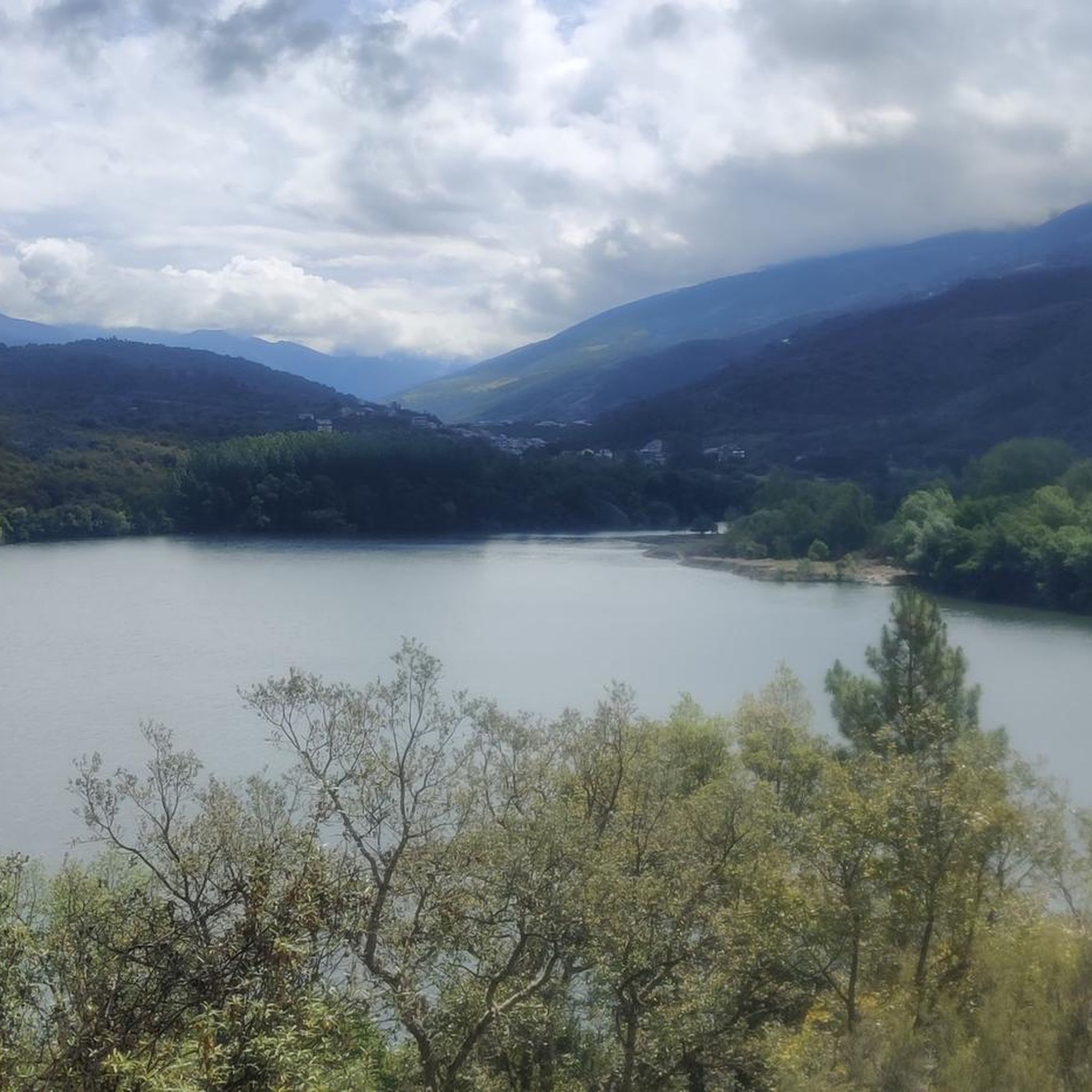
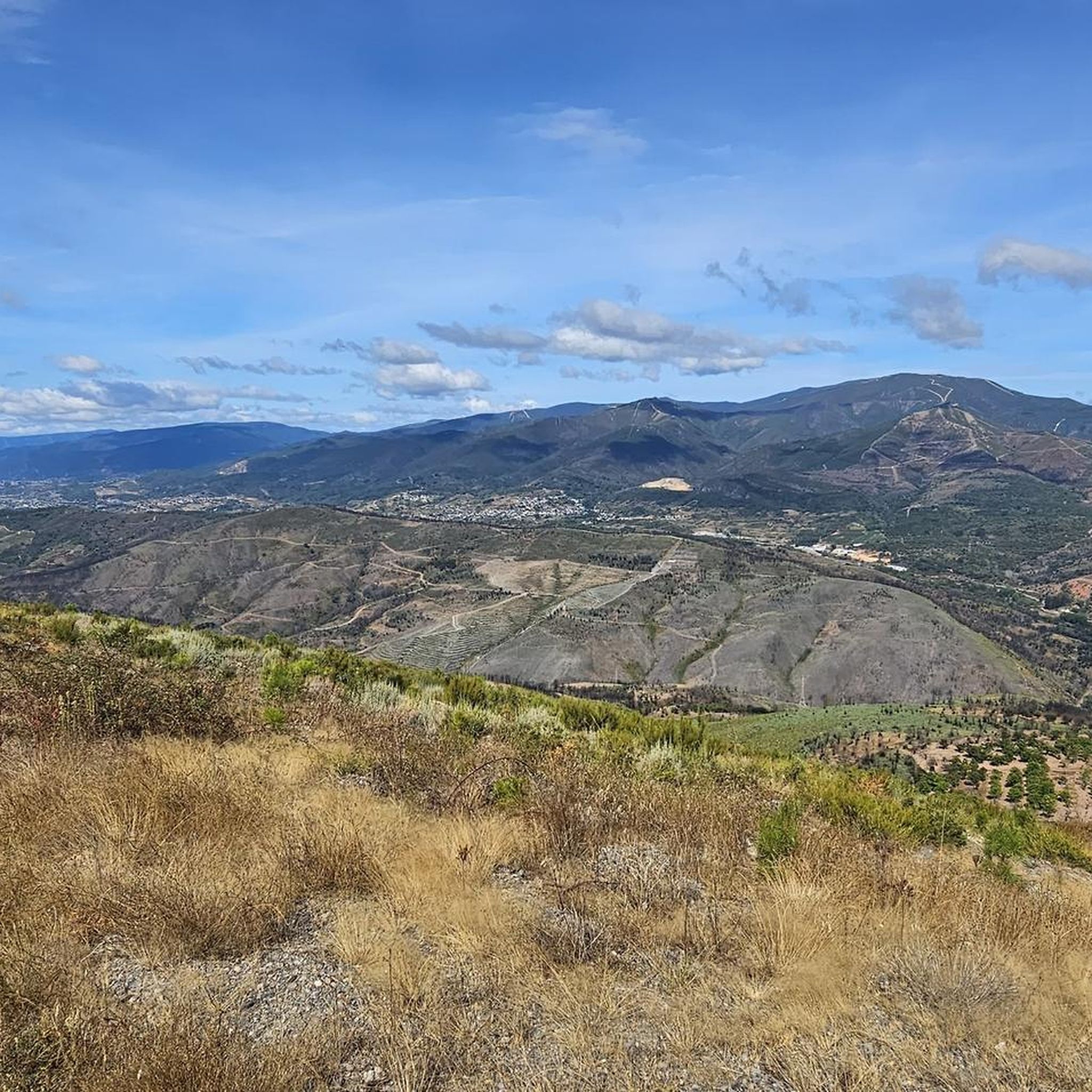
Best attractions and places to see around Carballeda De Valdeorras include a diverse landscape of riverine areas, high mountain peaks, and ancient forests. The region is characterized by its rich historical landmarks, particularly Roman mining sites, and significant natural features. Visitors can explore unique geological formations and cultural heritage sites. This area offers a blend of natural beauty and historical depth.
Best attractions and places to see around Carballeda De Valdeorras
- The most popular attractions is Orellán Galleries, a historical site that features ancient underground water conduits used by Romans for mining. These galleries extend for about 100 meters and end at a viewpoint offering impressive vertical mountain views.
- Another must-see spot is La Encantada Cave and La Cuevona, a cave system that formed part of the ancient Roman mining network. These sites offer a unique experience with their impressive galleries and the unusual luminosity found within La Encantada.
- Visitors also love Las Médulas Roman Gold Mines, a historical site representing the largest open-pit gold mine of the Roman Empire. This landscape, shaped by Roman engineering, is now a UNESCO World Heritage Site.
- Carballeda De Valdeorras is known for its historical sites, natural monuments, and unique mining heritage. The region offers a variety of attractions to see and explore, from ancient Roman structures to natural formations.
- The attractions around Carballeda De Valdeorras are appreciated by the komoot community, with 112 upvotes and 65 photos shared by visitors.
Last updated: May 9, 2026
Orellán Galleries
Highlight • Historical Site
I hope you enjoy this historical and natural experience! 😊
Translated by Google •
Tip by

La Encantada Cave and La Cuevona
Highlight • Cave
Translated by Google •
Tip by
Sign up now to discover places like this
Get recommendations on the best single tracks, peaks, & plenty of other exciting outdoor places.
Sign up for free
Las Médulas
Highlight • Historical Site
Translated by Google •
Tip by
Las Médulas Roman Gold Mines
Highlight • Historical Site
Translated by Google •
Tip by
Pico de Placias
Highlight • Summit
I hope you have an amazing experience exploring Placias Peak! 🏞️🚶♂️
Translated by Google •
Tip by
Sign up for free to discover even more attractions around Carballeda De Valdeorras.
Sign up for free
Already have an account?
Start today with a free account
Your next adventure awaits.
Login or Signup
Tips from the Community

When viewing the rock formations of Las Medulas, it's important to remember that this landscape is not natural, but rather the (sad) remains of a mountain range that was ruthlessly exploited for its gold ore as early as the Roman Empire. Nevertheless, this landscape of ruins is a UNESCO World Heritage Site. A 15-minute film documentary about it (although only available in German) is available in the ARD media library as part of the highly recommended series "Treasures of the World - Heritage of Humanity" =>> https://www.zdf.de/swr/schaetze-der-welt/page-video-ard-las-mdulas-und-seine-goldminen-spanien-100.html
3
0
When looking at the rock formations of LAS MEDULAS, one must remember that this landscape is not natural, but rather the (sad) remains of a mountain massif that was ruthlessly exploited for its gold ore as early as the Roman Empire. Nevertheless, this landscape of ruins is a UNESCO World Heritage Site. A 15-minute film documentary about this (in German) is available in the ARD media library as part of the highly recommended series “Treasures of the World - Heritage of Humanity”: https://www.zdf.de/swr/schaetze-der-welt/page-video-ard-las-mdulas-und-seine-goldminen-spanien-100.html
4
0

Las Médulas, located in Bierzo, northwest of the Montes Aquilanos and along the valley of the Sil River, is a fantastic landscape resulting from Roman gold mining. This place has been declared a World Heritage Site by UNESCO. Although no one would say that the steep cliffs hide, beneath their bowels, the gold of the Romans, the mining exploitation silenced for centuries has become a beautiful landscape of great tourist attraction.
26
0

This landscape was created over 250 years by an estimated 60,000 slaves to supply the Roman Empire with around 1,650 tons of gold. A UNESCO World Heritage Site
8
0
La Cuevona and La Encantada are two impressive places in Las Médulas, an area with a rich mining history and a unique landscape. The Cave: It is a gallery dug into the mountain, part of the ancient network of tunnels and galleries used in Roman mining exploitation. It has the highest height of all the existing galleries in Las Médulas. It is an important reference point for those exploring the Las Valiñas path. As you pass in front of La Cuevona, you will climb a small slope protected by a railing of wooden logs. The enchanted: It is also part of the old mining network. Upon arriving at La Encantada, you will be surprised by its unusual luminosity due to the entry of light from a hole at the top. There are two tunnels that branch off to the left and right, and from inside, you can see a beautiful landscape. Both caves are witnesses of Roman mining activity and offer a unique experience for visitors. I hope you enjoy exploring La Cuevona and La Encantada! 🏞️🚶♂️
8
0
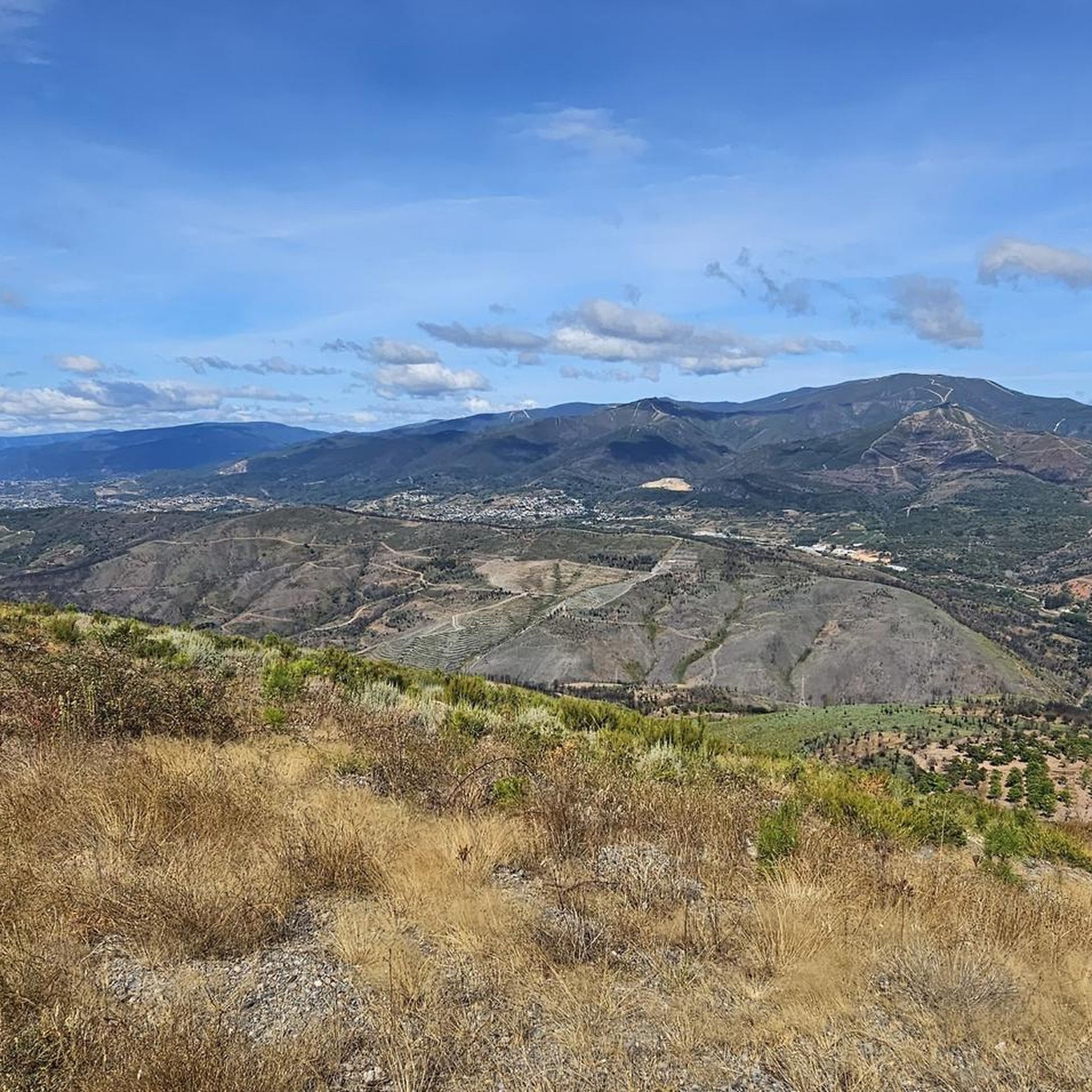
Pico de Placias is another impressive place for hiking and nature lovers. A popular route starts from the parking lot next to the archaeological classroom. The route is circular, following the perimeter path to the Orellán viewpoint and then linking with the Valiñas path in the direction of La Cuevona and La Encantada. I hope you have an amazing experience exploring Placias Peak! 🏞️🚶♂️
9
0
The Orellán Gallery is an ancient underground water conduit that extends for about 100 meters. Its original function was to transport water from inside the mountain to burst it from within. The conduit ends at a viewpoint located in a vertical cut of the mountain, offering an impressive view. These galleries were part of the mining exploitation system known as Ruinae Montium. The Romans used these structures to extract minerals and natural resources. I hope you enjoy this historical and natural experience! 😊
9
0
Las Médulas, located in Bierzo, northwest of the Montes Aquilanos and along the valley of the Sil River, is a fantastic landscape resulting from Roman gold mining. This place has been declared a World Heritage Site by UNESCO. Although no one would say that the steep cliffs hide, beneath their bowels, the gold of the Romans, the mining exploitation silenced for centuries has become a beautiful landscape of great tourist attraction.
19
1
Frequently Asked Questions
What historical sites related to Roman mining can I explore in Carballeda de Valdeorras?
Carballeda de Valdeorras is rich in Roman mining heritage. You can visit the Orellán Galleries, ancient underground water conduits used by Romans to extract minerals, which end at a viewpoint with impressive mountain views. Another fascinating site is La Encantada Cave and La Cuevona, part of the Roman mining network, known for their unique galleries and luminosity. Nearby, the UNESCO World Heritage site of Las Médulas Roman Gold Mines showcases the largest open-pit gold mine of the Roman Empire, with a landscape dramatically shaped by ancient engineering.
Can I learn about the region's more recent mining history?
Yes, Carballeda de Valdeorras is renowned for its slate quarries, which are still a major economic driver. You can engage in industrial tourism to see open-pit extractions and the slate production process, even visiting the world's largest underground slate mine, A Fraguiña. Additionally, the remains of the ancient tungsten mines at Minas de Valborraz in Casaio, exploited until the 1960s, offer a glimpse into this more recent industrial past.
What unique natural landscapes can I discover in Carballeda de Valdeorras?
The region boasts diverse natural beauty. Explore the ancient Teixadal de Casaio, Galicia's oldest yew forest with trees over a thousand years old. The Macizo de Peña Trevinca offers stunning high-mountain scenery with peaks over 2,000 meters, often snow-covered in winter. The Sil River flows through the northern part, and the Casaio River forms the Embalse de Pumares reservoir. Don't miss Foio Castaño, another forest known for its variety of tree species.
Where can I find natural swimming spots or places to relax by the water?
For warmer days, the Natural Pools (Piscinas Naturalizadas / Piscinas de Sobradelo) on the banks of the Sil River in Sobradelo are an excellent option. This complex features children's pools, a jacuzzi, and a sandy area, with one saltwater pool and no chlorine. The Embalse de Pumares on the Casaio River also offers a significant water feature, and the Malecón de Sobradelo provides a pleasant riverside promenade along the Sil River for relaxation.
Are there any notable viewpoints to enjoy panoramic scenery?
Absolutely. The Pico de Placias offers a fantastic perspective of the Las Médulas landscape. The Orellán Galleries conclude at a viewpoint with impressive vertical mountain views. Additionally, the Mirador de A Costa provides inviting panoramic views of the surrounding area.
What hiking opportunities are available around Carballeda de Valdeorras?
Carballeda de Valdeorras offers a variety of hiking trails. You can find routes ranging from easy to difficult, including circular walks. For example, there are challenging loops to the Peña Trevinca Summit and easier options like the Church of San Miguel de Biobra loop. Many trails allow you to explore the natural beauty and historical sites. You can find more details and specific routes in the Hiking around Carballeda De Valdeorras guide.
Are there options for mountain biking or running trails?
Yes, the region caters to various outdoor activities. Mountain bikers can explore routes like the challenging Encoro de Pumares – Encoro de Eirós loop or the moderate Pazo de Arnado – O Bañadoiro Suspension Bridge loop. Runners have options such as the La Mirada Circular Trail or the Orellán Galleries loop. For more detailed information on routes and their difficulties, check the MTB Trails around Carballeda De Valdeorras and Running Trails around Carballeda De Valdeorras guides.
What is the best time of year to visit Carballeda de Valdeorras for outdoor activities?
The best time depends on your preferred activities. For hiking and exploring natural pools, the warmer months from late spring to early autumn (May to October) are ideal. If you're interested in winter sports or seeing the snow-covered peaks of Peña Trevinca, then winter (December to March) would be suitable, though access to some areas might be challenging.
Are there any family-friendly activities or attractions in the area?
The Natural Pools in Sobradelo, with their children's pools and sandy area, are a great option for families during warm weather. Exploring the less strenuous parts of the Roman mining sites, such as the accessible sections of Orellán Galleries (where helmets are provided), can also be an engaging historical adventure for older children. Gentle walks along the Malecón de Sobradelo offer a relaxing family outing.
What are some lesser-known or 'hidden gems' in Carballeda de Valdeorras?
Beyond the main attractions, consider visiting the abandoned village of Aldea de Nogueiras for a unique exploration. The recently discovered prehistoric schematic paintings at Pala de Cabras in Casaio offer a glimpse into human occupation dating back seven millennia. Also, the lakes formed in old slate quarries in Casaio, with their striking emerald green waters, provide a visually distinct experience.
What do visitors enjoy most about the attractions in Carballeda de Valdeorras?
Visitors particularly appreciate the unique blend of historical richness and stunning natural landscapes. The Roman mining sites like Orellán Galleries and La Encantada Cave are often highlighted for their impressive structures and historical significance. The dramatic scenery of Las Médulas, shaped by ancient engineering, is also a favorite. The komoot community has shared 65 photos and given 112 upvotes, indicating a strong appreciation for the area's distinct character.
Most popular routes around Carballeda De Valdeorras
Most popular attractions around Carballeda De Valdeorras

Get inspired with the komoot mobile app


Explore more
Still not found the Highlight you’re looking for? See guides of the top attractions in other regions:
