Attractions and Places To See around Triacastela - Top 20
Best attractions and places to see around Triacastela include a blend of historical, cultural, and natural sites, deeply connected to the Camino de Santiago. The region is characterized by its verdant landscape of rolling hills and mountains, including the Sierra do Oribio, and is part of a Biosphere Reserve. Visitors can explore ancient pilgrim structures, significant religious buildings, and unique natural monuments. Triacastela serves as a key point on the French Way, offering diverse experiences for those interested in history and nature.
Best attractions and places to see around Triacastela
- The most popular attractions is Ancient Chestnut Tree in Ramil, a natural monument that is over 800 years old. This emblematic tree, with its impressive size and thickness, is a significant landmark on the French Way.
- Another must-see spot is Pilgrim Statue at Alto de San Roque, a man-made monument located at 1270 meters altitude. This statue represents the effort of pilgrims on the Camino de Santiago and offers panoramic views of the surrounding mountains.
- Visitors also love Monastery of Saint Julian of Samos, a religious building founded in the 6th century. This Benedictine abbey is one of the oldest and most significant monasteries in Spain, still inhabited by monks.
- Triacastela is known for its historical sites, natural monuments, and religious buildings. The area offers a variety of attractions to see and explore, from ancient trees to significant pilgrim landmarks.
- The attractions around Triacastela are appreciated by the komoot community, with over 240 upvotes and more than 100 photos shared by visitors.
Last updated: October 9, 2026
Ancient Chestnut Tree in Ramil
Highlight • Natural Monument
Translated by Google •
Tip by

Pilgrim Statue at Alto de San Roque
Highlight • Monument
The silhouette of the pilgrim whipped by the wind represents the effort of all the people who make the Camino de Santiago, it does not matter if it is on foot or by bicycle.
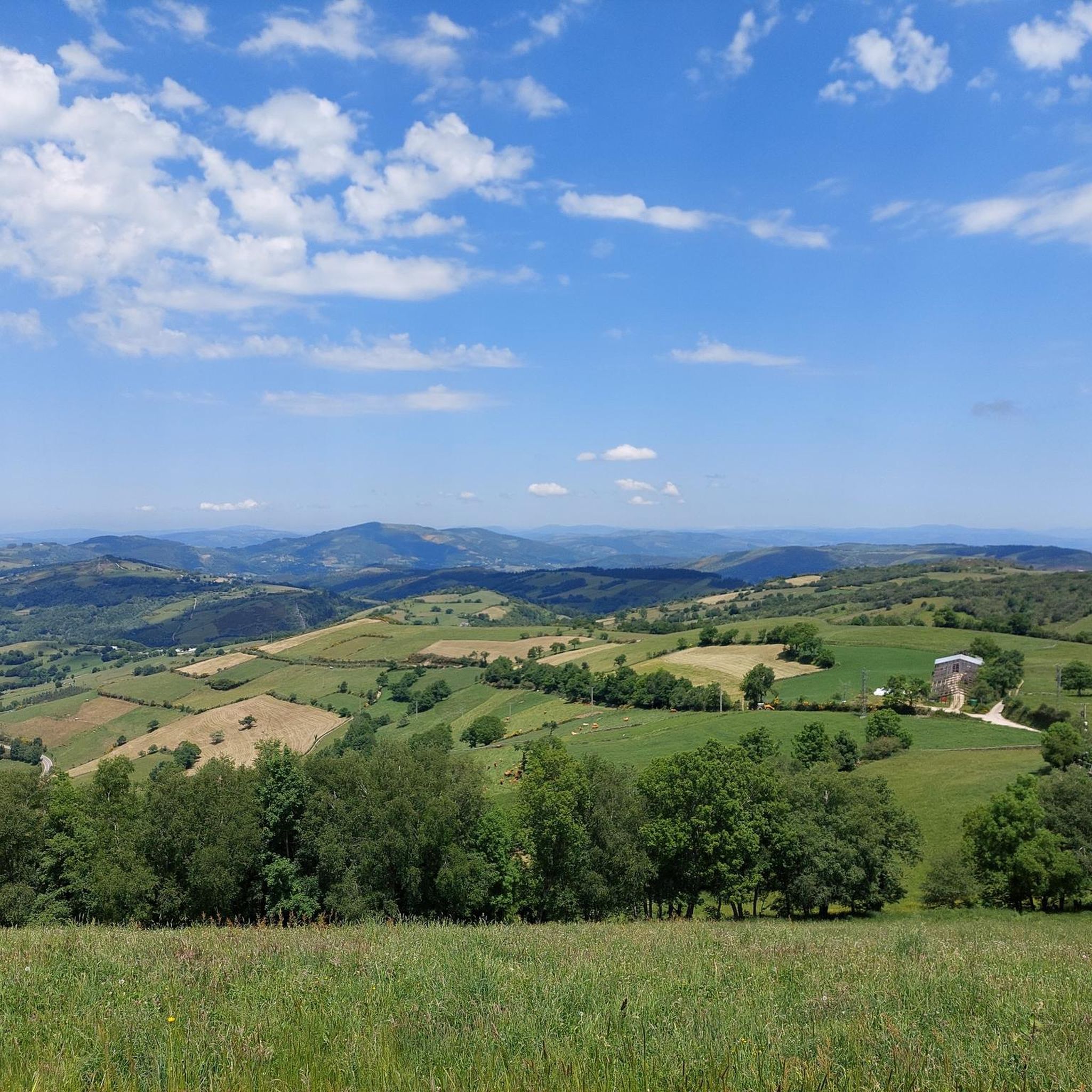
From here you can enjoy a unique panoramic view of the surrounding mountains and one of the most photographed images of the Camino: the monument to the pilgrim against the background of the landscape.
Translated by Google •
Tip by

Sign up now to discover places like this
Get recommendations on the best single tracks, peaks, & plenty of other exciting outdoor places.
Alto do Poio
Highlight • Mountain Pass
Here you will find a hostel and a hostel with bar service, so you can enjoy a reward by having a drink on one of its terraces and regaining strength before facing the descent.
The landscape, both going up and down, is unforgettable.
Translated by Google •
Tip by
Monastery of Saint Julian of Samos
Highlight • Religious Site
Translated by Google •
Tip by
Pilgrim Monument in Triacastela
Highlight • Monument
Translated by Google •
Tip by
Sign up for free to discover even more attractions around Triacastela.
Already have an account?
Start today with a free account
Your next adventure awaits.
Tips from the Community

Located at the entrance to Triacastela, this wooden sculpture depicts a classic pilgrim with a staff, cloak, and hat. It's one of the most photographed spots on the Camino as it passes through this town. A work of local craftsmanship, it pays homage to the thousands of pilgrims who have passed through this historic Galician village, which was one of the first documented stops on the Camino de Santiago route. A good excuse to stop, stretch your legs, and take a symbolic photo before entering the town. From here, decide whether to continue along the San Xil route (shorter and more mountainous) or the Samos route (longer and with a monastery). Both routes are beautiful, but very different.
0
0
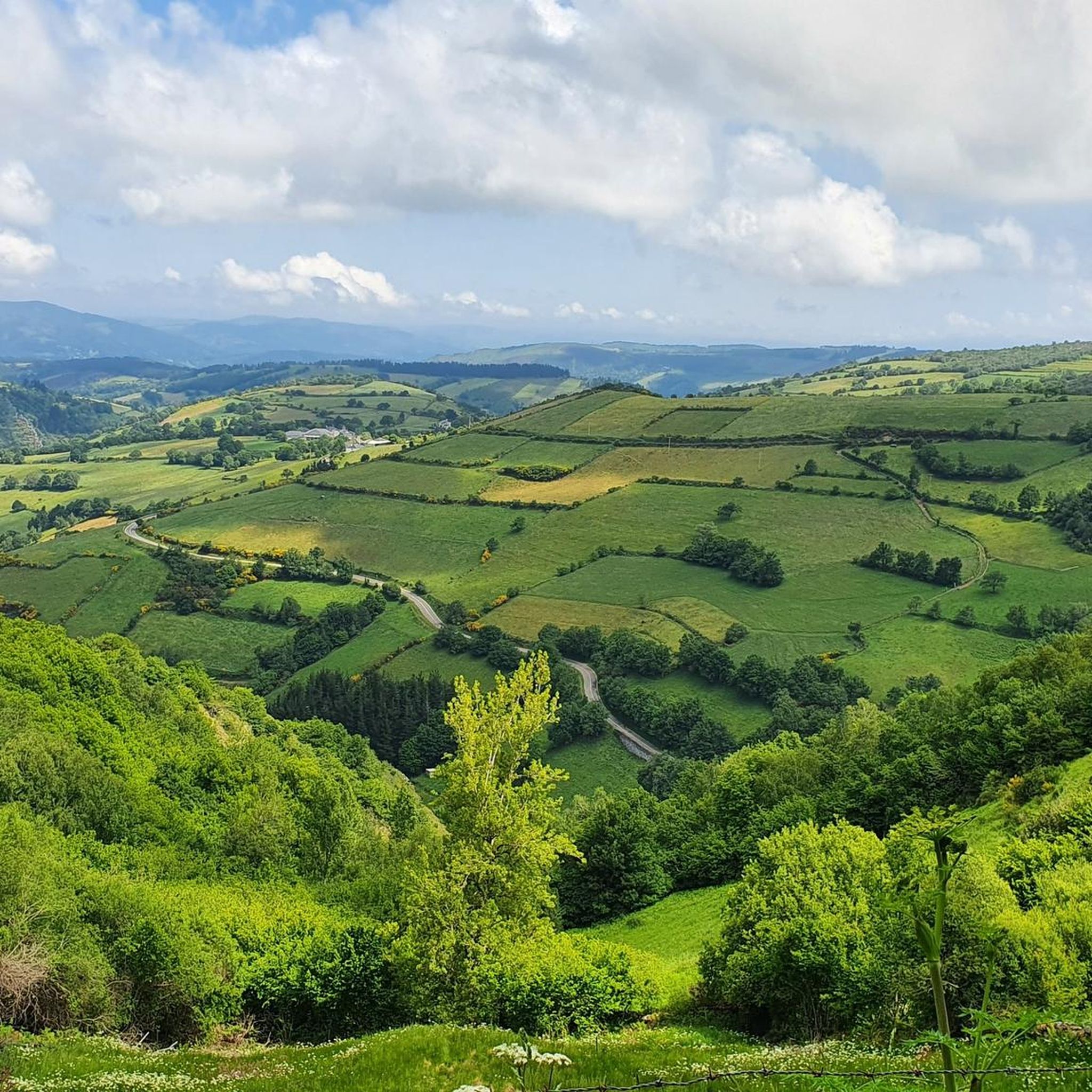
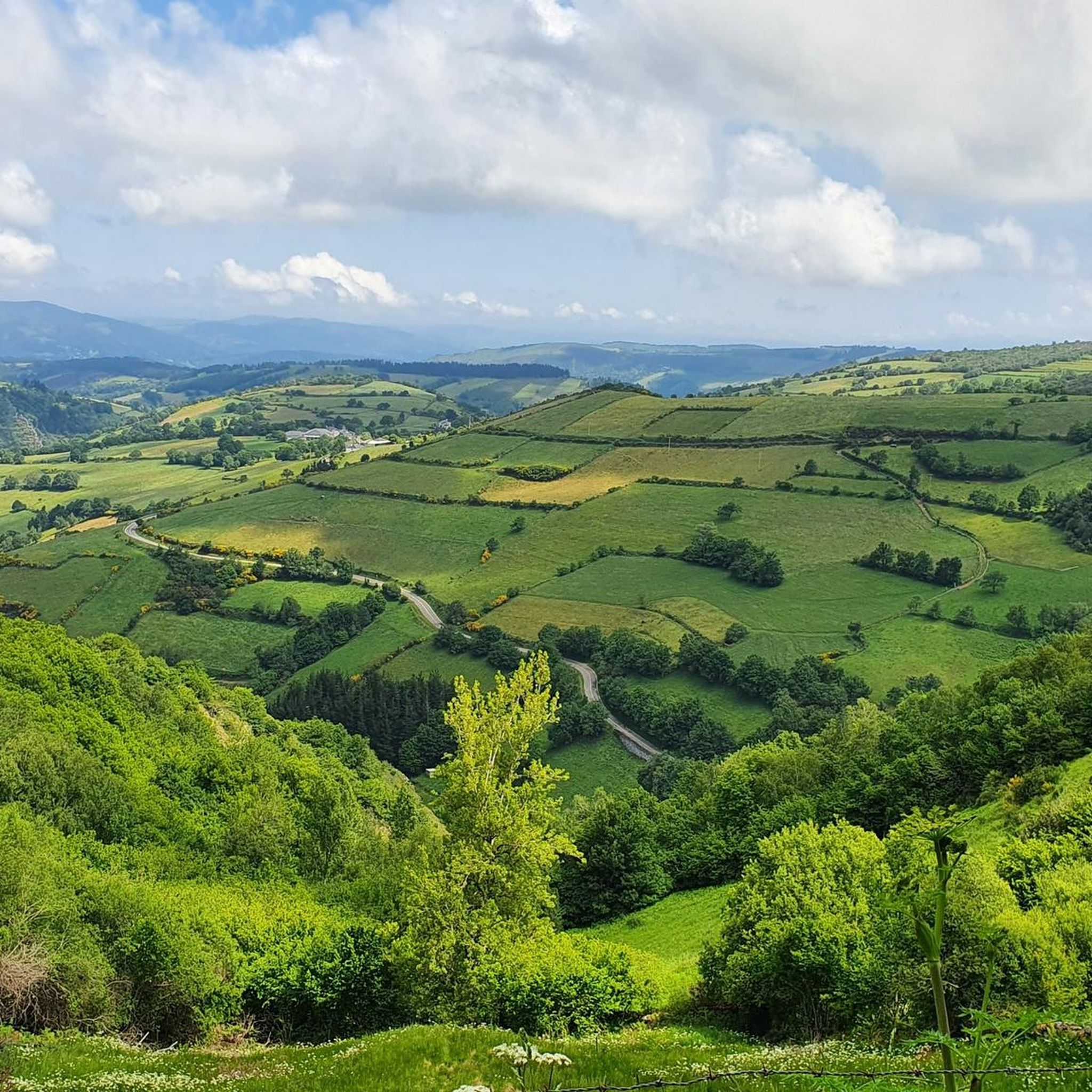
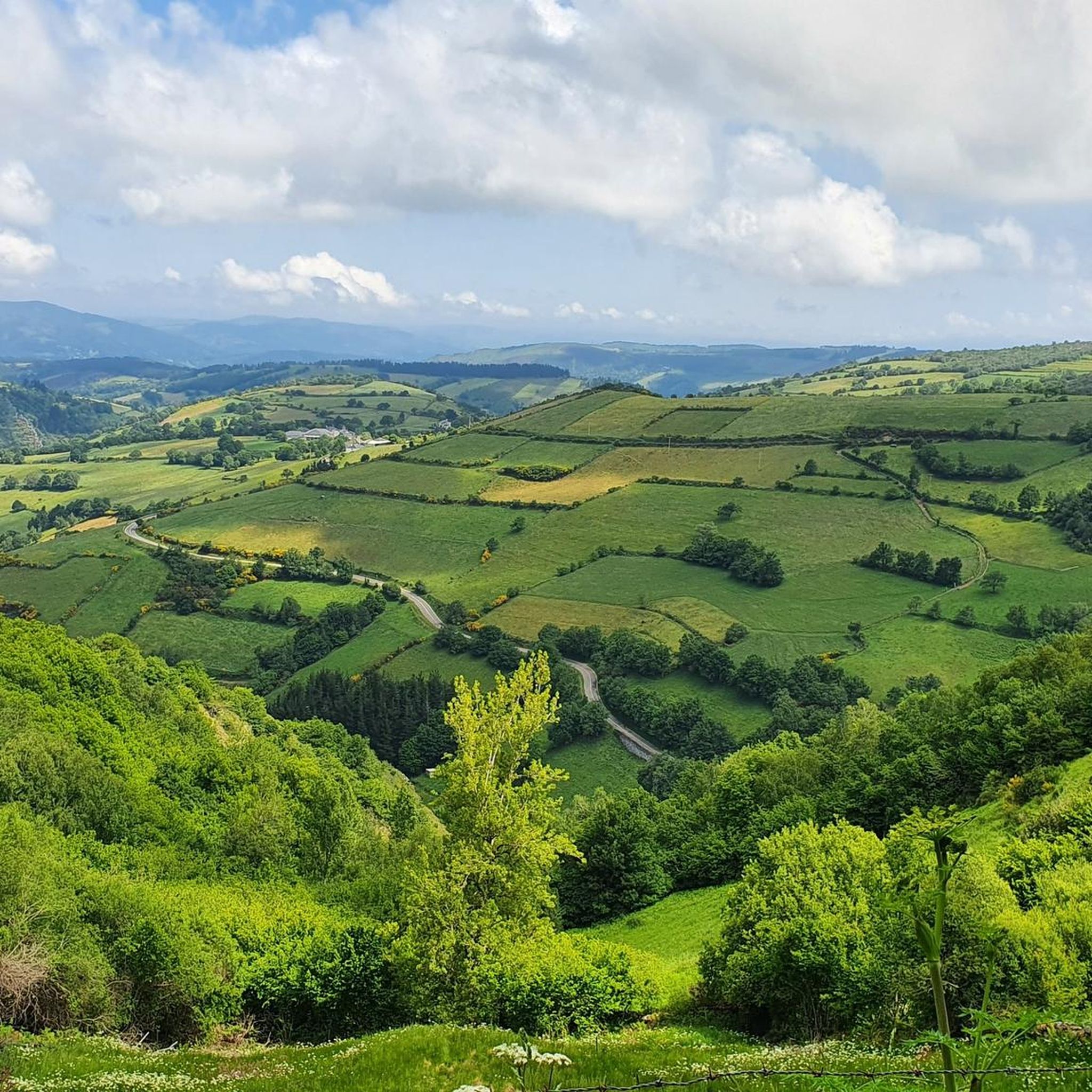
One of the highest points on the French Way of the Camino de Santiago, located between Triacastela and Fonfría, already in the province of Lugo. At 1,335 meters above sea level, this peak offers a natural viewpoint overlooking the Galician mountains. The area is often exposed to wind and changeable weather, even in summer, but the views and the feeling of having reached a milestone more than compensate. There's a hostel/bar right at the summit, useful as a stopping point for pilgrims and cyclists. Dress warmly before reaching the top: the temperature here can drop suddenly, even on sunny days. If you're on a mountain bike or e-bike, make sure you have good traction on descents and that your brakes are checked: the descent towards Fonfría is fast and winding. It's a good place to rest and refill your water or coffee before continuing.
1
0


In the small village of Ramil at the foot of the Camino, just before Triacastela, stands one of Galicia's most beautiful century-old chestnut trees. Its trunk spans 8.5 meters and, with its hollow spaces and thick branches that seem to embrace the tree, resembles an X-ray of time.
0
1


Large deciduous tree that is common in the mountains of Galicia. The fruits are covered with a green rind with thorns, the "erize". The season for harvesting chestnuts is November, and in Triacastela and throughout Galicia in general it is celebrated with a festival called "magesto". The main use of the chestnut tree is to obtain its wood and use its fruit as food for the population in general and as food for livestock.
1
0

This impressive tree is over 800 years old. A true natural monument.
2
0
At the top of the pass there is a small bar where you can stock up on drinks and snacks after the long and steep climb.
3
0
Frequently Asked Questions
What historical and cultural sites can I explore in Triacastela?
Triacastela is rich in history, particularly due to its role on the Camino de Santiago. You can visit the Monastery of Saint Julian of Samos, a significant 6th-century Benedictine abbey. The town also features the Pilgrim Monument in Triacastela, commemorating the Camino's legacy, and the historic Church of Santiago, known for its Baroque style and three castles on its tower. Strolling through the old, cobbled streets offers a glimpse into its medieval past.
Are there any significant natural attractions or viewpoints near Triacastela?
Yes, the region boasts several natural highlights. Don't miss the Ancient Chestnut Tree in Ramil, an emblematic 800-year-old tree and a popular stop for pilgrims. For panoramic views, head to the Pilgrim Statue at Alto de San Roque, located at 1270 meters altitude, offering stunning vistas of the surrounding mountains. The area is also part of a Biosphere Reserve, with the Oribio River flowing through a verdant landscape of rolling hills.
What is the significance of the Camino de Santiago in Triacastela?
Triacastela is a crucial point on the French Way of the Camino de Santiago. It's where the Camino diverges into two main routes to Sarria: the historic San Xil Route and the slightly longer Samos Route, which passes by the Monastery of Saint Julian of Samos. This fork, known as Camino de Santiago — fork at Triacastela, is a significant decision point for pilgrims.
Are there family-friendly activities or attractions in the area?
Many attractions around Triacastela are suitable for families. The Ancient Chestnut Tree in Ramil is a fascinating natural monument for all ages. The Monastery of Saint Julian of Samos offers an educational and peaceful visit, and the Pilgrim Monument in Triacastela provides a historical context that can be engaging for children.
What kind of hiking trails can I find near Triacastela?
The region around Triacastela offers diverse hiking opportunities, especially along the Camino de Santiago routes. You can explore trails that lead through picturesque villages and rural landscapes. For more detailed hiking routes and options, including moderate to difficult trails, refer to the Hiking around Triacastela guide.
Can I go cycling around Triacastela?
Yes, Triacastela and its surroundings are suitable for cycling. There are various routes for touring bicycles and road cycling, ranging from moderate to difficult. You can find detailed information and specific routes in the Cycling around Triacastela guide and the Road Cycling Routes around Triacastela guide.
What is the Cova Eirós and can I visit it?
Cova Eirós is an archaeo-paleontological site of significant interest, containing ancient engravings and paintings, some dating back 40,000 years, and evidence of Neanderthal habitation. While it's a crucial prehistoric site in the region, access is typically restricted to archaeologists due to its delicate nature.
What is the traditional significance of limestone in Triacastela?
Historically, pilgrims passing through Triacastela would collect limestone from the local quarry. This limestone was then transported to Castañeda to be used in the construction of the Cathedral of Santiago de Compostela, a tradition even mentioned in the Codex Calixtinus. The Pilgrim Monument in Triacastela commemorates this medieval practice.
Are there any local events or festivals in Triacastela?
Triacastela hosts a simple fair on the 28th of every month on its main street. Additionally, a Craft Fair takes place on Holy Saturday, showcasing local artisans. On August 17th, a pilgrimage in honor of San Mamede is held at the chapel of San Mamede, a short distance from the village.
What do visitors particularly enjoy about the attractions near Triacastela?
Visitors frequently appreciate the blend of historical significance and natural beauty. The ancient landmarks along the Camino, such as the Ancient Chestnut Tree in Ramil and the Pilgrim Statue at Alto de San Roque, are often highlighted for their iconic status and scenic views. The peaceful atmosphere of the Monastery of Saint Julian of Samos and the unique experience of the Camino de Santiago fork are also highly valued.
What is the Sierra do Oribio?
The Sierra do Oribio is a mountain range that forms part of the verdant landscape surrounding Triacastela. The Oribio River also flows through the area, contributing to the region's natural beauty, which is recognized as part of a Biosphere Reserve.
Most popular attractions around Triacastela

Get inspired with the komoot mobile app


Explore more
Still not found the Highlight you’re looking for? See guides of the top attractions in other regions:
