The best walks and hikes around Triacastela
4.0
(193)
1,465
hikers
18
hikes
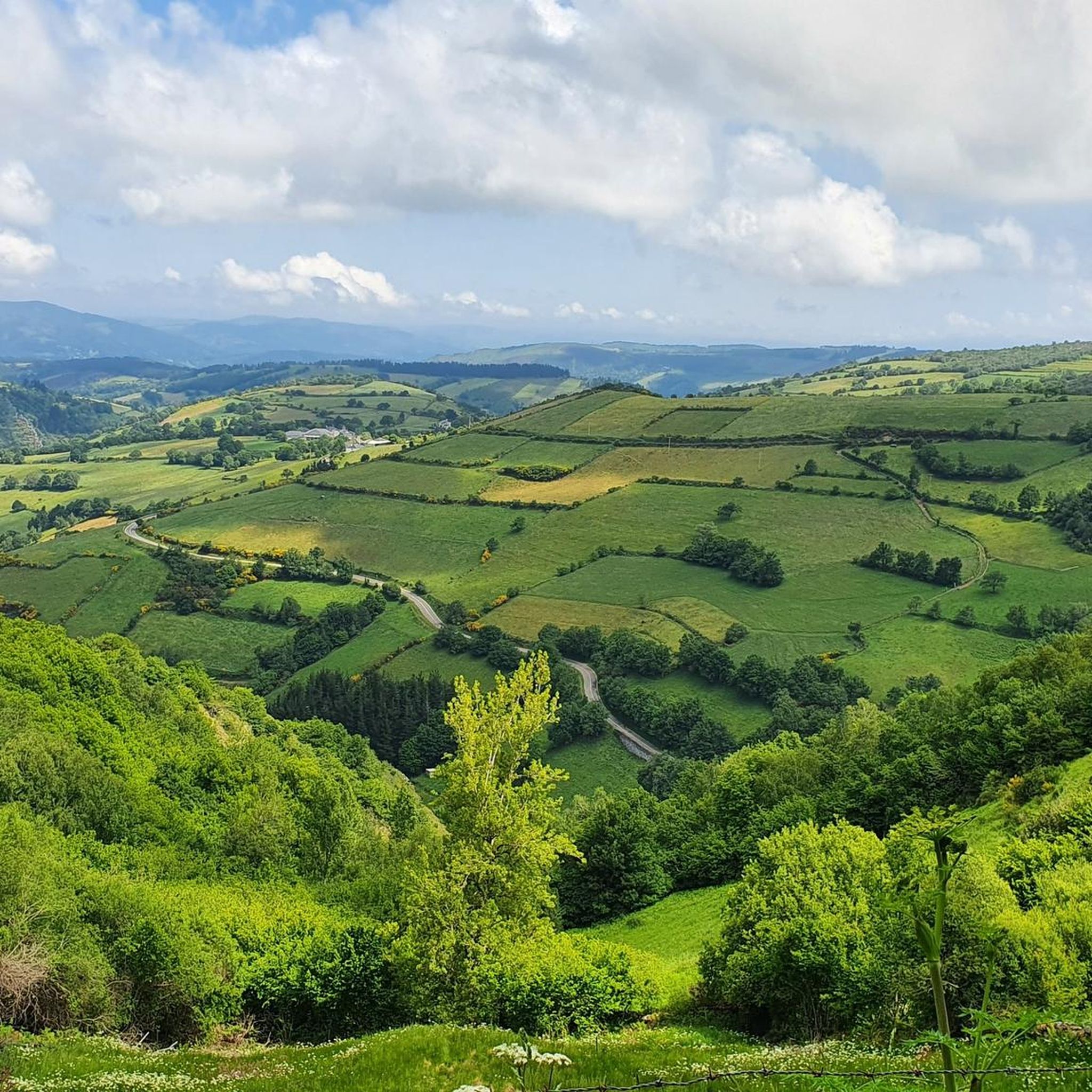
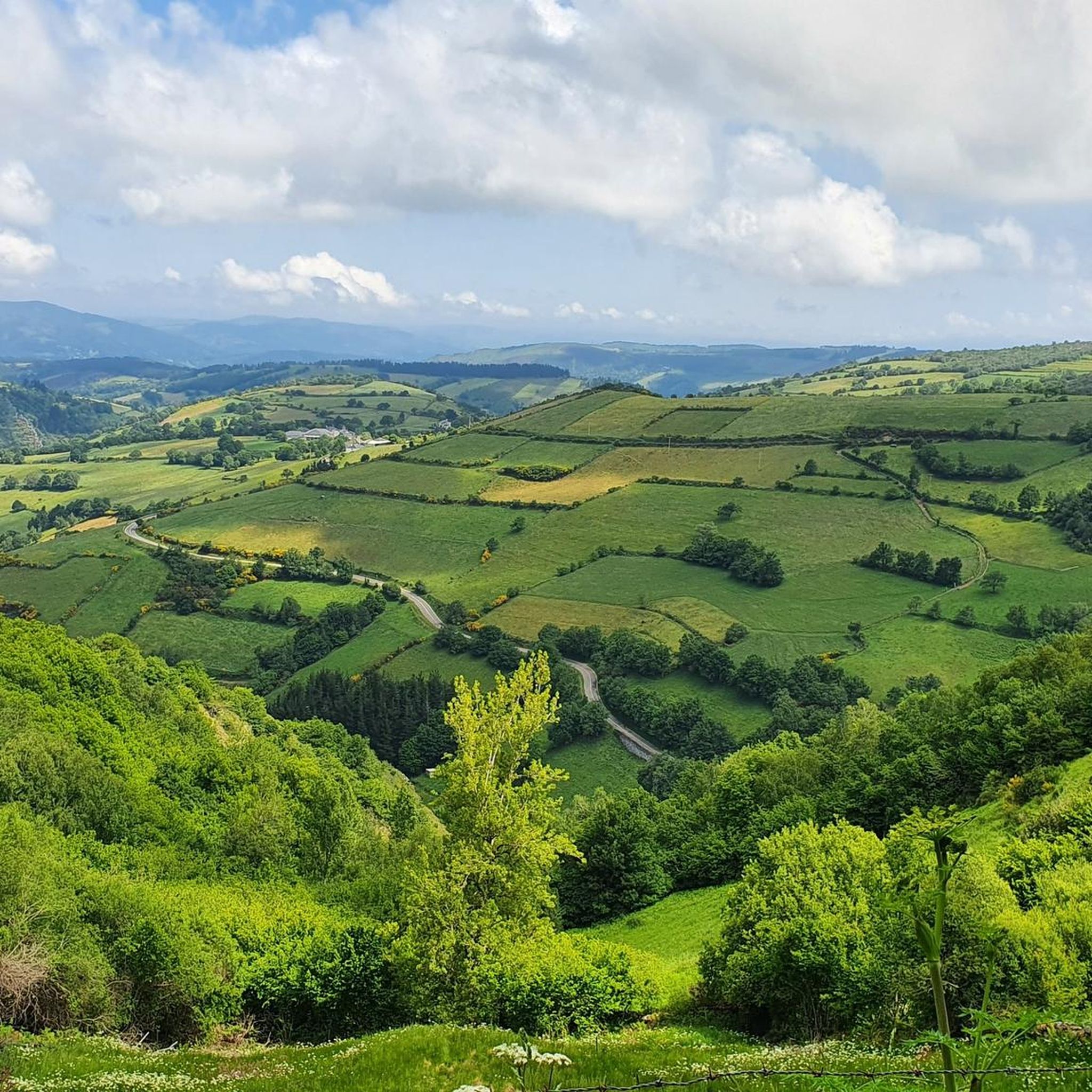
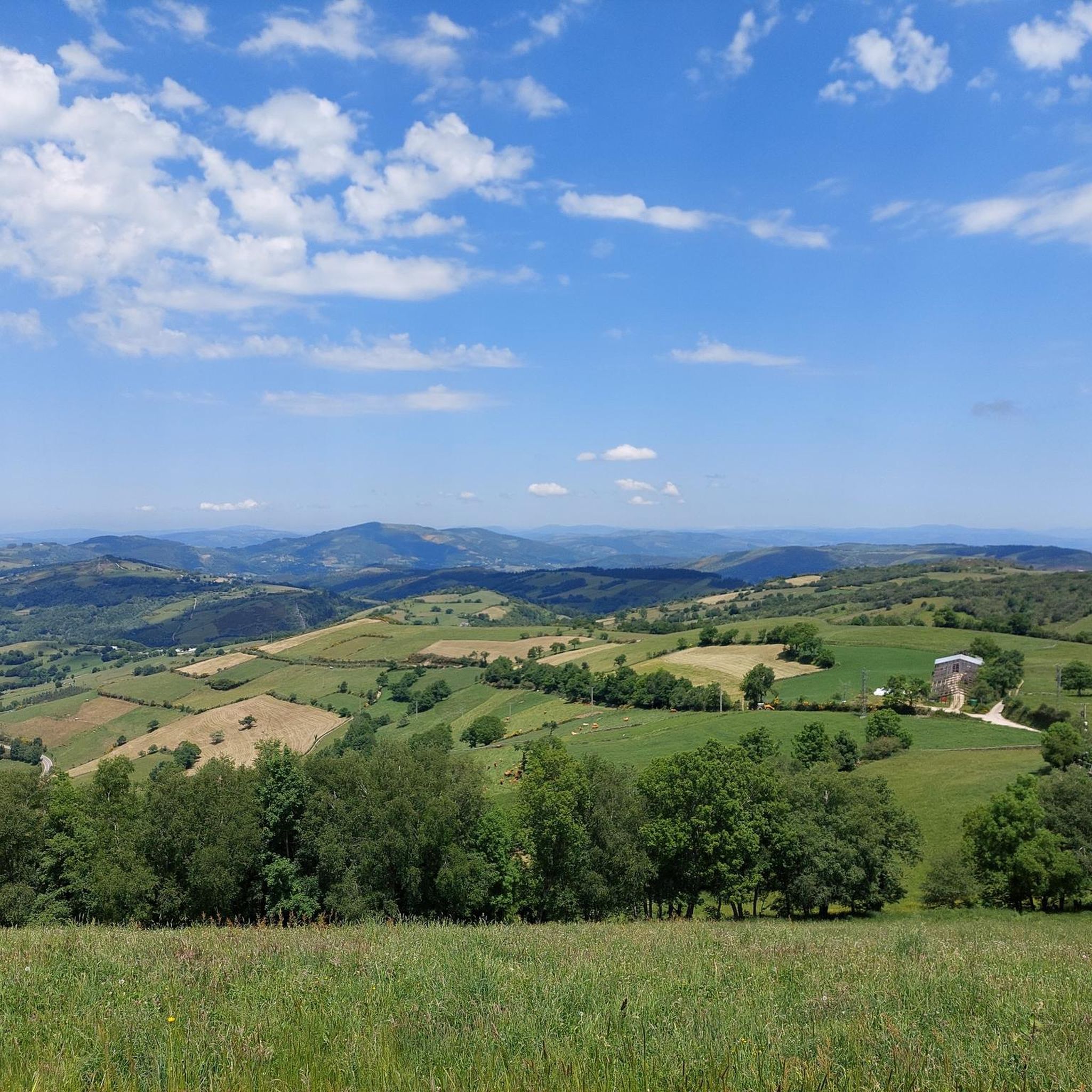
Hiking around Triacastela offers routes through the verdant landscapes of Galicia, situated in a valley where three rivers converge to form the Oribio River. The region features lush forests of chestnuts, poplars, and oak trees, providing varied terrain for hikers. Notable elevations like the Alto de San Roque, at 1270 meters, offer panoramic views of the surrounding mountains.
Best hiking trails around Triacastela
- The most popular hiking route is Albergue A Reboleira – Church of San Xoán de Hospital loop…
Last updated: October 4, 2026
4.5
(71)
530
hikers
29.0km
08:21
700m
700m
Hard hike. Very good fitness required. Easily-accessible paths. Suitable for all skill levels.
4.8
(39)
269
hikers
26.2km
07:44
770m
770m
Hard hike. Very good fitness required. Easily-accessible paths. Suitable for all skill levels.

4.3
(11)
80
hikers
23.7km
06:38
460m
460m
Hard hike. Very good fitness required. Easily-accessible paths. Suitable for all skill levels.
4.3
(9)
48
hikers
27.0km
07:38
580m
580m
Hard hike. Very good fitness required. Easily-accessible paths. Suitable for all skill levels.
5.0
(1)
13
hikers
21.3km
05:58
410m
410m
Hard hike. Very good fitness required. Easily-accessible paths. Suitable for all skill levels.
Get access to more routes and recommendations from other explorers.
Already have an account?
Our route recommendations are based on thousands of hikes, rides, and runs completed by other people on komoot.
Tips from the Community

One of the oldest monasteries in the West, dating back to the 6th century and the heart of the Ribeira Sacra region of Lugo. Its large cloister is the largest in Spain, and the complex is impressive both for its size and its history linked to the Camino de Santiago. Arriving via the detour from the French Way is a gift: a peaceful stretch, with a river and picture-perfect vegetation. However, once you leave, you have to climb back… and your legs remember.
1
0

First section of Calle Mayor... towards the Church.
0
0

A magnificent view of the Galician mountains
3
0
The path to OCebeiro is strenuous, but the higher you get, the more you can enjoy the panorama
1
1

Of course, at this border—of which the pilgrim has already crossed several on his long journey through northern Spain—it is especially wonderful to have (finally) reached Galicia. This makes us realize that we are slowly but surely approaching the destination of the great and beautiful, but naturally also strenuous, pilgrimage route: the tomb of the Apostle James the Greater in Santiago de Compostela, Galicia.
2
1

What hospitable people there are on the Camino 🤩🥰 Spiritual people have created a pilgrim oasis here and provide pilgrims with everything their hearts desire 🤩👌 And all on a donation basis!
0
1
The climb to O Cebreiro is rewarded with this unique panorama!
2
0

Rúa Maior in Sarria is an iconic street, heavily traveled by pilgrims on the Camino de Santiago. This street is steeped in history and charm, with numerous hostels, shops, and restaurants serving pilgrims.
6
0
Frequently Asked Questions
How many hiking trails are available around Triacastela?
There are over 10 hiking routes around Triacastela, offering a variety of experiences through the Galician landscape. These include 1 easy, 9 moderate, and 3 difficult trails, catering to different fitness levels.
What kind of landscapes can I expect to see while hiking in Triacastela?
Hiking in Triacastela offers diverse landscapes, from verdant river valleys where three rivers converge to form the Oribio River, to ancient forests filled with chestnuts, poplars, and oak trees. You'll also encounter mountainous terrain, with spots like the Alto de San Roque offering panoramic views.
Are there any circular hiking routes in Triacastela?
Yes, many routes around Triacastela are circular. For example, the difficult Albergue A Reboleira – Church of San Xoán de Hospital loop from Fonfría is a 23.6 km trail that takes about 6 hours 36 minutes. Another option is the moderate Panorama – Church of San Xoán de Hospital loop from Padornelo, covering 16.7 km.
What are some notable historical or natural attractions to see along the trails?
Triacastela is rich in history and natural beauty. You can visit the ancient Ancient Chestnut Tree in Ramil, which is over 800 years old. The Pilgrim Statue at Alto de San Roque offers unique panoramic views, and the historic Monastery of Saint Julian of Samos is accessible via one of the Camino de Santiago variants.
Are there any easy hiking options suitable for beginners or families?
Yes, while many routes are moderate to difficult, there is at least one easy trail available. The region's paths through river valleys and forests can be enjoyed by those seeking a less strenuous experience, though specific family-friendly routes should be checked for length and elevation.
What is the best time of year to go hiking in Triacastela?
Triacastela's lush and humid environment, characteristic of Galicia, makes it appealing for hiking during many seasons. Spring and autumn generally offer pleasant temperatures and vibrant scenery. The region provides a welcome rest for pilgrims after traversing the challenging Cebreiro mountains, suggesting that warmer months are also popular, but always check local weather conditions.
What do other hikers say about the trails in Triacastela?
The hiking routes in Triacastela are highly rated by the komoot community, with an average score of 3.8 stars from over 60 reviews. Hikers often praise the varied terrain, the beautiful river valleys, and the ancient forests that define the area.
Are there any long-distance hiking options available?
Yes, Triacastela is a pivotal point on the Camino de Santiago, offering long-distance hiking opportunities. From Triacastela, you can choose between the shorter, more mountainous San Xil Route or the longer Samos Route, which passes by the historic Monastery of Saint Julian of Samos. An example of a challenging long-distance trail is the Church of Saint James in Renche – Outeiro Village loop from Fontearcuda, which is 27.5 km long.
Where can I find parking for hiking trails in Triacastela?
As a key stop on the Camino de Santiago, Triacastela is accustomed to visitors. Parking is generally available within the village, especially near the main pilgrim services. For specific trailheads, it's advisable to check local signage or maps, but the village itself serves as a good starting point for many routes.
Can I reach hiking trailheads using public transport in Triacastela?
Triacastela is well-connected for pilgrims on the Camino de Santiago, with bus services linking it to larger towns. These services can facilitate access to the village, which often serves as a starting point or passes through many hiking routes. For reaching specific, more remote trailheads, local transport options or taxis might be necessary.
Are there any routes that offer significant elevation gains for a challenge?
Absolutely. The region is known for its mountainous terrain. For instance, the difficult Albergue A Reboleira – Church of San Xoán de Hospital loop from Fonfría involves an elevation gain of over 460 meters. The area provides a welcome rest for pilgrims after traversing the challenging Cebreiro mountains, indicating the presence of demanding ascents.
What is the significance of Triacastela in the context of the Camino de Santiago?
Triacastela is a pivotal village on the French Way of the Camino de Santiago. It's a significant stop where pilgrims often choose between two primary routes towards Sarria: the shorter, more mountainous San Xil Route, or the longer Samos Route, which leads past the historic Monastery of Saint Julian of Samos. The village itself has a Pilgrim Monument and the Camino de Santiago — fork at Triacastela highlight its importance.
Most popular routes around Triacastela
Most popular attractions around Triacastela

Get inspired with the komoot mobile app


Explore more
Browse the best Hikes in other regions.
