The best road cycling routes around Triacastela
4.7
(14)
821
riders
44
rides
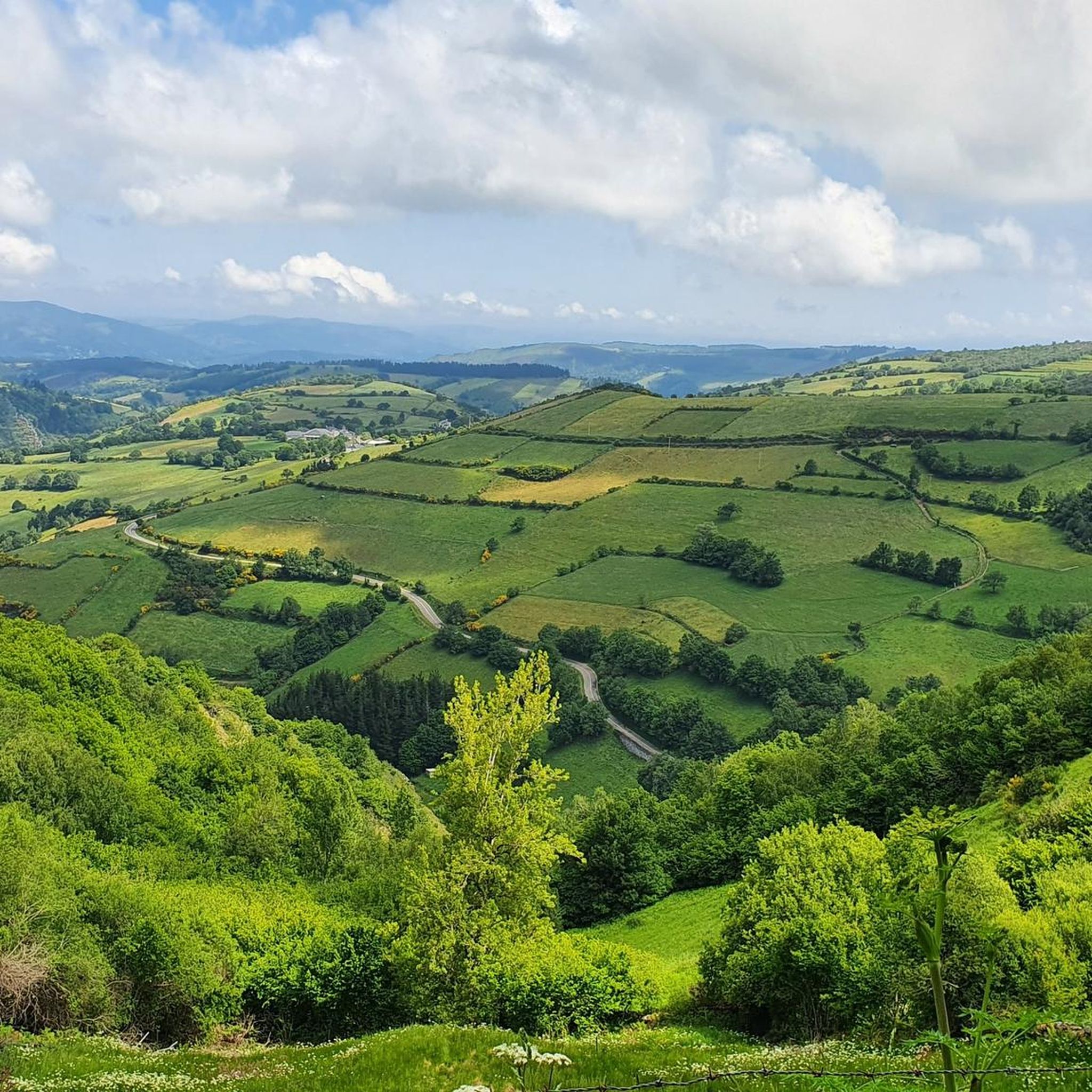
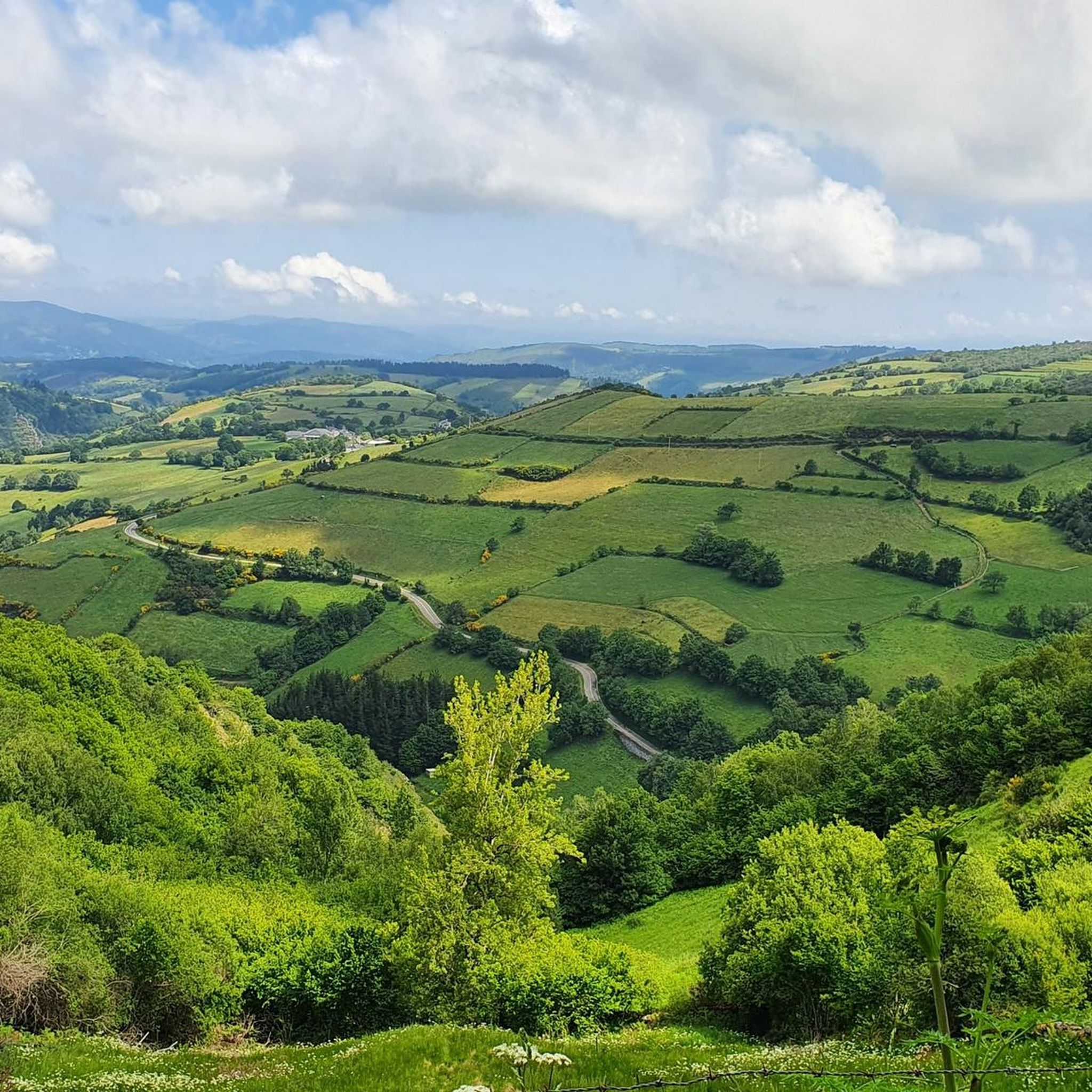
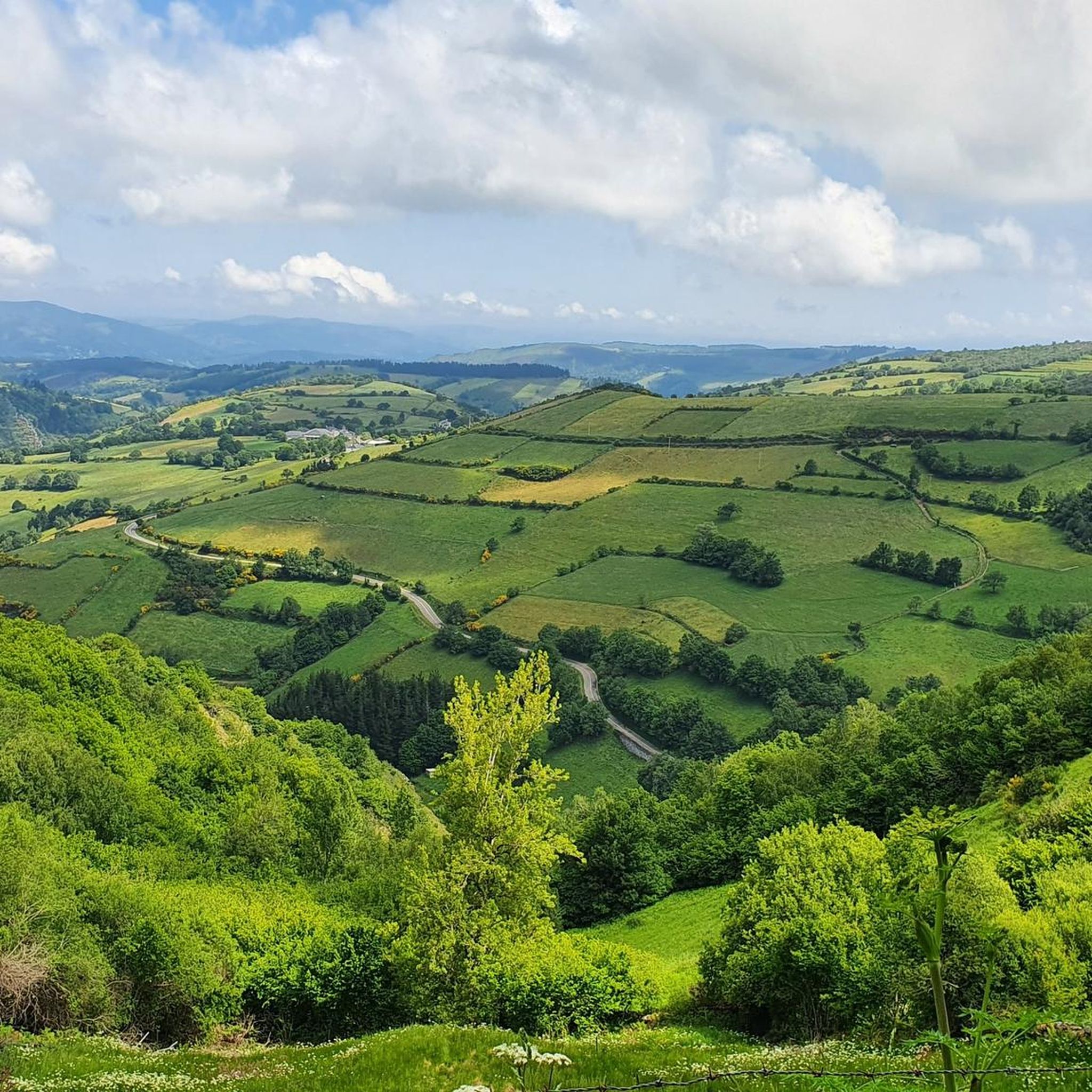
Road cycling routes around Triacastela traverse the foothills of the eastern Galician mountains, offering a diverse landscape of rolling hills, lush forests, and river valleys. The region is characterized by significant elevation changes, including climbs towards the Sierra de Oribio, providing varied cycling experiences. Cyclists can explore routes winding through protected natural areas within a Biosphere Reserve, encountering ancient chestnut trees and fertile meadows. This terrain provides both gentle slopes and challenging ascents for road cyclists.
Best road cycling routes…
Last updated: October 2, 2026
5.0
(1)
100
riders
202km
10:50
3,800m
3,800m
Hard road ride. Very good fitness required. Some segments of this route may be unpaved and difficult to ride.
5.0
(1)
89
riders
141km
07:35
2,730m
2,730m
Hard road ride. Very good fitness required. Mostly well-paved surfaces and easy to ride.

35
riders
38.1km
02:06
780m
780m
Moderate road ride. Good fitness required. Mostly well-paved surfaces and easy to ride.
5.0
(1)
38
riders
73.6km
04:16
1,690m
1,690m
Hard road ride. Very good fitness required. Mostly well-paved surfaces and easy to ride.
18
riders
69.5km
04:01
1,580m
1,570m
Hard road ride. Very good fitness required. Mostly well-paved surfaces and easy to ride.
Get access to more routes and recommendations from other explorers.
Already have an account?
Our route recommendations are based on thousands of hikes, rides, and runs completed by other people on komoot.
Tips from the Community

One of the highest points on the French Way of the Camino de Santiago, located between Triacastela and Fonfría, already in the province of Lugo. At 1,335 meters above sea level, this peak offers a natural viewpoint overlooking the Galician mountains. The area is often exposed to wind and changeable weather, even in summer, but the views and the feeling of having reached a milestone more than compensate. There's a hostel/bar right at the summit, useful as a stopping point for pilgrims and cyclists. Dress warmly before reaching the top: the temperature here can drop suddenly, even on sunny days. If you're on a mountain bike or e-bike, make sure you have good traction on descents and that your brakes are checked: the descent towards Fonfría is fast and winding. It's a good place to rest and refill your water or coffee before continuing.
1
0
Pedrafita do Cebreiro: a legendary gateway to Galicia on the Camino de Santiago. Between pallozas, fog, and over 1,300 meters of altitude, the pass has been a test for pilgrims and cyclists for centuries. Cyclist's tip: climbing it is tough, but the reward is feeling like you're pedaling with one foot in history.
0
0


It is a fortress-church dedicated to St. Nicholas
4
0
Famous pass, feared by medieval pilgrims, practically connects the Bierzo with Galicia. The climb from Villafranca del Bierzo is no joke, but doable. Just take it easy.
4
0

The Scallop Fountain in Paradela is an iconic site for pilgrims on the Camino de Santiago. Paradela, located in the province of Lugo, Galicia, is known for its rich history and connection to the Camino Francés. The fountain is a symbol of rest and renewal for pilgrims, and its design includes the famous scallop, the symbol of the Camino de Santiago. In addition to the fountain, Paradela offers other points of interest such as the Church of Santa María de Ferreiros and the Mirador de Santa Marta.
5
0
Frequently Asked Questions
What kind of terrain can I expect for road cycling around Triacastela?
Road cycling around Triacastela offers a diverse landscape, from rolling hills and lush forests to river valleys and significant mountain climbs. The region is situated in the foothills of the eastern Galician mountains, with routes winding through a Biosphere Reserve. You'll encounter both challenging ascents, such as those towards the Sierra de Oribio, and more gentle slopes, providing a varied experience for cyclists.
Are there road cycling routes suitable for beginners in Triacastela?
While Triacastela is known for its challenging terrain, with many routes featuring significant elevation changes, there are some moderate options available. For instance, the Alto do Cebreiro (1300 m) – O Cebreiro loop from O Poio is a moderate 23.5-mile route that provides scenic views without the extreme difficulty of some longer climbs. However, most routes tend to be on the more difficult side, so beginners should choose carefully.
What natural features or landmarks can I see while road cycling in Triacastela?
As you cycle through Triacastela, you'll pass through a protected Biosphere Reserve, offering views of ancient forests, fertile meadows, and river valleys like those carved by the Oribio River. Notable natural landmarks include the Ancient Chestnut Tree in Ramil, which is over eight hundred years old. The routes also offer spectacular views as they climb towards the Sierra de Oribio and the passes of O Cebreiro.
How does the Camino de Santiago influence road cycling routes in Triacastela?
Triacastela is a pivotal stop on the French Way of the Camino de Santiago, and its presence significantly shapes the cycling landscape. Many road routes follow or run parallel to sections of the Camino, allowing you to experience its historical and spiritual atmosphere. You can encounter historic architecture, pilgrim monuments like the Pilgrim Monument in Triacastela, and even choose between variants like the route through Samos, passing its famous Monastery of Saint Julian.
Are there any historical sites or cultural attractions to explore along the road cycling routes?
Absolutely. The region is rich in history and culture. Besides the Camino de Santiago itself, you can visit the Church of Santiago de Triacastela, with its Baroque and Romanesque elements, or the Monastery of Saint Julian of Samos. As you cycle, you'll pass through quaint villages with ancient stone houses and narrow cobblestone streets, offering a glimpse into medieval heritage. The Pilgrim Statue at Alto de San Roque is another significant landmark.
What is the best time of year for road cycling in Triacastela?
The verdant landscapes of Galicia are generally pleasant for cycling. While specific weather patterns vary, the spring and autumn months typically offer milder temperatures and beautiful scenery, making them ideal for tackling the region's varied terrain. Summer can also be good, but be prepared for potentially warmer conditions, especially on longer climbs.
Can I find circular road cycling routes starting from Triacastela?
Yes, many of the road cycling routes around Triacastela are designed as loops, allowing you to start and finish in the same location. Examples include the challenging Alto do Cebreiro (1300 m) – Samos (Galicia, Spain) loop from As de Quintas or the moderate Alto do Cebreiro (1300 m) – O Cebreiro loop from O Poio. These circular routes are convenient for exploring the region's diverse landscapes.
What do other road cyclists appreciate about the routes in Triacastela?
The road cycling routes in Triacastela are highly rated by the komoot community, with an average score of 4.9 stars. Cyclists often praise the challenging climbs, such as those to Alto do Cebreiro, the stunning scenic views, and the unique experience of cycling through a Biosphere Reserve and along sections of the historic Camino de Santiago. The diverse terrain, from rolling hills to mountain passes, is also a frequently mentioned highlight.
Are there any very challenging road cycling routes for experienced riders near Triacastela?
Experienced road cyclists will find plenty of challenging options in the Triacastela area. Many routes feature significant elevation gains and long distances. For example, the Alto do Cebreiro (1300 m) – Samos (Galicia, Spain) loop from As de Quintas is a difficult 91.1-mile route with nearly 3,000 meters of elevation gain. Another demanding option is the Os Grobos Forest – Becerreá loop from As Nogais, which covers 57.1 miles with over 1,200 meters of climbing.
Is public transport available to reach Triacastela with a bike?
Triacastela, being a key stop on the Camino de Santiago, has a tradition of accommodating travelers. While specific bike transport options on public buses or trains can vary by operator and season, it's advisable to check with local transport providers in Galicia for their current policies regarding bicycles. Many pilgrims and cyclists use private transfer services or cycle directly to the village.
Where can I find parking for my car if I want to cycle in Triacastela?
As a village accustomed to pilgrims and visitors, Triacastela typically offers various parking options, including public parking areas. While dedicated cyclist-specific parking might not be explicitly signposted, you can usually find suitable places to park your car within or on the outskirts of the village, especially near accommodations or the main Camino route. It's always a good idea to arrive early during peak seasons.
Most popular routes around Triacastela
Most popular attractions around Triacastela

Get inspired with the komoot mobile app


Explore more
Browse the best Road cycling routes in other regions.
